Note: This post was recovered from the Sh.org archive.
Username: Divine Wind
Date: 2020-07-16 17:54:36
Reaction Score: 8
This video was literally made with SH in mind.
Golf courses to hide ruins? Check.
Silly cover stories about an 18th century ruins fad? Check.
Follies and the like were just fads for the elite? Check.
Rome ruins under 30ft. of dirt? You betcha.
For those who don't know, there are several forever- non-hidden Roman ruins in England. My gut feeling is that there was some effort to hide many of the more elegantly designed temples and palaces.
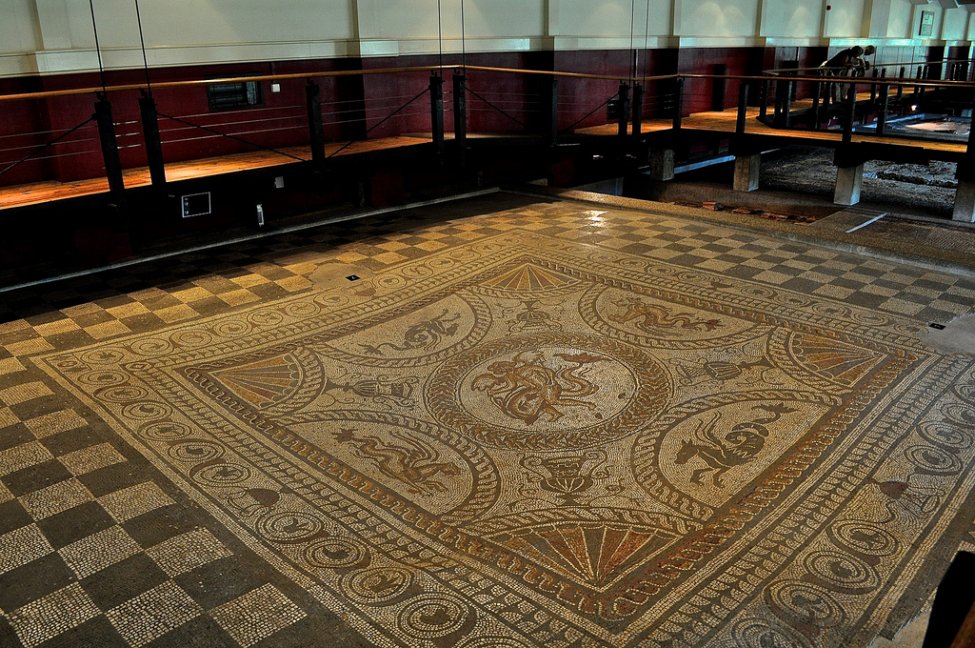
Inside information here, an old friend of mine's father led the team that actually discovered Fishbourne Palace in the early 60's, and several people wanted to just press ahead with the new water main and it's designed route, and break up part of the ruins, bury the main, back-fill and carry on. Archeologists had to fight the local water compant to prevent this happening, and when they kept digging, they just couldn't believe what they eventually found. This palace is the largest domestic Roman dwelling in England, and also anywhere north of the Alps. What is strange about this palace, apart from almost all of the above ground structure being knocked down, is that the local councils in days gone past built a main road (2 xsingle carriagways) over a lot of the palace with adjacent housing also sitting on top. Was this by design? with the roads and local housing covering up an enormous amount of floor mosaics?
The floor mosaics, tiling and layouts are extremely elegant and the original missing structure was substantial.
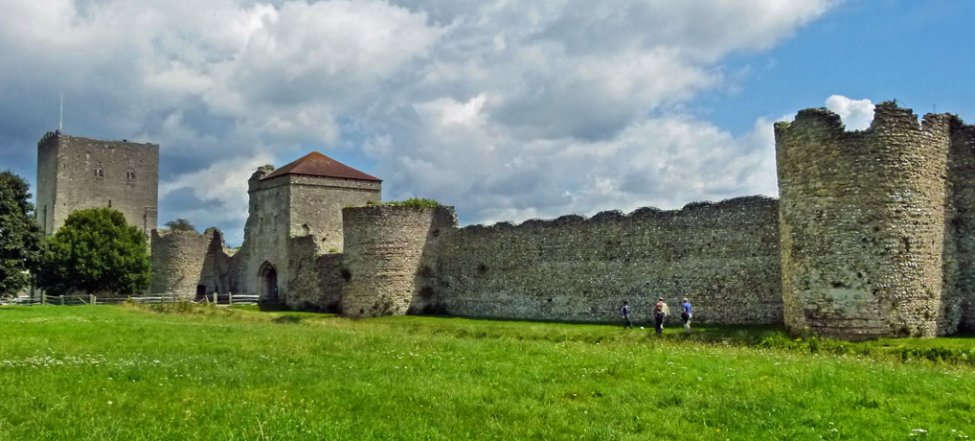
Around 8 miles away is Portchester Castle, a solidly built structure with a Roman fort, an inside Saxon Church, and a Norman keep added to the fort which certainly makes it a castle. The Roman fort walls must be 7/8 metres high in places, with some part even higher, and it is the best preserved Roman fort in Northern Europe. The fort is one of a chain of 5/6 Roman forts/ castles on the south coast of England. All the forts are solid and well constructed, and they have often been used as storehouses, and dwellings through the ages. The fort and others are all 1700 years old or older.
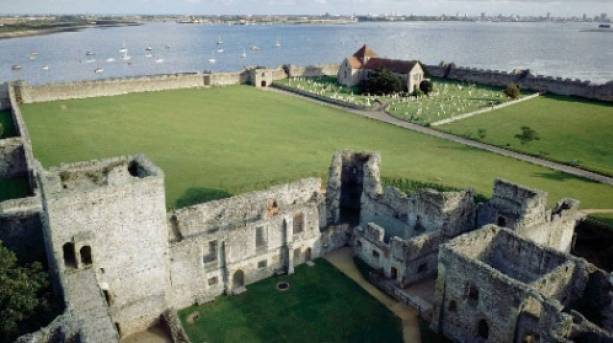 My suggestion is that the Forts/ Castles were all rather functional, and none have contained impressive water systems, drainage, or elegant designs with mosaics. Therefore, there was no point in hiding them/ pulling them down, as they didn't interefere with the idea of the European renaissance and fine art and design, unlike the domestic dwellings.
The Roman Baths in the city of Bath is quite possibly key here, they are also of a very elegant design, and are quite tall, and have old obvious facilities and technology within the overall structure. Therefore you would need to research whether or not these were accidently uncovered/discovered or whether it was a character who knew what he was looking for outside of the establishment (1878 discovered by Major Charles Davis).
One thing is crystal clear to my mind, a structure this high doesn't get buried by accident, just maybe the people who buried it loved it so much they kept the structure intact - unlike at Fishbourne.
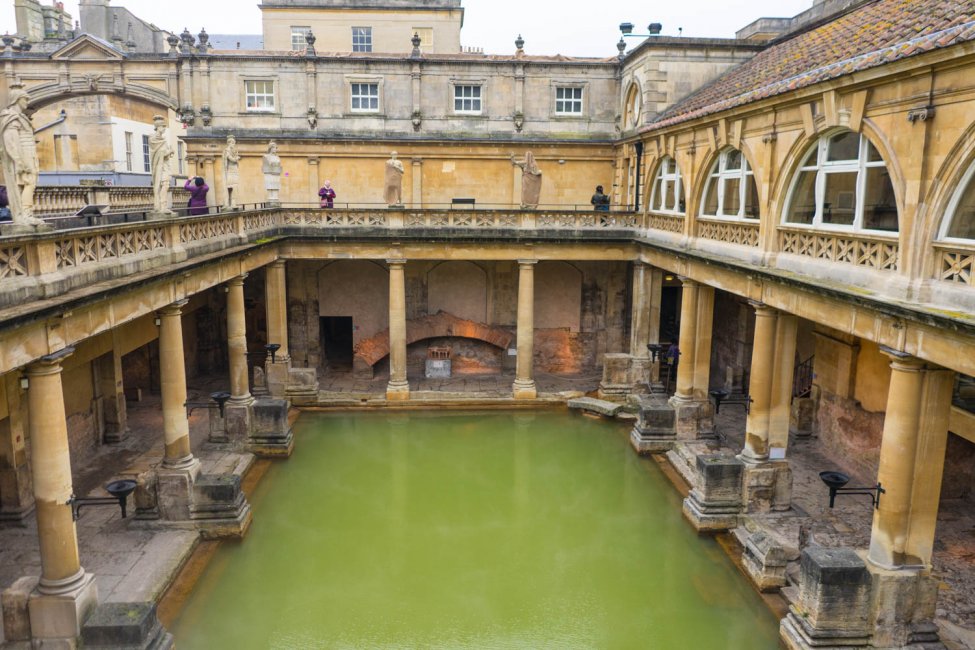
The big problem here might be the name of course ie the city of Bath gave everyone the word 'bath', so they would have always known that there would be natural baths here - unless someone tried and failed to change the name of the town - another bit of research for somebody here.
The Story Behind the Roman Baths in Bath


