North America: New Granada, New Mexico, Cibola..

KD Archive

Not actually KorbenDallas
Active Member
Joined
Sep 22, 2020
Messages
4,691
Reaction score
1,500
Our history has to be one of the most confusing things out there. Unfortunately this world does not care about our real past. Bits and pieces that we uncover here are too random and disorganized to turn into some kind of system. Nevertheless, some of the things we stumble upon are rather interesting, and possibilities of true historical developments presented by such discoveries are intriguing.

Various Granadas
I am not sure we can definitely pinpoint the location of this elusive (for me it is) Granada or New Granada. For whatever reason this Granada ended up being a very popular name to use. Judge for yourself:
The first two links above we are not interested in, within the scope of this thread. It's the other three that I somewhat plan on using, at the same time they do not really cover the area in question presented below. These Wikipedia Granadas were located in South/Central America. Today we have these New Granada territories occupied by countries like Colombia, Venezuela, Panama, Ecuador, Guyana, Suriname and such. If you remember, the thread title mentions North America... we will get to it.
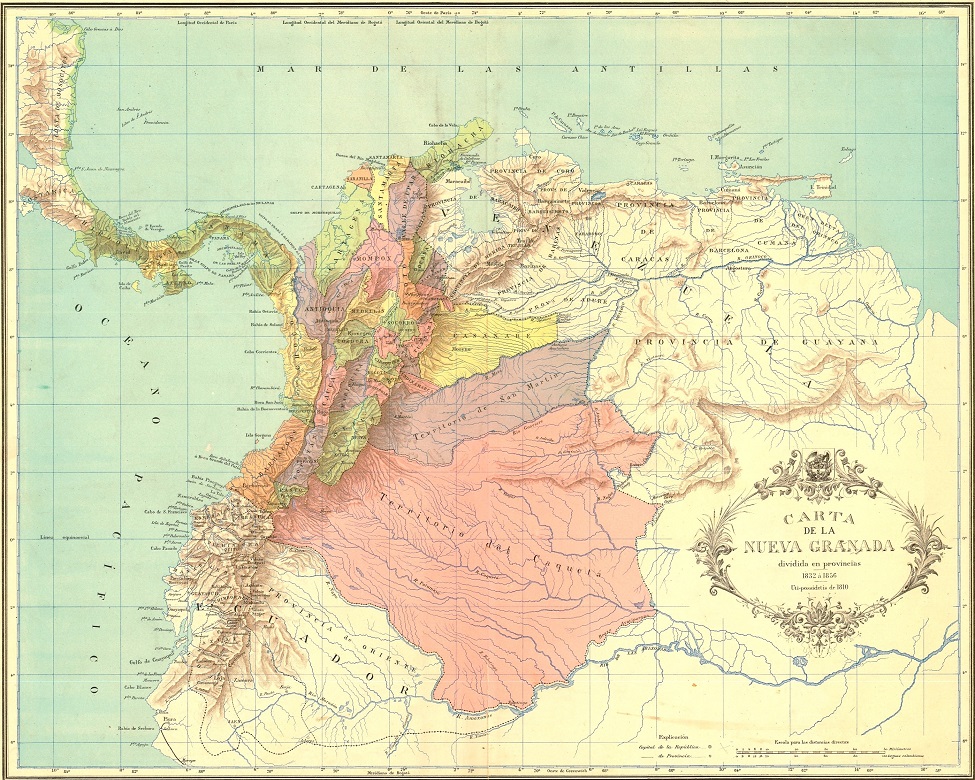
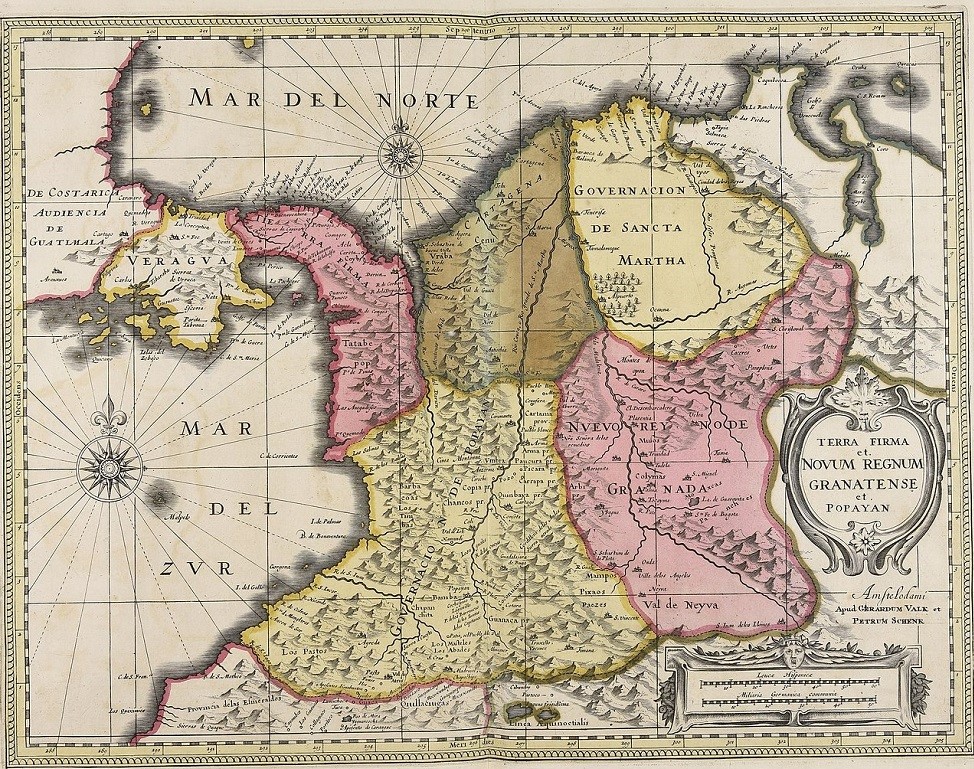
New Kingdom of Granada
1538–1739
The New Kingdom of Granada, or Kingdom of the New Granada, was the name given to a group of 16th-century Spanish colonial provinces in northern South America governed by the president of the Audiencia of Santa Fe, an area corresponding mainly to modern-day Colombia, Panama and Venezuela. The conquistadors originally organized it as a captaincy general within the Viceroyalty of Peru. The crown established the audiencia in 1549. Ultimately the kingdom became part of the Viceroyalty of New Granada first in 1717 and permanently in 1739. After several attempts to set up independent states in the 1810s, the kingdom and the viceroyalty ceased to exist altogether in 1819 with the establishment of Gran Colombia.

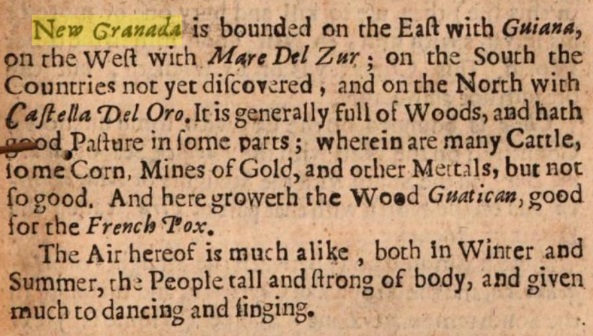
1661
1665-NG.jpg
Source
1630
1367px-Terra_Firma_et_Novum_Regnum_Granatense_et_Popayan_-_CBT_6621102.jpg

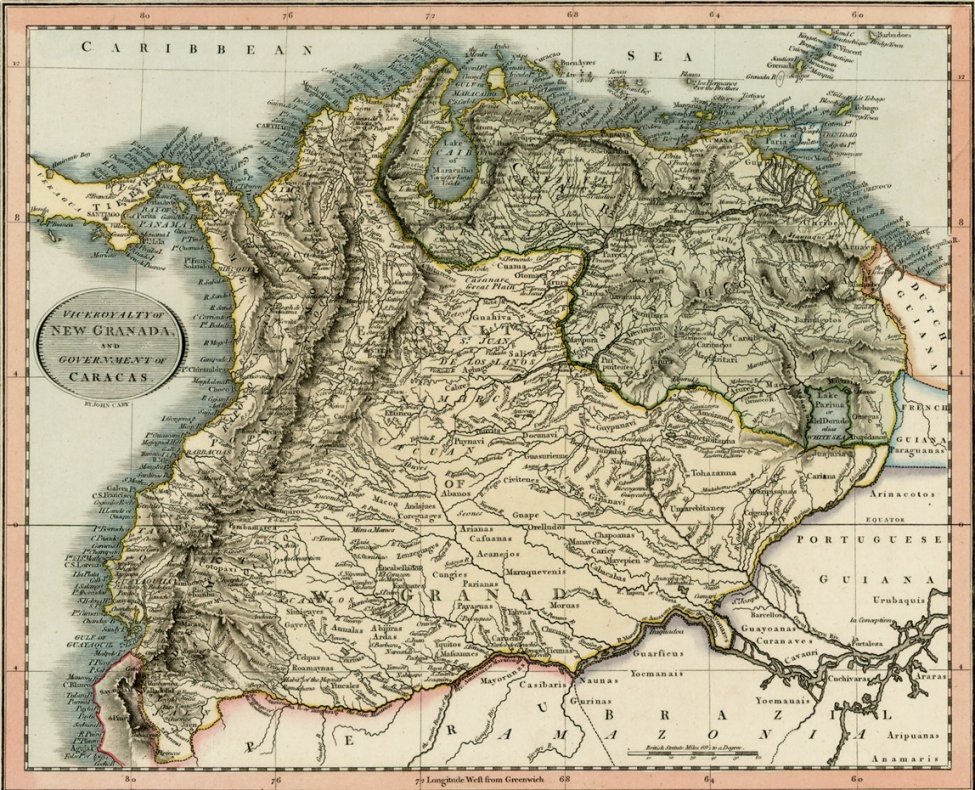
Viceroyalty of New Granada
1717–1821
The Viceroyalty of New Granada was the name given on 27 May 1717, to the jurisdiction of the Spanish Empire in northern South America, corresponding to modern Colombia, Ecuador, and Venezuela. The territory corresponding to Panama was incorporated later in 1739, and the provinces of Venezuela were separated from the Viceroyalty and assigned to the Captaincy General of Venezuela in 1777. In addition to these core areas, the territory of the Viceroyalty of New Granada included Guyana, southwestern Suriname, parts of northwestern Brazil, and northern Peru.
Viceroyalty of New Granada.jpg
Notice: Lake Parime is on the map.

Republic of New Granada
1831–1858
The Republic of New Granada was a centralist unitary republic consisting primarily of present-day Colombia and Panama with smaller portions of today's Nicaragua, Costa Rica, Ecuador, Venezuela, Peru, and Brazil. It was created after the dissolution of Gran Colombia in 1830, with the secession of Ecuador (Quito, Guayaquil and Azuay) and Venezuela (with Orinoco, Apure and Zulia). In November 1831, with the adoption a new constitution, the country was officially renamed New Grenada, but had no official currency, iconography, coat of arms or flag upon establishment. Older flags of Gran Colombia were confirmed as provisional by the National Convention of 17 December 1831. It is not clear which flag was chosen: Restrepo believes that it was the flag with the two cornucopias of Gran Colombia. While new flags were being discussed, some proposals were issued. On 9 May 1834, the national flag was adopted and was used until 26 November 1861, with the Gran Colombian colors in Veles' arrangement.

Provincias_de_la_Nueva_Granada_1851.jpg

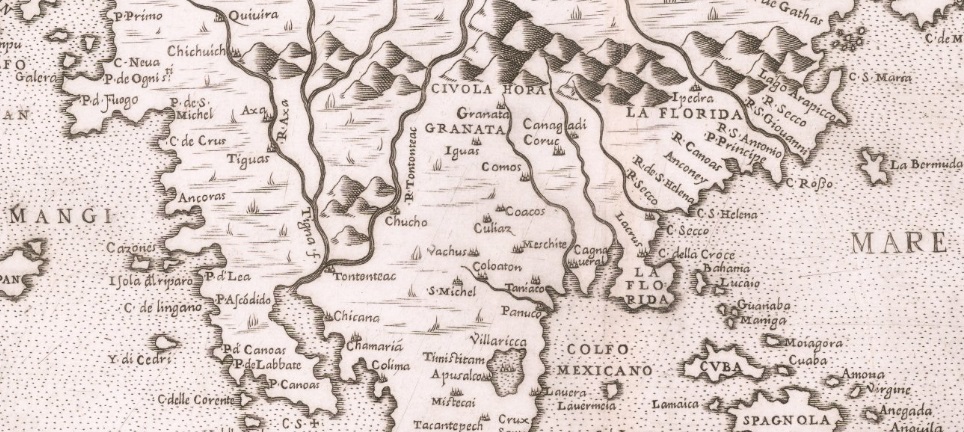
Ancient New Granada
aka Granata Nova
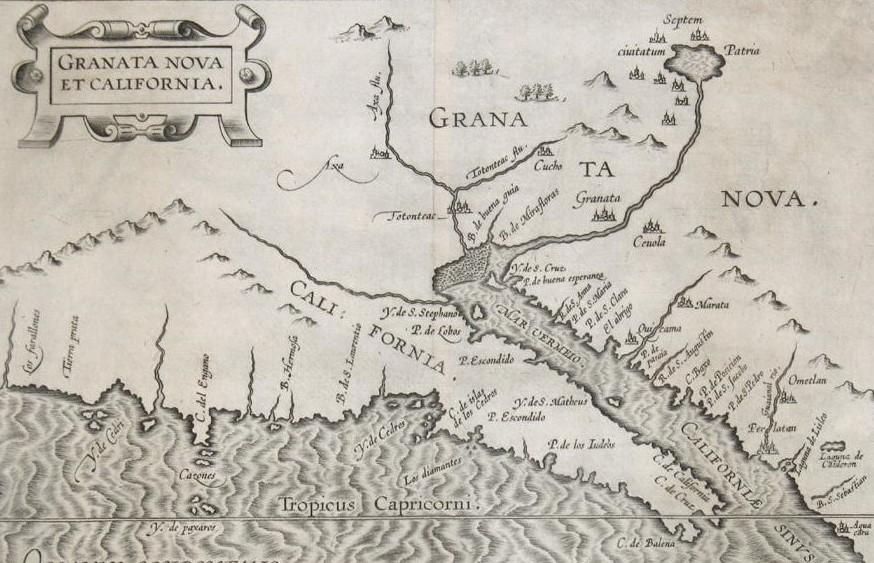
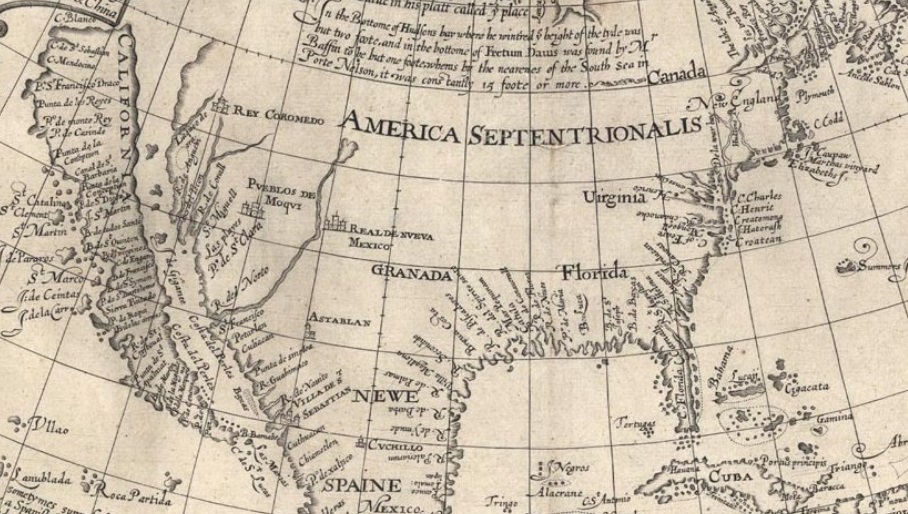
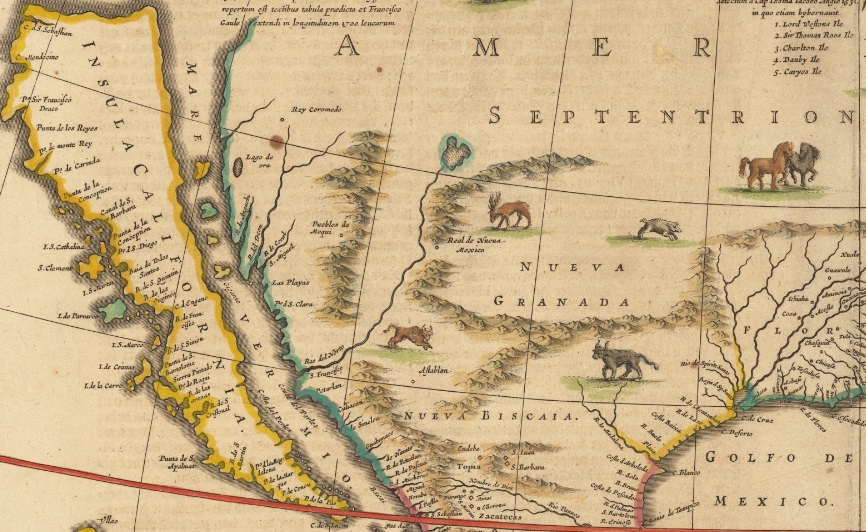
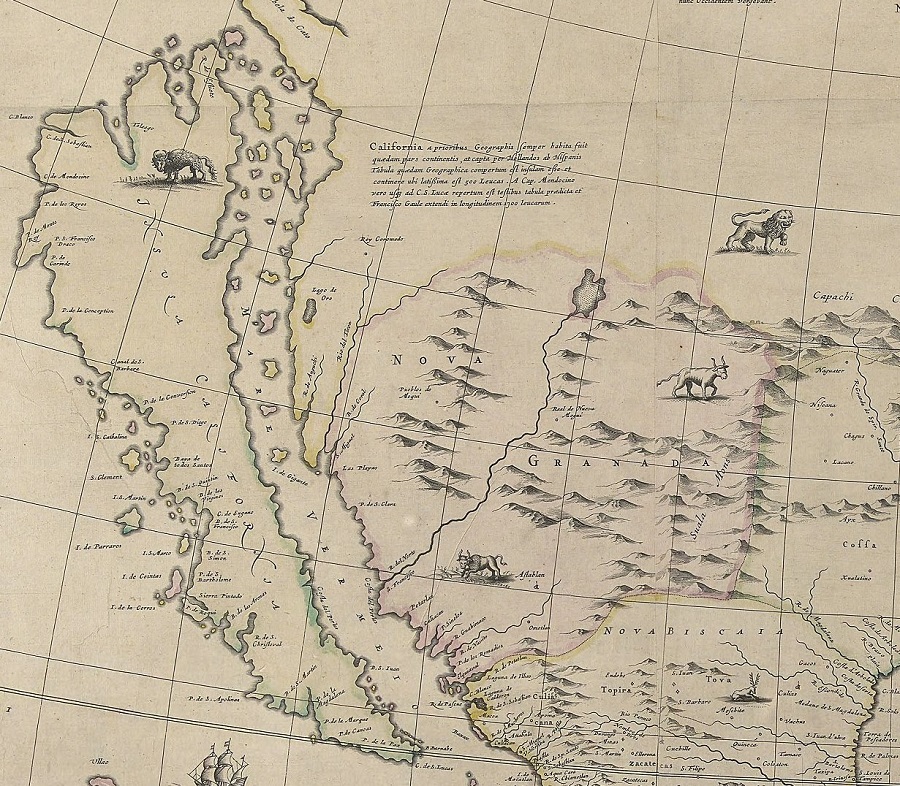
At the same time prior to the kingdom, Viceroyalty and Republic of New Granada, there was a totally different territory bearing the same name. That older "New Granada" was located in the North America and it was no small chunk of land. On some of the maps it is called Granada, but it is predominantly New Granada. It appears that New Granada was considered by some to be a part of New Mexico. This New Mexico had nothing to do with the present day Mexico though. Additionally, it appears to be safe to conclude that ancient Granada, which probably was later renamed to New Granada, also had a city bearing the same name.

1737
1737 new granada.jpg
Source

1566 Map
1566 Granada.jpg
Source

1597
granata-nova.jpg
Source

1625
1625-Granada.jpg
Source

1641
1625-Granada-2.jpg
Source

1659
ng-3.jpg
Source
Anyways, there tons of these maps showing New Granada in North America. Maps can only tell us so much. Somehow, and I would guess through my education, I knew about South American, Spanish and island Granadas. But the one in North America caught me by surprise, and the info is pretty scarce.


Not a word of Columbus?
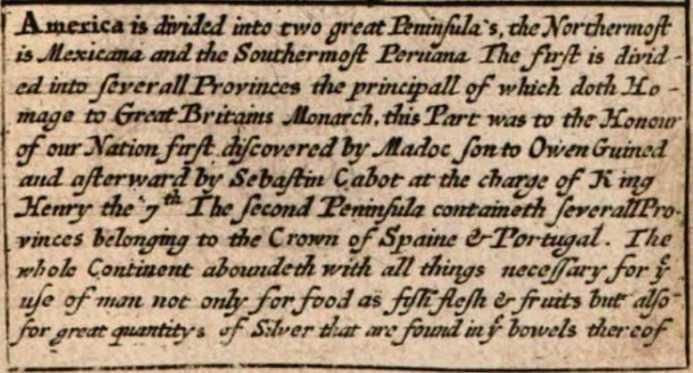
america-1.jpg
1679 Atlas Minimus

Why would we even have these Granada shenanigans? Did they not have enough other words to use, assuming that conquerors are to be credited with any original names in the New World. Whose word was "Mexico?" And what if this Granada confusion is caused by its direct relation to the Seven Lost Cities of Gold aka Seven Lost Cities of Cibola?
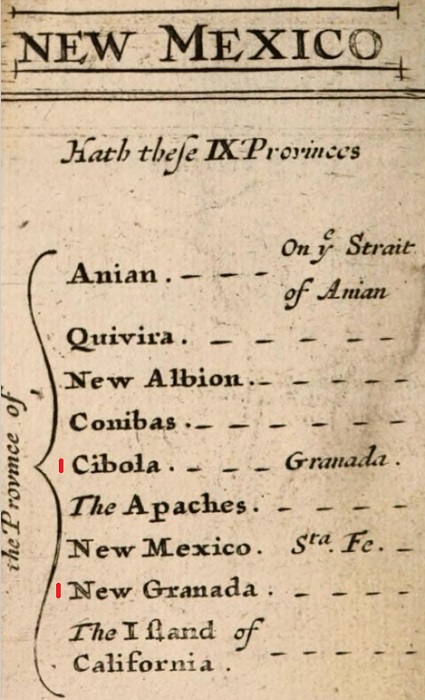
  • I have never heard of these 9 Provinces of New Mexico. I've seen these names on various maps, but I have never thought they would end up being broken down like that.

New-Mexico.jpg
Source
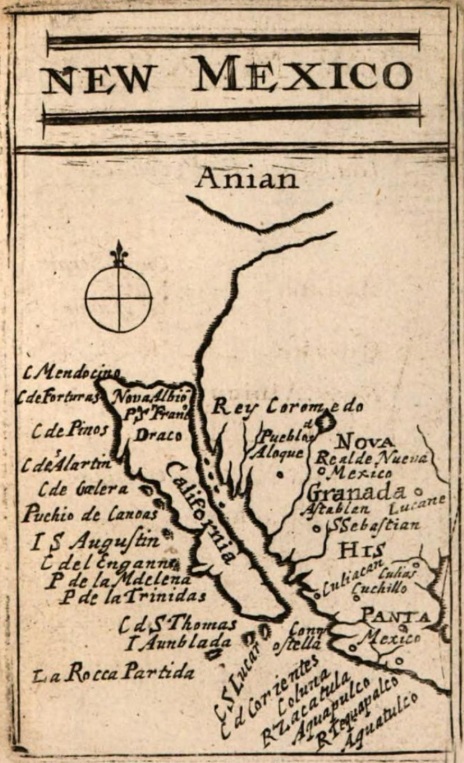
Based on this 1679 Atlas Minimus, it appears (to me) that New Mexico could have been some sort of an independent confederation.

new-Mexico-11.jpg
Source
I will re-post the cutout from this 1737 pub. Does it sound like they know much about the area?
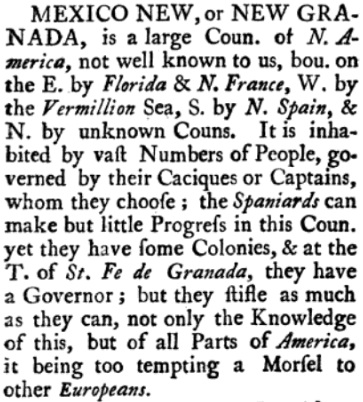
1737 new granada.jpg
The North American New Granada, as well as New Mexico appear to have been no monarch's colonies. If it they were no colonies, than what were they, who named them and who lived there? Who did the West Coast of North America belong to until about 1840s?
  • Figured some could be interested in this stuff. Cheers.
By the way, based on this Atlas Minimus, we know what people back than called American Continents:
  • North America - Mexicana
  • South America - Peruana
And a few related threads, as usually...:
Note: This OP was recovered from the Sh.org archive.
Note: Archived Sh.org replies to this OP are included in this thread.

 
Note: This post was recovered from the Sh.org archive.
Username: Felixnoille
Date: 2020-02-22 10:44:17
Reaction Score: 5
I came across the Madoc legend whilst I was researching the King Arthur in Hyperborea post, but I didn't include it as it would have made the thing even longer. It is quite relevant to this thread though...

"Chapter 13: Madoc the Mormon Templar.
Richard Deacon, author of Madoc and the Discovery of America, wrote: There are extravagant accounts that Madoc and his companions reached Mexico and established the Aztec Empire, and then traveled on their all-conquering way to found the Mayan civilization and the Empire of the Incas in Peru.’ John Dee showed his Secret Book of Madog to Queen Elizabeth I. His purpose for doing so seems to have been related to her desire to establish an English colony in America. Madoc’s discovery of America in 1170 pre-dated that of Columbus by 322 years, giving England’s claim
precedence over that of Spain.
" Source
 
Note: This post was recovered from the Sh.org archive.
Username: Jim Duyer
Date: 2020-02-22 16:57:59
Reaction Score: 5
I would like to add my contribution and thoughts to this excellent topic, and thank the poster for his work.

FRENCH POX: The tree that he is speaking of is known also as the Guayacan. And the French Pox is, of course, syphilis. The wood of Guaiacum is used, even today, as a treatment of syphilis. Scientific Name: Guaiacum officinale
It is NATIVE to Caribbean and Northern coast of South America.

A question we might ask, is - was it used to treat syphilis prior to the arrival of the explorers from Spain, or was it discovered as a needed rememedy to the disease?

Was Granada put on the itenerary of exploration because it held that remedy to something that the Europeans were struggling to find a cure for?

###

GRANADA: All of the greatest figures of eleventh-century Hispano-Jewish culture are associated with Granada, and during the Moor rule, Granada was a city with adherents to many religions and ethnicities (Arabs, Berbers, Christians and Jews) who lived in separate quarters.

Early Arabic writers repeatedly called it "Garnata al-Yahud" (Granada of the Jews).... Granada was in the eleventh century the center of Sephardic civilization at its peak, and from 1027 until 1066 Granada was a powerful Jewish state. Jews did not hold the foreigner status typical of Islamic rule. Samuel ibn Nagrilla, recognized by Sephardic Jews everywhere as the quasi-political ha-Nagid ('The Prince'), was king in all but name. As vizier he made policy and—much more unusual—led the army.... It is said that Samuel's strengthening and fortification of Granada was what permitted it, later, to survive as the last Islamic state in the Iberian peninsula.

In January of 1492 the last Muslim ruler in Iberia, Emir Muhammad XII of Granada, surrendered complete control of the Emirate of Granada to Ferdinand II of Aragon and Isabella I of Castile, after the last battle of the Granada War. Some seven months later Columbus discovered America (he was the first Italian or Converso Jewish person to do so).

NEW SPAIN: In the early years of the 1600s, Shogun Tokugawa Ieyasu heard about the mining and the glyphic writings done by the natives of Peru and the Mayans/Aztecs. Something interested him so much that he broke the isolation from other countries and became the first to send Japanese representatives to that continent. But he wanted to make a treaty not with Spain, but with Nuevo Espana or New Spain (Mexico). He wanted this so badly that he paid the English navigator William Adams to build a 120 ton ship to make the journey, in the year 1604! He was not interested in the European mainland, nor in the North American continent. So yes, New Spain was an independent country-state and New Mexico in modern USA was a territory claimed by New Spain.

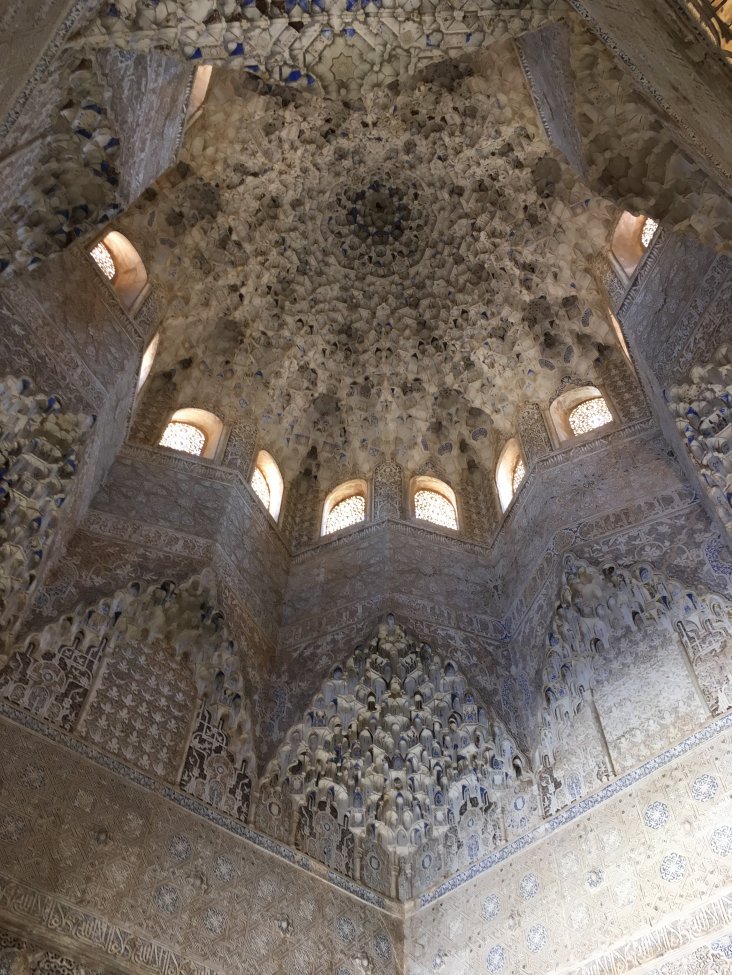
AND LASTLY: how in the world did the Muslims figure out how to make such difficult constructions as this one? Nasrid Palaces, begun in the 14th century:

Nasrid_Palaces,_Alhambra,_Granada_(Spain).jpg
 
Note: This post was recovered from the Sh.org archive.
Username: JWW427
Date: 2020-02-23 00:34:32
Reaction Score: 1
Ill bet the sound resonance inside the Nasrid is amazing during group chants and singing sessions.
Amazing technology at play, spiritual and beautiful too.
 
Note: This post was recovered from the Sh.org archive.
Username: mythstifieD
Date: 2020-02-23 03:46:26
Reaction Score: 2
I can't help but notice the striking similarity to the mysterious name of Canada. Turning a G into a C is certainly not a stretch. There's no official explanation for the name, either, there are two stories for it but neither really seem true to me.

One is that the settlers asked what this place was called and they said Kanata, but it was actually their word for Village.

Another is is that Canada was because the Spanish and Portuguese (this plays more into the Granada context) wrote Nada. As in, nothing here.

Too bad they didn't look for Black Gold instead.
Anyway, perhaps the etymology of the word Granada also somehow is related to Nada? Or perhaps Canada was also a Granada that go corrupted and we don't know what it means. Looks like Grand to me, Grand Tartary? GRAN-A-TA? I like this idea since I truly believe America was once part of Tartaria.
 
Note: This post was recovered from the Sh.org archive.
Username: Mabzynn
Date: 2020-02-23 03:49:54
Reaction Score: 5
I've mentioned Chichimechi/Terlichimechi in other threads. Also have posted a bunch on the Welsh in the Americas here:

Kings of Florida, and vanished white Native American Kingdoms

and here

Columbus "discovered" America in 1592?


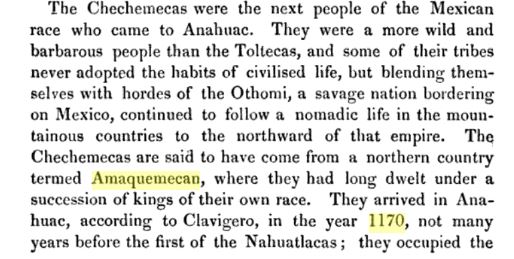
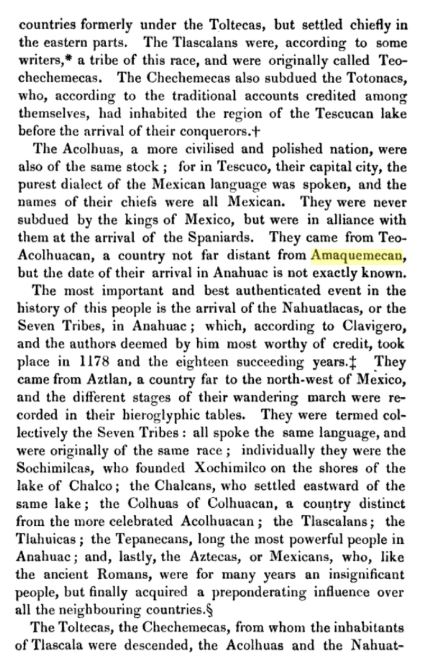
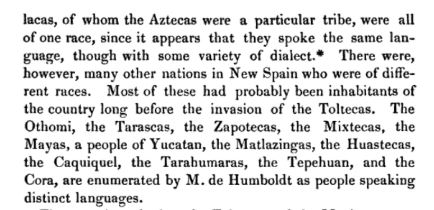
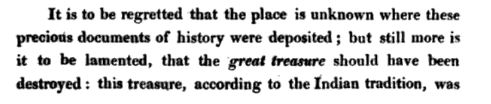
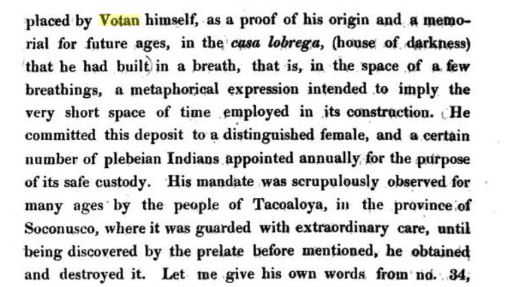
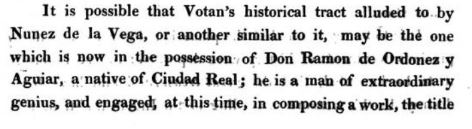
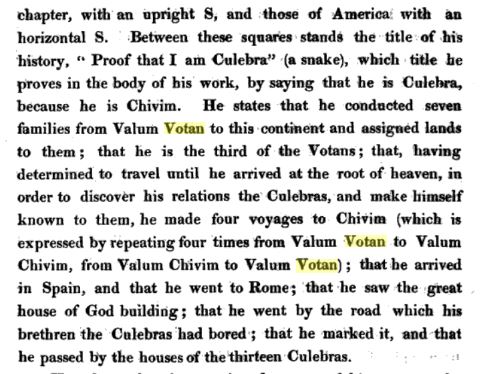
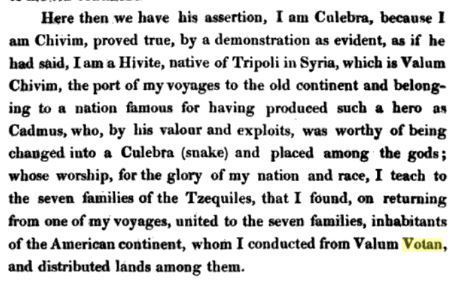
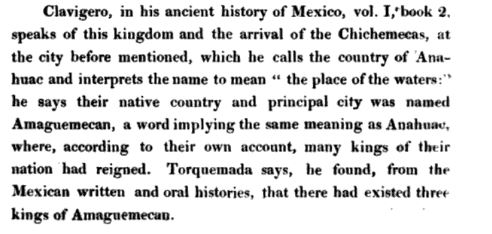
Did ya'll know that a group of people in this region believed they migrated to the Mexico area from a Northern land called Amaquemecan in 1170 (same as the Welsh Madoc)? That they were racially distinct from the native inhabitants? It was ruled by three Kings and connected to Votan (Odin?). They considered themselves to be "Serpent" people. They also adapted the Eagle head symbol facing east/west after connecting the "American" Empire to the Old World Empire. There's so much more that could interest people but I'd prefer to allow people to draw their own conclusions on this.

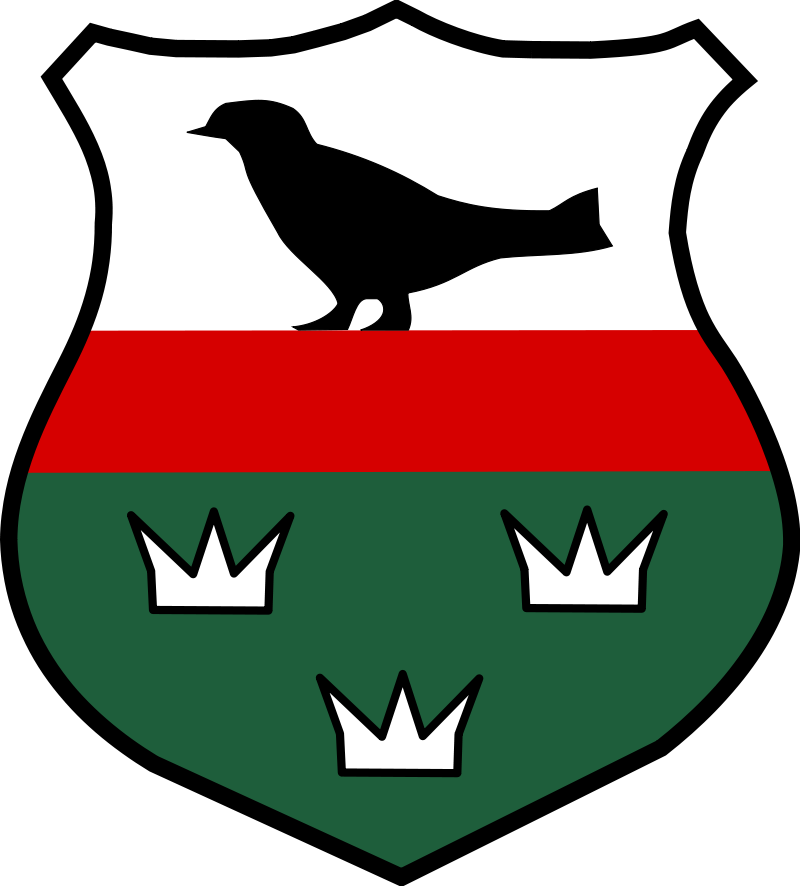
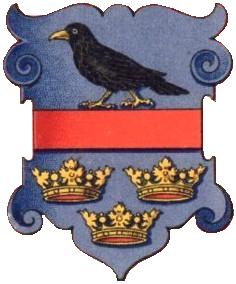
Before you read I just want to point out some old heraldry in Europe from Galicia and Gmina.

800px-POL_gmina_Padew_Narodowa_COA.svg.pngGalicia_coa1.jpg


Read more about it below:

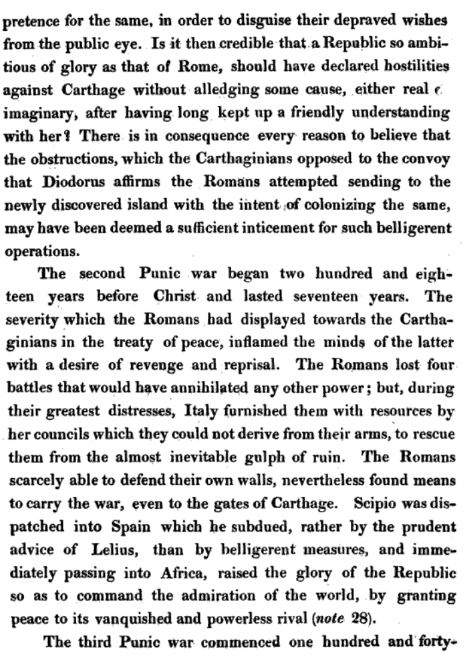
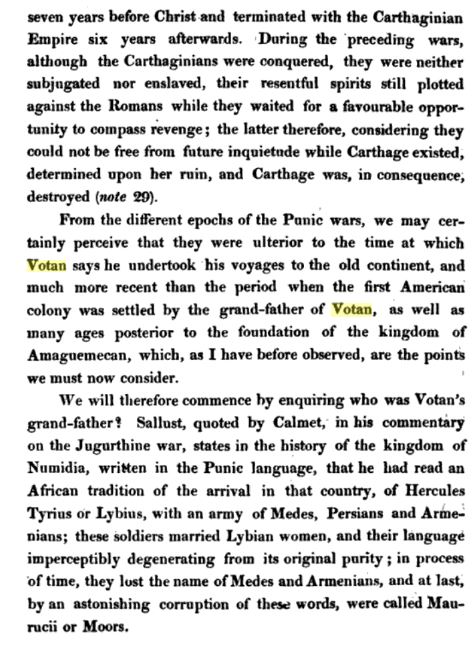
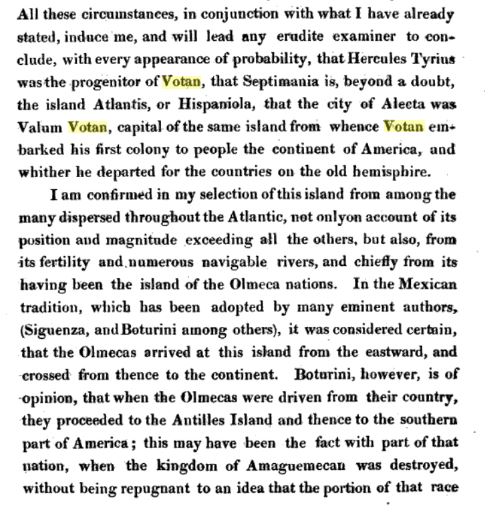
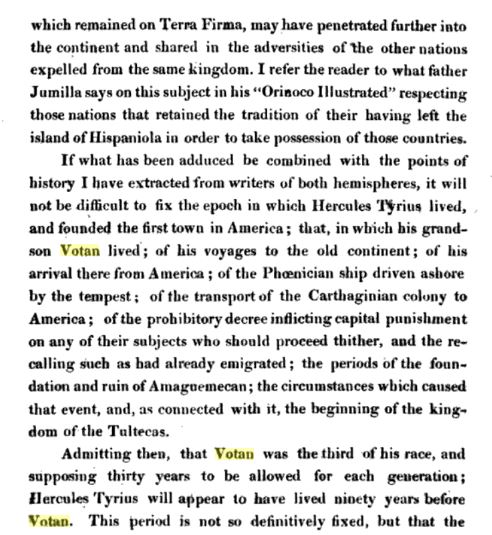
Researches Concerning the Insitutions and Monuments of the Ancient Inhabitants of America - 1814
1.JPG
2.JPG
3.JPG
SOURCE

On Votan and the colonizing of the Americas:

Description of the Ruins of an Ancient City - 1822
c.JPG
d.JPG
SOURCE
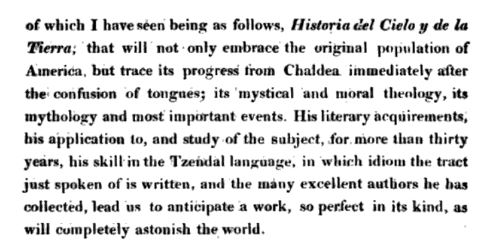
One version of history says from Chaldea after the confusion of tongues:

e.JPG
f.JPG
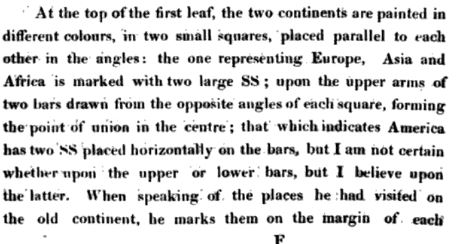
There was a map found in the Americas showing settlements in the Americas, Europe, Asia, and Africa.

g.JPG
h.JPG
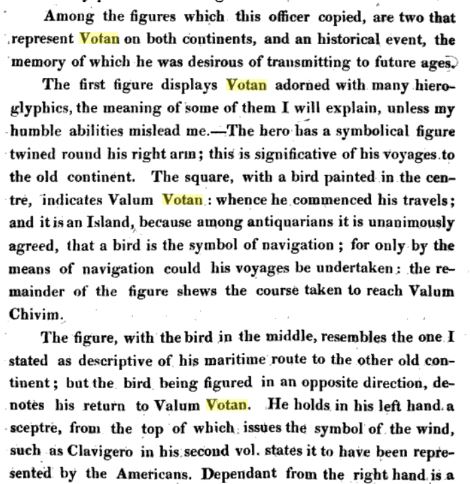
Describes depictions of Votan.

i.JPG
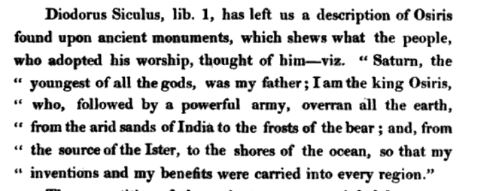
Depicts Osiris/Bacchus.

l.JPG
m.JPG
n.JPG
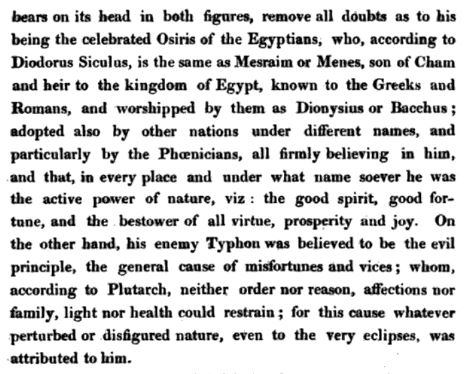
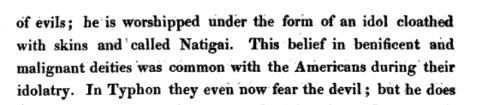
Mentions of Osiris as being the dispenser of Good for Upper Tartary. Typhoon as the devil.

o.JPG
p.JPG
States they first came from Tripoli.

aa.JPG
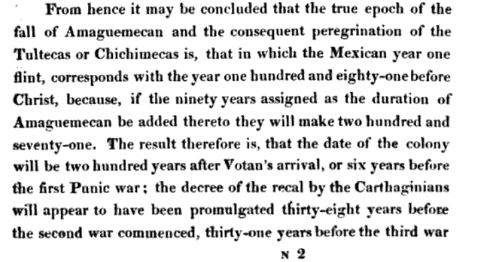
Three Kings ruled in Amaquemecan.

bb.JPG
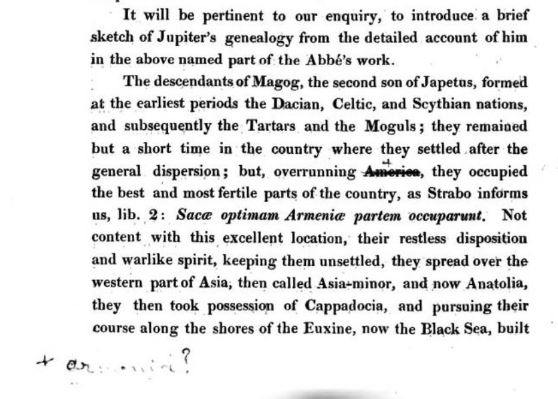
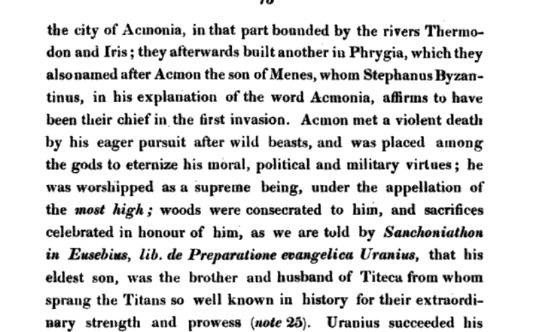
Descendants of Magog. Describes the group of people associated with them. Gives a very specific movement of people. Gives credit to the conquering by a King Menes (Pharoah). Egyptian historians can't decide on who he actually is. There's a lot of other parallel characters that are said to possibly be Menes.
  • Mannus, ancestral figure in Germanic mythology
  • Minos, king of Crete, son of Zeus and Europa
  • Manu (Hinduism), Progenitor of humanity
  • Nu'u, Hawaiian mythological character who built an ark and escaped a Great Flood
  • Nüwa, goddess in Chinese mythology best known for creating mankind
  • Noah
  • Min (god)
  • Narmer
  • Hor-Aha
  • Thinis

ff.JPG
gg.JPG
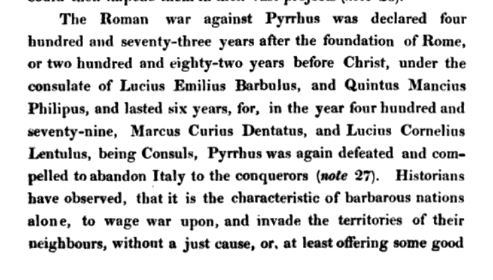
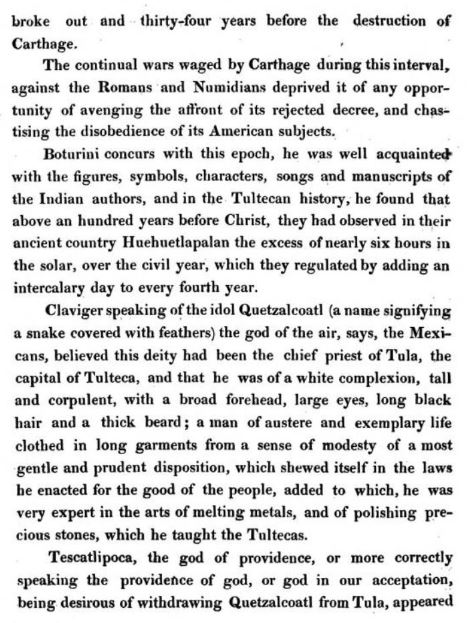
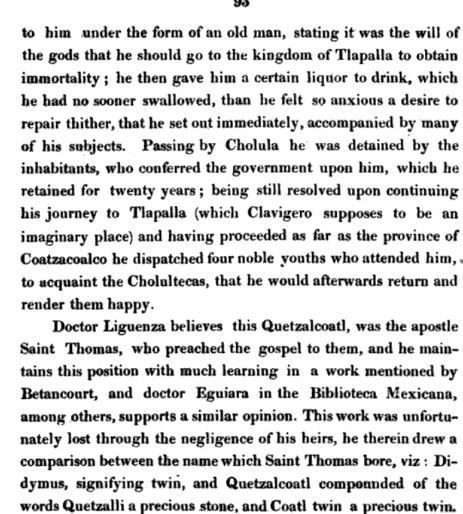
Provides historical context between Rome and Carthage. Describes America as a safe haven for the Carthaginians from the Romans but eventually the Roman's found out and travelled there as well. Mentions Americans as being "subjects" to the Romans and Numidians. Gives the origin of the Moors. Also describes what Hispaniola was to these people. Then goes on to say that Saint Thomas was Quetzalcoatl

qq.JPG
ww.JPG
ee.JPG

tt.JPG
yy.JPG


zz.JPG
xx.JPG
cc.JPG
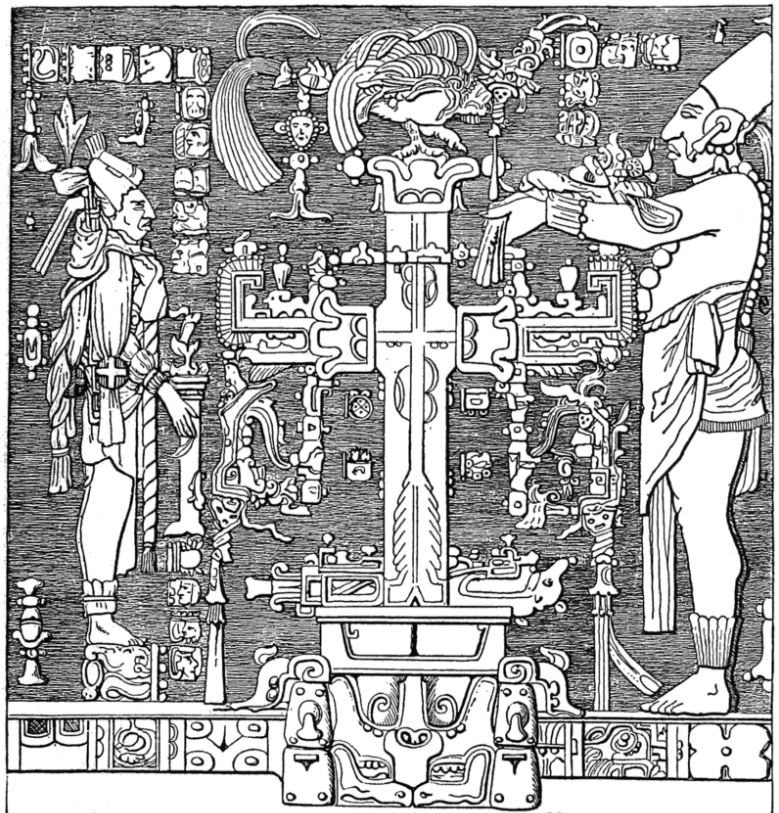
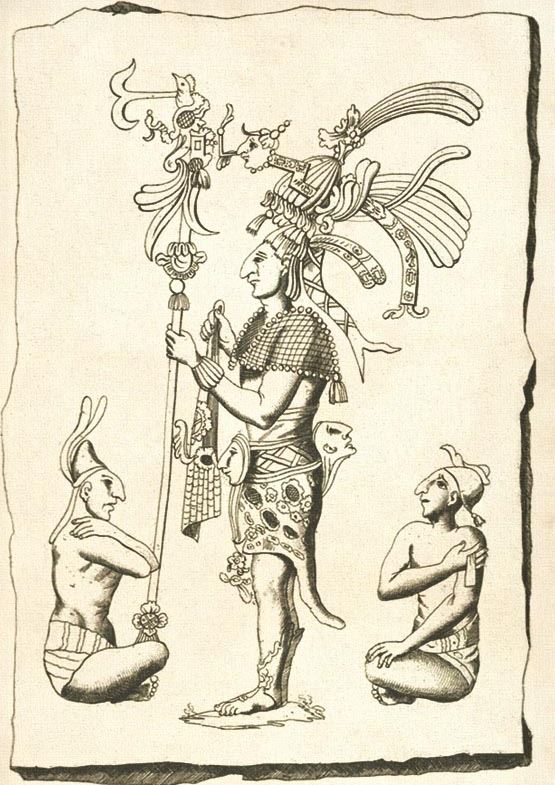
A tablet found at Palenque:

eh.JPG
Another image at Palenque:

eh2.JPG

 
Note: This post was recovered from the Sh.org archive.
Username: Felixnoille
Date: 2020-02-26 12:48:10
Reaction Score: 3
It may be worth noting that in the map above, 'Nueva Biscaia' is shown below Nueva Granada. 'Biscaia' is the equivalent of Vizcaya, capital of the Basque country in northern Spain. Bs and Vs in Spanish are pretty much interchangeable.

"In 1531, Nuño Beltrán de Guzmán's expedition named the main city he founded Villa de Guadalajara after his birthplace and the area he conquered "Conquista del Espíritu Santo de la Mayor España" ("Conquest of the Holy Spirit of Greater Spain"). The Spanish regent Queen Joanna replaced this with Nuevo Reino de Galicia ("New Kingdom of Galicia").

Under the leadership of Francisco de Ibarra, settlements moved north into the interior of the continent after silver was discovered around Zacatecas. Ibarra named the new area Nueva Vizcaya after his homeland in Spain, Biscay. Nueva Vizcaya included the modern Mexican states of Chihuahua and Durango, the eastern parts of Sonora y Sinaloa and the southwest part of Coahuila.[1] The region was under the jurisdiction of the Royal Audience of Guadalajara and the administration of its president."

"Starting in 1536, the conquistador Gonzalo Jiménez de Quesada explored the extensive highlands of the interior of the region... naming the region El nuevo reino de Granada, "the new kingdom of Granada", in honor of the last part of Spain to be recaptured from the Moors, home to the brothers De Quesada."


Maybe all these unimaginative naming conventions simply depend upon where the characters that claim they conquered them come from?

I find it interesting that both north and south america are described as being 'peninsulas', i.e. connected to something else.
 
Tips
Tips
Please respect our Posting Rules.
Back
Top