SALTAIR
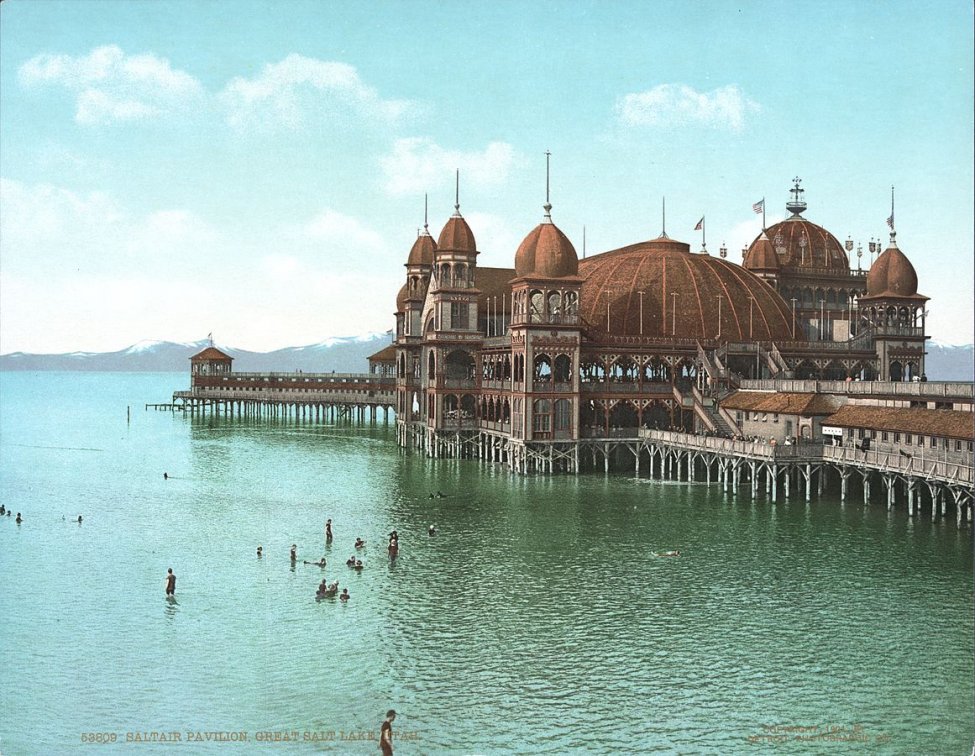
Salt lake City was founded in 1847 and before the turn of the century, they had enough extra money and time to build the Salt Baths of the Great Salt Lake. In all, there were seven salt bathing pavilions around the Lake but the most famous was Saltair.
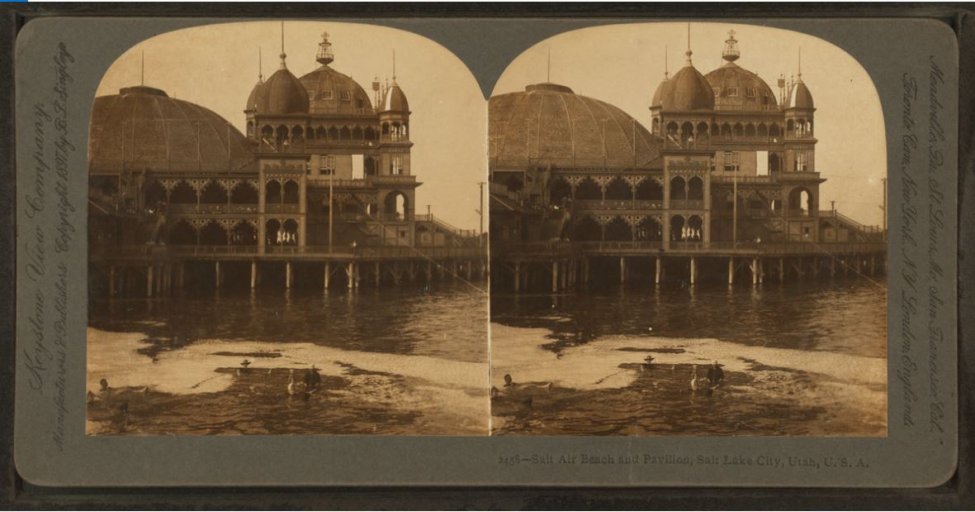


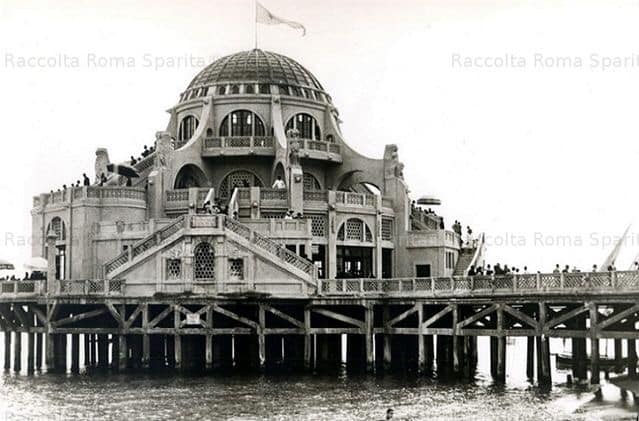
First opened in 1893, Saltair was a desert oasis situated on the south shore of Utah’s Great Salt Lake. The Mormon Church originally commissioned the site in the hope of creating a wholesome “Coney Island of the West” without the perceived sleaziness of the New York original. Their family-friendly park proved an instant hit, as scores of visitors arrived by train from nearby Salt Lake City to enjoy music, dancing and bathing in the lake’s saline-rich waters. Saltair’s most striking attraction was its gargantuan pavilion, a four-story wonder adorned with domes and minarets that sat above the lake on more than 2,000 wood pilings. Along with touring this “Pleasure Palace on Stilts,” visitors could also show off their moves on a sprawling dance floor, ride roller coasters and carousels, and watch fireworks displays and hot air balloon shows. The park boasted nearly half a million visitors a year until 1925, when the iconic centerpiece burned in a fire.
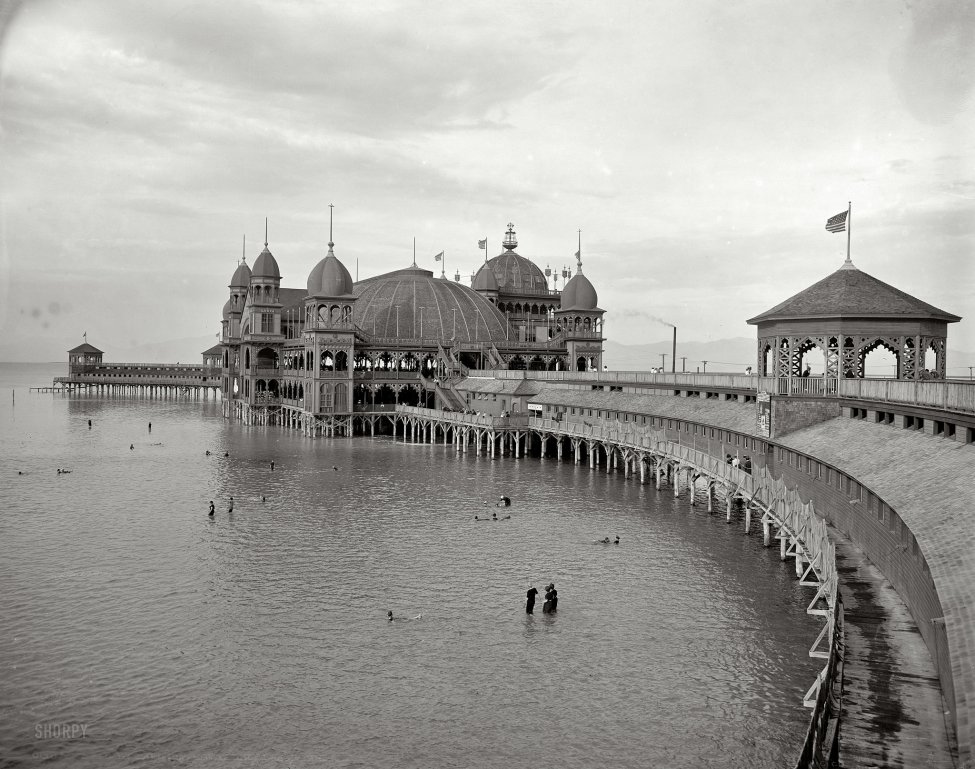
 : I believe this was built as some sort of Tartarian atmospheric power plant. Just like the post, Sutro Baths or Treatment Plant --this was not built as a bathing pavilion. Notice how inconvenient it is to access the waters from those tall piers. Saltair II put steps down into the water, which makes a lot more sense.
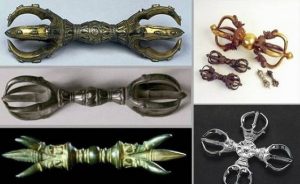
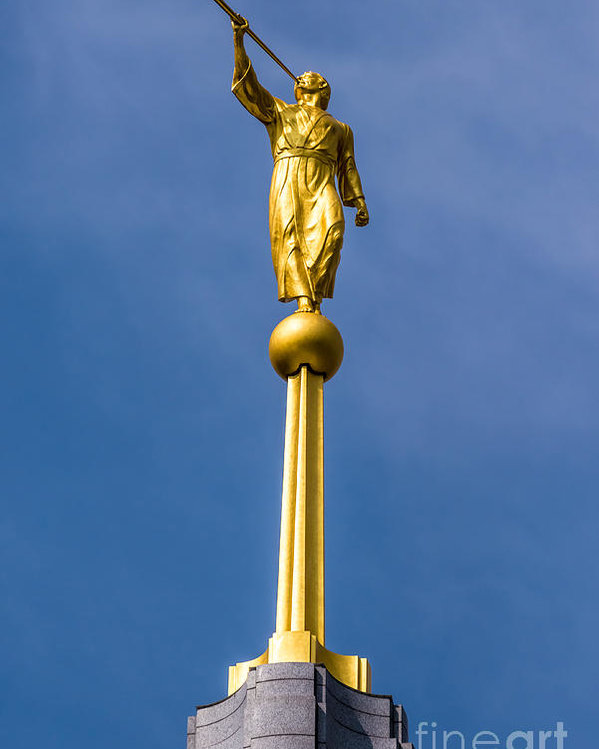
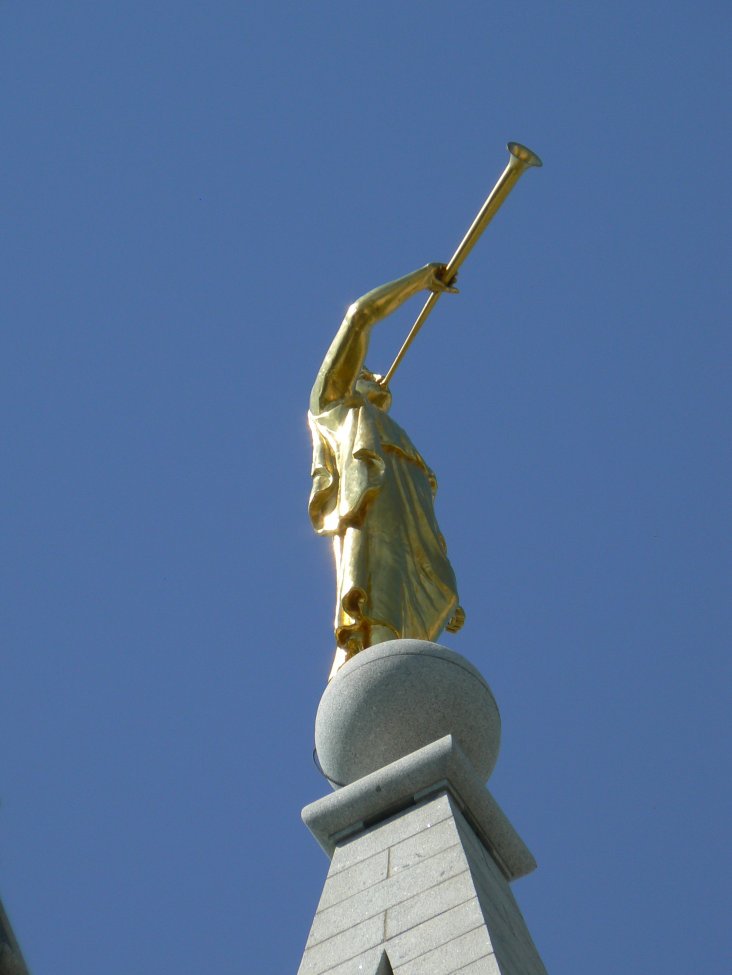
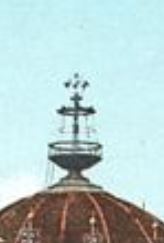
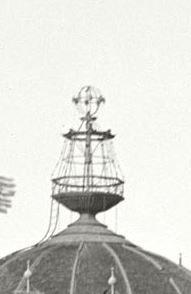
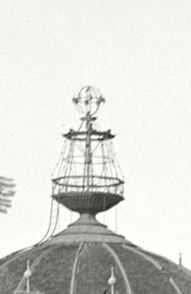
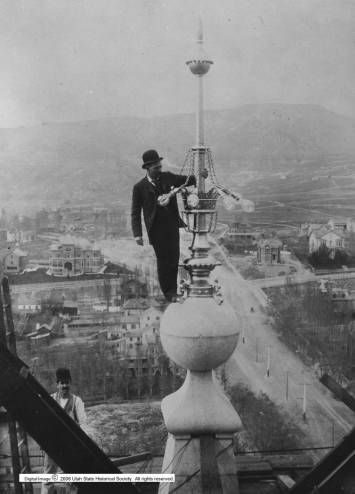
The LDS helped build Saltair but they put this on top of the original:
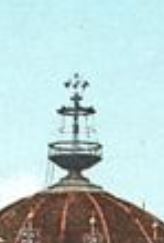
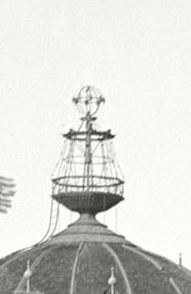
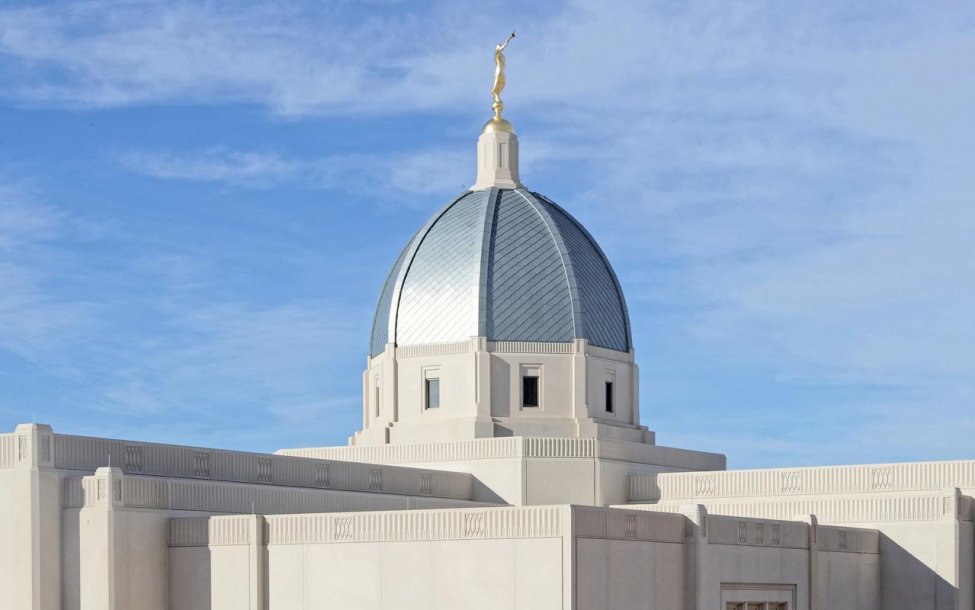
Not Believing it. They like these type of symbols on top of their buildings. Even on Domes, like the temple in Tuscon.

SALTAIR NUMBER 2
Maybe the magic was the atmospheric electricity that the original was still harnessing.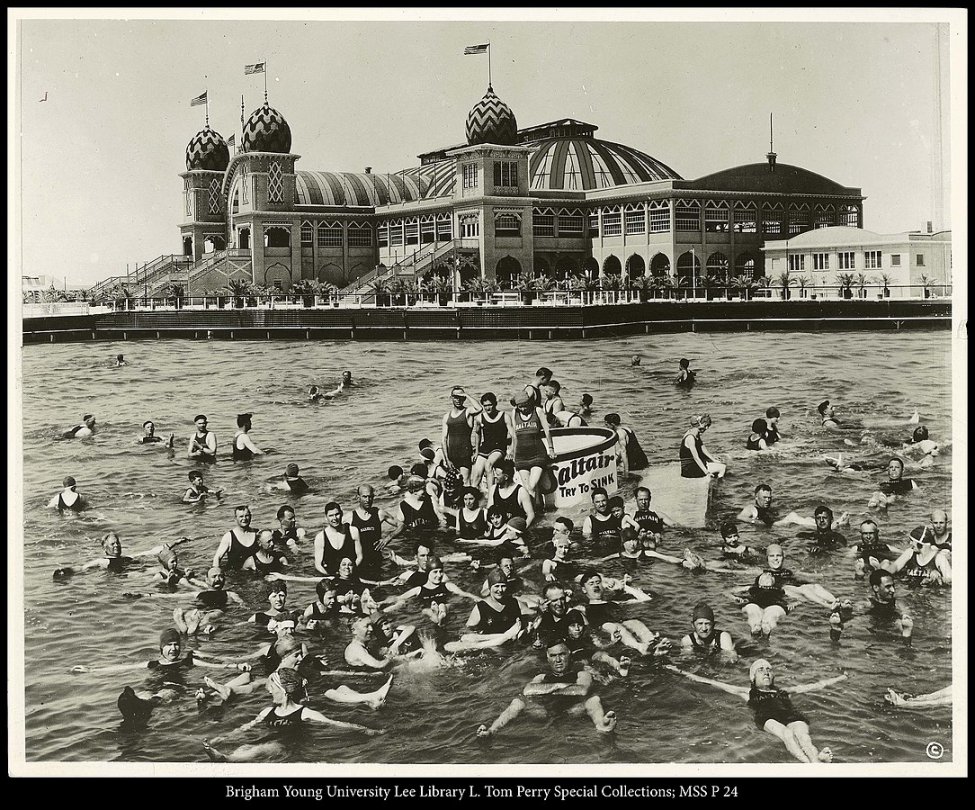
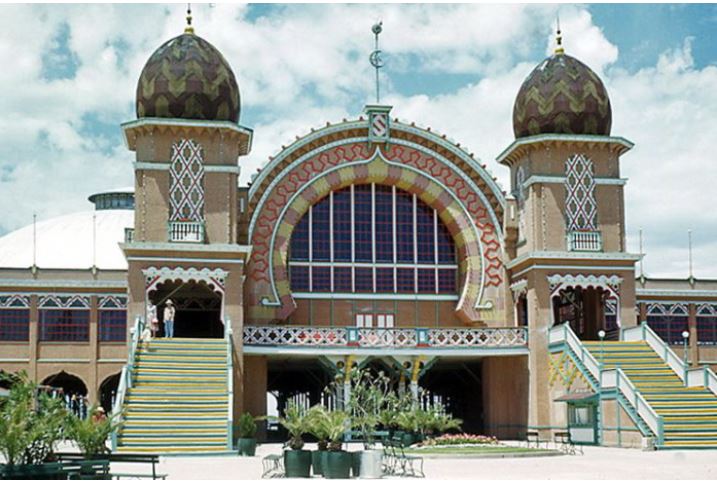
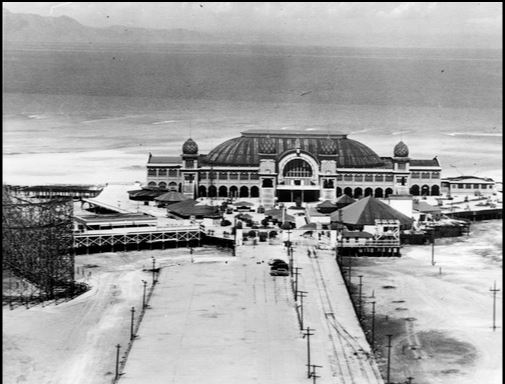
The ruins of Saltair I and II:
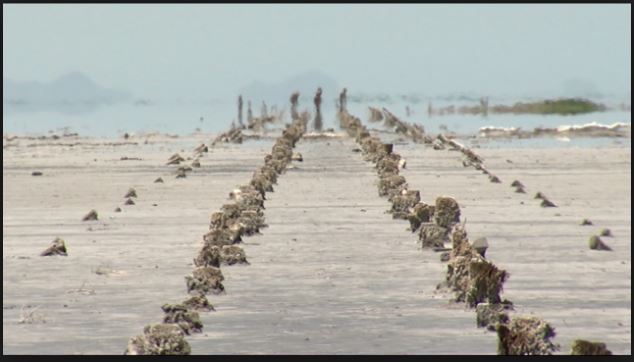
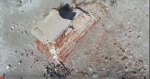
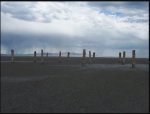


Saltair II and the same site today:
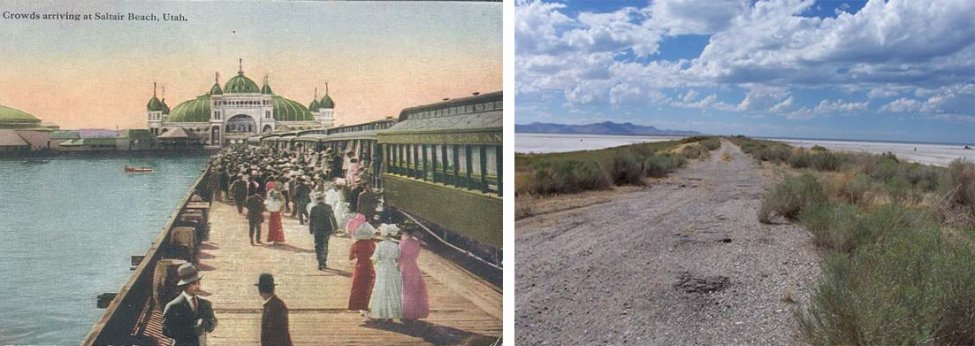
For those of you keeping track, that is three fires and the next version gets a flood!
SALTAIR NUMBER 3
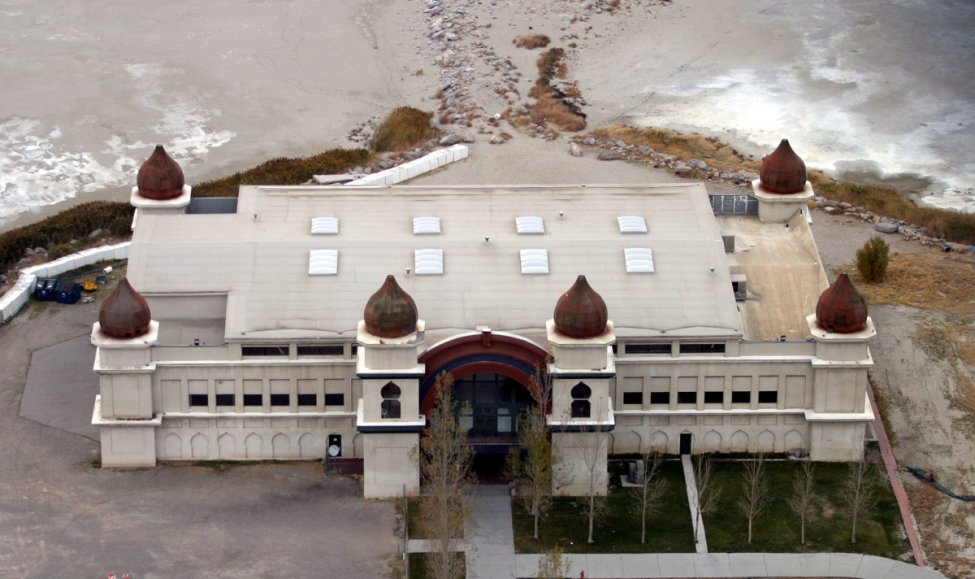
: This one is a used as a public venue, mostly for concerts. I saw the Filter and the White Zombies here when it reopened in the mid 90s. Awesome show!

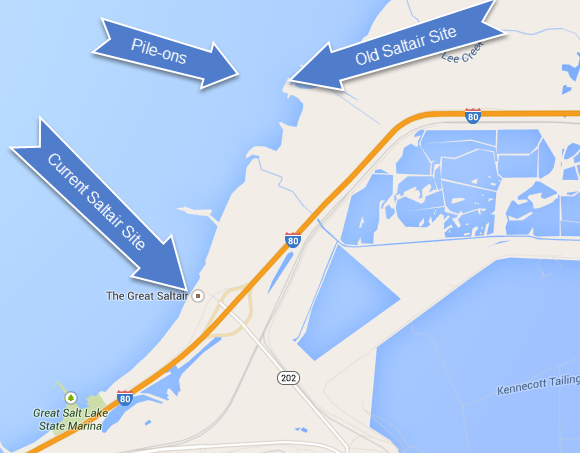
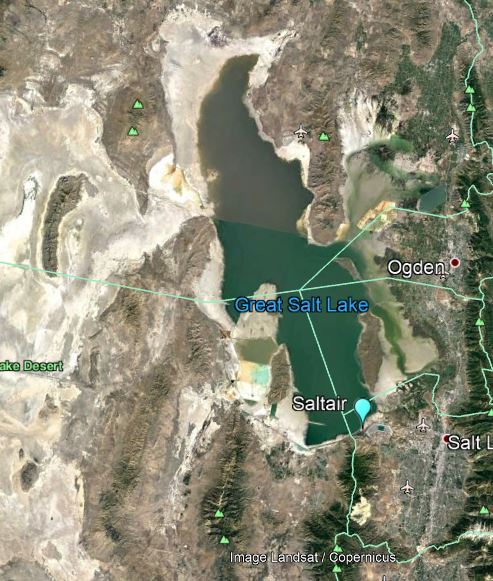
Locations of Saltair
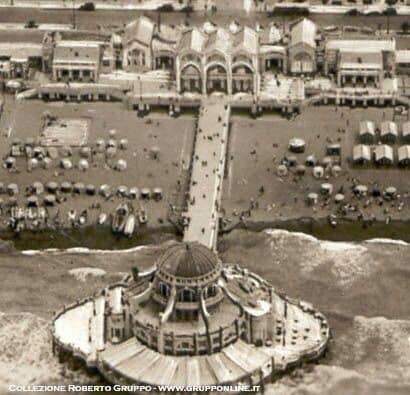
Here is the Garfield Bathing Pavilion, also on the Great Salt Lake. It was built before Saltair but went downhill because it coudn't compete with Saltair.
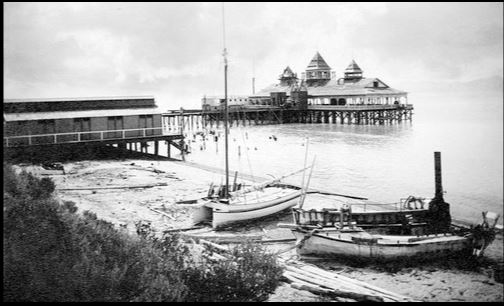
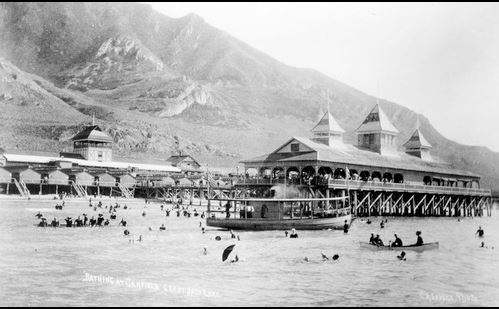


The rest of the Great Salt Lake's bathing palaces have few or no photos but you can find some information about them in the links below.
A Look Back Saltair
Drone over ruins of Saltair I
Saltair
Only in your state - Saltair
Mystery of Utah - 8 resorts on Great SL
Recreation on the Great Salt Lake
Resorts of Great Salt Lake
Other "Bathing Pavilions" for Comparison:
In the UK:
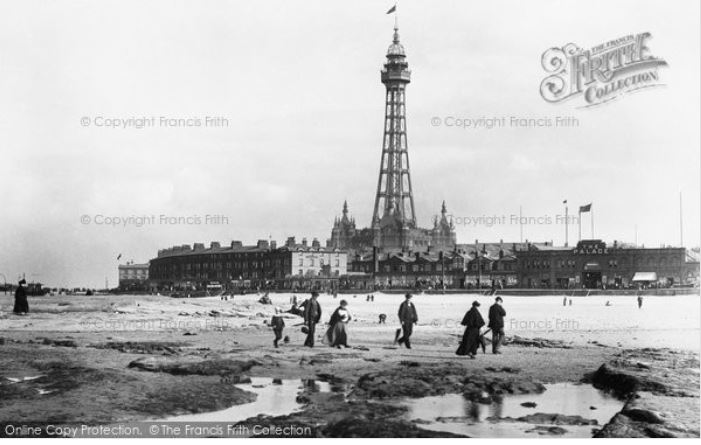
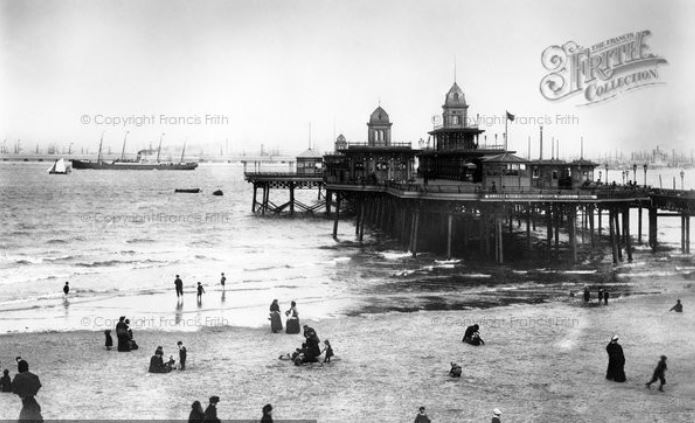
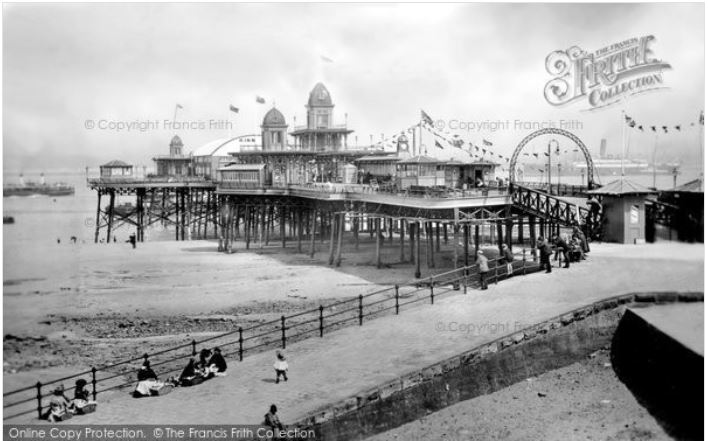
BRIGHTON:


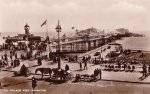
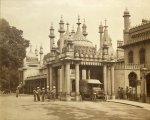
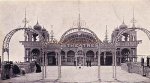
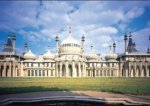


The Royal Pavilion Palace Pier


On the East Coast of USA:
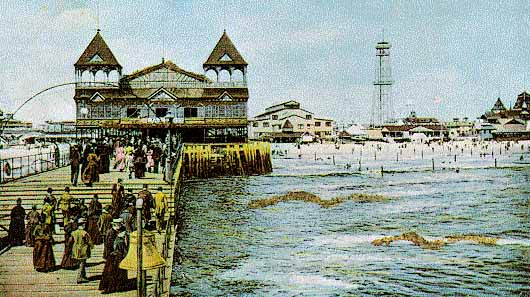
CONEY ISLAND
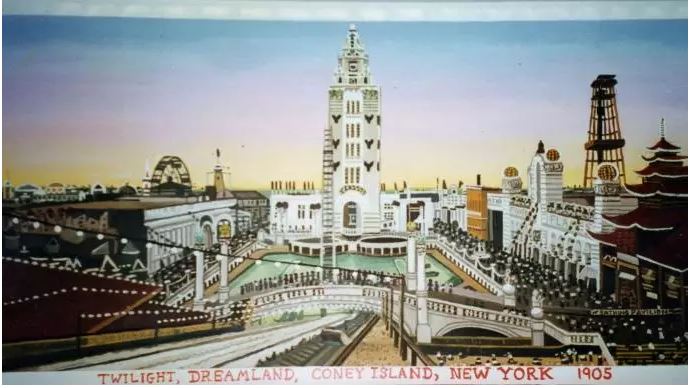
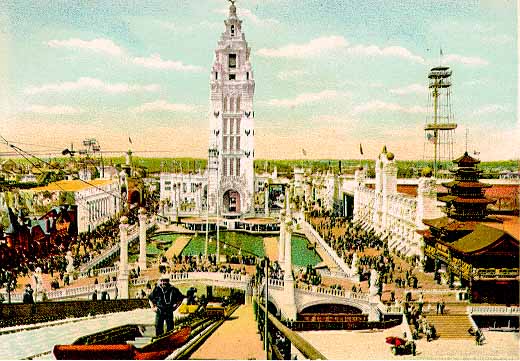
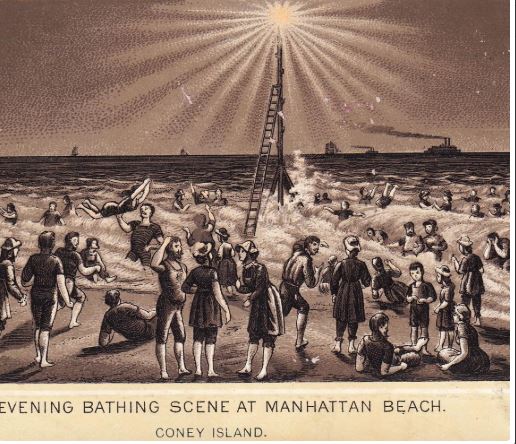
Coney Island Interactive Map
FARROCKAWAY NEW YORK
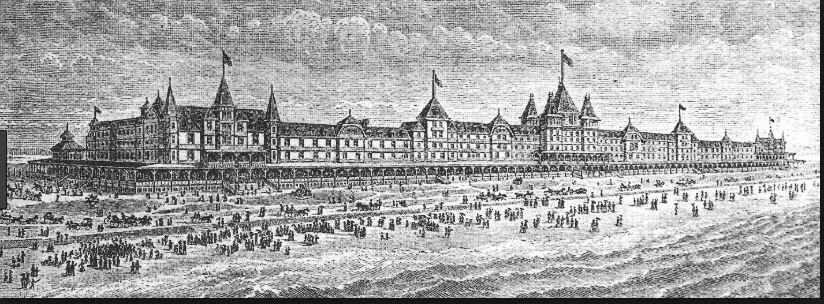
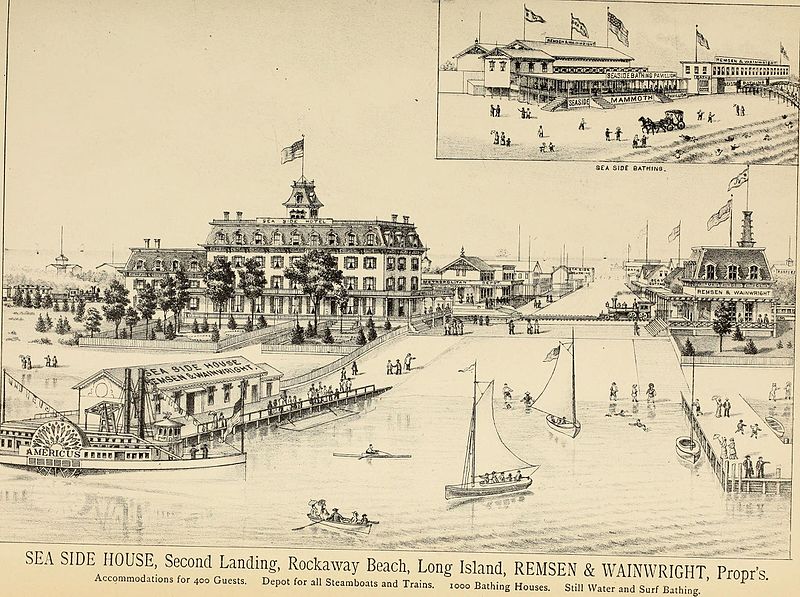
Farrockaway Bathing Pavilions and mansions - tons of photos of buildings that look out of time.
Coney Island Interactive Map
FARROCKAWAY NEW YORK
Farrockaway Bathing Pavilions and mansions - tons of photos of buildings that look out of time.
On the West Coast of USA:
OCEAN PARK, CA
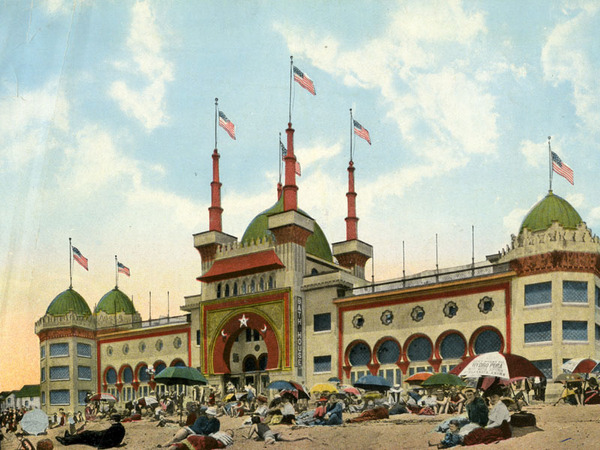
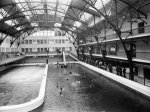
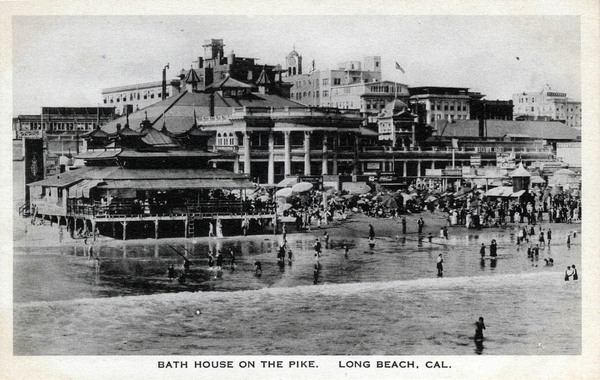
LONG BEACH. CA
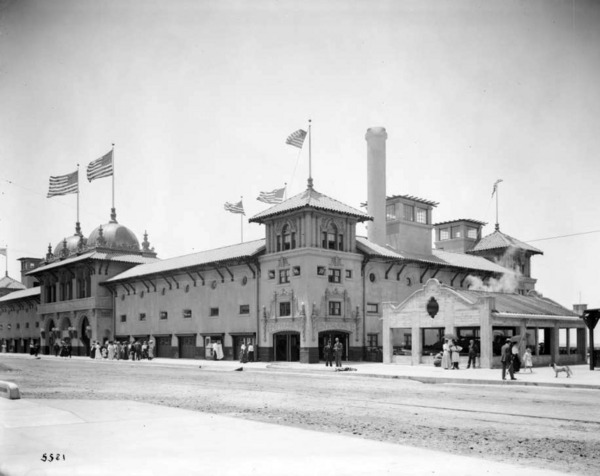
REDONDO BEACH, CA
SoCal Bath pavilions
MADISON PARK, WA
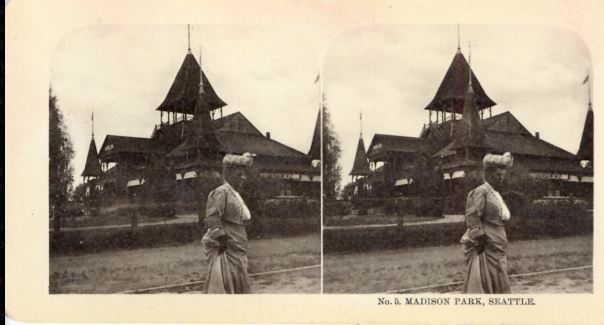
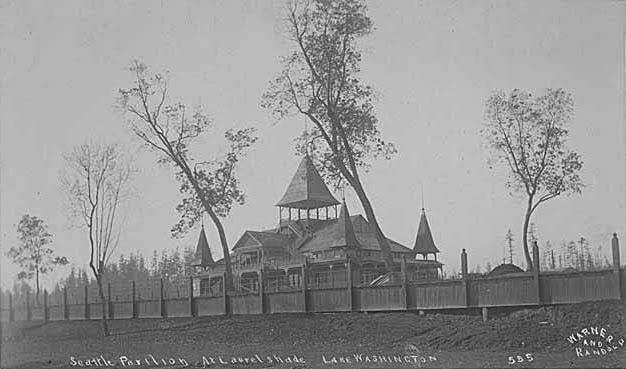
Madison Park in Seattle


LONG BEACH. CA
REDONDO BEACH, CA
SoCal Bath pavilions
MADISON PARK, WA
Madison Park in Seattle
And this one in India:
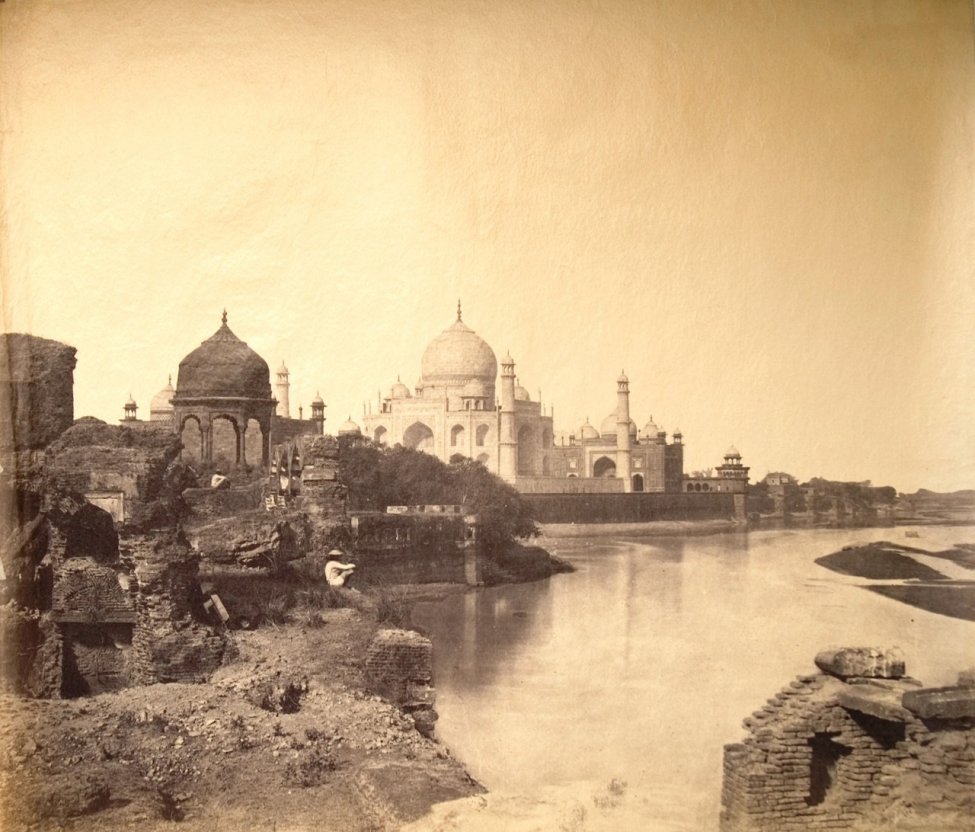
This of course is supposedly a mausoleum, the Taj Mahal.

There are many temples and mausoleums in India that look a lot like the architecture of these 'bathing pavilions' that are located on water.
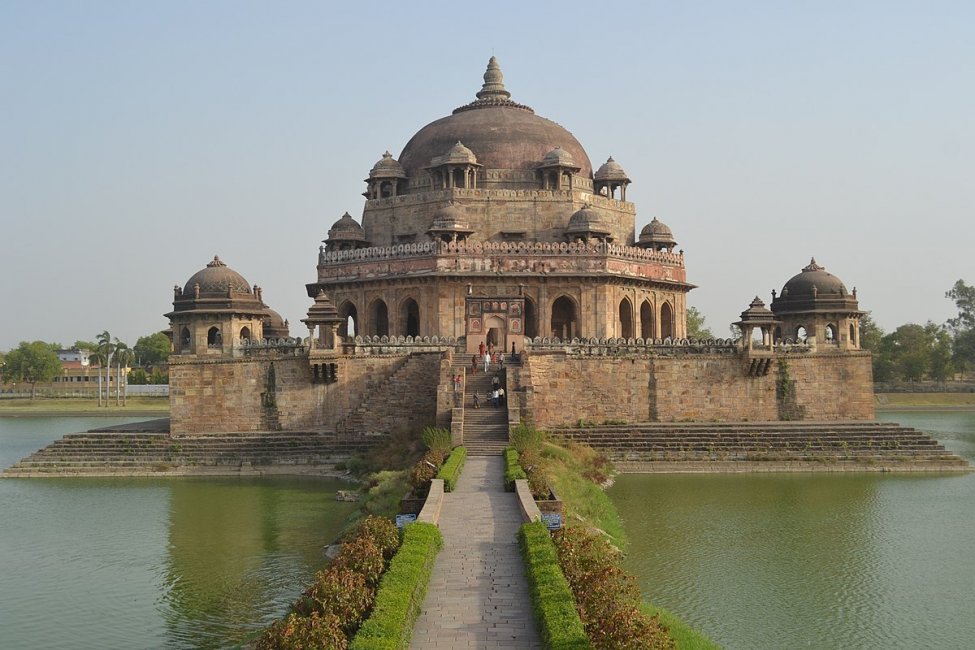
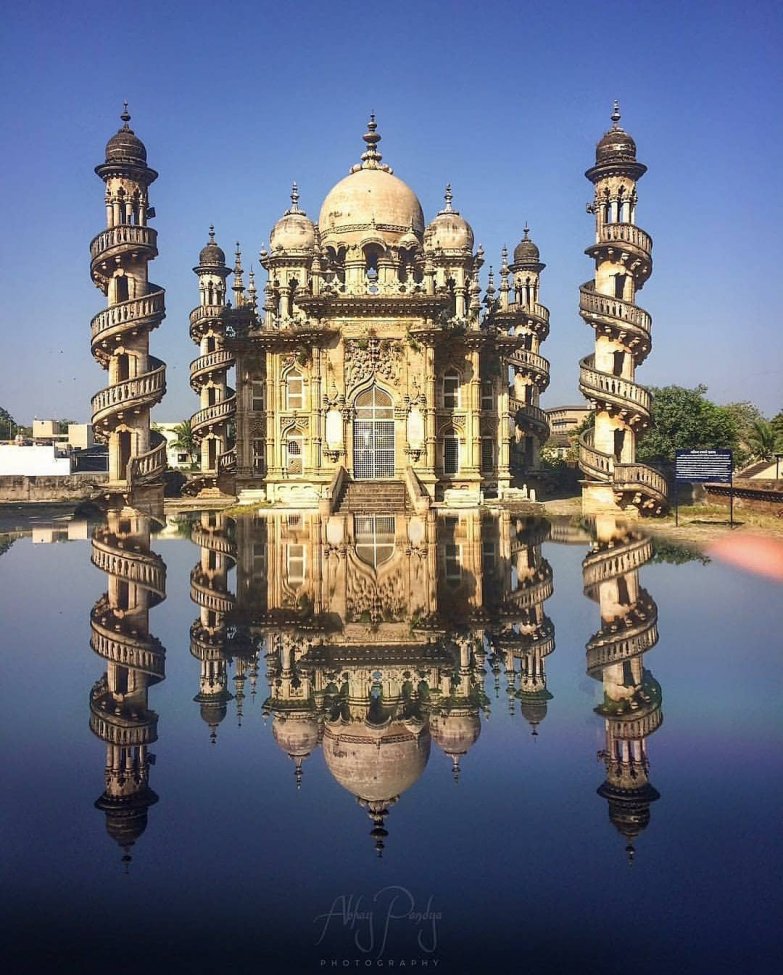
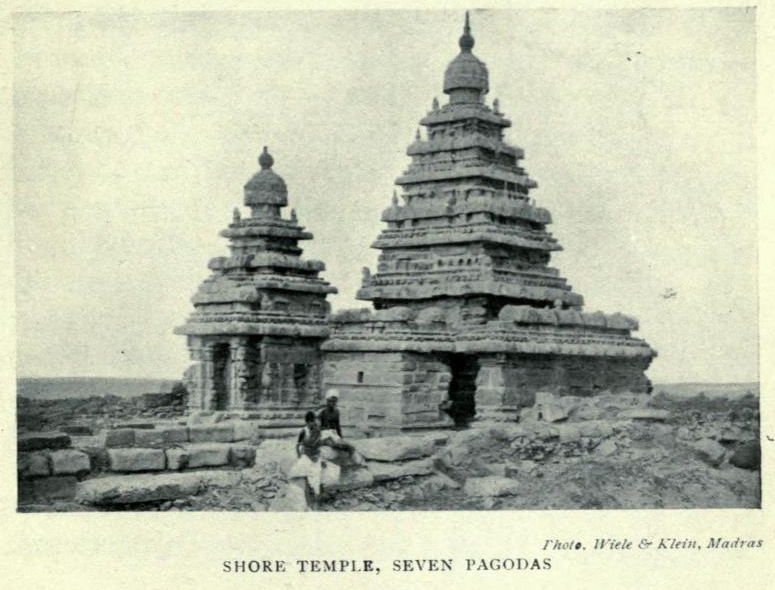
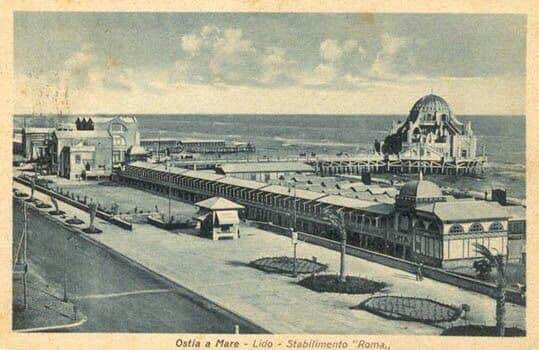
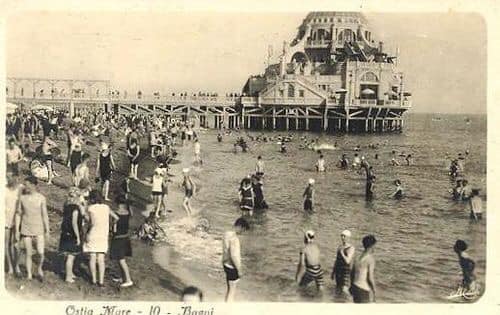
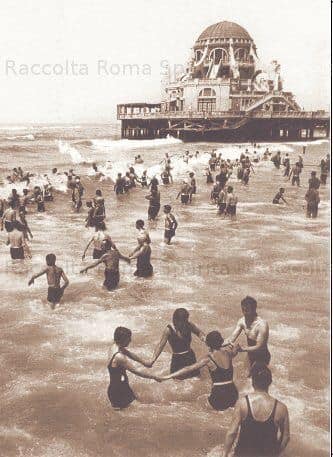
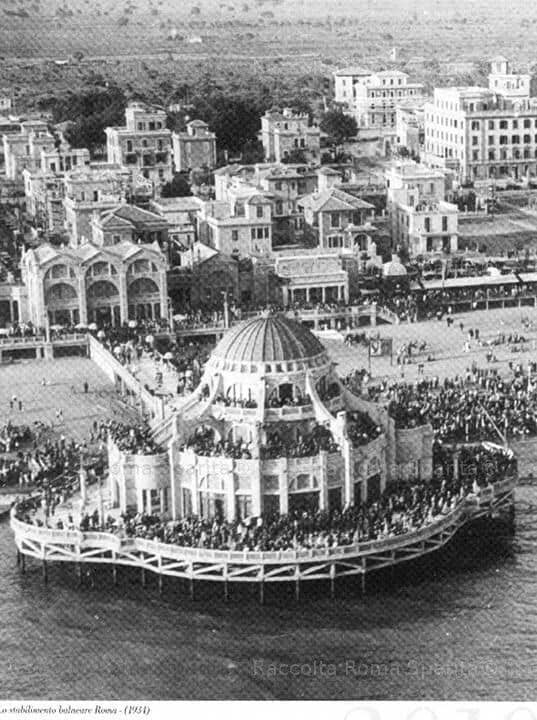
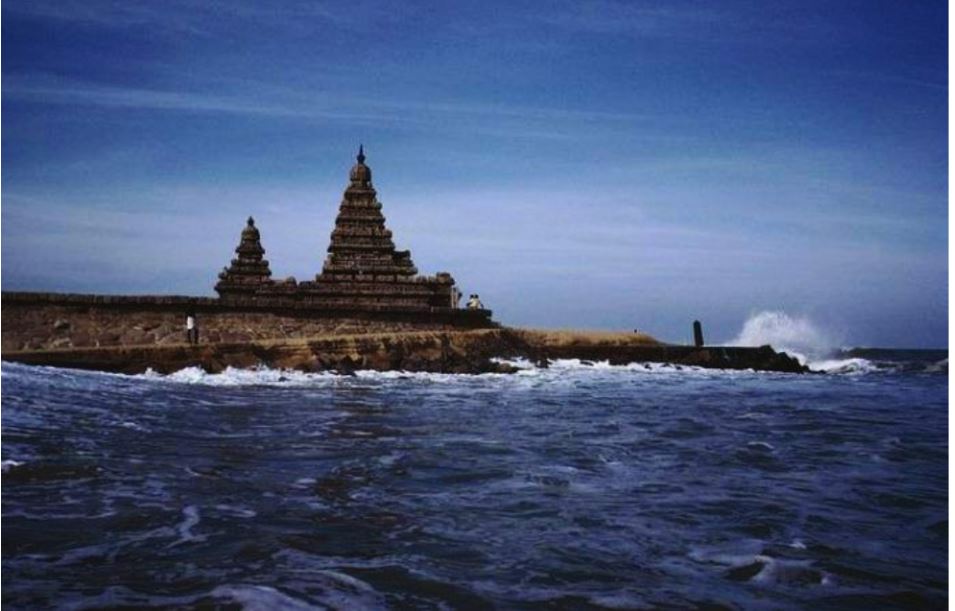 What if these too are power plants. In modern times, we still locate power and nuclear plants on water whenever possible. I definitely believe the original Saltair was not and never was built for people who wanted to swim in the Great Salt Lake.
Plissken
Note: This OP was recovered from the Wayback Archive.
Note: Archived Sh.org replies to this OP are included in this thread.


 )
)