So... how hard would it be to hide Tartary from future generations? Could it be as easy as providing images with "proper" descriptions, and doctoring the narrative in the process?
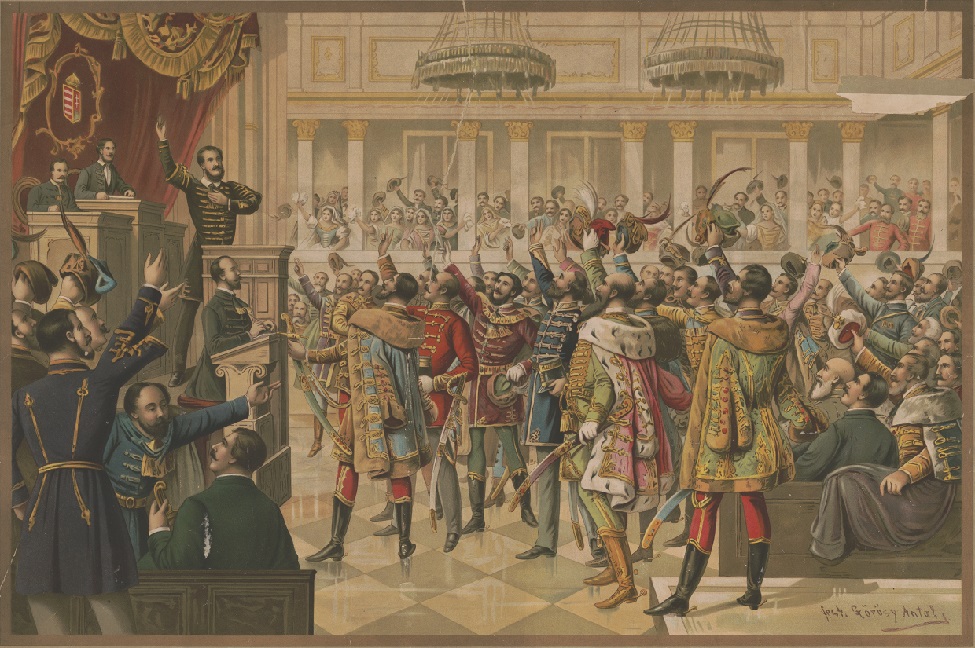
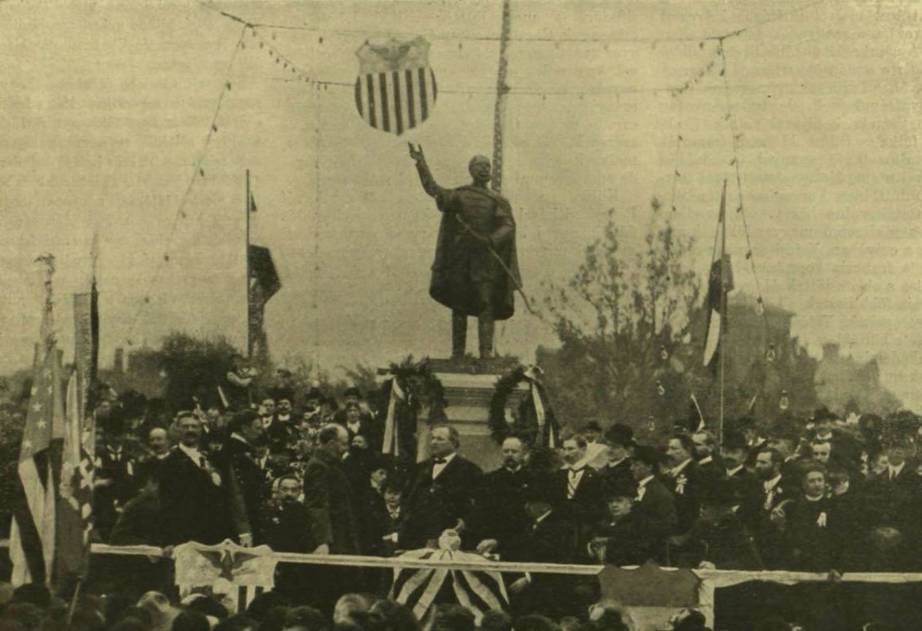
The below image is from here. It is dated with circa 1897.
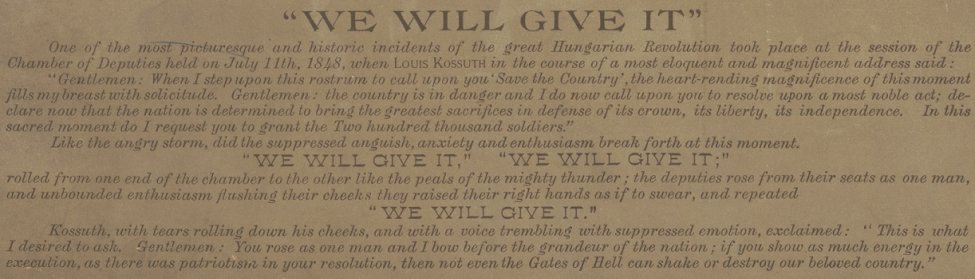
Presented events are dated with July 11th, 1848.
This is allegedly a depiction of some Hungarian gentlemen... requesting 200,000 soldiers... from who?
Could we be witnessing one of the last Tartarian strongholds, or some sort of political negotiations with Tartarians.
Here is another example. Here we have Napoleon and Alexander I negotiating with who exactly? Tartars?
Officially, Alexander I presents to Napoleon I the Kalmouks, the Cossacks and the Baskirs of the Russian army, July 9, 1807
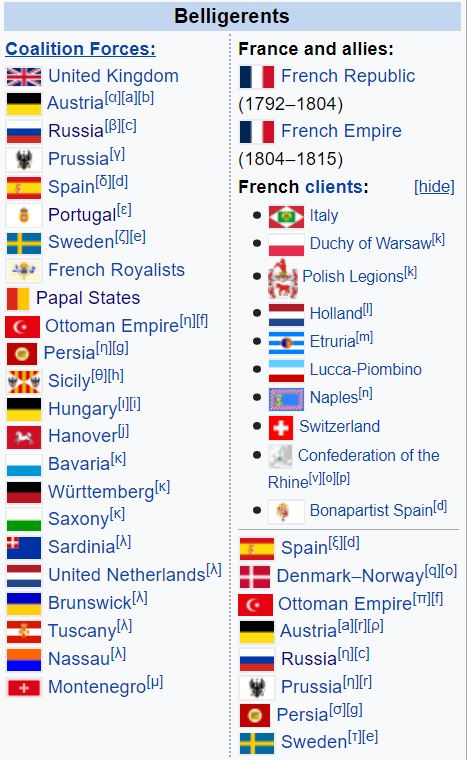
Austria both sides, Russia both sides, Prussia both sides, Spain both sides, France both sides, Italy/Papal/City States both sides, Ottoman Empire both sides, Persia both sides, Holland/Netherlands both sides, Confederation of the Rhine/Nassau (Rhineland) both sides.
Let's look at the outcome:
Congress of Vienna - Led by Klemens von Metternich. All sorts of weirdness with this guy.
Establishment of Nation States. He owned a slave army and was a fake abolitionist. The Holy Alliance. Secret Treaty of Varona. Monroe Doctrine in America resisting European colonialism.
Austria both sides, Russia both sides, Prussia both sides, Spain both sides, France both sides, Italy/Papa/City States both sides, Ottoman Empire both sides, Persia both sides, Holland/Netherlands both sides, Confederation of the Rhine/Nassau (Rhineland) both sides.
Austria both sides, Russia both sides, Prussia both sides, Spain both sides, France both sides, Italy/Papal/City States both sides, Ottoman Empire both sides, Persia both sides, Holland/Netherlands both sides, Confederation of the Rhine/Nassau (Rhineland) both sides.
Let's look at the outcome:
Congress of Vienna - Led by Klemens von Metternich. All sorts of weirdness with this guy.
Establishment of Nation States. He owned a slave army and was a fake abolitionist. The Holy Alliance. Secret Treaty of Varona. Monroe Doctrine in America resisting European colonialism.
Creating the boundaries to squabble over. Just like a giant BLOODSPORT.
List all the resources, count the number of possible slaves or soldiers...
RISK.
Or pinatas. Take your pick.
There was some site which compared Hungarian (Probably by a Hungarian researcher) history with that of Fomenkos new chronology. I can’t for the life of mine recall the site. It was a while ago I read it. What I do recall is that according to these Hungarian historical sources this site had access to, they where attacked by Tartarians. It was said that Batu Kahn was the Tartarian leader then.
Creating the boundaries to squabble over. Just like a giant BLOODSPORT.
List all the resources, count the number of possible slaves or soldiers...
RISK.
Or pinatas. Take your pick.
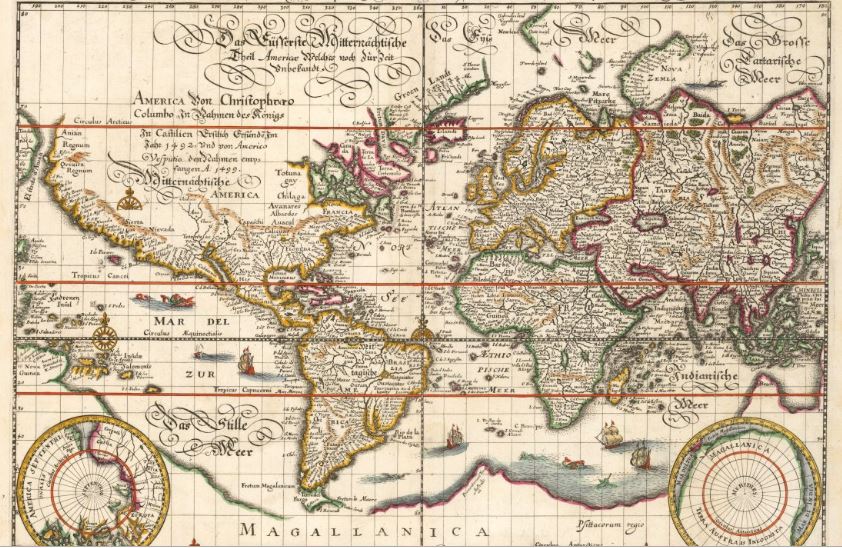
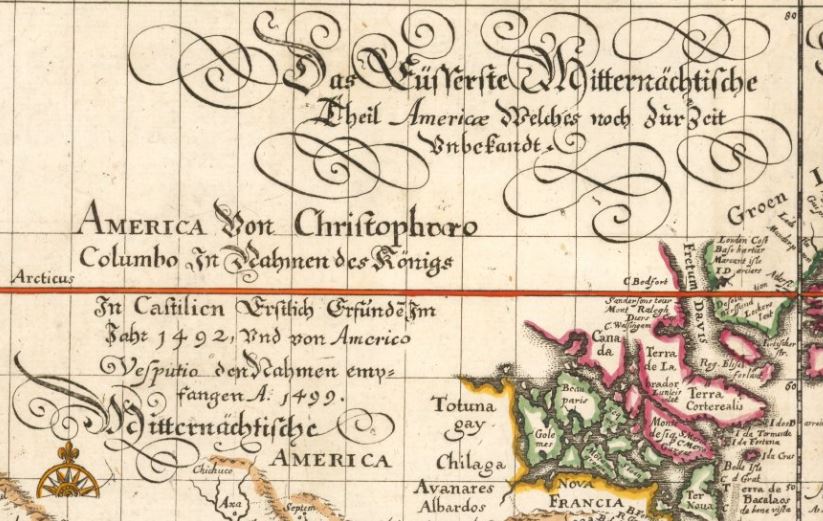
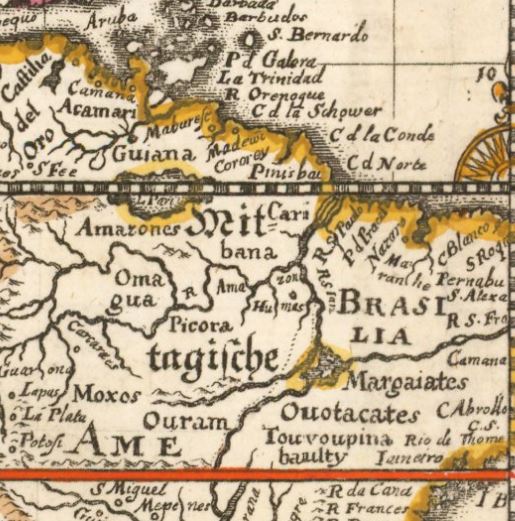
See... I was going for a non traditional answer. Can anyone explain how this map can exist in the traditional view of history from the early 1600's? J dating system. America labelled Mitternachtische America. South America labelled Mittagiche. Recreating the 1530's/1550's Nova Totius Terrarum showing Tartaria in the Americas.
So Cuba/Haiti belonged to Tartaria in the early 1600's but the remainder of the Americas belonged to Europe except the NE? Yeah... And then by 1652 Tartaria had conquered the remainder of the North America's/Asia?
Translates to Midnight/Mid-day. More so related to the maker of the maps name being Matthaus Merian which has no connection to that at all. You can check out other work credited to him and it will quickly become obvious Mitternachtische/Mittagische has a different meaning on these maps. Metternich quite literally appears from nowhere (first from his family name was born in a non-existent Kingdom) to become the most powerful guy on the planet.
They supposedly gained power through the Catholic Church. Connected to Luxembourg and House of Nassau.
Also changes the story of America pretty drastically right? Looks like it was conquered. Then retaken by the Tartarians based out of Cuba and Haiti sometime around "1638."
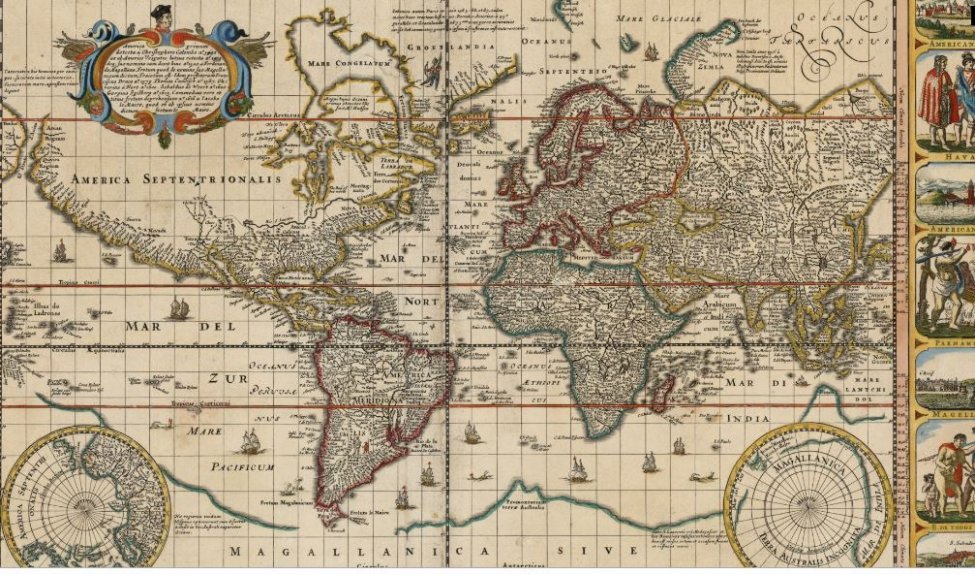
Watch the conflict take place visually (1630-1672) - we just don't have the correct stories or frame of reference:
1630 - HRE confined, Tartaria in Asia/South America, Spanish/Moors in North America/Africa/Carribean.
1632 - Similar except HRE takes Madgascar/Islands in SE Asia, Tartaria takes most of the Carribean except Haiti.
1638 - HRE takes North America/South America, Tartaria controls all of the Carribean, Moors and Tartars in NE America, Moors in SE Asia.
1652 - Tartaria takes all of North America/regains all of Asia. Moors in Africa, HRE in Europe/South America/Madgascar
1660's-1672 - Really starts to fragment down.
I mean I think we have some version of these events in our real history...
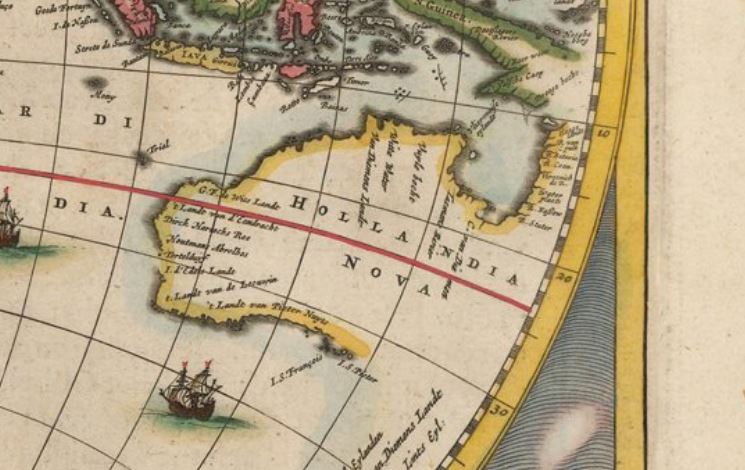
History says the Dutch established New Holland in Brazil between 1630-1654. It never appears on these maps. Except for in 1662 it pops up in Australia.
Notice these maps always have few colors, like they were defining empire's boundaries.
These are not continental boundaries, or else Britain would not be yellow, while Europe is green and Scandinavia is red.
But I cant imagine a horde of nomads in rags conquering a entire continent in such a short time span.
Consider the mongols never had a fleet to being with, they were a continental force.
"This is allegedly a depiction of some Hungarian gentlemen... requesting 200,000 soldiers... from who?
Could we be witnessing one of the last Tartarian strongholds, or some sort of political negotiations with Tartarians. "
there is a szekely "kingdom" in romania still today. in 1848 60k of them had a meeting in a field about this issue. i assume that wasn't everyone.
History says the Dutch established New Holland in Brazil between 1630-1654. It never appears on these maps. Except for in 1662 it pops up in Australia.
That was my first thought, too, since it IS the Atlantic ocean but there do seem to be land masses/islands depicted there....or coffee stains. There's smaller writing I can't zoom into well enough to read. @Mabzynn, I was reading a PhD thesis paper recently that may answer your questions about the name changes. It was a few hundred pages, iirc, and dry as toast but I remember seeing both words you asked about in it. I believe it was titled The Phonology of the German Language. Written in the 1970's, I think.
The picture is featuring the scene when Lajos Kossuth delivered his famous speech, calling for a big national force ( 200 000 newly recruited soldiers, and a loan of Forint 42 million to defend Hungary against the danger he declared, not without reason, to be threatening it from the Croats and Serbs.
The event occured in the time of Hungarian Revolution and War of Indepence 1848–49
this Revolution and War of Indepence was one of the many European Revolutions of 1848 and closely linked to other revolutions of 1848 in the Habsburg areas
Count Lajos Batthyány, the new Hungarian prime minister, allotted LajosKossuth the portfolio of finance in his government.
The Hungarian government was in serious military crisis due to the lack of soldiers, therefore they sent Kossuth(a brilliant orator) to recruit volunteers for the new Hungarian army. While Jelačić was marching on Pest, Kossuth went from town to town rousing the people to the defense of the country.
With the help of Kossuth's recruiting speeches, Batthyány quickly formed the Hungarian Revolutionary Army
in September 1848, the Austrian-inspired Croat army invaded Hungary. The new constrained Stadion Constitution of Austria, the revoke of the April laws and the Austrian military campaign against Kingdom of Hungary resulted in the fall of the pacifist Batthyány government (who searched agreement with the court) and led to the sudden emergence of Lajos Kossuth's followers in the parliament, who demanded the full independence of Hungary. .
Kossuth was elected by the parliament as the head of state of Hungary.
The Austrian military intervention in the Kingdom of Hungary resulted in strong anti-Habsburg sentiment among Hungarians, thus the events in Hungary grew into a war for total independence from the Habsburg dynasty.
At the start of the war, the Hungarian Defence Forces won many battles against the Austrians, for example at the Battle of Pákozd in September 1848 and at the Isaszeg in April 1849, at which time they even proclaimed the Hungarian Declaration of Independence from the Habsburg Empire.
On 29 May 1848, at Kolozsvár (now Cluj, Romania), the Transylvanian Diet (formed of 116 Hungarians, 114 Székelys and 35 Saxons) ratified the re-union with Hungary.
After a series of serious Austrian defeats in 1849, the Austrian Empire came close to the brink of collapse. The young emperor Franz Joseph I had to call for Russian help in the name of the Holy Alliance.
Tsar Nicholas I answered, and sent a 200,000 strong army with 80,000 auxiliary forces. Finally, the joint army of Russian and Austrian forces defeated the Hungarian forces.
The Hungarian War of Independence was a real historical event the memory of which is still lives vividly in many hungarian families whose ancestors actually took parts in the battles.
The person of Kossuth is well known in the U.S. as he travelled there to seek for alliance and support.
You can find testimony of his journey in the contemporary newspapers.
or e. g. in the diary of Károly László (1815-1894), former artillery officer,
who was a member of Kossuth's escort, and followed him to Vidin, Kütahya and later to America; he was Kossuth's confidant, secretary and the preserver of his documents as far as 1852,... As many of his contemporaries, Károly László kept a detailed diary, ..(1) It contains detailed records of the last period of the War of Independence. (2) As the private secretary of Kossuth, Károly László had an inside view of the most important matters of the political emigration. (3) The bigger part of the diary contains an account of his own impressions on the USA and Mexico; his records provide some very important contributions to the history of everyday life in America; and they are also interesting from some historical (urban history, history of mentality), geographical and even meteorological points of view. (4) The mental constitution of the author, his exceptional precision and striving after accuracy make the diary an extremely significant work of reference. (5)
88 years old Kossuth speaks phonograph recording 10. 20. 1890
in the comment section I’ve find the translation of a user, many thanks for him
„The judge of the world, history will answer this question. May the martyrs of sacred memory be blessed in their dusts, in their spirits with the greatest blesses of free homeland’s God, through eternity; I, who cannot kiss the dust of Hungarian Golgotha, will be seen by 6th of October fallen on my knees in the hermit-home of my expatriation, as stretching my old arms towards the disowning Homeland I will bless the sacred memory of the martyrs with warm feelings of gratitude for their fidelity towards the Homeland, and for the magnificent exemplar, they showed to posterity; and I will ask God of Hungarians with earnest prayer to glorify the hymn, piercing to the marrow, that is being sung from the lips of Hungária to the Hungarian Nation. Let it be so. Amen!”
Explanation: The then (1890) 88 year-old Kossuth, as a former national leader, spent his lifelong exile after Hungary’s failed 1848-49 freedom war against the Habsburg reign. The conclusion of the war was a bloody vengeance; hundreds (including the 13 general martyrs of Arad) were executed. Kossuth sent home this message for the erection of the memorial monument of the martyrs. He calls the venue of the monument „Hungarian Golgotha”. „Hungária” is the Goddess of Hungary 6th of October is the day of the execution of Arad 13 (1849) and was the day of the monument’s sanctification (1890)
10th Century Christian Conversions: Geza, Grand Prince of Hungary 970s
Anyone ever looked at King's converting to Christianity in our history?
In order:
Tiridates III of Armenia, King of Armenia, in 301
Ezana of Axum, King of Aksum
Constantine I, Roman emperor, in 337
Mirian III of Iberia, King of Iberia, c. 337
Óengus mac Nad Froích, King of Munster
Clovis I, King of the Franks, circa 496-506
Rechiar, King of the Suebi
Constantine of Dumnonia
Saint Constantine of Strathclyde
Rædwald of East Anglia
Reccared I, king of visigoths, and Hermenegild, sub-king in Baetica, converted from Arianism to the Nicene faith.
Æthelberht of Kent before 601 (see Gregorian mission)
Cenwalh of Wessex
Cynegils of Wessex
Sigeberht of East Anglia
Riderch I of Alt Clut
Peada of Mercia
Edwin of Northumbria
Boris I of Bulgaria (864)
Guthrum (878)
Borivoj I, Duke of Bohemia (883)
Rorik of Dorestad
Mieszko I of Poland (966)
Géza, Grand Prince of the Hungarians (970s)
Vladimir I of Kiev (980s)
Harald Bluetooth of Denmark and Norway
Olof Skötkonung, King of Sweden (1008)
Jogaila, Gand Duke of Lithuania and King of Poland (1386)
Nzinga of Ndongo and Matamba
Afonso I of Kongo
Humabon, Rajah of Cebu (1521)
Bunao Lakan Dula, Lakan of Tondo (c. 1571)
Rajah Matanda of Maynila (1572)
Hone Heke
Keopuolani
Ka'ahumanu
Kamehameha III
Tāmati Wāka Nene
Ranavalona II of Madagascar
Pomare II
It just looks like the spread of the "Tartarian"/Hungarian Empire to me.