- Joined
- Sep 22, 2020
- Messages
- 4,691
- Reaction score
- 1,500
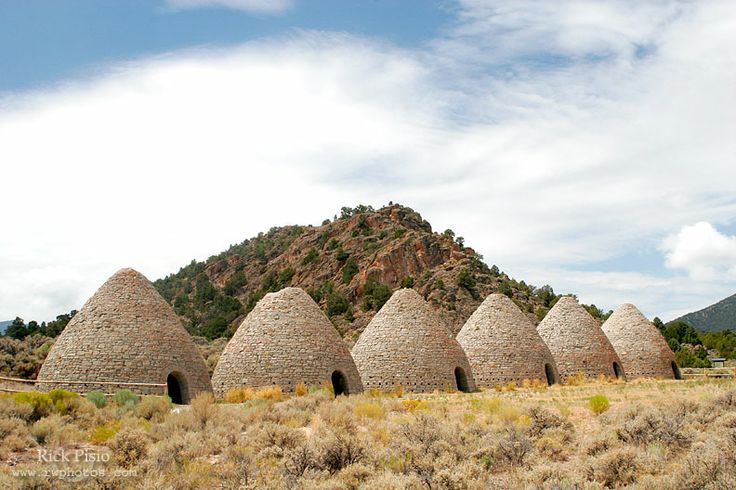
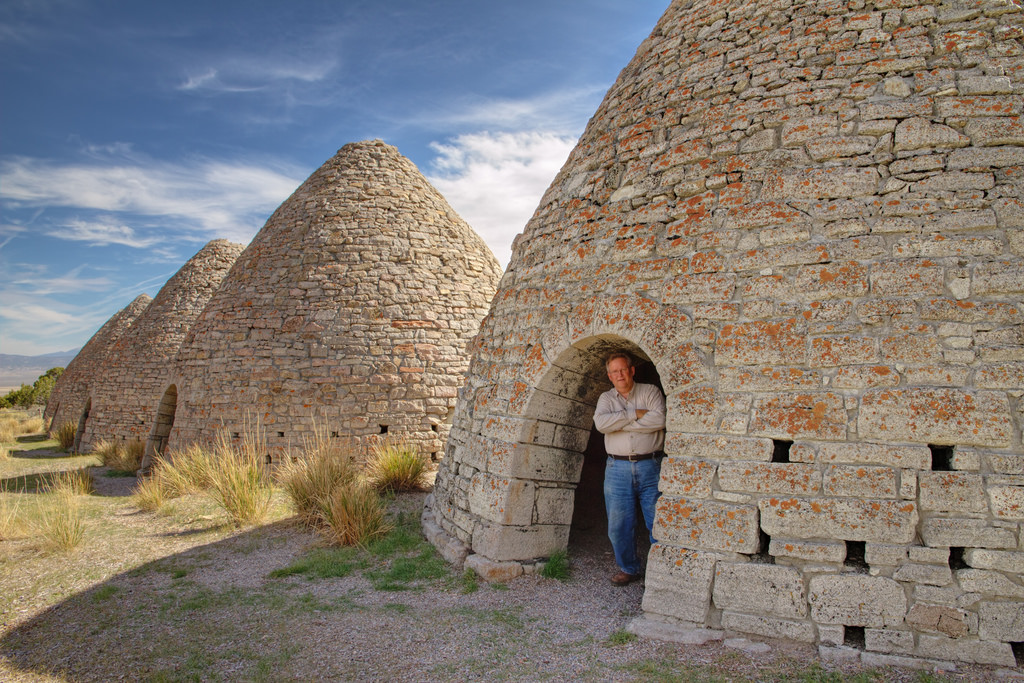
This is the second thing pertaining to the state of Nevada I ran into tonight . The other one was the Ruins of Union Mine Shaft. Unfortunately, so far there are more questions than answers. Ward Charcoal Ovens State Historic Park is an area designated for historic preservation and public recreation located 20 miles south of the town of Ely in White Pine County, Nevada. The 700-acre state park protects beehive-shaped charcoal ovens constructed in the latter half of the 19th century.
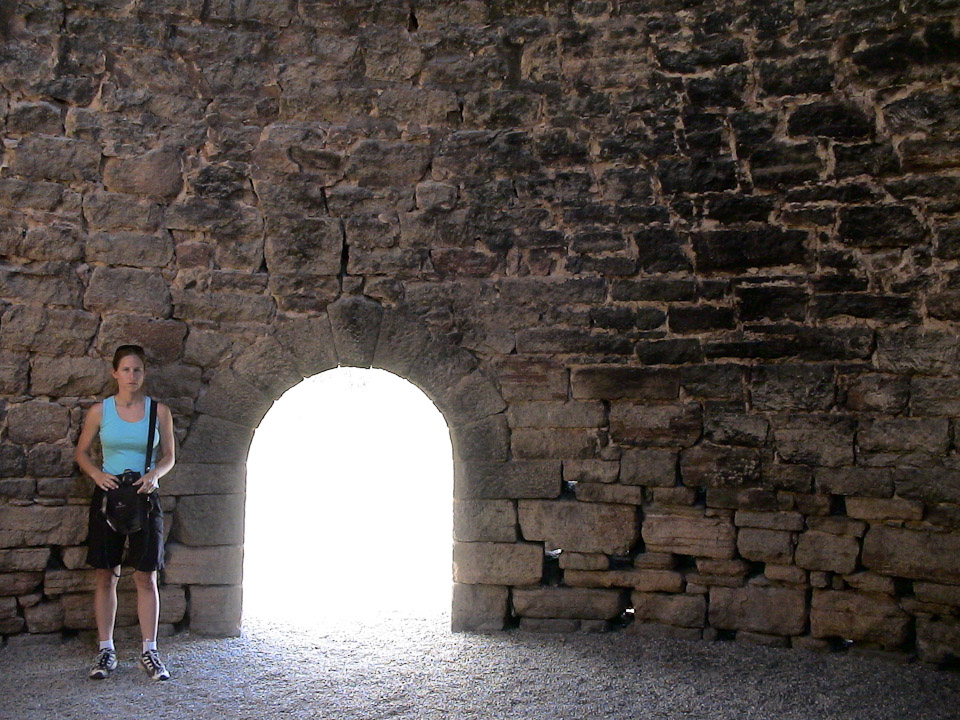
I call major BS on the dogmatic version pertaining to these specific beehive ovens? Try to order just one of those to your local construction company. The unsupported dome shaped structure might end up costing you a buck or two.
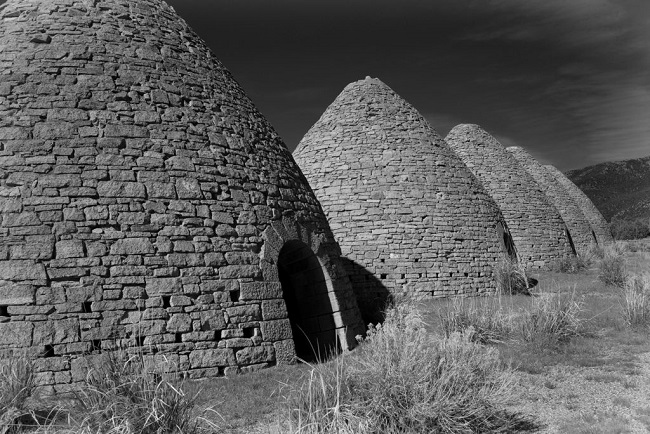
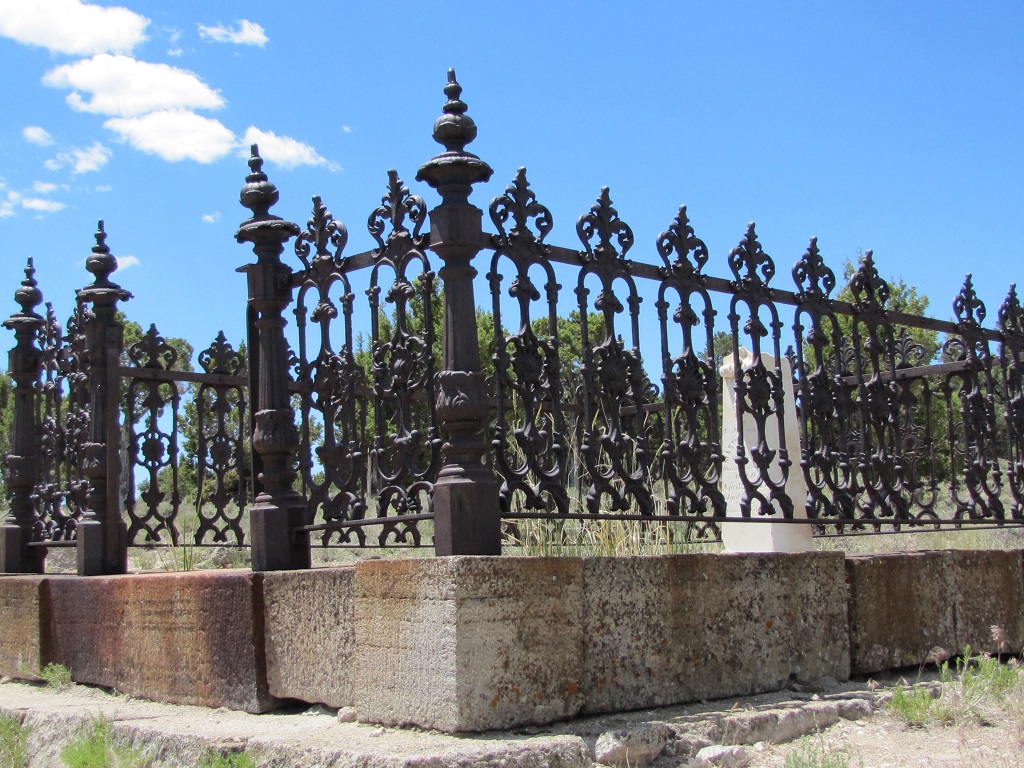
The charcoal ovens are associated with the silver mining ghost town of Ward, Nevada, established in 1876. The town at its peak had a population of 1500, two newspapers, a school, fire department, two smelters and a stamp mill. The town declined after 1880, with a fire in 1883 destroying a third of the town. The post office closed in 1888. Mining revived briefly in the 1930s and 1960s. The town has been mostly destroyed by repeated flash flooding in its low-lying site. Only the smelter, mill foundations and a cemetery are left.
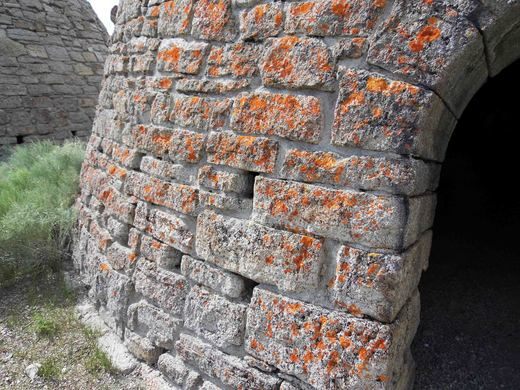
Six large ovens remain in excellent repair, 30 feet high, 27 feet in diameter, with walls 2 feet (0.61 m) thick at the base. The ovens were in operation from 1876 through 1879. They were built of quartz latite welded tuff by itinerant Italian masons who specialized in the ovens, who were known as carbonari.


The area was under private ownership and management until 1956, when the Nevada State Park Commission was offered a permit to protect the ovens. Two privately owned parcels were transferred to the Nevada Department of Wildlife in 1968, and in 1969, 160 acres were transferred to the state park system to create a state monument. The area was designated a state park in 1994, when recreational facilities were added to the site.
Of course we have everything, starting with some huge devastating "fire", and ending with this site being off limits for any type of digging due to being declared a State Park.
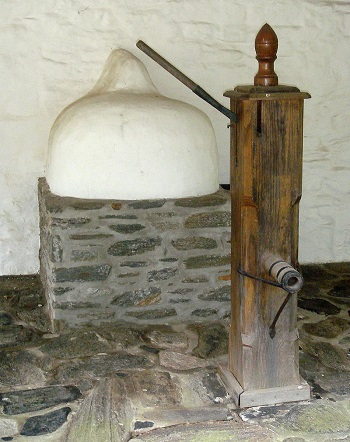
These beehive ovens are a fun thing in general. While we do not normally think within certain parameters, but this time consider what it would take you personally to build one. Obviously you do not need one, but back in the day, most households allegedly had a beehive oven. And we are talking about the time frame of the thirteen colonies (between 1625 and 1775). While Wikipedia makes it sound like something common at the time, this thing below looks very much different from those huge beehive ovens above.
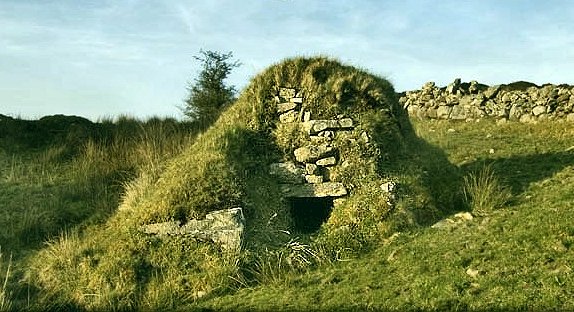
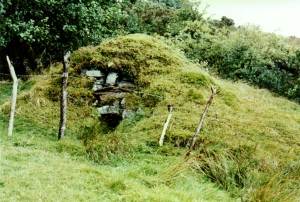
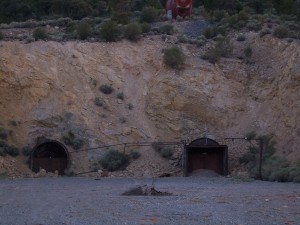
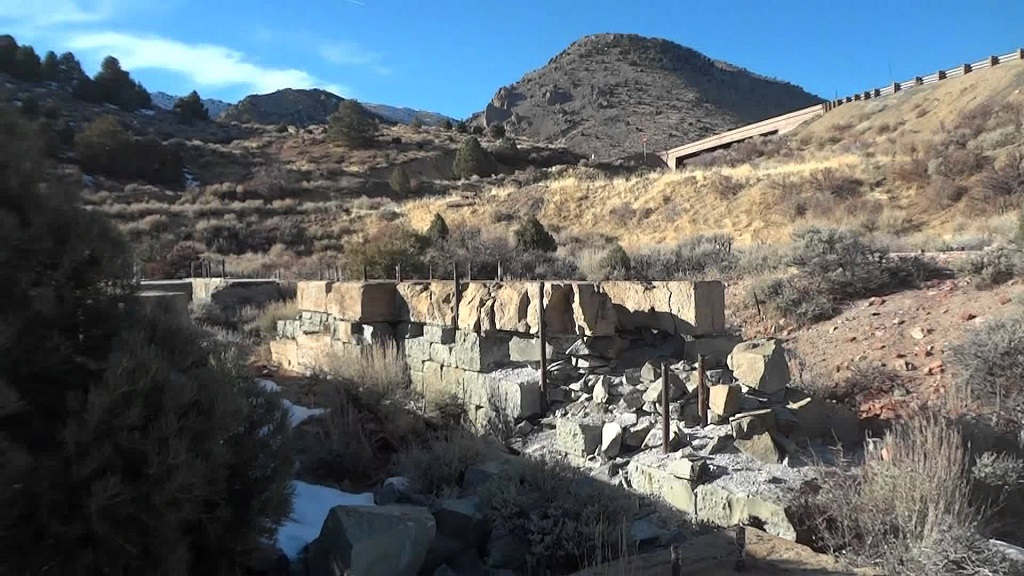
Additionally for Ward, Nevada there was this small image of what is called a "Ward mine". I was unable to find a bigger picture of the entrance. I'll be honest I did not look that hard. Things appear to be fishy with underground Nevada, but I doubt any pictures found on the internet could make these waters less murky.
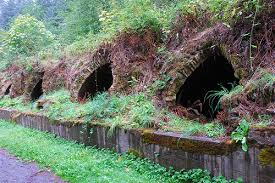
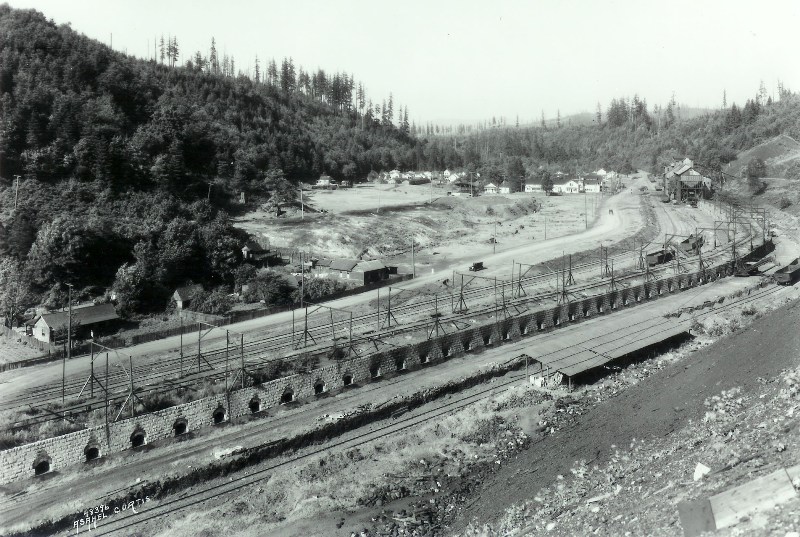
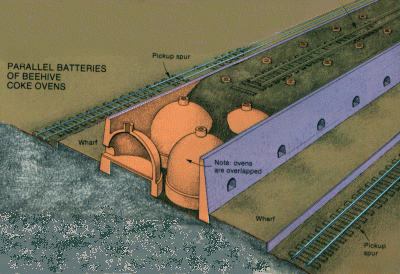
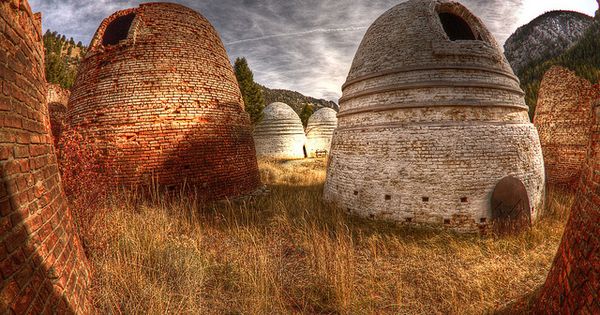
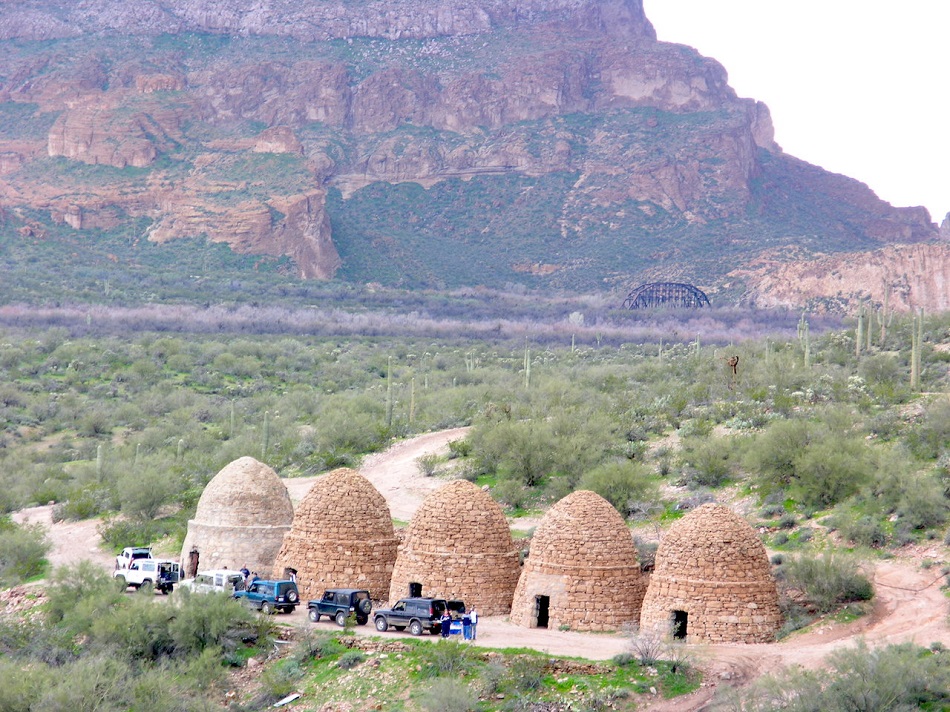
Coke Ovens, ArizonaFunny, but in most of the other places these are called Coke ovens and used in conjunction with coal ore, but not the above Nevada ones.
Conveniently, these Arizona Coke Ovens are situated on a 189-acre section of private property where visitation is not allowed.
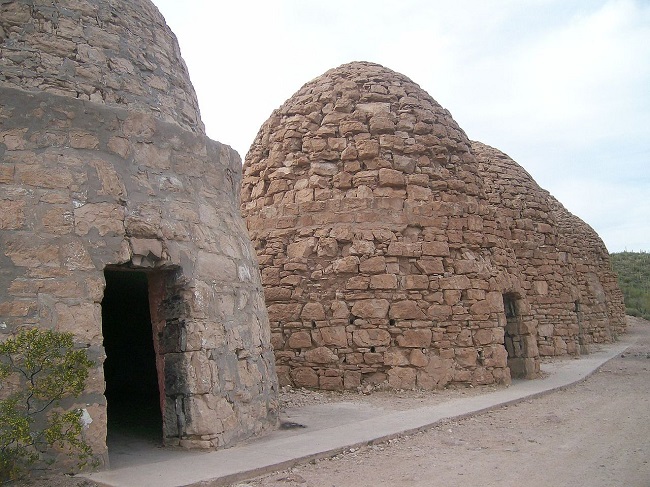


Ward Charcoal Ovens State Historic Park
Cochran, Arizona
Ward - Nevada Ghost Town
Ward Charcoal Ovens - Nevada
I'll be straight up. All of this sounds like a bunch of baloney. To build something like this to prepare charcoal from locally harvested timber.
Who really built these structures, when and for what purpose?
P.S. Googling for Coke Ovens produces some interesting results of its own.
I call major BS on the dogmatic version pertaining to these specific beehive ovens? Try to order just one of those to your local construction company. The unsupported dome shaped structure might end up costing you a buck or two.
Beehive Ovens, Nevada
The area was under private ownership and management until 1956, when the Nevada State Park Commission was offered a permit to protect the ovens. Two privately owned parcels were transferred to the Nevada Department of Wildlife in 1968, and in 1969, 160 acres were transferred to the state park system to create a state monument. The area was designated a state park in 1994, when recreational facilities were added to the site.
Of course we have everything, starting with some huge devastating "fire", and ending with this site being off limits for any type of digging due to being declared a State Park.
These beehive ovens are a fun thing in general. While we do not normally think within certain parameters, but this time consider what it would take you personally to build one. Obviously you do not need one, but back in the day, most households allegedly had a beehive oven. And we are talking about the time frame of the thirteen colonies (between 1625 and 1775). While Wikipedia makes it sound like something common at the time, this thing below looks very much different from those huge beehive ovens above.
Coke Ovens, Arizona
Conveniently, these Arizona Coke Ovens are situated on a 189-acre section of private property where visitation is not allowed.
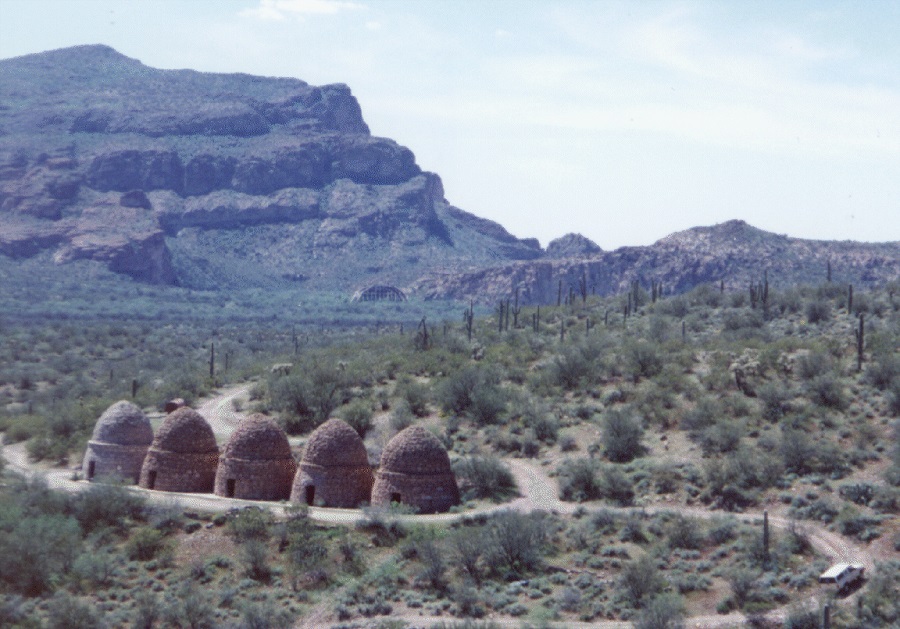
Cochran, Arizona
Ward - Nevada Ghost Town
Ward Charcoal Ovens - Nevada
* * * * *
I'll be straight up. All of this sounds like a bunch of baloney. To build something like this to prepare charcoal from locally harvested timber.
Where is the timber?
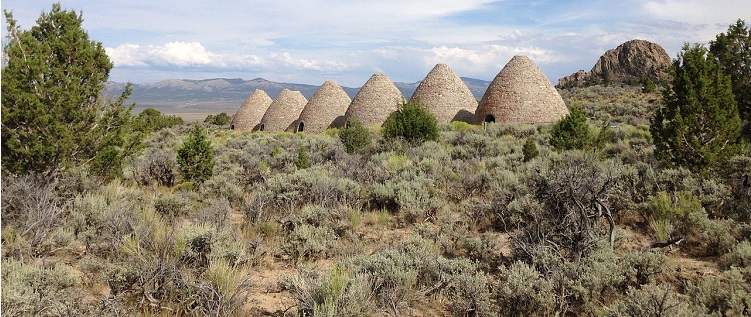
KD: Beehive ovens built by Italian artisans in the deserts of Nevada to produce charcoal from locally harvested timber. How much more ridiculous does it have to sound for us to start questioning the BS narrative of the lying dogmatic science? What timber? What are the names of the italian "carbonari"?
Who really built these structures, when and for what purpose?
P.S. Googling for Coke Ovens produces some interesting results of its own.
Note: This OP was recovered from the Sh.org archive.
Note: Archived Sh.org replies to this OP are included in this thread.