

- Joined
- Sep 22, 2020
- Messages
- 4,691
- Reaction score
- 1,500
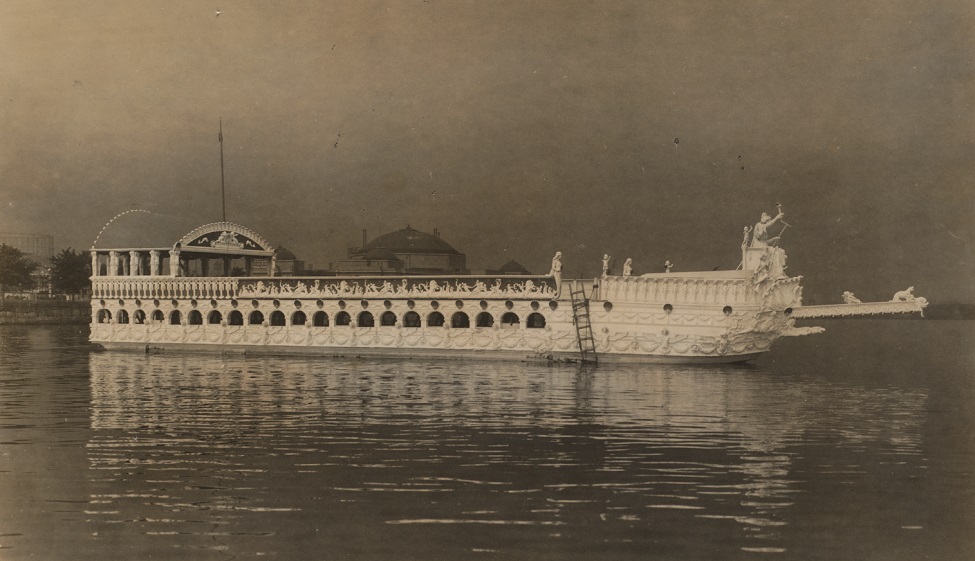
I do not have much information on this ship other than the name, location, approximate time frame and source I got the image from. Creating this thread because I would love to learn more about this specific vessel.
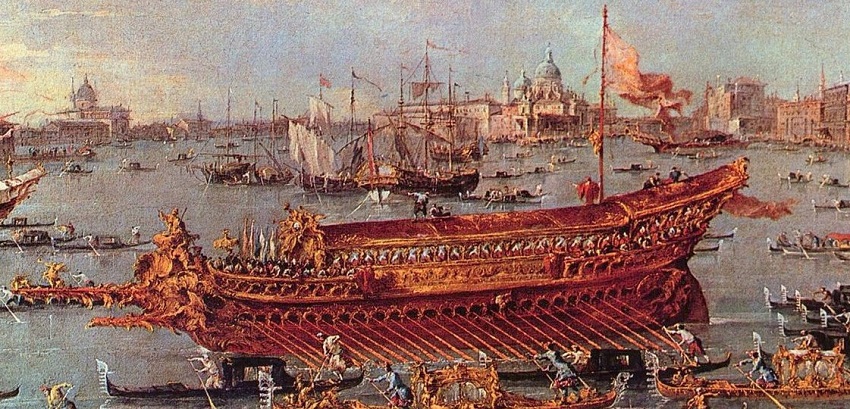
It looks very similar to what doges of Venice allegedly used for ceremonies. The bucentaur was the state barge of the doges of Venice. It was used every year on Ascension Day up to 1798 to take the doge out to the Adriatic Sea to perform the "Marriage of the Sea" – a ceremony that symbolically wedded Venice to the sea every year on the "Festa della Sensa" (Ascension Day).
Scholars believe there were four major barges, the first significant bucentaur having been built in 1311. The last and most magnificent of the historic bucentaurs made its maiden voyage in 1729 in the reign of Doge Alvise III Sebastiano Mocenigo. Depicted in paintings by Canaletto and Francesco Guardi, the ship was 35 m (115 ft) long and more than 8 metres (26 ft) high. A two-deck floating palace, its main salon had a seating capacity of 90. The doge's throne was in the stern, and the prow bore a figurehead representing Justice with sword and scales. The barge was propelled by 168 oarsmen, and another 40 sailors were required to man it.
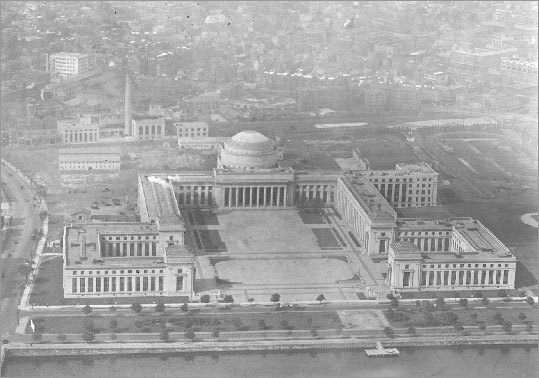
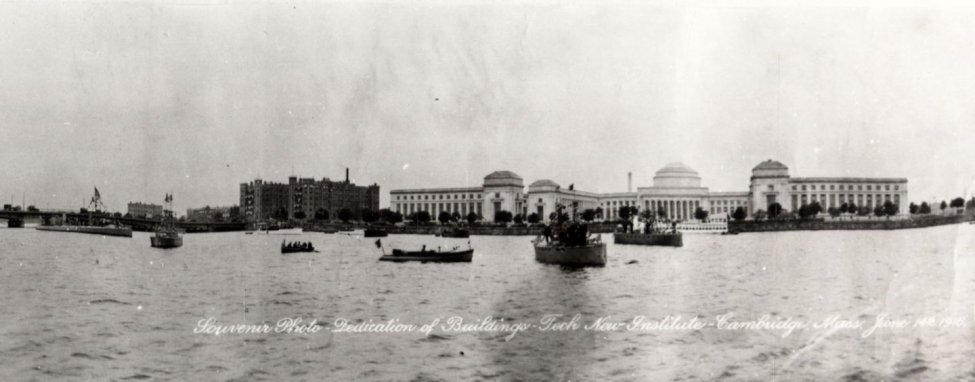
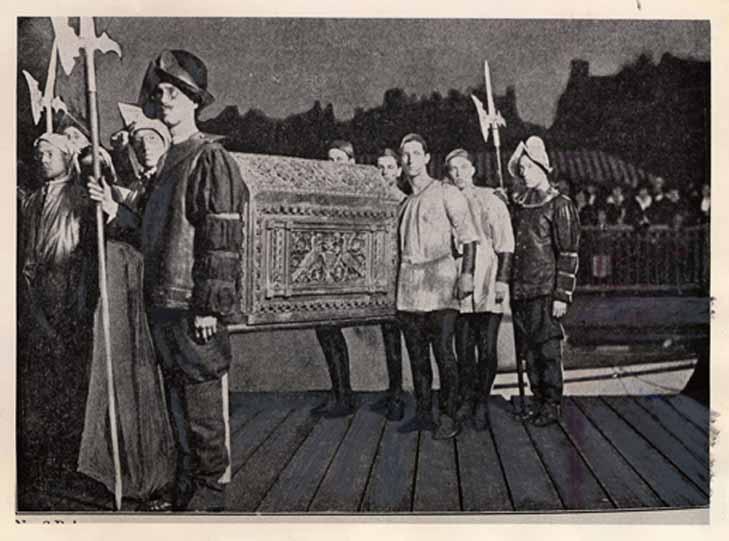
I guess, in spring 1916, after 55 years in Boston’s Copley Square, MIT packed its belongings and moved slightly west to Cambridge, where a spacious, newly-designed campus awaited. The two-mile move was celebrated with three days of celebration that featured a naval regatta, an airplane demonstration, a massive papier-mâché beaver, and a ceremonial transport of the school’s charter across the Charles River via a lavish Venitian-style barge.
In 1916, the MIT administration and the MIT charter crossed the Charles River on the ceremonial barge Bucentaur built for the occasion, to signify MIT's move to a spacious new campus largely consisting of filled land on a one-mile-long (1.6 km) tract along the Cambridge side of the Charles River. The neoclassical "New Technology" campus was designed by William W. Bosworth and had been funded largely by anonymous donations from a mysterious "Mr. Smith", starting in 1912. In January 1920, the donor was revealed to be the industrialist George Eastman of Rochester, New York, who had invented methods of film production and processing, and founded Eastman Kodak. Between 1912 and 1920, Eastman donated $20 million ($236.6 million in 2015 dollars) in cash and Kodak stock to MIT.
Why would they build a Venetian ship for a college moving ceremony in 1916?
And what a new campus MIT ended up at.
It looks very similar to what doges of Venice allegedly used for ceremonies. The bucentaur was the state barge of the doges of Venice. It was used every year on Ascension Day up to 1798 to take the doge out to the Adriatic Sea to perform the "Marriage of the Sea" – a ceremony that symbolically wedded Venice to the sea every year on the "Festa della Sensa" (Ascension Day).
Scholars believe there were four major barges, the first significant bucentaur having been built in 1311. The last and most magnificent of the historic bucentaurs made its maiden voyage in 1729 in the reign of Doge Alvise III Sebastiano Mocenigo. Depicted in paintings by Canaletto and Francesco Guardi, the ship was 35 m (115 ft) long and more than 8 metres (26 ft) high. A two-deck floating palace, its main salon had a seating capacity of 90. The doge's throne was in the stern, and the prow bore a figurehead representing Justice with sword and scales. The barge was propelled by 168 oarsmen, and another 40 sailors were required to man it.
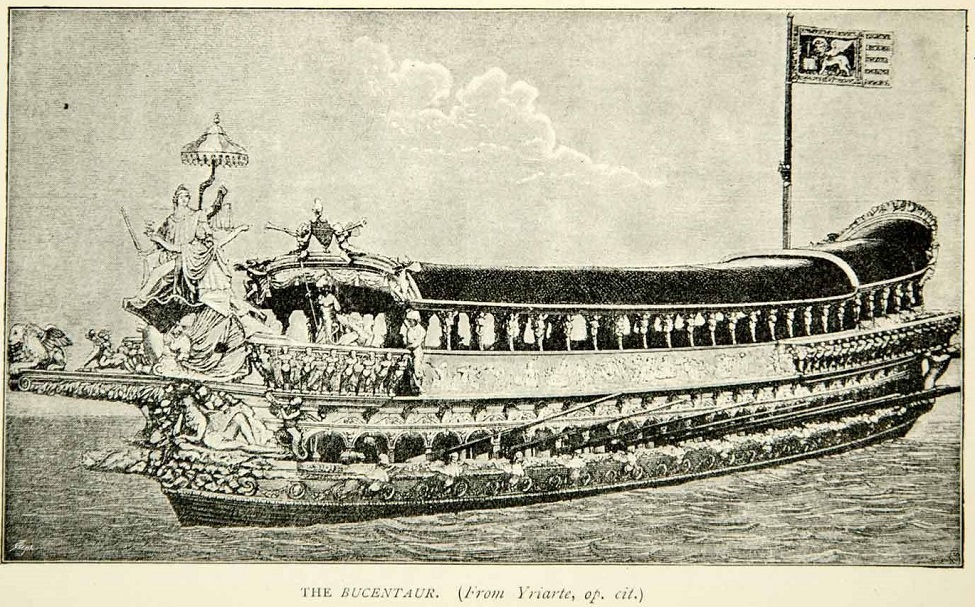
- The ship was destroyed in 1798 on Napoleon's orders to symbolize his victory in conquering Venice.
- Bucentaur - Wikipedia
Modern Reconstruction
In February 2008, plans to rebuild the bucentaur destroyed in 1798 were announced. More than 200 shipbuilders, woodcarvers and jewellers started work on 15 March 2008 at the Arsenale. It has been reported by the Italian press that it will take two years for the bucentaur to be constructed. However, Colonel Giorgio Paterno, the head of Fondazione Bucintoro which is behind the €20 million project, said in March 2008 that "we'll build it as fast as we can but we're not in a hurry." It is intended that the project will make use of traditional shipbuilding techniques and original materials, including larch and fir wood, and will reproduce gold decorations. The foundation is supported by businessmen in the Veneto and Lombardy regions but has also written to the French President Nicolas Sarkozy for France to make a financial contribution as a goodwill gesture to compensate for Napoleon's "vandalism" of the 1729 vessel.- Fondazione Bucintoro hopes that the vessel will become "the most visited floating museum in the world", but also sees the project as a means to "help Venice recover its former glory and its old spirit". According to Paterno, "Invaded by so many million tourists, the city risks losing its identity, losing its cultural connection with its own history. It's not enough to live in the future, the city needs to connect with and remember its glorious past."
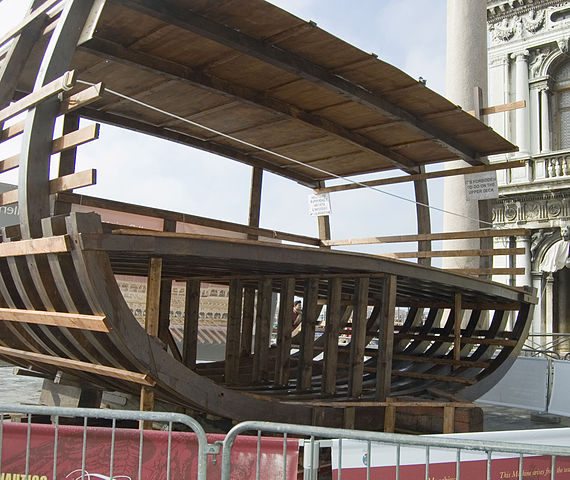
- This is a cross section of a proposed reproduction of the Venitian State galley Bucintoro. It was displayed in St. Mark's Square.

I guess, in spring 1916, after 55 years in Boston’s Copley Square, MIT packed its belongings and moved slightly west to Cambridge, where a spacious, newly-designed campus awaited. The two-mile move was celebrated with three days of celebration that featured a naval regatta, an airplane demonstration, a massive papier-mâché beaver, and a ceremonial transport of the school’s charter across the Charles River via a lavish Venitian-style barge.
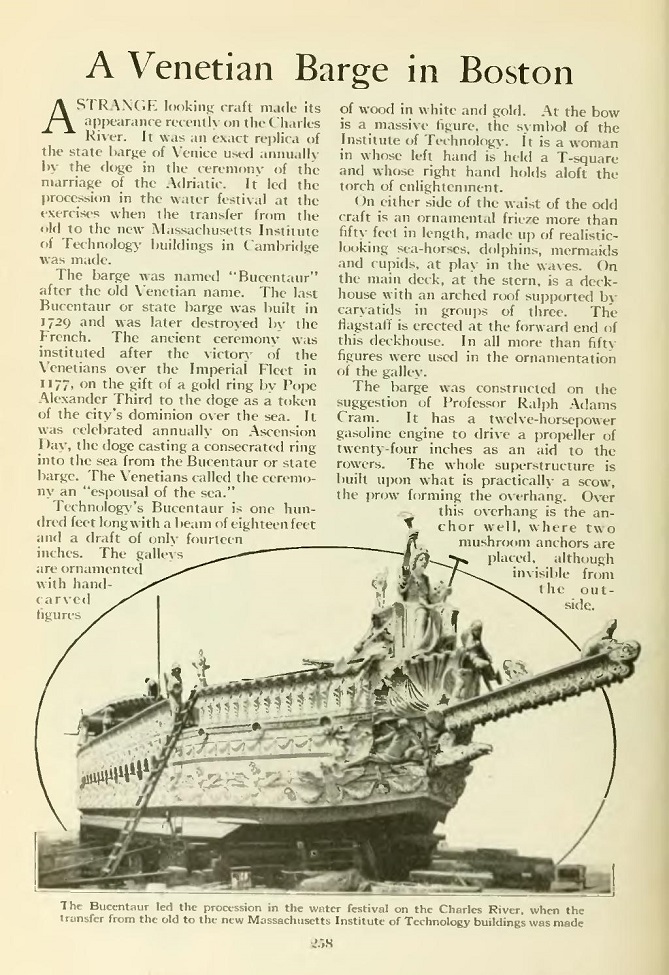
In 1916, the MIT administration and the MIT charter crossed the Charles River on the ceremonial barge Bucentaur built for the occasion, to signify MIT's move to a spacious new campus largely consisting of filled land on a one-mile-long (1.6 km) tract along the Cambridge side of the Charles River. The neoclassical "New Technology" campus was designed by William W. Bosworth and had been funded largely by anonymous donations from a mysterious "Mr. Smith", starting in 1912. In January 1920, the donor was revealed to be the industrialist George Eastman of Rochester, New York, who had invented methods of film production and processing, and founded Eastman Kodak. Between 1912 and 1920, Eastman donated $20 million ($236.6 million in 2015 dollars) in cash and Kodak stock to MIT.
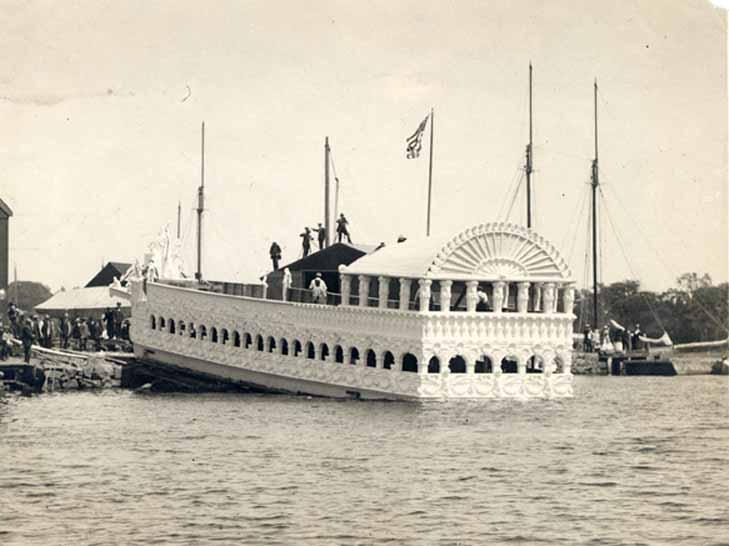
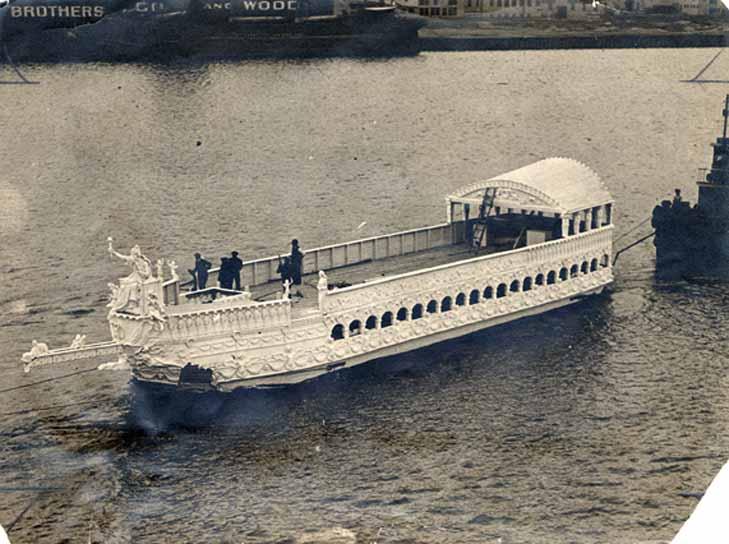
Why would they build a Venetian ship for a college moving ceremony in 1916?
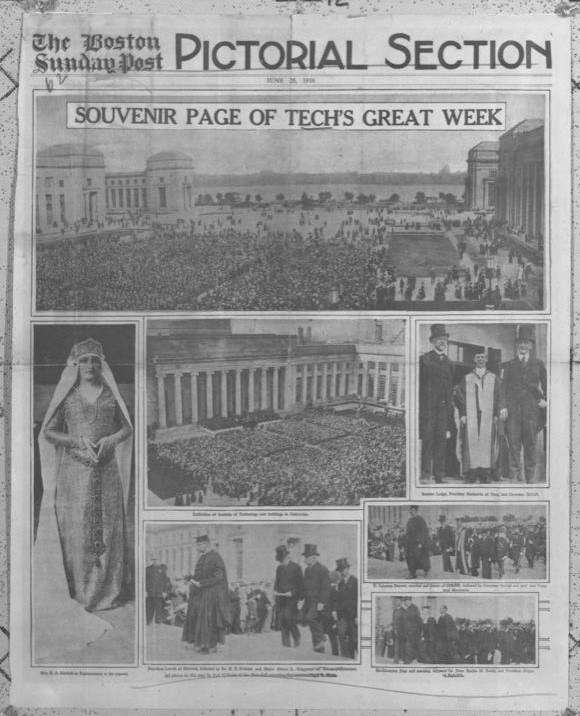
- MIT's seal and charter were transported across the Charles River in ornate caskets on the Bucentaur. Students and faculty members dressed as medieval courtiers and soldiers of Venice.
And what a new campus MIT ended up at.
Note: This OP was recovered from the Sh.org archive.
Note: Archived Sh.org replies to this OP are included in this thread.


