SH Archive c. 1750: Agostino Fasolato and The Fall of the Rebel Angels

SH.org OP Username
KorbenDallas
SH.org OP Date
2019-11-06 19:30:13
SH.org Reaction Score
29
SH.org Reply Count
29
Note: This post was recovered from the Sh.org archive.
Username: Feralimal
Date: 2019-11-14 10:47:41
Reaction Score: 0
Well, given that we are speculating, it is also possible that the liquid rock could be applied in layers. So you would pour the inner bit, and once that set, pour the next layer, etc.

What would indicate that this was not the case is veins in the stone. If you saw a clear vein in an inner bit and that vein could also be followed to an outer bit, then that would strengthen the idea that you had started with one piece of rock. (Though I daresay even 'imperfections' like these could be cast.)

The complex pieces that I just have looked with veining in mind, show that the stone is plain - without veins. This makes me tend to think that we are dealing with a casting process, that might have nowadays be achieved with marble dust and epoxy.
 
Note: This post was recovered from the Sh.org archive.
Username: codis
Date: 2019-11-14 11:28:58
Reaction Score: 1
Except for the epoxy part, this seems a quite plausible explanation for the medieval method. Marble is basically calcium carbonate in specific crystal configurations, that is (supposedly) created from limestone under heat and pressure.
To keep an unfinished "sculpure" in shape, a natural (or al-chemistic) resin would be required that evaporates in heat. Perhaps mixable with water, to create an easily formable putty. This would result in a fragile pre-sculpure, that takes heat treatment to transmute it into marble.
Just thinking ...
 
Note: This post was recovered from the Sh.org archive.
Username: KorbenDallas
Date: 2019-11-14 12:22:23
Reaction Score: 1
Non existent ancient Greeks are credited with a whole bunch of bronze statues. Sounds like creating molds was never an issue.
 
Note: This post was recovered from the Sh.org archive.
Username: codis
Date: 2019-11-14 13:50:56
Reaction Score: 1
I heard the dead sea scroll are already proven to be fake, the ink contains metals pigments and metals supposedly not known at this time. And, archeologists are supposedly able to indentify the origin of coins and jewelry by the trace metal contents.
My point - I'd like to see the results of similar investigations for said Greek and Roman statues.
 
Note: This post was recovered from the Sh.org archive.
Username: Starmonkey
Date: 2019-11-14 15:59:06
Reaction Score: 1
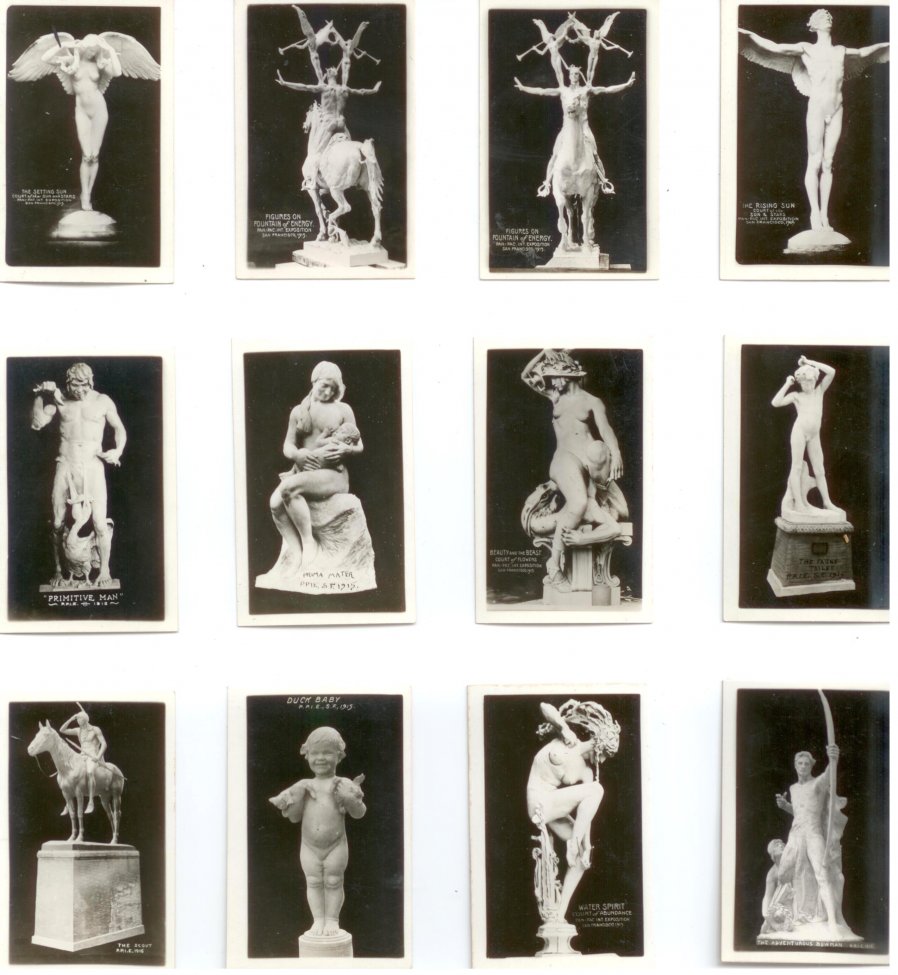
1904 St Louis. More realism...
41414.jpeg
 
Note: This post was recovered from the Sh.org archive.
Username: KorbenDallas
Date: 2019-11-14 21:28:12
Reaction Score: 0
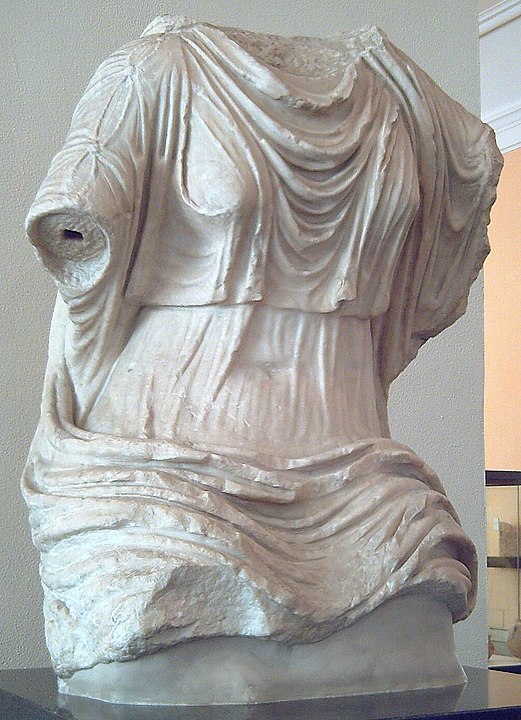
Roman marble torso from the 1st century AD, showing a woman's clothing.

521px-Torso_femenino_romano_-_Iponuba_(M.A.N.)_01.jpg
 
Note: This post was recovered from the Sh.org archive.
Username: KorbenDallas
Date: 2019-11-14 21:55:36
Reaction Score: 0
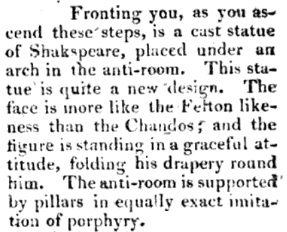
This here pertains to the Theatre Royal in London. Cast statue of Shakespeare, and imitated porphyry pillars. Do we know if the statue and pillars are still around today?

It can’t be this lead one, for the theater burned down in 1809 and did not reopen until 1812. I doubt lead would have survived the fire.
 
Note: This post was recovered from the Sh.org archive.
Username: fabiorem
Date: 2019-12-06 05:17:21
Reaction Score: 0
I have the impression he melted the marble at some points, to make limbs, hands and feet.
 
Note: This post was recovered from the Sh.org archive.
Username: SteampunkFox
Date: 2019-12-25 09:48:48
Reaction Score: 1
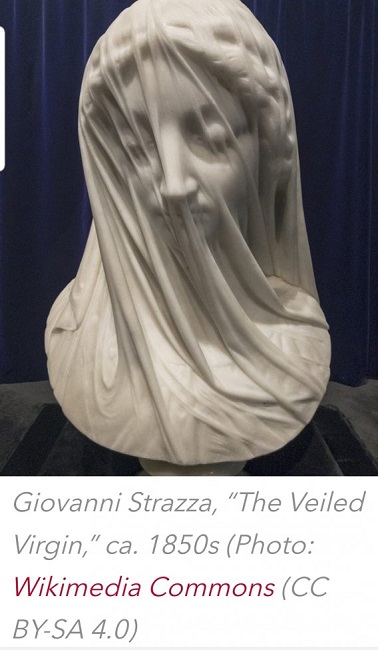
Don't forget the insanity that is the veiled virgin. Definately the sculpture hardest for me to believe being created by hand with a chisel and hammer.

20191225_014322.jpg
 
One obvious possibility is liquid plaster-like rock that we know they had hundreds of years ago to veneer the brick columns to look like marble.

Maybe they made the design in a mold first and poured liquid rock into the mold to set?

Carving the mold itself would still be very impressive I think.
Putting a real fishing net in a pot of that special plaster, what would anyone need moulds for? Just take care that the figure you're going to drape it around has already dried completely. The pyramid GI Joes, ah, angels, these figurines are all modular, there are multiple examples where you can see that the limbs were GLUED in place. Mass producing torsos and all the rest isn't that challenging, these buggers all more or less show the same postures, tails (also glued), and exchangeable heads. PREISER is the name of a modern company producing figurines in hard plastic for model railroads, they offer packs full of modular figurines with exchangeable heads and limbs so you can model different poses. The artist, whoever that might have been, just had to turn out the modules for the figurines and plaster them together, from the inside out. It appears that plaster was better than glue, it could hide joints, only a few are visible due to 200 yr old dust. The real artistic challenge here was arranging the figurines...
 
Tips
Tips
Please respect our Posting Rules.
Back
Top