You can read up about it here:
The Solar Eclipse Coincidence
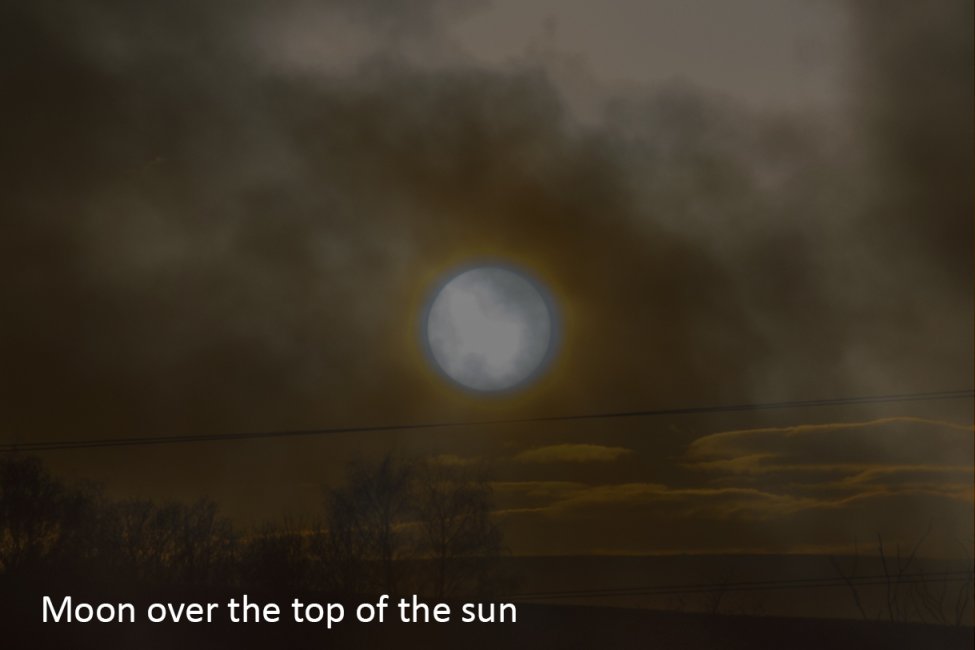
Due to some variations, which probably have to do with the movements of the sun in the centre of the universe, sometimes the moon is a bit smaller than the sun.
Basically the idea is that the moon is simple something like an optical illusion - as the light coming from the sun in the centre of the universe bends around and also lights up it's backside, which gives us the impression of something in the sky.
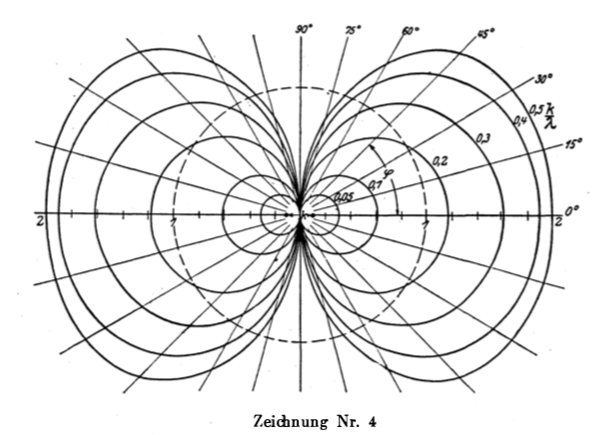
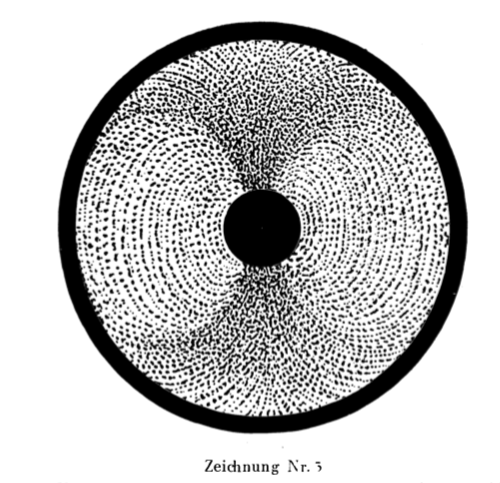
In the concave earth model light behaves similar to magnetic lines, and above you can see how magnets behave with the magnetic centre in the middle.
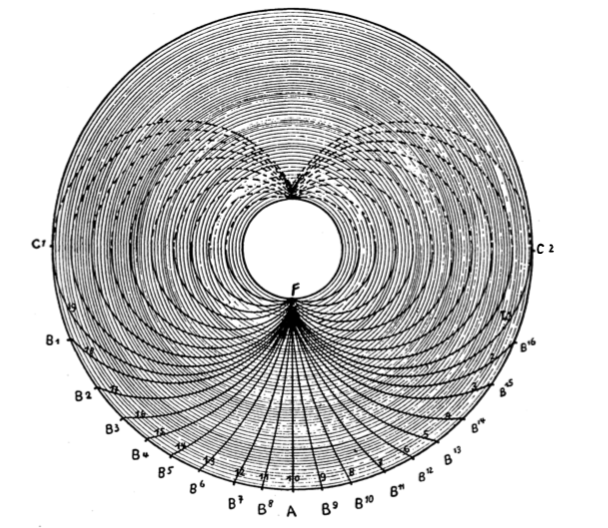
Suppose the sun is roughly in the centre, some of it rays will ultimately illuminate the backside, like this:
In this case, F is the light of the sun, and the lines are how light bends in the concave earth. A is "sun at noon", while C1 and C2 is setting sun or rising sun. As can be seen, some part of the light reaches back to the suns back side (the moon), making it visible on the earth as an optical illusion, but it appears to be a different object.
Your observations do not disprove the idea of sun and moon being the same object, as small variations are certainly possible in the model, although I haven't looked into it very much.
The basic observation that the moon and sun appear as roughly the same size is enough to hypothetise the moon being the same object as the sun, just from the other side. I haven't seen any model that makes more sense about everything we know about the moon - including the fact that we never see the other side.
It's really fascinating that few people are realizing that this should be statistically impossible for it to happen in the standard model of the universe.
The moon is not only the same size as the sun, it also follows it around almost statically, like a shadow.