New Mud Flood Construction in West Village?

SH.org OP Username
Skydog
SH.org OP Date
2019-07-07 08:47:12
SH.org Reaction Score
9
SH.org Reply Count
9

Skydog

Core Member
Active Member
Joined
Sep 15, 2020
Messages
132
Reaction score
396
I have lived in NYC’s West Village since 2003, spending the first 13 years at 666 Greenwich Street, aka the Archive Building.

With its notable address, questionable construction period (1891/1892-1899) and original designation (pre 1980s loft-style apartment conversion) as a “Federal Office Building” or “U.S. Appraiser’s Warehouse” to its friends, the Archive could easily be its own thread on this website.

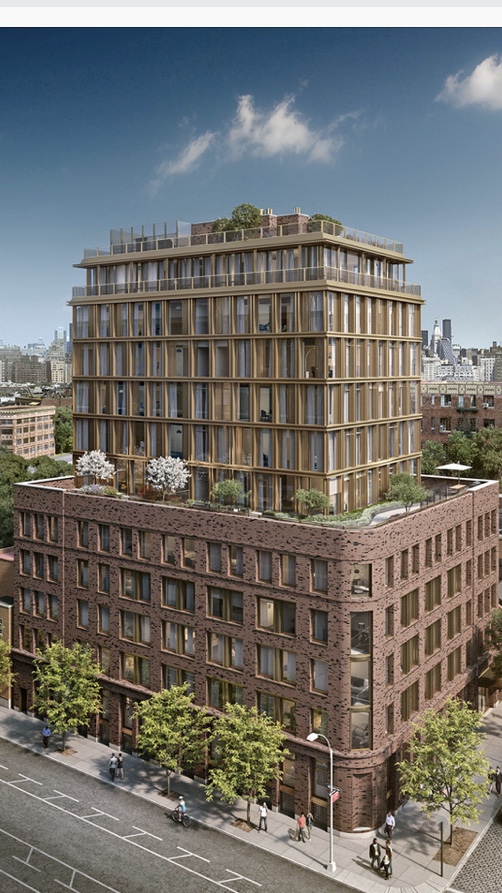
However, the building I wanted to bring to this group’s attention is the brand new apartment building that went up across the street from the Archive, which is called 100 Barrow Street.

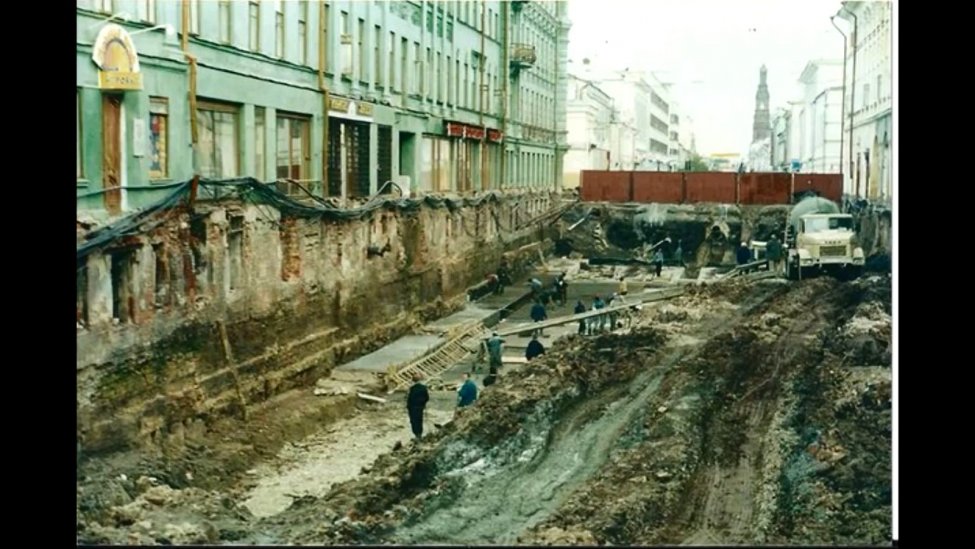
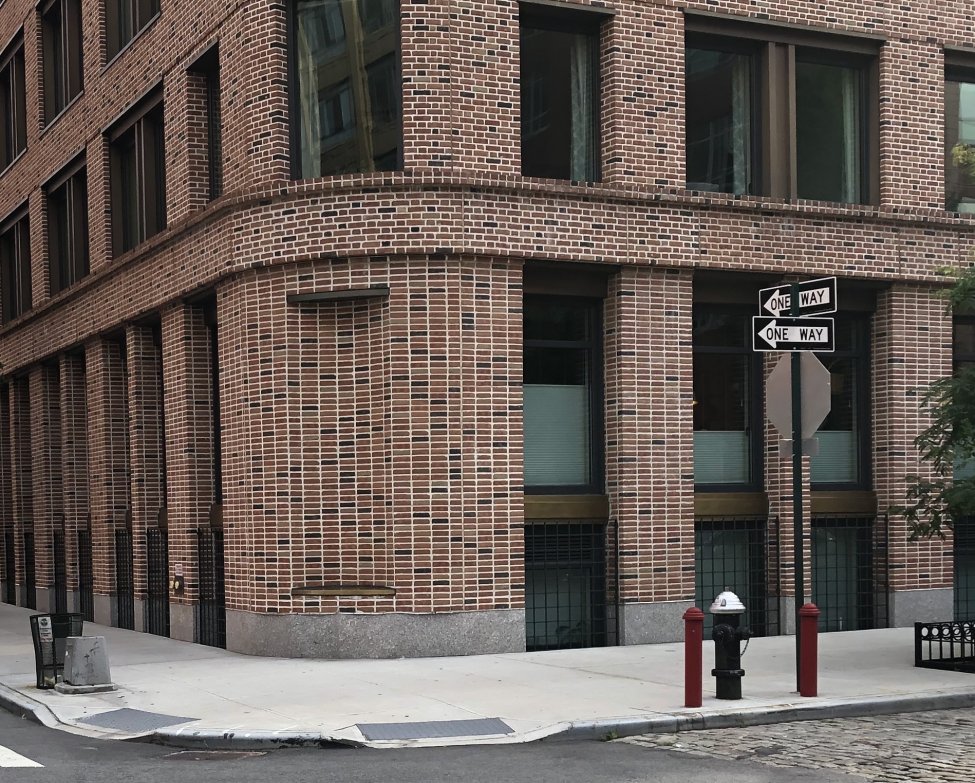
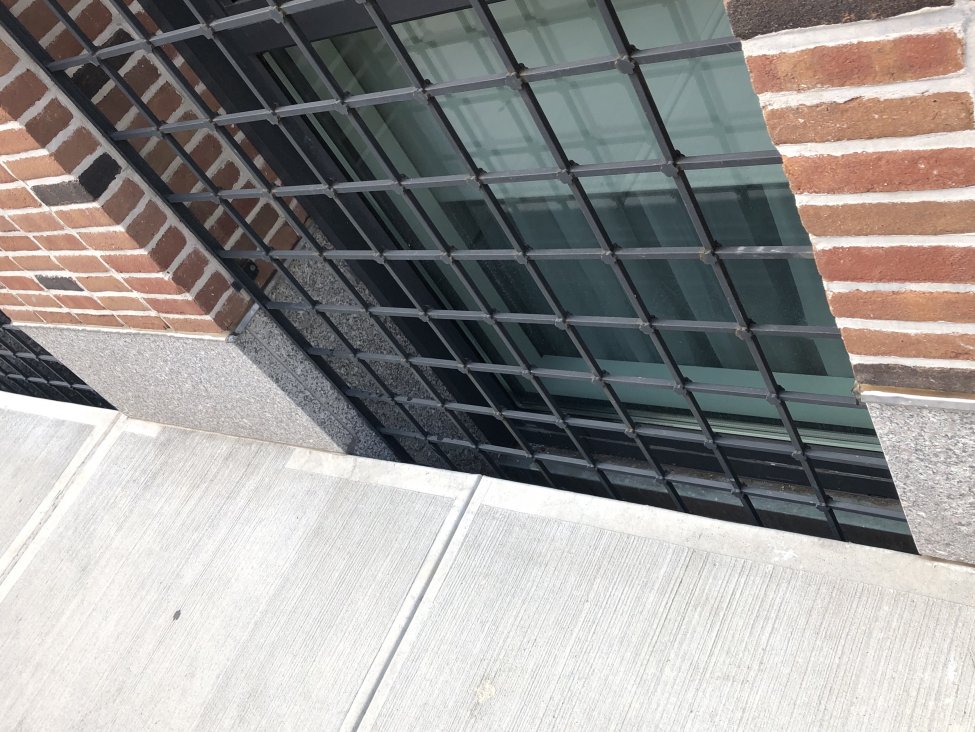
The reason is that 100 Barrow Street appears to be a brand new construction building (I watched it being built from basically a vacant lot up to completion while living at the Archive) that features a first floor that is half buried / half exposed to the street. Dare I say a modern day mud flooder, right out of the gate.

The first two pictures are ones that I snapped from my handy dandy smartphone while walking by 100 Barrow Street recently. The third is from the official building website.
C5B1E8CC-F6B4-4D73-9E10-C61FB47F6A53.jpeg


CF6526E6-B0DC-4796-8F8B-946778BDB919.jpeg


F14713E1-00E1-48F1-AF3D-079837048AC7.jpeg

I thought it was interesting if nothing else and am curious if anybody else has seen any new buildings built like this.

I am by no means a troll trying to ruffle any feathers here. I probably followed a similar path to this website as many others: JFK, Moon landings, 911, FE, EMPCOE, Mud Flood, etc.
I joined this website because our official history should not make any sense to any reasonable person once they have had their eyes opened in one way or another. I do find that anomalies in old architecture is really the only somewhat taboo topic that hunts at the mainstream social gatherings that I’m somehow obligated to attend as a participating member of society. It’s a lot easier to engage with someone on City Hall Philadelphia being the worlds largest masonry building or that the timeline of the two prior Grand Central incarnations is laughable at best than it is to engage on the lack of curvature at distance. Just my two cents. But that’s why I love this website. It has real content from real members who care about the same crap I do.
Note: This OP was recovered from the Wayback Archive.
Note: Archived Sh.org replies to this OP are included in this thread.
 
Note: This post was recovered from the Sh.org archive.
Username: KorbenDallas
Date: 2019-07-07 08:58:04
Reaction Score: 11
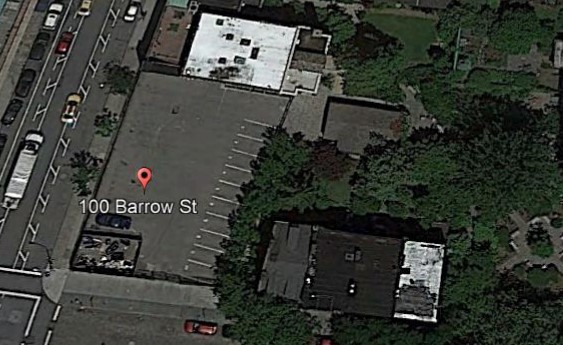
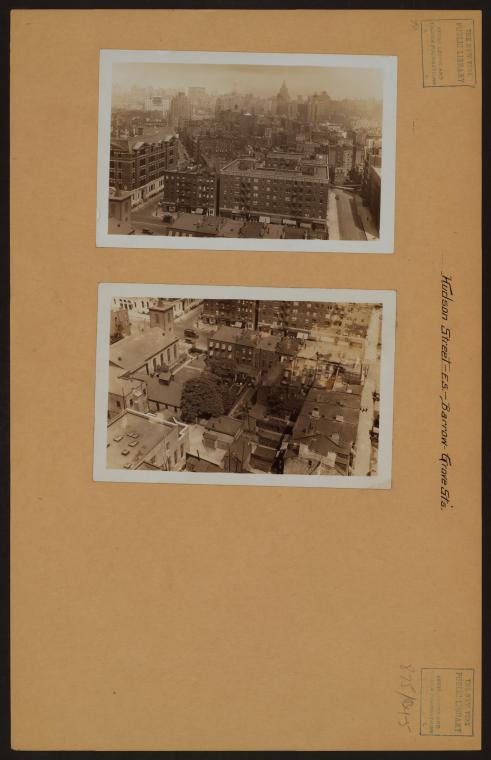
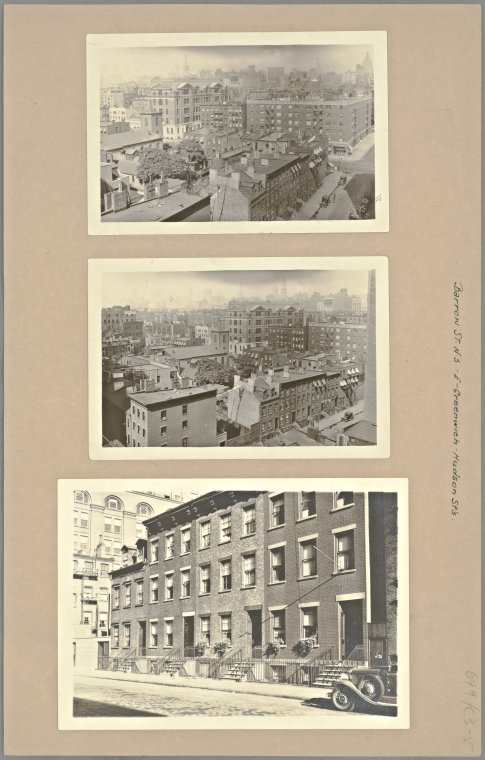
There was a parking lot there before, 1980s, 90s, 2000s? Do we have any photographs of the area from 1920s?

2014
100 Barrow Street.jpg

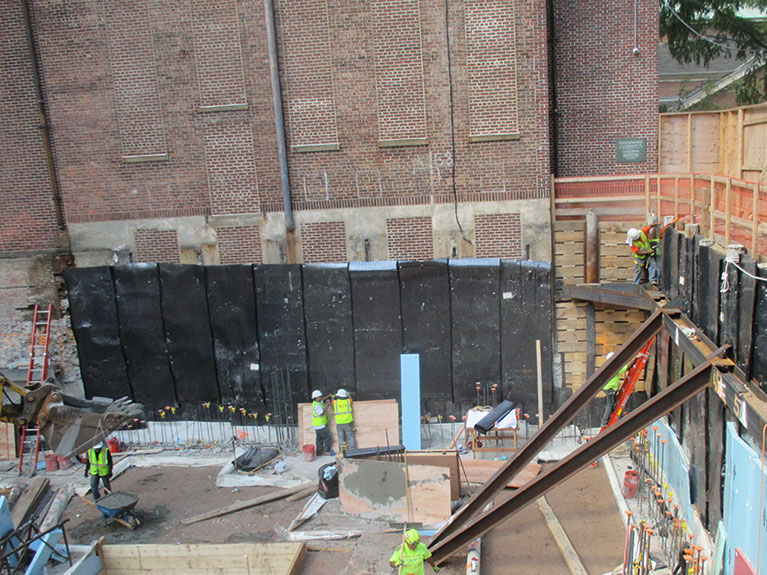
Here is a construction photograph. Where is the street level? If it is indicated by the fence on the right where that guys hard hat is, than why do we have below ground level bricked in windows in the building next to the above parking lot? Curious what we would see behind the black wall.

I think there was a building here before the parking lot.
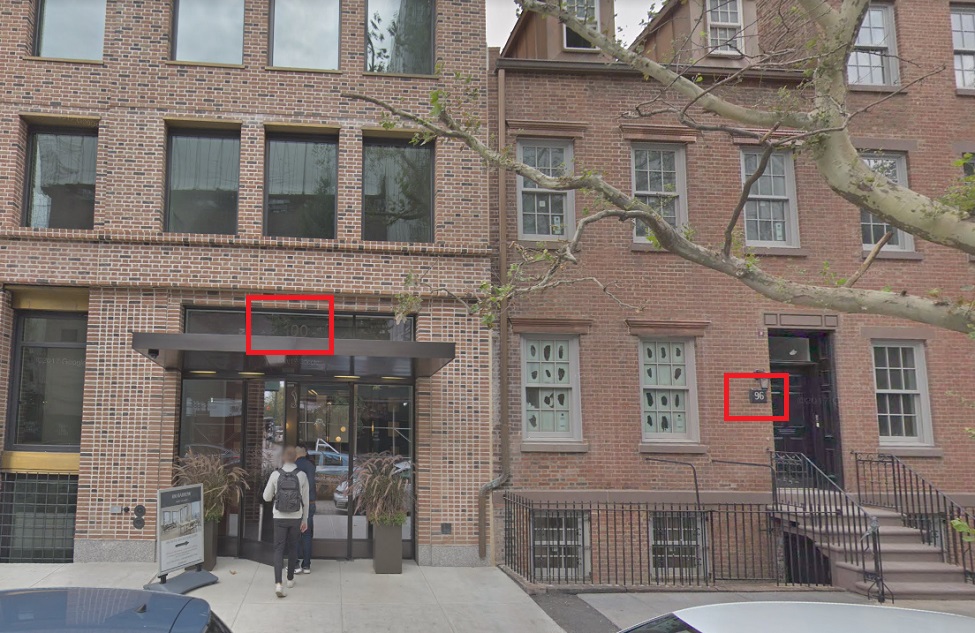
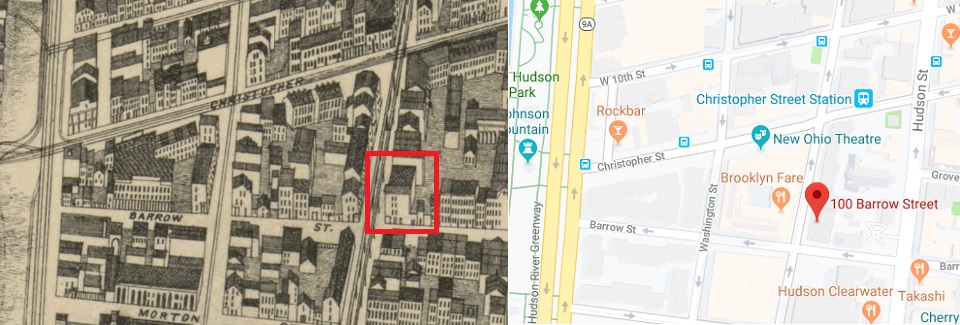
I assume this building above is the same one with 96 on it.

100 Barrow Street_1_1.jpg
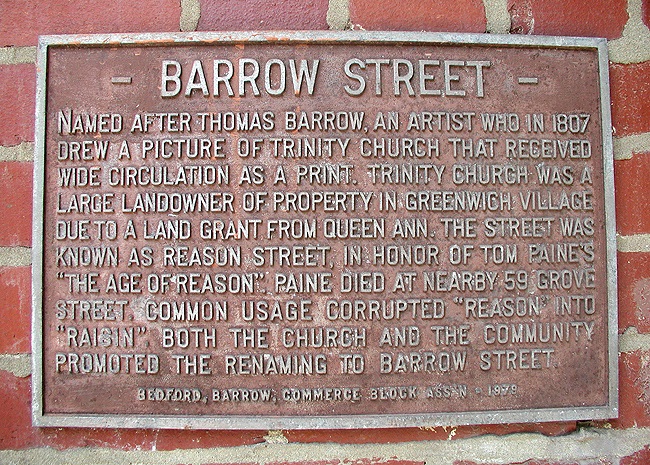
And I guess this Barrow street used to be called Reason street.

barrowreason1.jpg
Squared is our 100 Barrow street before it was a vacant lot..
 
Note: This post was recovered from the Sh.org archive.
Username: Skydog
Date: 2019-07-07 17:07:14
Reaction Score: 2
So, let this be said: the gauntlet has been thrown down, but the faculty have answered, and answered with vigor.

Something about those bricked up windows in the building next to it says dead giveaway.

Interesting that the floor plan was maintained - or required to be maintained per some building code?
 
Note: This post was recovered from the Sh.org archive.
Username: KorbenDallas
Date: 2019-07-07 18:32:57
Reaction Score: 1
Faculty, lol. I have no clue about floor plans, but if you contact the Trident Construction, they might be able to tell you what was beneath the parking lot. To be honest I doubt they will, but it's worth a shot.
 
Note: This post was recovered from the Sh.org archive.
Username: Magnetic
Date: 2019-07-09 15:45:29
Reaction Score: 3
I noticed the same thing at UNC at Chapel Hill: the new buildings have features like low windows to "blend" in with the mud flood buildings. They have multiple soil levels around the new building that mimic mud flood topography of the older buildings. Some of the covering concrete of the foundations of the older buildings have come off and there is red brick even though there is white brick on the higher levels. Where the white buildings smashed down to the foundation and rebuilt using the foundation of the smashed building? Did they use the white brick as facing with the red brick contained behind it?
 
Note: This post was recovered from the Sh.org archive.
Username: Verity
Date: 2019-07-14 12:27:37
Reaction Score: 3
It *is* interesting. There was some troll once who dismissed the entire 'buried buildings' subject with a collection of blueprints of suburban kit-house plans (from around 1930's/'40's?) with small windows down by basement level, with steps up to a mid-level entrance.. a "buried basement" built to order.
It was weird. Like this. Modern art forms are hideous.

I knew a guy, a boomer, a once-professional architect.
When I pointed out the discrepancy of style between UK stately homes entrances built up to second floor doors, he said the lower level needed to be built that way because of heating considerations.
(I mumbled, 'So that's what they tell you.')
So then I suggested (I used this dvd cover in the conversation) that the proportions were wrong, the chimneys were add-ons of the same era as the steps up to the entrance, but he looked so deeply confused I dropped the subject and made us some tea.


I suppose I'm getting to the point... what is my point..? a) your local architect has gone for a 'fake' buried/basement-windows aesthetic but has used proper proportions in a way, for those standing at ground level, so while it's ugly as sin and pretty weird in general, he has followed a relatively decent sense of proportion. This local architect of yours would have been given specifications and he articulated some sort of design in the local vernacular, ie. brick, weird buried effect, not a new glass and steel monster.

And b) in genuine 'mud-flood' buildings buried floors were not intended by original architects, but this fact doesn't mean they are meritless.

The suburban kit-home architect mentioned earlier had seen (or maybe lived in a home with) the small basement windows peeping out from buried buildings and realised dwellers actually appreciated the natural light and made the idea a feature in his draftings. It's just a supposition by me but not impossible. In fact it could be likely.

The thing is; the improbability of earlier architects deliberately building foundations deep below the ground, adding windows etc, only to re-bury them and have an awkward ground level midway between two floors is beyond ridiculous.


It wouldn't be done deliberately, the architecture originally had divine proportions, aka The 'Golden Ratio.'
List of works designed with the golden ratio - Wikipedia
 
Note: This post was recovered from the Sh.org archive.
Username: Magnetic
Date: 2019-07-15 20:00:04
Reaction Score: 1
Architects have been programmed like everybody else it seems but logically you would level the area where you were going to build because it would make building the foundations much much easier than digging out sections of the earth to lay a foundation. Here in Chapel Hill there are various level of mud extracted around each of the University buildings depending how much mud was deposited in the local area. In a particular, a building that used to be the town hall that is located on a hill you can barely see the tops of the rounded window of the first floor where further down the hill side you can see the whole windows. The deposits of soil seem to have a great unevenness and a steep deep hill of mud can be located next to only 10 feet of mud. This is why I cannot say that this was from inundation of water as the bottom of the muddy waters would be even topography but we do not find this in the uneven mud flood terrain. Mud is plastic in water and a pile of it immersed in water will spread out over a relatively short time.
 
Note: This post was recovered from the Sh.org archive.
Username: Verity
Date: 2019-07-16 03:05:58
Reaction Score: 1
Agreed, and to take it just a fraction further, using the 'volcanic ash' angle, a light breeze/wind could have been responsible for such uneveness. Ash is like talcum powder or tapioca flour. So lightweight when dry.
It looks like the unevenness is not 'evenly distributed' throughout the affected cities/sites too, for example St. Petersburg and London's share of ash generally seems pretty flat and even.
I don't know about St. Petersburg but London isn't known for its wind. I haven't followed this up at this point, it's just an idea. But surely a place like San Fran (for example) gets wind off the sea.
I suspect, though can't say for sure of course, that the event happened in summer simply due to the gentleness of the weather permitting the ash to lie still in generally 'calm weather' environments.
If 'The Year Without a Summer' was plucked out as the date, and three years around 1816 saw routine frosts etc. which simply don't happen in high wind, that again could explain it.

I just went that little bit further in looking up wind power and reputation in your Chapel Hill, North Carolina.
Really interesting to see the map sited in this article;
Wind power in North Carolina - Wikipedia
... if one looks, not only is wind harnessed by the coast, but waaay out to the west inland, there is a place called 'Ashville'. This suggests perhaps the wind was blowing it inland, once upon a time.
 
Note: This post was recovered from the Sh.org archive.
Username: BStankman
Date: 2019-07-16 09:37:34
Reaction Score: 1
They have mapped historic NYC photos here.
OldNYC

One can orient 100 Barrow in relation to St Luke's.

2575525756
 
Note: This post was recovered from the Sh.org archive.
Username: hilgaski
Date: 2019-07-23 16:15:32
Reaction Score: 1
I work at UNC in Chapel Hill and I have posted many pictures on my walk around here in the mudflood post! Mud flood, dirt rain, and the story of the buried buildings

Saw the same dealio...
 
Tips
Tips
Please respect our Posting Rules.
Back
Top