

- Joined
- Sep 22, 2020
- Messages
- 4,691
- Reaction score
- 1,500
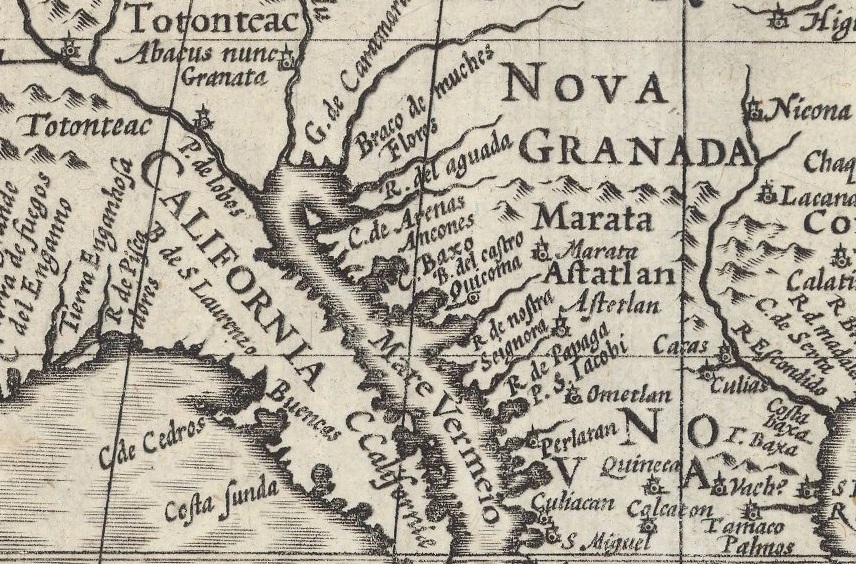
To be honest, this area (covering parts of Nevada, California, Arizona, Utah and New Mexico) fascinates me. Some parts of northern Mexico should also be included. This is where the legendary Seven Cities if Cibola and other cities were ones located. We have a few threads pertaining to the above states represented by the below map.
U.S. Bureau of ReclamationThe United States Bureau of Reclamation, and formerly the United States Reclamation Service, is a federal agency under the U.S. Department of the Interior, which oversees water resource management, specifically as it applies to the oversight and operation of the diversion, delivery, and storage projects that it has built throughout the western United States for irrigation, water supply, and attendant hydroelectric power generation.
ReclamationSo, we have this Bureau of Reclamation. What an interesting word they chose. Apparently, it can mean a few different things, they say. Without googling for its meaning I would say that it means to reclaim something. But it looks like even "to reclaim" means a few different things.
Lake MeadLake Mead is a man-made lake that lies on the Colorado River, about 24 mi (39 km) from the Las Vegas Strip, southeast of the city of Las Vegas, Nevada, in the states of Nevada and Arizona. It is the largest reservoir in the United States in terms of water capacity. Formed by the Hoover Dam on September 30, 1935, the reservoir serves water to the states of Arizona, California, and Nevada, as well as some of Mexico, providing sustenance to nearly 20 million people and large areas of farmland.
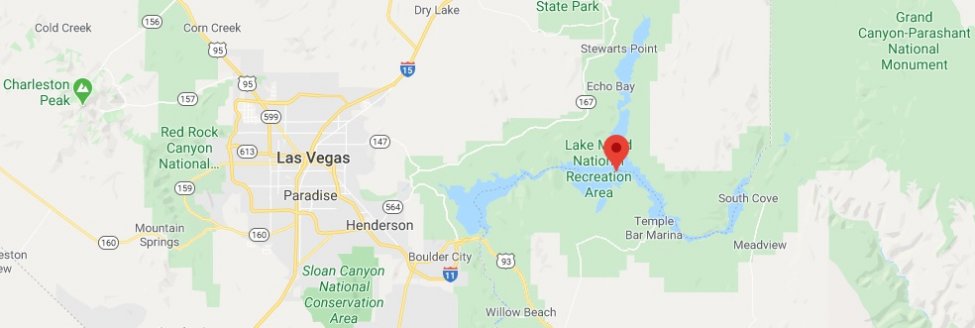
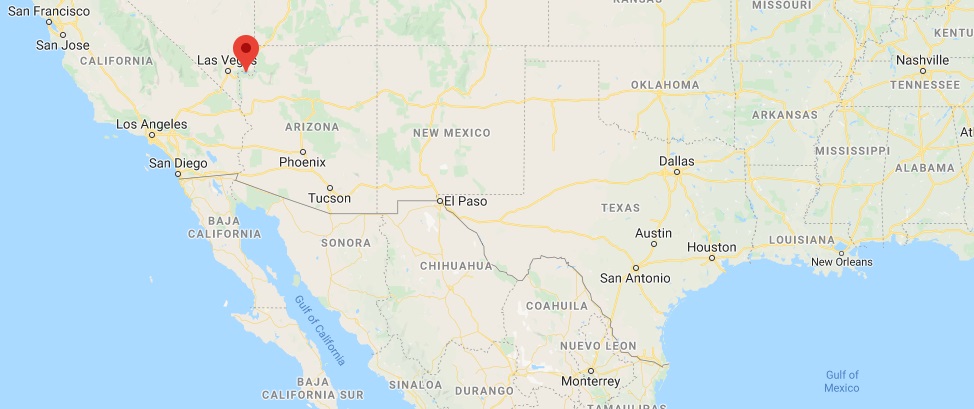
The lake was named after Elwood Mead, who was the commissioner of the U.S. Bureau of Reclamation from 1924 to 1936, during the planning and construction of the Boulder Canyon Project that created the dam and lake. Lake Mead was established as the Boulder Dam Recreation Area in 1936 administrated by the National Park Service.
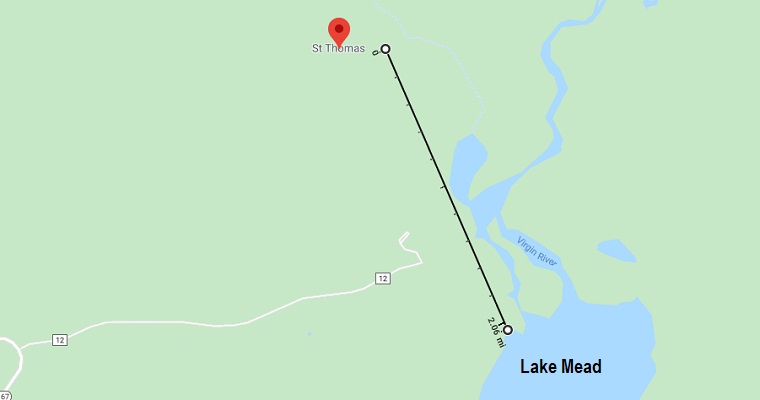
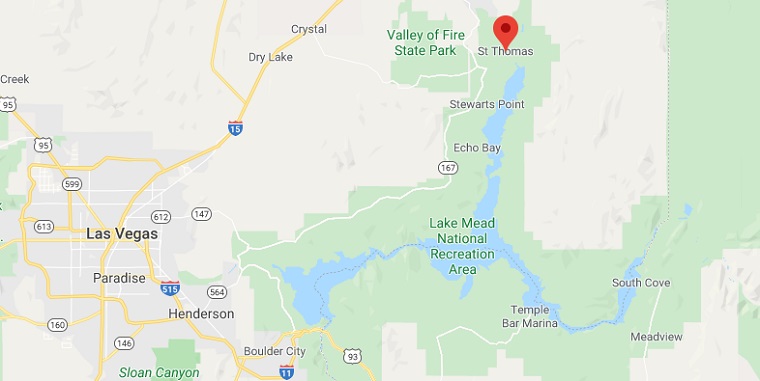
The town was founded by Mormon settlers led by Thomas Smith in 1865. With a population of about 500 at its peak, St. Thomas became an established town of farms and businesses, and was at one point the county seat of Pahute County. The frontier settlement is noted as the endpoint of explorer John Wesley Powell's first Colorado River expedition, the Powell Geographic Expedition of 1869.
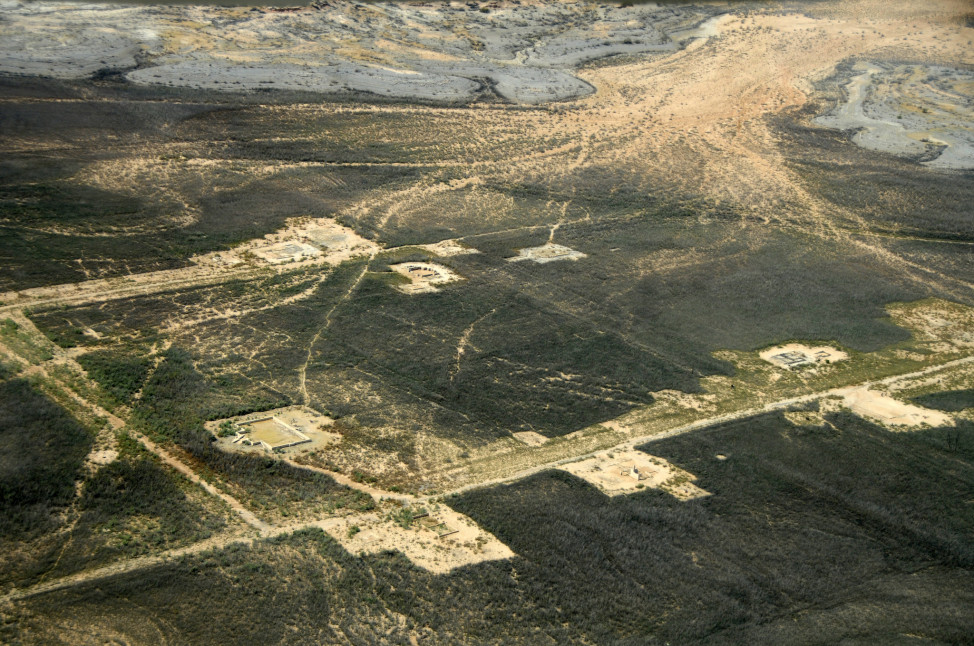
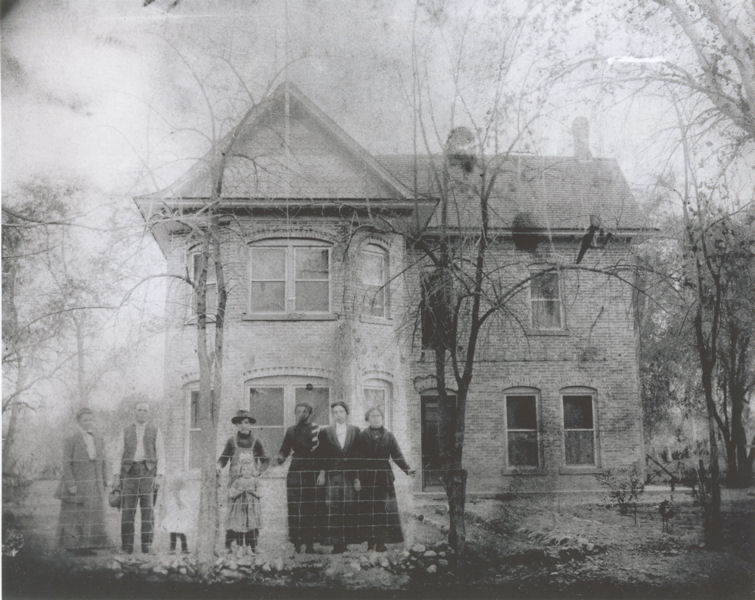
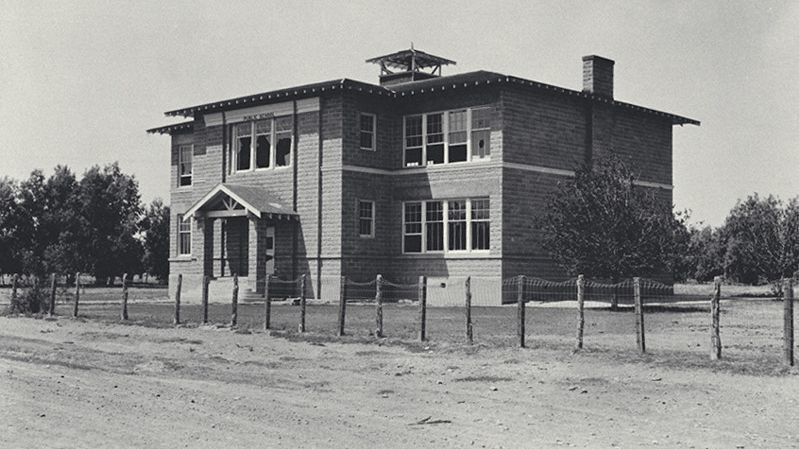
Ok, we are being told that at its best, this town of St. Thomas had a population of about 500 people tops. Let's take a look at some of the ruins exposed by the receding lake. I guess some of the pictures were taken when there was still water in the area.
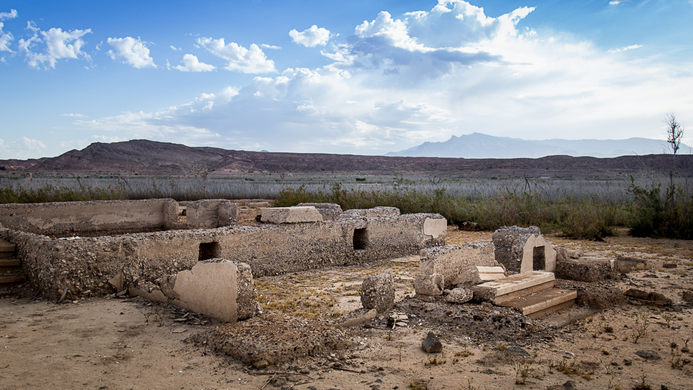
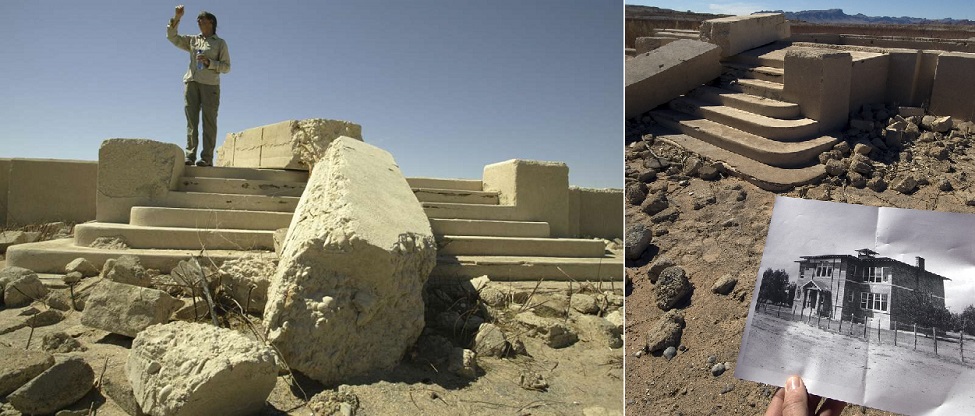
And this here is a 2015 aerial photograph.
For those who prefer videos, here is a couple for you.
KD: I could not find any meaningful ruins pertaining to the town of St. Thomas. Everything appears to be rather modern. It's not to say that there aren't any, for no digging (protected by the National Park Service as a historic site) is allowed, and as long as there are places like Sardis in this world, you never know.
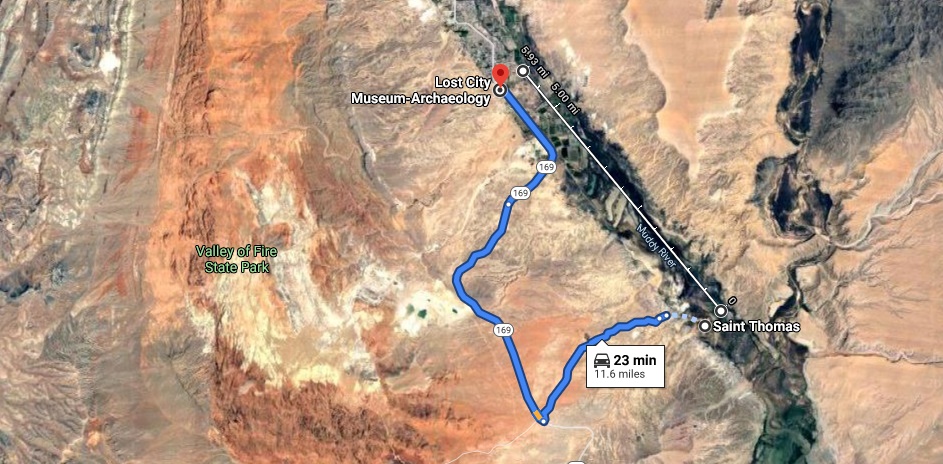
Could it be that this is how the narrative is being created. The reason this museum was created can be attributed to certain things being destroyed in the process of the construction of the Hoover Dam. The museum offers its reconstructed Anasazi Pueblos looking like this.
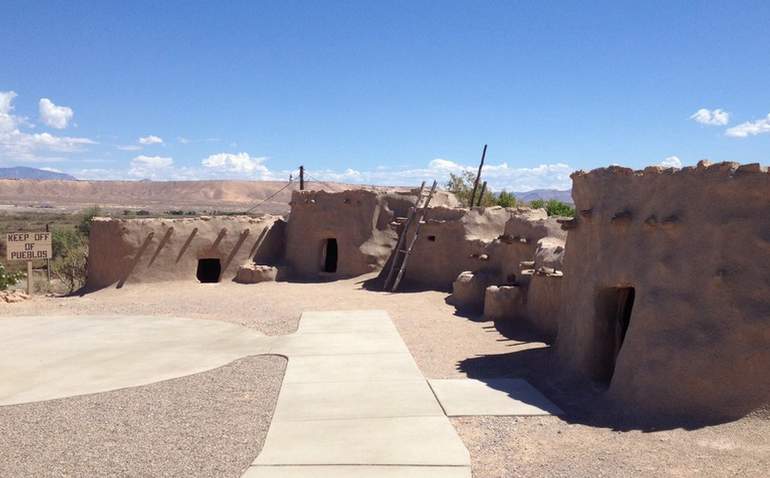
How do we know that the historic value of the above matches the one of the below?
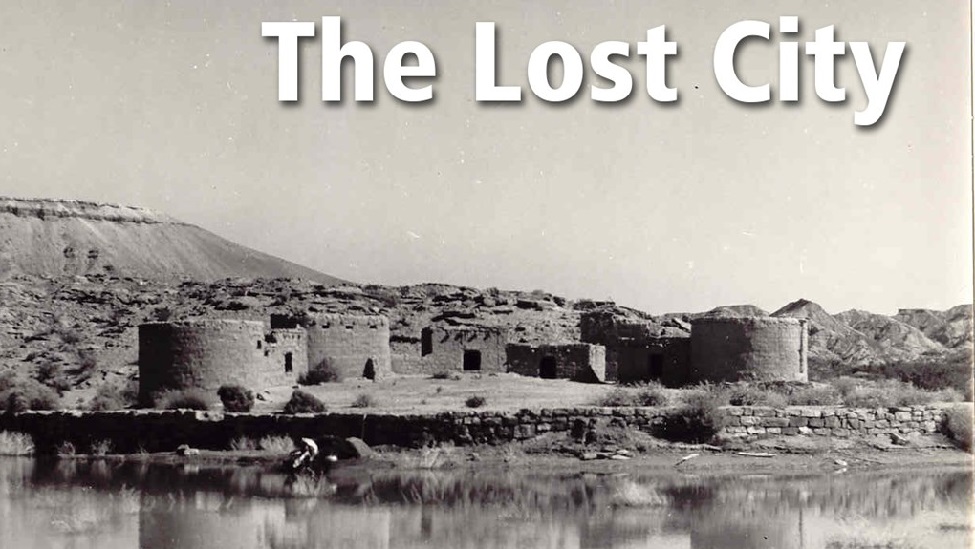
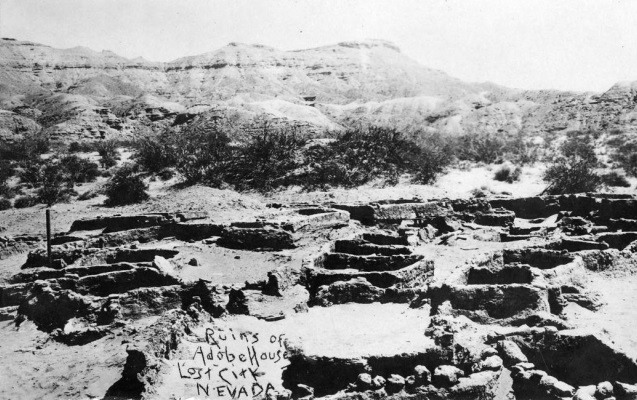
Were we shown everything they chose to "preserve" during the dam construction process?
KD: When we google for Lake Mead Ruins, we are being guided towards this St. Thomas town, which appears (at least above ground) to have nothing interesting to offer. What about all the other places flooded in the area? What evidence (if any) of prior cities, or towns do we have out there? All these green areas sporting the word NATIONAL, allow for no underground exploration, unless authorized by the government.
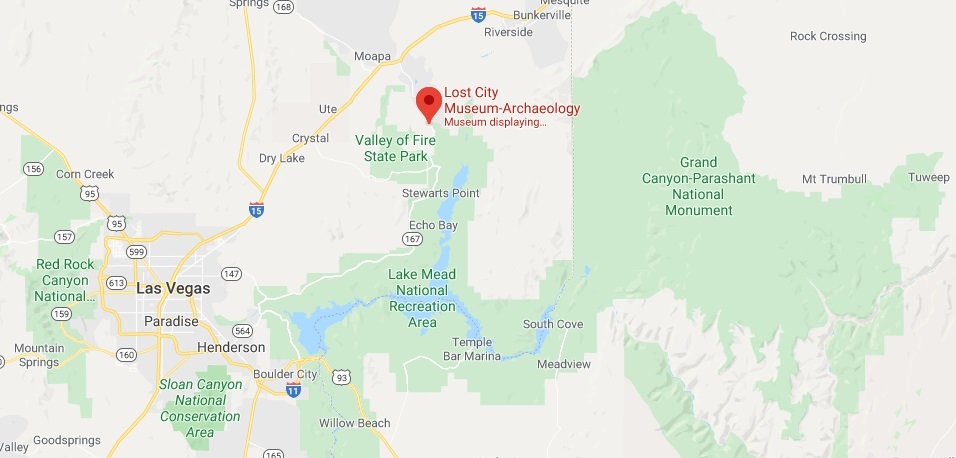
Anyways, do you think there is anything to the area in question, or we only have mud huts supported by the PTB narrative to enjoy? Where are the suspicious ruins?
- Area 51 a.k.a. Totonteac: the Seventh City of Cibola?
- North America: New Granada, New Mexico, Cibola..
- Marata Regnum: Lost in Mexico
- The Grand Canyon is under 450 years old...?
U.S. Bureau of Reclamation
- On June 17, 1902, in accordance with the Reclamation Act, Secretary of the Interior Ethan Allen Hitchcock established the U.S. Reclamation Service within the U.S. Geological Survey (USGS). The new Reclamation Service studied potential water development projects in each western state with federal lands—revenue from sale of federal lands was the initial source of the program's funding. Because Texas had no federal lands, it did not become a Reclamation state until 1906, when Congress passed a law including it in the provisions of the Reclamation Act.
Bureau of Reclamation Regions
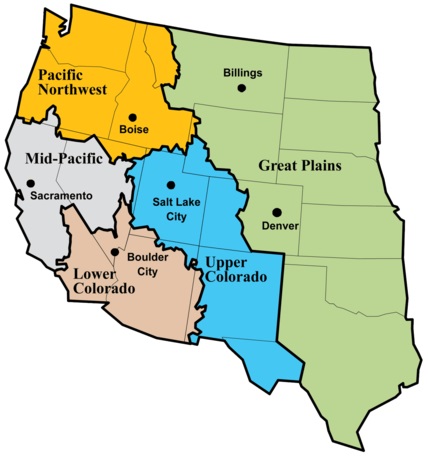
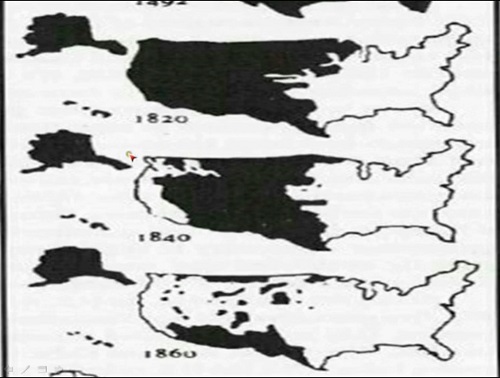
Below is an image representing the advancement of the North American newcomers to the west. I while ago I snapped a picture of my TV screen. I have no idea what show it was, but here is the advancement map. Coincidence or not, but I believe there could be reasons why the above and below maps have something in common.
Reclamation
- Retrieve or recover (something previously lost, given, or paid); obtain the return of.
- Redeem (someone) from a state of vice; reform.
- Tame or civilize (an animal or person)
- Bring (waste land or land formerly under water) under cultivation.
- Recover (waste material) for reuse; recycle.
- The process of claiming something back or of reasserting a right.
- The cultivation of waste land or land formerly under water.
Lake Mead
- At maximum capacity, Lake Mead is 112 miles (180 km) long, 532 feet (162 m) at its greatest depth, has a surface elevation of 1,221.4 feet (372.3 m) above sea level and 247 square miles (640 km2) of surface area, and contains 26.12 million acre feet (3.222×10¹³ L) of water.
- The lake has remained below full capacity since 1983 due to drought and increased water demand.
- As of April 2020, Lake Mead held 42.97% of full capacity with 11.3 million acre feet (1.39×10¹³ L), up from 10.4 million acre feet (1.28×10¹³ L) in 2019 and the low of 9.8 million acre feet (1.21×10¹³ L) 2016.
- Lake Mead - Wikipedia
- The accumulated water from Hoover Dam forced the evacuation of several communities, most notably St. Thomas, Nevada, whose last resident left the town in 1938.
- The ruins of St. Thomas are sometimes visible when the water level in Lake Mead drops below normal.
Saint Thomas
St. Thomas, Nevada is a ghost town in Clark County, Nevada, near where the Muddy River flows into the Colorado River. St. Thomas was purchased by the US Federal Government and abandoned as the waters of Lake Mead submerged the town in the 1930s. However, as the level of Lake Mead dropped in the 2000s, the ruins of the town resurfaced. It is now located within the Lake Mead National Recreation Area.
- KD: Why would they consider a 500 person town to be "an established town of farms and businesses?"
- When the Mormons left in 1871, others claimed their abandoned properties. One of the few to remain was Daniel Bonelli of St. Thomas, who farmed, mined and owned Bonelli's Ferry on the Colorado River at Junction City later Rioville. After being deserted by most of its first settlers, new Mormon settlers came to the St. Thomas and other places in the area in the 1880s.
St. Thomas Ruins
The ruins of St. Thomas, which became visible after the water level in Lake Mead lowered, are protected by the National Park Service as a historic site. The cemetery was relocated to Overton, Nevada where there is a St. Thomas interpretive center with a staff archaeologist doing on-going research into the history and settlement of the Muddy River.Ok, we are being told that at its best, this town of St. Thomas had a population of about 500 people tops. Let's take a look at some of the ruins exposed by the receding lake. I guess some of the pictures were taken when there was still water in the area.
For those who prefer videos, here is a couple for you.
Evidence Tampering?
There is a museum about 6 miles away from St. Thomas. I am talking about the Lost City Museum. It was created in 1935, and is described as follows:- Museum created during Hoover Dam construction to preserve artifacts from Anasazi Indian sites.The museum offers a reconstructed Puebloan house-site that is open to visitors.
- The museum has displays depicting the excavations of the sites, incredible artifacts unearthed during the project, pictures of the historical excavations, an excavated pithouse and reconstructions of the Puebloan houses. Pottery, shells, jewelry and many other examples that showcase the history of the early inhabitants are on display at this unique museum.
Could it be that this is how the narrative is being created. The reason this museum was created can be attributed to certain things being destroyed in the process of the construction of the Hoover Dam. The museum offers its reconstructed Anasazi Pueblos looking like this.
KD: When we google for Lake Mead Ruins, we are being guided towards this St. Thomas town, which appears (at least above ground) to have nothing interesting to offer. What about all the other places flooded in the area? What evidence (if any) of prior cities, or towns do we have out there? All these green areas sporting the word NATIONAL, allow for no underground exploration, unless authorized by the government.
Note: This OP was recovered from the Sh.org archive.
Note: Archived Sh.org replies to this OP are included in this thread.


