
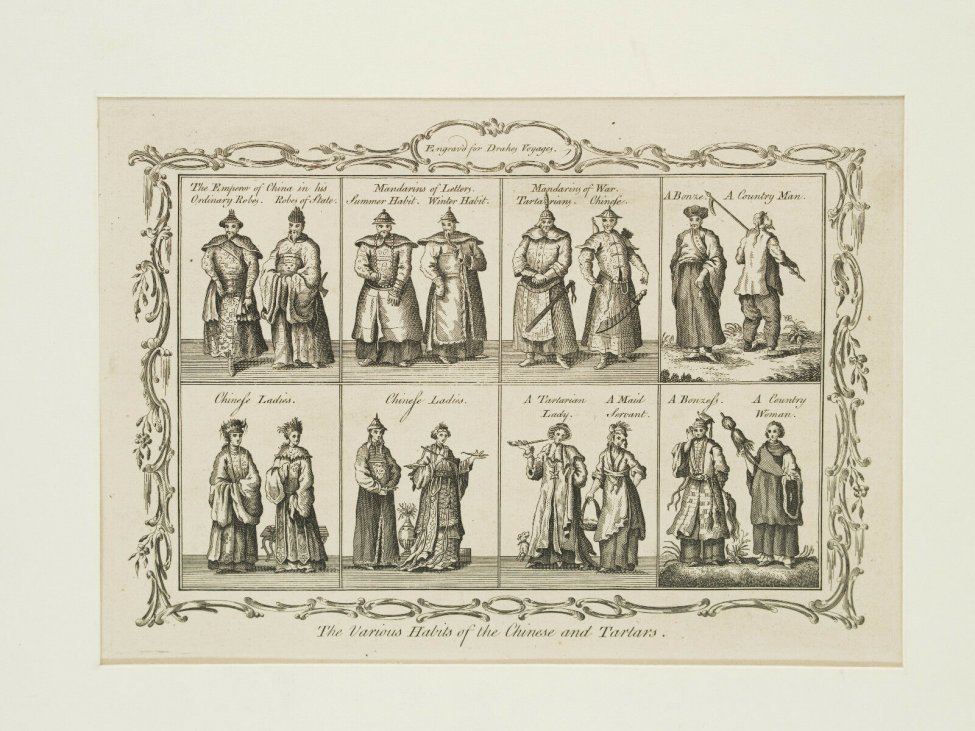
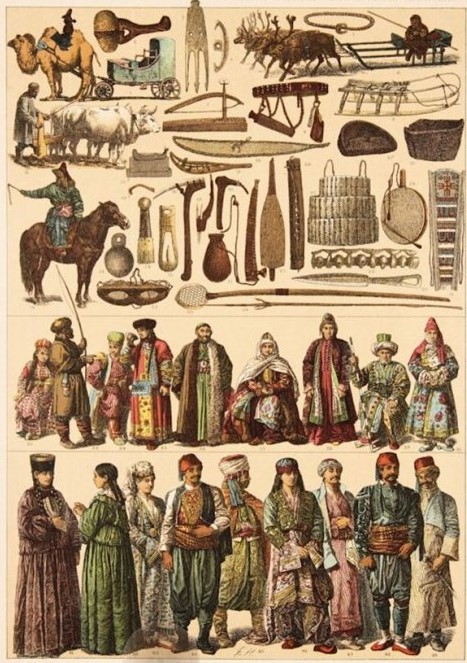
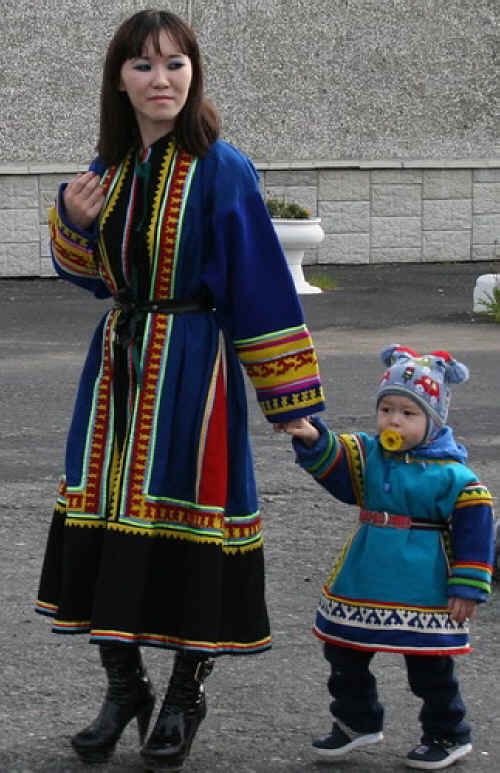
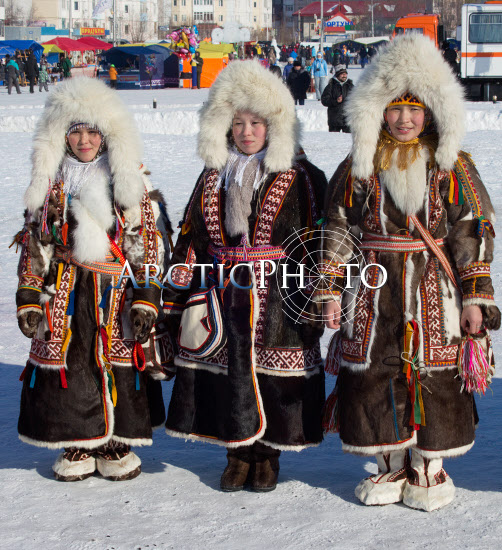
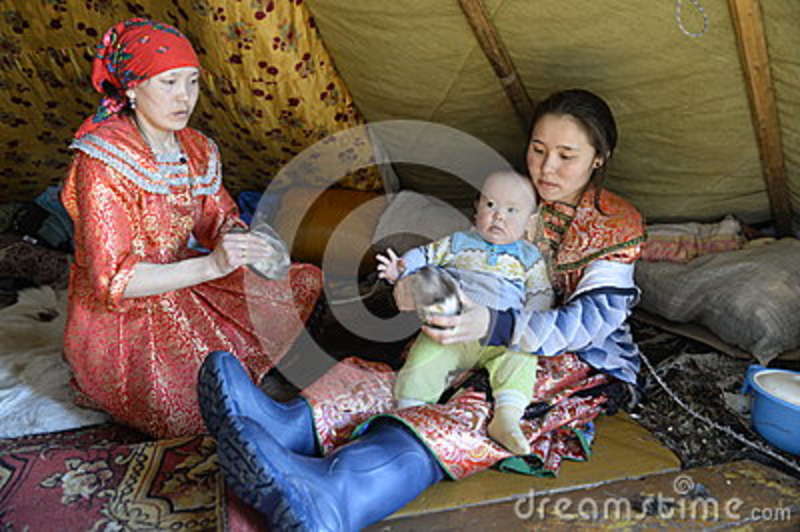
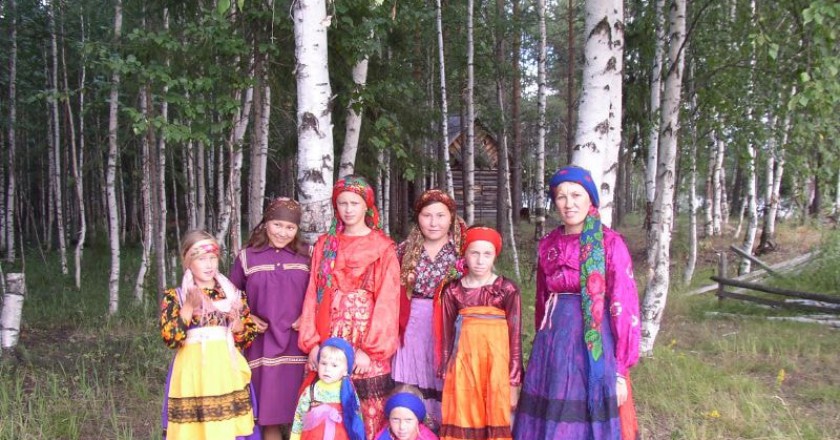
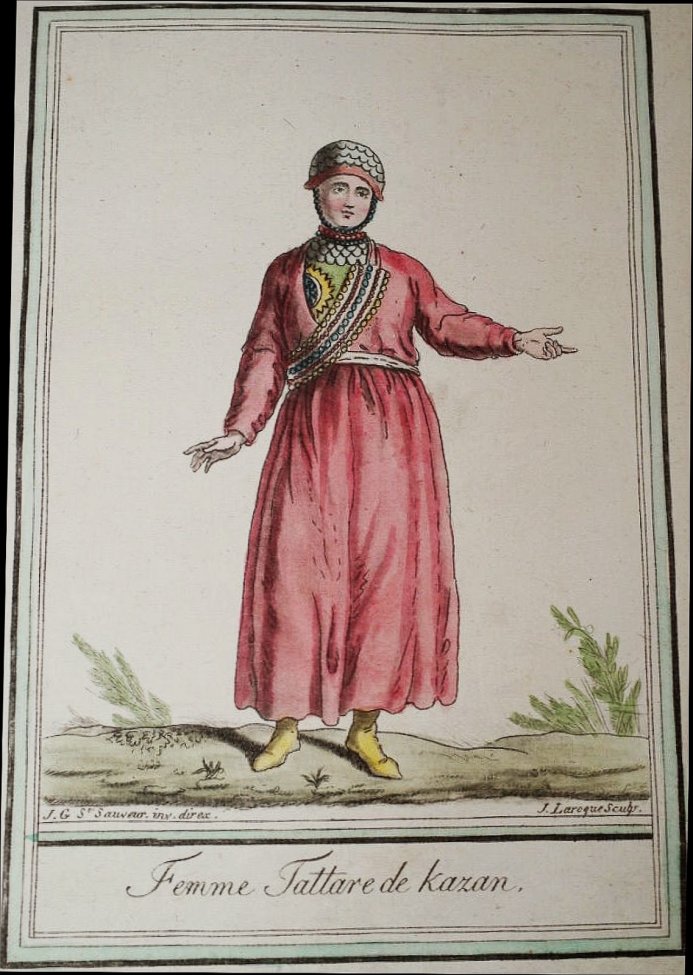
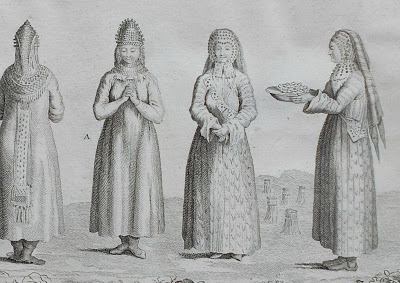
Just felt I need to see these people in one place so if you know of any other images labelled Tartarian in any of its forms or languages please add them here.
From here Kircher : La Chine illustrée
I. Lama tartare. - III. Femme de Kalmak. - II. Tartare de Kalmak. - IV. Roue volubile. - A. L'habitation des Tartares.
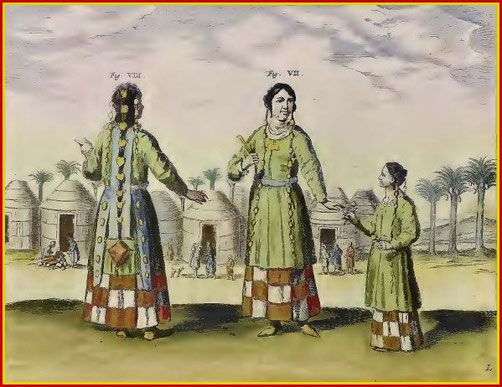
VII. Figure d'une Tartare septentrionale vue en face. - VIII. Marque le derrière.
From here: Antiqua Print Gallery Search
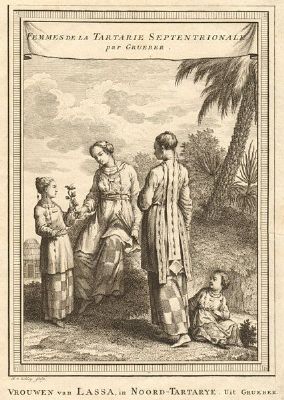
'Femmes de la Tartarie Septentrionale, par Grueber
[Women of northern Tartary, by Grueber]' 1749
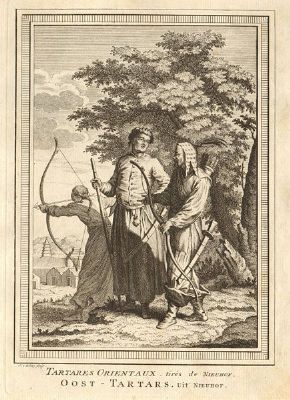
Tartares Orientaux tirés de Nieuhof
[Oriental Tartars taken from Nieuhof]' 1749
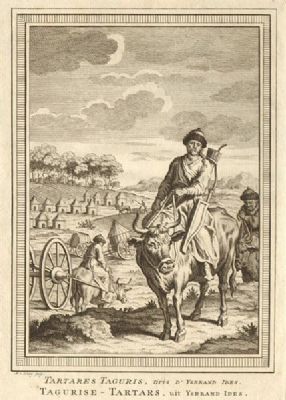
'Tartares Taguris, tirés dYsbrand Ides
[Taguri Tartars from Isbrand Ides]'
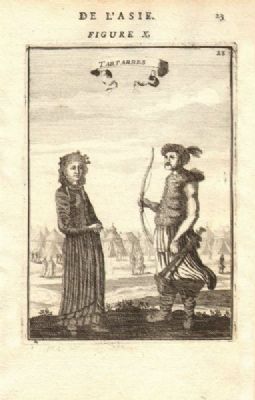
'Tartarres' 1683
Tartary (Latin: Tartaria) or Great Tartary (Latin: Tartaria Magna) was a name used by Europeans from the Middle Ages until the twentieth century to designate the Great Steppe, that is the great tract of northern and central Asia stretching from the Caspian Sea and the Ural Mountains to the Pacific Ocean inhabited mostly by Turkic, Mongol peoples and also by some Cossacks of Russian origin, citizens of the Mongol Empire who were generically referred to as "Tartars", i.e. Tatars. It incorporated the current areas of Pontic-Caspian steppe, Volga-Urals, Caucasus, Siberia, Turkestan, Mongolia, and Manchuria. Tartary was often divided into sections with prefixes denoting the name of the ruling power or the geographical location. Thus, western Siberia was Muscovite or Russian Tartary, Xinjiang and Mongolia were Chinese or Cathay Tartary, western Turkestan (later Russian Turkestan) was known as Independent Tartary, and Manchuria was East Tartary. As the Russian Empire expanded eastward and more of Tartary became known to Europeans, the term fell into disuse. Tartary never existed as a formal political state, but was ancient part of a Mongol state created by Genghis Khan. European areas north of the Black Sea inhabited by Turkic peoples were known as Little Tartary. Marked on the map are Catay (Cathay), Kalmouques, Usbeck, Turquestan, Perse, Niulan, Yupi, Tibet (and Lassa/Lhasa)
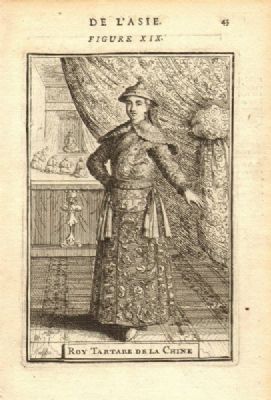
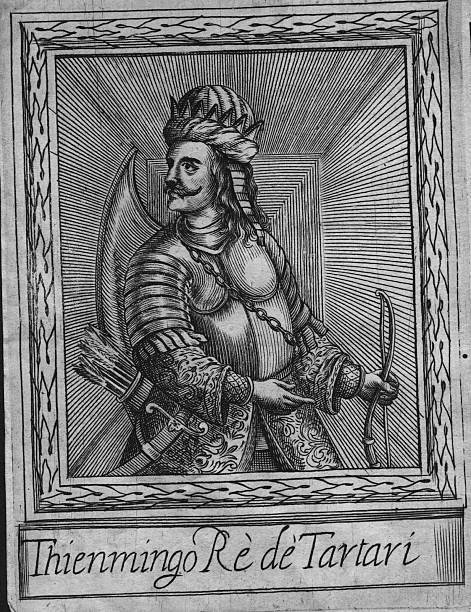
'Roi Tartare de la Chine' In English
'King Tartar of China' 1683
Shown in the print is the Kangxi Emperor (; temple name: Shengzu which means "The Holy Lord" 4 May 1654 20 December 1722), who was on the throne at the time the print was published. He is referred to in the text as Yunchi, son of Xunchi (Sunzhi). He was the fourth emperor of the Qing Dynasty, the first to be born on Chinese soil south of the Pass (Beijing) and the second Qing emperor to rule over China proper, from 1661 to 1722.
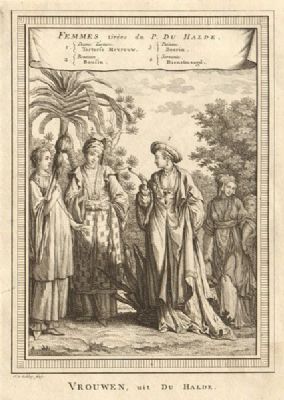
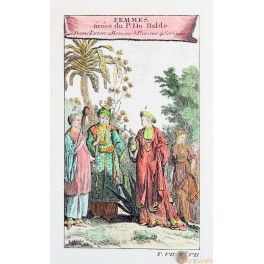
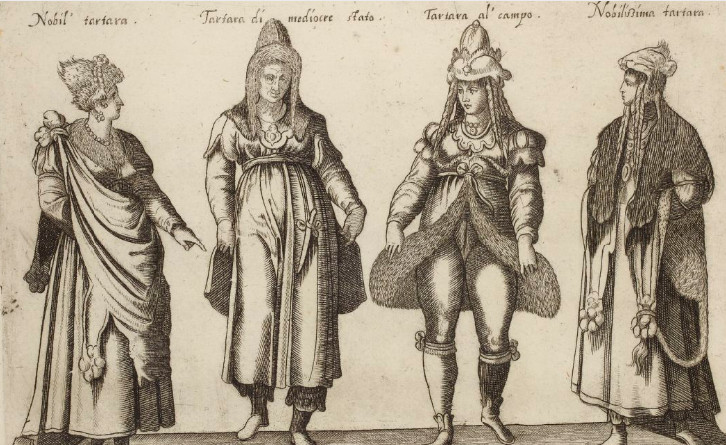
'Femmes, tirées du P. du Halde. Dame Tartare;
Bonzesse; Paisane; Servante
[Women, taken from du Halde. Tartar lady;
Buddhist nun; Peasant; Servant]'
A bonze is a Buddhist religious teacher; a bonzess is a nun 1749
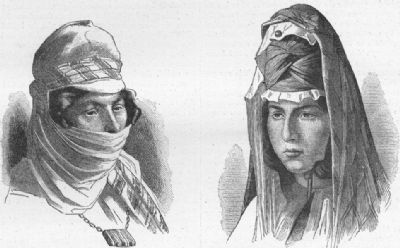
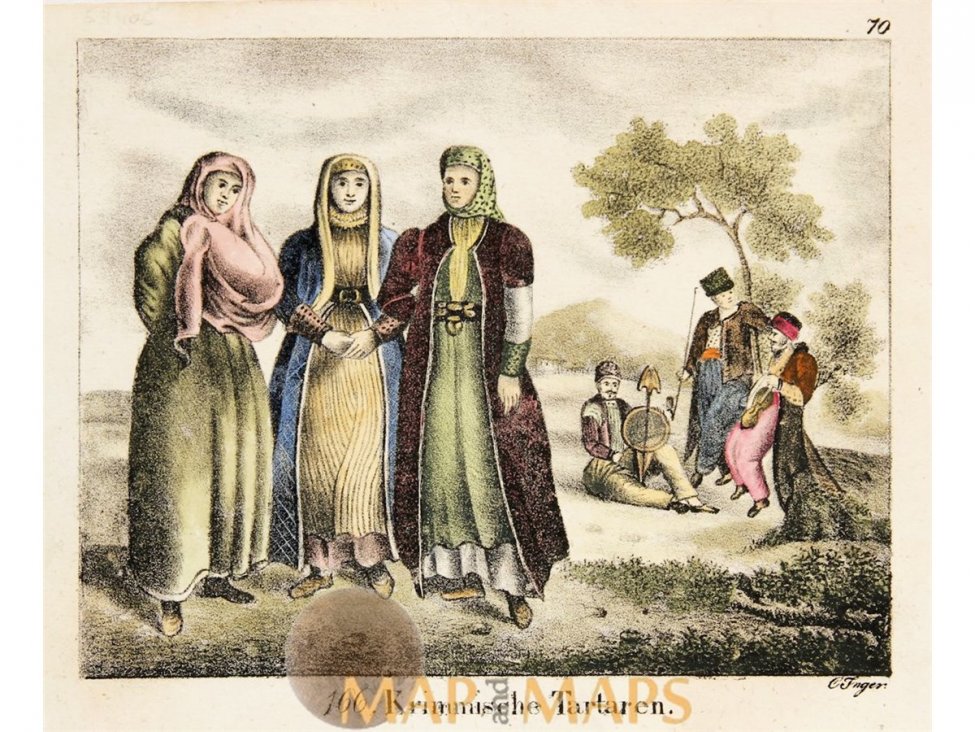
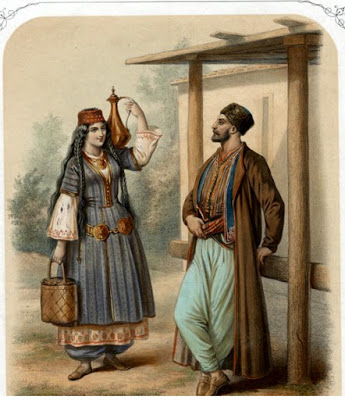
'Tartar women of Erivan' 1880
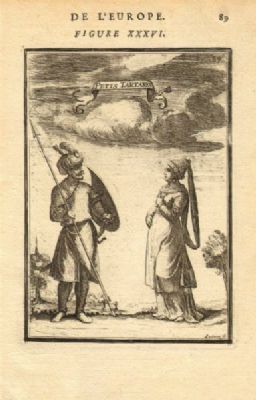
'Peti(t)s Tartares' 1683
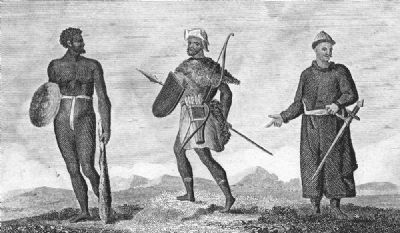
'A new Hollander; A Tartar; A Chinese' c1790
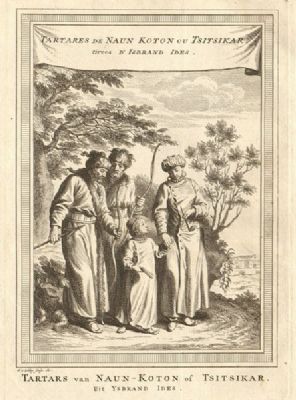
'Tartares de Naun Koton, ou, Tsitsikar
[Tartars of Naun Koton, or Qiqihar]' 1749
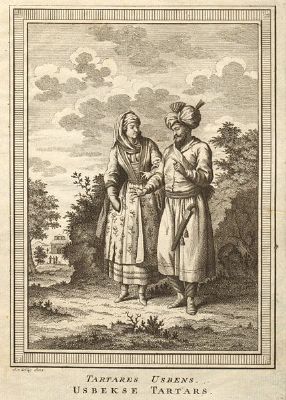
'Tartares Usbens [Usbek Tartars]' 1749
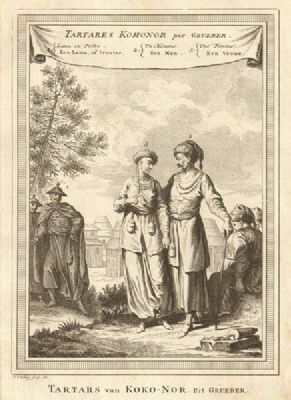
'Tartares Kohonor, par Grueber.
Lama ou Pretre; Un Homme;
Une femme [Koko Nor Tartars, by Grueber.
Lama or priest; a man; a woman]' 1749
From here Kircher : La Chine illustrée
LA CHINE d'Athanase KIRCHERE, 1670
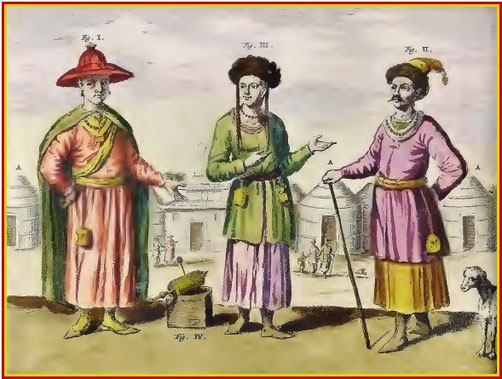
I. Lama tartare. - III. Femme de Kalmak. - II. Tartare de Kalmak. - IV. Roue volubile. - A. L'habitation des Tartares.
- In English: I. Tartar Lama. - III. Kalmak woman. II. Kalmak Tartar. - IV. Voluble wheel. - A. The dwelling of the Tartars.
VII. Figure d'une Tartare septentrionale vue en face. - VIII. Marque le derrière.
- In English: VII. Figure of a northern Tartar facing. VIII. Mark the backside.
From here: Antiqua Print Gallery Search
'Femmes de la Tartarie Septentrionale, par Grueber
[Women of northern Tartary, by Grueber]' 1749
Tartares Orientaux tirés de Nieuhof
[Oriental Tartars taken from Nieuhof]' 1749
'Tartares Taguris, tirés dYsbrand Ides
[Taguri Tartars from Isbrand Ides]'
'Tartarres' 1683
'Roi Tartare de la Chine' In English
'King Tartar of China' 1683
'Femmes, tirées du P. du Halde. Dame Tartare;
Bonzesse; Paisane; Servante
[Women, taken from du Halde. Tartar lady;
Buddhist nun; Peasant; Servant]'
A bonze is a Buddhist religious teacher; a bonzess is a nun 1749
'Tartar women of Erivan' 1880
'Peti(t)s Tartares' 1683
'A new Hollander; A Tartar; A Chinese' c1790
'Tartares de Naun Koton, ou, Tsitsikar
[Tartars of Naun Koton, or Qiqihar]' 1749
'Tartares Usbens [Usbek Tartars]' 1749
'Tartares Kohonor, par Grueber.
Lama ou Pretre; Un Homme;
Une femme [Koko Nor Tartars, by Grueber.
Lama or priest; a man; a woman]' 1749
Note: This OP was recovered from the KeeperOfTheKnowledge archive.
Note: Archived Sh.org replies to this OP are included in this thread.






,+women+of+the+Caucasus,+Russia,+1890-1900.jpg)


