Note: This post was recovered from the Sh.org archive.Username: KorbenDallasDate: 2019-12-11 21:47:04Reaction Score: 5
Interesting that
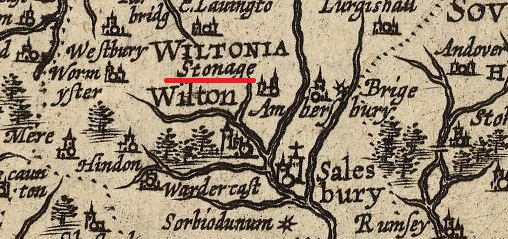
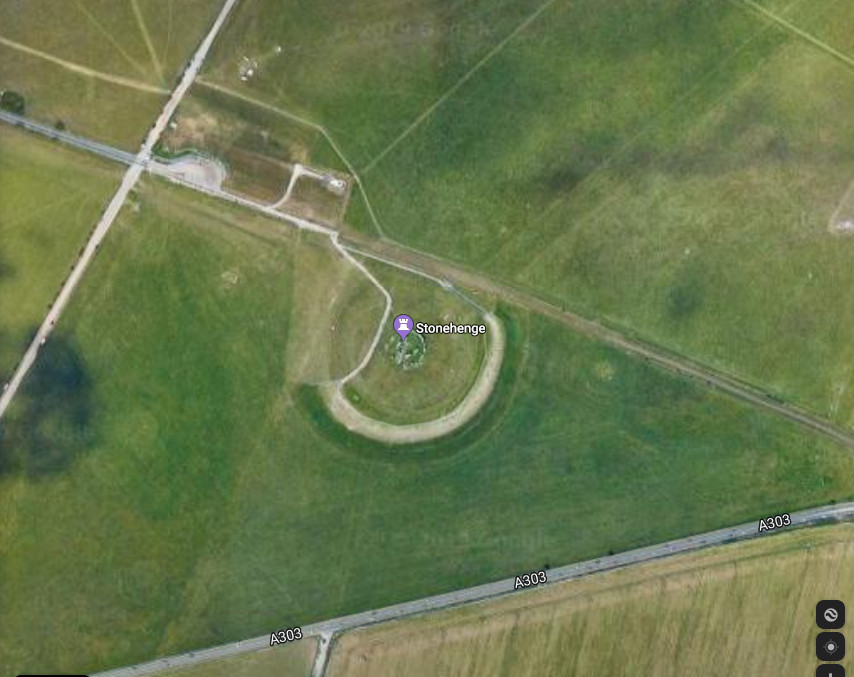
on the earlier maps our Stonehenge area is called Stonage.
We also have
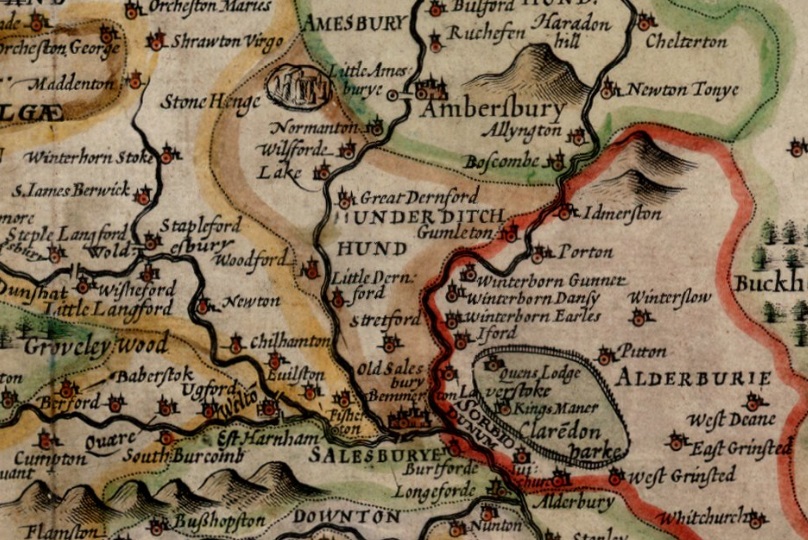
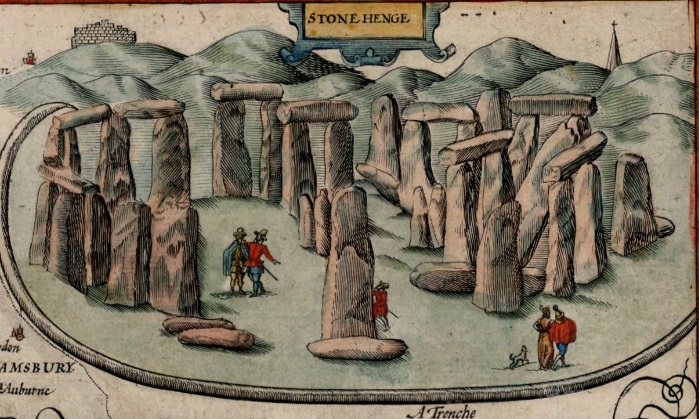
John Speed, whose maps I start to distrust a bit. Not necessarily the guy's maps but the authenticity of the surviving copies. His map is the only one I could find calling the place Stonehenge. The rest mostly mention Stonage, or do not mention the place at all.
- Amesbury appears to have moved south, and whatever happened to Ambersbury, I do not know.
The above map is hard to date. John Speed died in 1629. Some sources date the map
with 1626, and some
with 1676. The original was allegedly first published in 1612, but who knows for sure?
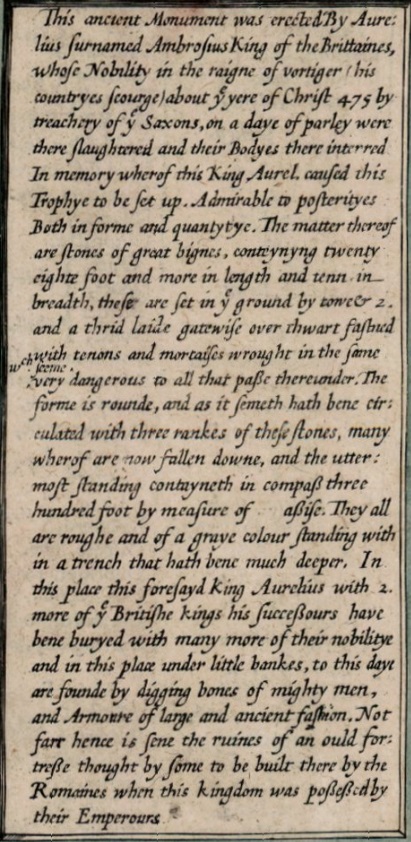
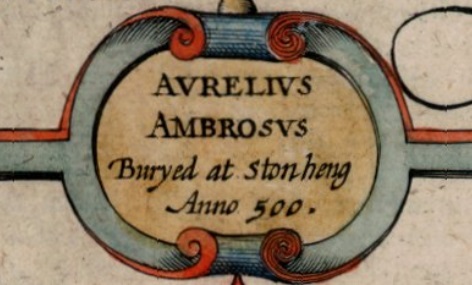
We have a few interesting things mentioned on the above John Speed Map. Ambrosius King was mentioned in one of the previous JD's posts.
- The below info makes Stonehenge much younger - 1,544 y.o. in 2019. Not like I believe that 475 was in 475, but the map gives us some info to take into the equation.
Was
Ambrosius Aurelianus ever buried in Stonehenge? Did TPTB exhume the remains of this Giant guy?
Ambrosius Aurelianus, was a 5th century Roman leader in Britain who figures prominently in the early Arthurian legends. According to the Celtic Christian writer Gildas, Ambrosius was a war leader of the Romano-British, possibly descended from Roman royalty, who won an important battle against the Saxons.
Question: Ambrosius Aurelianus = King Arthur's Uncle = Merlin?
- Ambrosius Aurelianus appeared independently in the legends of the Britons, beginning with the 9th-century Historia Brittonum. Eventually he was transformed into the uncle of King Arthur, the brother of Arthur's father Uther Pendragon, as a ruler who precedes and predeceases them both. He also appears as a young prophet who meets the tyrant Vortigern; in this guise he was later transformed into the wizard Merlin.
- Due to Gildas' description of him, Ambrosius is one of the figures called the Last of the Romans.
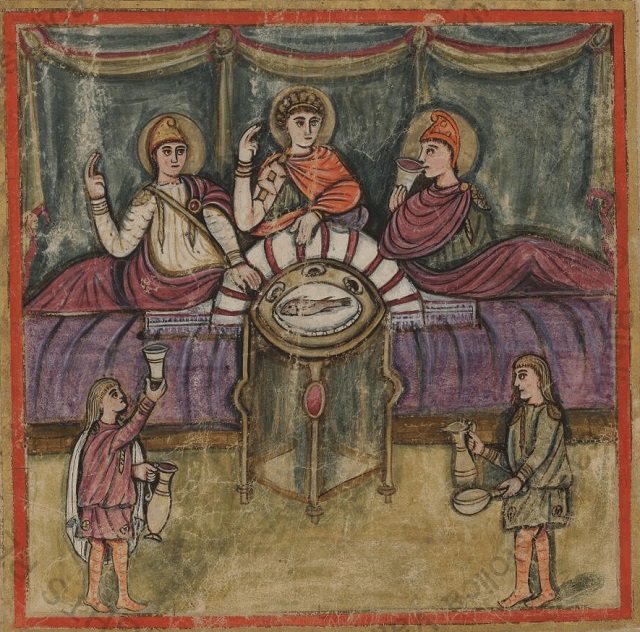
And here we have the Romans pertaining to the same time frame. The appearance is from a certain, improperly (imho) dated
Vergilius Romanus Manuscript. It is allegedly the oldest surviving British codex. Dated with the 5th century, but just like with everything else was discovered in the 15th.
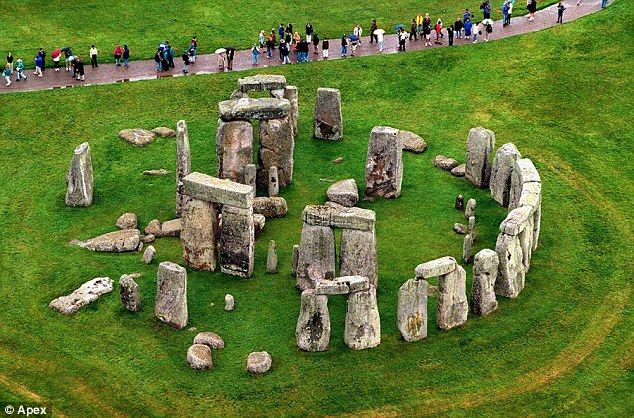
 Stonehenge is from Ireland?
Aurelius Ambrosius – recently annointed King of Britain and the brother of Uther Pendragon – seeks Merlin's advice for a lasting memorial to the British princes treacherously slain by the Saxons during a truce.
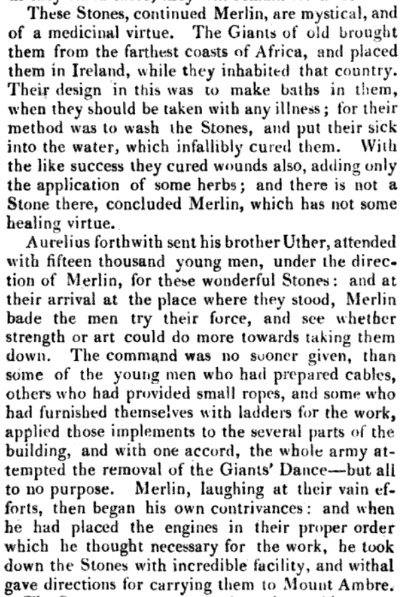
- Merlin says: “If you are desirous to honour the burying-place of these man with an everlasting monument, send for the Giant’s Dance, which is in Killaraus, a mountain in Ireland. For there is a structure of stones there, which none of this age could raise without a profound knowledge of the mechanical arts. They are stones of a vast magnitude and wonderful quality; and if they can be placed here, as they are there, round this spot of ground, they will stand for ever.”
When Aurelius laughs at the idea of going such a long way when there are ample stones in Britain, Merlin continues:
- “I entreat your majesty to forbear vain laughter; for what I say is without vanity. They are mystical stones, and of a medicinal virtue. The giants of old brought them from the farthest coasts of Africa, and placed them in Ireland, while they inhabited that country. Their design in this was to make baths in them, when they should be taken with any illness. For their method was to wash the stones, and put their sick into the water, which infallibly cured them. With the like success they cured wounds also, adding only the application of some herbs. There is no a stone there which has not some healing virtue.”
And so off to Ireland goes Uther along with Merlin and 15,000 men to fetch the Giant’s Dance.
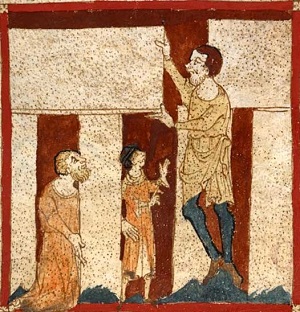
The image was previously posted by JD. A 14th Century manuscript version of the
Brut accompanies the tale with an illustration of Merlin carrying out the work of re-erecting the monument, employing a giant to help him
(a detail that Wace added that wasn’t in Geoffrey’s original text).
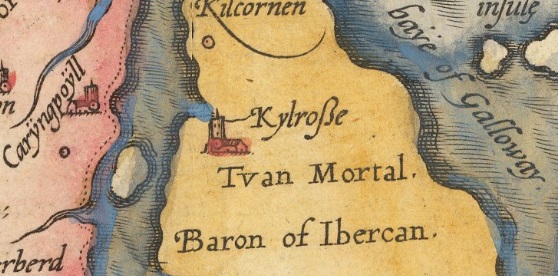
???: Where in Ireland was this Mount Killaraus?
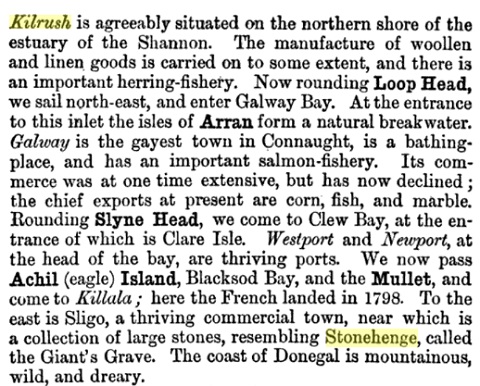
Could it be this one? Does not look like a mountain on this map but there are some hills on this one here.
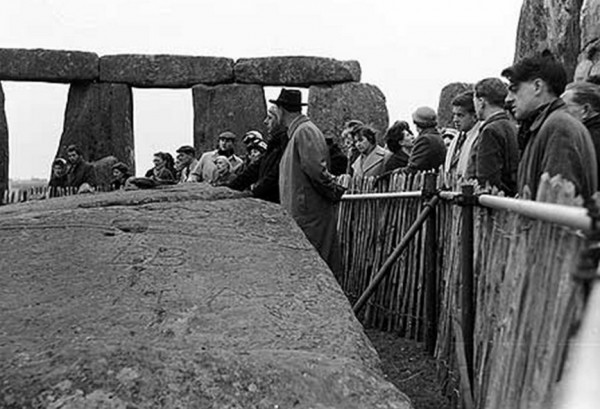
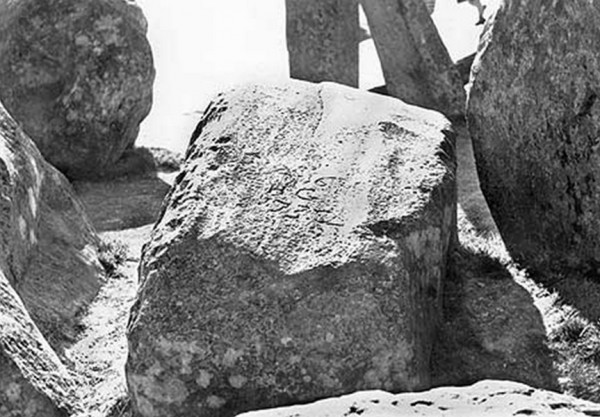
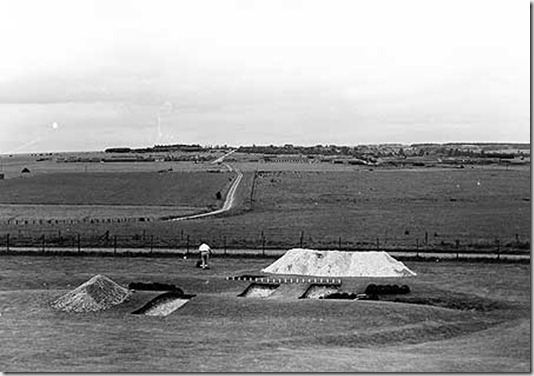
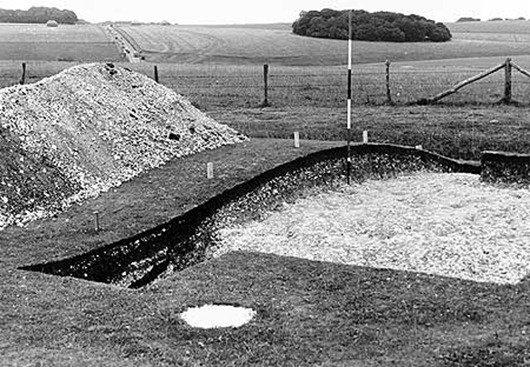
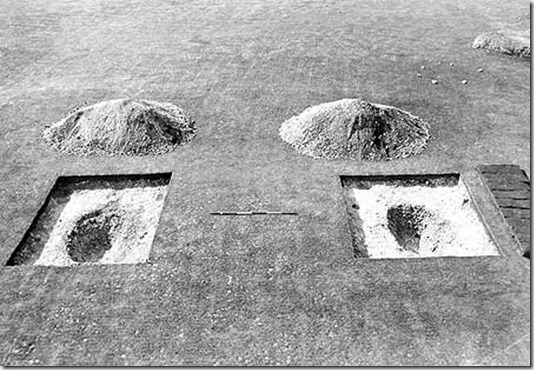
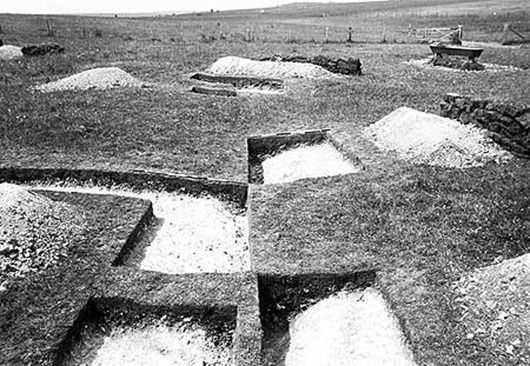
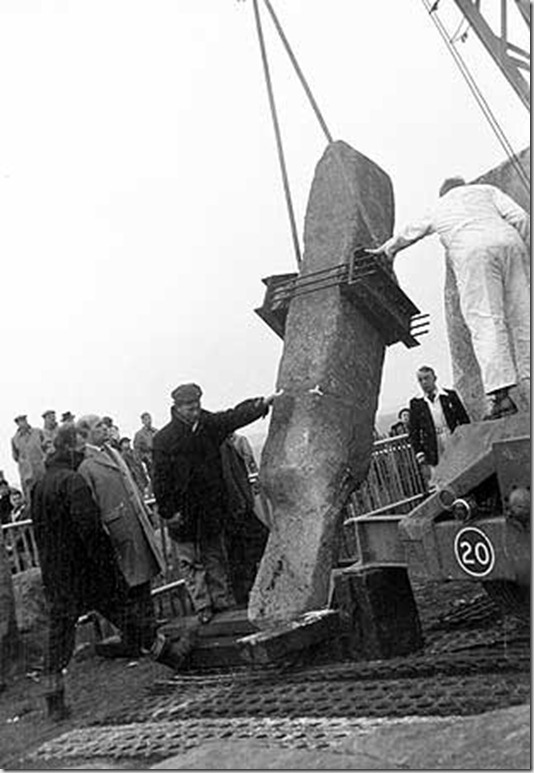
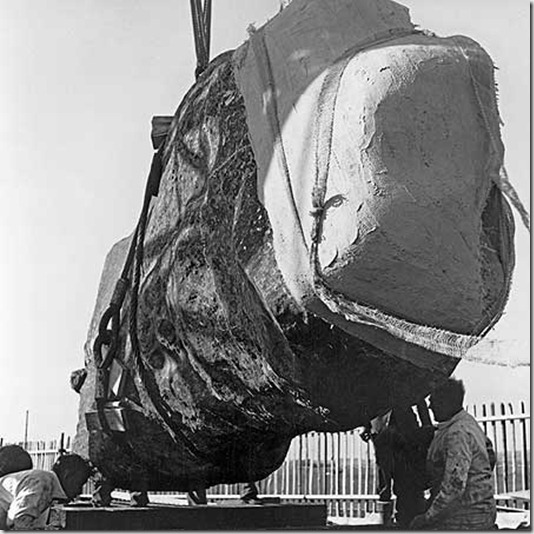
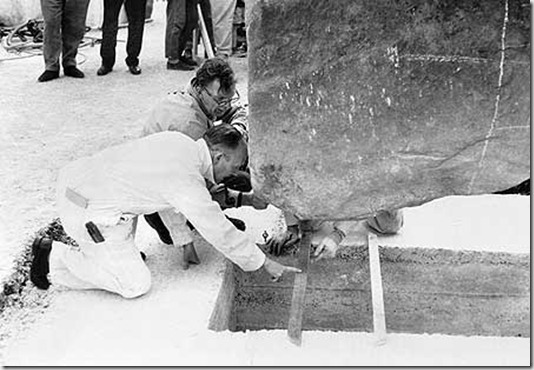
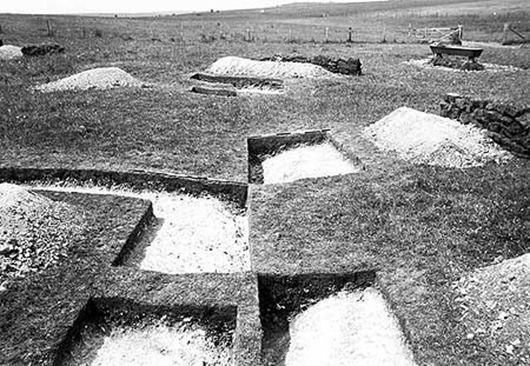
Obviously, none of this explains why in 1954 the Stonehenge field has no signs of the stones ever being there. It's just that the investigation continues.