- Joined
- Aug 25, 2020
- Messages
- 2,003
- Reaction score
- 8,106
Note: This post was recovered from the Sh.org archive.
Username: dreamtime
Date: 2019-01-24 14:21:26
Reaction Score: 10
And the reason no silica/metal/crystal/whatever tech has survived could be very simple. It takes 1-2 generations in society at max until all usable material has been transformed, e.g. melted. That's the reason the copper on the top of the Roman Pantheon is long gone. The only thing that is not directly usable is concrete and to a lesser extent stone. Wood is gone, too. A mix of concrete and stone is the only material that is worth more if it keeps standing, because the building has still a practical purpose, but destroyed tech has not.What you are saying makes a lot of sense. While I have old documents, pictures, receipts, manuals, etc from 2005 and before.....after that time, I scan in everything and almost never keep the original. So this would make a lot of sense, if the world were "computerized" (or whatever they equivalent would have been called) at that time period, that would explain why there are so few original's to be found.
To get back to the original house interior bathroom question, if they had some advanced tech for sanitation, it has all been destroyed/melted, which means some part of the tech had disappeared beforehand, a primary part that made the stuff work. So people saw no reason to keep it. Just like if we had a cataclysm today no one would ever know there was something like floppy disks 20 years ago. Fascinatingly the floppy disk symbol is still used by software on user-interface elements related to saving files, just like churches still use symbols related to electricity (conducting domes, faraday cages, the double cross on ancient maps, etc.)
Or a better analogy would be if electricity would suddenly disappear, we would probably destroy everything related to computers and use it for other things.

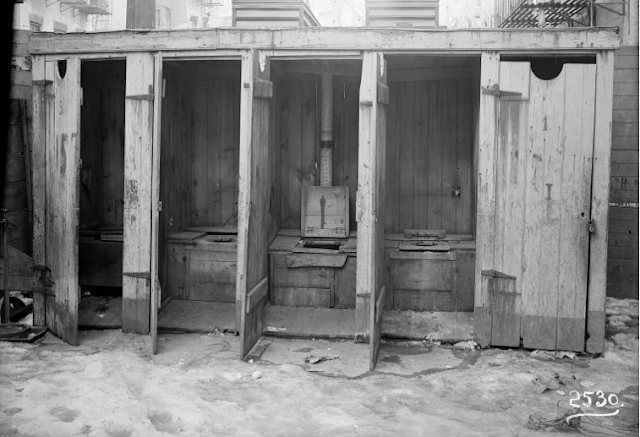
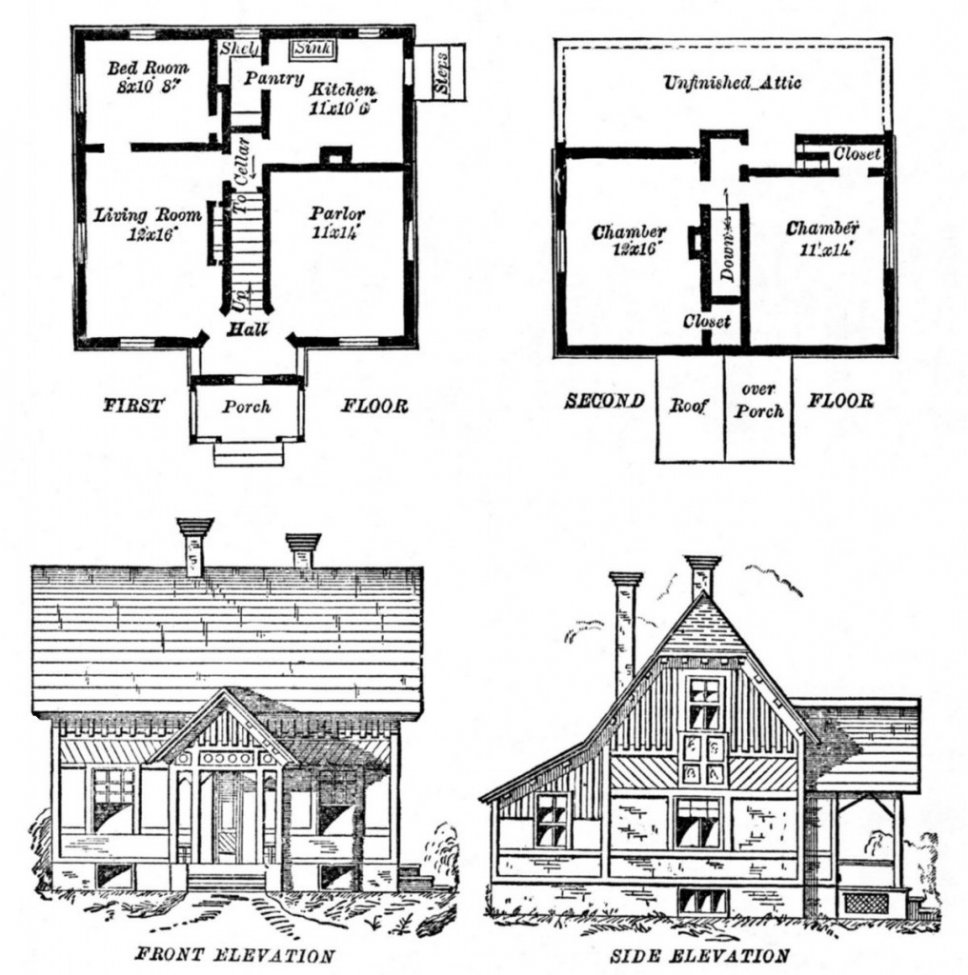
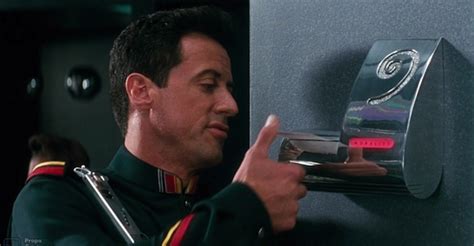
 ) or they had sears and rowbucks catalogs. People complained about those glossy photograph pages. Teeheehee.