- Joined
- Sep 22, 2020
- Messages
- 4,691
- Reaction score
- 1,500
The roller ship was an unconventional and unsuccessful ship design of the late nineteenth century, which attempted to propel itself by means of large wheels.
To be honest, I am not even sure what these are. May be these ships are indeed ships. One way or the other, this is another "failure" story, pertaining to the 19th century tech. Today they are simply called Roller Ships, or Roller Boats. Meanwhile back in the day at least one of the below models was called "Buoyant Propeller Ship".
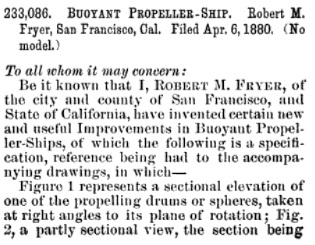
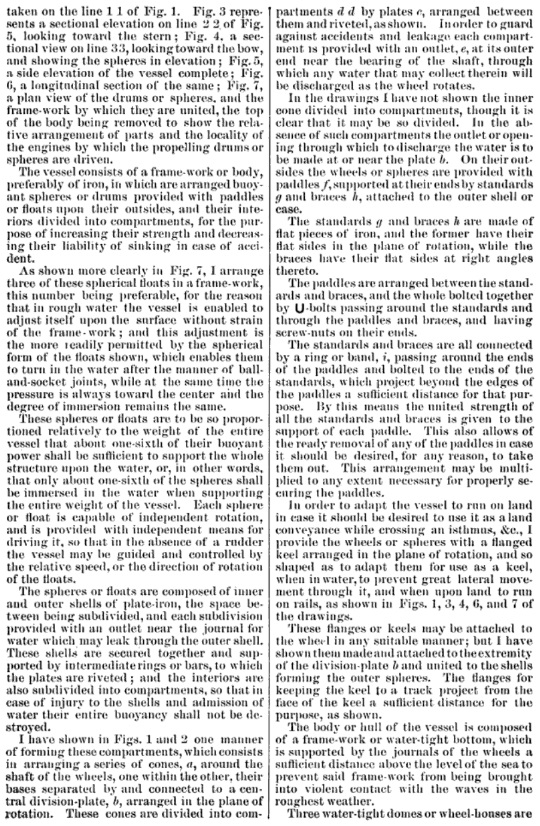
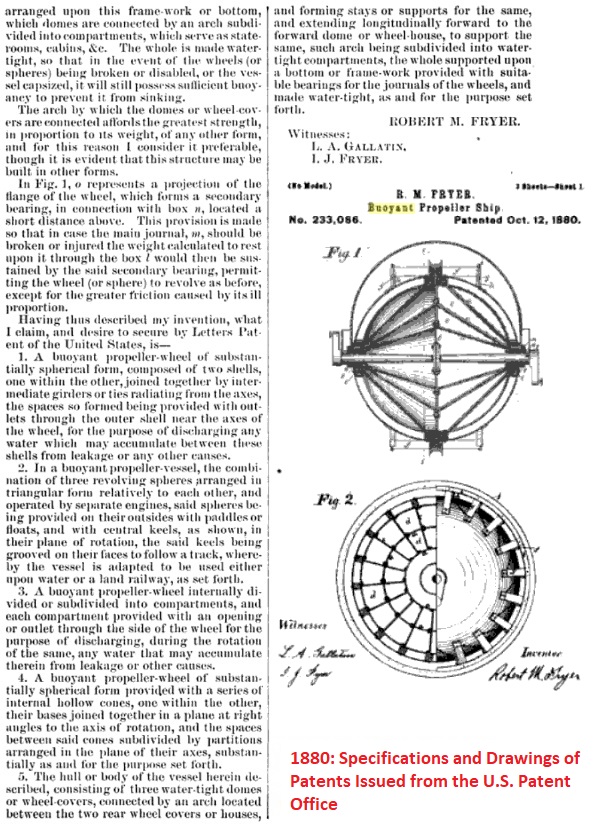
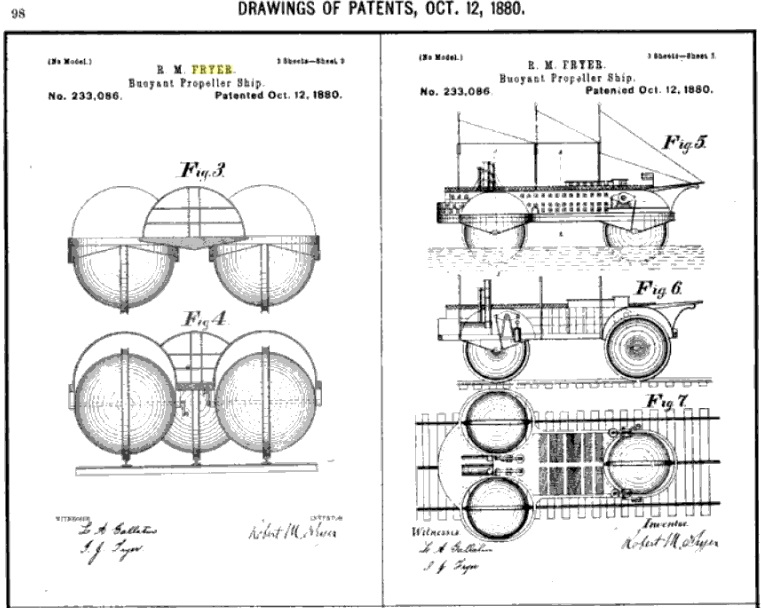
KD: We have some Robert M. Fryer who allegedly built the Alice roller ship contraption in 1880s. I did not find anything useful about this Robert Fryer, or about his ship Alice. I noticed that Robert McCollum Fryer was somewhat active during 1870s-1880s, but what and who was he?
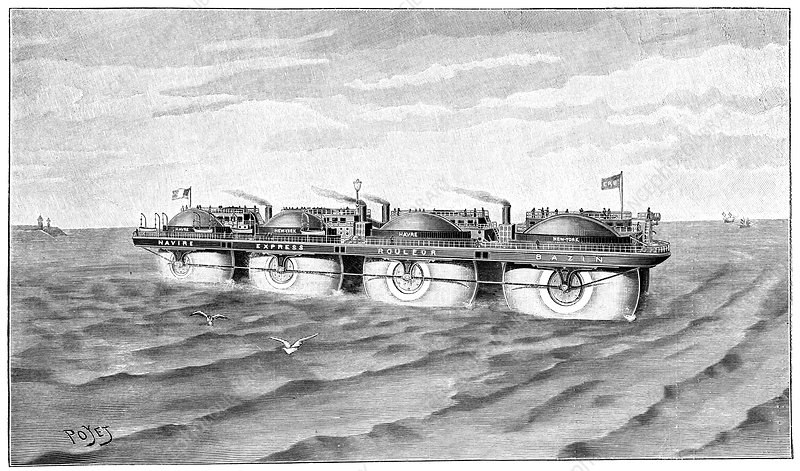
The Ernest-Bazin was a test ship, meant to test the design. If its test succeeded, a roller ship with 4 disc pairs was to be constructed to transport passengers from Le Havre to New York City. However, when preparing to cross the English Channel in early 1897, the design was found to be unworkable. When the rollers rotated through the water, each one brought up so much water adhering to it that it was braked heavily, causing them to rotate much more slowly than anticipated and with a much greater consumption of fuel.
Un drôle de bateau au Havre ! - LE BLOG DE DAN ET NICEPHORE
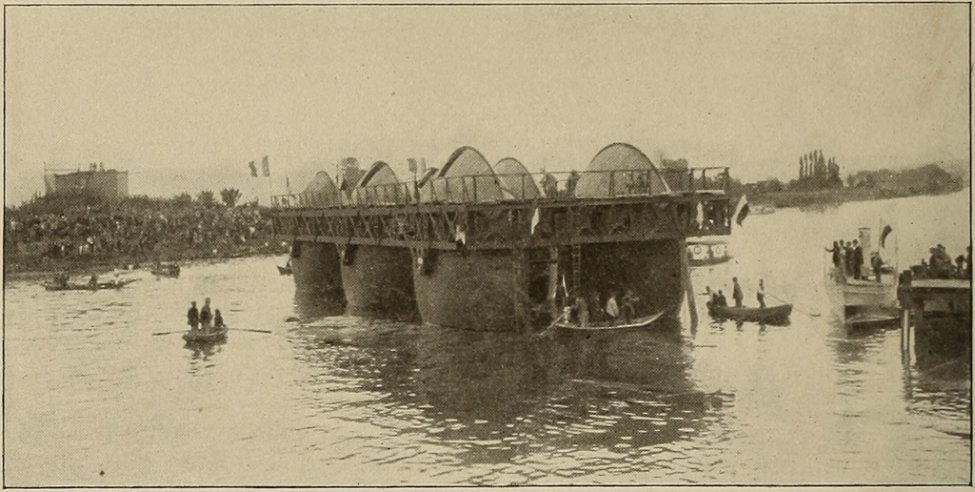
Bazin Roller Boat - Launch - Cassier's 1897
Bazin died on January 21, 1898, a few weeks after announcing he had overcome these problems, and revealing plans for an ocean-going liner, with four pairs of discs, which would be able to cross from Le Havre to New York in sixty hours.
And checkout this obituary. How sarcastic and ridiculous is that?
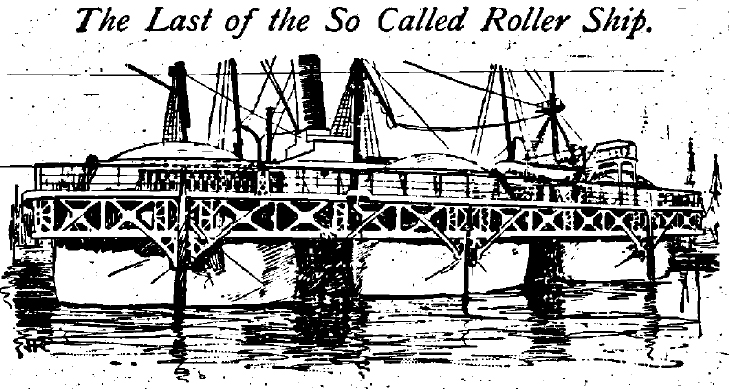
The idea briefly resurfaced in the 1930s, with proposed designs for a large "tricycle" liner appearing in Modern Mechanix in 1934, and a much smaller four-wheeled boat in Popular Science in 1935.
KD: Same here. Who was this Ernest Bazin? At least we might have a picture of this "inventor".
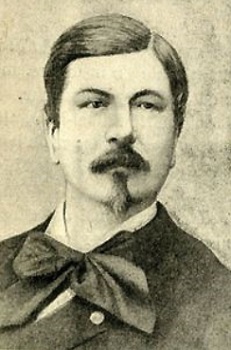
Priceless: Very early, Ernest shows a taste for science. The biographies give him the title of civil engineer, but we do not know where he studied. It was not, in any case, the school of arts and crafts of Angers where the records of students do not mention it. Captivated by navigation, he embarked in the merchant marine and became a long-distance captain. But while traveling the Indian Ocean, he studies maritime locomotion, which will be his first and last concern. Returned to Angers in 1851, he filed on July 7 a patent for an airship machine that he experimented in Marans, without much success. After inventing the anemometer to regulate the wind force on the aerostats, he focuses his research on industrial applications, especially since he is responsible for the mining of the basin of Mons.
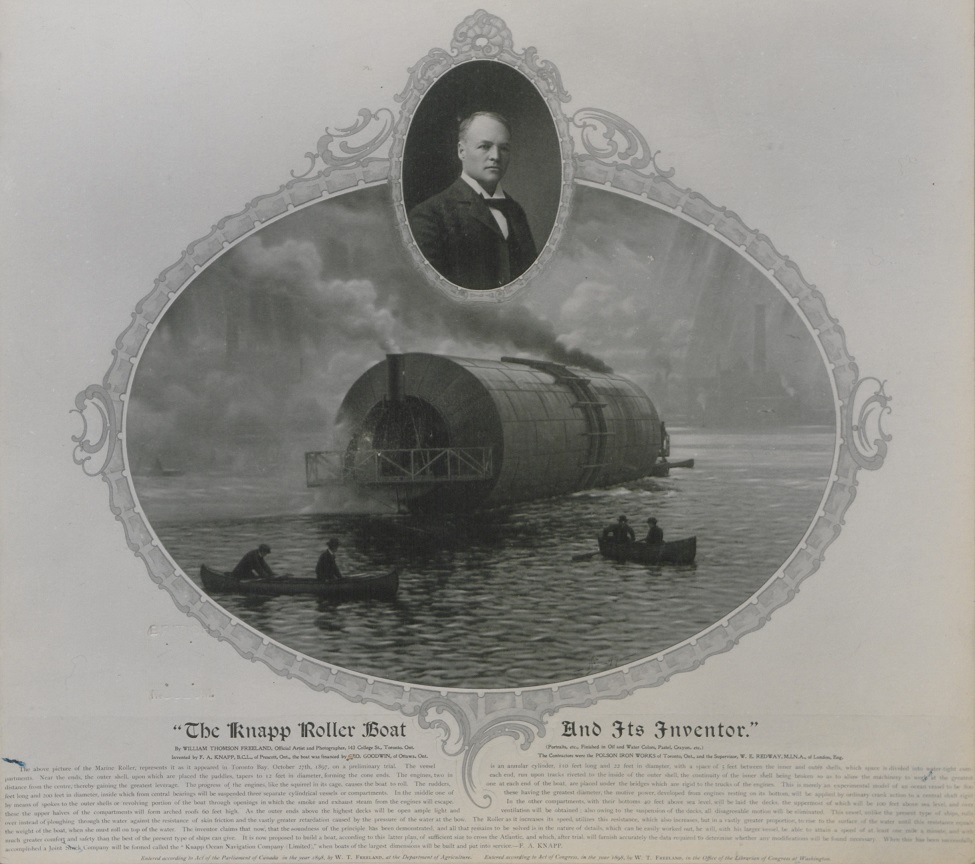
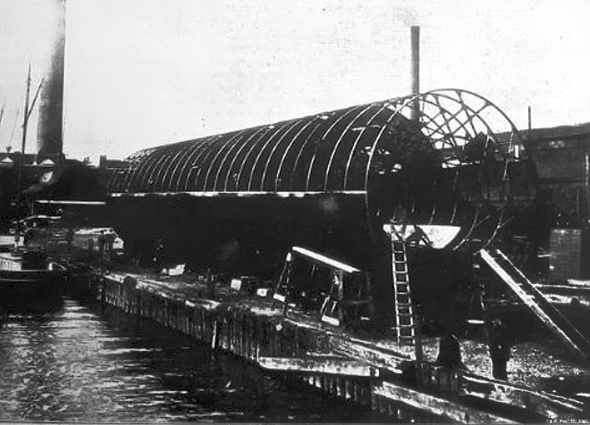
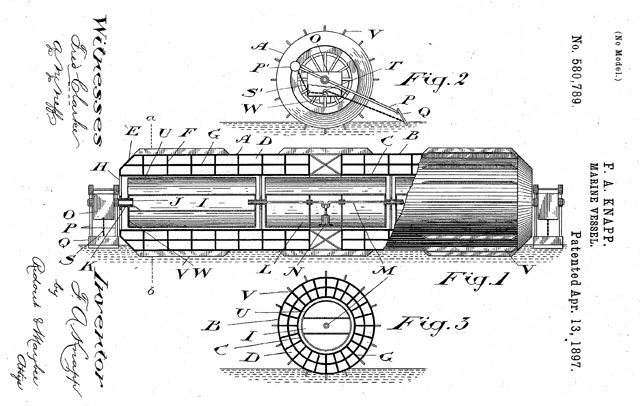
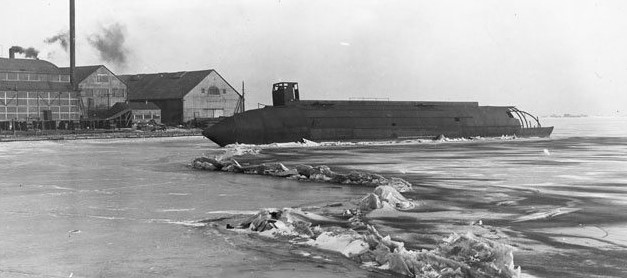
In 1897, Frederick Knapp, a lawyer in Prescott, Ontario, designed a type of vessel which he termed a "roller boat"; this was essentially a single long cylinder which sat in the water. An engine inside, supported on rotating bearings, caused the outer surface of the cylinder to rotate, acting as a paddle wheel. However, it suffered much the same flaws as Bazin's design; the hypothetical "mile a minute" was, in practice, no more than five knots, and the vessel proved difficult to control. After trials, the prototype was tied up at the harbour for ten years, before being sold as scrap.
Born in 1854 in Prescott, Ontario and educated at McGill, Knapp was a lawyer with a passion for inventions. Designed and financed in part by the daredevil William Leonard Hunt, a.k.a. The Great Farini, Knapp's vessel was basically a giant paddle passengers could ride inside. A rotating outer cylinder moved around a stationary inner cabin or cargo area, propelling the craft forward. The unique design differed greatly from others of the era and raised many eyebrows in engineering circles, especially when Knapp estimated his craft could potentially reach 200 miles per hour. The vessel became known as "Knapp's Folly" among less supportive folk who believed there was insufficient passenger and cargo space to make the boat viable.
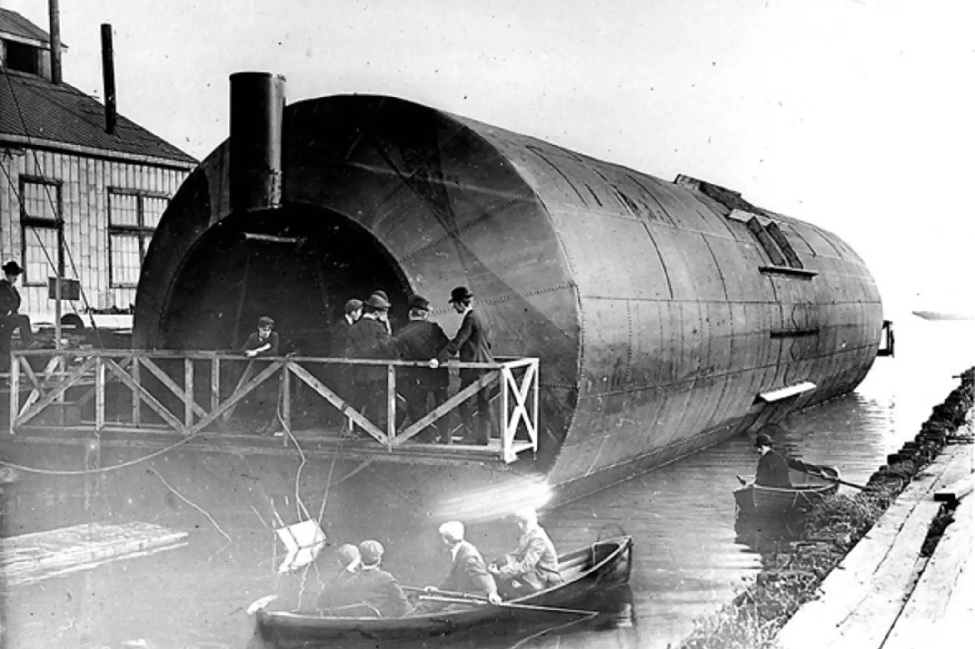
The boat was launched on September 8, 1897 and tested on Lake Ontario a few weeks later. Managing just three miles an hour on its maiden outing in front of a crowd of thousands, the vessel performed slightly better with wider paddles in April 1898. On the back of this improvement in performance, Knapp revealed plans to build a version of the vessel 800 feet long and 200 feet tall with enough room to carry 30,000 American troops to Cuba to fight the Spanish-American war. Nothing ever came of the plan.
Sources & Links:

KD: I am not sure what they used to add to their water back in the 19th century. It looks like lawyer-inventors were trending. Doesn't it appear that just about any person could invent and build something. Their 19th century business startup supporting industry had to be booming.
On a serious note... what do you think we have here? Were these boats as shitty as they say, or we are witnessing remnants of the suppressed tech?
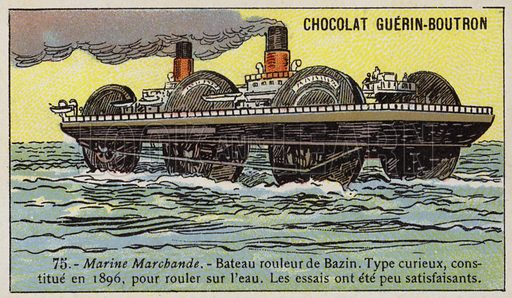
To be honest, I am not even sure what these are. May be these ships are indeed ships. One way or the other, this is another "failure" story, pertaining to the 19th century tech. Today they are simply called Roller Ships, or Roller Boats. Meanwhile back in the day at least one of the below models was called "Buoyant Propeller Ship".
- We have three so-called inventors "responsible" for the designs. Two of those designs are somewhat similar. The third one is differently weird, or weirdly different.
#1: 1880s Roller Ship
by Robert M. Fryer
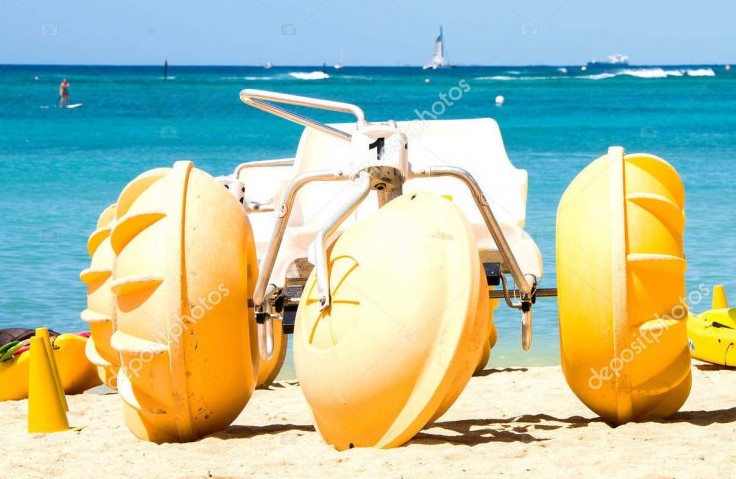
An early attempt to produce such a ship was made in the early 1880s by Robert Fryer, who built the Alice at a cost of some £14,000 after twelve years of experimentation. It consisted of three paddle wheels in a rough triangular layout, with a flat deck mounted above them; there was apparently no other propulsion. The project was a complete failure, perhaps due to the lack of any propulsion other than the paddles.by Robert M. Fryer
- The patent text says, "...useful improvements in Buyoant Propeller-Ships". Were there earlier models out there?
- And where are the photographs of the Alice ship?
#2: 1897 Roller Ship
by Ernest Bazin
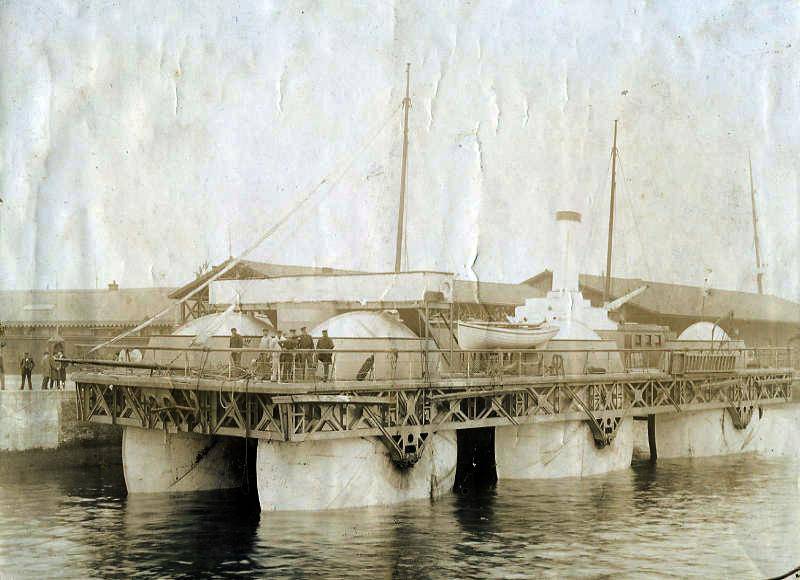
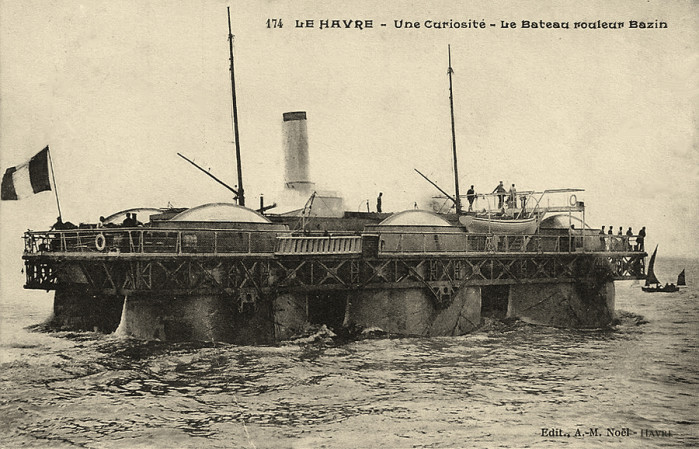
The first and only operational roller ship, the 280-ton Ernest-Bazin, was designed by the French inventor Ernest Bazin after five years of model-based tests and launched at Saint-Denis on August 19, 1896. It had three pairs of discs ten-metres in diameter and three-metres thick; each pair was independently driven by a fifty-horsepower engine and, under normal conditions, about one-third submerged. The main hull was supported just above the axes of these discs, 4m above the sea level, and was about 40 by 12 metres; it contained the engines as well as the crew housing. Bazin predicted the ship would be able to make about eighteen knots, perhaps pushing twenty at full power, but hoped that a ship of similar build with the power that could propel a convention ship to 20 knots could achieve speeds of 47 knots; many observers estimated, however, that the design was theoretically capable of thirty-two knots based on the size and power of the wheels and on early model tests. This compared very favourably with contemporary steamships; the fast ocean liners of the day could manage slightly over twenty knots, whilst high-powered military Torpedo boat destroyers could break thirty. The fuel consumption was also anticipated to be sharply reduced; a full-scale vessel was predicted by Bazin to consume only 800 tons of coal for a thirty-knot Atlantic crossing, compared to 3000–4000 tons for a 22-knot crossing by a conventional liner.by Ernest Bazin
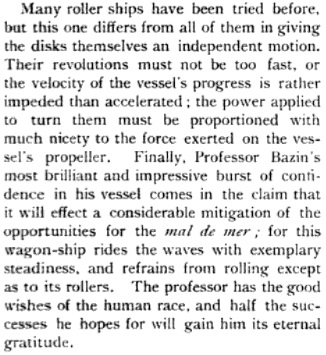
The Ernest-Bazin was a test ship, meant to test the design. If its test succeeded, a roller ship with 4 disc pairs was to be constructed to transport passengers from Le Havre to New York City. However, when preparing to cross the English Channel in early 1897, the design was found to be unworkable. When the rollers rotated through the water, each one brought up so much water adhering to it that it was braked heavily, causing them to rotate much more slowly than anticipated and with a much greater consumption of fuel.
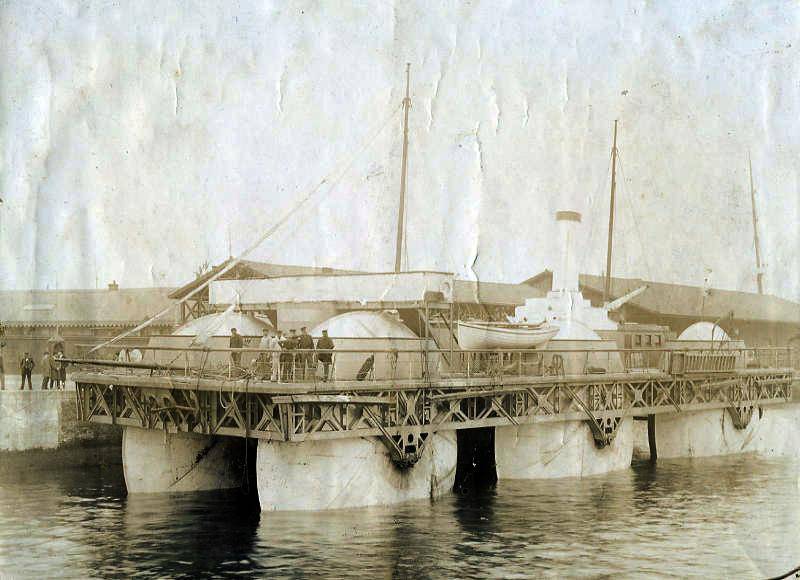
Un drôle de bateau au Havre ! - LE BLOG DE DAN ET NICEPHORE
Bazin Roller Boat - Launch - Cassier's 1897
Bazin died on January 21, 1898, a few weeks after announcing he had overcome these problems, and revealing plans for an ocean-going liner, with four pairs of discs, which would be able to cross from Le Havre to New York in sixty hours.
And checkout this obituary. How sarcastic and ridiculous is that?
- Bazin did not live long enough to perfect his design, however. He died on the 21st January 1898 and the Cortland Standard drily noted, "M. Bazin, the Frenchman who devised the roller ship which was to cross the Atlantic in four days, himself rolled into the unknown world before his ship was a success." In 1899 the ship was sold at auction for scrap.
- The only one, or the last one?
- Source
The idea briefly resurfaced in the 1930s, with proposed designs for a large "tricycle" liner appearing in Modern Mechanix in 1934, and a much smaller four-wheeled boat in Popular Science in 1935.
KD: Same here. Who was this Ernest Bazin? At least we might have a picture of this "inventor".
- The above text is a google translated french article.
#3: 1897 Roller Ship
by Frederick Knapp
What is 34 metres long, 7 metres tall, and buried under Lake Shore Blvd.? The answer is Knapp's Roller Boat, a cigar-shaped vessel that promised to make sea sickness a thing of the past, or so its owner claimed. The hull would meet an ignoble public demise on the shore of the Toronto Bay before it was finally covered over.by Frederick Knapp
In 1897, Frederick Knapp, a lawyer in Prescott, Ontario, designed a type of vessel which he termed a "roller boat"; this was essentially a single long cylinder which sat in the water. An engine inside, supported on rotating bearings, caused the outer surface of the cylinder to rotate, acting as a paddle wheel. However, it suffered much the same flaws as Bazin's design; the hypothetical "mile a minute" was, in practice, no more than five knots, and the vessel proved difficult to control. After trials, the prototype was tied up at the harbour for ten years, before being sold as scrap.
Born in 1854 in Prescott, Ontario and educated at McGill, Knapp was a lawyer with a passion for inventions. Designed and financed in part by the daredevil William Leonard Hunt, a.k.a. The Great Farini, Knapp's vessel was basically a giant paddle passengers could ride inside. A rotating outer cylinder moved around a stationary inner cabin or cargo area, propelling the craft forward. The unique design differed greatly from others of the era and raised many eyebrows in engineering circles, especially when Knapp estimated his craft could potentially reach 200 miles per hour. The vessel became known as "Knapp's Folly" among less supportive folk who believed there was insufficient passenger and cargo space to make the boat viable.

Sources & Links:
On a serious note... what do you think we have here? Were these boats as shitty as they say, or we are witnessing remnants of the suppressed tech?
Note: This OP was recovered from the Sh.org archive.
Note: Archived Sh.org replies to this OP are included in this thread.