SH Archive 19th century: Russian Cast Iron Road

SH.org OP Username
KorbenDallas
SH.org OP Date
2019-06-29 20:07:17
SH.org Reaction Score
16
SH.org Reply Count
16

KD Archive

Not actually KorbenDallas
Active Member
Joined
Sep 22, 2020
Messages
4,691
Reaction score
1,499
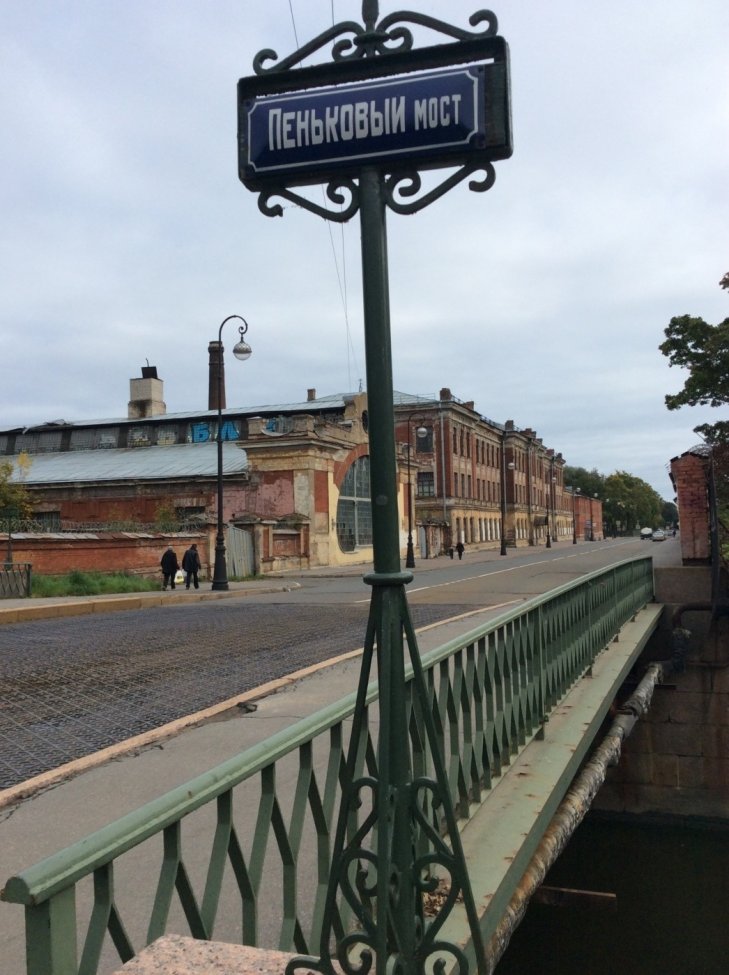
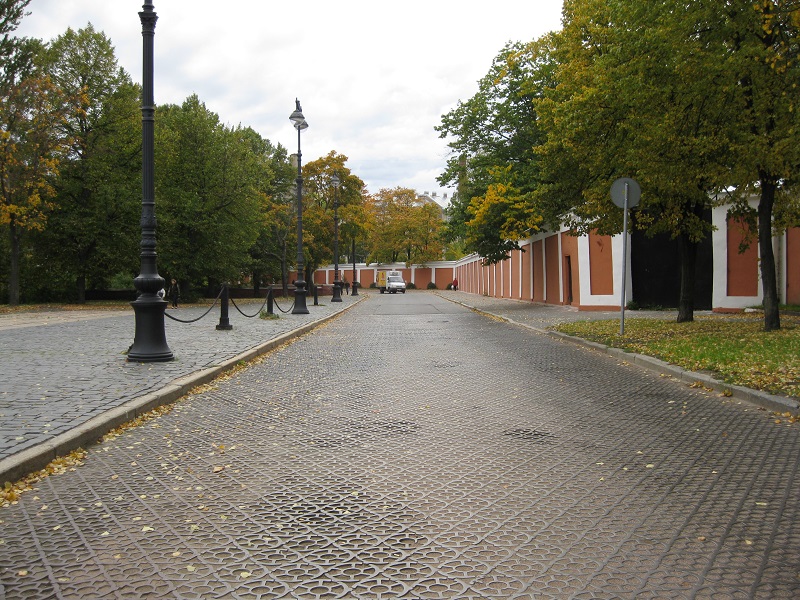
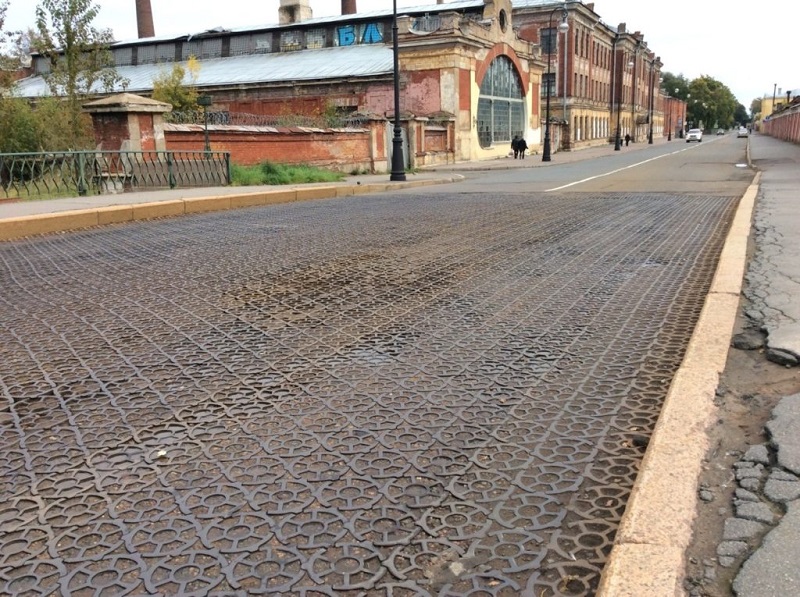
One of the forum lurkers sent me a link to this cast iron road surface which was allegedly installed in the Russian city of Kronstadt around 1858.
Why do you think such an interesting "paving" solution was chosen in the mid-19th century, and do we have anything similar anywhere else?
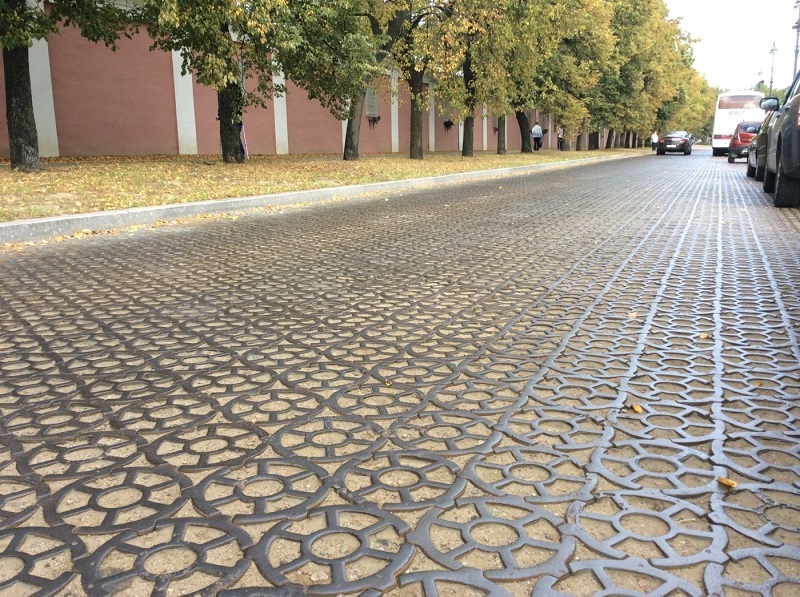
19the_century_cast_iron_road.jpg


19the_century_cast_iron_road_1.jpg
Note: This OP was recovered from the Wayback Archive.
Note: Archived Sh.org replies to this OP are included in this thread.
 
Note: This post was recovered from the Sh.org archive.
Username: Japod
Date: 2019-06-29 20:16:53
Reaction Score: 2
Looks like a Faraday Cage to me.
 
Note: This post was recovered from the Sh.org archive.
Username: Japod
Date: 2019-06-29 20:41:30
Reaction Score: 3
Protecting whatever is underneath it from emf and rf, could have also been used with an induction coil to create a sort of a self de-icing road.
 
Note: This post was recovered from the Sh.org archive.
Username: KorbenDallas
Date: 2019-06-29 20:42:44
Reaction Score: 5
What about powering electric cars somehow?
 
Note: This post was recovered from the Sh.org archive.
Username: BStankman
Date: 2019-06-29 23:20:18
Reaction Score: 3
That would be treacherous for steel horse shoes and wagon wheels.

It is on a bridge, which tend to freeze over. Maybe they were running current through as a heating element.

24756
 
Note: This post was recovered from the Sh.org archive.
Username: Obertryn
Date: 2019-06-30 02:15:35
Reaction Score: 2
Ah, those. Don't know what the real purpose was but can tell you for a fact that they are VERY uncomfortable to walk on and make for somewhat bumpy rides, so it wasn't for pedestrian or driver benefit.
 
Note: This post was recovered from the Sh.org archive.
Username: Timeshifter
Date: 2019-06-30 07:32:24
Reaction Score: 5
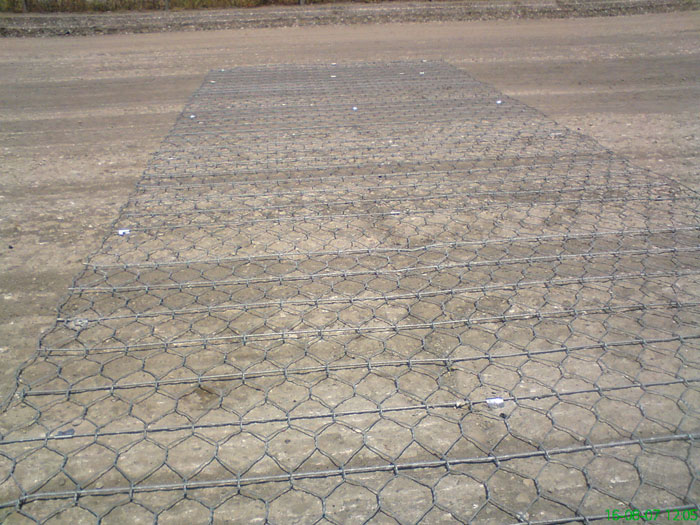
Perhaps originally part of this, may be has been uncovered? The Russian idea may just be a different style, although does appear quite ornate.

'Steel grids used in asphalt roads enable roads to have longer lives. Laid especially on the surface before smoothing layer is laid on the road surface in frequent reflection cracks, steel grids retard the reflection of cracks onto the road surface. Essentially having high strength and low elongation, Steel grid material is less damaged compared to rockwool material and provides more permanent results against reflection cracks on the surface.'

asfalt-yollarda-celik-grid-asfalt-grid-guclendirilmesi-resim-1.jpg

Source

My 1st instinct was however under road heating? Do we have any obvious power source nearby?
 
Note: This post was recovered from the Sh.org archive.
Username: maxresde
Date: 2019-07-08 10:35:03
Reaction Score: 2
These cast iron pavers remind me of these things
Agtec Heavy Duty Grass and Gravel Paver 19.7in - Pack of 10

But really, I feel the link has a perfectly acceptable explanation. I wouldnt't mind having a road surface that lasts 80 years. They repave something every single year around here- with less severe weather.
 
Note: This post was recovered from the Sh.org archive.
Username: Magnetic
Date: 2019-07-08 13:34:27
Reaction Score: 3
I don't think these were used for electrical uses because it would short out into the ground especially if there is moisture in contact with the iron. It seems that its use would be to stabilize water soaked mud surfaces to allow heavy vehicles to transverse the streets without sinking into the road. This would be used after the reset event to at least have some stabile surfaces for transport. After the ground dried up these would be unnecessary but in the beginning would be a godsend to have a surface where a load would not sink into the ground.
Post automatically merged:

I'm guessing that the downward pressure of the wagon/vehicle loads would push fine grained mud and water up over the grid and it would be covered with a layer of mud and sand at first but at least the wheels would not sink down enough to be immobile. As the surfaces dried out one could shovel the died material off the iron grid but a layer of 3-5 inches of material left on it would help the wheels from being shredded from friction on the iron grid.
 
Note: This post was recovered from the Sh.org archive.
Username: ScottFreeman
Date: 2019-07-08 17:39:05
Reaction Score: 2
I can't help but think that something that took this much effort and material (between the mining, processing and forging) must have had more than one justification. While I was tempted to apply the term 'electric' to them there may have been simpler or other forms of energy used:

Does the dark color of the iron absorb and transfer heat?
Could waste heat from some other sources be sent to these like a large heat sink?
Does the color/shape assist with ice melting or water drainage?
Is the sound generated by traffic pleasant or at a certain rhythm for a purpose (noise cancellation etc)

It also may be as simple as adding a tread to the road in potential slippery spots to avoid accidents...
 
Note: This post was recovered from the Sh.org archive.
Username: Aply1985
Date: 2019-07-08 18:20:04
Reaction Score: 1
Like i know technology was brought from New York and Boston bridges 19 cent., which where made from cast iron parts by engineer Knapp technology
Чугунная мостовая в Кронштадте

USA, New York, Brooklyn, Con Edison electricity company cast iron manhole cover

ENYEY0.jpg
 
Note: This post was recovered from the Sh.org archive.
Username: Magnetic
Date: 2019-07-12 11:34:44
Reaction Score: 6
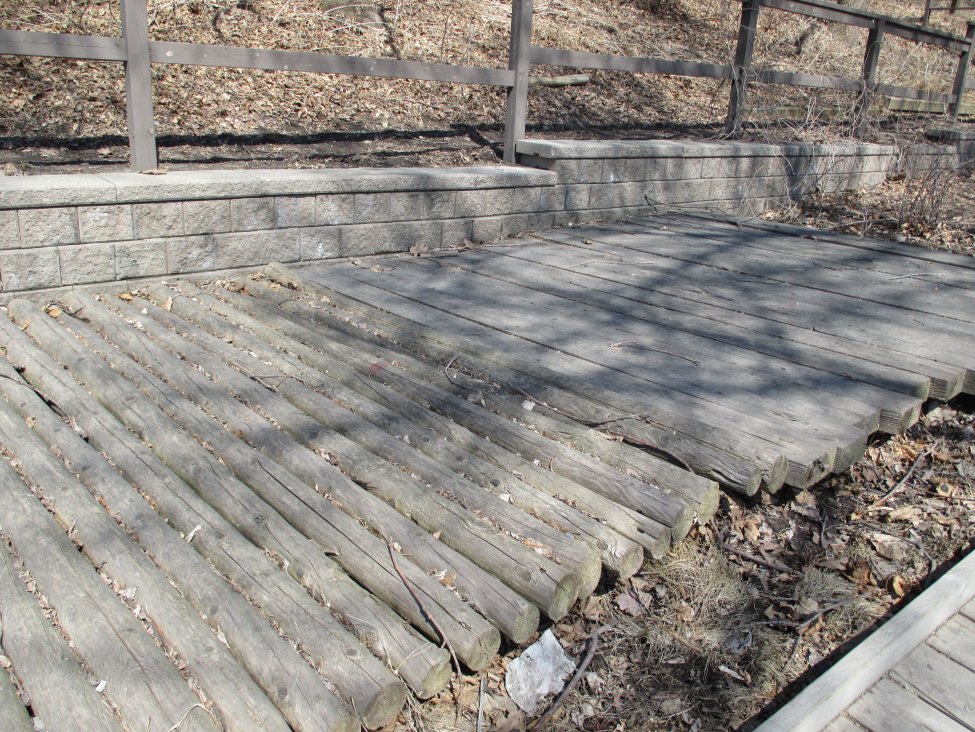
I am now thinking that in the aftermath of the mud flood, good olde plank roads and sidewalks or log roads would be used first to draw loads across the earth and when the mud was dried sufficiently the iron grid could be laid down. tollkeepers-cottage-plank-road.jpgplank-road-wikipedia.jpgPlank-Road-2.jpg
 
My guess is that such roads could have been around the world and provided traffic on a different principle than what we know now. It's just that in most cities these (and similar ones, including those with a different purpose) structures were removed and melted down.
 
New Orleans circa 1890s, note the Iron works under the cobbled streets, second photo on right. There also appears to be an iron lattice grid running along side the center right electric tram track and a serious drop off for whatever reason in first photo?
105989937742cab6287321055f13ec69.jpg
42febb40f8ad19af850dd6dcc8b61e07.jpg
 
Those photos are of Canal Street. I wrote about it extensively in my "Lost New Orleans" thread. Of interest here might be the strange iron "Belknap Fountain", erected in the early 1870's and removed in 1895, which may have had some connection with powering the streetcars.

Vintage-768x739.jpg

Here's the relevant post:

Lost New Orleans

There's a news story about it (linked in the post) that contains the following suggestive description (bolding mine):

And there it stood for the next 22 years, eventually being used for a time by the New Orleans Traction Co., which then ran the city’s streetcars. Then, in May 1895, the head of the Traction Company decided the “iron pavilion,” as it had become known, was in the way and donated it to City Park, which paid $73 to have it hauled away.

How did they "use" it if it was supposed to be a purely decorative fountain?

The fountain was located very close to where these photographs were taken (a few blocks away). We see the St. Charles Hotel here, which means the photos were taken before 1894 when it burned down.

Were there similar "iron pavilions" near the Russian road?
 
Last edited:
Tips
Tips
Please respect our Posting Rules.
Back
Top