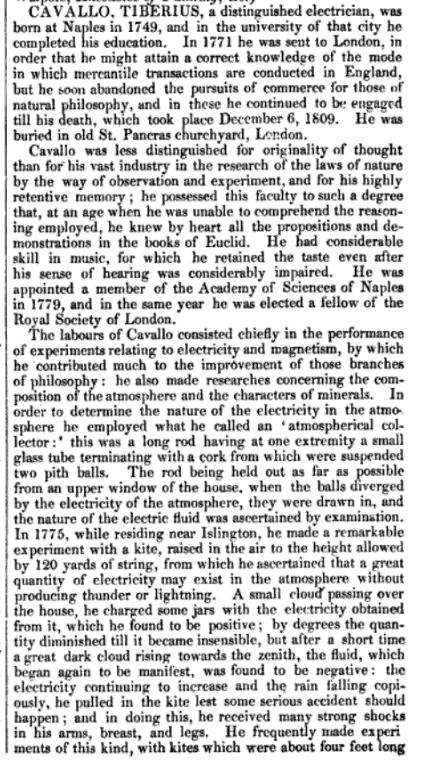
Let me introduce you to Tiberius Cavallo:
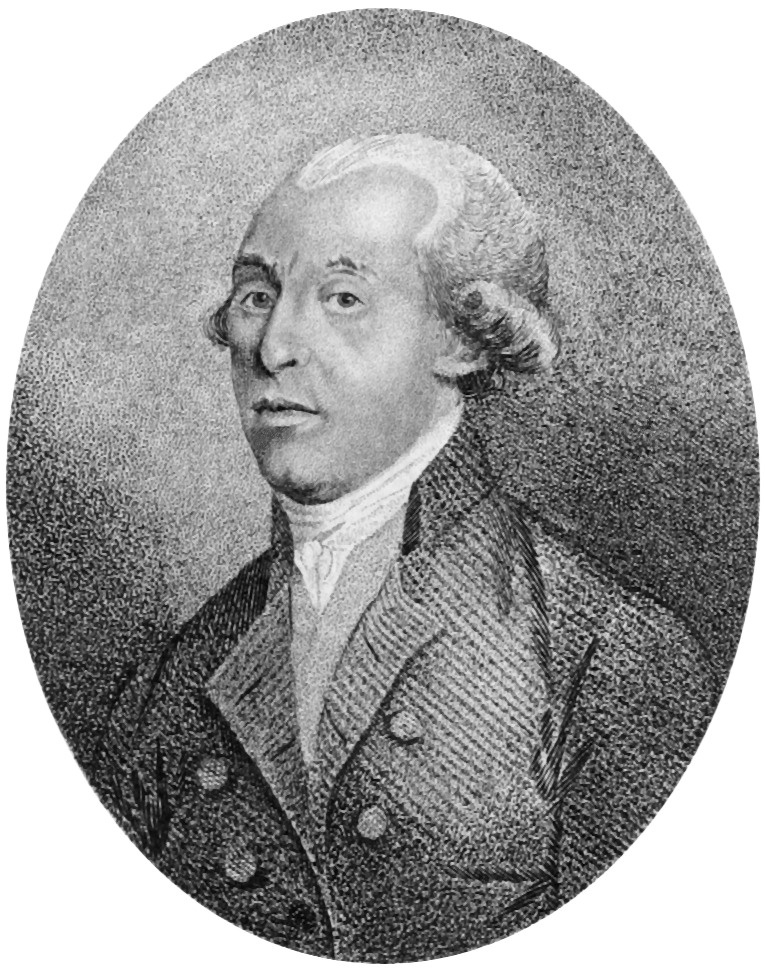
He was an Italian physicist and natural philosopher. His interests included electricity, the development of scientific instruments, the nature of "airs", and ballooning. He became both a Member of the Royal Academy of Sciences in Naples, and a Fellow of the Royal Society of London in 1779. Between 1780 and 1792, he presented the Royal Society's Bakerian Lecture thirteen timees in succession.
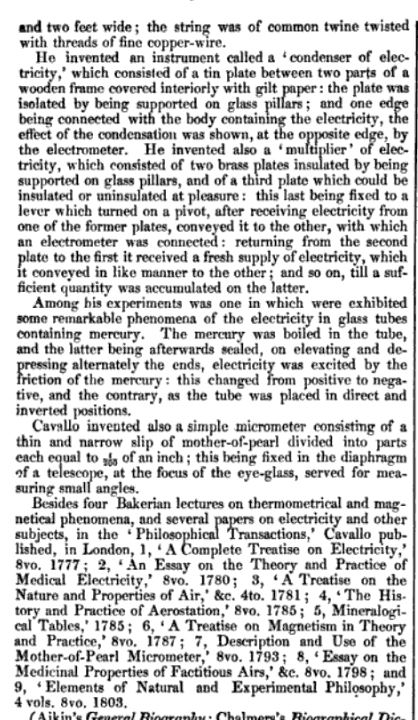
Tiberius Cavallo was born on 30 March 1749 at Naples, Italy where his father was a physician. In 1771 he moved to England. He made several ingenious improvements in scientific instruments. Cavallo is often cited as the inventor of Cavallo's multiplier. He also developed a "pocket electrometer" that he used to amplify small electric charges to make them observable and measurable with an electroscope. Parts of the instrument were protected from drafts by a glass enclosure.
He also worked on refrigeration. Following the work of William Cullen in 1750 and Joseph Black in 1764, Cavallo was the first to carry out systematic experiments on refrigeration using the evaporation of volatile liquids, in 1781.
He was interested in the physical properties of "airs" or gases, and carried out experiments on "inflammable air" (hydrogen gas). In his Treatise on the Nature and Properties of Air (1781) he makes “a judicious examination of contemporary work", discussing both the phlogiston theory of Joseph Priestley and the contrasting views of Antoine Lavoisier. In June 1782, a paper of Cavallo's was read at the Royal Society, describing the first attempt to lift a hydrogen-filled balloon into the air.


SOURCE
Philosophical Transcations - 1815
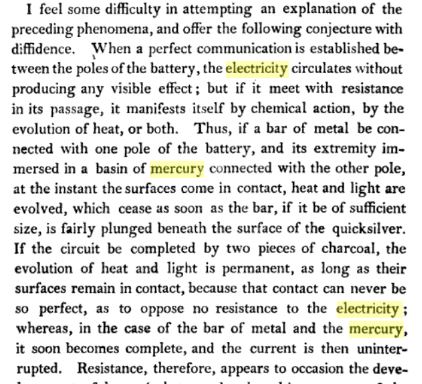
SOURCE
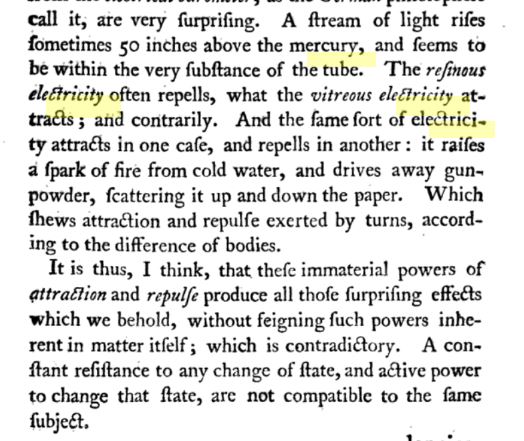
Inquiry into the Nature of the Human Soul - 1750 (reprinted 1817)
SOURCE
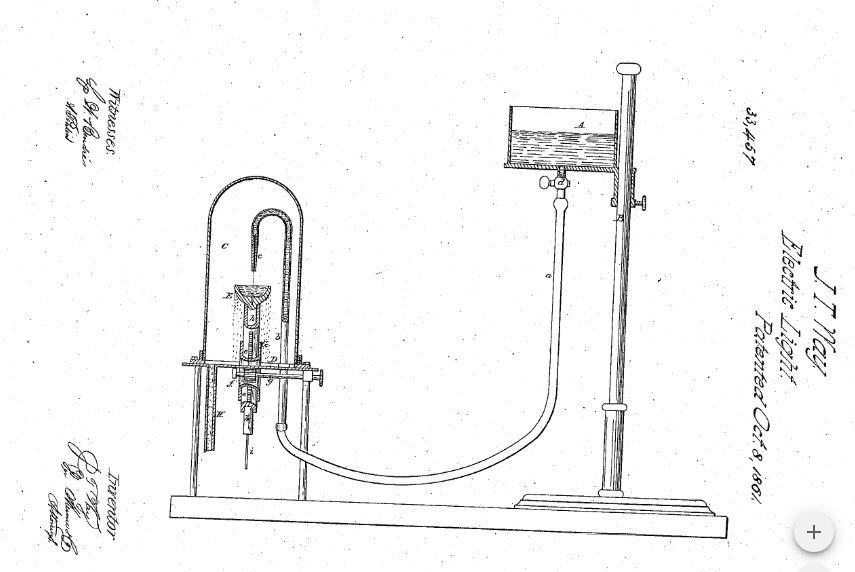
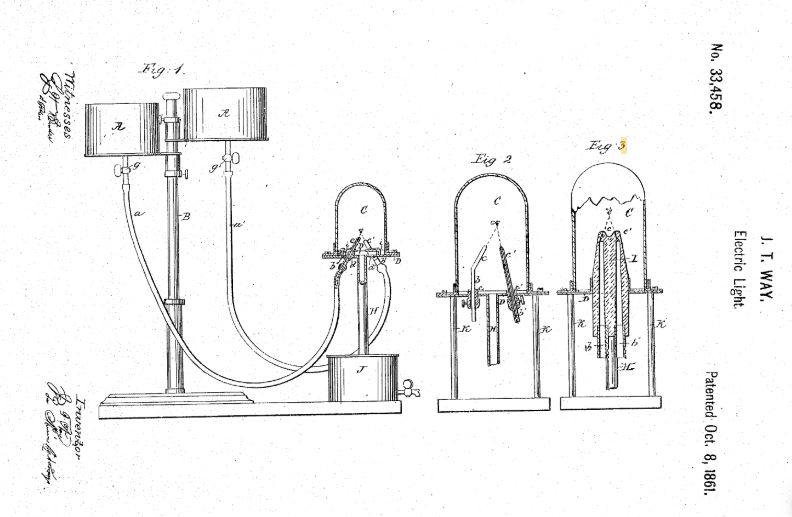
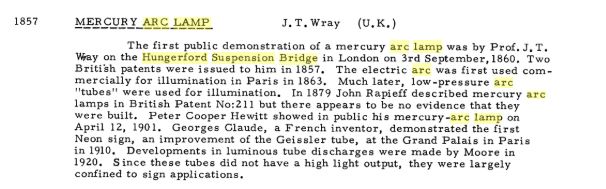
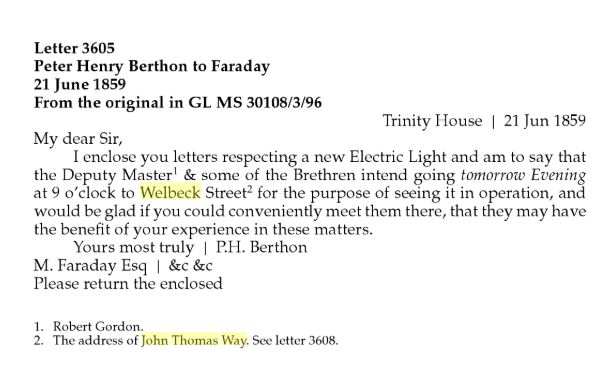
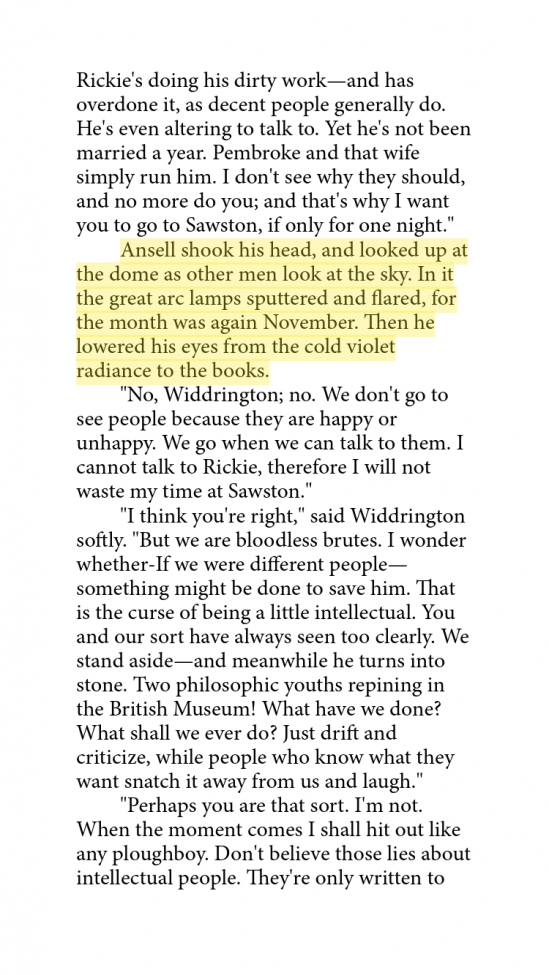
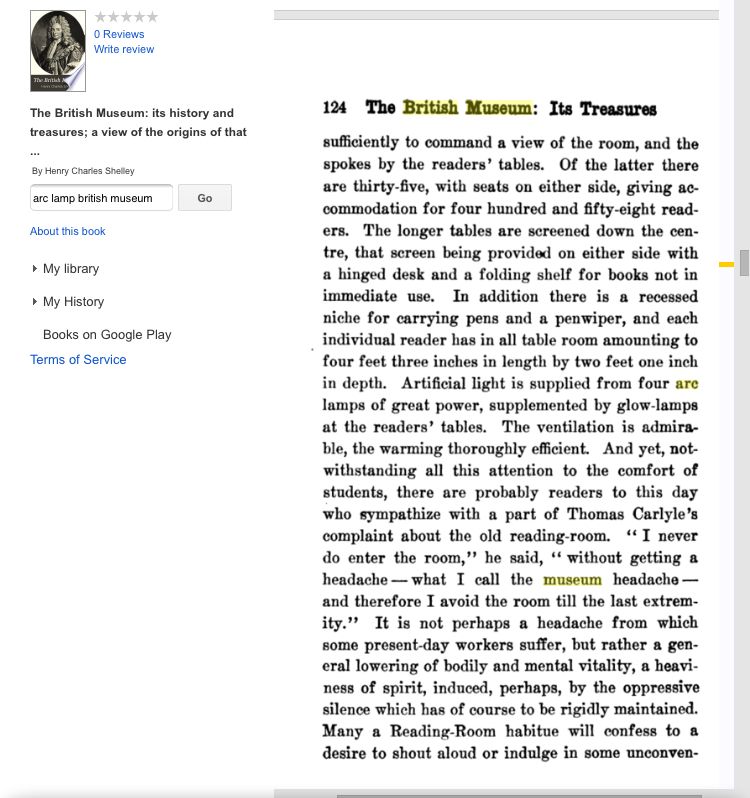
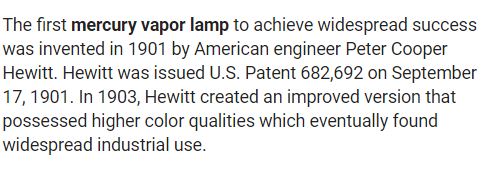
Keep in mind the light bulb was not "invented" until 1879...
I wonder what happened to Professor (I think... T.J.) Way... definition of a ghost. Let me know if you can find him? Because this definitely isn't true:
Resources on Cavallo:
A Complete Treatise of Electricity in Theory and Practice; with original experiments - Google Play
His book on medical applications of electricity:
An Essay on the Theory and Practice of Medical Electricity - Google Play
His work on the atmosphere:
ETH-Bibliothek / A treatise on the nature and properties of air, and other permanently elastic fluids
His work on magnetism:
A Treatise on Magnetism, in Theory and Practice, With Original Experiments - Google Play
He was an Italian physicist and natural philosopher. His interests included electricity, the development of scientific instruments, the nature of "airs", and ballooning. He became both a Member of the Royal Academy of Sciences in Naples, and a Fellow of the Royal Society of London in 1779. Between 1780 and 1792, he presented the Royal Society's Bakerian Lecture thirteen timees in succession.
Tiberius Cavallo was born on 30 March 1749 at Naples, Italy where his father was a physician. In 1771 he moved to England. He made several ingenious improvements in scientific instruments. Cavallo is often cited as the inventor of Cavallo's multiplier. He also developed a "pocket electrometer" that he used to amplify small electric charges to make them observable and measurable with an electroscope. Parts of the instrument were protected from drafts by a glass enclosure.
He also worked on refrigeration. Following the work of William Cullen in 1750 and Joseph Black in 1764, Cavallo was the first to carry out systematic experiments on refrigeration using the evaporation of volatile liquids, in 1781.
He was interested in the physical properties of "airs" or gases, and carried out experiments on "inflammable air" (hydrogen gas). In his Treatise on the Nature and Properties of Air (1781) he makes “a judicious examination of contemporary work", discussing both the phlogiston theory of Joseph Priestley and the contrasting views of Antoine Lavoisier. In June 1782, a paper of Cavallo's was read at the Royal Society, describing the first attempt to lift a hydrogen-filled balloon into the air.
Penny Cyclopaedia of the Society for the Diffusion of Useful Knowledge - 1851

SOURCE
Extended section on Atmopsheric Electricity:
SOURCE


SOURCE
Philosophical Transcations - 1815
SOURCE
Inquiry into the Nature of the Human Soul - 1750 (reprinted 1817)
SOURCE
Keep in mind the light bulb was not "invented" until 1879...
American Annual Encyclopedia - 1862
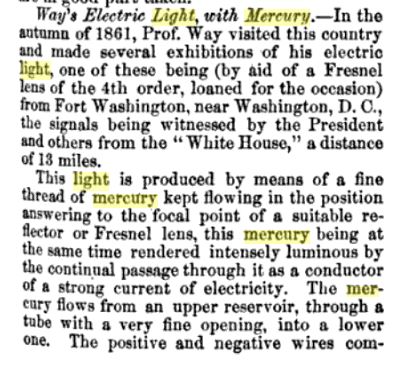
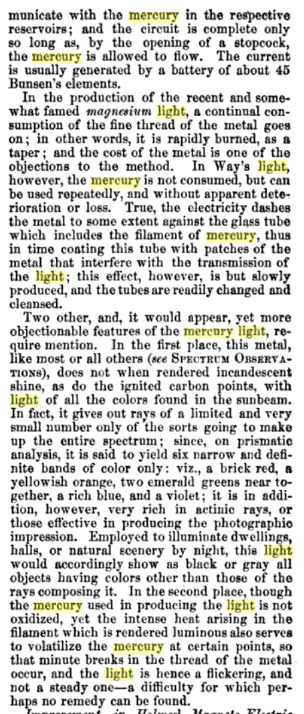
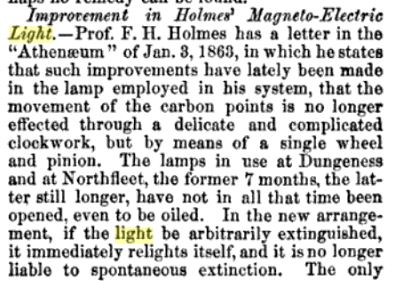
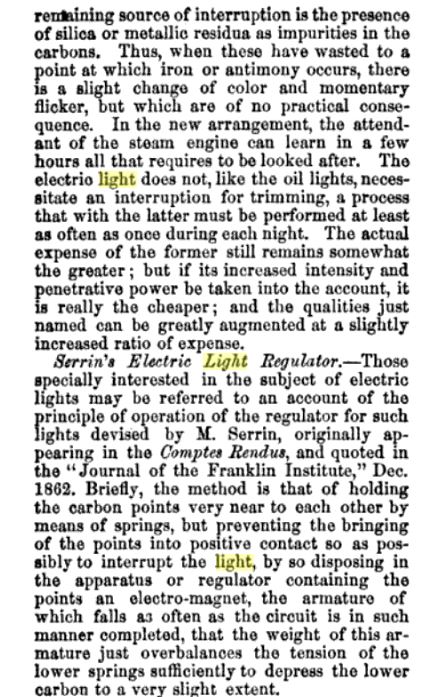
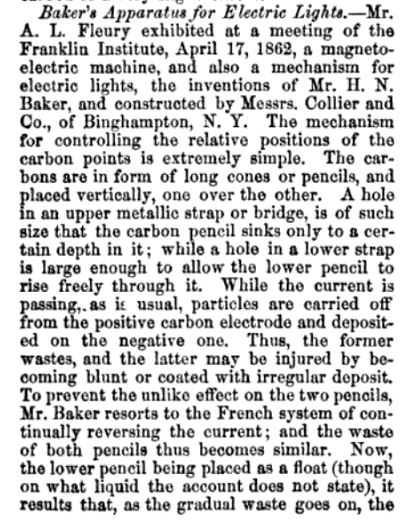
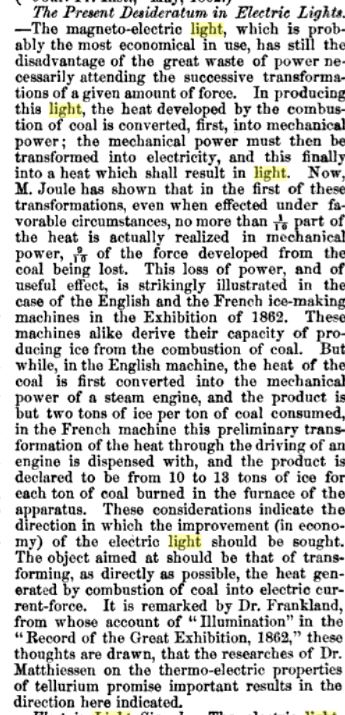
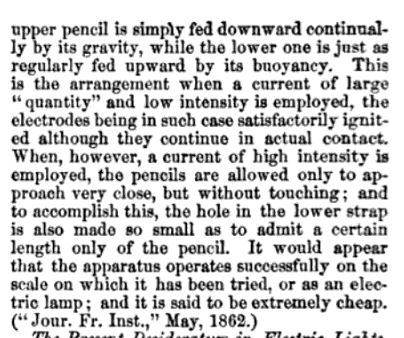
SOURCE
Philosophical Magazine and Journal of Science - 1860
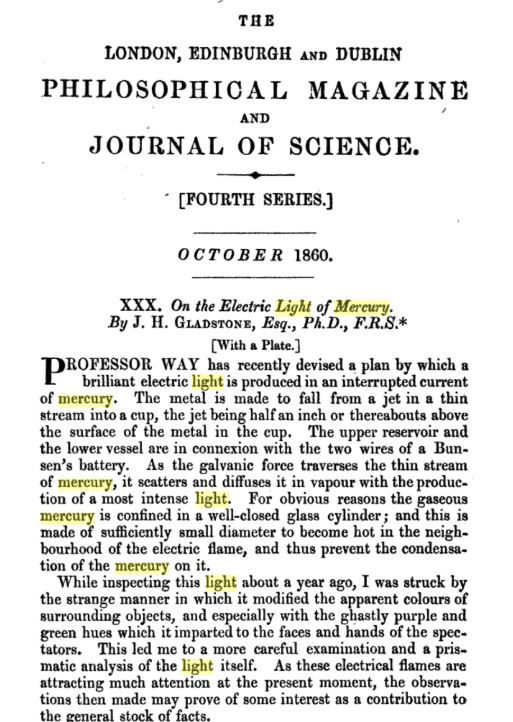
SOURCE
Muscatine Weekly Journal -1860
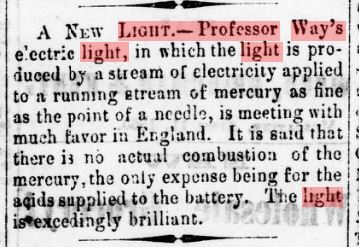
SOURCE
The Photographic News - 1861
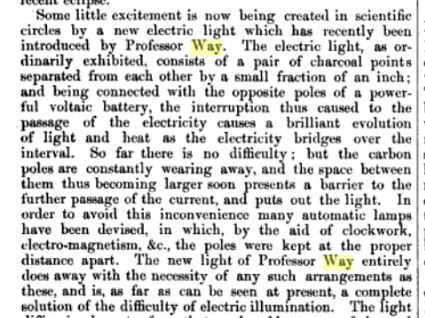
SOURCE
Extracts from the Report of Her Britanic Majesty's Commissioners
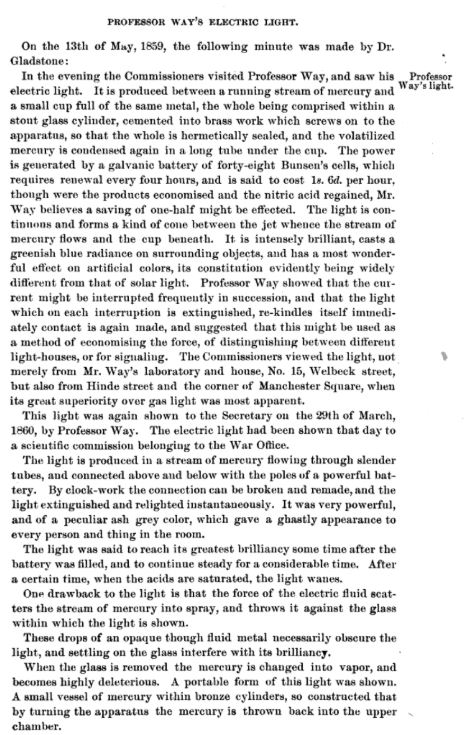
SOURCE
SOURCE
Philosophical Magazine and Journal of Science - 1860
SOURCE
Muscatine Weekly Journal -1860
SOURCE
The Photographic News - 1861
SOURCE
Extracts from the Report of Her Britanic Majesty's Commissioners
SOURCE
I wonder what happened to Professor (I think... T.J.) Way... definition of a ghost. Let me know if you can find him? Because this definitely isn't true:
His complete book on electricity:A Complete Treatise of Electricity in Theory and Practice; with original experiments - Google Play
His book on medical applications of electricity:
An Essay on the Theory and Practice of Medical Electricity - Google Play
His work on the atmosphere:
ETH-Bibliothek / A treatise on the nature and properties of air, and other permanently elastic fluids
His work on magnetism:
A Treatise on Magnetism, in Theory and Practice, With Original Experiments - Google Play
Note: This OP was recovered from the Sh.org archive.
Note: Archived Sh.org replies to this OP are included in this thread.