SH Archive Chicago: pre-1871 fire photographs of the city

SH.org OP Username
KorbenDallas
SH.org OP Date
2019-09-02 04:14:12
SH.org Reaction Score
18
SH.org Reply Count
17

KD Archive

Not actually KorbenDallas
Active Member
Joined
Sep 22, 2020
Messages
4,691
Reaction score
1,500
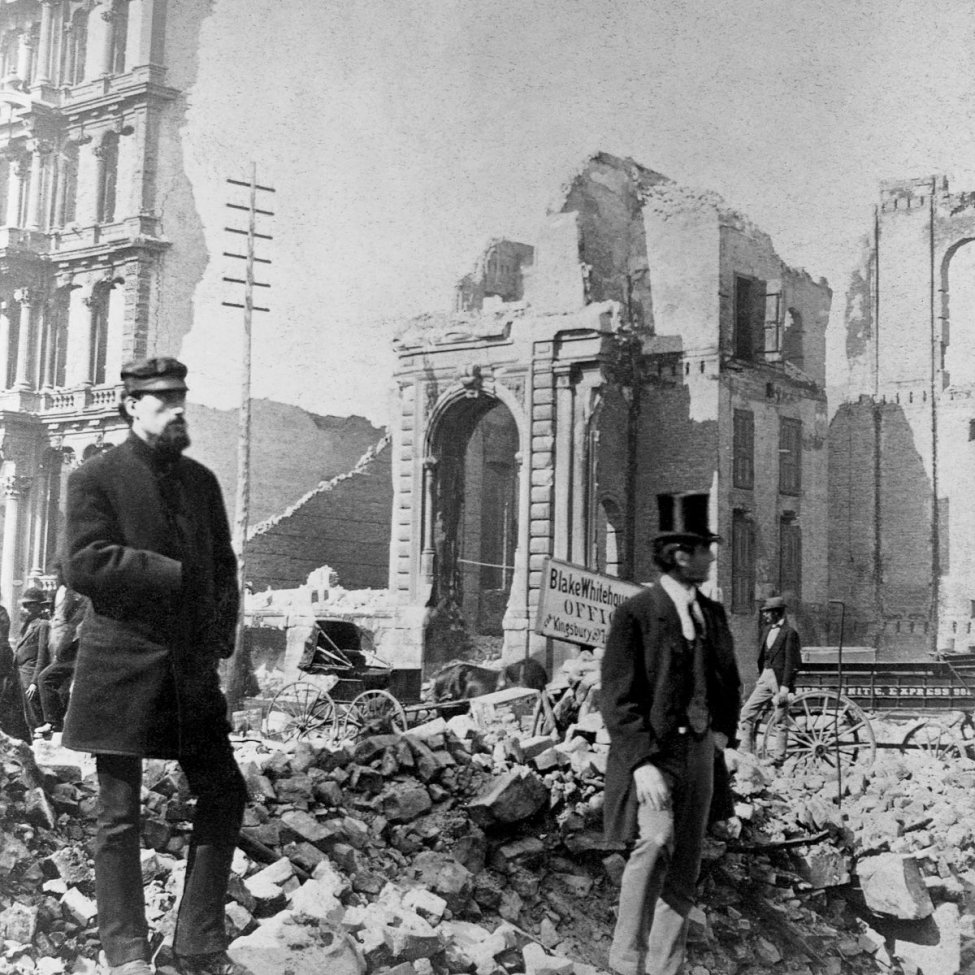
Below you can see photographs of the City of Chicago before it was destroyed by the Great Fire of 1871. Please keep in mind:
  • this is the city as it was before 1870-71
  • the fire's spread was aided by the city's use of wood as the predominant building material in a style called balloon frame. More than two-thirds of the structures in Chicago at the time of the fire were made entirely of wood, with most of the houses and buildings being topped with highly flammable tar or shingle roofs. All of the city's sidewalks and many roads were also made of wood.
Pre-1871 Chicago
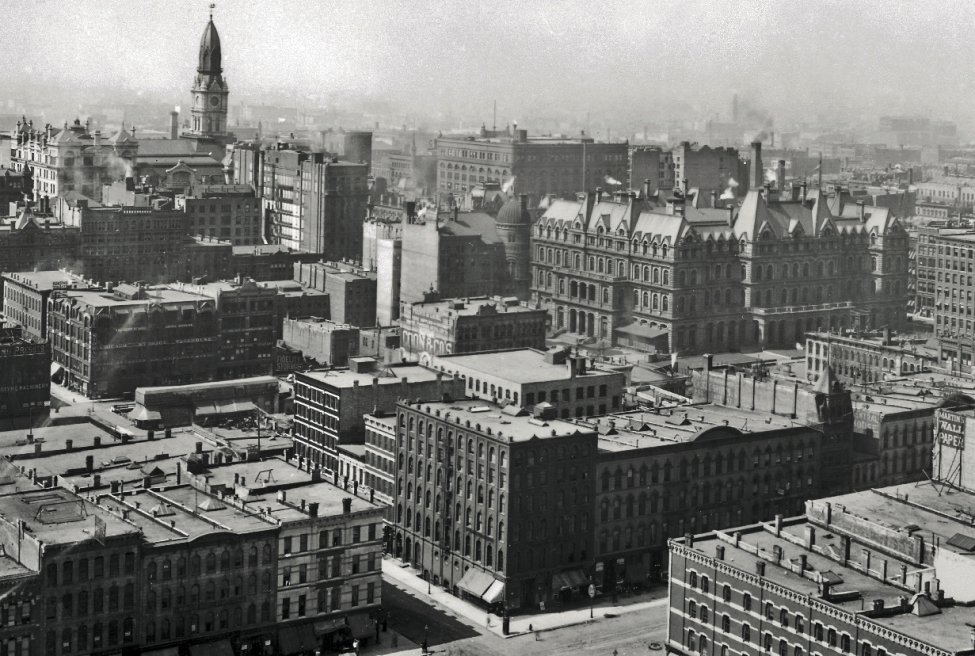
chicago1870.jpg
Chicago in 1870: From the top of the Court House
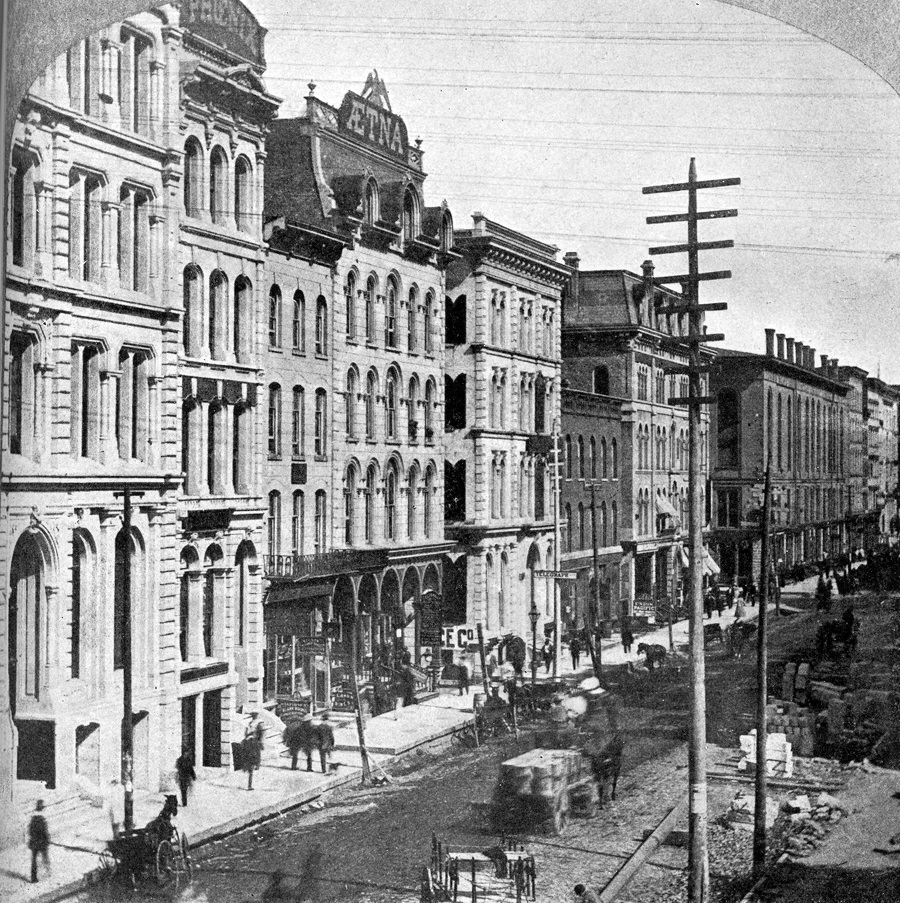
LaSalleWash.jpg
LaSalle and Washington Streets

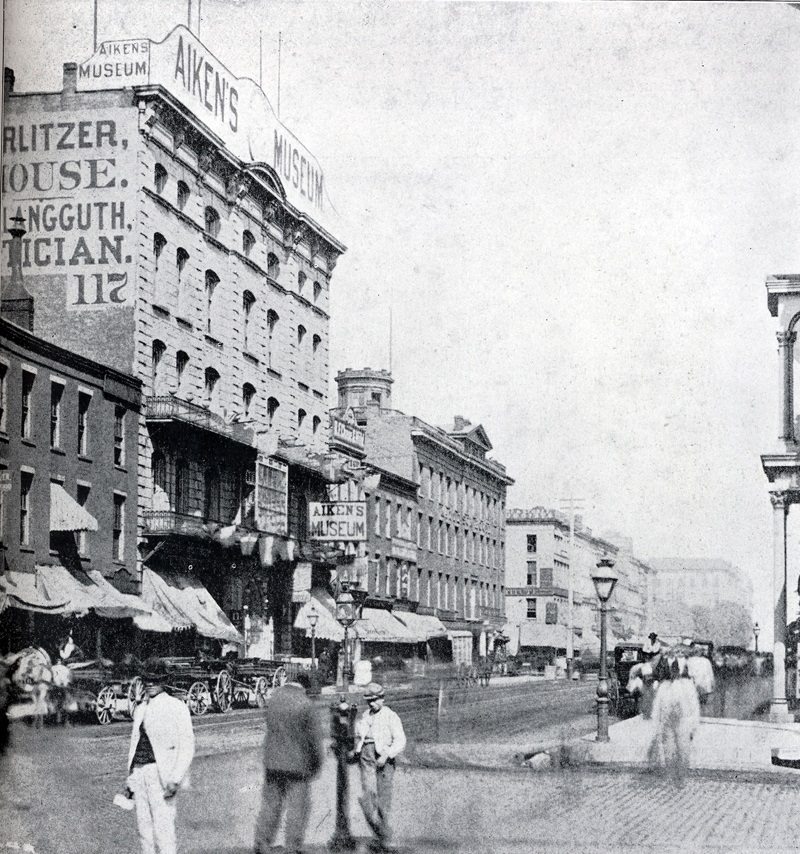
Aikensmuseum.jpg
Aiken’s Museum


Arcade.jpg
Arcade Building

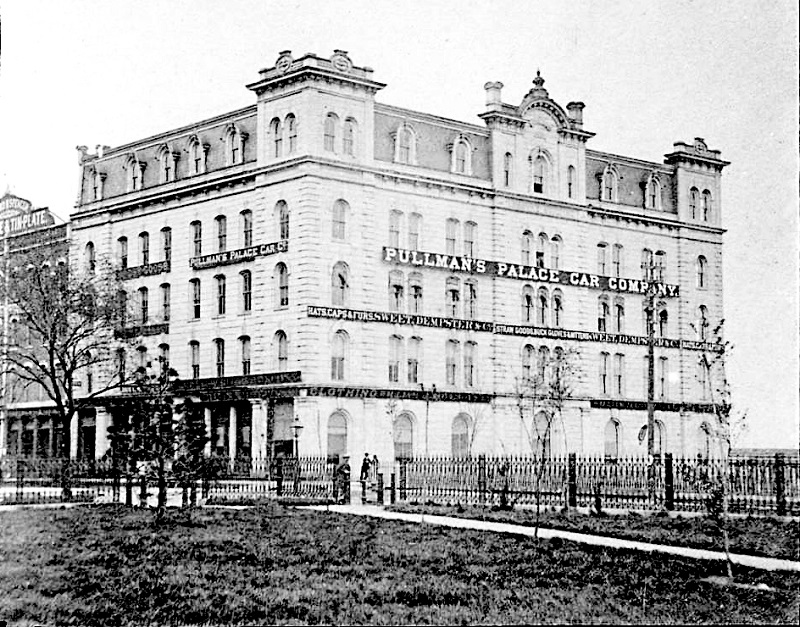
armourbuilding1871.jpg
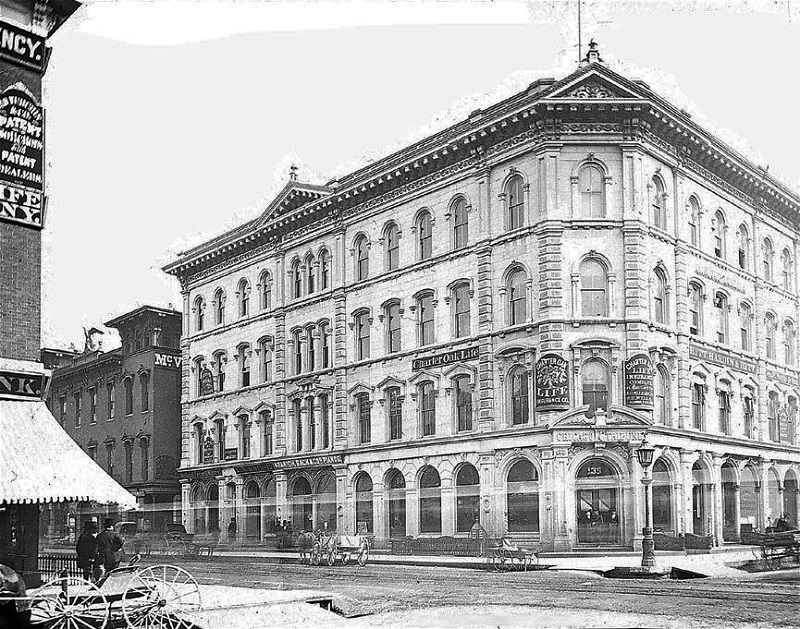
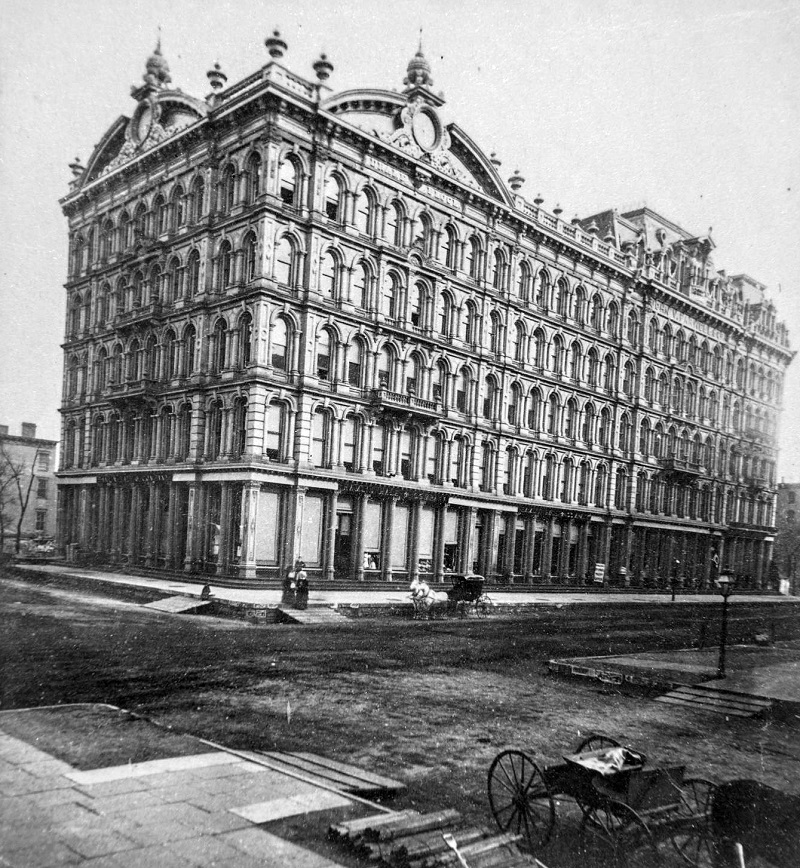
Armour Building (Pullman Car Company Building)
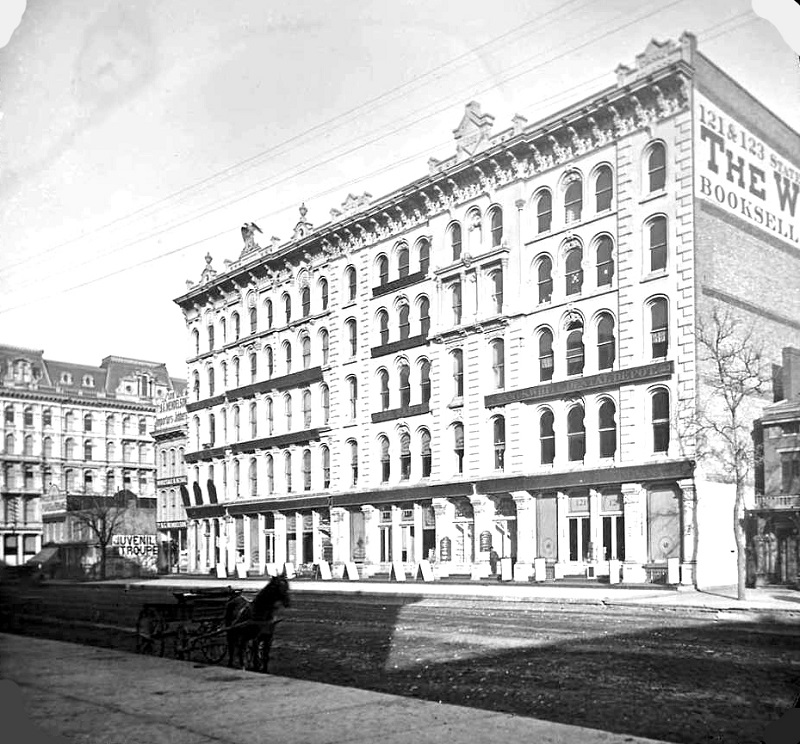
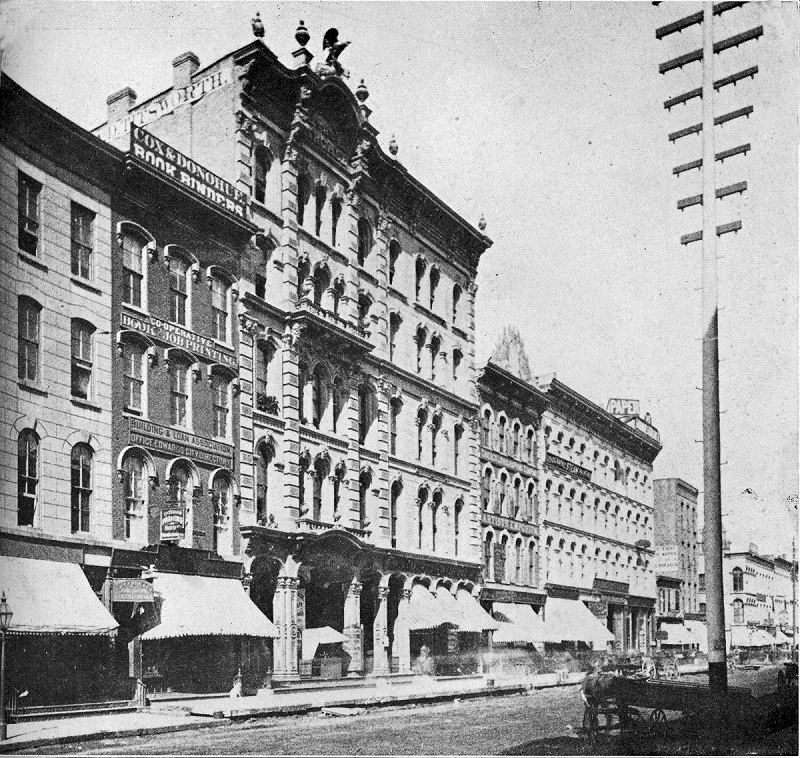
booksellersrow3.jpg
Bookseller’s Row

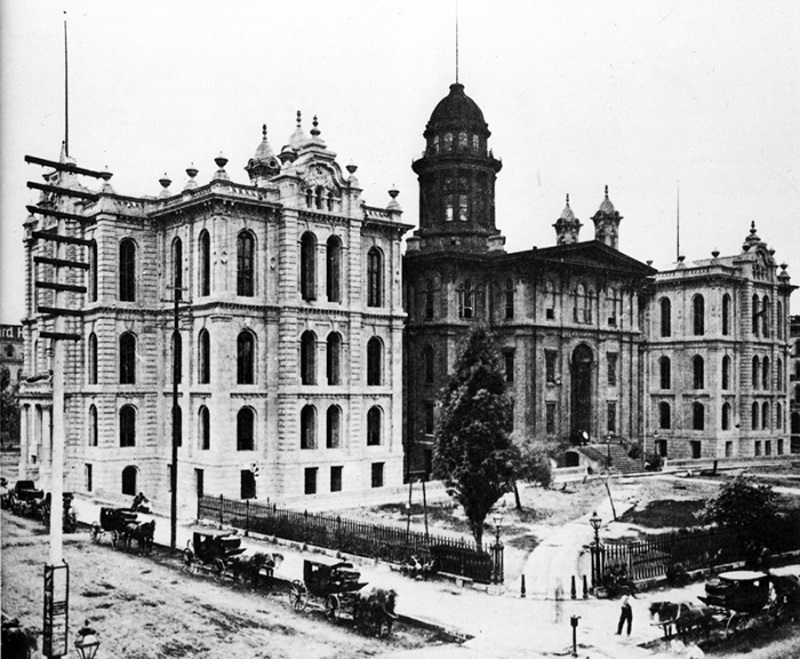
Courthouse7.jpg
Courthouse with the county wings just added in 1870
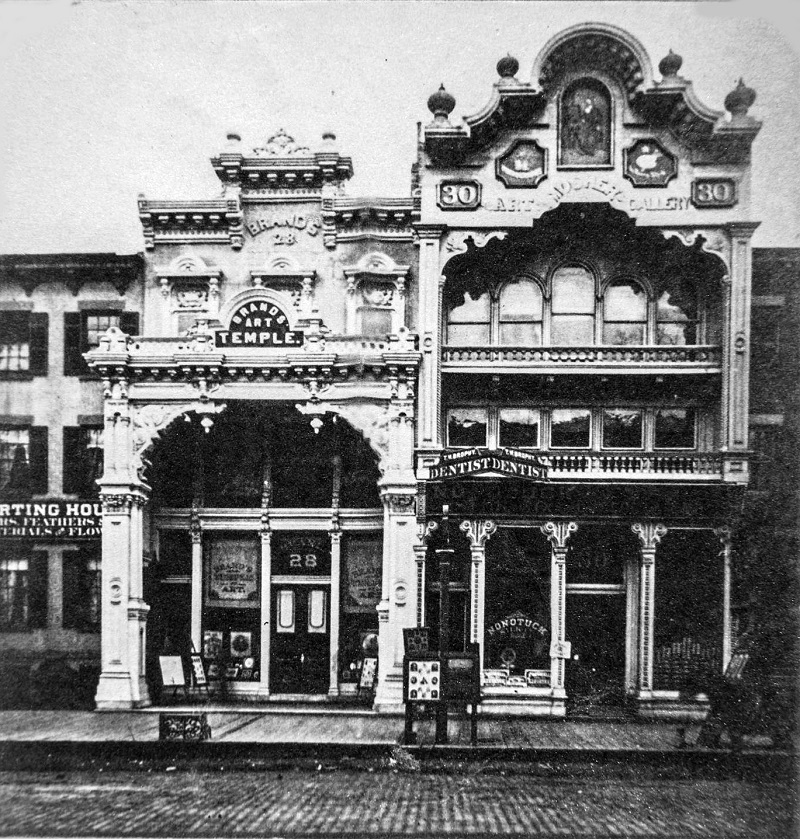
moshergallerywashington.jpg
Mr. Edwin Brand’s New Gallery of Art

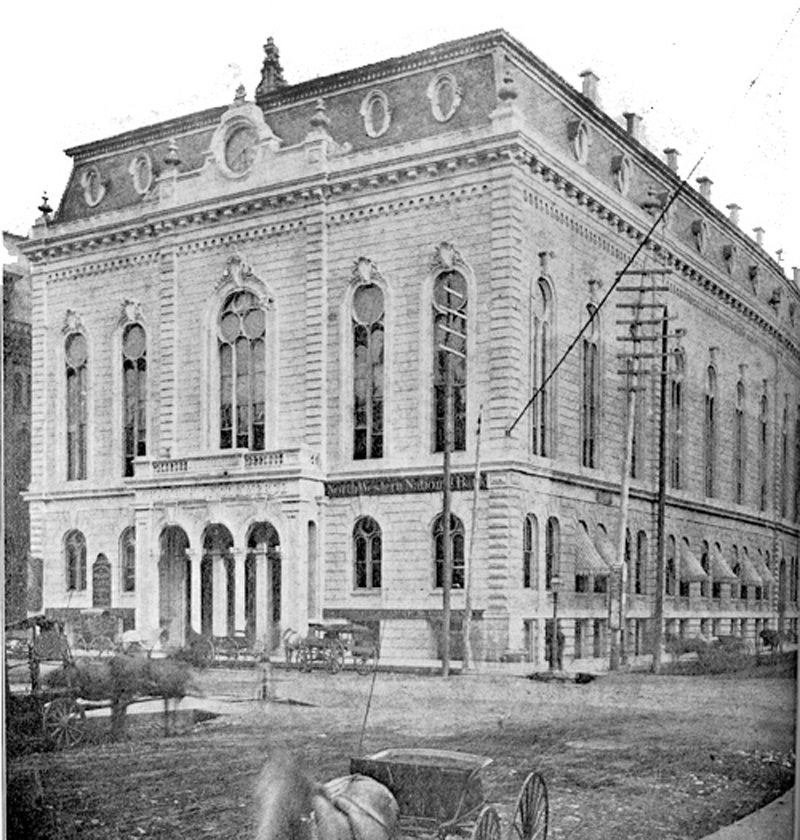
ChamberCommerce.jpg
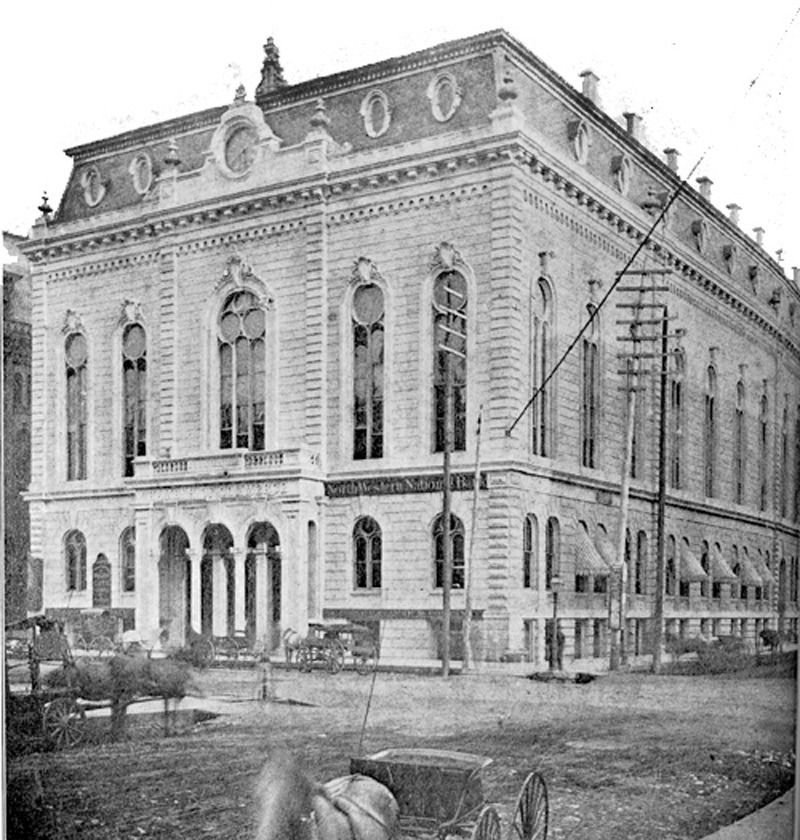
Chamber of Commerce


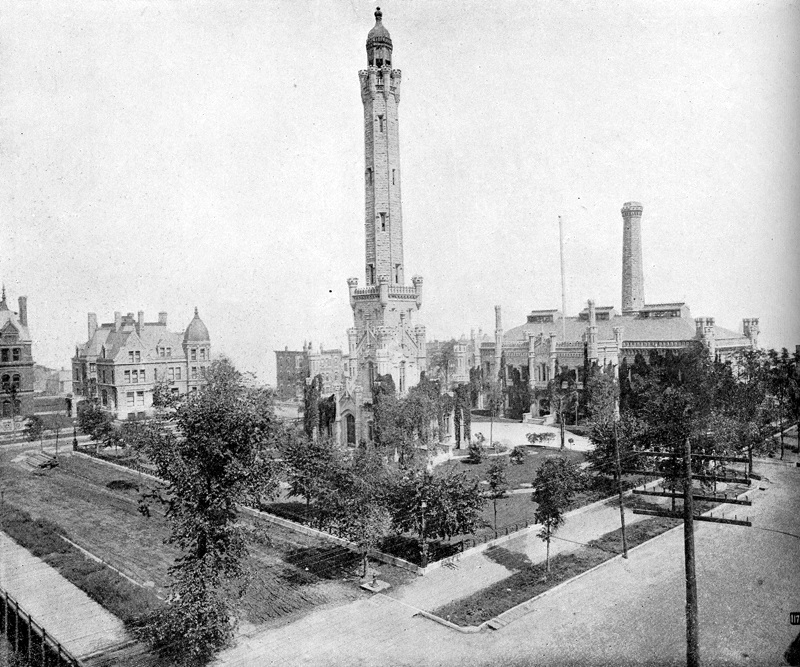
carbutt97.jpg
Water Works Tower

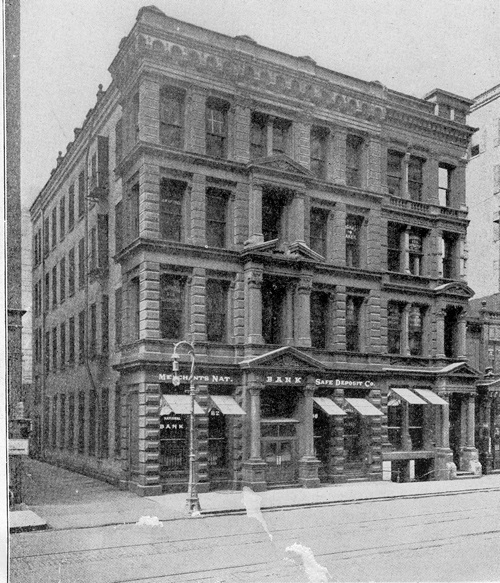
merchantsbank.jpg
Merchants’, Farmers and Mechanics’ Savings Bank
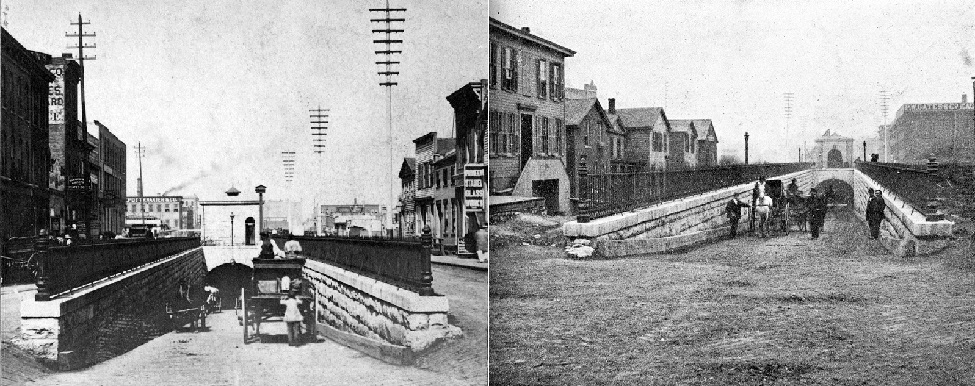
washtunnel-1.jpg
Tunnel under the Chicago River

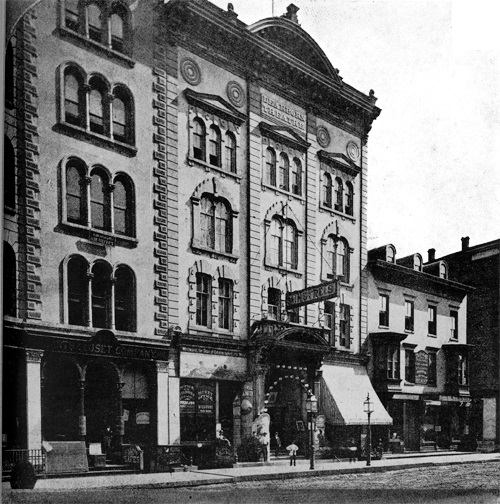
DearbornTheatre.jpg
Dearborn Street Theatre

Tribune2.jpg
The New Chicago Tribune Building


DrakeBlock3.jpg
The Drake and Farwell Block II
kd_separator.jpg
Source:
REMEMBER
...destroyed by fire...

1871RepublicLifeInsurancebernard.jpg
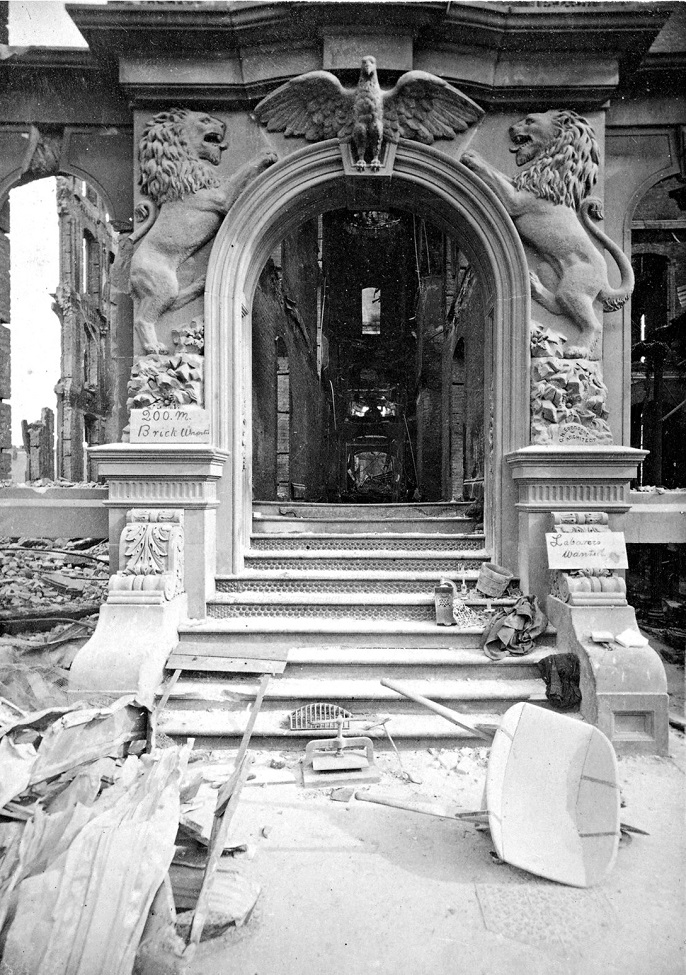
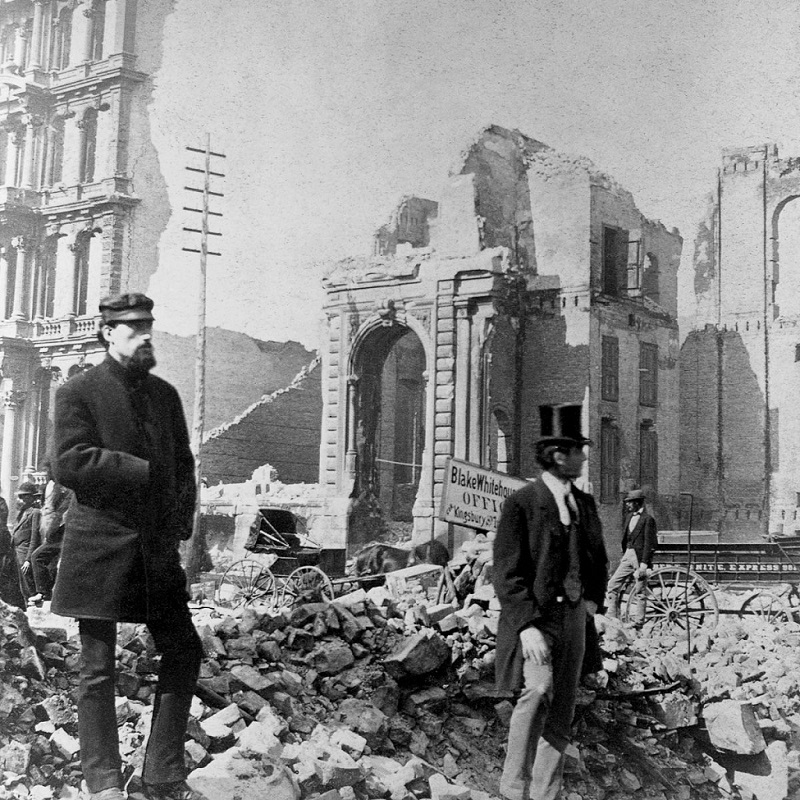
Ruins of the Republic Life Building’s Entrance

Chicago Fire.jpg
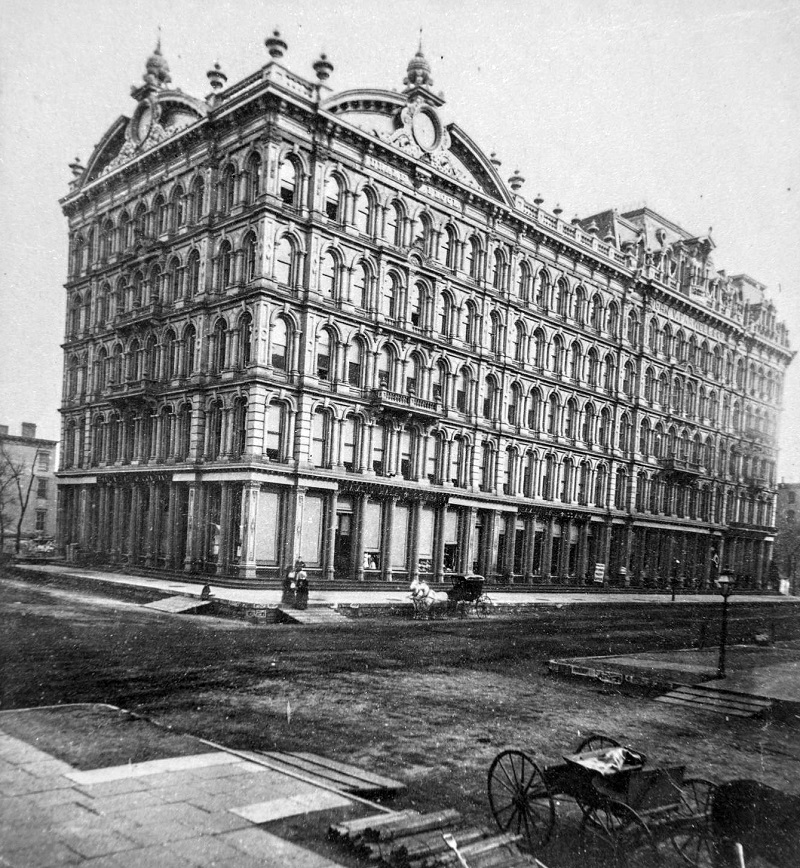
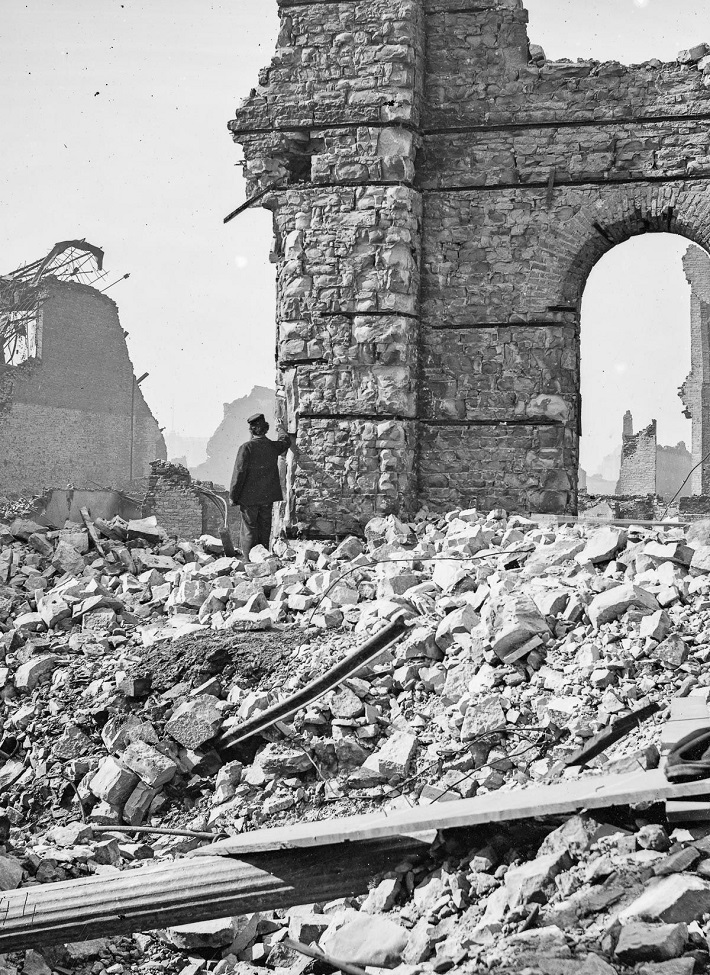
The ruins of the Grand Pacific Hotel and the Honore block
Note: This OP was recovered from the Sh.org archive.
Note: Archived Sh.org replies to this OP are included in this thread.
 
Note: This post was recovered from the Sh.org archive.
Username: Kansas
Date: 2019-09-02 04:41:08
Reaction Score: 2
absolutely incredible! Such architecture surely seems out of place.... are there any records of the pictured buildings? construction dates? (maybe this is a big gaping hole in the historical record)
 
Note: This post was recovered from the Sh.org archive.
Username: WarningGuy
Date: 2019-09-02 06:12:53
Reaction Score: 6
Gee i wish that when i build houses and large 10 story buildings out of wood/timber i could get them to look and act like solid brick and stone. Its probably like NASA tell us how they lost the technology to go back to the moon. That must reason we can not do it today. It's a funny thing how we loose technology so easy, you would think they would write it down for the next person.
 
Note: This post was recovered from the Sh.org archive.
Username: KorbenDallas
Date: 2019-09-02 06:22:40
Reaction Score: 6
Chicago Fire of 1871: Interior of Post Office
post_office_interior_chicago_1871.jpg
Source

Ruins of the Union Depot
post_fire_unknown_chicago_1871.jpg

Source

The rubble at LaSalle Street and Washington Street
post_fire_unknown_chicago_1871_2.jpg
Source
 
Note: This post was recovered from the Sh.org archive.
Username: WarningGuy
Date: 2019-09-02 08:58:53
Reaction Score: 6
I looked at the link to these photos and one thing stood out like dogs balls. Check out the 3 years a lot of these building were built. 1869,1870 and 1871 right before the fire. Also if the population was only 100,000 in 1870 then who or what the built all these grand building build of brick and stone in that time ?
 
Note: This post was recovered from the Sh.org archive.
Username: Recognition
Date: 2019-09-07 11:23:45
Reaction Score: 2
Thesetwo buildings are like jewels. Can you imagine a whole city with buildings like these? ?

IMG_6678.JPG
IMG_6680.JPG
?

Top one no wonder they needed a 'fire' that one clearly looks like a sinking shipin the mud, with that angle. Too many questions would come up.
 
Note: This post was recovered from the Sh.org archive.
Username: jd755
Date: 2019-09-07 14:59:57
Reaction Score: 1
The Chamber of Commerce building cannot have been too badly damaged as they had it repaired and open again a year later. There must be more photo's of the fires aftermath but obviously not digitised.

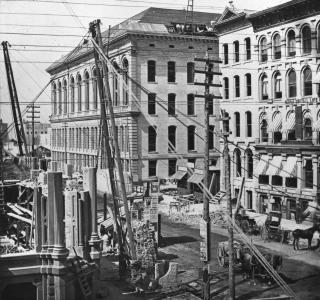
With workers employing derricks and other innovative techniques aimed at speeding up the pace of construction, the Chamber of Commerce rebuilt in time for its chief tenant, the Board of Trade, to move back in on the first anniversary of the fire—October 9, 1872. In 1885 Board would move into its own building at Jackson and LaSalle. The structure pictured here was much renovated, but it was replaced in 1890 with a third Chamber of Commerce building, thirteen stories and two hundred feet high, which occupied the site until 1928.

Chamber of Commerce


i02860a_poster.jpg
 
Note: This post was recovered from the Sh.org archive.
Username: KorbenDallas
Date: 2019-09-07 17:58:05
Reaction Score: 1
Is there any official version of when i-beams started to get used in building construction?
 
Note: This post was recovered from the Sh.org archive.
Username: jd755
Date: 2019-09-07 18:42:12
Reaction Score: 1
duckduckgo search string first use of wrought iron girders chicago
bolding is duckduckgo's

The floor beams were the first lot of wrought-iron beams rolled in the United States, by the Trenton Iron Works. One cast- iron facade, brick side walls and rear. 1860 United States Warehousing Company grain elevator, Brooklyn, George Johnson engineer, Architectural Iron Works builders, demolished.

http://faculty.arch.tamu.edu/media/cms_page_media/4348/NS28-2history_1.pdf

Also from a United Kingdom perspective
The main periods of structural use of cast and wrought iron in buildings can be summarised as follows:


Cast iron
  • Beams and inclined roof rafters, etc – from the 1790s until c1870
  • Columns – from the 1790s until c1910

Wrought iron
  • I-section beams (small) and fabricated riveted plate girders and trusses – from c1850 until the 1890s
  • Wrought iron columns – rare (cast iron columns were stronger and cheaper)
  • Tie-rods and strapping to timber roof trusses – from late Medieval times until the 1890s

Steel
  • Introduced c1885, dominant by c1900; had displaced both cast and wrought iron by 1914
19th-century Structural Ironwork in Buildings: Understanding, Care and Re-use
 
Note: This post was recovered from the Sh.org archive.
Username: SonofaBush
Date: 2019-09-07 19:53:33
Reaction Score: 1
It looks to me like they clearly used large masonry blocks for the most part, looks something like say 16" by 24", be it out of concrete, brick, or quarried stone. Joseph Aspdin of Leeds, England first made portland cement early in the 19th century by burning powdered limestone and clay in his kitchen stove. The "Romans" used gypsum, quicklime and pozzolana (volcanic dusts) as binders. It looks like something is between those blocks, be it mortar or something else. So it looks like the exterior walls at least are masonry. As for the interior, they may have used primarily wood and plaster or something with iron for major supports (see jd755's post above) I suppose.

Would this not be consistent with pretty much only part of part of the exterior walls remaining and little or nothing else after fires? As for earthquakes, I would think magnitude 5.5s would completely demolish such a structure.
 
Note: This post was recovered from the Sh.org archive.
Username: Banta
Date: 2019-09-08 04:54:34
Reaction Score: 5
wp-content%2Fuploads%2F2015%2F12%2Fchicagofire2-5.jpg%2Foriginal.jpg

Keep those hands hidden, boys. You're doing a great job.
I'm not sure this was entirely about questions, unless it was anticipated something like the internet would eventually happen... Though I guess it could be argued that's the natural consequence of the path civilization was led in during the 19th century, some sort of "global" system of connection/control.

This is very complicated... But consider, if we're accepting the possibility that some of the larger buildings predate the official founding narrative, what percentage of the population is going to be aware of that? If you're digging out/restoring old buildings and want to take credit for it, then you're probably talking about a handful of people circa 1800.. by the time people arrive, who is going to disagree when the "found"ers say "yeah man, I totally built this"? Probably some people, but you have a few generations between all of that and the fire. Add in the seeming influx of orphans and I don't know who is going to question the narrative at the point that it would actually matter. We can only make some general conclusions based on the totality of evidence now with a lot more information than was (probably) around in the 19th century to the average person. So without people essentially being witnesses to buildings pre-existing... Well, you know what Hitler said about BIG lies. People eat 'em up like Big Macs.

On the other hand, it's entirely reasonable to think that people were sharper back then when they weren't filled with metals and toxins (again, probably), so maybe the fire wasn't to silence the questions by destroying the buildings, but to destroy the questioners.

Basically, I don't think that the buildings would have to be destroyed just because they look mudflooded or were an anomoly for the era... unless the buildings were a technology themselves.

And none of that even considers that maybe the buildings WERE constructed when alleged, but using hidden technology. Or even ancient technology. And we don't "make 'em like the used to" because when you make them that way, you can't put a meter on it.

Complicated! Which experience tells me that the answer is probably some combination of all of the above...

Maybe the scariest question is who would have the power to burn Chicago (and countless other cities) and completely obscure the cause and motive.
 
Note: This post was recovered from the Sh.org archive.
Username: jd755
Date: 2019-09-08 06:54:26
Reaction Score: 3
Went looking for the working day or working week length on startpage as it seems to me I had no idea how long employees were working in the 1800's espcially those in construction. All I know was when I started my shipyard apprenticeship I was employed for a 40 hour week and by the time I left the shipyard, 18 years later, I was employed for a 35 hour week. So over my time there the amount of employed hours reduced.
I found this Hours of Work in U.S. History

Not strictly construction related, true but it appears that many what we would call tradesmen were self employed during the time of Chicagos building and rebuilding and probably like today self employed people tend to put in more hours than employed people. Not because they are better than employees but its just the way things go.

Perhaps the tradesmen employed labourer's to work for them so although the labourer's were employees they were not part of big companies. I cannot decide from the information on that page if contracting as we know it today was a thing, seems likely to me, but only likely.
Also we think the bonus system or 'job and knock' are modern creations well what if these financial incentives were in use back then. What impact would this have on where tradesmen congregated?

The working week was six days long and the working day for all was far longer than the working day today. Finding the probable numbers of tradesmen and labourers at work during the period is beyond me at the moment. Perhaps someone else could have a look at the US Census or old newspapers and shine some light.

This bit does throw some light on the decade prior to the fire and may, only may, point to a reason why the fire was set. Bolding in the body is mine.
NOTE well the reason why you 'have to have an income' as this article reveals. I'd turn it a different colour but this editor is still buggy and it colours everything so here it is. Bolding again mine.
All that's been removed are the visible chains!

that long hours, like slavery, stunted aggregate demand in the economy. The leading proponent of this idea, Ira Steward, argued that decreasing the length of the workweek would raise the standard of living of workers by raising their desired consumption levels as their leisure expanded, and by ending unemployment.


1860s: Grand Eight Hours Leagues

As the length of the workweek gradually declined, political agitation for shorter hours seems to have waned for the next two decades. However, immediately after the Civil War reductions in the length of the workweek reemerged as an important issue for organized labor. The new goal was an eight-hour day. Roediger (1986) argues that many of the new ideas about shorter hours grew out of the abolitionists’ critique of slavery — that long hours, like slavery, stunted aggregate demand in the economy. The leading proponent of this idea, Ira Steward, argued that decreasing the length of the workweek would raise the standard of living of workers by raising their desired consumption levels as their leisure expanded, and by ending unemployment. The hub of the newly launched movement was Boston and Grand Eight Hours Leagues sprang up around the country in 1865 and 1866. The leaders of the movement called the meeting of the first national organization to unite workers of different trades, the National Labor Union, which met in Baltimore in 1867. In response to this movement, eight states adopted general eight-hour laws, but again the laws allowed employer and employee to mutually consent to workdays longer than the “legal day.” Many critics saw these laws and this agitation as a hoax, because few workers actually desired to work only eight hours per day at their original hourly pay rate. The passage of the state laws did foment action by workers — especially in Chicago where parades, a general strike, rioting and martial law ensued. In only a few places did work hours fall after the passage of these laws. Many become disillusioned with the idea of using the government to promote shorter hours and by the late 1860s, efforts to push for a universal eight-hour day had been put on the back burner.
 
Note: This post was recovered from the Sh.org archive.
Username: WarningGuy
Date: 2019-09-08 06:57:33
Reaction Score: 3
It bewilders me why has no historian has ever picked up on these events like we have here ? Its not hard to see that something is seriously wrong with what we are told and yet nothing is said. I find it outrages if all historians are in on the cover up. Surly there not are they ?
 
Note: This post was recovered from the Sh.org archive.
Username: jd755
Date: 2019-09-08 07:12:54
Reaction Score: 5
To 'get on' in academia you take the paymasters line. Prestige and income ergo paid for lifestyle are entirely in the gift of whoever funds the institution.
Anyone within it who finds things that conflict with the dogma of the funders and speaks gets, warned, jumped on or ignored or made a 'conspiracy' type of employee and ostracised and kicked out of the institution.
They never get to the stage of writing a paper on it.
Years ago I watched a Time Team episode where Professor Mick Aston was at odds with every other archeologist and behind the camera 'experts and crew' on the live dig. He was arguing that what they had found was more likely pre-Roman not Roman and what they had uncovered didn't swing it either way but the change in his demeanour as the progamme progressed showed he was 'spoken to' and the 'conclusion' was everything was indeed 'Roman'.
He left the production soon after.

Even in here Jim Duyer, if memory serves, fell foul of the same sort of 'control keeper' funders dogma and left the university he was employed by or was kicked out, sorry cannot remember. He may spot this and provide his take on it.
 
Note: This post was recovered from the Sh.org archive.
Username: WarningGuy
Date: 2019-09-08 07:18:56
Reaction Score: 1
We
When you say it like that then we really do live in a controlled environment.
 
Tips
Tips
Please respect our Posting Rules.
Back
Top