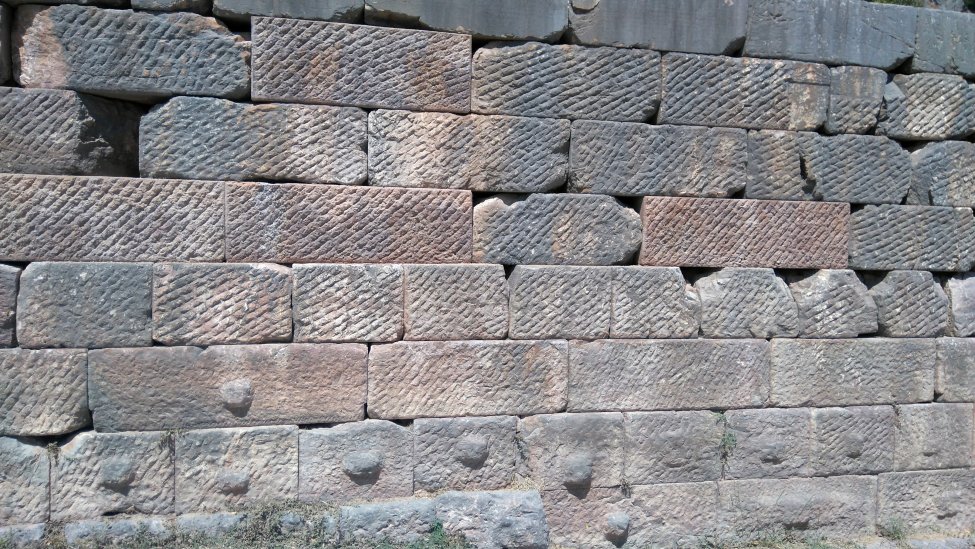
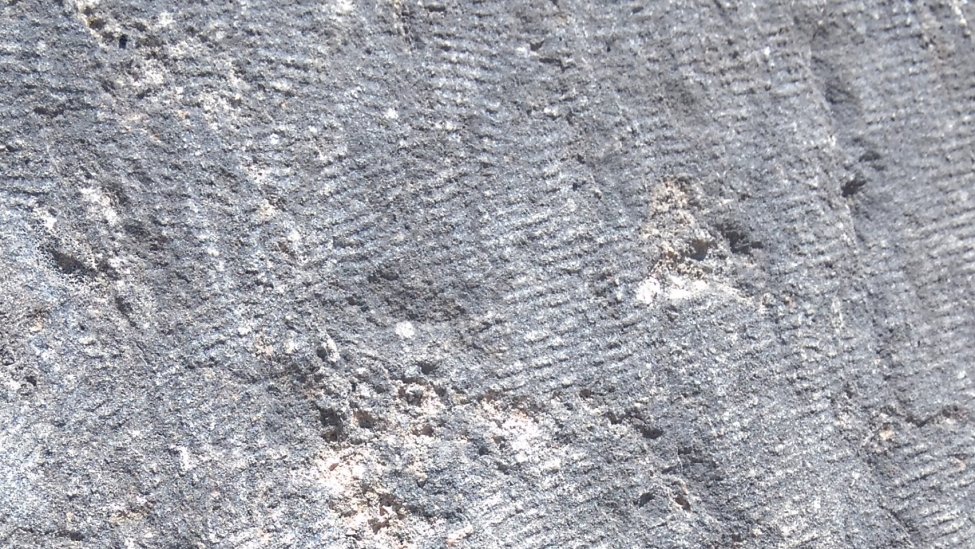
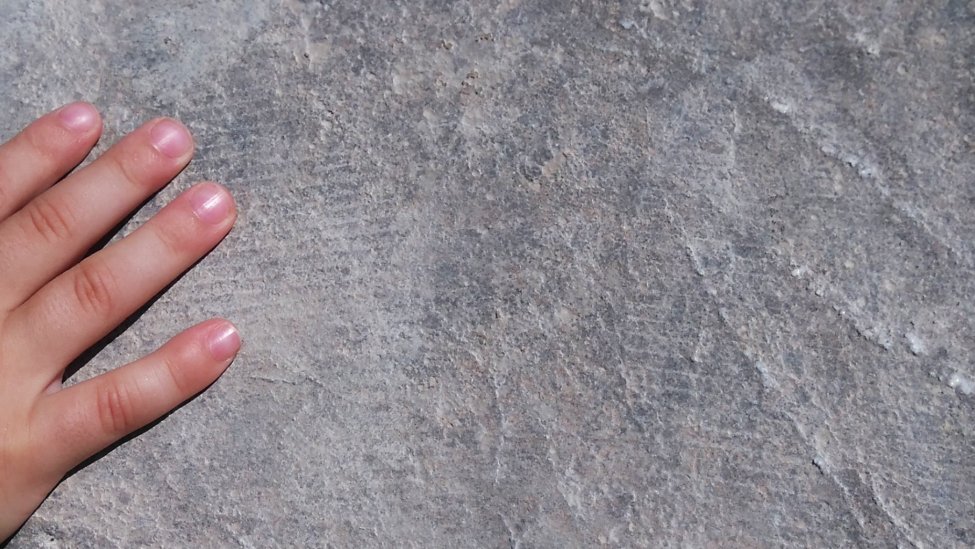
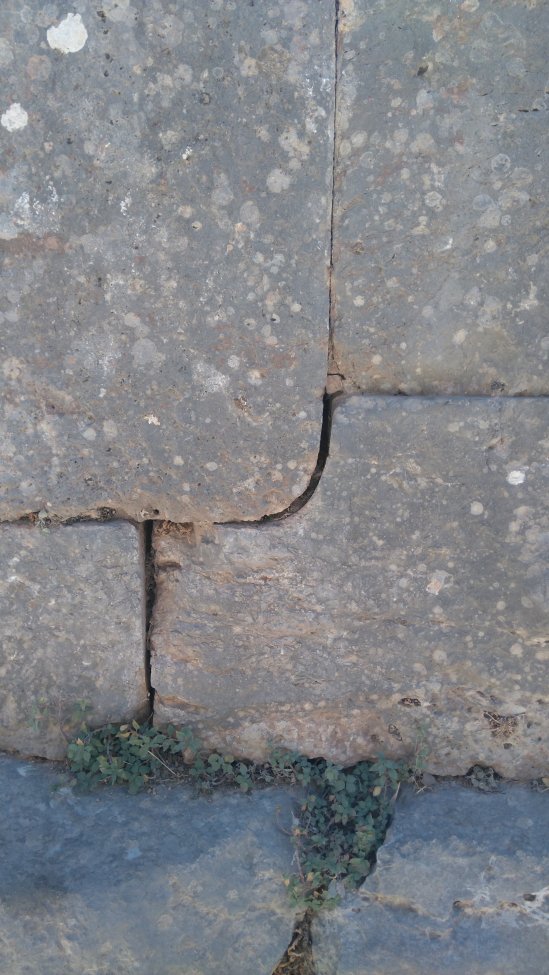
Delphi, Greece; a photo album of stone surfaces

SH.org OP Username
Huaqero
SH.org OP Date
2019-09-30 21:55:21
SH.org Reaction Score
3
SH.org Reply Count
7

Huaqero

Core Member
Active Member
Joined
Sep 27, 2020
Messages
224
Reaction score
358
Location
Thessaloniki, Greece
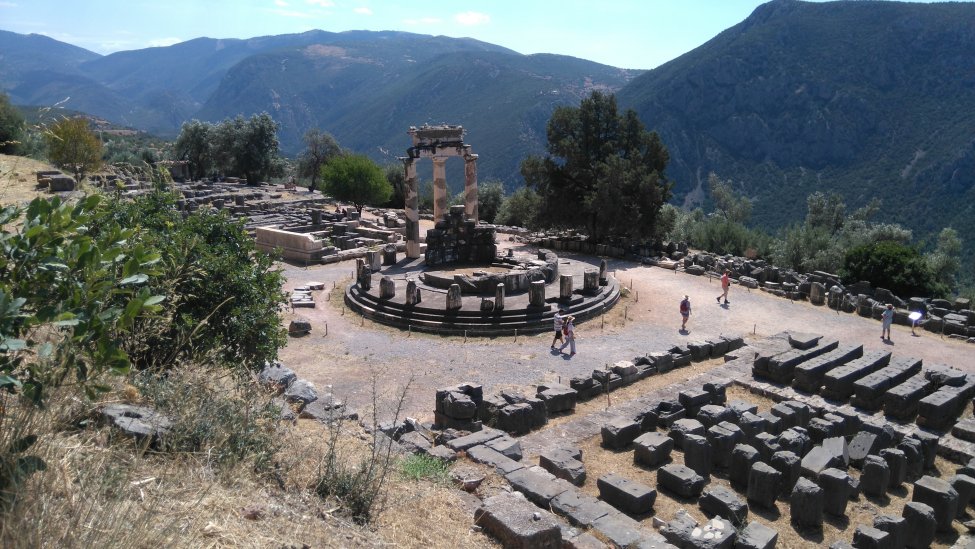
I recently visited Delphi, with an 'eye' for lost technology stone masonry.
Here is a little photo album, without many comments...
DSC_1675.JPG

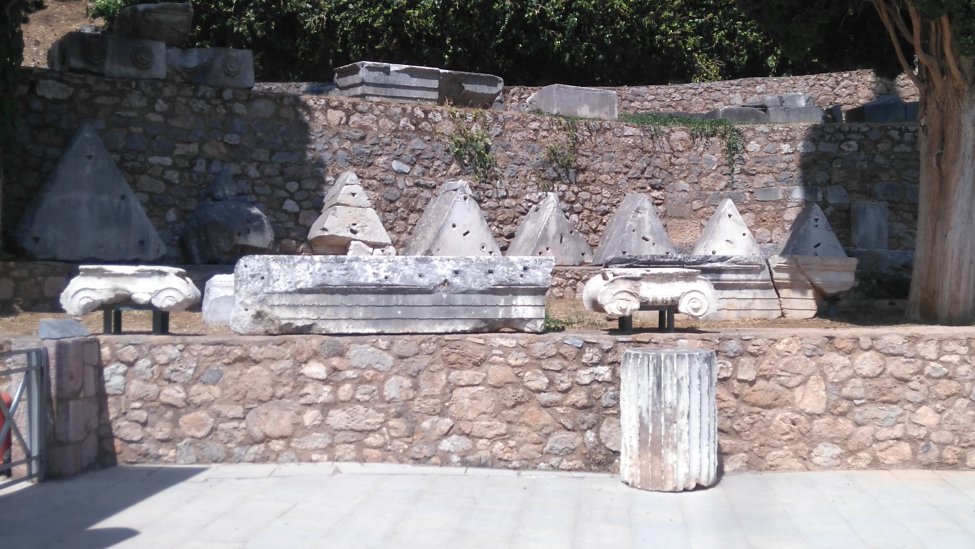
These stones near the entrance of the museum...
DSC_1501.JPG

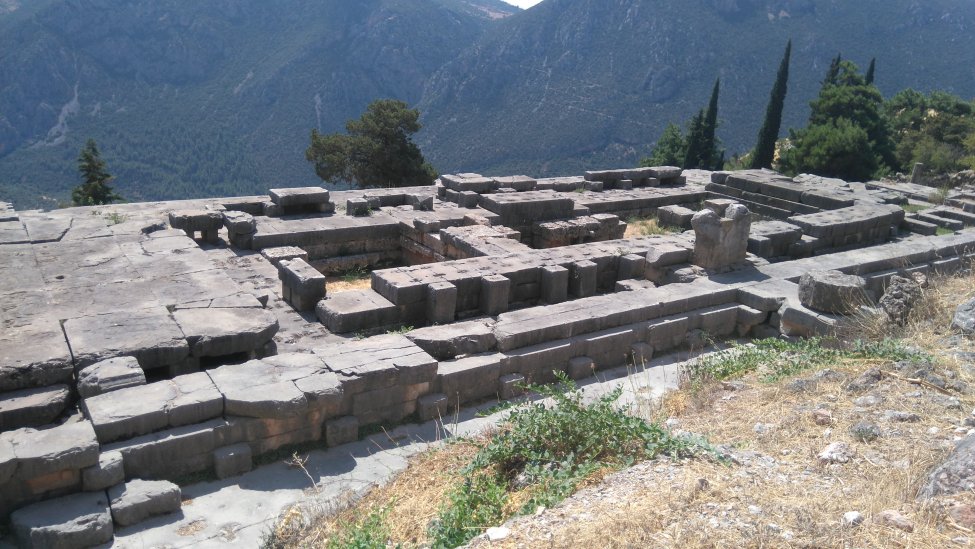
Looks like work on soft stone...
DSC_1363.JPG

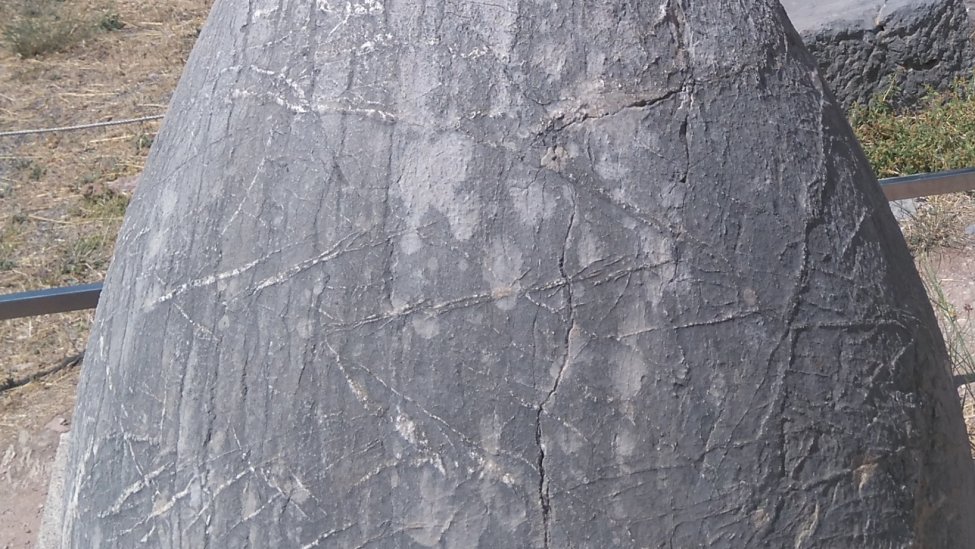
The surface of the Omphalos, looks cast...
DSC_1380.JPG

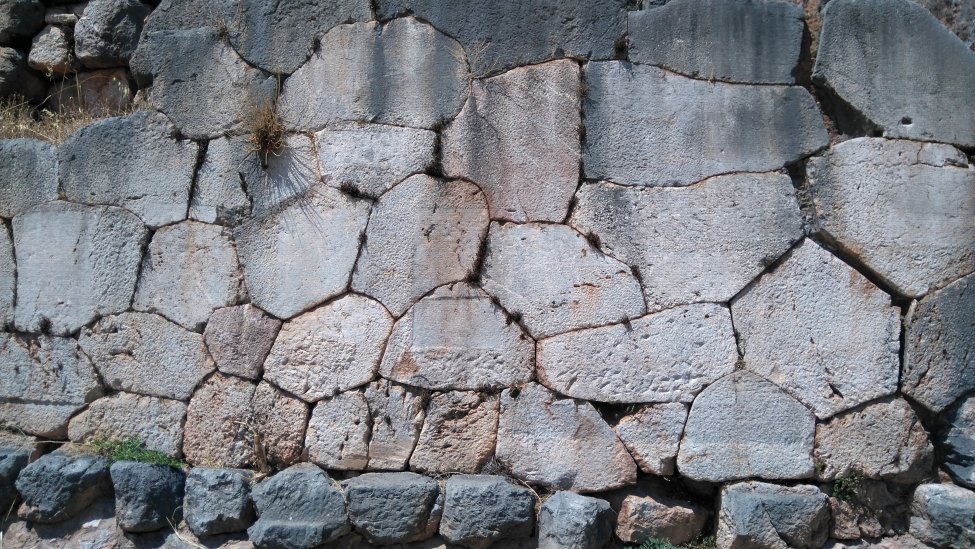
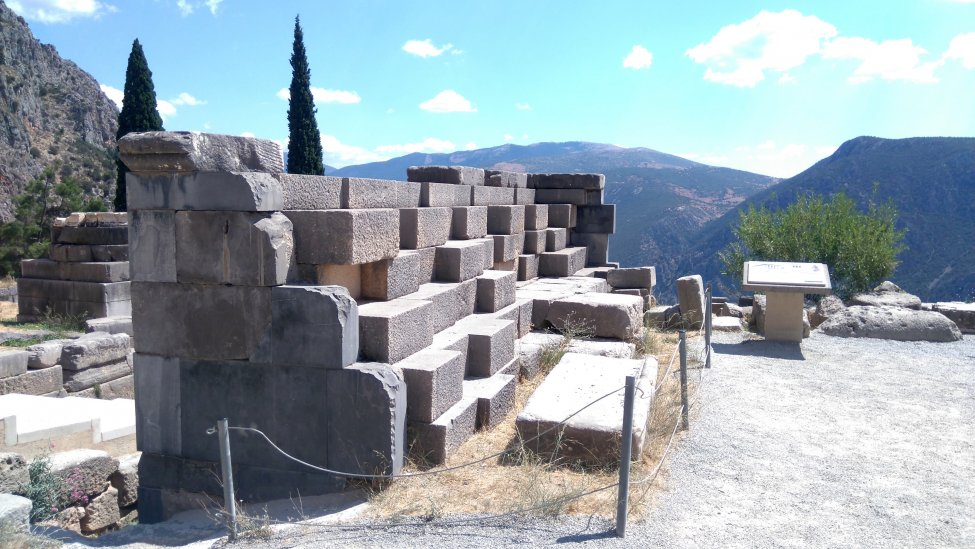
Polygonal masonry...
DSC_1494.JPG

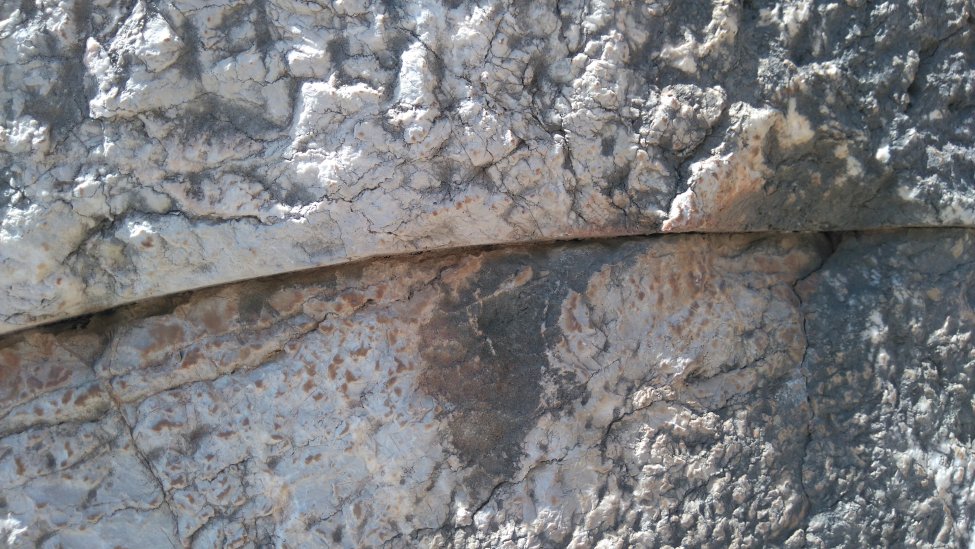
Close-up of a curved joint...DSC_1401.JPG

These...
DSC_1411.JPG

And these...
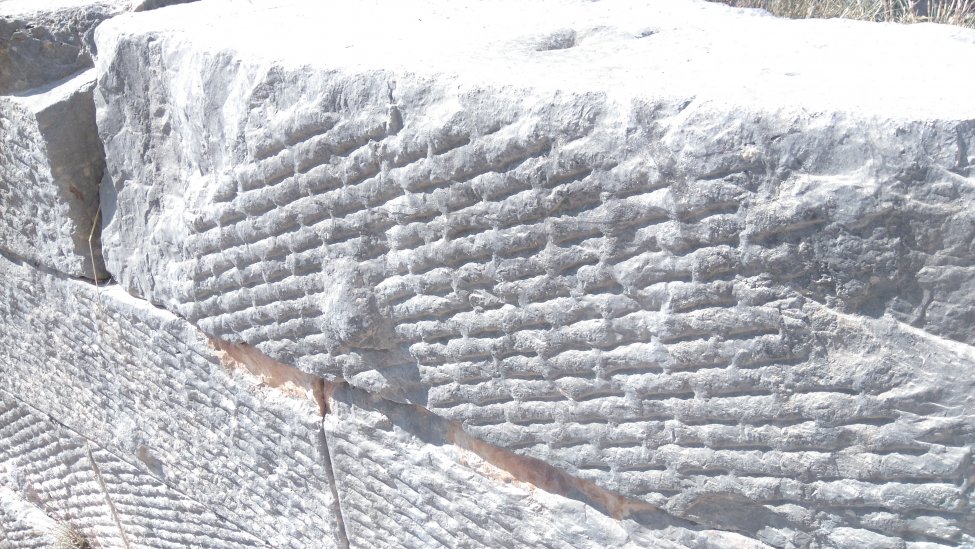
DSC_1497.JPG

Close-up of a (machined) surface...
DSC_1412b.JPG

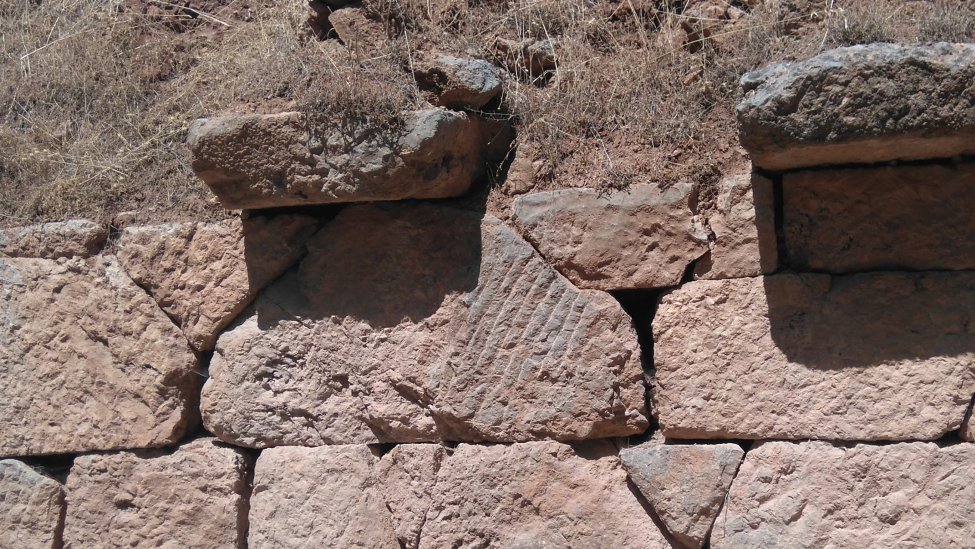
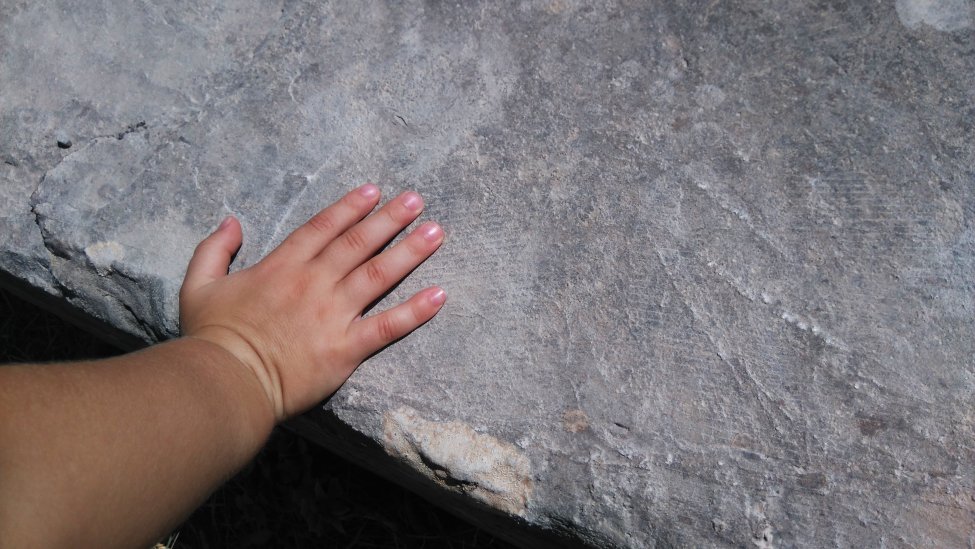
Look closely for the perfect pattern of parallel lines on this surface...
DSC_1489.JPG

And a close-up of it...
DSC_1489b.JPG

DSC_1496.JPG
DSC_1460.JPG

DSC_1750.JPG

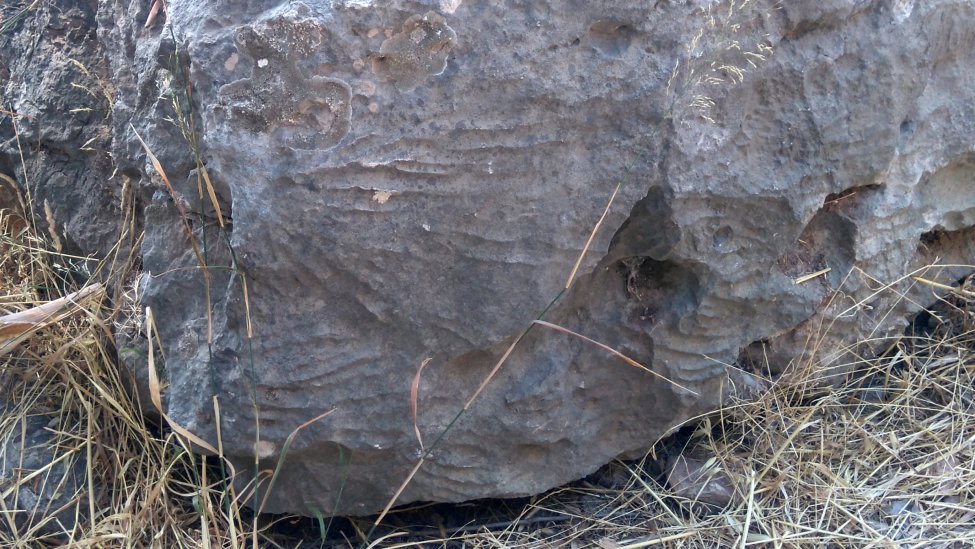
Looks like working on soft stone, again...
DSC_1751.JPG

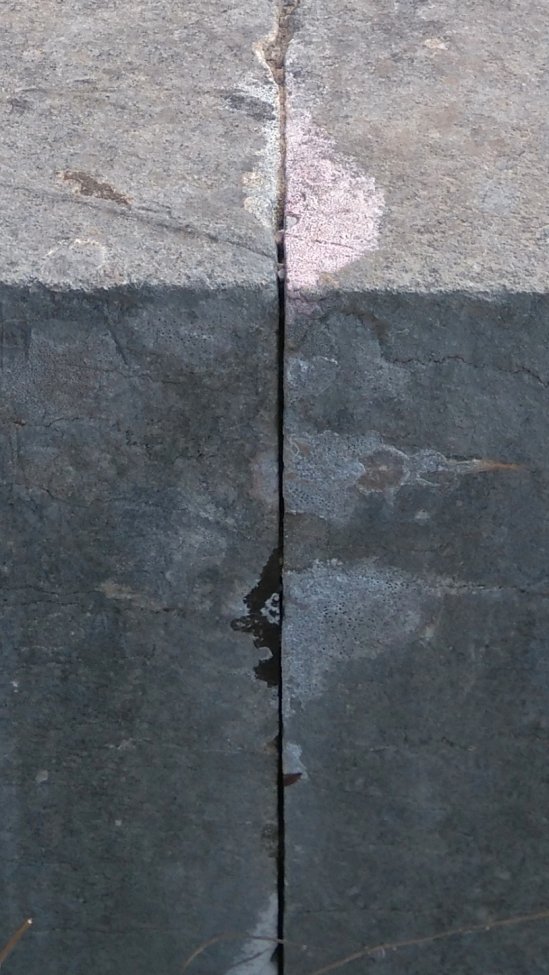
This cut...
DSC_1681.JPG

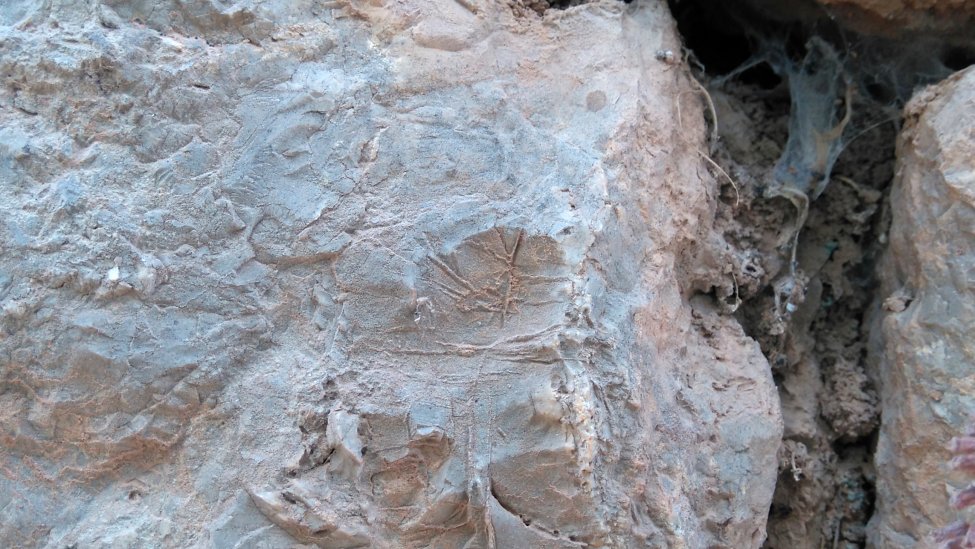
Was the 'nerve' in the centre (2-3cm) created during the coagulation?
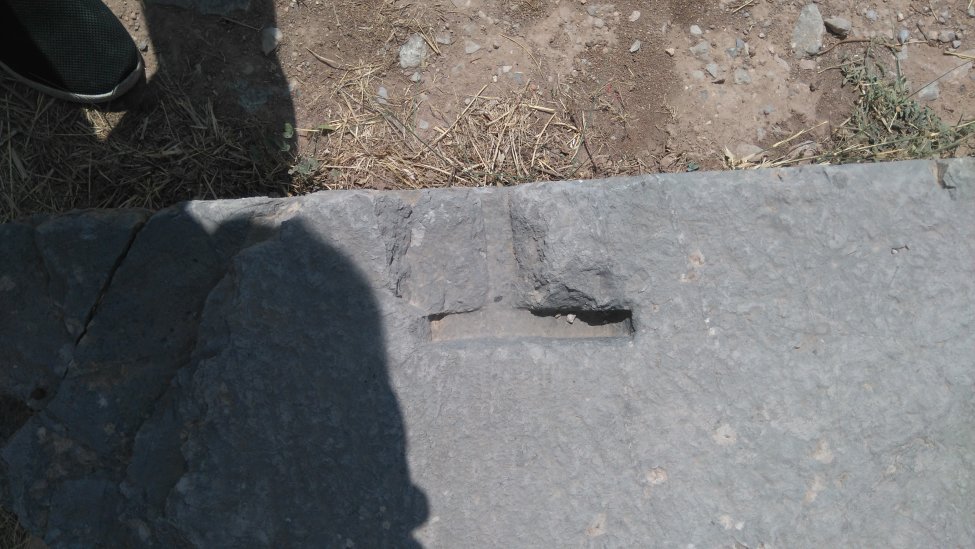
DSC_1475.JPG

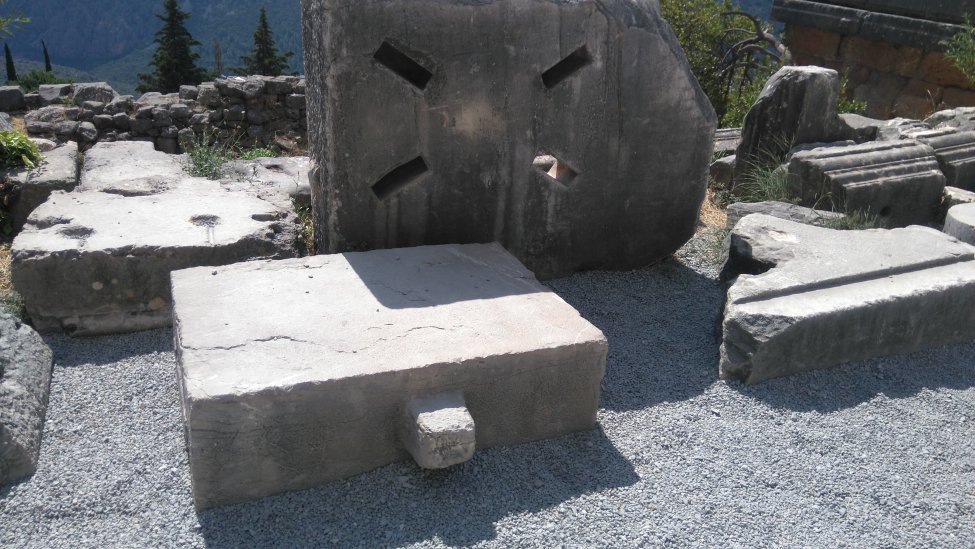
T-shapes, yeap, here, too...
DSC_1442.JPG

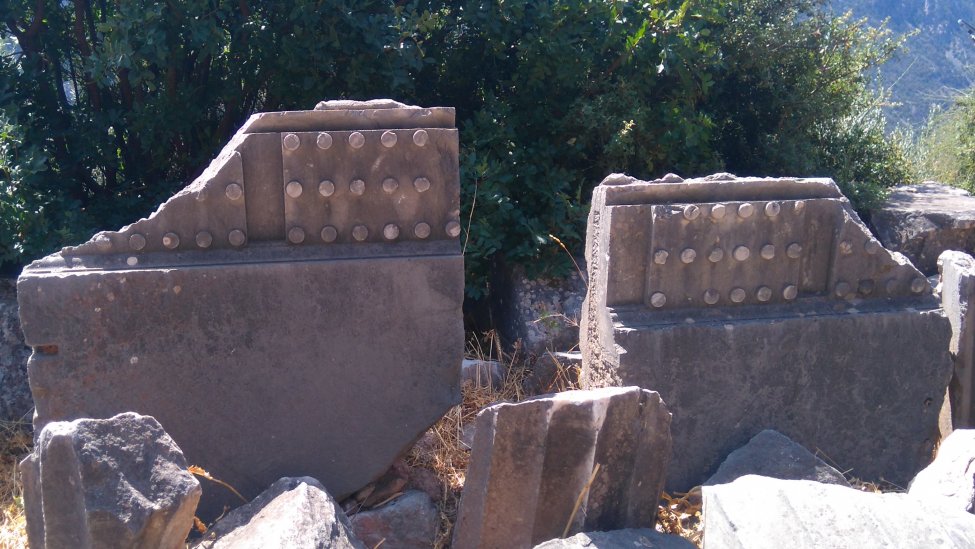
Lego...
DSC_1492.JPG

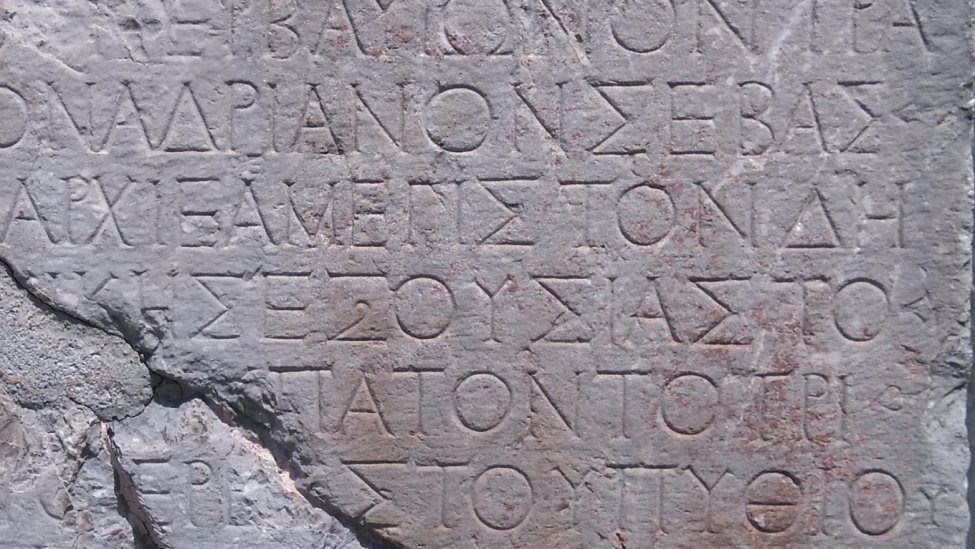
And, finally, a guess of mine...
IF the stones were soft while being created, then, maybe the letters in the ancient inscriptions were actually Cuneiforms
and the Serifs in the antiquity fonts were the preliminary prints to help level the letters before their lines where drawn-'printed'...

DSC_1699.JPG
Note: This OP was recovered from the Sh.org archive.
Note: Archived Sh.org replies to this OP are included in this thread.
 
Note: This post was recovered from the Sh.org archive.
Username: JWW427
Date: 2019-10-01 00:42:55
Reaction Score: 8
Shades of Peru and all her antiquity sites with polygonal masonry and blocks with knobs on them. T-shaped metal clamps. High speed saw marks. Earthquake proof constructions. Impossible accuracy. Just a coincidence? I think not.
This site probably predates the Greeks themselves. Like many cultures, they may have just wrote upon the stones that were later reconstructed.
I know a lot of folks here on SH believe history is younger than we're taught, but the opposite may be true as well.
I think parts of this site are Prediluvian. The lion's share of the really advanced stuff might be, and its worldwide.
JWW
 
Note: This post was recovered from the Sh.org archive.
Username: studytruth
Date: 2019-10-01 06:40:19
Reaction Score: 5
I 100% agree with you. I think there were time periods of brilliance. A "dome and cathedral" period not too long ago, a temple building period prior, and then a pyramid-megalith period before that. How long was between each of these eras is beyond my way of knowing. It might be a thousand years between, it might be tens of thousands of years between.
The photos of Delphi above show signs of coming perhaps from 2 or even all 3 of these periods. The old "inca style" masonry, a more temple like style with columns, and then even a more simple almost like a "do the best you can with it" style. Makes me want to head there and explore this site personally in far more detail. thanks for the share
 
Note: This post was recovered from the Sh.org archive.
Username: Huaqero
Date: 2019-10-01 07:07:28
Reaction Score: 3
Exactly!
In two cases I heard tourists around me discussing 'Peru' and 'Machu Picchu' but had no time for joining the discussion with them.
People start noticing the connections.

Before visiting Delphi I had only seen a video from the Mystery History channel which focused on the floor of the amphitheatre.
Well, it turned out that this was the least interesting item on the site.
I did not expect to find so many knobs, so many machined surfaces, so many cement-like stones, etc but it was all there!
"Como Cusco!"

The area around Delphi is minerally very interesting, there are bauxite mines and the soil is reddish.
My guess is that some of the Delphi mega-stones were blocks from ancient mining-related facilities.

DSC_1435.JPG

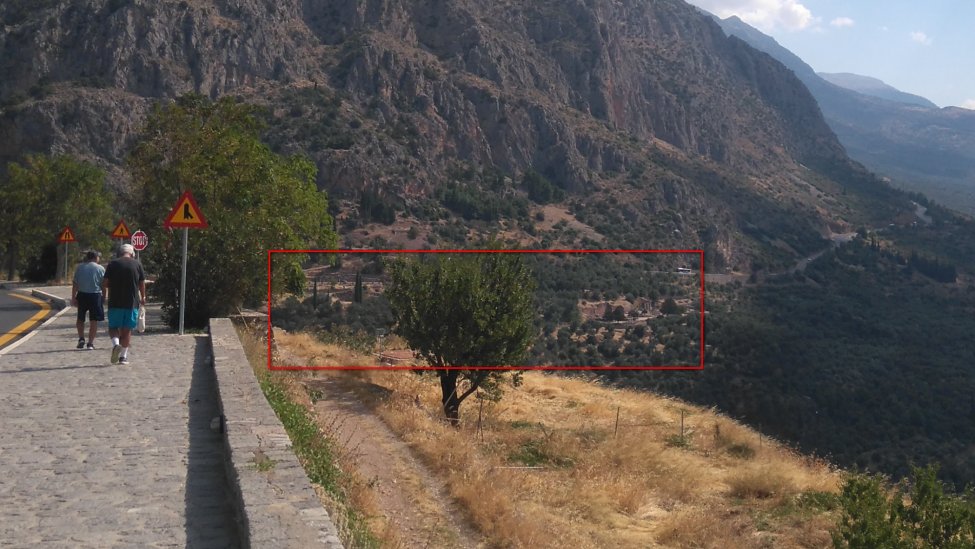
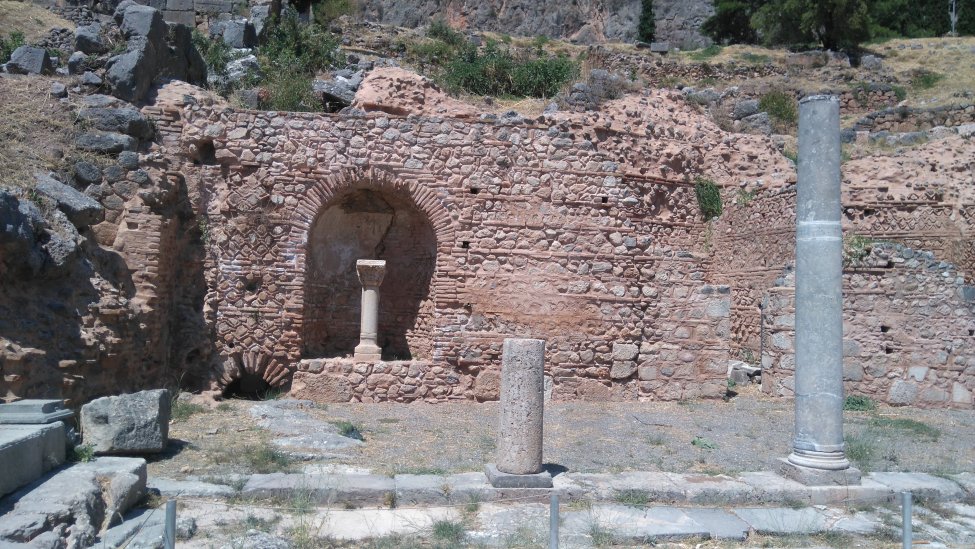
There is also an area with cyclopean walls which is not open to the visitors even though it is just next to the street but I guess that in my second visit there I will sneak into it, it is not difficult at all.
DSC_1344b.JPG
Post automatically merged:

Oh, yes, that too!
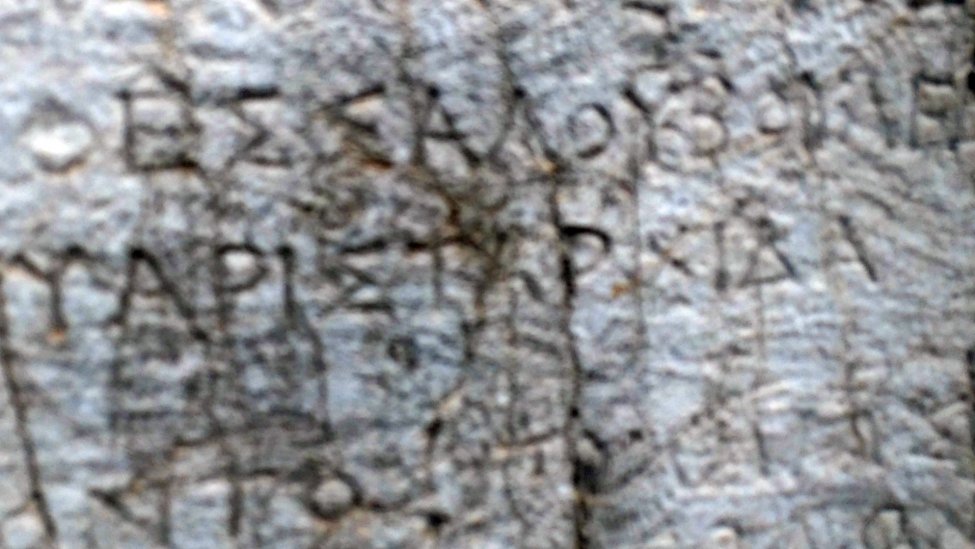
Most of the stones have shallow writings on them, they are everywhere.
Unlike the inscriptions with the deep letters which I call 'cuneiform-like', they look like scratches on the surfaces and from a quick view there are many names on them.
Like mentioning their names on the 'sacred stones' for good luck.
Here is a silly-sounding (in modern Greek) name I noticed, 'Aristarhides'...
DSC_1400.JPG

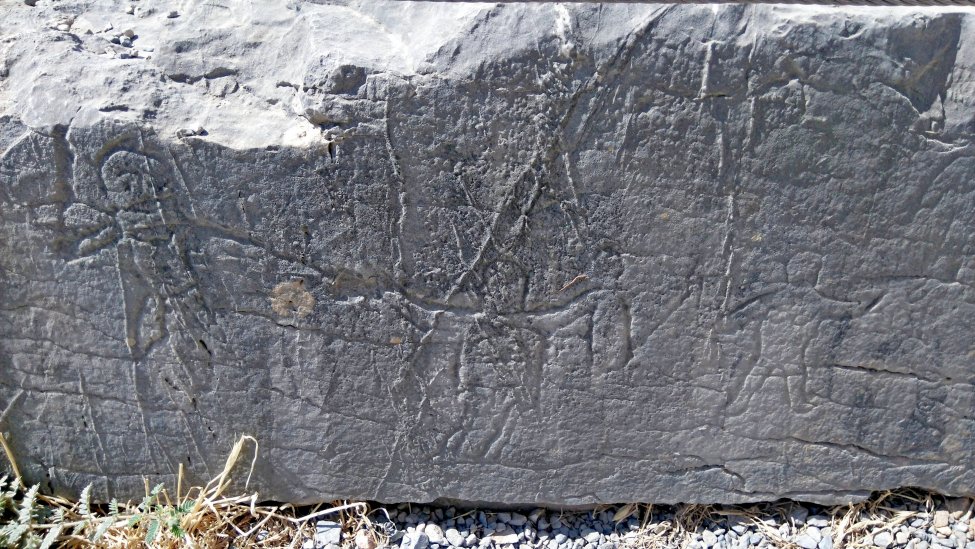
And here are some childish scratchings of human figures, I noticed them only thanks to favourable sunlight...
DSC_1427.JPG
Post automatically merged:

You guessed right, it's got that too, lol...DSC_1499.JPG
 
Tips
Tips
Please respect our Posting Rules.
Back
Top