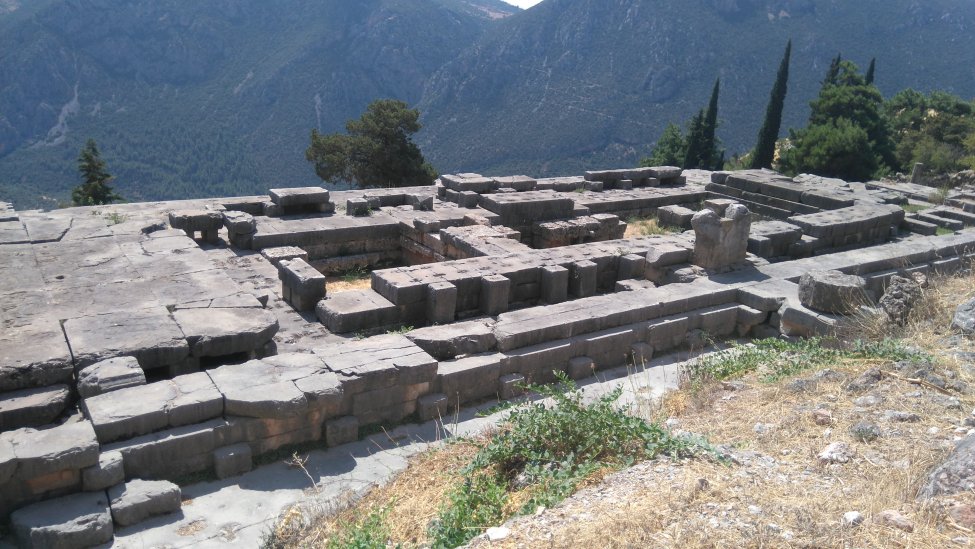
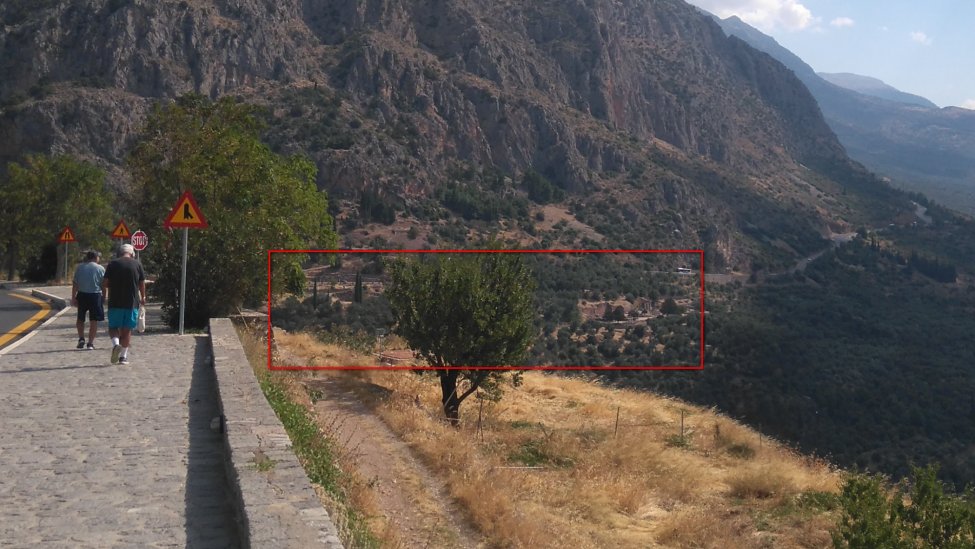
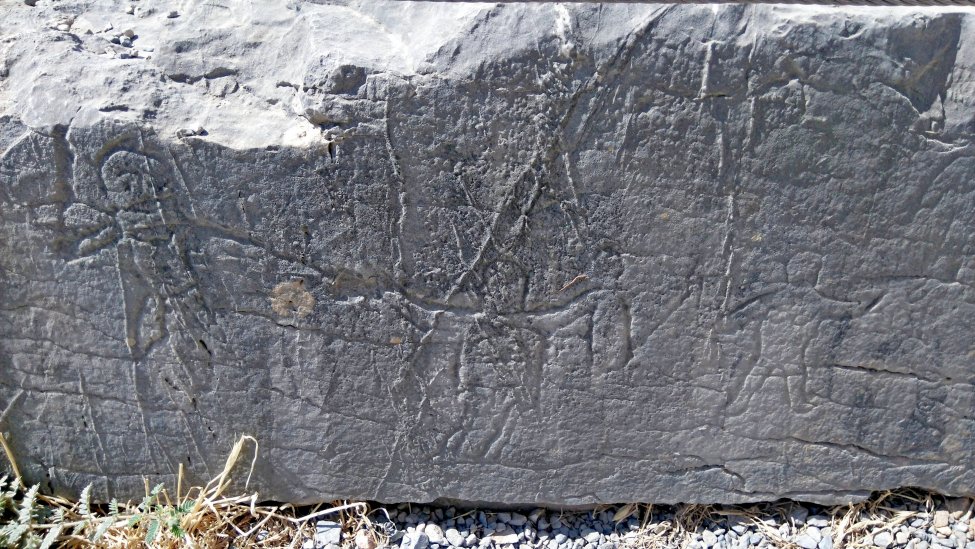
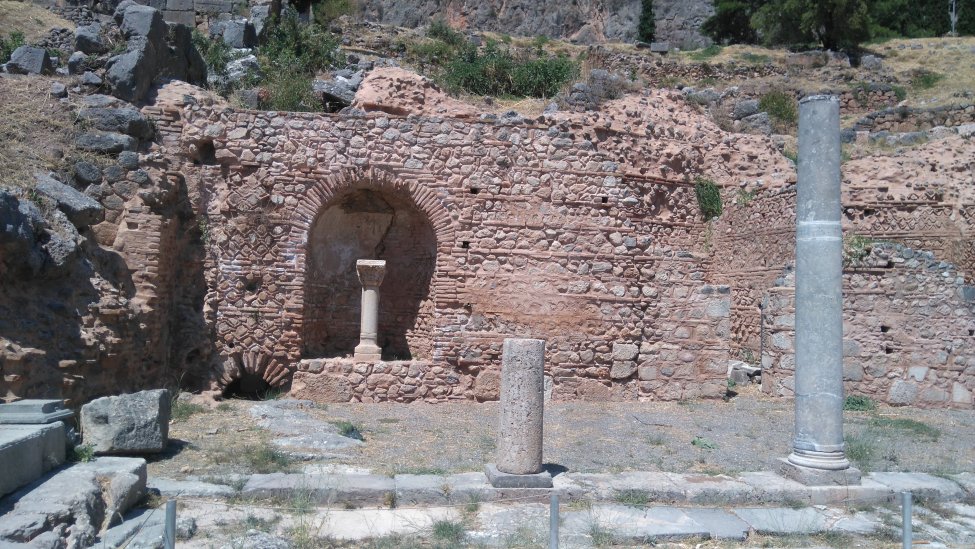
I recently visited Delphi, with an 'eye' for lost technology stone masonry.
Here is a little photo album, without many comments...
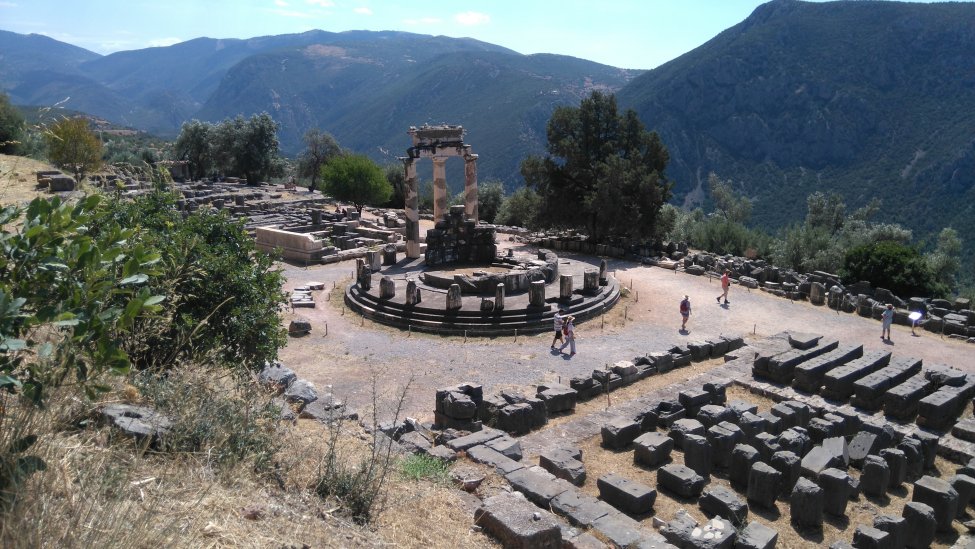
These stones near the entrance of the museum...
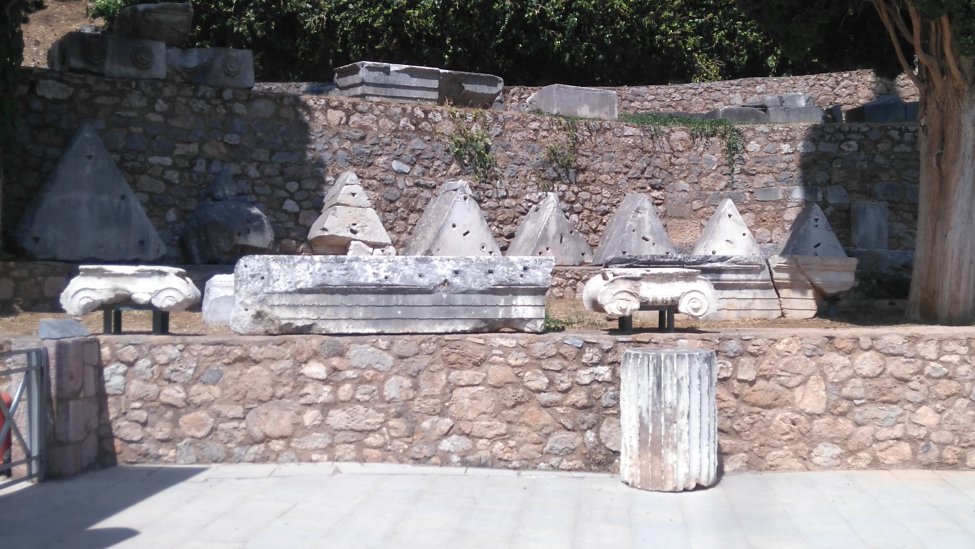
Looks like work on soft stone...
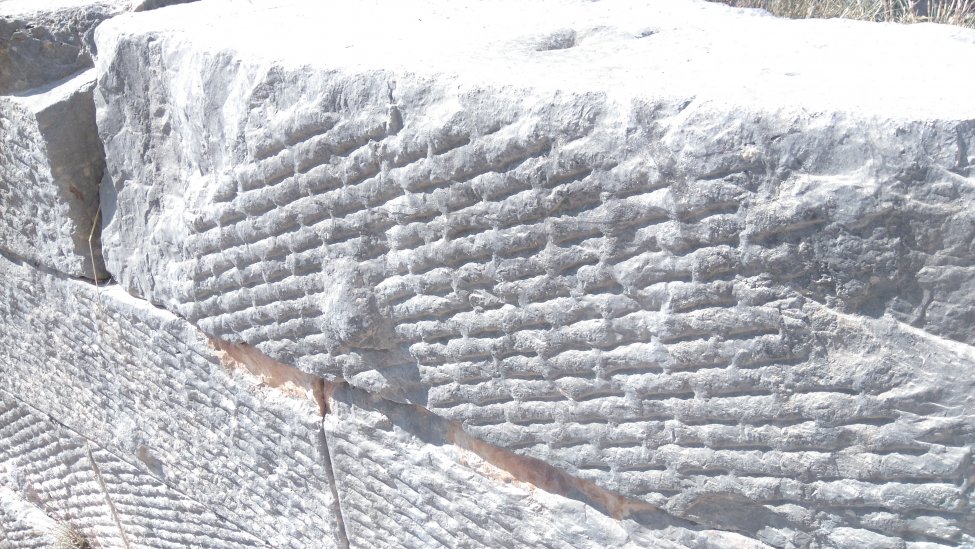
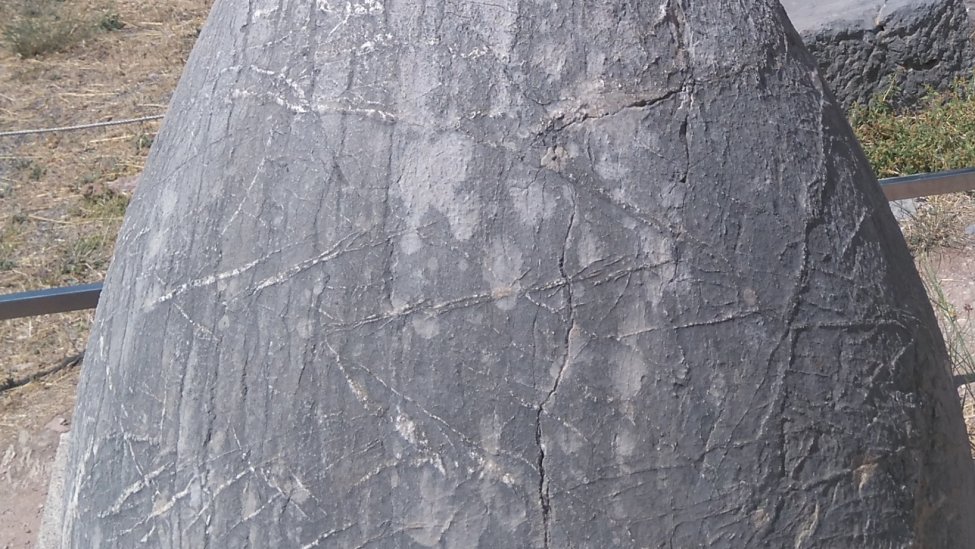
The surface of the Omphalos, looks cast...
Polygonal masonry...
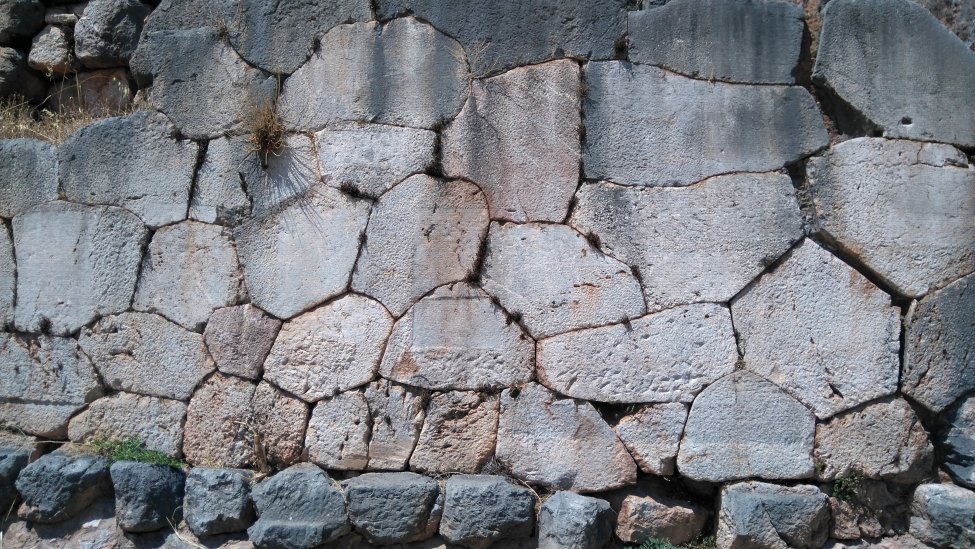
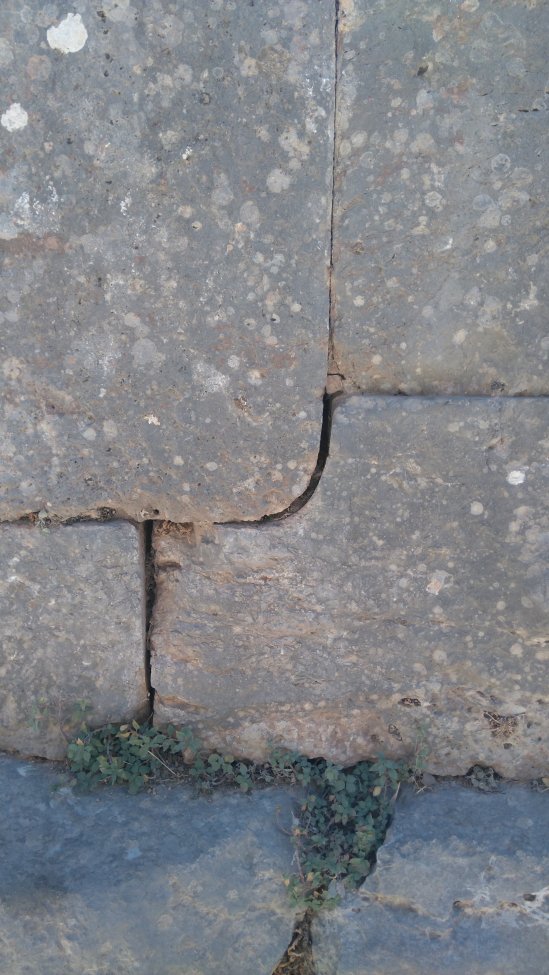
Close-up of a curved joint...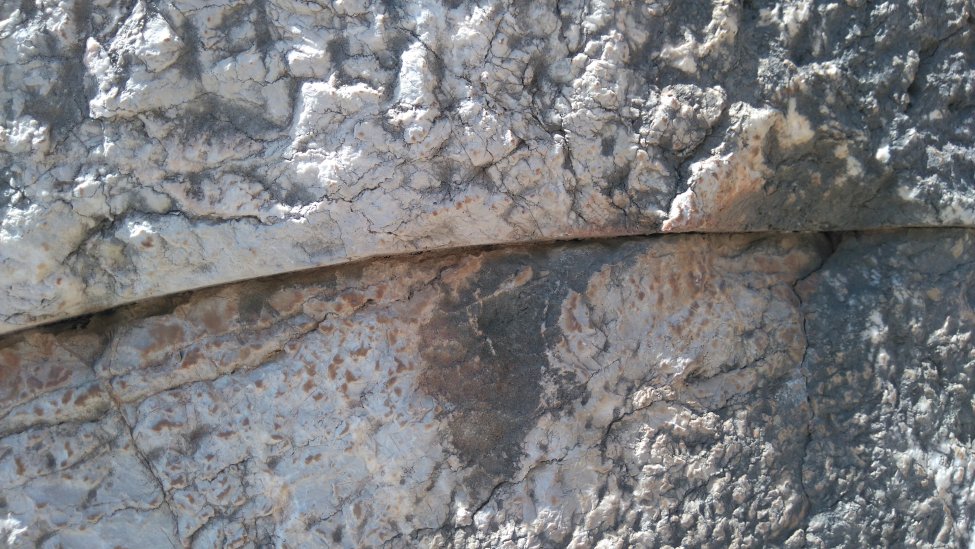
These...
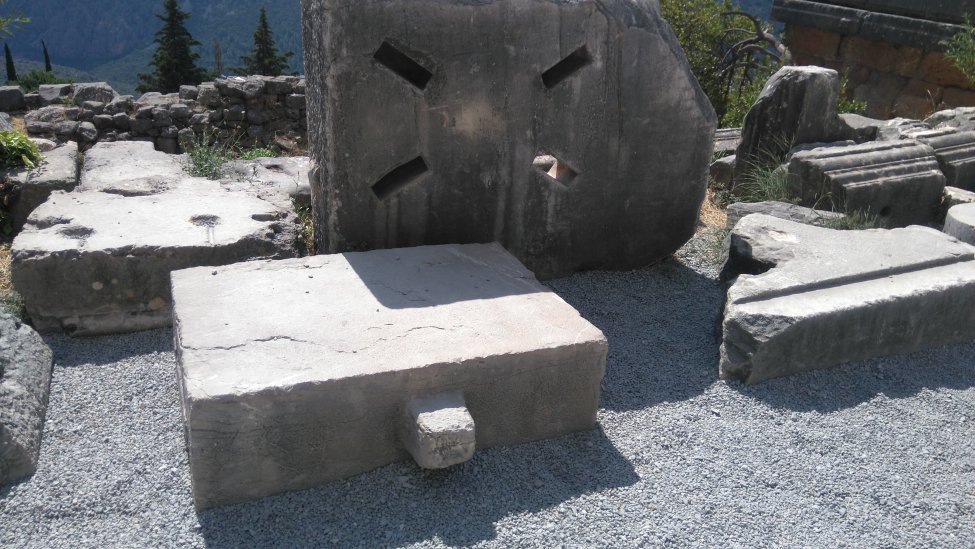
And these...
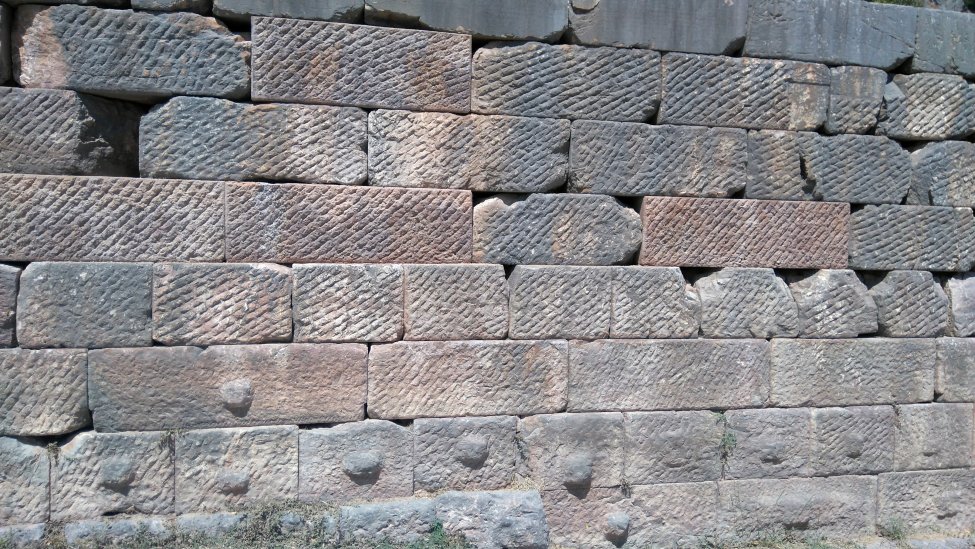
Close-up of a (machined) surface...
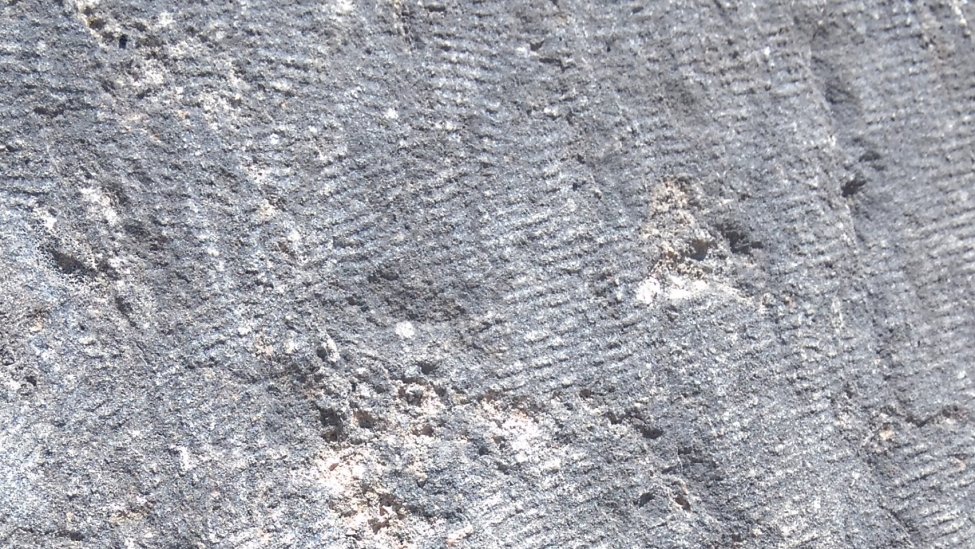
Look closely for the perfect pattern of parallel lines on this surface...
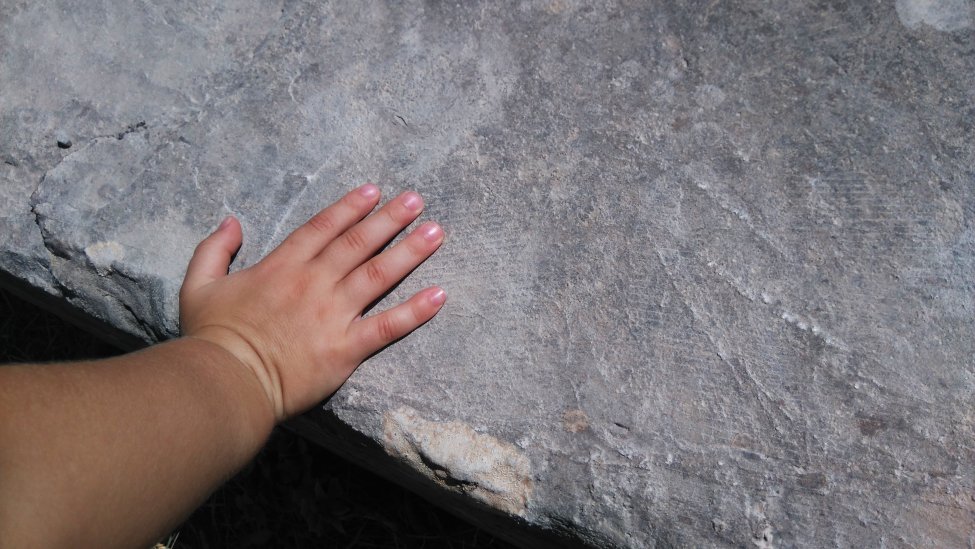
And a close-up of it...
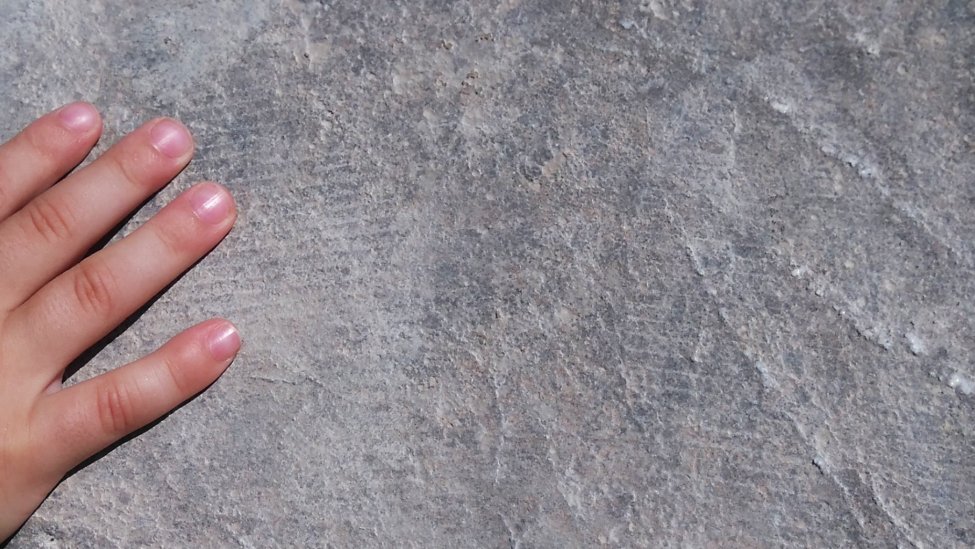
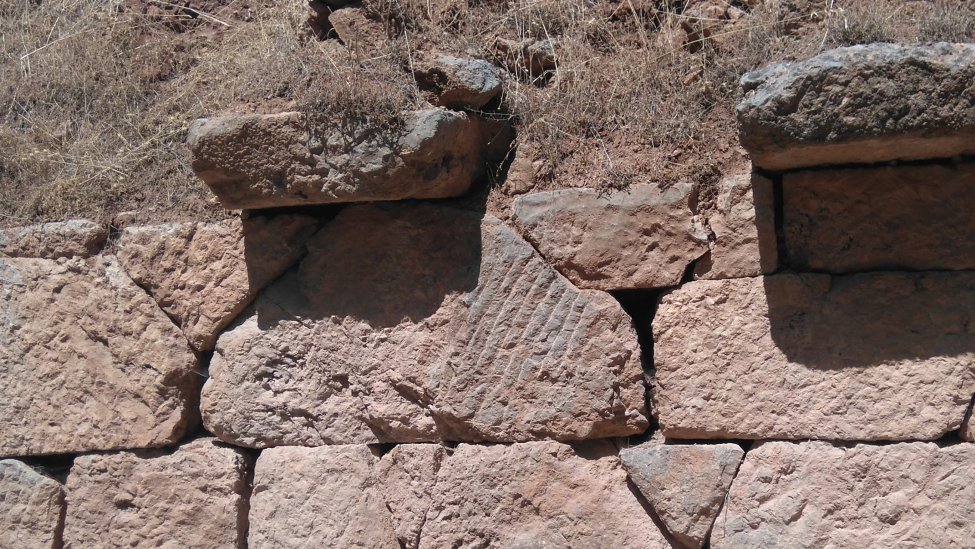
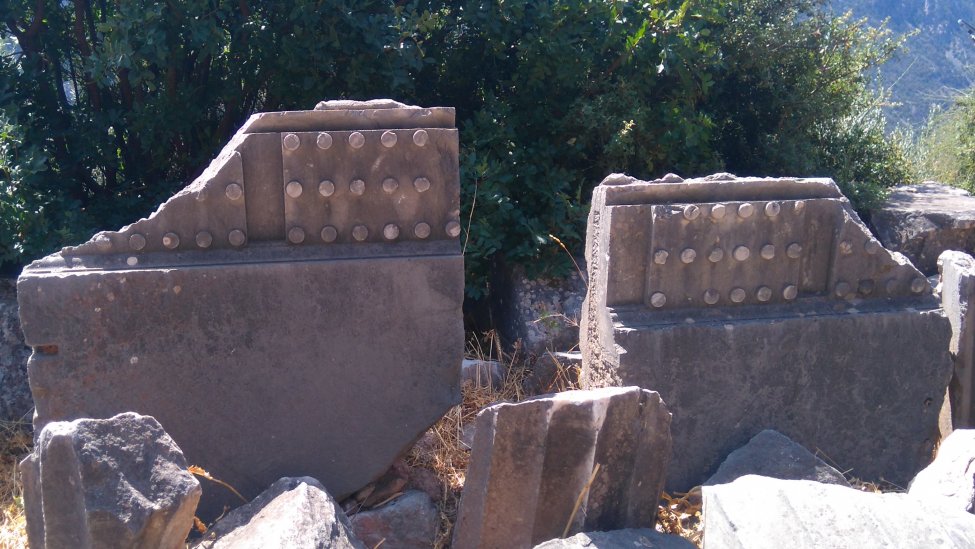
Looks like working on soft stone, again...
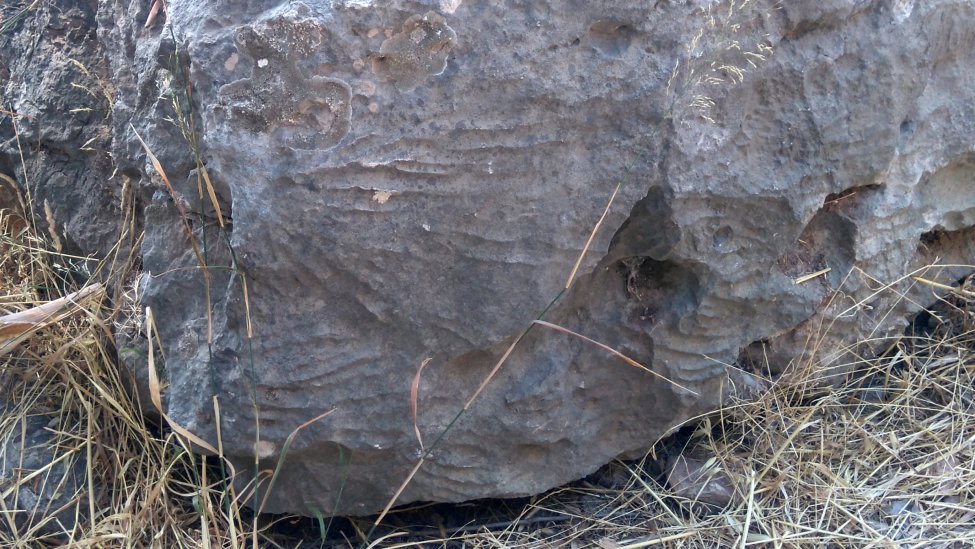
This cut...
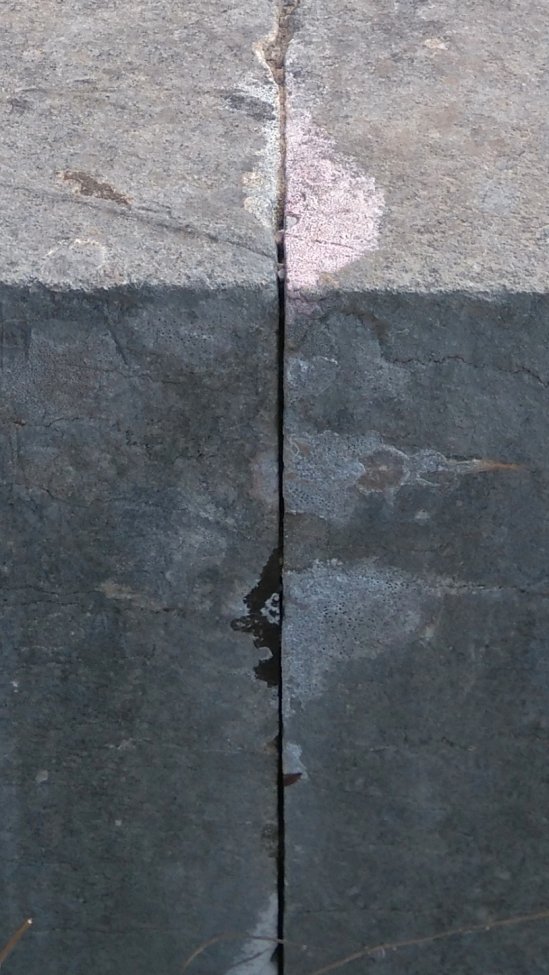
Was the 'nerve' in the centre (2-3cm) created during the coagulation?
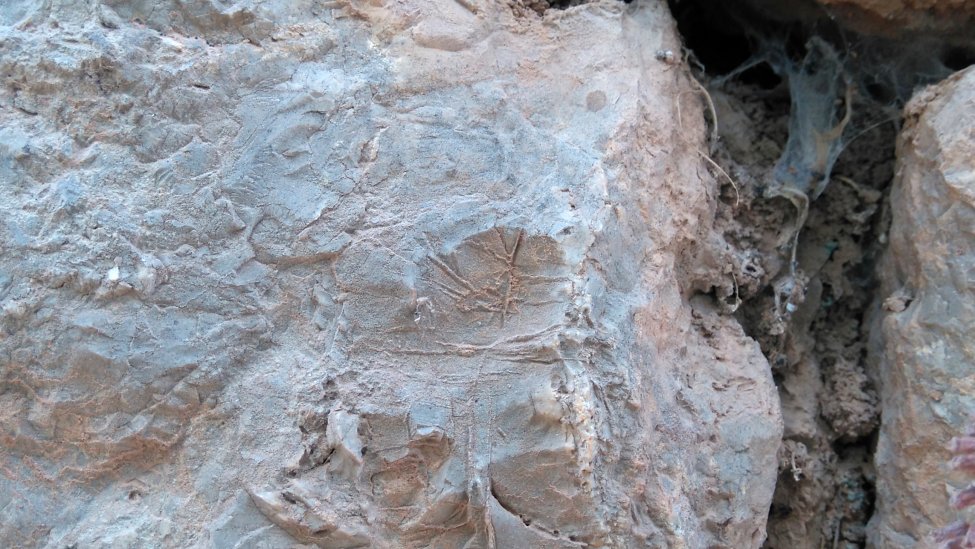
T-shapes, yeap, here, too...
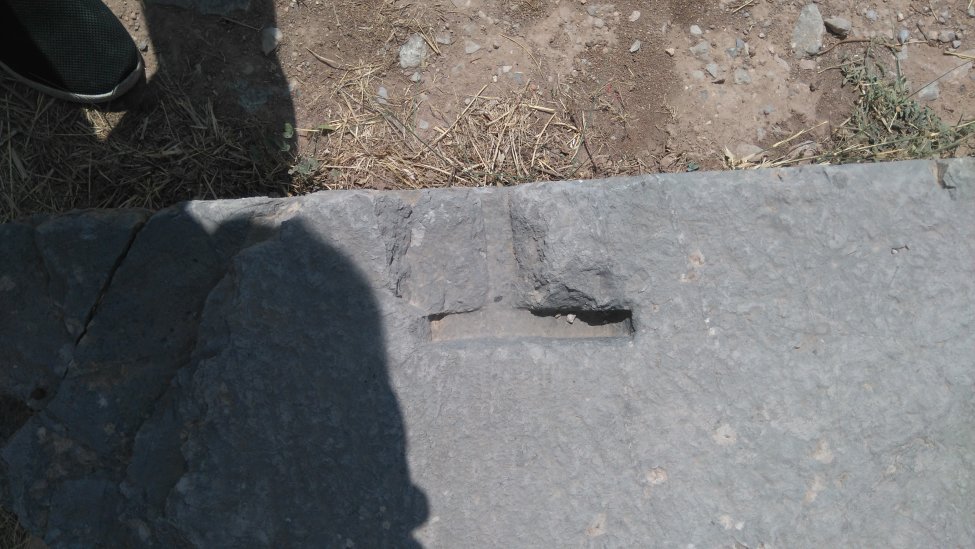
Lego...
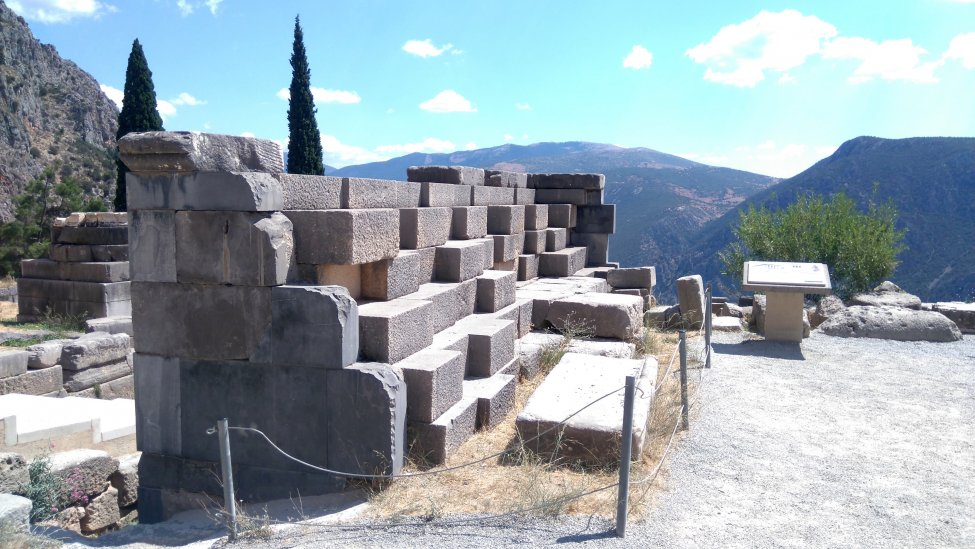
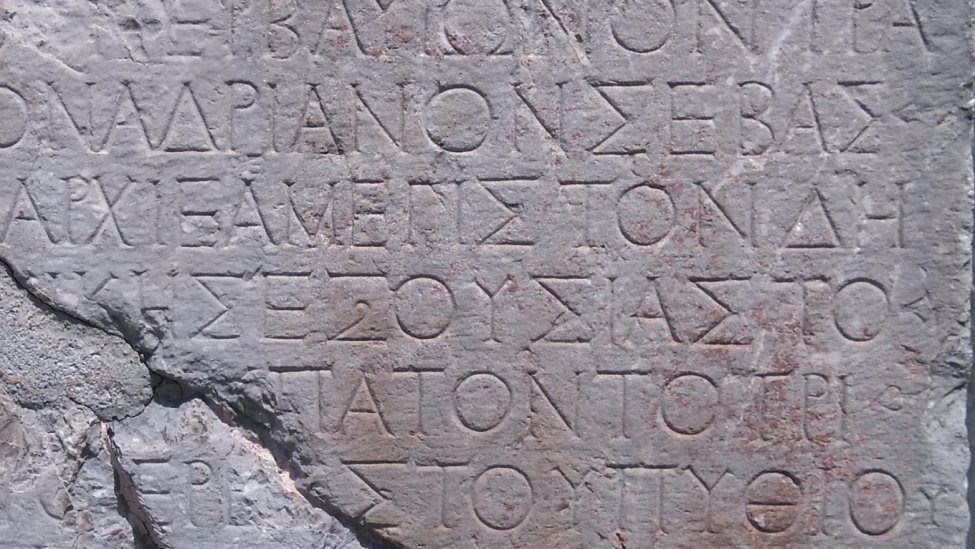
And, finally, a guess of mine...
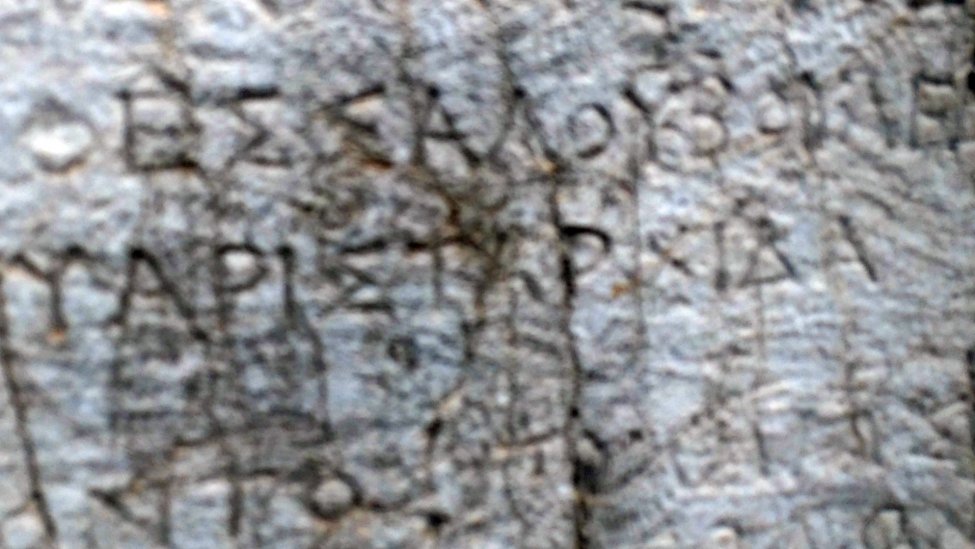
IF the stones were soft while being created, then, maybe the letters in the ancient inscriptions were actually Cuneiforms
and the Serifs in the antiquity fonts were the preliminary prints to help level the letters before their lines where drawn-'printed'...
Here is a little photo album, without many comments...
These stones near the entrance of the museum...
Looks like work on soft stone...
The surface of the Omphalos, looks cast...
Polygonal masonry...
Close-up of a curved joint...
These...
And these...
Close-up of a (machined) surface...
Look closely for the perfect pattern of parallel lines on this surface...
And a close-up of it...
Looks like working on soft stone, again...
This cut...
Was the 'nerve' in the centre (2-3cm) created during the coagulation?
T-shapes, yeap, here, too...
Lego...
And, finally, a guess of mine...
IF the stones were soft while being created, then, maybe the letters in the ancient inscriptions were actually Cuneiforms
and the Serifs in the antiquity fonts were the preliminary prints to help level the letters before their lines where drawn-'printed'...
Note: This OP was recovered from the Sh.org archive.
Note: Archived Sh.org replies to this OP are included in this thread.