Archive
Old SH Archive
- Joined
- Sep 8, 2020
- Messages
- 17,737
- Reaction score
- 3,168
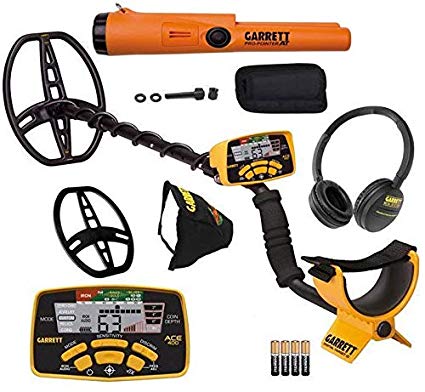
I want to discuss independent excavations such as metal-detecting and anything similar to that.
As an example, let's look at Killerton, England, a tourist attraction park owned by National Trust open to the public
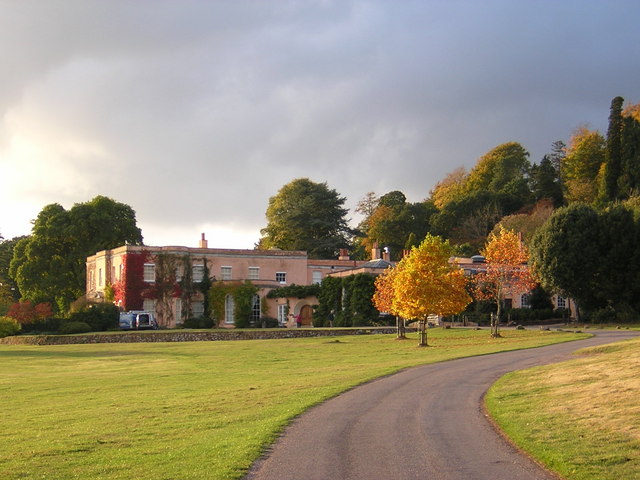
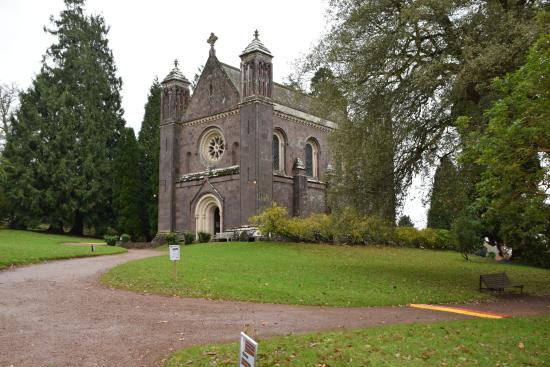
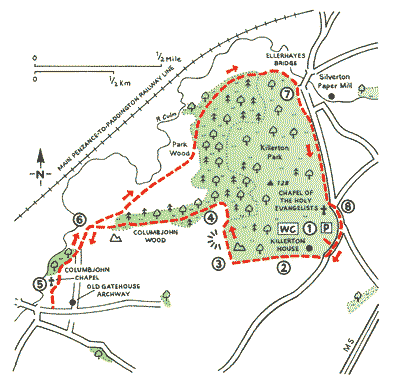
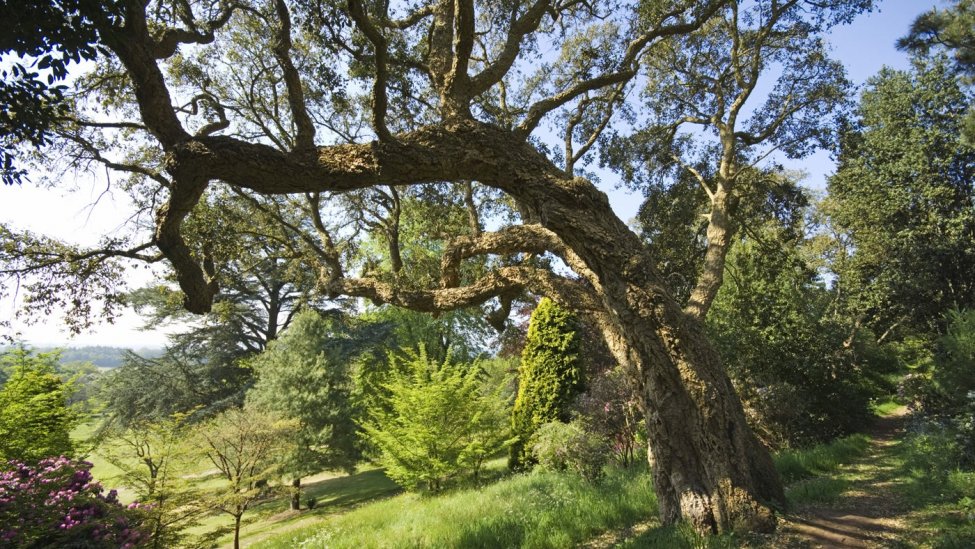
Killerton
National Trust
As an example, let's look at Killerton, England, a tourist attraction park owned by National Trust open to the public
Killerton
National Trust
National Trust does not allow metal-detecting on its land and anything found should be reported to them otherwise its illegal.The trust owns 200 historic houses that are open to the public.
Since 2009, the curator has been David Taylor, who has approved photos of the trust's 12,567 oil paintings...
The National Trust is the largest private landowner in the United Kingdom. The trust's land holdings account for more than 610,000 acres (250,000 ha), or 985 square miles (2,550 km2), mostly of countryside, and covering nearly 1.5% of the total land mass of England, Wales and Northern Ireland.
The National Trust Acts grant the Trust the unique statutory power to declare land inalienable.
As you can see the regulations for non-archaeological professional projects are very limited. What are your thoughts on this?...when finds are taken out of context we lose a piece of the jigsaw, making it harder for us to care for our archaeology and tell the stories of our places.
All finds, with the exception of ‘treasure’, remain the property of the National Trust.
Note: This OP was recovered from the KeeperOfTheKnowledge archive.
Note: Archived Sh.org replies to this OP are included in this thread.