
You are using an out of date browser. It may not display this or other websites correctly.
You should upgrade or use an alternative browser.
You should upgrade or use an alternative browser.
Ireland as an example of old-world governance
- Thread starter dreamtime
- Start date
D
Deleted member 1432
Guest
Evidence of Irish Catholic mass murder of Protestants is overwhelming too, if you want to play that game.
I'm not playing any games! How could you consider any of this murder and suffering to be as trivial as a game?
It seems like you have completely missed the point of my comment.

- Joined
- Oct 12, 2020
- Messages
- 377
- Reaction score
- 464
Looks like the Irish resisted the empire until the 17th (or even 18th) Century, and the potato famine was created to destroy the remains of the old decentralized system of the tuath under British rule.
I propose the way the old world worked was like this:
- Single, united civilization on earth that was governed locally but connected globally. This united civilization later split apart after a cataclysmic event or war (maybe around 1300 AD)
- Afterwards, the local governance did not change, but the connection between the different countries wasn't as good as before, we see development of individual languages, etc.
- no central authority, kings had spiritual functions
- caste system, but fluid
- people were judged by accomplishment and ability
- no money, no banks, no parasitism
- this system, decentralized but united in spirit, could have been called the commonwealth of earth
- The parasitic PTB stole the name commonwealth but perverted everything in order to create a central authority that controls people and enslaves.
- It took a long time to overthrow the old kingdoms because due to their decentralized governance and focus on autonomy and freedom they couldn't simply kill their leaders, they had to slowly destroy the spirit of the entire people
What remains known about the Irish system implies that life in the pre-colonial times was glorious, and doing good things and working hard mattered, for people reaped the fruits of their own labor, and people knew how to resolve conflicts without resorting to a central authority. This implies a completely different approach towards life, and means that people were in touch with themselves, and the people around them. When there is no central arbitrary authority, relationships and life as a whole become meaningful.
The connections between people living together within a small community were like a very dense web, their lifes interwoven in a single destiny, and everyone dependent on everyone else, the biggest fear was being ostracised from the community, for that usually meant total loss of one's reputation and eventually suffering or death.
https://mises.org/library/property-rights-celtic-irish-law-0
https://mises.org/library/what-caused-irish-potato-famine-0
https://en.wikipedia.org/wiki/Túath
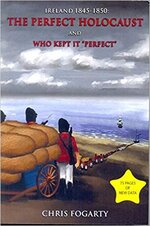
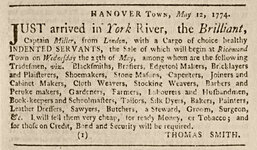
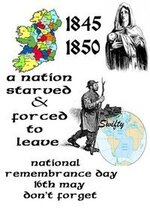
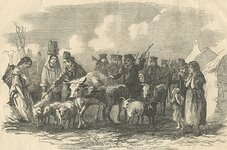
The Irish Potato Famine 1845-1850 did not kill but about thirty percent of the potato crop, also the potato crop accounted for about fifteen percent of the Irish food production yearly. The so called famine was a cover the British used to claim the Irish could not live on the land and would die unless they were sent overseas, against their will, as indentured servants. The British needed vast food supplies for their Colonial Army, so they took about ninety percent of the food produced by the Irish and shipped it overseas. Yes leaving the Irish to starve.
The roads for many miles , every day, heading west to their seaports were guarded by Bristh troops to ensure no interruptions in their theft.
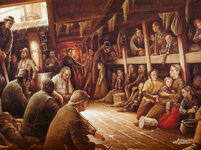
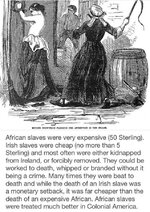
The British stole all of their food then sold the Irish into slavery to save them. My recall is about five million slaves were sent to every British colony.
- Joined
- Oct 12, 2020
- Messages
- 377
- Reaction score
- 464
Why has Ireland so few trees?
A few years back on the old forum, I commented from a book I had read, One of the reasons given for the influx of black slaves from Africa was Ireland had suffered a cataclysm which left eighty five kilometers of new land on Irelands Atlantic side. Meaning the white slaves could no longer meet the demand. All ports and infrastructure gone.
D
Deleted member 1432
Guest
It's interesting that the term 'Tuath' is the very same term as the Tuatha de Danann (People of Dana) who ruled Ireland in the distant past.
Imo, no. Brahmins were akin to the Druidic Bards.
I wonder if that ties in with the Potato Famine malarkey you mentioned previously? Do you have a source for the enforced indentured servitude business?
In Scotland the similar absence of trees is put down to shipbuilding. However, I favour Felix Noille's theory of the Arctic Circle cataclysm to explain both Ireland and Scotland's lack of trees... Iceland's as well.
As someone else has also mentioned the Great Frost, was no doubt a contributing factor. (Records of this event seem to have survived only in Ireland. If you google 'Great Frost' you will get different ones.):
The "Great Frost" struck Ireland and the rest of Europe between December 1739 and September 1741, indoor temperature values during January 1740 were as low as 10 °F (−12 °C).[1] The one outdoor reading that has survived was stated as "thirty-two degrees of frost", not including the wind chill factor, which was severe. During the ramp up to the crisis in January 1740, the winds and terrible cold intensified, yet barely any snow fell. Ireland was locked into a stable and vast high-pressure system which affected most of Europe, from Scandinavia and Russia to northern Italy, in a broadly similar way. Rivers, lakes, and waterfalls froze and fish died in these first weeks of the Great Frost.
Professor John Sweeney of the Irish Climate Analysis Research Unit (ICARUS) at Maynooth University said the exact cause of the sever winter of 1740-41 remains a mystery.
“A change in solar or volcanic activity is one possible theory,” he said.
Somewhere in the range of 310,000 and 480,000 people, out of the 2.4 million population, are believed to have perished during the extreme weather conditions which swept across the country, between 1739 and 1741, according to the book “Arctic Ireland.”
The frost “remains to this day, the longest period of extreme cold in modern European history.” The Irish population endured "21 months of bizarre weather" that was "without known precedent and defied conventional explanation".
It was shortly after Christmas on December 29, 1739 that the Great Frost began and "introduced a cold so penetrating that liquids froze indoors and ice floes appeared at the river mouths".
The devastation included three ships sinking in Dublin Bay, drowning all on board.
Temperatures plummeted to levels where the rivers Lifffety, Slaney, Boyne and parts of the Shannon froze over, as well as several lakes throughout the country. Large volumes of fish also perished and were found along the shores of Strangford Lough and Lough Neagh.
Disruption to coal imports being brought from across the Irish Sea caused coal prices to soar, resulting in "hedges, fine trees, and nurseries around Dublin were stripped bare as desperate people searched for substitute fuel".
"The frost also plunged the streets of Dublin into darkness at night, for not only were there problems in milling the rape-seed to make the customary lamp oil, but even fully serviced lamps were being snuffed out by the intense cold," according to the book.
The situation worsened when the frost virtually wiped out the potato crop the following spring and widespread drought killed off sheep and cattle.
Blizzards swept along the east coast in late October 1740 depositing snow and returned several times in November. Then a massive rain downpour occurred on 9 December 1740, causing widespread flooding. A day after the floods, the temperature plummeted, snow fell, and rivers and other bodies of water froze. Warm temperatures followed the cold snap, which lasted about ten days. Great chunks of ice careened down the Liffey River through the heart of Dublin, overturning light vessels and causing larger vessels to break anchor.
Fifty to a hundred years passed before Ireland became healthy again, only to experience the 1840s famine. Dickson notes that an upsurge in migration out of Ireland in the years after the 1740–1741 crisis, similar to the mass emigration in the 1840s, did not occur. One additional item: Irish Dendrochronologist Mike Baillie confirmed tree ring patterns in 1740 that were consistent with severe cold.
The year 1741, during which the famine was at its worst and mortality was greatest, was known in folk memory as the "year of the slaughter" (or "bliain an áir" in Irish).
(I've had this in my notes for a few years and don't remember the source, apart from those mentioned in the text.)
Would Brehons have anything to do with Brahmins perchance?
Imo, no. Brahmins were akin to the Druidic Bards.
Meaning the white slaves could no longer meet the demand. All ports and infrastructure gone.
I wonder if that ties in with the Potato Famine malarkey you mentioned previously? Do you have a source for the enforced indentured servitude business?
In Scotland the similar absence of trees is put down to shipbuilding. However, I favour Felix Noille's theory of the Arctic Circle cataclysm to explain both Ireland and Scotland's lack of trees... Iceland's as well.
As someone else has also mentioned the Great Frost, was no doubt a contributing factor. (Records of this event seem to have survived only in Ireland. If you google 'Great Frost' you will get different ones.):
The "Great Frost" struck Ireland and the rest of Europe between December 1739 and September 1741, indoor temperature values during January 1740 were as low as 10 °F (−12 °C).[1] The one outdoor reading that has survived was stated as "thirty-two degrees of frost", not including the wind chill factor, which was severe. During the ramp up to the crisis in January 1740, the winds and terrible cold intensified, yet barely any snow fell. Ireland was locked into a stable and vast high-pressure system which affected most of Europe, from Scandinavia and Russia to northern Italy, in a broadly similar way. Rivers, lakes, and waterfalls froze and fish died in these first weeks of the Great Frost.
Professor John Sweeney of the Irish Climate Analysis Research Unit (ICARUS) at Maynooth University said the exact cause of the sever winter of 1740-41 remains a mystery.
“A change in solar or volcanic activity is one possible theory,” he said.
Somewhere in the range of 310,000 and 480,000 people, out of the 2.4 million population, are believed to have perished during the extreme weather conditions which swept across the country, between 1739 and 1741, according to the book “Arctic Ireland.”
The frost “remains to this day, the longest period of extreme cold in modern European history.” The Irish population endured "21 months of bizarre weather" that was "without known precedent and defied conventional explanation".
It was shortly after Christmas on December 29, 1739 that the Great Frost began and "introduced a cold so penetrating that liquids froze indoors and ice floes appeared at the river mouths".
The devastation included three ships sinking in Dublin Bay, drowning all on board.
Temperatures plummeted to levels where the rivers Lifffety, Slaney, Boyne and parts of the Shannon froze over, as well as several lakes throughout the country. Large volumes of fish also perished and were found along the shores of Strangford Lough and Lough Neagh.
Disruption to coal imports being brought from across the Irish Sea caused coal prices to soar, resulting in "hedges, fine trees, and nurseries around Dublin were stripped bare as desperate people searched for substitute fuel".
"The frost also plunged the streets of Dublin into darkness at night, for not only were there problems in milling the rape-seed to make the customary lamp oil, but even fully serviced lamps were being snuffed out by the intense cold," according to the book.
The situation worsened when the frost virtually wiped out the potato crop the following spring and widespread drought killed off sheep and cattle.
Blizzards swept along the east coast in late October 1740 depositing snow and returned several times in November. Then a massive rain downpour occurred on 9 December 1740, causing widespread flooding. A day after the floods, the temperature plummeted, snow fell, and rivers and other bodies of water froze. Warm temperatures followed the cold snap, which lasted about ten days. Great chunks of ice careened down the Liffey River through the heart of Dublin, overturning light vessels and causing larger vessels to break anchor.
Fifty to a hundred years passed before Ireland became healthy again, only to experience the 1840s famine. Dickson notes that an upsurge in migration out of Ireland in the years after the 1740–1741 crisis, similar to the mass emigration in the 1840s, did not occur. One additional item: Irish Dendrochronologist Mike Baillie confirmed tree ring patterns in 1740 that were consistent with severe cold.
The year 1741, during which the famine was at its worst and mortality was greatest, was known in folk memory as the "year of the slaughter" (or "bliain an áir" in Irish).
(I've had this in my notes for a few years and don't remember the source, apart from those mentioned in the text.)
Last edited by a moderator:
- Joined
- Oct 12, 2020
- Messages
- 377
- Reaction score
- 464
It's interesting that the term 'Tuath' is the very same term as the Tuatha de Dannan (People of Dana) who ruled Ireland in the distant past.
Imo, no. Brahmins were akin to the Druidic Bards.
I wonder if that ties in with the Potato Famine malarkey you mentioned previously? Do you have a source for the enforced indentured servitude business?
In Scotland the similar absence of trees is put down to shipbuilding. However, I favour Felix Noille's theory of the Arctic Circle cataclysm to explain both Ireland and Scotland's lack of trees... Iceland's as well.
As someone else has also mentioned the Great Frost, was no doubt a contributing factor. (Records of this event seem to have survived only in Ireland. If you google 'Great Frost' you will get different ones.):
The "Great Frost" struck Ireland and the rest of Europe between December 1739 and September 1741, indoor temperature values during January 1740 were as low as 10 °F (−12 °C).[1] The one outdoor reading that has survived was stated as "thirty-two degrees of frost", not including the wind chill factor, which was severe. During the ramp up to the crisis in January 1740, the winds and terrible cold intensified, yet barely any snow fell. Ireland was locked into a stable and vast high-pressure system which affected most of Europe, from Scandinavia and Russia to northern Italy, in a broadly similar way. Rivers, lakes, and waterfalls froze and fish died in these first weeks of the Great Frost.
Professor John Sweeney of the Irish Climate Analysis Research Unit (ICARUS) at Maynooth University said the exact cause of the sever winter of 1740-41 remains a mystery.
“A change in solar or volcanic activity is one possible theory,” he said.
Somewhere in the range of 310,000 and 480,000 people, out of the 2.4 million population, are believed to have perished during the extreme weather conditions which swept across the country, between 1739 and 1741, according to the book “Arctic Ireland.”
The frost “remains to this day, the longest period of extreme cold in modern European history.” The Irish population endured "21 months of bizarre weather" that was "without known precedent and defied conventional explanation".
It was shortly after Christmas on December 29, 1739 that the Great Frost began and "introduced a cold so penetrating that liquids froze indoors and ice floes appeared at the river mouths".
The devastation included three ships sinking in Dublin Bay, drowning all on board.
Temperatures plummeted to levels where the rivers Lifffety, Slaney, Boyne and parts of the Shannon froze over, as well as several lakes throughout the country. Large volumes of fish also perished and were found along the shores of Strangford Lough and Lough Neagh.
Disruption to coal imports being brought from across the Irish Sea caused coal prices to soar, resulting in "hedges, fine trees, and nurseries around Dublin were stripped bare as desperate people searched for substitute fuel".
"The frost also plunged the streets of Dublin into darkness at night, for not only were there problems in milling the rape-seed to make the customary lamp oil, but even fully serviced lamps were being snuffed out by the intense cold," according to the book.
The situation worsened when the frost virtually wiped out the potato crop the following spring and widespread drought killed off sheep and cattle.
Blizzards swept along the east coast in late October 1740 depositing snow and returned several times in November. Then a massive rain downpour occurred on 9 December 1740, causing widespread flooding. A day after the floods, the temperature plummeted, snow fell, and rivers and other bodies of water froze. Warm temperatures followed the cold snap, which lasted about ten days. Great chunks of ice careened down the Liffey River through the heart of Dublin, overturning light vessels and causing larger vessels to break anchor.
Fifty to a hundred years passed before Ireland became healthy again, only to experience the 1840s famine. Dickson notes that an upsurge in migration out of Ireland in the years after the 1740–1741 crisis, similar to the mass emigration in the 1840s, did not occur. One additional item: Irish Dendrochronologist Mike Baillie confirmed tree ring patterns in 1740 that were consistent with severe cold.
The year 1741, during which the famine was at its worst and mortality was greatest, was known in folk memory as the "year of the slaughter" (or "bliain an áir" in Irish).
(I've had this in my notes for a few years and don't remember the source, apart from those mentioned in the text.)
The following may help. If not let me know.
It's interesting that the term 'Tuath' is the very same term as the Tuatha de Dannan (People of Dana) who ruled Ireland in the distant past.
Imo, no. Brahmins were akin to the Druidic Bards.
I wonder if that ties in with the Potato Famine malarkey you mentioned previously? Do you have a source for the enforced indentured servitude business?
In Scotland the similar absence of trees is put down to shipbuilding. However, I favour Felix Noille's theory of the Arctic Circle cataclysm to explain both Ireland and Scotland's lack of trees... Iceland's as well.
As someone else has also mentioned the Great Frost, was no doubt a contributing factor. (Records of this event seem to have survived only in Ireland. If you google 'Great Frost' you will get different ones.):
The "Great Frost" struck Ireland and the rest of Europe between December 1739 and September 1741, indoor temperature values during January 1740 were as low as 10 °F (−12 °C).[1] The one outdoor reading that has survived was stated as "thirty-two degrees of frost", not including the wind chill factor, which was severe. During the ramp up to the crisis in January 1740, the winds and terrible cold intensified, yet barely any snow fell. Ireland was locked into a stable and vast high-pressure system which affected most of Europe, from Scandinavia and Russia to northern Italy, in a broadly similar way. Rivers, lakes, and waterfalls froze and fish died in these first weeks of the Great Frost.
Professor John Sweeney of the Irish Climate Analysis Research Unit (ICARUS) at Maynooth University said the exact cause of the sever winter of 1740-41 remains a mystery.
“A change in solar or volcanic activity is one possible theory,” he said.
Somewhere in the range of 310,000 and 480,000 people, out of the 2.4 million population, are believed to have perished during the extreme weather conditions which swept across the country, between 1739 and 1741, according to the book “Arctic Ireland.”
The frost “remains to this day, the longest period of extreme cold in modern European history.” The Irish population endured "21 months of bizarre weather" that was "without known precedent and defied conventional explanation".
It was shortly after Christmas on December 29, 1739 that the Great Frost began and "introduced a cold so penetrating that liquids froze indoors and ice floes appeared at the river mouths".
The devastation included three ships sinking in Dublin Bay, drowning all on board.
Temperatures plummeted to levels where the rivers Lifffety, Slaney, Boyne and parts of the Shannon froze over, as well as several lakes throughout the country. Large volumes of fish also perished and were found along the shores of Strangford Lough and Lough Neagh.
Disruption to coal imports being brought from across the Irish Sea caused coal prices to soar, resulting in "hedges, fine trees, and nurseries around Dublin were stripped bare as desperate people searched for substitute fuel".
"The frost also plunged the streets of Dublin into darkness at night, for not only were there problems in milling the rape-seed to make the customary lamp oil, but even fully serviced lamps were being snuffed out by the intense cold," according to the book.
The situation worsened when the frost virtually wiped out the potato crop the following spring and widespread drought killed off sheep and cattle.
Blizzards swept along the east coast in late October 1740 depositing snow and returned several times in November. Then a massive rain downpour occurred on 9 December 1740, causing widespread flooding. A day after the floods, the temperature plummeted, snow fell, and rivers and other bodies of water froze. Warm temperatures followed the cold snap, which lasted about ten days. Great chunks of ice careened down the Liffey River through the heart of Dublin, overturning light vessels and causing larger vessels to break anchor.
Fifty to a hundred years passed before Ireland became healthy again, only to experience the 1840s famine. Dickson notes that an upsurge in migration out of Ireland in the years after the 1740–1741 crisis, similar to the mass emigration in the 1840s, did not occur. One additional item: Irish Dendrochronologist Mike Baillie confirmed tree ring patterns in 1740 that were consistent with severe cold.
The year 1741, during which the famine was at its worst and mortality was greatest, was known in folk memory as the "year of the slaughter" (or "bliain an áir" in Irish).
(I've had this in my notes for a few years and don't remember the source, apart from those mentioned in the text.)
The " Tuatha de Dannan " were called " The Gentry " they arrived about 1,450 B.C. and immediately started teaching the locals farming, tool making, language skills , arts and sciences. Created schools at major towns, taught law and responsibility They interbred with the locals and a few were chosen for education at the universities where after twenty years they became Druids and started teaching themselves. Need more ask and I will spend some time in my library, always enjoy that.
Attachments
-
 51HJ3o8GrBL._SX330_BO1204203200_.jpg32.2 KB · Views: 169
 -
 2016.jpg150.5 KB · Views: 156
 -
 1024-map.gif132.9 KB · Views: 174
 -
 irish-holocaust.jpg20.5 KB · Views: 155
 -
 the-irish-holocaust-of-18451849-28-638.jpg29.9 KB · Views: 183
 -
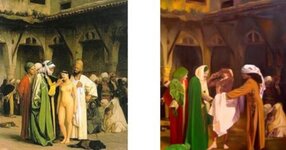 IRISH SLAVE TRADE.jpg32.4 KB · Views: 143
 -
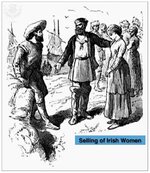 500349352da963307c57ab68d2219151--george-orwell-the-irish.jpg73.1 KB · Views: 171
 -
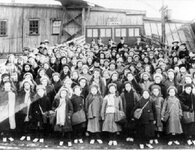 orphan-children-bound-for-canada-4008.jpg61.9 KB · Views: 159
 -
 102 best images about FORGOTTEN IRISH SLAVES.jpg78.9 KB · Views: 147
 -
 below20decks-color.jpg458 KB · Views: 182
 -
 Not an argument Slavery wasn't a race issue.jpeg229.6 KB · Views: 172
Last edited:
D
Deleted member 1432
Guest
@asatiger1966 excellent information, many thanks. I have my own theories and research regarding the Tuatha de Dannan, but thank you for the offer.
I find it ironic that the mythical Fomorians, who were apparently defeated by the Tuatha de Danann (in the Christianised version of the 9th-11th centuries,) were portrayed with an identical character to the 'English' and capable of causing all of the same disasters and atrocities.
In general, stories say the Fomorians took pleasure in waging war and when they conquered other races, they would proceed to enslave them. They were described as having the power to control certain forces of nature, notably the more destructive ones, including the weather, crop-blight, and plagues.
In fact it's almost as if the Fomorians were resurrected or reincarnated in the English, or 'took possession' of them ...or were somehow magically invoked by them. Sorry, thinking out loud and going off on one of my wild fantasies again.
I find it ironic that the mythical Fomorians, who were apparently defeated by the Tuatha de Danann (in the Christianised version of the 9th-11th centuries,) were portrayed with an identical character to the 'English' and capable of causing all of the same disasters and atrocities.
In general, stories say the Fomorians took pleasure in waging war and when they conquered other races, they would proceed to enslave them. They were described as having the power to control certain forces of nature, notably the more destructive ones, including the weather, crop-blight, and plagues.
In fact it's almost as if the Fomorians were resurrected or reincarnated in the English, or 'took possession' of them ...or were somehow magically invoked by them. Sorry, thinking out loud and going off on one of my wild fantasies again.
Last edited by a moderator:

- Joined
- Dec 17, 2020
- Messages
- 399
- Reaction score
- 1,152
That is interesting. I'm sure many of us would like to know more.The following may help. If not let me know.
The " Tuatha de Dannan " were called " The Gentry " they arrived about 1,450 B.C. and immediately started teaching the locals farming, tool making, language skills , arts and sciences. Created schools at major towns, taught law and responsibility They interbred with the locals and a few were chosen for education at the universities where after twenty years they became Druids and started teaching themselves. Need more ask and I will spend some time in my library, always enjoy that.
Do you have anything that evidences or casts doubt on that 1,450 BC date? And anything that suggests a departure time?
I'd like to see if the Tuatha de Dannan could possibly be any of these historical entities from English history/mythology:
- The Danann
- The Danes
- Deus/Jews/joueurs de jeux (game players)
- Giants/Geants/Gentility
- Nobility
- Yeomanry
... where is a small brick church; and where has been a wall'd park, and a hall, now dismantled and destroy'd. Not only gentility have fled the country, but the race of yeomanry is extinguish'd.
From The Torrington Diaries, Vol III, John Byng, p134 (At Ingestre Hall, West Midlands (Google Maps), (Google Streetview)):
The ground about, and views from Ingestre, are beautiful; and this country seems to have been, formerly, studded with spacious parks, and noble mansions; at the time when the nobility resided with magnificence; and hospitality, in their several counties; before operas were known; or that it became necessary to huddle all together, in miserable, mean lodging-houses in London; there to pay extravagantly for what is brought, or stolen, from their own lands!
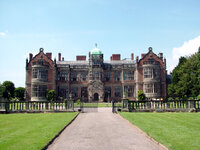
Ingestre Hall. Source
They seem to have been driven out or away from England in around 1730 and 1760. Seemingly by events that involved flood and fire, followed by freezing weather. By 1790, Byng is reporting still very changeable weather, with lightning, cloudbursts, and with evening fires needed - at least by him - in July.
Last edited:
D
Deleted member 1432
Guest
I'd like to see if the Tuatha de Dannan could possibly be any of these historical entities from English history/mythology:
The Tuatha de Dannan are a famous misspelling by that idiot @Will Scarlet.
The Tuatha de Danann were not part of either English mythology or history, but Irish and Manx. Their name means People or Offspring of Dana, who was The Goddess. They were also referred to in Ireland as 'The Gentry' which equates to the same term for a similar race in Galician/Asturian/Basque mythology who were known as the Gentiles (Hen-tee-les in Spanish). These terms had nothing to do with religion, but with their comportment, appearance and manner - they were gentle and 'fair' in all senses of the word. It contributed to the later general use of the term 'fairy'.
Personally, I've never come across the use of the term Yeomanry in relation to the Tuatha de Danann, but that doesn't mean it wasn't.
The Irish Potato Famine 1845-1850 did not kill but about thirty percent of the potato crop, also the potato crop accounted for about fifteen percent of the Irish food production yearly. The so called famine was a cover the British used to claim the Irish could not live on the land and would die unless they were sent overseas, against their will, as indentured servants. The British needed vast food supplies for their Colonial Army, so they took about ninety percent of the food produced by the Irish and shipped it overseas. Yes leaving the Irish to starve.
The roads for many miles , every day, heading west to their seaports were guarded by Bristh troops to ensure no interruptions in their theft.
The British stole all of their food then sold the Irish into slavery to save them. My recall is about five million slaves were sent to every British colony.
Why did "the British" need to depopulate and "plunder" Ireland for food? Why were their colonies not capable of meeting their food requirements? Were India, Canada, New Zealand, Burma, South Africa, etc, not capable of producing large amounts of food? Why was depopulating Ireland specifically so vital in your opinion?
For balance, what are your thoughts on the Holodomor in Ukraine or the famines in Kazakhstan in the early 1900s? What about the forced deportations of nationalities in the Soviet Union to do hard labour in Siberia? Was that the work of "the Russians" plundering and enslaving others, or do you have some excuse for that, like Jews, Communists, "the cabal", etc?

- Joined
- Oct 6, 2021
- Messages
- 218
- Reaction score
- 233
What du you mean "excuse" ? Also, do you say that the britts did not force the irish out?Why did "the British" need to depopulate and "plunder" Ireland for food? Why were their colonies not capable of meeting their food requirements? Were India, Canada, New Zealand, Burma, South Africa, etc, not capable of producing large amounts of food? Why was depopulating Ireland specifically so vital in your opinion?
For balance, what are your thoughts on the Holodomor in Ukraine or the famines in Kazakhstan in the early 1900s? What about the forced deportations of nationalities in the Soviet Union to do hard labour in Siberia? Was that the work of "the Russians" plundering and enslaving others, or do you have some excuse for that, like Jews, Communists, "the cabal", etc?
What du you mean "excuse" ? Also, do you say that the britts did not force the irish out?
I don't know, according to the official "Wikipedia" narrative that's the case but I thought Stolen History forum members were supposed to be above just automatically believing the official narrative of anything?
Why do people keep saying "the British", "the Brits" as if every British person is individually responsible for every bad thing that has ever happened in the world?
Are "the Russians" responsible for the Holodomor, for the Kazakh famines, for forced deportations of non-Russian nationalities to Siberia in order to "Russify" these areas? Are "the Chinese" responsible for mass murder and internment of Tibetans and Uyghurs in order to "Sinofy" these areas? Are "the Japanese" responsible for the genocide of the Ainus in Hokkaido? Are "the Spanish" responsible for the almost total wiping out of the indigenous population of Argentina? Are "the Turks" responsible for the Armenian genocide? Are "the Arabs" responsible for the enslavement and mass murder of black people, for the kidnapping and enslavement of white people by Arab corsairs of which Ireland was a frequent target? Are "the Jews" responsible for the mass murder and deportation of Arabs from their land? Are "the Swedes" responsible for the mass sterilisation and deportation of the Sami people from their lands?
The fact is things are often, usually even, not what they seem. We live under a cabal that has manipulated and rewritten human history to an almost unfathomable extent. It seems to me a lot of people are very keen on throwing around accusations about "the Brits" and scapegoating them for all the world's ills, but not so bold in accusing other peoples.
Last edited:
- Joined
- Oct 6, 2021
- Messages
- 218
- Reaction score
- 233
yes.
I get your point.
I get your point.
No. Most likely a group using abrahamitish religion is. But the brits of yesteryear did ship the irish to the new found lands. Probably blaming the germans xDI don't know, according to the official "Wikipedia" narrative that's the case but I thought Stolen History forum members were supposed to be above just automatically believing the official narrative of anything?
Why do people keep saying "the British", "the Brits" as if every British person is individually responsible for every bad thing that has ever happened in the world?
Are "the Russians" responsible for the Holodomor, for the Kazakh famines, for forced deportations of non-Russian nationalities to Siberia in order to "Russify" these areas? Are "the Chinese" responsible for mass murder and internment of Tibetans and Uyghurs in order to "Sinofy" these areas? Are "the Japanese" responsible for the genocide of the Ainus in Hokkaido? Are "the Spanish" responsible for the almost total wiping out of the indigenous population of Argentina? Are "the Turks" responsible for the Armenian genocide? Are "the Arabs" responsible for the enslavement and mass murder of black people, for the kidnapping and enslavement of white people by Arab corsairs of which Ireland was a frequent target? Are "the Jews" responsible for the mass murder and deportation of Arabs from their land? Are "the Swedes" responsible for the mass sterilisation and deportation of the Sami people from their lands?
The fact is things are often, usually even, not what they seem. We live under a cabal that has manipulated and rewritten human history to an almost unfathomable extent. It seems to me a lot of people are very keen on throwing around accusations about "the Brits" and scapegoating them for all the world's ills, but not so bold in accusing other peoples.
- Joined
- Oct 12, 2020
- Messages
- 377
- Reaction score
- 464
Why did "the British" need to depopulate and "plunder" Ireland for food? Why were their colonies not capable of meeting their food requirements? Were India, Canada, New Zealand, Burma, South Africa, etc, not capable of producing large amounts of food? Why was depopulating Ireland specifically so vital in your opinion?
For balance, what are your thoughts on the Holodomor in Ukraine or the famines in Kazakhstan in the early 1900s? What about the forced deportations of nationalities in the Soviet Union to do hard labour in Siberia? Was that the work of "the Russians" plundering and enslaving others, or do you have some excuse for that, like Jews, Communists, "the cabal", etc?
Was that the work of "the Russians" plundering and enslaving others, or do you have some excuse for that, like Jews, Communists, "the cabal", etc?
I have experienced combat with paratroop units in a number of countries, 1965-1993 then consultant for various alphabet agencies 1995-2001. Never did we consider the people of any country we happened to be in the enemy. It was always the same, the government and their controllers are the bad guys.
the Holodomor in Ukraine or the famines in Kazakhstan in the early 1900s?
As always there will be a multitude of agendas going at the same time, land, religions, hatred, power. No we were not briefed
on their history, because we were not deployed there.
I am not sure where I fit into the excuse business, most events are black and white, making excuses was a career ender, we called it like we experienced it. One of the best resources we had going for us, access to a many great libraries.
And specifically the Irish persecution went on for hundreds of years. Their were so many outsiders coming and going for thousands of years, it is hard to keep up with all the hatred.
D
Deleted member 1432
Guest
It seems to me a lot of people are very keen on throwing around accusations about "the Brits" and scapegoating them for all the world's ills, but not so bold in accusing other peoples.
If you knew anything worth knowing about British history you would understand that the scapegoating effect was part of the plan by those who have been controlling 'Great' Britain for centuries. This is also true of other empire building nations like Spain with its 'Legenda Negra'.
Your constant sensitivity to and defence of the indefensible is really quite annoying, not to mention its disruptive effect on many threads. Most people here are savvy enough to understand that the sins of the kabal are not the sins of their citizens and imo, that's also something that stolenhistory should be demonstrating.
I've come across the same attitude many times in the past, as trying to shift the blame or deflect it by counter accusations is part of human nature, but one we should have grown out of by now and left in the school playground. Frankly, whenever I see it in my own countrymen it makes me ashamed to be English.

If we're going to try and suss out Irish history more time should be spent analyzing exactly why they had such a connection with the American southeast.
Savannah Georgia: Fire or Faux?
https://digitalcommons.georgiasouthern.edu/cgi/viewcontent.cgi?article=1111&context=honors-theses
Abstract:
Irish History in Savannah, Georgia
Robert Sepehr has done a decent amount of interesting research into similar topics:
View: https://youtu.be/KdN1-_oW00k
Savannah Georgia: Fire or Faux?
https://digitalcommons.georgiasouthern.edu/cgi/viewcontent.cgi?article=1111&context=honors-theses
Abstract:
Between the years of 1812-1880, the Savannah Irish created and maintained an identity based on the Irish ideologies of separatism, independence, and egalitarianism. Through an analysis of Hibernian Society archival toasts and semi-structured interviews, the social, economic, and political institutions which influenced the Savannah-Irish culture emerged. While many aspects of Irish life in Savannah are left to be explored, this research serves to illuminate the creation of identity in the public space between Savannah and the Irish through social, economic, and political means.
Irish History in Savannah, Georgia
Robert Sepehr has done a decent amount of interesting research into similar topics:
View: https://youtu.be/KdN1-_oW00k

- Joined
- Aug 25, 2020
- Messages
- 2,003
- Reaction score
- 8,106
but I thought Stolen History forum members were supposed to be above just automatically believing the official narrative of anything?
we are also above automatically rejecting it


Similar threads

- Replies
- 130
- Views
- 16K

- Replies
- 0
- Views
- 788

- Replies
- 103
- Views
- 13K


