SH Archive Movie | - Barry Lyndon (1975)

SH.org OP Username
Son of a Bor
SH.org OP Date
2020-06-23 20:48:45
SH.org Reaction Score
12
SH.org Reply Count
25

Archive

Old SH Archive
Joined
Sep 8, 2020
Messages
17,737
Reaction score
3,164
Director Stanley Kubrick lays out the character and shape of our world in his movies. In Paths of Glory (1957), he depicts the depravity of the officer class during WWI. In Spartacus (1960), he reveals the doomed and famous slave revolt against the machine-like Roman Empire. Lolita (1962), shows us clearly the self-absorbed pedophilia coursing through American elite circles. In Dr. Strangelove (1964), he educates us on the comic insanity of the war machine and global leaders and their gleeful plans for bugging out in underground bunkers with the most beautiful of the species-- in order to recreate humanity in the aftermath of nuclear war. In 2001: A Space Odyssey (1968), he discloses our technocratic future and the rule of the black screen (see Collative Learning). In A Clockwork Orange (1971), he shows in x-rated detail the failures and sinister intentions of the left wing of the political spectrum. In The Shining (1980), his greatest masterpiece in my opinion, he unveils the haunting of history (in particular the early 20th century-- including the foundation of the Federal Reserve) in the lives of ordinary people in the United States. In Full Metal Jacket (1987), we see how young men are trained to be killers and savages in the "colonies", this case Vietnam. In his final masterpiece, Eyes Wide Shut (1999), he shows how ordinary people live oblivious to both their own sexuality and to the machinations and rituals of the elite.

Of all his films, perhaps the most difficult to understand in terms of unveiling is Barry Lyndon (1975). What was Kubrick trying to show us? Only the rascal, wayward life of young Barry Lyndon? After reading through this forum and thinking about the "meat grinder that changed this planet" in the 17th-18th centuries, I've come to the conclusion that Kubrick, an Ashkenazi Jew, shows us in very subtle but precise cinematography, that this period is key to understanding the very dark world we inhabit.

Below are some screen shots that should give readers of this forum plenty to think about.

Barry Lyndon was born in Ireland in 1750. See Michelle Gibson's provocative exposition of the importance of that time and place in modern world history. Lyndon is somehow able to navigate all the chaos to find his way into elite circles, where his luck runs out and he is discovered to be a fraud. Telling the story Kubrick always give us many clues about our world. The first, we see Lyndon during his early unfortunate years. In this still we see ruins of castles, possibly only recently to emerge from some sort of flood.
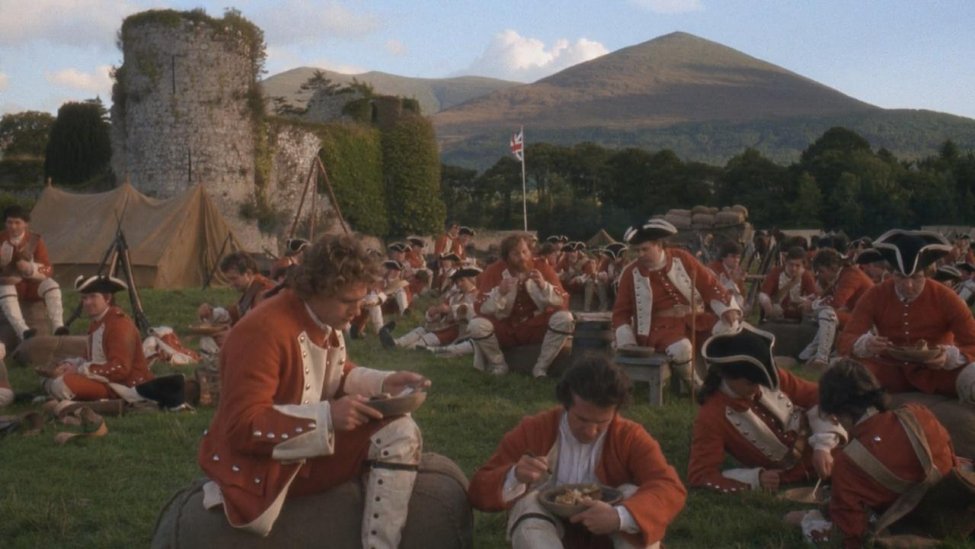

091.jpg


In other parts of the film, he shows the elites, languid and dissolute inheritors (Jon Levi) of the the new world, which is obviously too big for their britches.
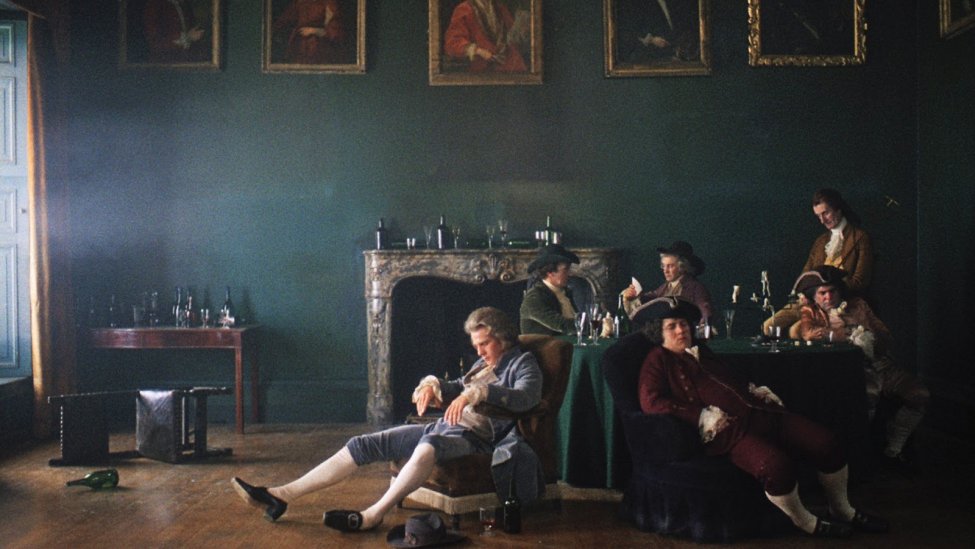

99u.jpg


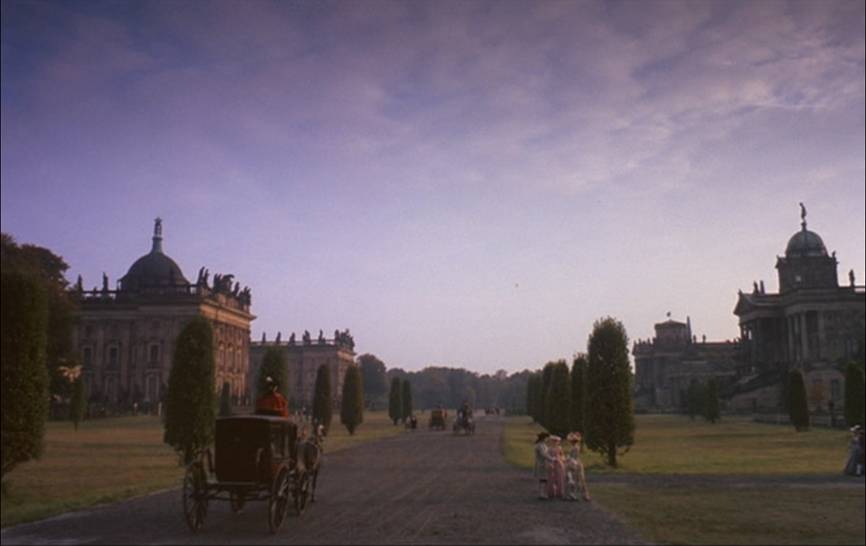
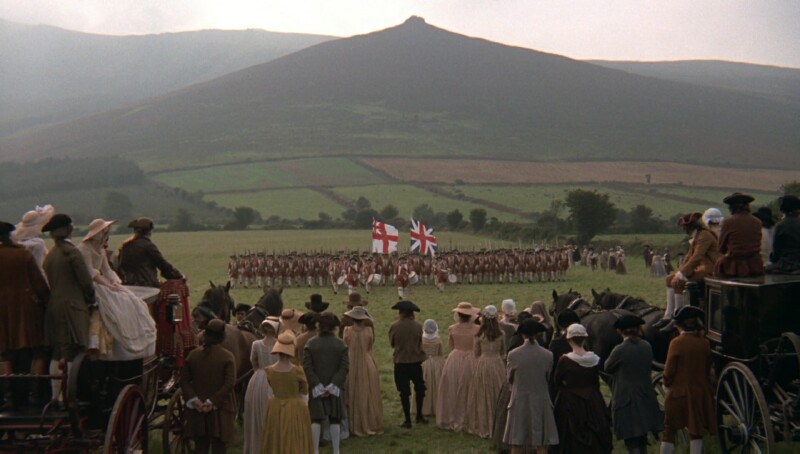
A critical eye would have seen it in the first image, but here Kubrick goes again: the pyramid, which also figures heavily in A Clockwork Orange, is put in plain sight. Most won't see it-- as the movie seems to slowly meander through a pretty boring storyline. But there it is. Kubrick never made such mistakes.


iu.jpg

Maybe his grasp on this period was as tenuous as our own. This film is by far his most superficially cinematic. It is praised for its cinematography above all else. No doubt, people were wondering: What was he really doing? For people here, I think it is hidden in plain site.

I hope very much that people will see it and comment on it.
Note: This OP was recovered from the Sh.org archive.
Note: Archived Sh.org replies to this OP are included in this thread.
 
Note: This post was recovered from the Sh.org archive.
Username: Son of a Bor
Date: 2020-06-23 20:48:45
Reaction Score: 8
Director Stanley Kubrick lays out the character and shape of our world in his movies. In Paths of Glory (1957), he depicts the depravity of the officer class during WWI. In Spartacus (1960), he reveals the doomed and famous slave revolt against the machine-like Roman Empire. Lolita (1962), shows us clearly the self-absorbed pedophilia coursing through American elite circles. In Dr. Strangelove (1964), he educates us on the comic insanity of the war machine and global leaders and their gleeful plans for bugging out in underground bunkers with the most beautiful of the species-- in order to recreate humanity in the aftermath of nuclear war. In 2001: A Space Odyssey (1968), he discloses our technocratic future and the rule of the black screen (see Collative Learning). In A Clockwork Orange (1971), he shows in x-rated detail the failures and sinister intentions of the left wing of the political spectrum. In The Shining (1980), his greatest masterpiece in my opinion, he unveils the haunting of history (in particular the early 20th century-- including the foundation of the Federal Reserve) in the lives of ordinary people in the United States. In Full Metal Jacket (1987), we see how young men are trained to be killers and savages in the "colonies", this case Vietnam. In his final masterpiece, Eyes Wide Shut (1999), he shows how ordinary people live oblivious to both their own sexuality and to the machinations and rituals of the elite.

Of all his films, perhaps the most difficult to understand in terms of unveiling is Barry Lyndon (1975). What was Kubrick trying to show us? Only the rascal, wayward life of young Barry Lyndon? After reading through this forum and thinking about the "meat grinder that changed this planet" in the 17th-18th centuries, I've come to the conclusion that Kubrick, an Ashkenazi Jew, shows us in very subtle but precise cinematography, that this period is key to understanding the very dark world we inhabit.

Below are some screen shots that should give readers of this forum plenty to think about.

Barry Lyndon was born in Ireland in 1750. See Michelle Gibson's provocative exposition of the importance of that time and place in modern world history. Lyndon is somehow able to navigate all the chaos to find his way into elite circles, where his luck runs out and he is discovered to be a fraud. Telling the story Kubrick always give us many clues about our world. The first, we see Lyndon during his early unfortunate years. In this still we see ruins of castles, possibly only recently to emerge from some sort of flood.


091.jpg


In other parts of the film, he shows the elites, languid and dissolute inheritors (Jon Levi) of the the new world, which is obviously too big for their britches.


99u.jpg


A critical eye would have seen it in the first image, but here Kubrick goes again: the pyramid, which also figures heavily in A Clockwork Orange, is put in plain sight. Most won't see it-- as the movie seems to slowly meander through a pretty boring storyline. But there it is. Kubrick never made such mistakes.


iu.jpg

Maybe his grasp on this period was as tenuous as our own. This film is by far his most superficially cinematic. It is praised for its cinematography above all else. No doubt, people were wondering: What was he really doing? For people here, I think it is hidden in plain site.

I hope very much that people will see it and comment on it.
 
Note: This post was recovered from the Sh.org archive.
Username: Magnetic
Date: 2020-06-23 21:38:59
Reaction Score: 1
The cameras he used for the inside shots with candlelights were special NASA cinema cameras that were only ones in existence. Perhaps his involvement in the filming of the Apollo landings allowed him the use of these precious cameras.
 
Note: This post was recovered from the Sh.org archive.
Username: Son of a Bor
Date: 2020-06-23 21:43:56
Reaction Score: 1
It sure seems like Kubrick played a little game with TPTB, I use you and you use me. You also must know conspiracies abound on his death, immediately following the release of his final film.

Also, if you watch the video on making the film with the IMBd blurb above, you will see that having so many candles lit was impossible for a prolonged period. What kind of lighting did they use in these places in the 18th century?
 
Note: This post was recovered from the Sh.org archive.
Username: jd755
Date: 2020-06-24 04:58:16
Reaction Score: 1
Whale oil lamps would be my guess. Or bundles of rushes soaked in fat. The latter can produce a lot of smoke though but on the flip side there are a lot of rushes in Ireland. For film purposes candles especially church candles burn slower so better for contonuity purposes.
As for the piccies, probably just me but I see a breast not pyramid.
But please bear in mind I don't get symbology in movies. I often look at what other people say is there and say "eh?".
 
Note: This post was recovered from the Sh.org archive.
Username: JezNorth
Date: 2020-06-28 05:02:57
Reaction Score: 1
Thanks Son of a Bor for the amazing Kubrick post (y)

I'm a fan of his movies however didn't see Barry Lyndon until relatively recently. I spotted the pyramid in your first image in your post however I did not spot it when watching the film. So definitely a film I will need to watch a few more times.

The duels might be another one to throw into your mix for what Kubrick was trying to show us?
i.e. the 'fakery' of his so called more illustrious opponents (I don't want to be too specific and spoil it for those who haven't seen it)
 
Note: This post was recovered from the Sh.org archive.
Username: Timeshifter
Date: 2020-06-28 08:20:42
Reaction Score: 5
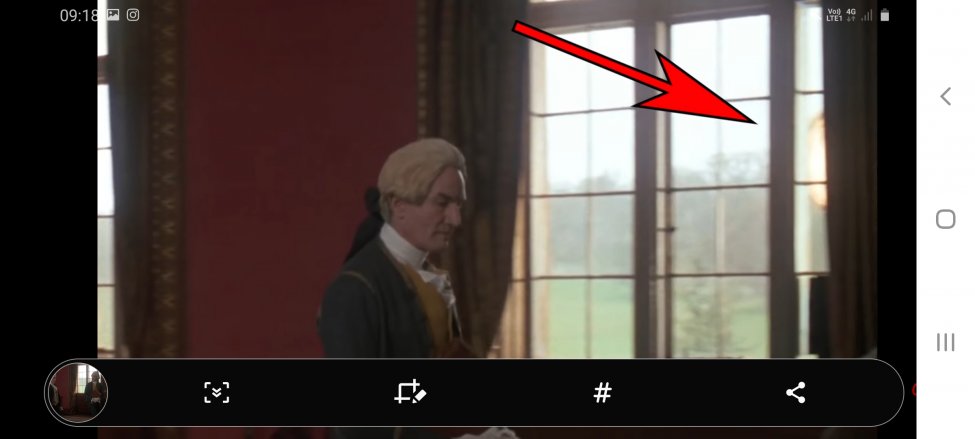
Kubrik added some of his own fakery into this movie. Critics would have you believe that he lit the film in the same way they would have lit the rooms in the actual times it is set (candels and natural light). Great however until you can clearly see a hot light outside the window in this shot...

'In creating that particular effect, did you use any of the light actually coming through the windows?

No, it was simulated by means of Mini-Brutes. I used Mini-Brutes all the time, with tracing paper on the windows — plastic material, actually. I find it to be a little bit better than the tracing paper'

Photographing Stanley Kubrick’s Barry Lyndon - The American Society of Cinematographers

Screenshot_20200628-091825_YouTube.jpg

Thanks for the post, time to give this movie a fresh viewing :)
 
Note: This post was recovered from the Sh.org archive.
Username: Son of a Bor
Date: 2020-06-28 17:03:33
Reaction Score: 1
I will add this still because it always blows me away (and because I forgot to add it above in my haste). The experience of the inheritors-- one might call it:

barry-lyndon-3.jpg
 
Note: This post was recovered from the Sh.org archive.
Username: Son of a Bor
Date: 2020-06-29 10:37:15
Reaction Score: 0
I don't know what the symbolism of a pyramid means in itself. I tend to see signs only in relation to other signs in some kind of sequence, even if garbled. Call me typewriter head. Nonetheless, I understand that there is a lot of "surplus meaning" attached to a pyramid-- depending on one's point of view. And/or there might be something intrinsic to them.

I'm not sure why Kubrick put them in the film. But they're there.

In A Clockwork Orange, they clearly signify social power. Alex is at the bottom of the pyramid, and he is reminded of it constantly-- despite his preternatural predatory tendencies. Kubrick puts them in all sorts of places in the film.

Looking at the above stills, it would seem that Kubrick is showing the same for Barry Lyndon; for they appear in scenes where he is clearly at the bottom-- in the military.

Why did I write so suggestively of them above? As if they had some kind of meaning pertaining to stolen history? Frankly, I was/am hoping someone might have a better idea of the intrinsic meaning of the things relative to stolen history than me. But if I had to judge right now, I'd say they were put there to signify stultifying hierarchy, which Lyndon eventually navigated and overcame, for a short time, via guile, charisma, luck and strong fists. But this is boring and unlike Kubrick. So I don't know right now. Like much else from the past, I can only point at pyramids as real physical things and say they are stunning and haunting. They speak from the past, but we can barely decipher the many meanings.
 
Note: This post was recovered from the Sh.org archive.
Username: usselo
Date: 2020-06-29 12:59:44
Reaction Score: 1
Your thoughts about seeing them in relation to other signs in a sequence may well be justified. In the two examples I was familiar with before reading your OP, both pyramids appear at the apparent end of the character's 'life' (on Earth, presumably). One of those is the example I posted above; the other is from the end of The Truman Show.
The Truman Show pyramid.jpg
Image from the controller's tablet prior to Truman finding the pyramid

As we all presumably know, Truman climbs the side of this pyramid, then 'bows out'. Metaphorically, he ascends, although I personally think the world he is apparently ascending to is not very different-looking from than our own. With one exception, which is that - to some extent - the audience have been living their own lives through him. I recall that in some belief systems, the 'gods' are thought to live their lives through us so this ending may be the concluding metaphor for an extended cinematic metaphor about that belief system.

I haven't seen Barry Lyndon so I don't have any idea what pyramids might mean in it and how and when they show up other than what this thread says. Pyramids as metaphors for heirarchy - and the position of the actor in the heirarchy - seems very reasonable though.

A side note: it's heartening to be able to discuss these things here. I've shown my two grabs to a couple of friends and the only response was:

"You're obsessed with pyramids!"

If ever the SH folks get together, screening these films (and others) to examine when pyramids and other symbols appear might be a great way to get the evening discussions going.
 
Note: This post was recovered from the Sh.org archive.
Username: Son of a Bor
Date: 2020-07-01 17:28:12
Reaction Score: 0
Before I lose track of the thread in which it appears, here is one comment by @studytruth that suggests something intrinsic to pyramids.

Perhaps more ideas will emerge there-- if they haven’t appeared elsewhere on this subject.
 
Note: This post was recovered from the Sh.org archive.
Username: Son of a Bor
Date: 2020-07-12 03:36:52
Reaction Score: 2
Here a link to the recent work of Michelle Gibson, who refers to weird and important historical/meteorological events in Ireland in 1740.
 
Tips
Tips
Please respect our Posting Rules.
Back
Top