Archive
Old SH Archive
- Joined
- Sep 8, 2020
- Messages
- 17,737
- Reaction score
- 3,167
Director Stanley Kubrick lays out the character and shape of our world in his movies. In Paths of Glory (1957), he depicts the depravity of the officer class during WWI. In Spartacus (1960), he reveals the doomed and famous slave revolt against the machine-like Roman Empire. Lolita (1962), shows us clearly the self-absorbed pedophilia coursing through American elite circles. In Dr. Strangelove (1964), he educates us on the comic insanity of the war machine and global leaders and their gleeful plans for bugging out in underground bunkers with the most beautiful of the species-- in order to recreate humanity in the aftermath of nuclear war. In 2001: A Space Odyssey (1968), he discloses our technocratic future and the rule of the black screen (see Collative Learning). In A Clockwork Orange (1971), he shows in x-rated detail the failures and sinister intentions of the left wing of the political spectrum. In The Shining (1980), his greatest masterpiece in my opinion, he unveils the haunting of history (in particular the early 20th century-- including the foundation of the Federal Reserve) in the lives of ordinary people in the United States. In Full Metal Jacket (1987), we see how young men are trained to be killers and savages in the "colonies", this case Vietnam. In his final masterpiece, Eyes Wide Shut (1999), he shows how ordinary people live oblivious to both their own sexuality and to the machinations and rituals of the elite.
Of all his films, perhaps the most difficult to understand in terms of unveiling is Barry Lyndon (1975). What was Kubrick trying to show us? Only the rascal, wayward life of young Barry Lyndon? After reading through this forum and thinking about the "meat grinder that changed this planet" in the 17th-18th centuries, I've come to the conclusion that Kubrick, an Ashkenazi Jew, shows us in very subtle but precise cinematography, that this period is key to understanding the very dark world we inhabit.
Below are some screen shots that should give readers of this forum plenty to think about.
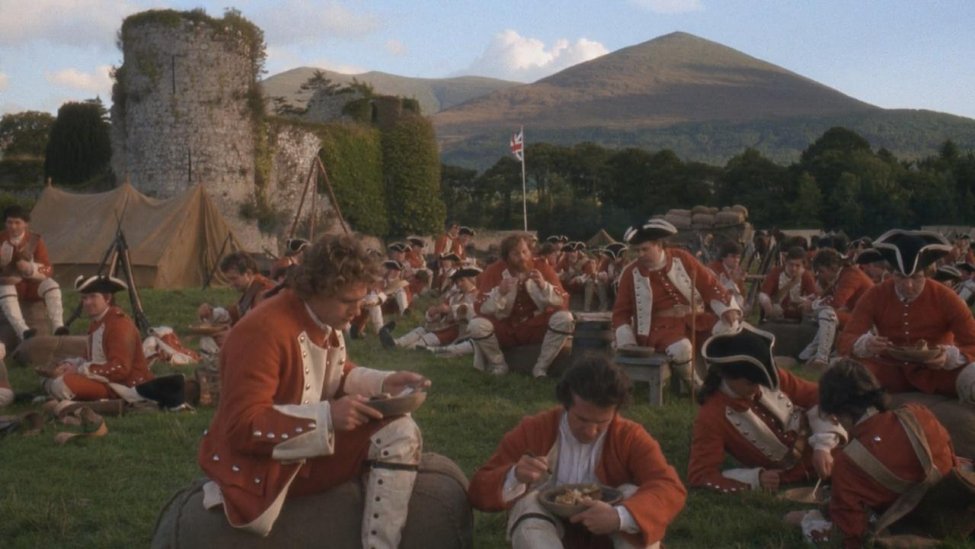
Barry Lyndon was born in Ireland in 1750. See Michelle Gibson's provocative exposition of the importance of that time and place in modern world history. Lyndon is somehow able to navigate all the chaos to find his way into elite circles, where his luck runs out and he is discovered to be a fraud. Telling the story Kubrick always give us many clues about our world. The first, we see Lyndon during his early unfortunate years. In this still we see ruins of castles, possibly only recently to emerge from some sort of flood.
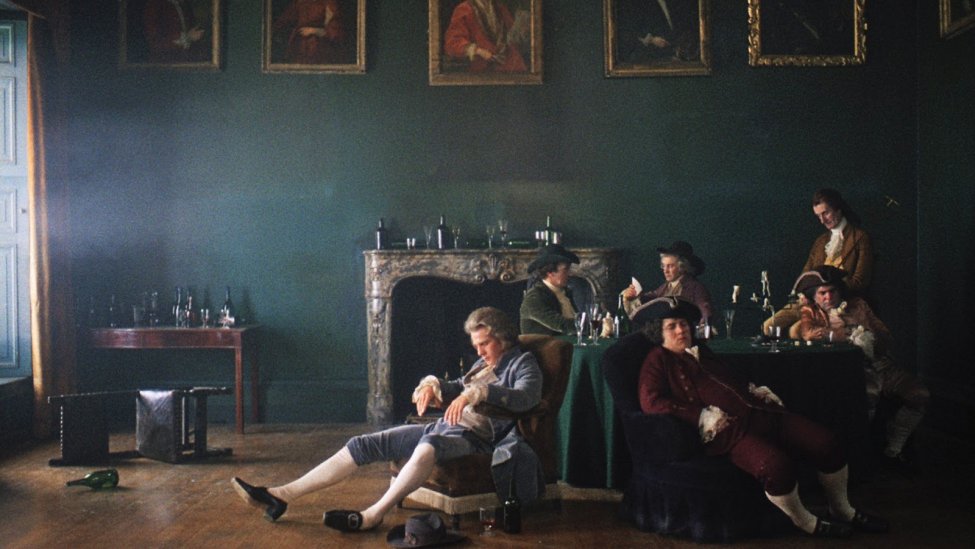
In other parts of the film, he shows the elites, languid and dissolute inheritors (Jon Levi) of the the new world, which is obviously too big for their britches.
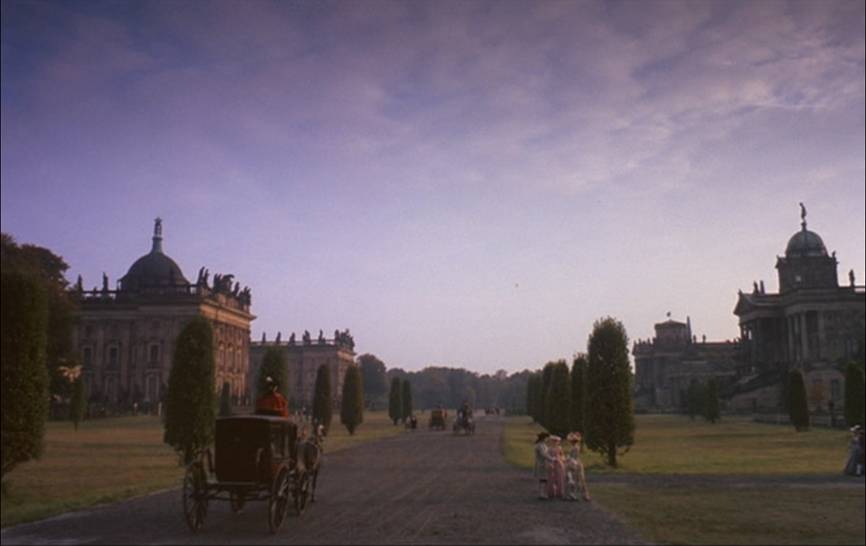
A critical eye would have seen it in the first image, but here Kubrick goes again: the pyramid, which also figures heavily in A Clockwork Orange, is put in plain sight. Most won't see it-- as the movie seems to slowly meander through a pretty boring storyline. But there it is. Kubrick never made such mistakes.
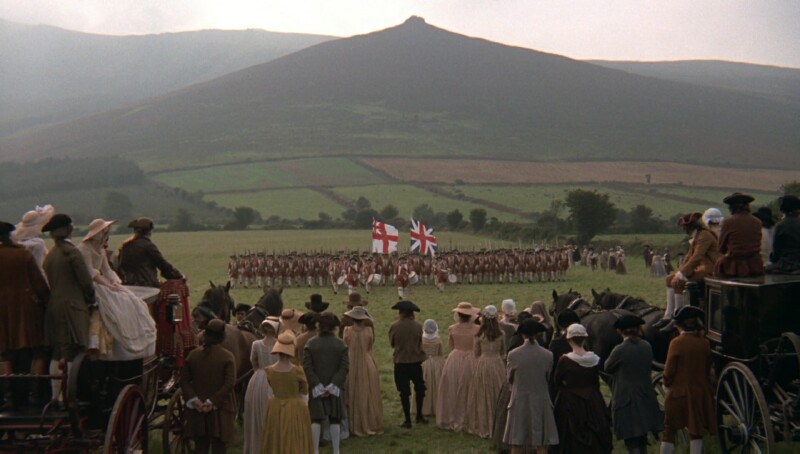
Maybe his grasp on this period was as tenuous as our own. This film is by far his most superficially cinematic. It is praised for its cinematography above all else. No doubt, people were wondering: What was he really doing? For people here, I think it is hidden in plain site.
I hope very much that people will see it and comment on it.
Of all his films, perhaps the most difficult to understand in terms of unveiling is Barry Lyndon (1975). What was Kubrick trying to show us? Only the rascal, wayward life of young Barry Lyndon? After reading through this forum and thinking about the "meat grinder that changed this planet" in the 17th-18th centuries, I've come to the conclusion that Kubrick, an Ashkenazi Jew, shows us in very subtle but precise cinematography, that this period is key to understanding the very dark world we inhabit.
Below are some screen shots that should give readers of this forum plenty to think about.
Barry Lyndon was born in Ireland in 1750. See Michelle Gibson's provocative exposition of the importance of that time and place in modern world history. Lyndon is somehow able to navigate all the chaos to find his way into elite circles, where his luck runs out and he is discovered to be a fraud. Telling the story Kubrick always give us many clues about our world. The first, we see Lyndon during his early unfortunate years. In this still we see ruins of castles, possibly only recently to emerge from some sort of flood.
In other parts of the film, he shows the elites, languid and dissolute inheritors (Jon Levi) of the the new world, which is obviously too big for their britches.
A critical eye would have seen it in the first image, but here Kubrick goes again: the pyramid, which also figures heavily in A Clockwork Orange, is put in plain sight. Most won't see it-- as the movie seems to slowly meander through a pretty boring storyline. But there it is. Kubrick never made such mistakes.
Maybe his grasp on this period was as tenuous as our own. This film is by far his most superficially cinematic. It is praised for its cinematography above all else. No doubt, people were wondering: What was he really doing? For people here, I think it is hidden in plain site.
I hope very much that people will see it and comment on it.
Note: This OP was recovered from the Sh.org archive.
Note: Archived Sh.org replies to this OP are included in this thread.