Archive
Old SH Archive
- Joined
- Sep 8, 2020
- Messages
- 17,737
- Reaction score
- 3,168
The Ancient Canals and Tanks of the NWT, Canada
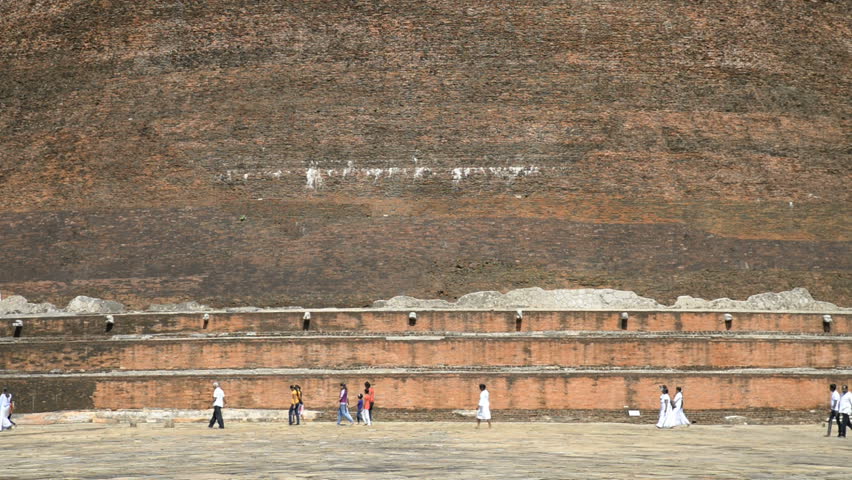
Table of contents
Table of contents
- Chapter 1 - Ancient water tanks of Sri Lanka
- Chapter 2 - Minneriya Tank
- Chapter 3 - Biso Kootuwa - A Sri Lankan Engineering Marvel
- Chapter 4 - Abhayagiri Dagoba (Stupa) in Anuradhapura (Sri Lanka)
- Chapter 5 - Atamasthana (Sri Lanka)
- Chapter 7 - Meaning of the above for what is below
- Chapter 8 - Main stream view of Pingo's of Northern Canada
- Chapter 9 - Exploration of Canada's NWT via Google Earth
- Chapter 10 - Coastline
- Chapter 11 - How does it all connect
Chapter 1 - Ancient water tanks of Sri Lanka
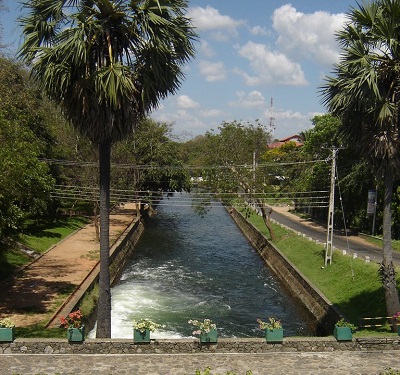
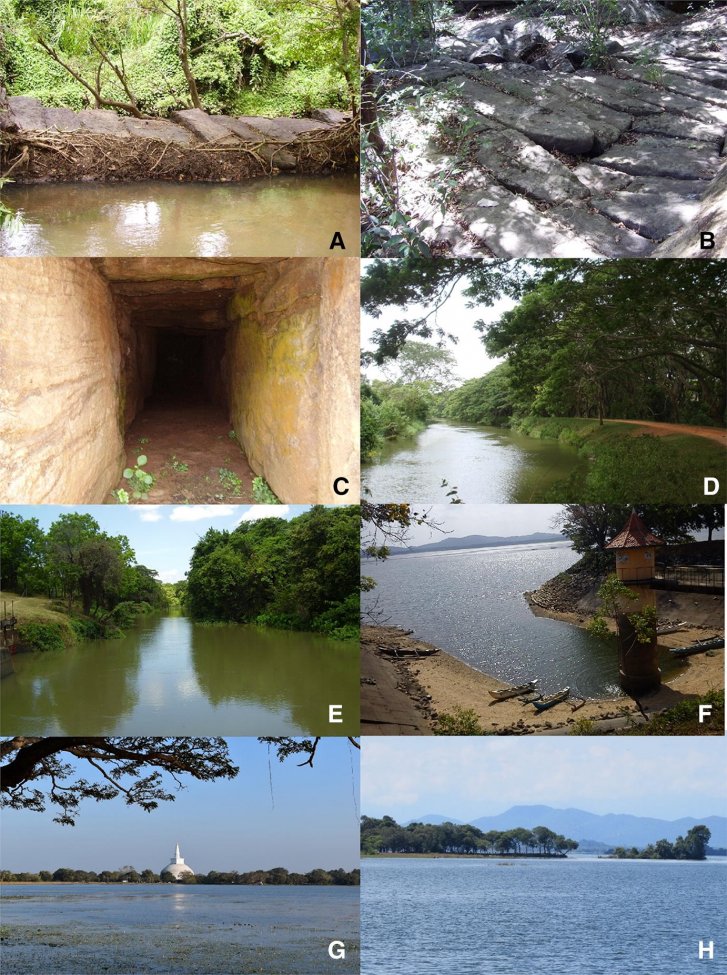
This first part is to introduce you to this tank and canal system, for that we will go to Sri Lanka - enjoy the read.Over 2400 years ago, Sri Lanka, a tiny country near the southern tip of India, flourished into one of the finest hydraulic civilizations of the world. This country, at the core of the south east monsoon, has 80% of its territory covered by a dry zone prone to water scarcity. Its ancient kings built a sophisticated network of small tanks connected by canals to large reservoirs to collect and redistribute every single drop of rain the land received. The tanks were built in cascading systems, using the natural inclination and topography of the land, full of small watersheds. They kept the natural cycle of water through soil, vegetation and atmosphere. The main goal of the system was to save and re-use water, allowing cultivation of rice in the dry zone. Tanks, paddy fields, watersheds, canals and natural ecosystems were perfectly interlaced.
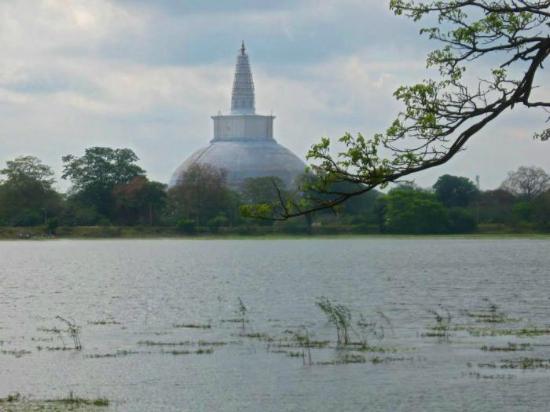
Basawakkulama Tank (Abahaya Weva) and Reservoir
The cascade system was perfectly adapted to cope with Sri Lanka’s climate, characterized by recurrent droughts and floods. The tanks were equipped with features to prevent floods, preserve water and control evaporation.
Video - Ancient water tanks of Sri Lanka to adapt to a changing climate
Ancient kings were visionaries. Their sophisticated system of tanks, canals and reservoirs kept a perfect ecological balance and was able to mitigate droughts, cool down temperature and save water.
Something about Sri Lanka
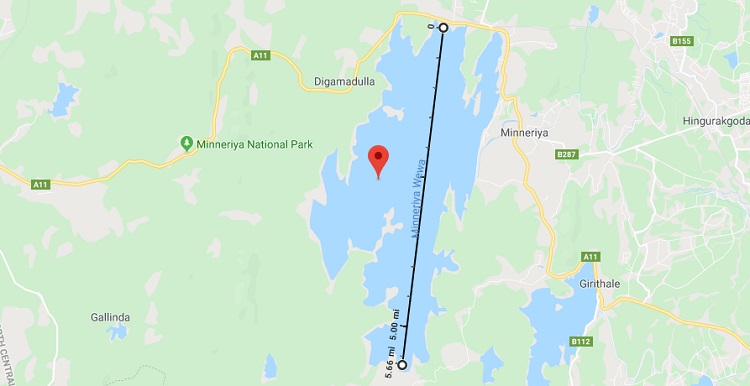
Chapter 2 - Minneriya Tank
The Minneriya Tank was built by the great tank builder, King Mahasen (276–303) who ruled in Anuradhapura. This tank occupied 4670 acres and its strong 13-meter-tall dam running along a distance of 2 km held over 20 billion gallons of water. The water arrived from Amban River, the main tributary of Mahaveli River, 48 km away, along the Elahara canal built by King Vasabha (65–109) before his time.
This, along with other reservoirs created an irrigation paradise in the east. It was this growth in agriculture that opened up the massive trade with South East Asia through the Trincomalee harbor. From then onwards, Trincomalee harbor became one of the busiest in the region.
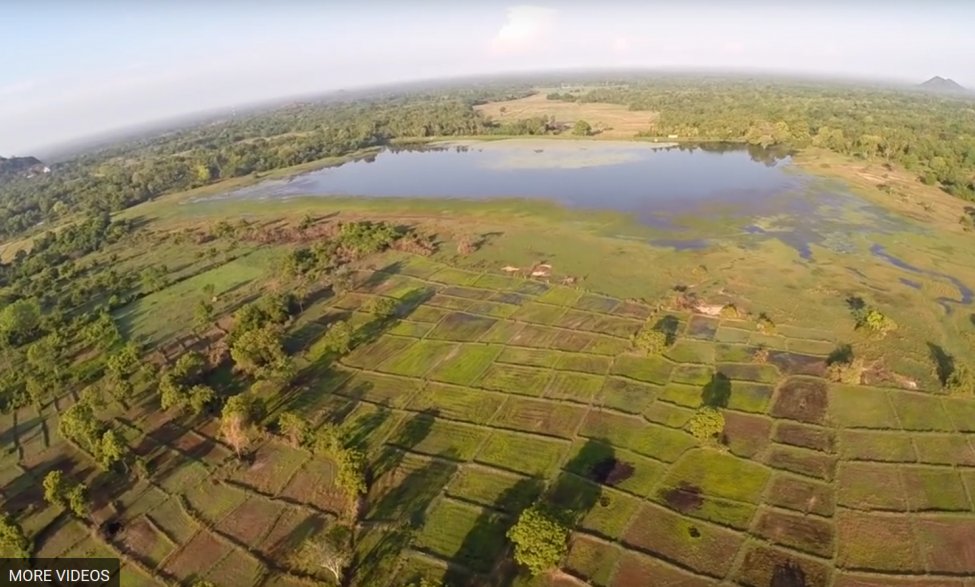
Ancient water tank of Sri Lanka
Chapter 3 - BISO KOTUWA – A Sri Lankan Engineering Marvel
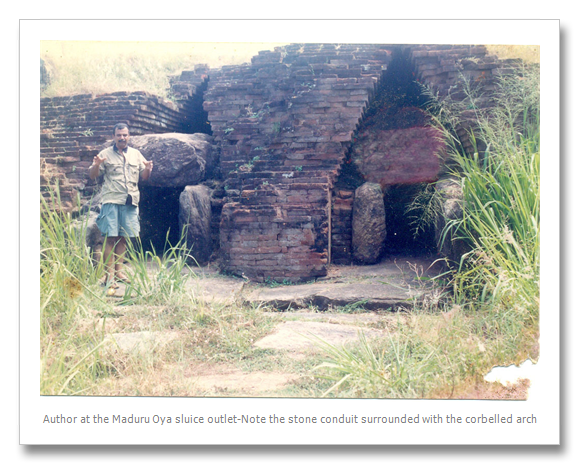
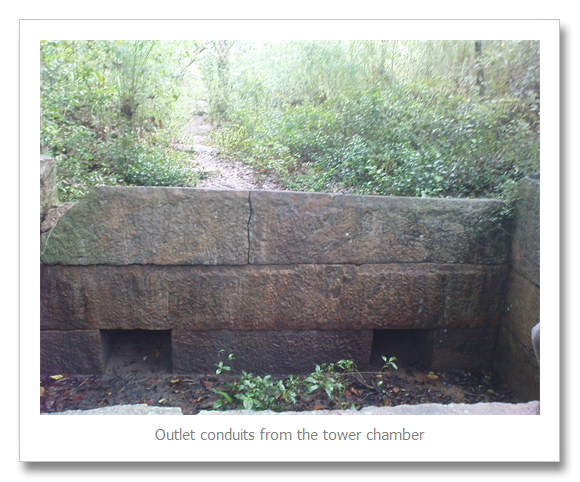
Chapter 4 - Abhayagiri Dagoba (Stupa) in Anuradhapura (Sri Lanka)
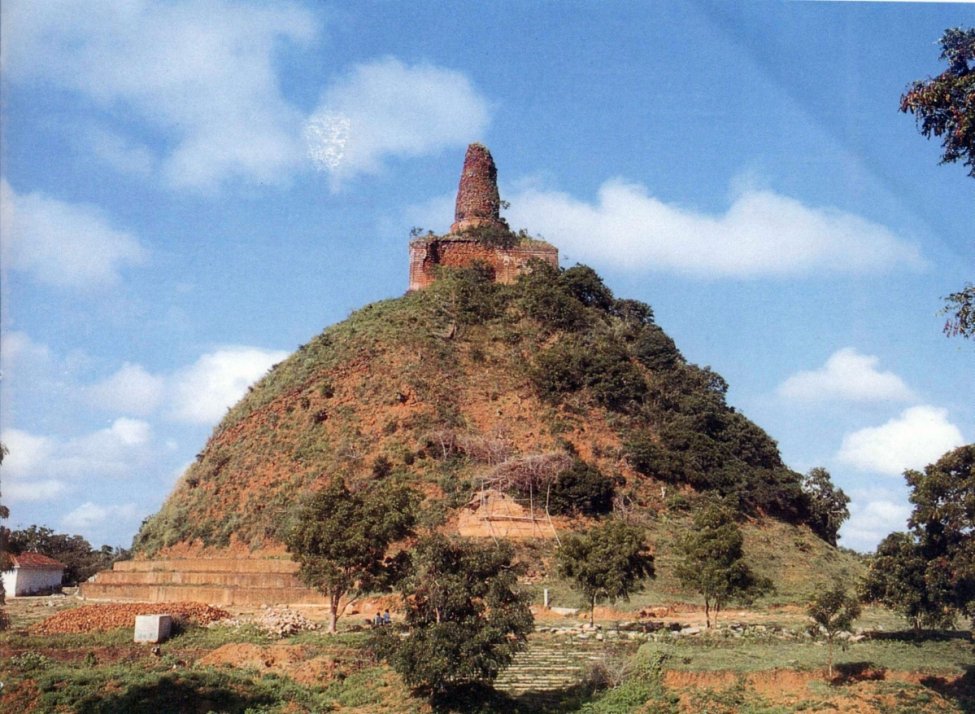
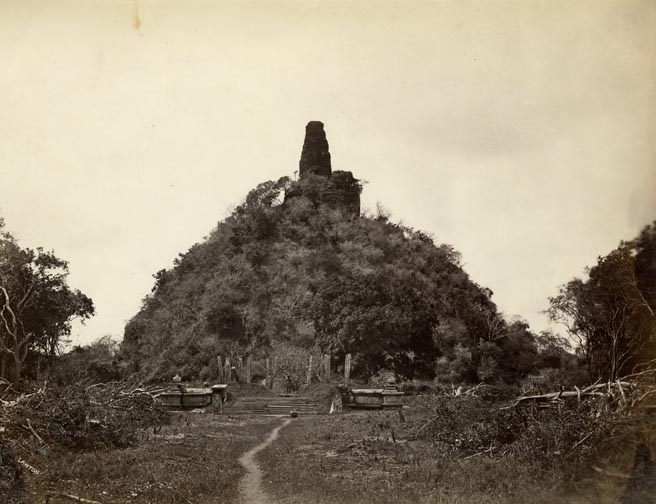
A view of the stupa before renovation.
A view of the stupa before renovation.
Abhayagiri Vihāra was a major monastery site of Mahayana, Theravada and Vajrayana Buddhism that was situated in Anuradhapura, Sri Lanka. It is one of the most extensive ruins in the world and one of the most sacred Buddhist pilgrimage cities in the nation. Historically it was a great monastic centre as well as a royal capital, with magnificent monasteries rising to many stories, roofed with gilt bronze or tiles of burnt clay glazed in brilliant colors. To the north of the city, encircled by great walls and containing elaborate bathing ponds, carved balustrades and moonstones, stood "Abhayagiri", one of seventeen such religious units in Anuradhapura and the largest of its five major viharas. One of the focal points of the complex is an ancient stupa, the Abhayagiri Dagaba. Surrounding the humped dagaba, Abhayagiri Vihara was a seat of the Northern Monastery, or Uttara Vihara and the original custodian of the Tooth relic in the island.
The term "Abhayagiri Vihara" means not only a complex of monastic buildings, but also a fraternity of Buddhist monks, or Sangha, which maintains its own historical records, traditions and way of life. Founded in the 2nd century BC, it had grown into an international institution by the 1st century AD, attracting scholars from all over the world and encompassing all shades of Buddhist philosophy. Its influence can be traced to other parts of the world, through branches established elsewhere. Thus, the Abhayagiri Vihara developed as a great institution vis‑a‑vis the Mahavihara and the Jetavana Buddhist monastic sects in the ancient Sri Lankan capital of Anuradhapura.
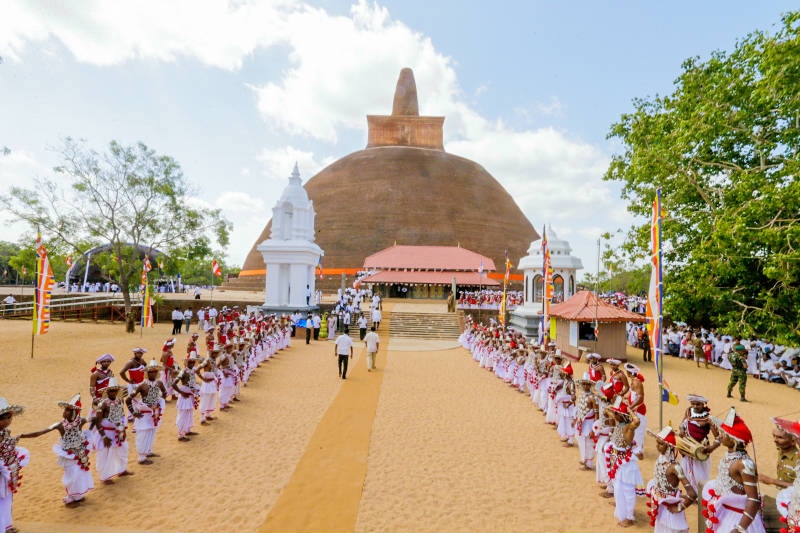
The opening ceremony for the renovated stupa.
Wiki: More info can be found here - Abhayagiri vihāra - Wikipedia
Chapter 5 - Atamasthana (Sri Lanka)
Atamasthana (අටමස්ථානය) or Eight sacred places are a series of locations in Sri Lanka where the Buddha had visited during his three visits to the country. The sacred places are known as Jaya Sri Maha Bodhiya, Ruwanwelisaya, Thuparamaya, Lovamahapaya, Abhayagiri Dagaba, Jetavanarama, Mirisaveti Stupa and Lankarama. They are situated in Anuradhapura, the capital of the ancient Anuradhapura Kingdom.The sacred city of Anuradhapura exerted a considerable influence on the development of architecture in the country during several centuries. The city is nominated as a UNESCO World Heritage Site in 1982, it lies 205 km north of the current capital Colombo in island's North Central Province, on the banks of the historic Malvathu Oya.
According to the Mahavansa the sacred city was found around 350 BC by Pandukabhaya, the 1st king of the Anuradhapura kingdom and sixth since the arrival of Vijaya. It eventually become the principal shrines of Buddhism including the branch planted of the sacred fig tree, Bodhi tree from Bodhgaya, under which Siddharta attained spiritual enlightenment and supreme wisdom. The sacred tree brought there in the 3rd century BC during the second mission, led by Sangamitta, a Buddhist nun and daughter of Emperor Ashoka. The relics of Buddha have, moreover, shaped the religious topography of Anuradhapura, where the Thuparamaya was built by Devanampiya Tissa in the 3rd century BC to house the clavicle of Buddha, an important religious relic presented by Emperor Ashoka.
The 5 images below are what we are interested in as far as all this goes.
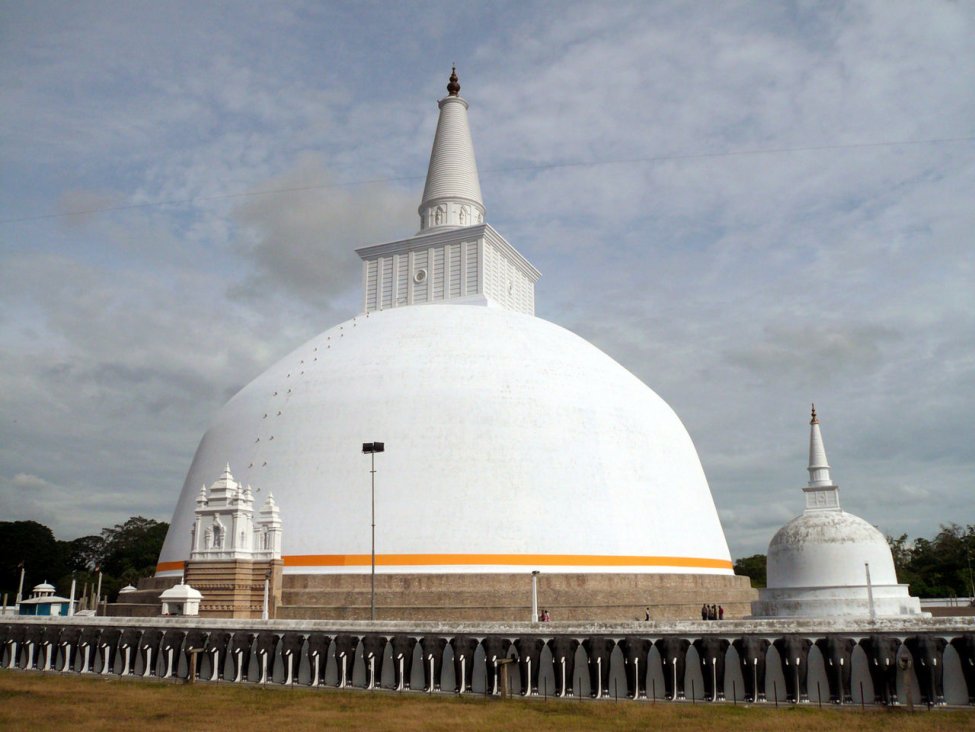
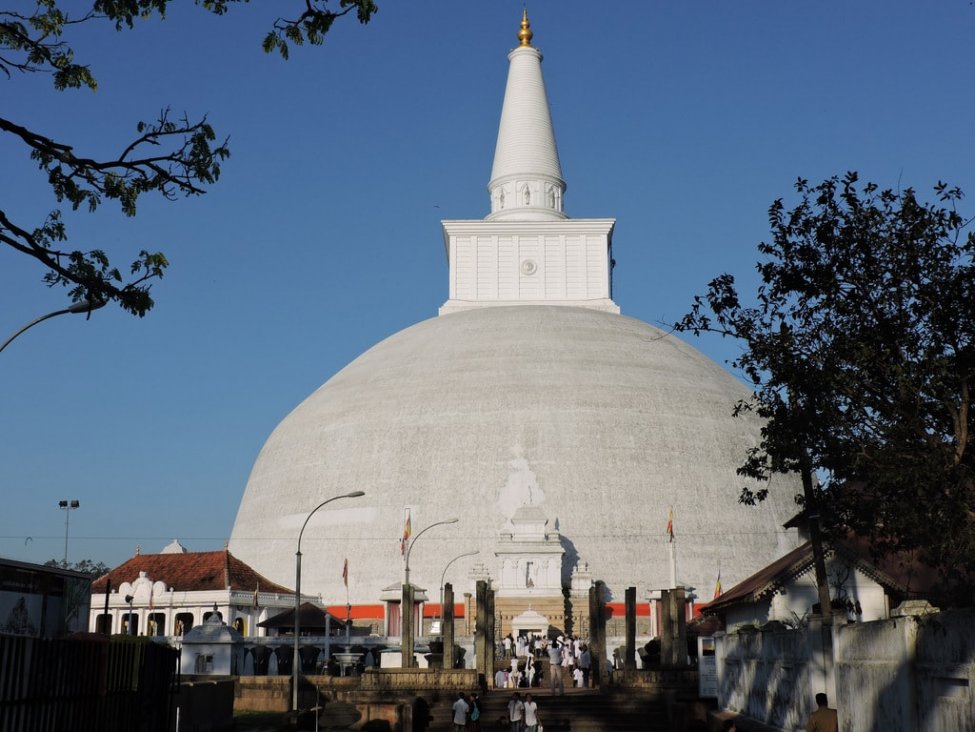
Ruwanwelisaya Chedi in the sacred city of Anuradhapura, Sri Lanka.
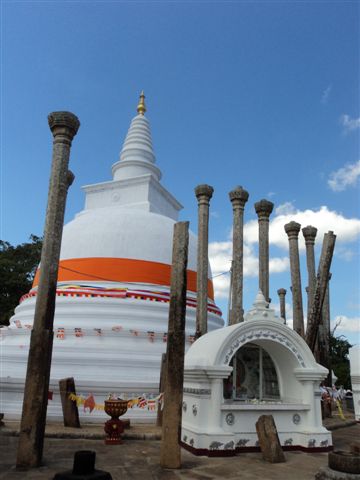
Thuparamaya dagoba in Anuradhapura.
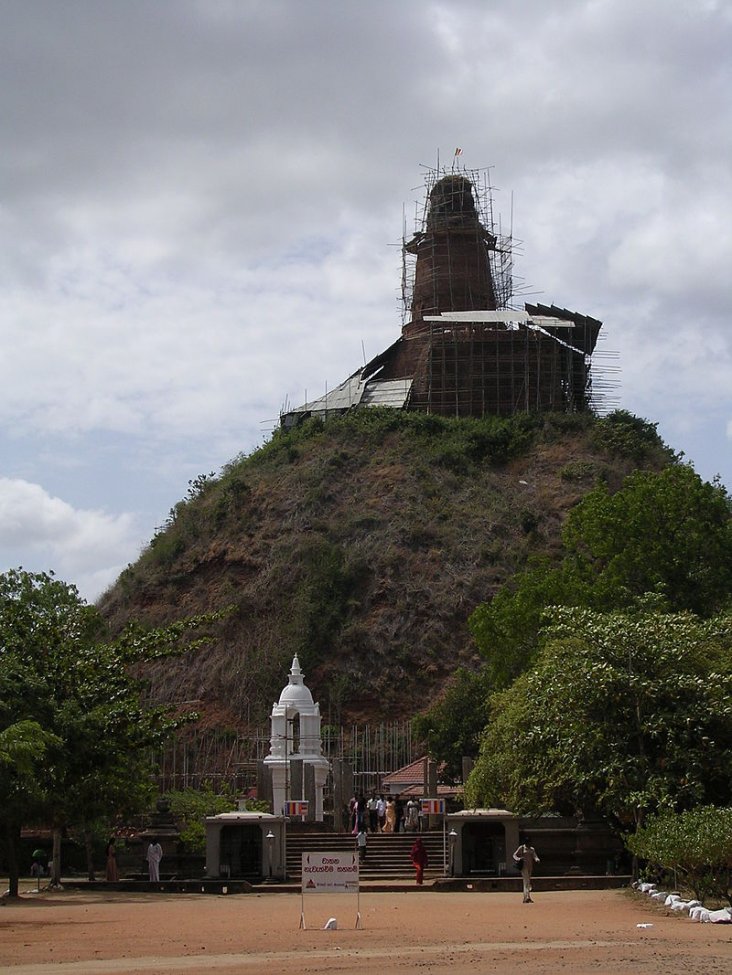
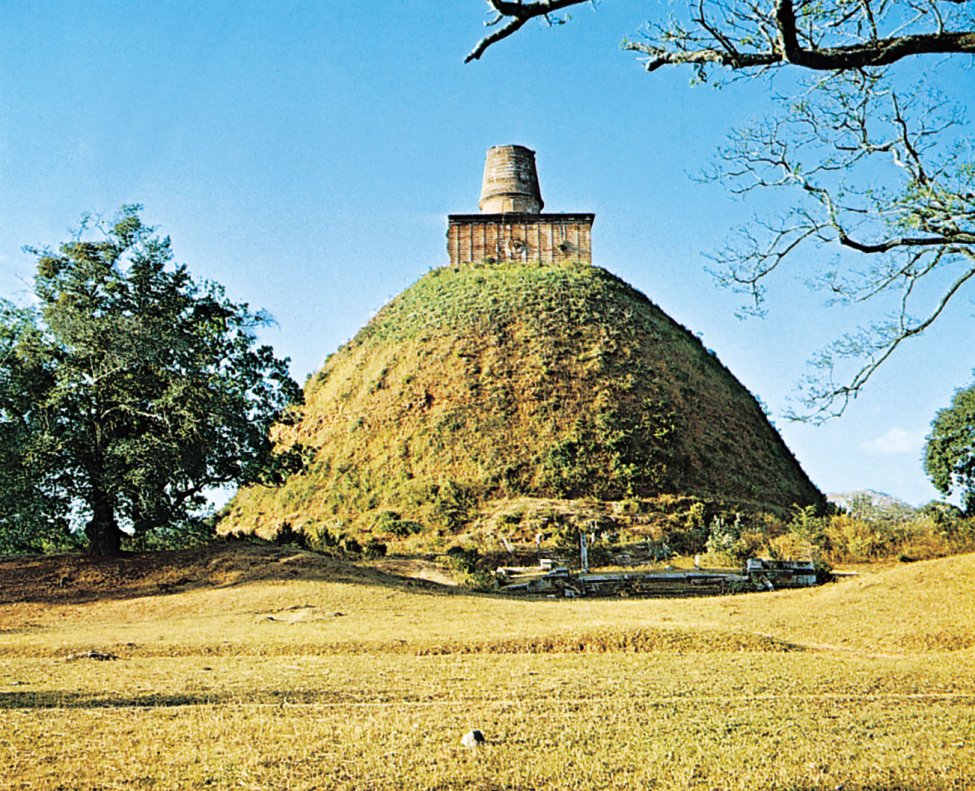
The Abayagiri Dagoba in Anuradhapura.
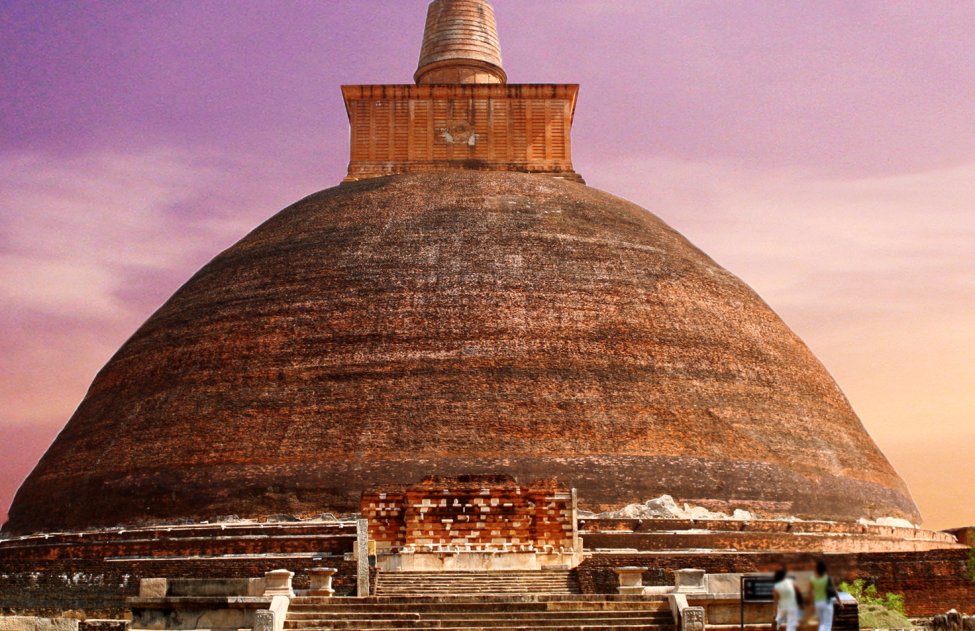
Mirisawetiya Stupa at Night
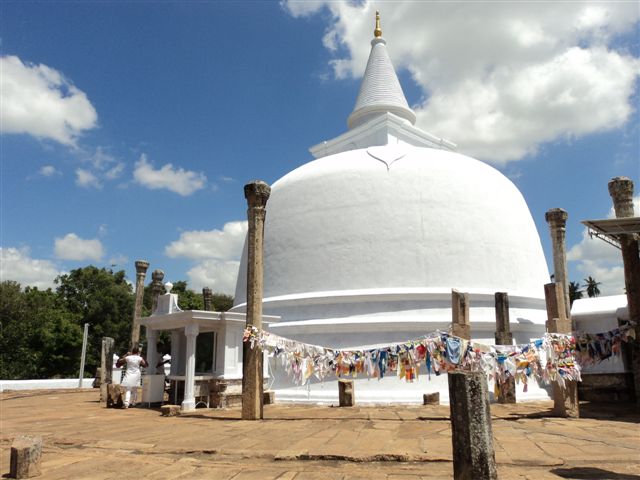
The Lankarama dagoba
Chapter 6 - Canals of Sri Lanka
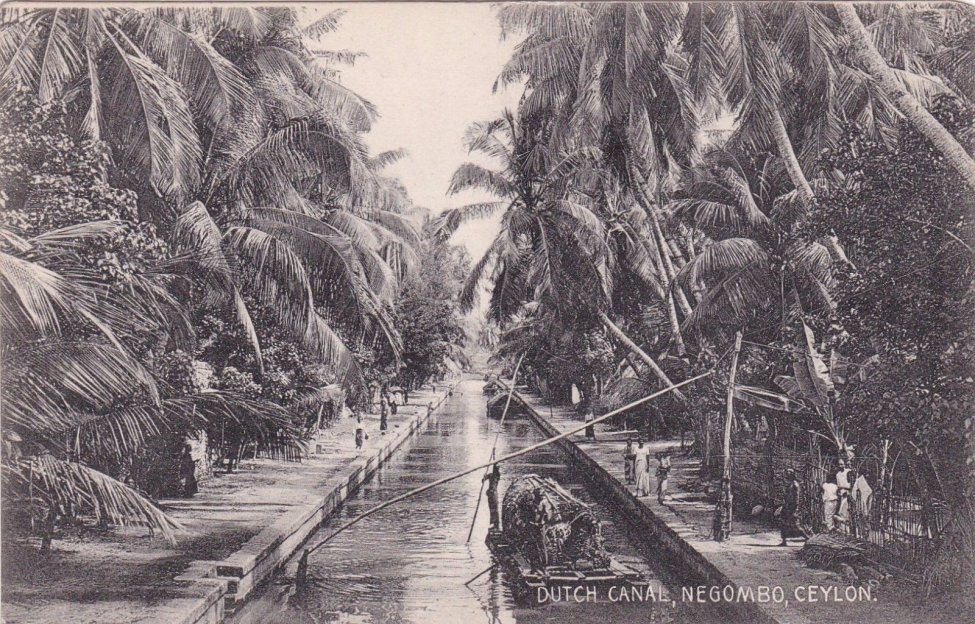
NEGOMBO, Ceylon (Sri Lanka) 1900-1910s
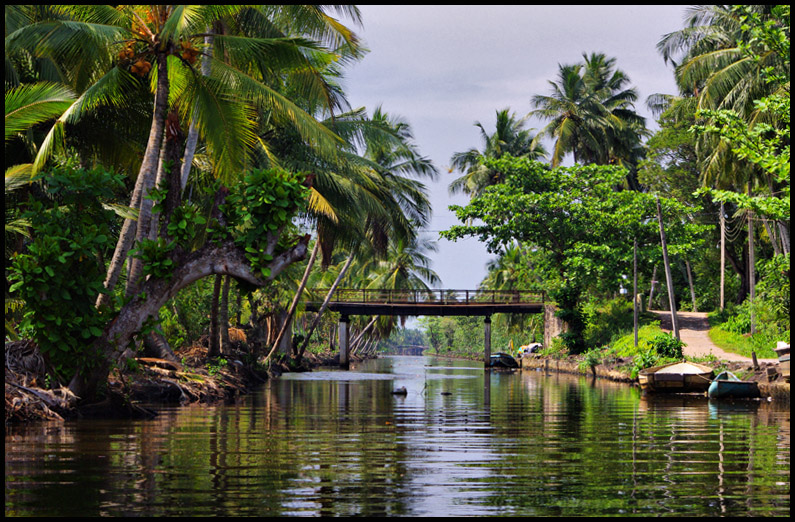
NEGOMBO (Sri Lanka)
NEGOMBO (Sri Lanka)
Chapter 7 - Meaning of the above for what is below
The goal of these texts is too show you that the NWT of Canada is very similar to Sri Lanka and the pingos as they are called are not what they seem to be as far as the main stream view goes.
Chapter 8 - Main stream view of Pingo's of Northern Canada
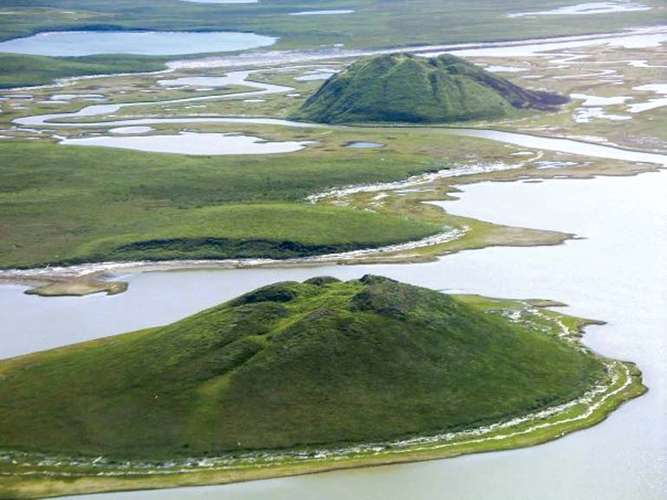
Two pingo's near Tuktoyaktuk
Two pingo's near Tuktoyaktuk
A pingo, also called a hydrolaccolith or a bulgunniak, is a mound of earth-covered ice found in the Arctic and subarctic that can reach up to 70 metres (230 ft) in height and up to 600 m (2,000 ft) in diameter. The term originated as the Inuvialuktun word for a small hill. The plural form is "pingos". The term is also used for depressions, often water filled, formed by the melting of ice at the end of the last glaciation.
A pingo is a periglacial landform, which is defined as a nonglacial landform or process linked to colder climates. "Periglacial" suggests an environment located on the margin of past glaciers. However, freeze and thaw cycles influence landscapes outside areas of past glaciation. Therefore, periglacial environments are anywhere that freezing and thawing modify the landscape in a significant manner. They are essentially formed by ground ice which develops during the winter months as temperatures fall.
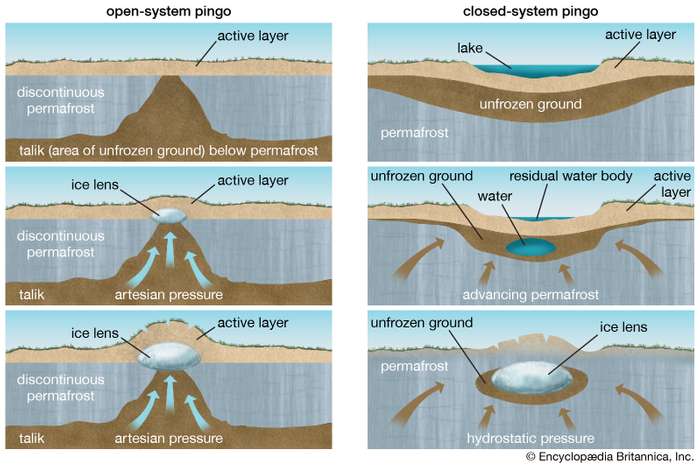
Main stream view of how pingo's are formed
Pingo Locations
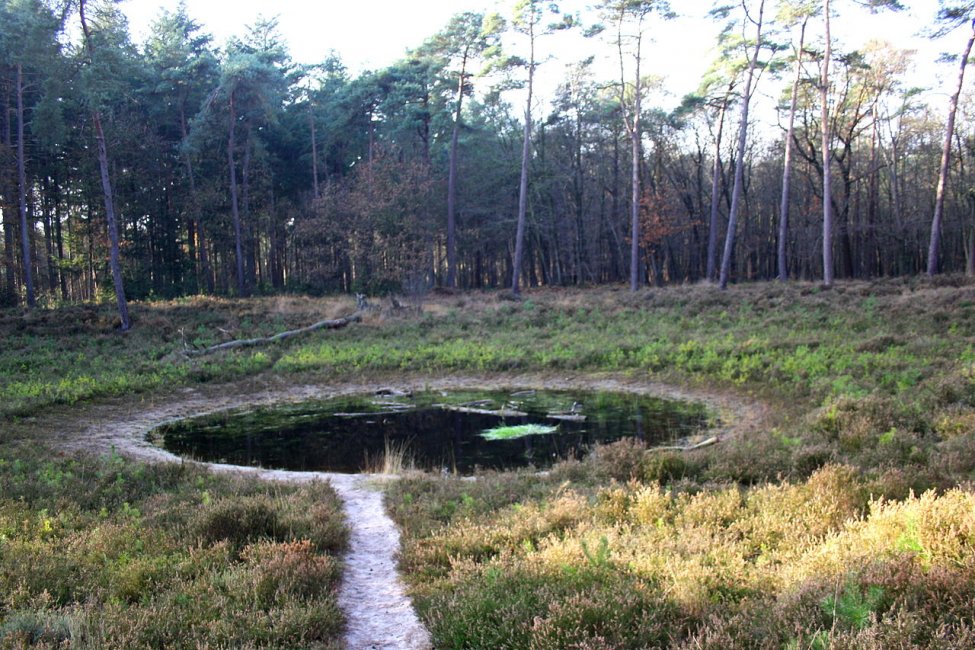
Old pingo hole.
Some old pingo holes can be found in Norfolk, England (in the Breckland) and in the Netherlands, in Dantumadeel and Opsterland in the province of Friesland, and also in the provinces of Drenthe and Groningen. Further east, remnants of a Pleistocene pingo have been identified near Moscow
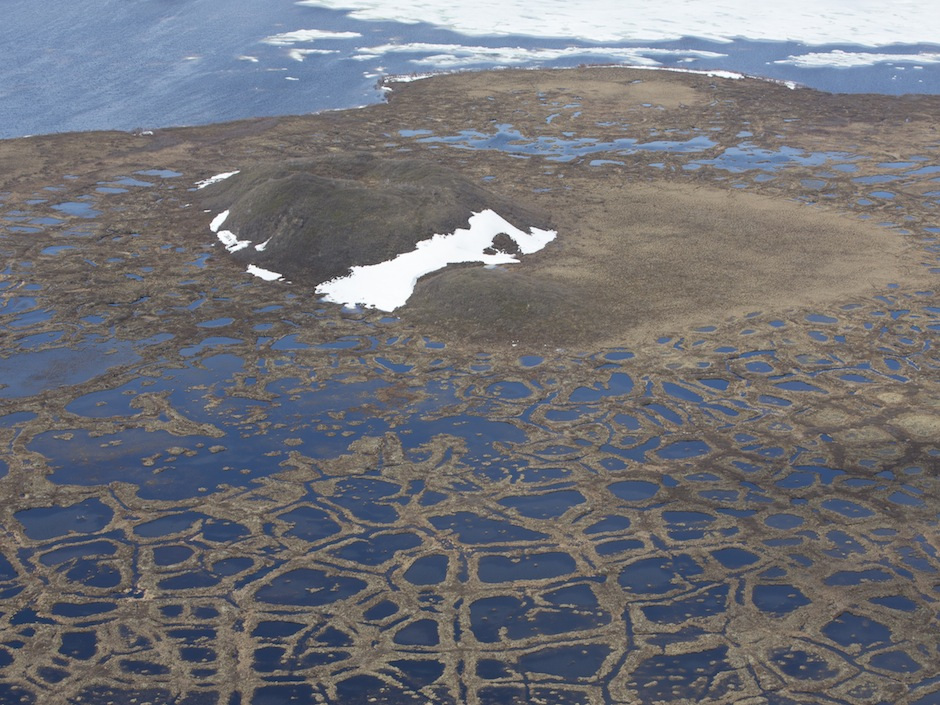
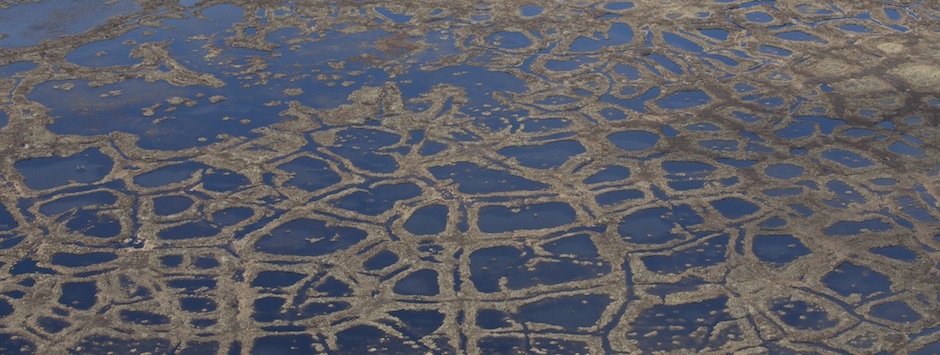
Aerial shot of a collapsed pingo on the Arctic tundra. Pingoes are large mounds of earth that cover a core of ice. Tuktoyaktuk, NWT.
Chapter 9 - Exploration of Canada's NWT via Google Earth
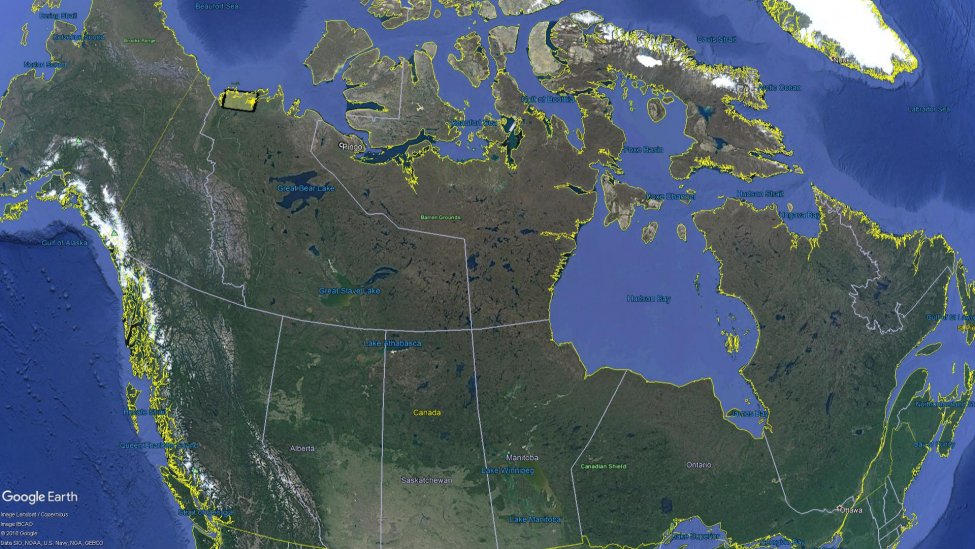
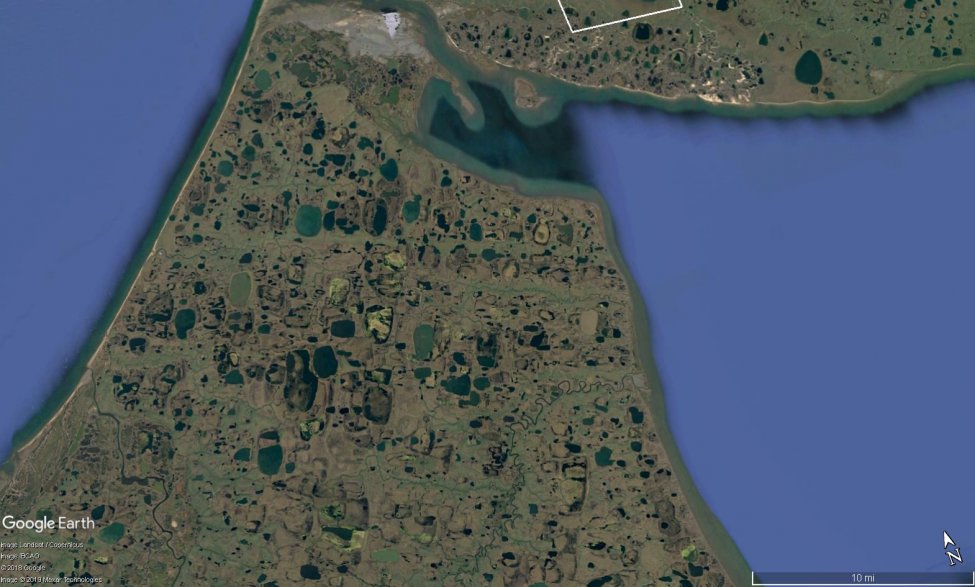
Area of investigation - Canada's NWT at 69°12'38.15"N - 133° 6'10.26"W
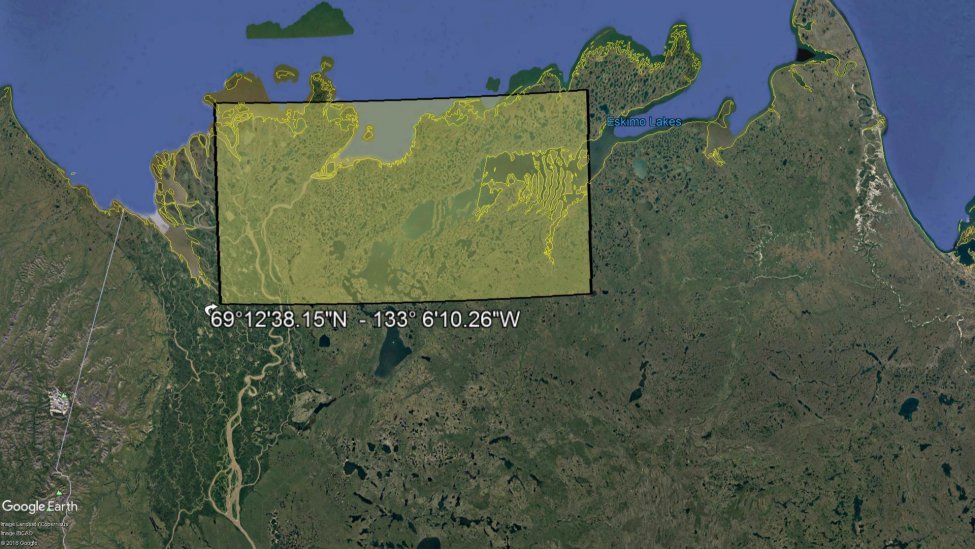
Area of investigation - Canada's NWT zoomed.
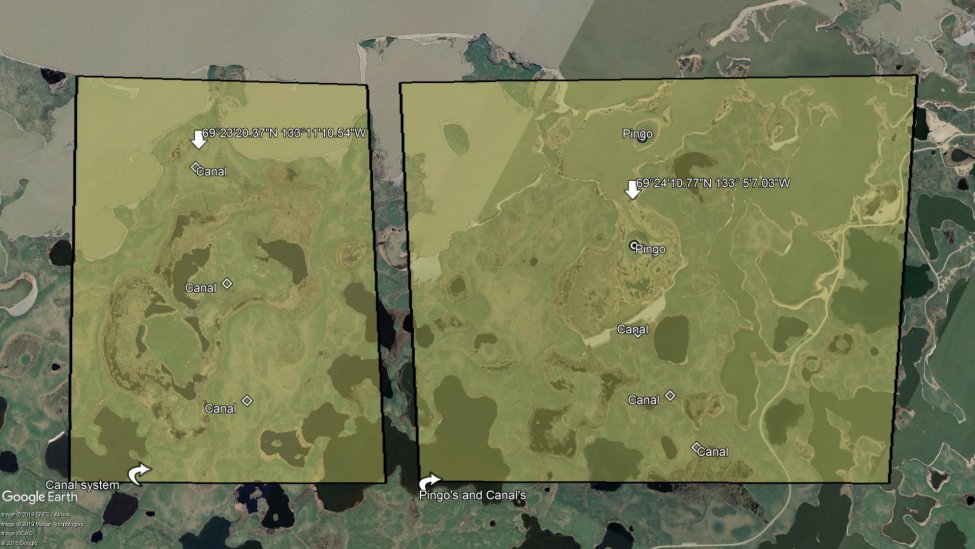
Location of the Pingo's + Canal system in the Area between the Mackenzie River Delta and the hamlet of Tuktoyaktuk in the country of Canada.
Canal System
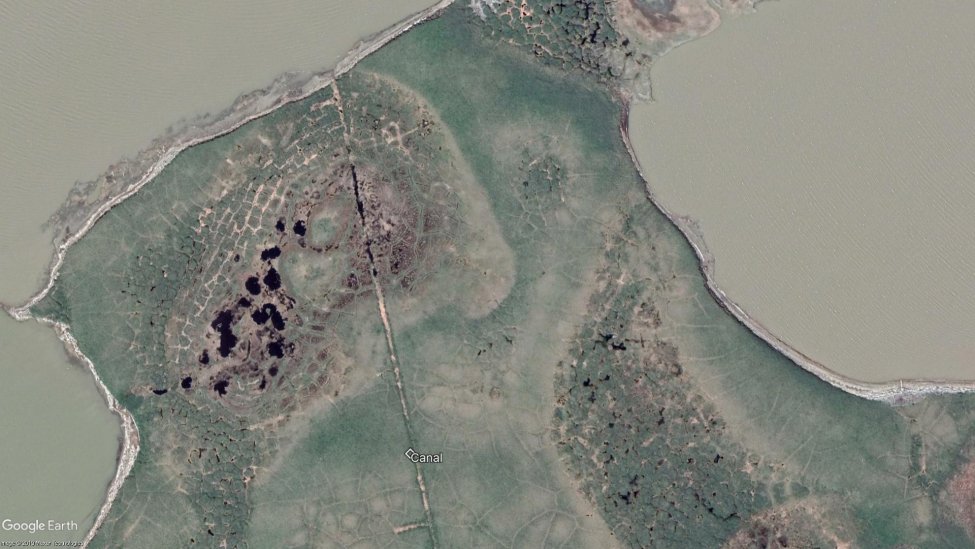
Canal system that extends into the beaufort sea.
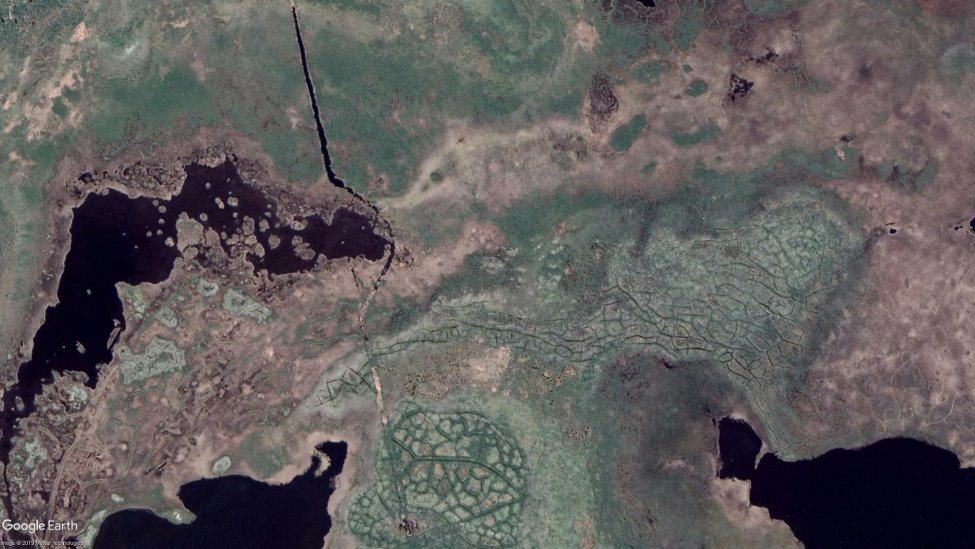
Canal same canal but south a bit.
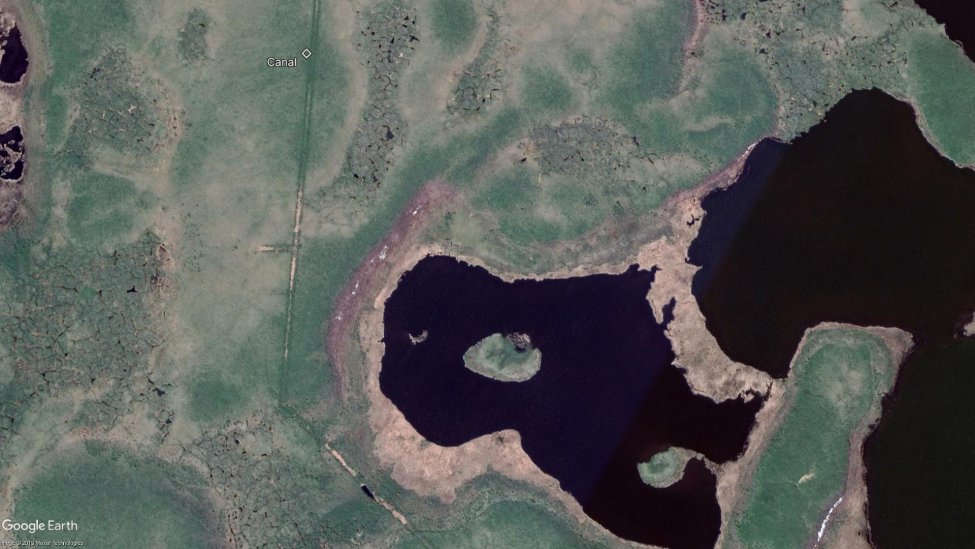
Pingo's and Canal's - south of the image above.
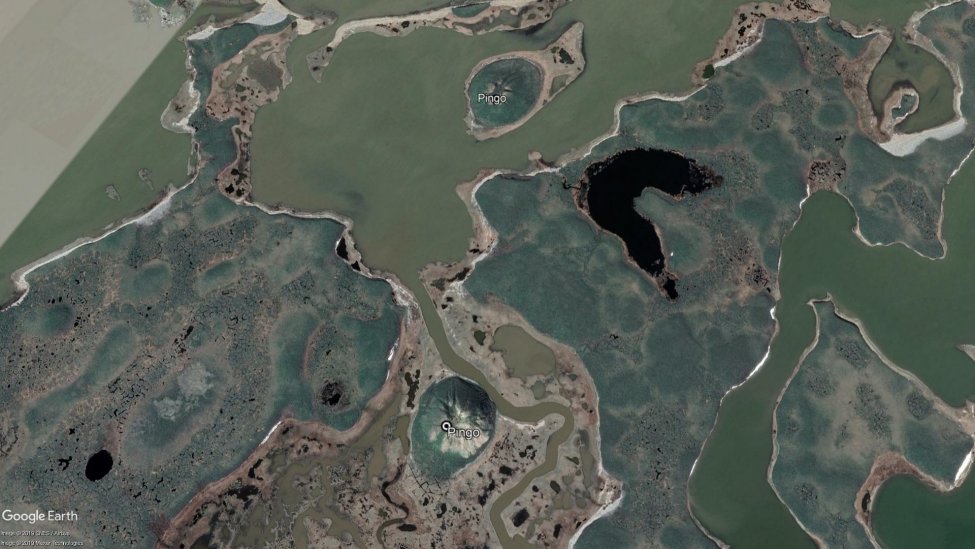
Two Pingo's on the coast of the beaufort sea.
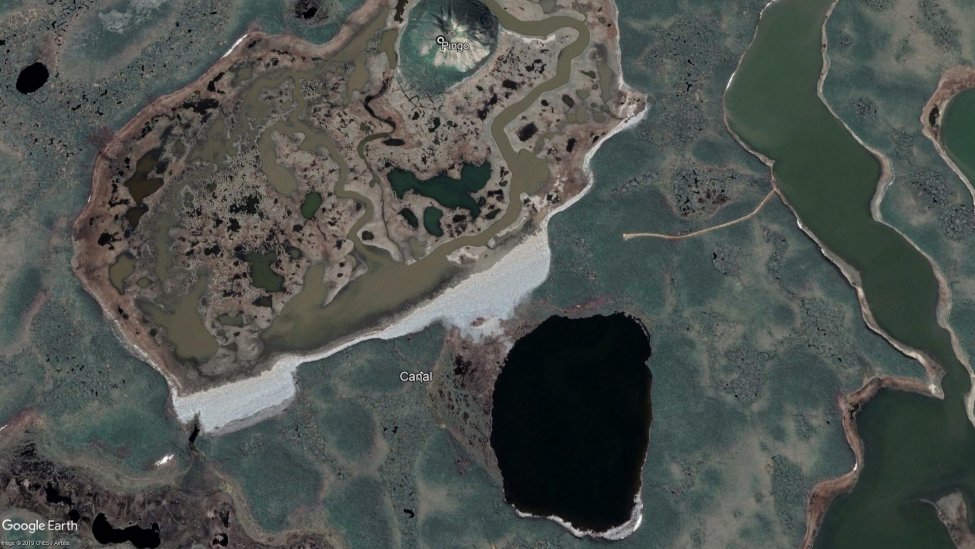
Pingo + canal that is barely visable via google earth.
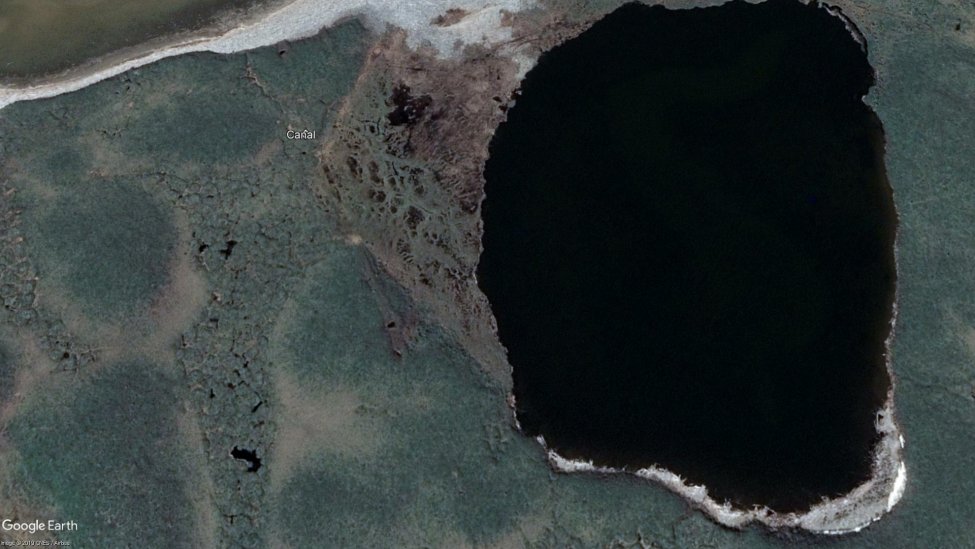
South of Pingo and Canal.
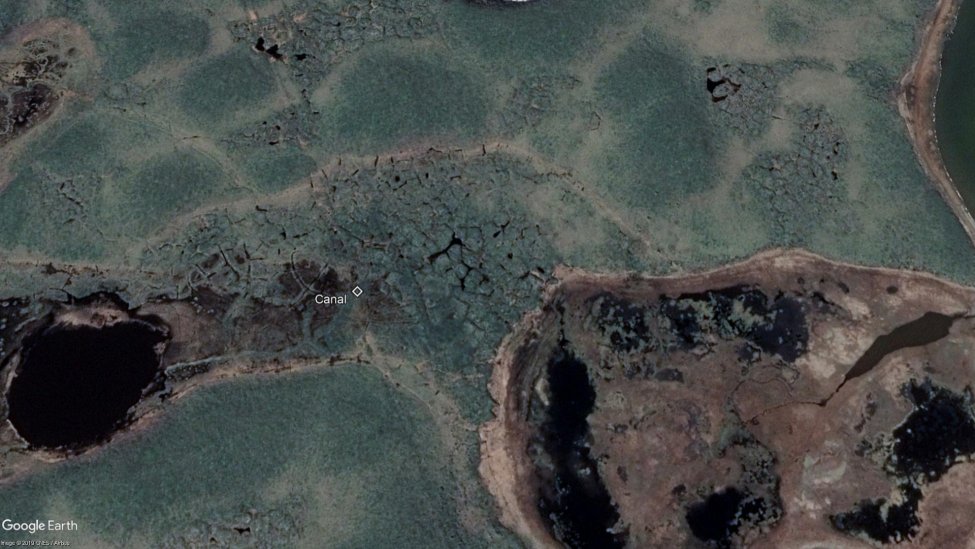
Same canal but more south.
Chapter 10 - Coastline
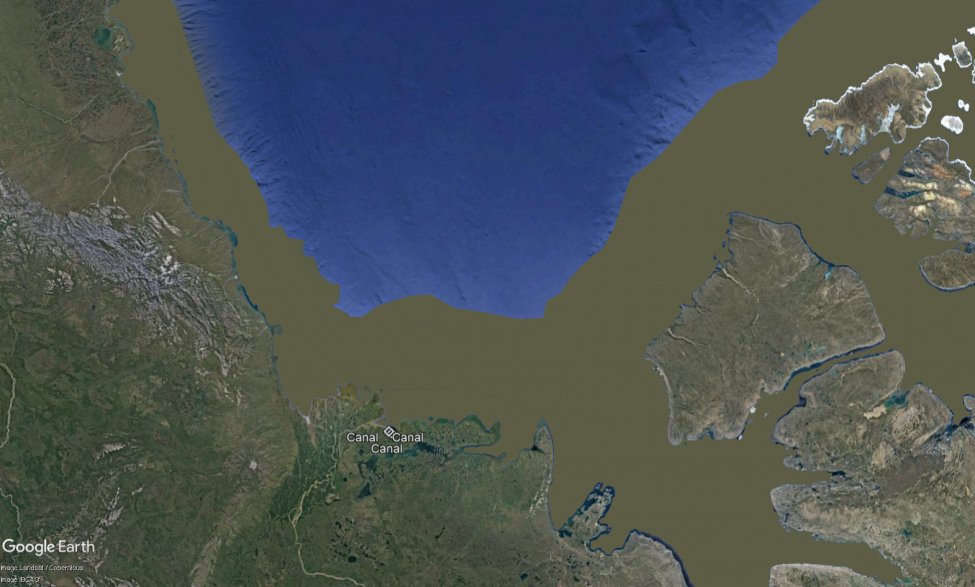
Ancient coast line of the NWTs
I base the depth of the ocean off this 1914 map from hong kong showing the change from antediluvian time.
The only reason to show this map is to show what the coast line may have looked like before the flood, exploring where Eden is located is not part of this discussion.
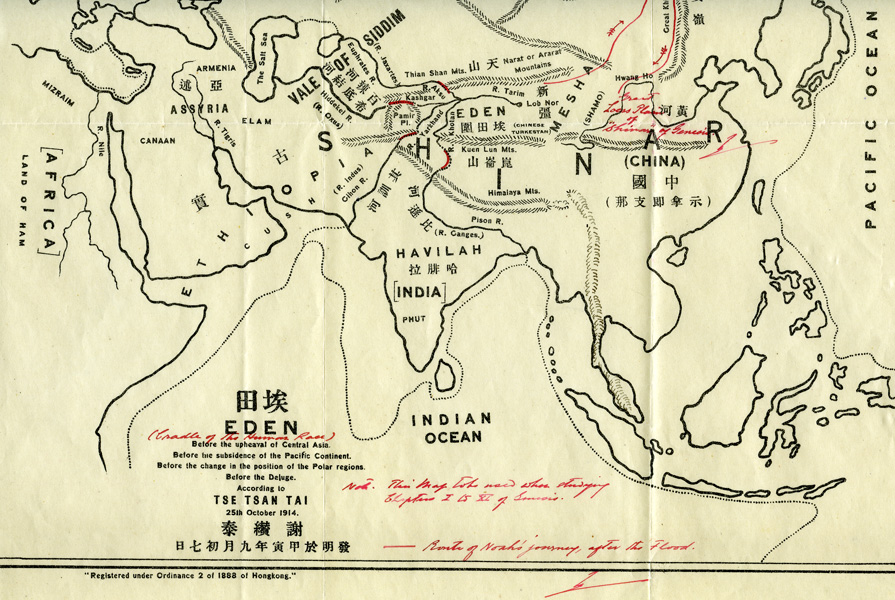
Tse Tsan Tai: The Search for Eden
Chapter 11 - How does it all connect
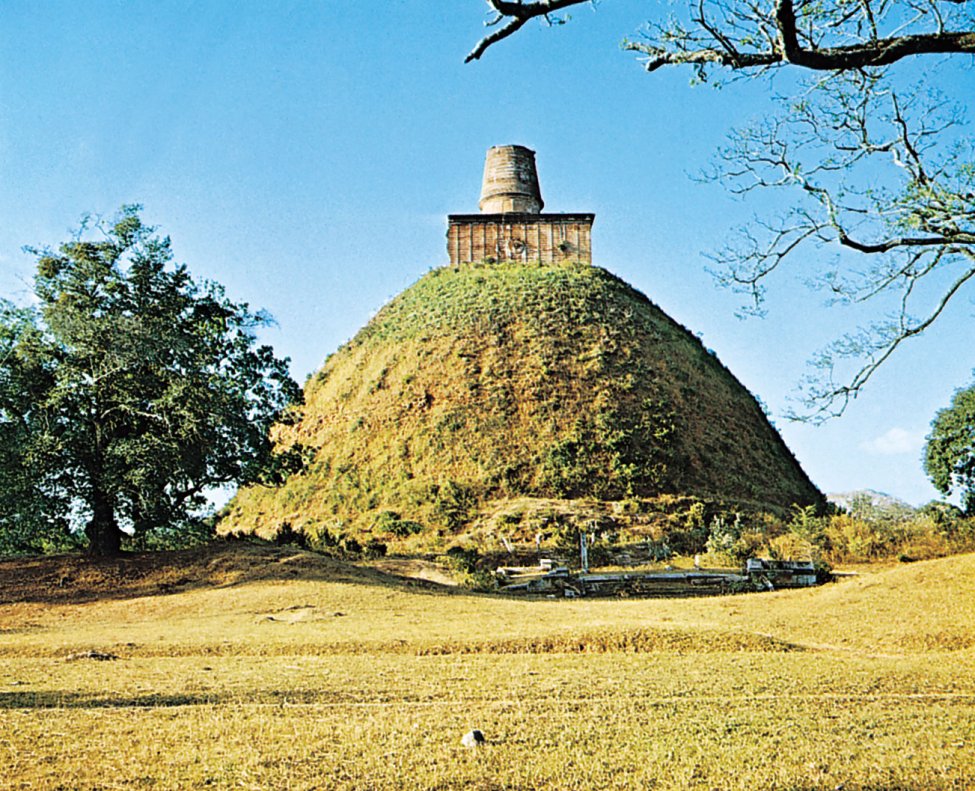
Stupa in Sri Lanka.
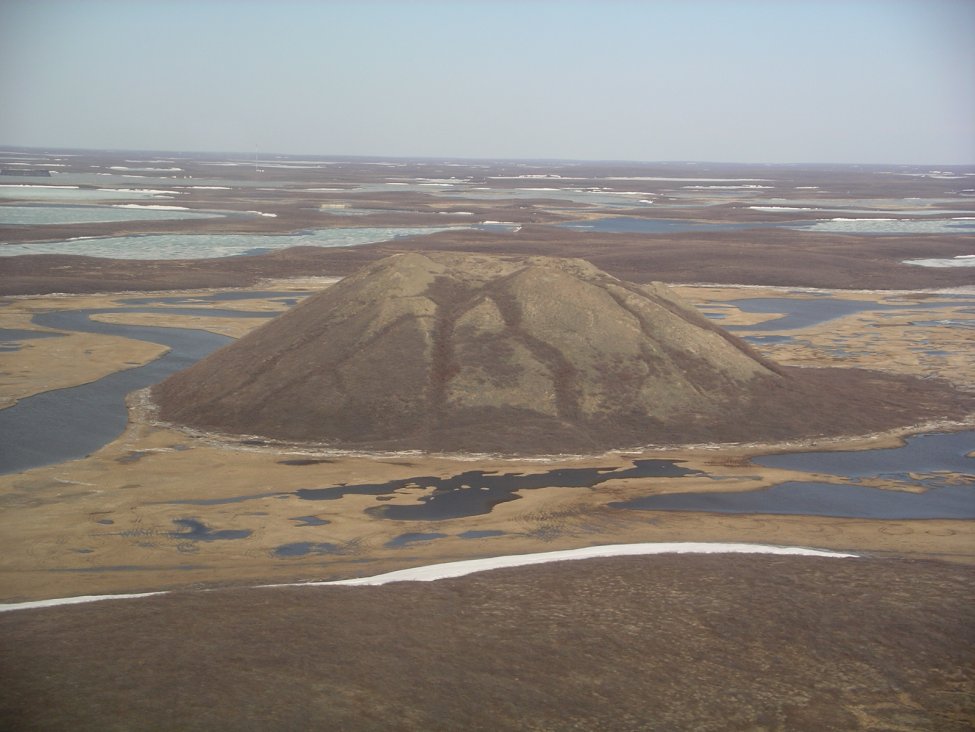
A Pingo of the NWT.
The Sri Lanka water system worked on hydrolics which I wont go into here. What I am trying to say is that in order to have pumped water threw pipes you need some type of pressure and that is where these water tower come into place working on a hydrolic pump.
I see this in Canada's NWT with the canals,farm areas, resevoiurs, tanks and what looks like what could be these buried stupa's but are called pingo's.
Why do the Pingo's look like alien pods because if these were water tanks perhaps the water inside these tanks froze causing the structure underneath to burst.
I can't goto the NWT and look but I can speculate.
If any of you are up to investigating Sri Lanka a bit more I bet you find truth in maybe what I say......Dig Dig Dig.
The End.
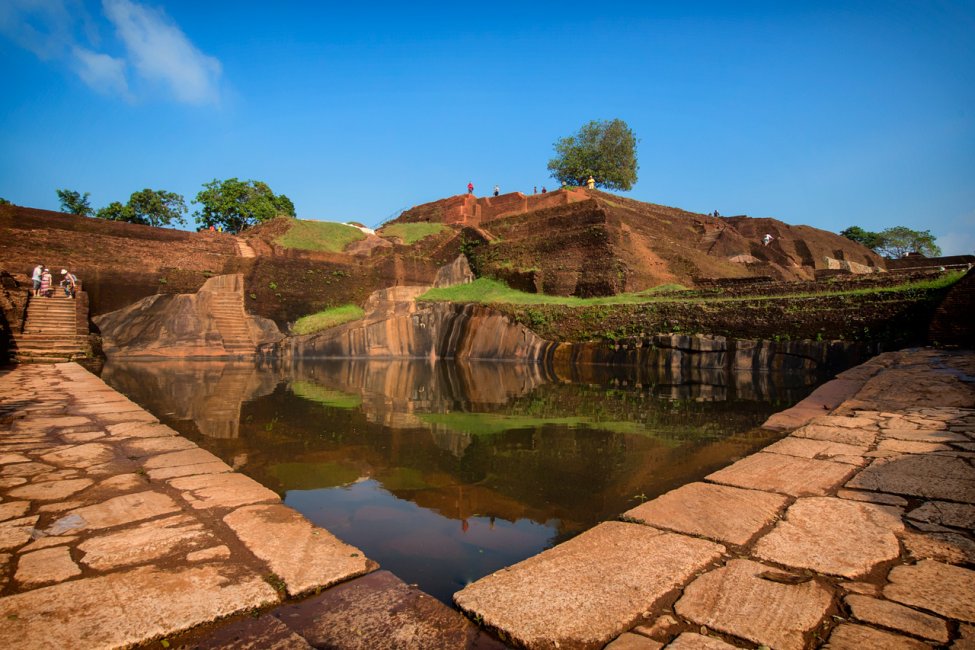
Terrance in Sri Lanka
Terrance in Sri Lanka
Bonus: a video came out a few days ago and adds another piece of the puzzle into the mix, ancient terracing in North America.
The Terraforms of Alabama - Ancient Terracing?
This video can also apply do to it's location to the Pingo's we are looking at in the NWT.
Mackenzie River Delta - Northwest Territories Canada - River Canals
And a bit more on the vague side of things but may find useful.
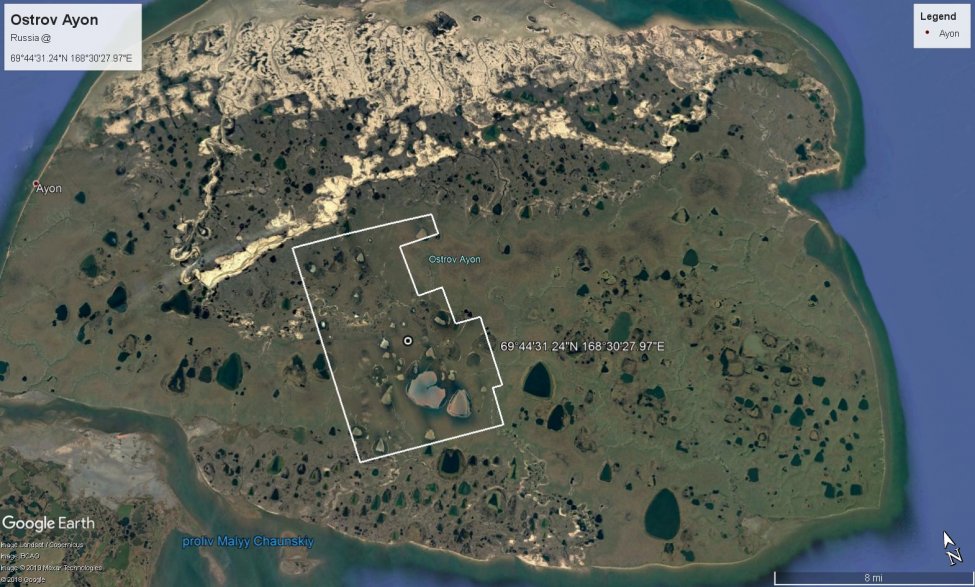
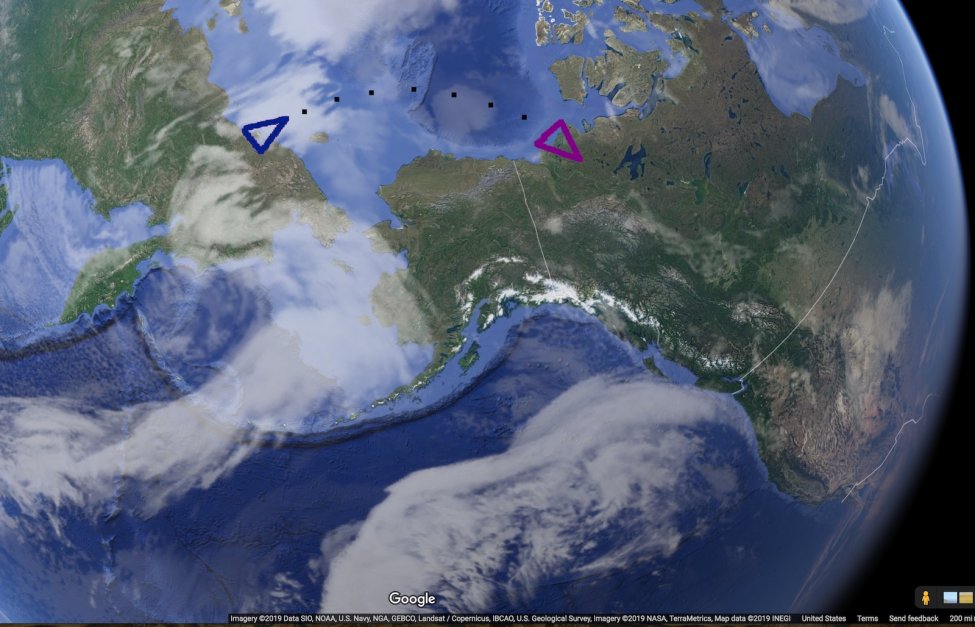
Mysterious Lakes of the Ancient Arctic
Thank for reading and I hope more info is found, I could use the help

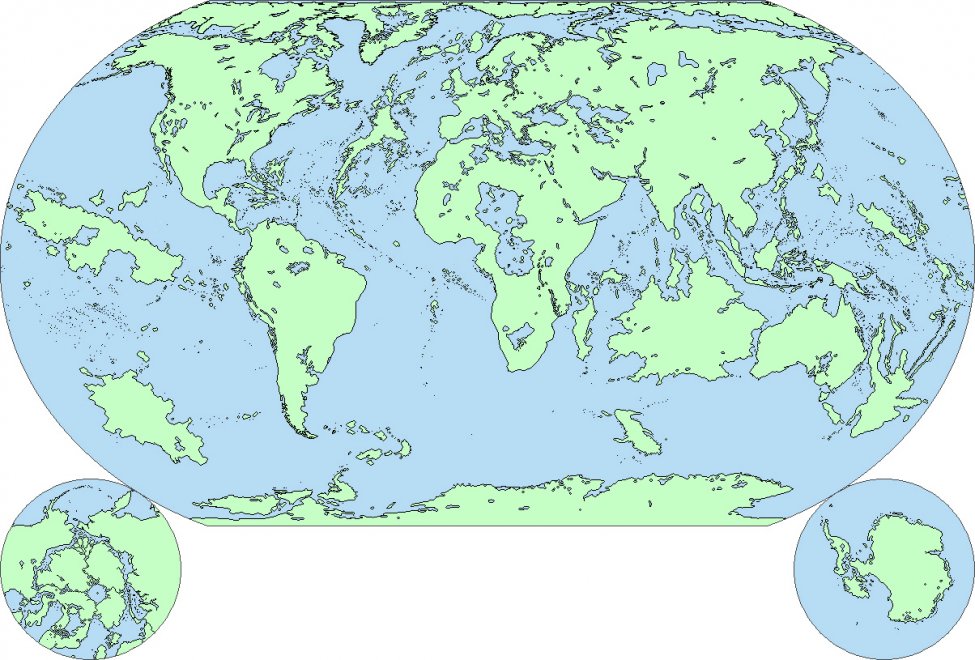
Found this, I thought was interesting.
MW
PS - This is all my own investigation and my first ever write up of this size, be gentle on me.
Bonus Images
Note: This OP was recovered from the Sh.org archive.
Note: Archived Sh.org replies to this OP are included in this thread.