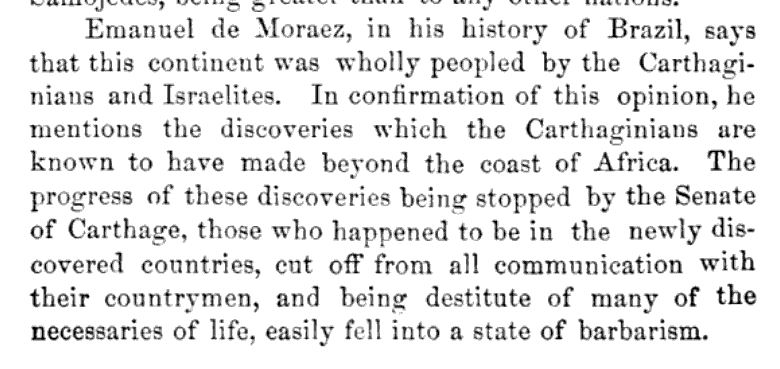
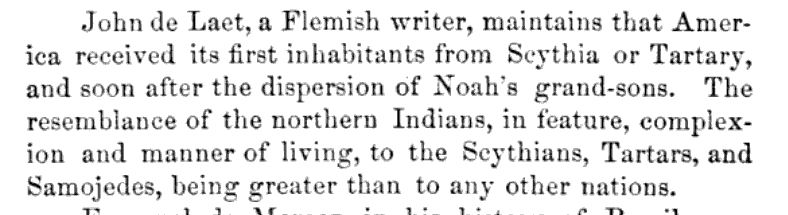
The Carthaginian Settlement in the Americas

SH.org OP Username
Mabzynn
SH.org OP Date
2020-02-24 02:20:12
SH.org Reaction Score
15
SH.org Reply Count
31

Mabzynn

Deleted
Active Member
Joined
Aug 27, 2020
Messages
296
Reaction score
207
Description of the Ruins of an Ancient City:
Discovered Near Palenque 1822

book-old -1.jpg
SOURCE

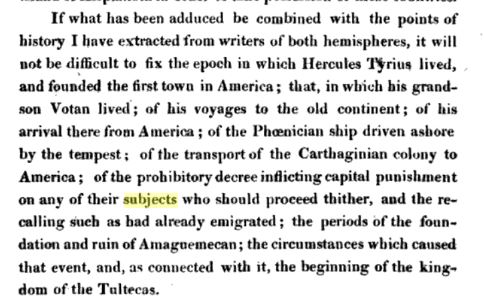
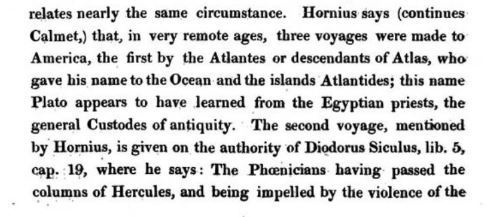
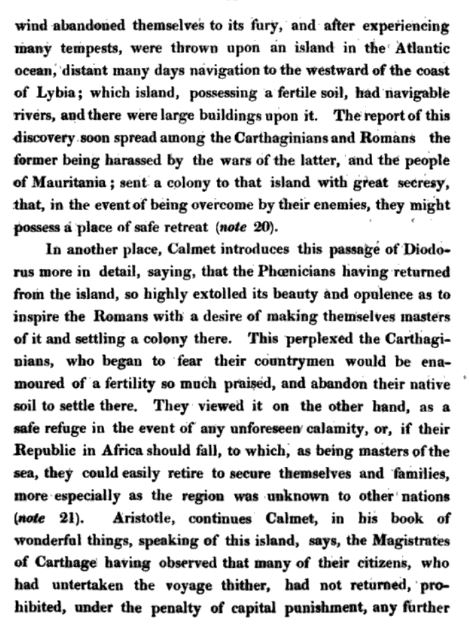
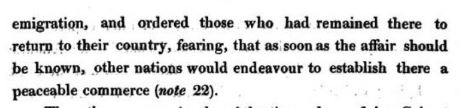
It discusses the transport of a Carthaginian colony to the Americas pre-dating the Columbus narrative.

1.JPG

A more complete story on the early travels to the Americas and the secret colony established there as a safe haven.

a.JPG
b.JPG
c.JPG

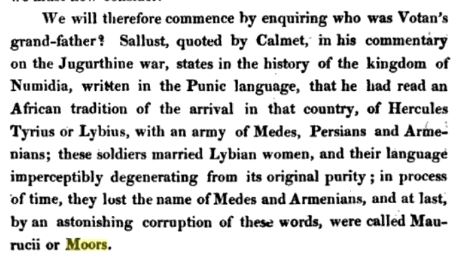
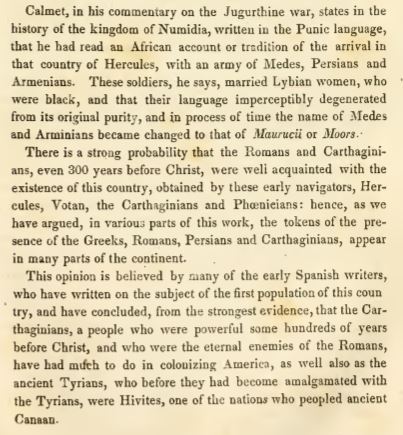
Who were the Moors? (Medes, Persians, and Armenians that married Lybian women)

2.JPG

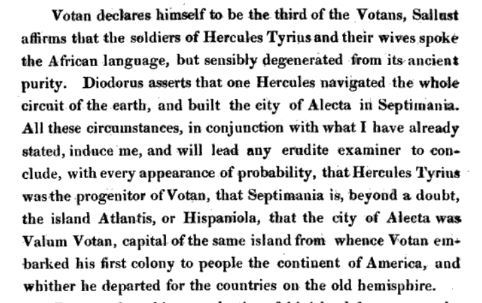
The first settlement "Atlantis" was on the island of Hispaniola.

3.JPG

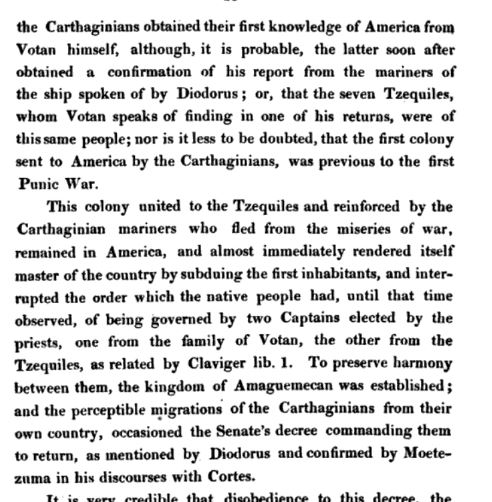
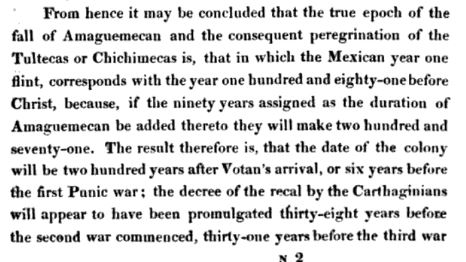
First colony sent by Carthaginians happened prior to the 1st Punic War. They learned of America from Votan. The settlement was reinforced overtime by Carthaginians fleeing to the Americas after losses in war. They then went on to gain influence in the Americas. They forced an alliance with the locals to form the Kingdom of Amaquemecan. The "Carthaginian" Senate made decrees attempting to call back subjects from the Americas.

4.JPG
5.JPG

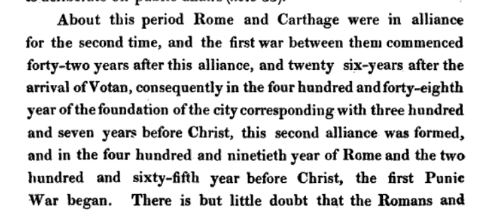
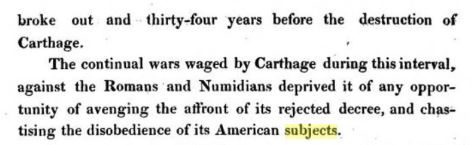
Provides the date of Votan's arrival as 6 years before the 1st Punic War so the the first Carthaginian settlement to the Americas had to occur shortly after that. It also discusses the Carthaginian Senate's decree where it attempted to recall its American subjects as happening 34 years before the destruction of Carthage.

6.JPG
7.JPG

So, it appears that there was a Carthaginian Empire in the Americas that became quite successful after abandoning the Old World.
Note: This OP was recovered from the Sh.org archive.
Note: Archived Sh.org replies to this OP are included in this thread.
 
Note: This post was recovered from the Sh.org archive.
Username: BStankman
Date: 2020-02-25 10:05:46
Reaction Score: 16
@Mabzynn

You have been starting some really excellent threads lately. I apologize for not contributing more to them. They just lead me to really deep rabbit holes.

Have you read this book? AmericanAntiquities1834JosiahPriest
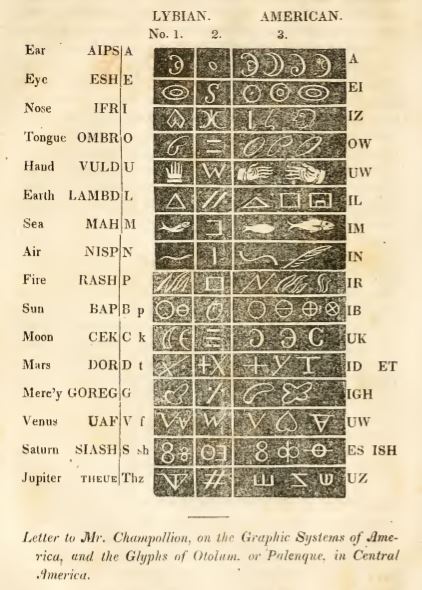
On page 118 is a comparison of Palenque glyphs and Lybian.

glyphs.JPG

He also quotes the same Punic Calmet on page 295.

Calmet.JPG


For me, I don't think it is a coincidence at all that the first US foreign war was on the shores of Tripoli.
Carthage Moor had a claim to North America, and Jefferson refused to pay tribute.
There may be some clues there about the real struggle for independence. For the new nation and possible a personal one for Jefferson.
A North American version of the reconquesta.
 
Note: This post was recovered from the Sh.org archive.
Username: Mabzynn
Date: 2020-02-25 10:25:32
Reaction Score: 15
I had not but I will now... Makes Liberia much more interesting as well.

From a historical context I find it very hard to square away that Carthage and Rome were essentially the same utilizing a Senate. There's old references to the incredible "stately" architecture of the Carthaginians. Atilla sacking Italy and Venice being built during his reign in older sources speaks heavily to this.

A major difference was Carthage expanded it's empire through colonies of mercantilism with "protections" from abroad. This description fits early America much more perfectly than the excepted version. It just doesn't make sense that New Spain was conquered so quickly yet areas 5 hours from the Eastern coast in North America were not "colonized" heavily until the mid to late 1800s. Whoever or whatever was in North America took a very long time to conquer and "re-educate." What really bums me out about it all is in the first book I posted they discuss going around and burning all the books related to Votan's history in the center of towns.

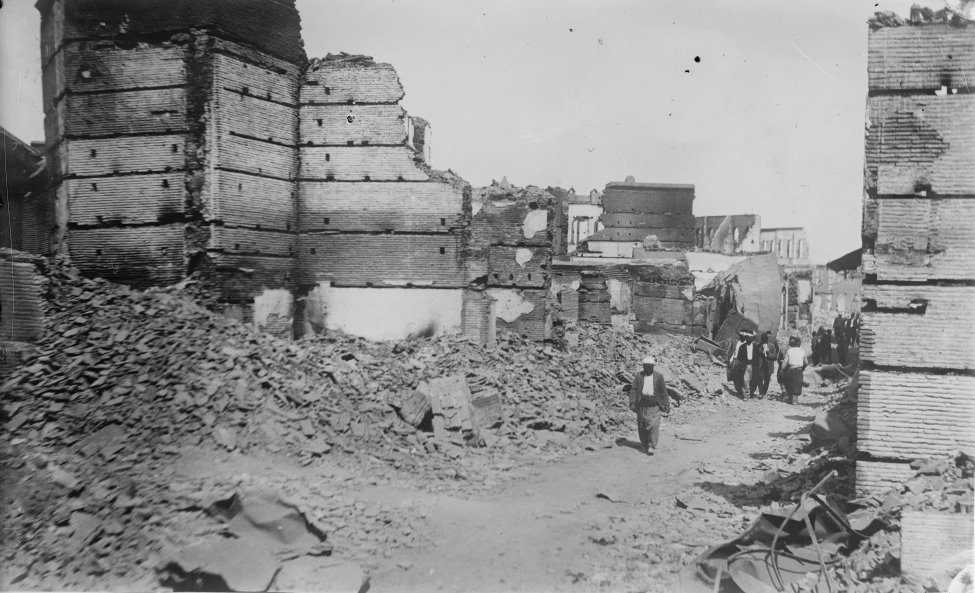
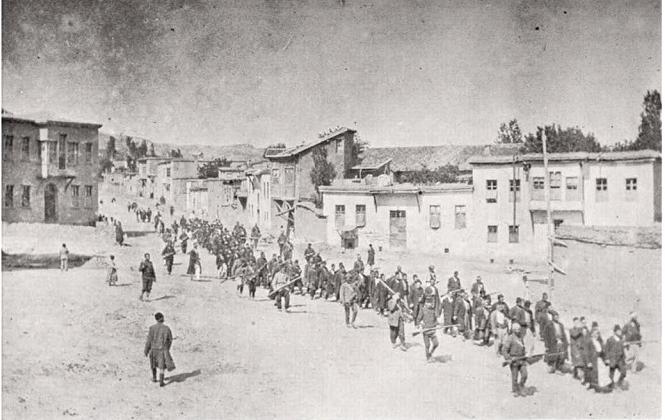
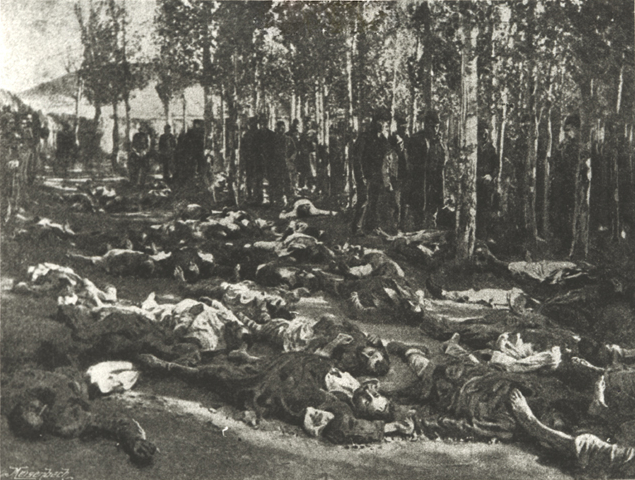
The Armenians need to be looked at much more heavily as well. You have a group of Armenian Monks heading east to get to Cathay. Now there's Armenians heading West to get to the Americas through Carthage. Strangely enough a whole bunch of Armenians got culled at the turn of the 20th century by "Turkic" peoples.

1.JPG2.JPG3.JPG
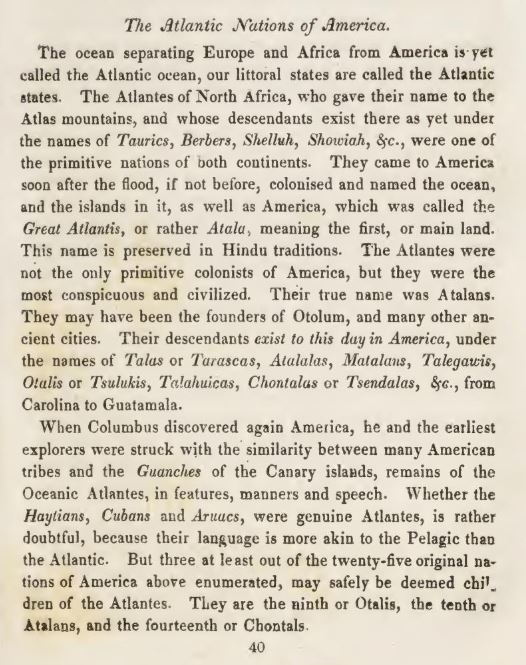
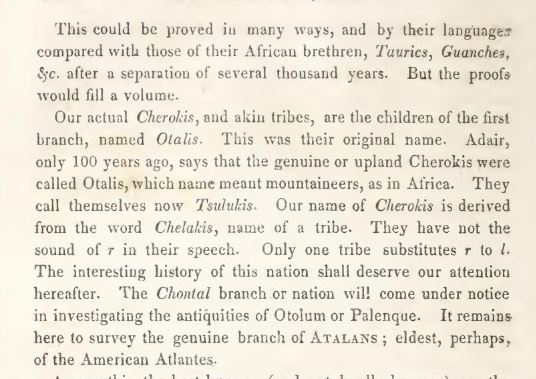
From that book you posted.... Provides the names of the Americans that were descendants of Atlantis after the flood that derived from Taurics, Berbers, Shelluh, Showiah in North Africa including Cherokees.

a.JPGb.JPG
@BStankman it must also be a coincidence that the line preceding shores of Tripoli in the Marine Hymn is "From the Halls of Montezuma - To the shores of Tripoli." It's like the Marines were telling us something all along...

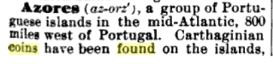
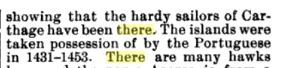
The Student's Cyclopaedia: A Ready Reference Library for School - 1895
aa.JPG
bb.JPG
SOURCE

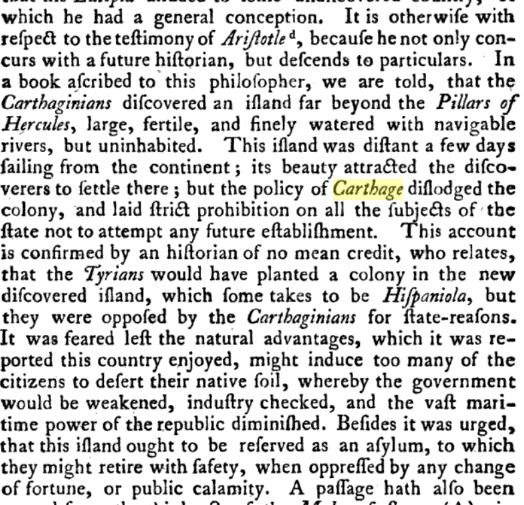
An universal history: from the earliest accounts to the present time, Volume 38

Capture.JPG
SOURCE
 
Note: This post was recovered from the Sh.org archive.
Username: thousandcuts
Date: 2020-03-04 02:19:31
Reaction Score: 1
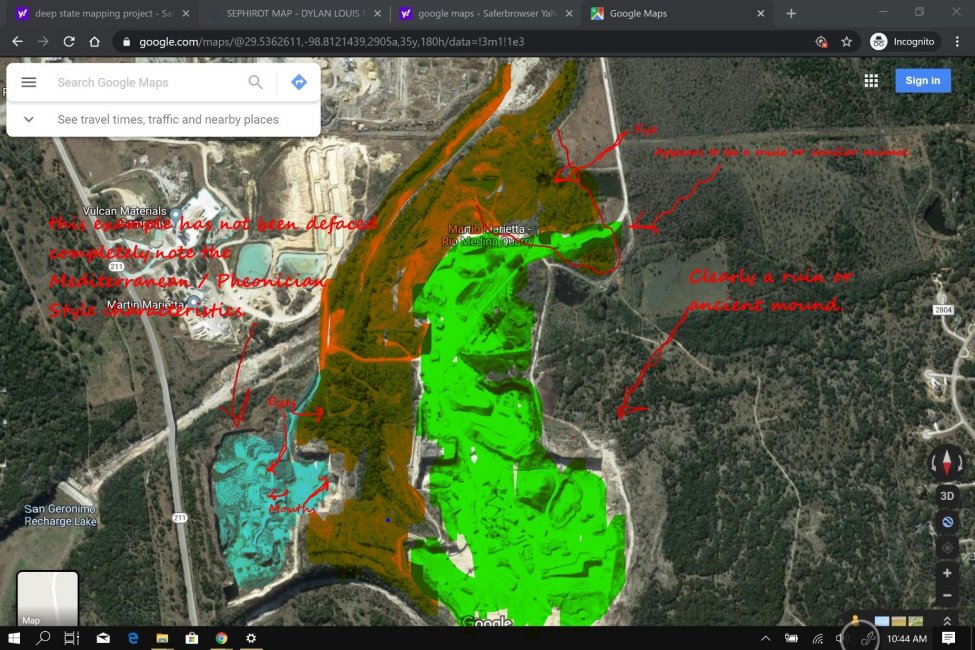
Heres a map shot to ponder on. The blue glyph has Mediterranean features. Don't know what to think about the rest.

san geronimo mound.jpg
 
Note: This post was recovered from the Sh.org archive.
Username: Felixnoille
Date: 2020-03-10 10:27:38
Reaction Score: 1
I really need to study and digest this information when I get enough time to do it justice.

Excellent thread, many thanks ?
 
Note: This post was recovered from the Sh.org archive.
Username: Mabzynn
Date: 2020-03-10 11:41:24
Reaction Score: 10
In case anyone missed it in the Columbus thread just adding this information here as well:

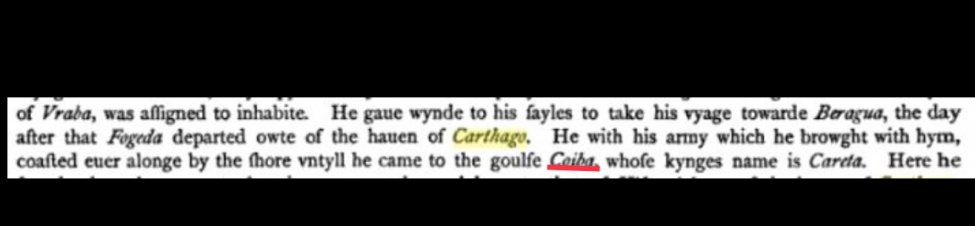
Well, I find it a bit strange that a guy named Christopher Colonus supposedly found "havens" similar to that of Carthage and "named" the first port, Portus Carthaginis in South America.

The First Three English Books on America (?1511)-1555 A.D.
1.JPG
SOURCE

It's constantly spoken of as just Carthago though... All before the city of Cartagena, Columbia was founded in 1533 (or ya know sailed into to find an abandoned city).


a.JPG

aa.JPG

aaa.JPG

aaaa.JPG


aaaaa.JPG
aaaaaa.JPG
 
Note: This post was recovered from the Sh.org archive.
Username: N.D. Magoo
Date: 2020-04-08 17:32:35
Reaction Score: 1
Excerpt from: https://en.wikipedia.org/wiki/Votan

This includes the association of Votan with Palenque by Ramon de Ordoñez y Aguilar, a priest who had lived near the site and wrote one of the earliest descriptions of the ruins in 1773. Ordoñez apparently incorporated some of the information that had been collected earlier by Bishop Núñez de la Vega into a document called the Probanza de Votan. "This strange work contained some fragments from Ximénez and a confused account of Votan, culture hero of the Tzeltal people, who, according to Ordoñez, had built Palenque. Fantastic details described Votan's four trips back to the Middle East."[4] The Tzeltal are an ethnic group that occupies the region that includes Teopisca, Chiapas, about 113 km southeast of Palenque. In the late 17th century, two hundred Tzeltal families "of Votan's ancestry" are said to have been living in Comitlan.[2]

Assertion of a relationship between Votan and Odin is found in the work of the distinguished geographer Alexander von Humboldt, who wrote in Vues des Cordillères (1810):

In Histoire des nations civilisées du Mexique et de l'Amérique Centrale (1857), Charles Étienne Brasseur de Bourbourg claimed Votan was an ancient Phoenician legislateur who had migrated from the Middle East to the Maya area, defeated a race called the Quiname, built the city of Palenque, and established an empire called Xibalba that was postulated by Brasseur de Bourbourg to have once covered all of Mexico and part of the United States.

This is a great topic and a rabbit hole that I've just begun to look at, but what immediately jumps out to me are the parallels between the Votan story with the Bock Saga and its depiction of Odin as a mortal man whose followers spread civilization around the world. Note that chronological numbers in the Bock Saga are even crazier than the those of mainstream history. Much like the Old Testament, the further you go back in time, dates become exaggerated in a near exponential fashion. It's almost as if the authors were trying to encode something else to future readers who can interpret it.

From:
http://www.nomind.me/08/bocksaga.html

The revival of original Hiden (perverted to "heathen) culture envisioned and undertaken at the the original site of Hel 10,011 years ago, did not ultimately succeed as planned. It was a shock, following 50,000,000 years of evolution, for various brown, yellow, red and black Vaner to 9,011 years ago begin meeting distinctly arctical blonde, white-skinned, blue- or green-eyed Vaner coming from the north, often leading strange domesticated arctical animals, which had also evolved under the ice and had never before been seen by tropicals. Some additional white Aser and later Vaner were breaking with the reconstructed system in Hel and, taking their supporters with them, going their separate ways, creating systems of leaders and followers (abandoning the guidance of a shared system wherein all are equal) and establishing very different roles and agenda concerning human harmonization with - or abandonment of - Nature's Law and the guidance of Oden, which became mispronounced and misunderstood variously as Odin, Woden, and other degenerations of the original, and even worshipped as some kind of "god".

On noteworthy occasions, a few of these, under faulty guidance, allowed themselves to become worshipped as "superior" or "divine" beings, "demi-gods" or "gods", concepts foreign to the Väinämöinen system but ones that, along with beliefs, humans will kill and die for to this day.
 
Note: This post was recovered from the Sh.org archive.
Username: Recognition
Date: 2020-04-10 19:53:26
Reaction Score: 5
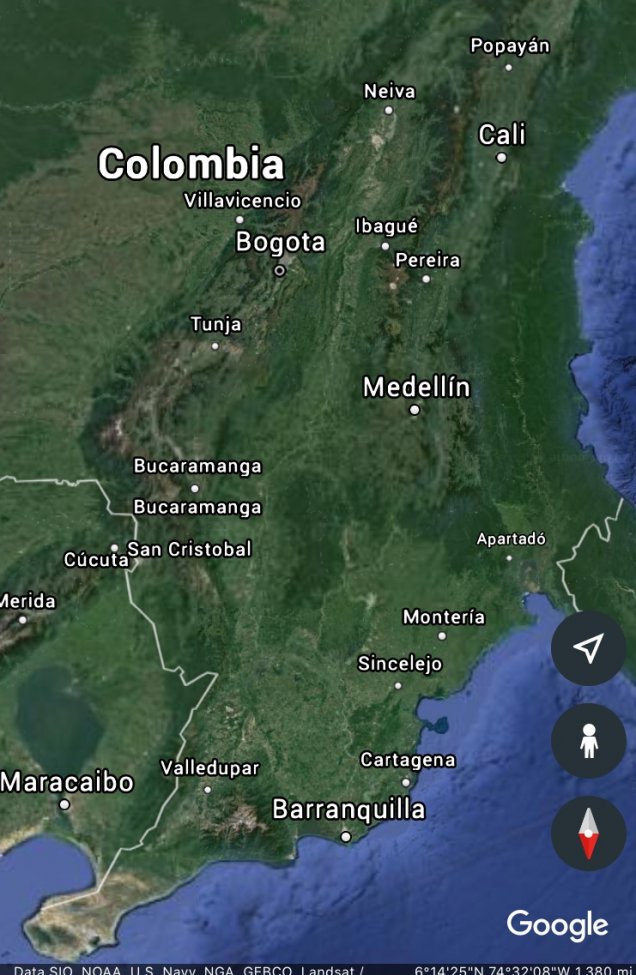
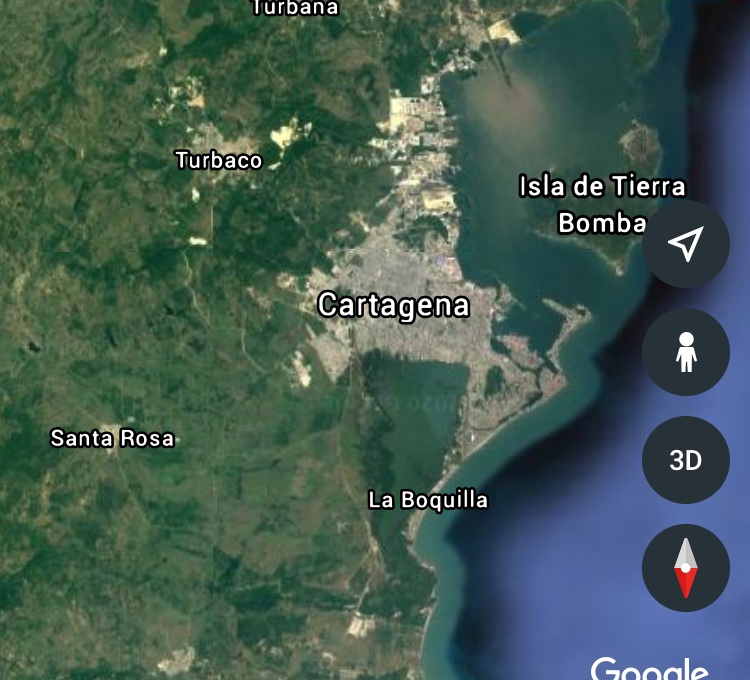
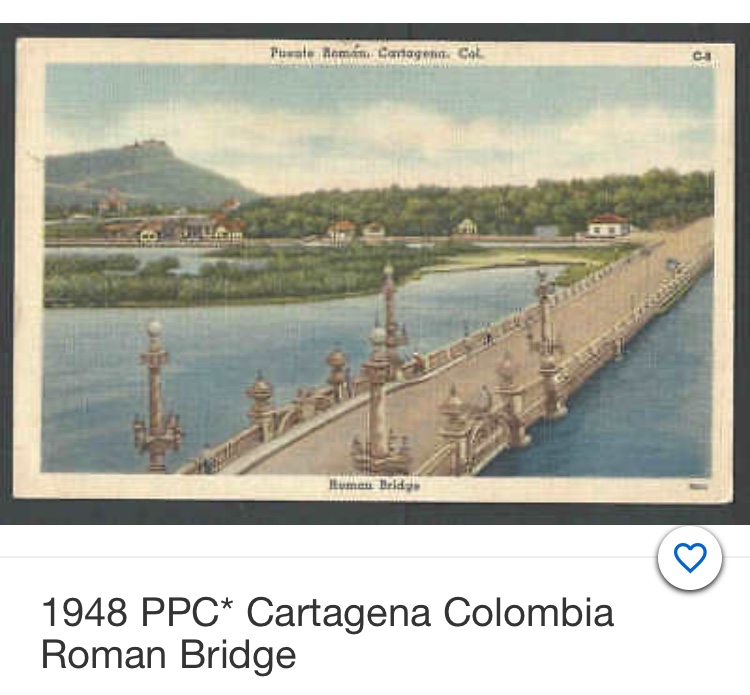
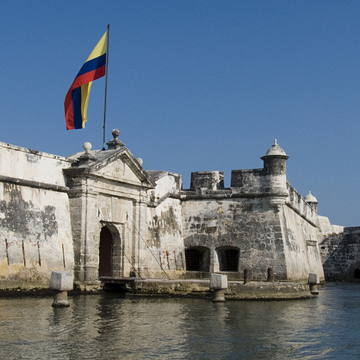
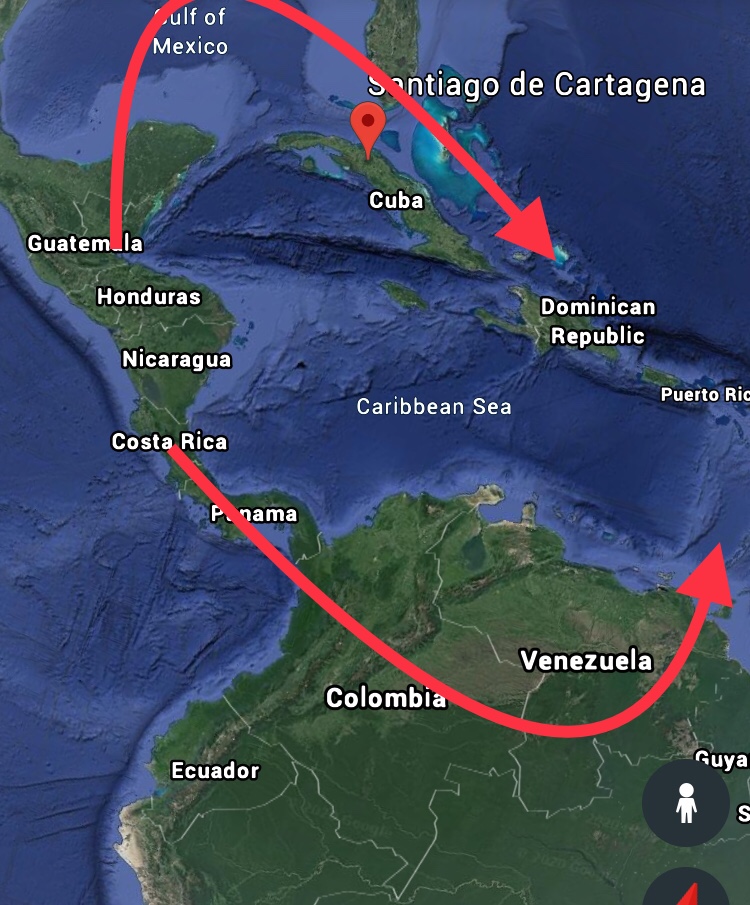
“Cartagena” sounds a lot like Carthage, and Coiba could stand in for Colombia. Barranquilla is also similar to Beragua.3BAB1821-EF3B-4C12-AAB3-0C60E7B481CA.jpeg20D6EE1F-0874-4F75-9FC7-92D09FCD1914.jpegBA036BB2-2D34-4EDD-A79E-26F6A810AC5F.jpegCartagena also has some starfort aspects, right angles built intothe landmass. Here’s a postcard of a “Roman” bridge, as well. F573383C-D65D-40DA-B3DD-D83BC85C8D1C.jpeg52FEA95E-8928-4B65-BE65-6B8B430C3882.jpeg
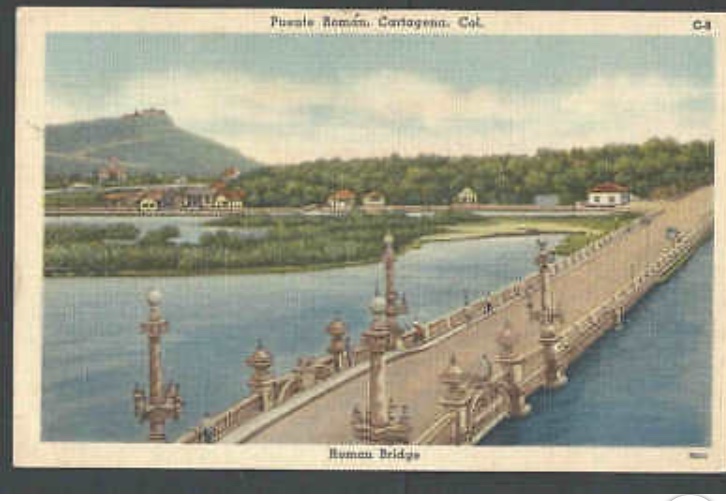
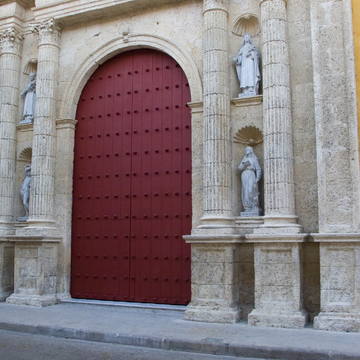
Some roman style structures, as well. 6F7F37A8-5A7F-4FE4-8860-10A7C7EDB0BE.jpeg75800325-C953-45CC-8D03-D76EA3130987.jpeg

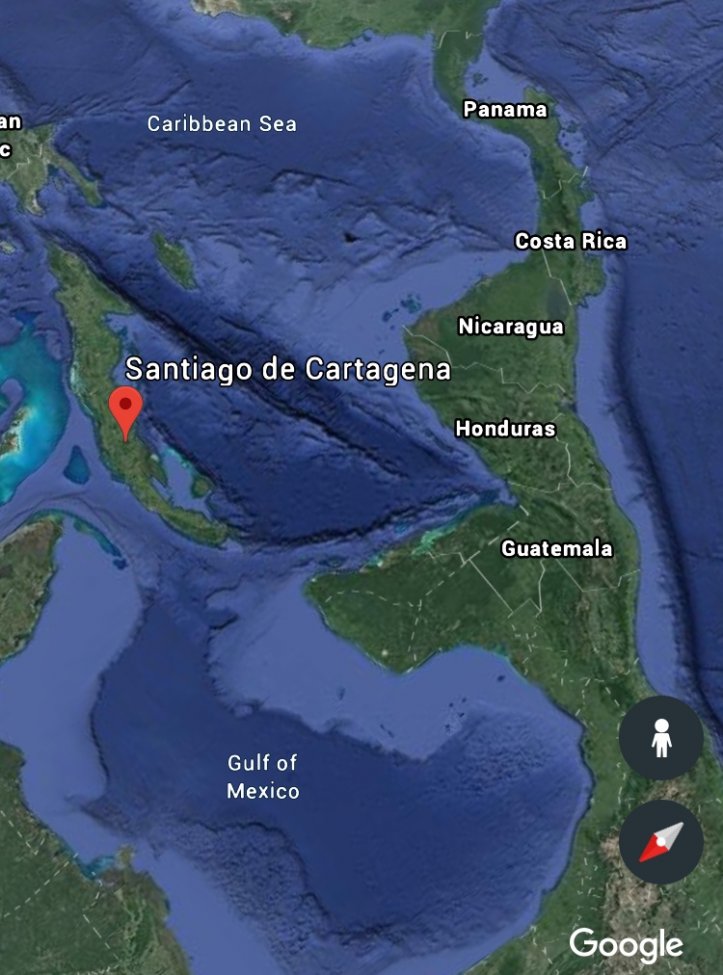
Then there is also Santiago de Cartagena4D2E6842-E34B-41F6-B2EC-D3600009CA04.jpeg

806F5B6F-E090-4241-97D5-7A11D9B0B670.jpeg

The ocean between Santiago de Cartagena and Cartagena, Colombia, is literally scooped out. Did Carthage in @Mabzynn ’s OP go with it? Maybe there is a reason for the name of the island Isla de Tierra Bomba -“bomb land island”?


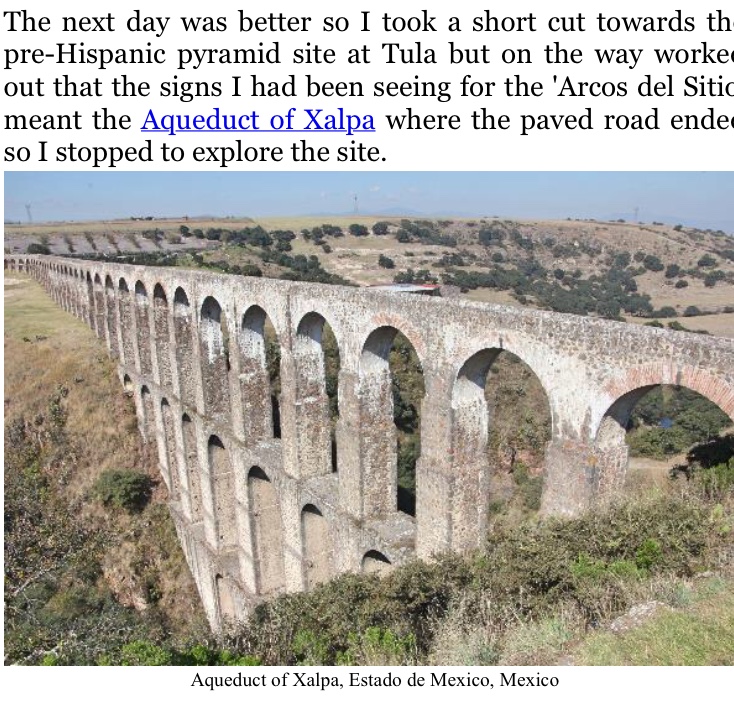
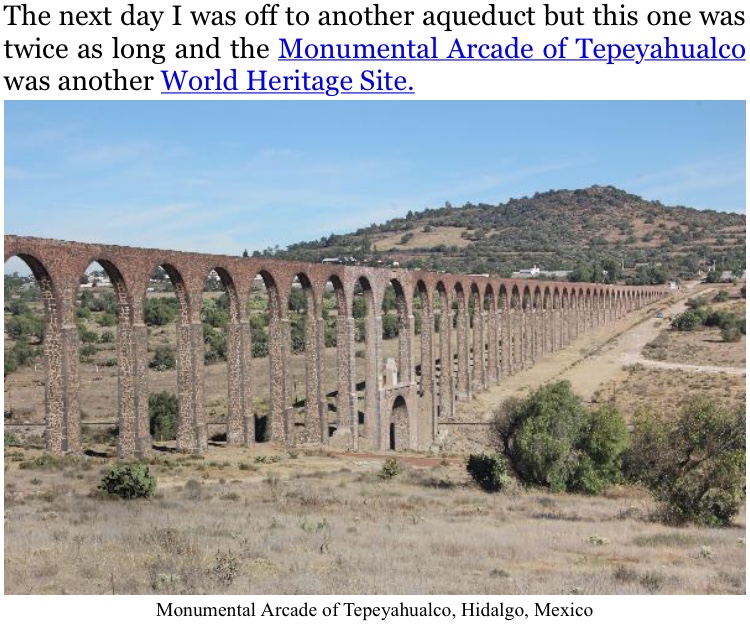
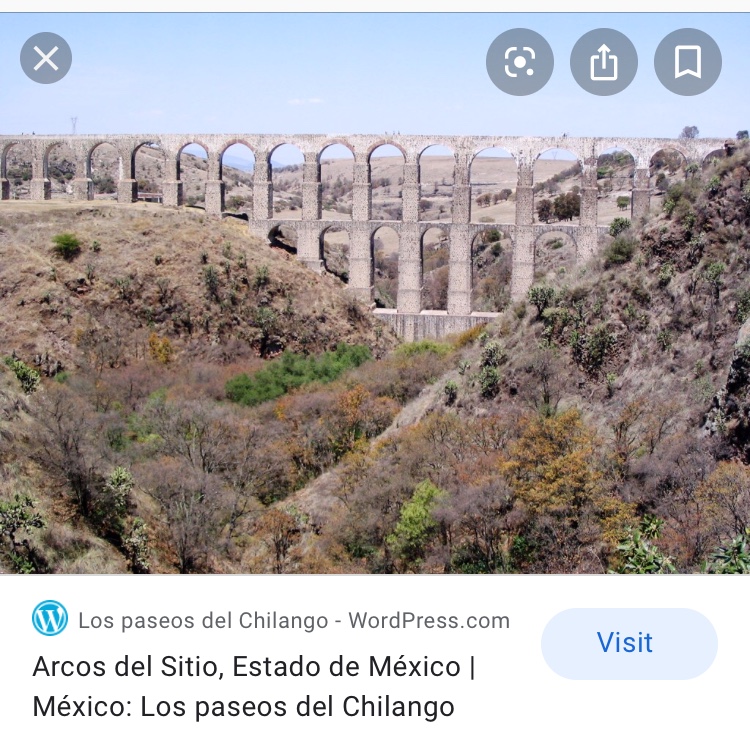
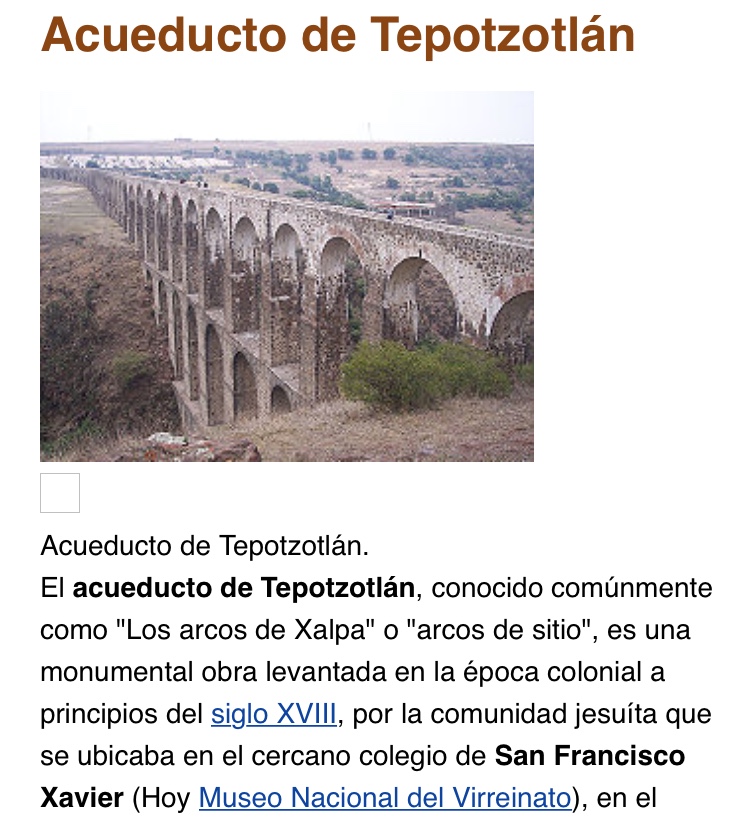
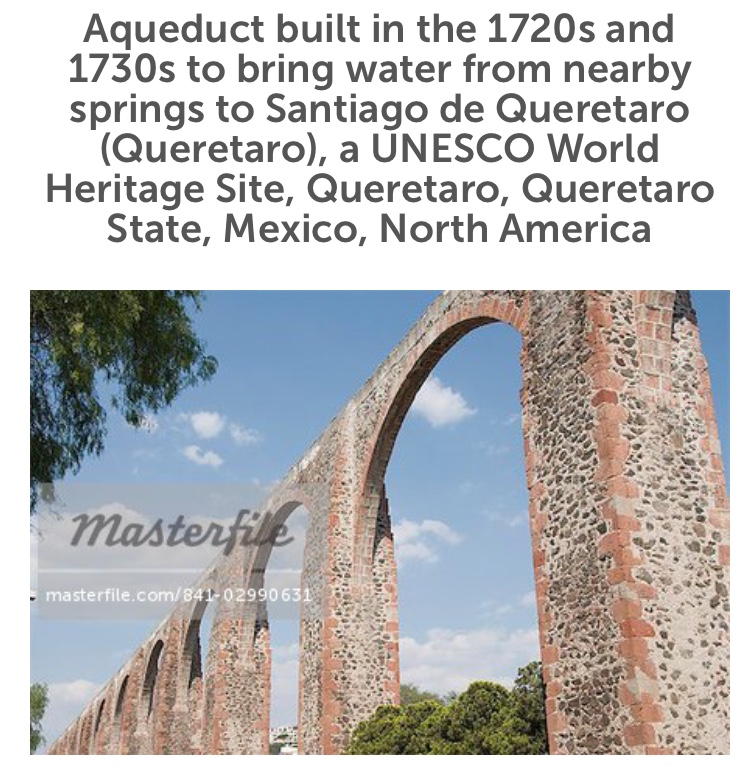
Then there are the aquaducts in Mexico:000A1281-7F5F-4145-A416-72C2B9C7D272.jpeg071DC005-068F-437E-802C-CFF577266BC6.jpeg35BBCD45-CB6F-40EB-94AA-06046A92F52E.jpeg6AB6F158-B036-460C-9EE1-A6E96A09810B.jpeg1FC6DE65-A7DD-442A-8298-26FFE607BFE6.jpeg
 
Note: This post was recovered from the Sh.org archive.
Username: Aztectruth
Date: 2020-04-11 02:20:51
Reaction Score: 6
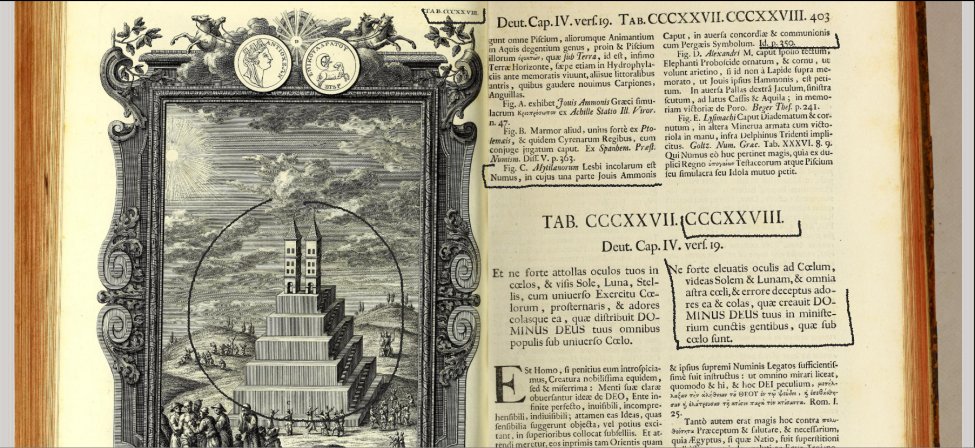
I've been researching a bit, and I really think the Phoenicians (Canaanites) once "ruled" the whole world, I mean, there is a lot of exact same style architecture all over the world with signs of the same type of deterioration, (similar to that of their Roman buddies) can someone explain this please?, who copied who?, the romans had Phoenician Architects working for them?, or they just based their works on Phoenician buildings?) Anyway, going a little back in time, I came across this picture on the 'Physica Sacra' book, I just want you to judge for yourselves, and help me understand the correlations, again, English is not my native language, so I apologize in advance for the spelling mistakes:

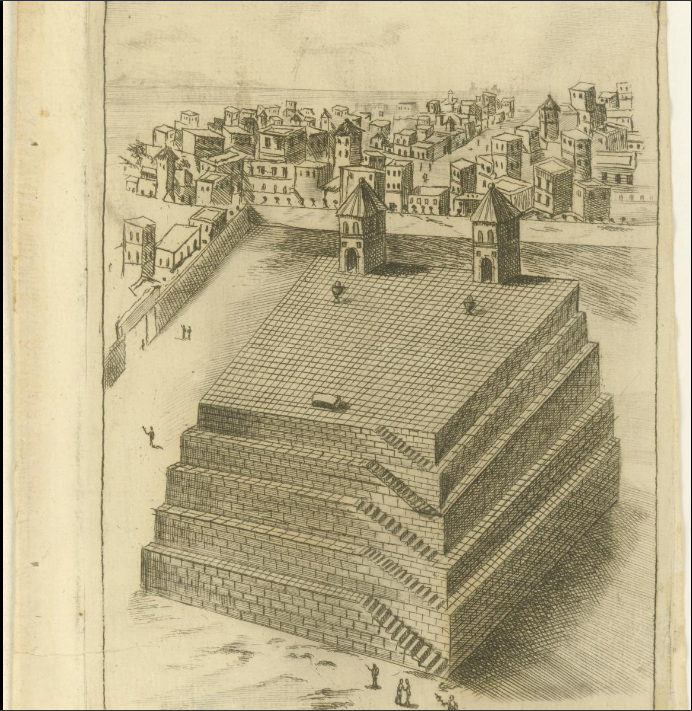
Here we have, what according to the Physica Sacra, a Mytilaenorum, build by the Canaanites in my opinion, the book is in latin, so I didn't really understand very much of it, and I don't have much time right now to dig into google translator because of home office. (yes, they have a latin translator)

Mytilaenorum.jpg

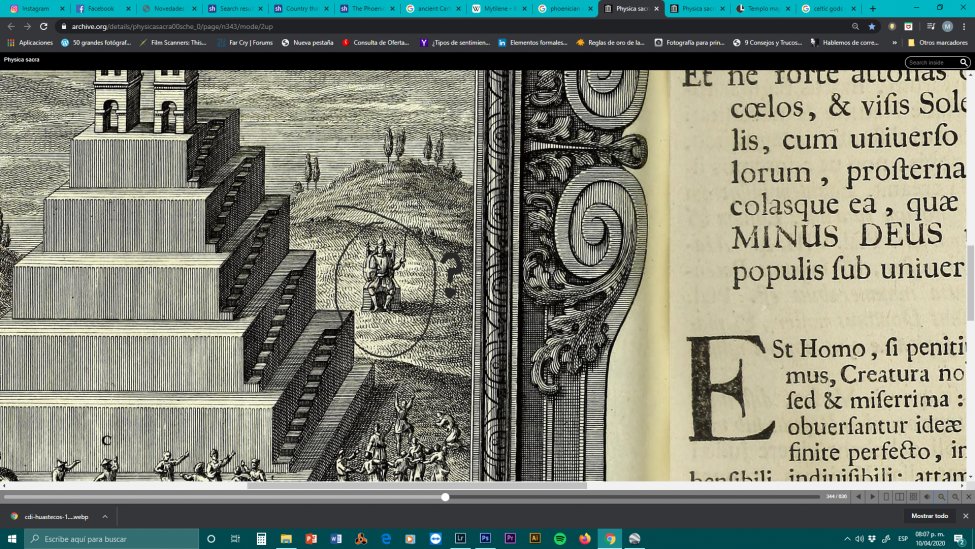
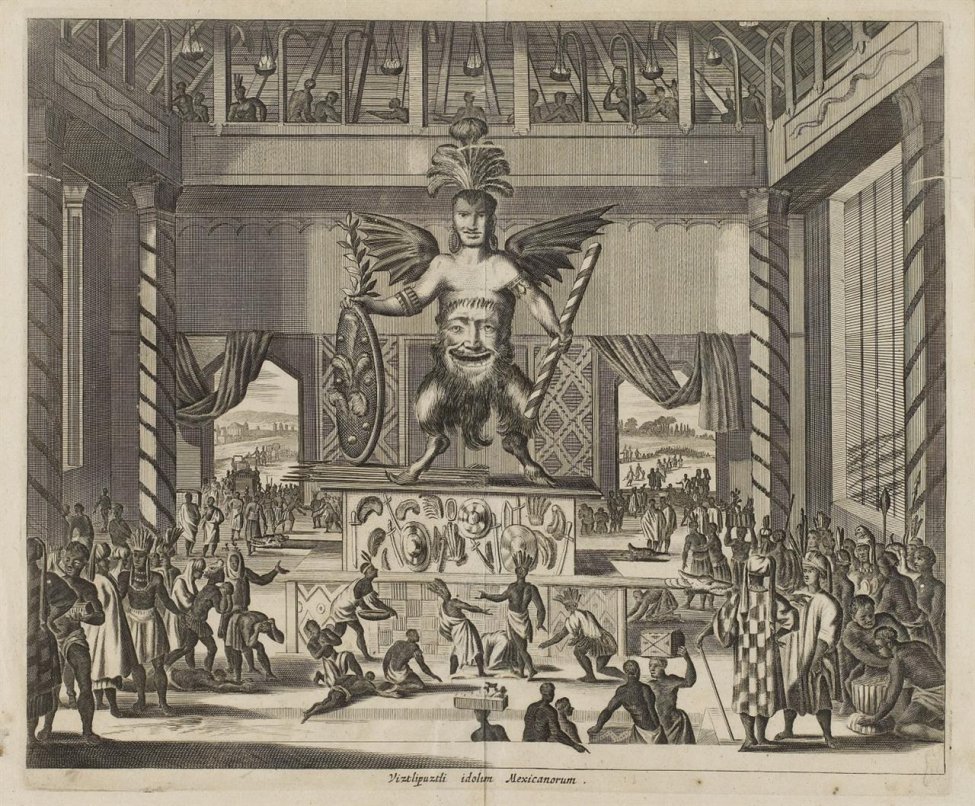
This was supposed to be after the flood events I think, if anyone can correct me I'll appreciate it. Now, I want you to look at the statue in the far back and help me identify this deity or whatever king this is:

Canaanite God.jpg

Ok, now, what I was really looking forward to post, this image from the "Greater Temple" build by the Aztecs, now modern México City downtown:

Templo Mayor de México.jpg

Inside this type of structure, we have according to narrative, this place here in the below image:

Huitzilopochtli, mexican Diety.jpg
Ishtar?, Celtic? Baal? Satyr?... Help me!!!!
 
Note: This post was recovered from the Sh.org archive.
Username: whitewave
Date: 2020-04-11 05:10:16
Reaction Score: 5
Can't really answer most of your questions but as to who the guy is in the bottom pic, his name is on the bottom of the picture. In the Aztec religion, Huitzilopochtli (Classical Nahuatl: Huītzilōpōchtli [wiːt͡siloːˈpoːt͡ʃt͡ɬi], modern Nahuatl pronunciation is a deity of war, sun, human sacrifice, and the patron of the city of Tenochtitlan. He was also the national god of the Mexicas, also known as Aztecs, of Tenochtitlan. (Wiki)
 
Note: This post was recovered from the Sh.org archive.
Username: PairAlleles
Date: 2020-04-11 08:06:01
Reaction Score: 1
offering this to help solve

if the hooves are cloven it is a she-goat, which is Capricorn ... if it has hooves like a ram it is a perversion (see goat of Mendes, which was actually a ram - Aries - worshipped in the Levant as a ram housed in the temple and celebrated as deity, but the texts called it a goat?) and contributes to the confusion around baphomet. the statue is interesting, the headdress with the feathers refers to the air sign of Aquarius which allows for communication on a frequency with the constellations of the zodiac, the stars on the ecliptic and this would represent the coming golden age centered in both NA and SA.

the part that piques my interest is the wings on the back would be referring to the air sign of Libra, cardinal heavens ... (wisdom of the constellations above the ecliptic, beyond the zodiac). I am not sure where the age of Libra would have been centered, but possibly some of the knowledge of the people of that age survived at the time when the statue was crafted. as usual, most of the statues and iconography are speaking of ages transitioning, elements connecting or one of the three stellar crosses connecting. so this appears to have two heaven sign symbols and one earth sign as primary features. don't know much about the staff or the branch which probably have meaning too. would be great to see the entire face of the shield

the wizards, script-writers aka priests and controllers ascribe powers to symbolism of statuary and iconography et al that often have simple yet powerful meaning(s) that the subconscious mind would intuit ... and instead the masses are given words from the pulpits with language that the conscious mind can comprehend but covers (govern etymology) the mind (ment) and confounds the inherent understanding. also, looks to be snakes on the facades of the mezzanine, symbols for hidden wisdom :)
 
Note: This post was recovered from the Sh.org archive.
Username: Aztectruth
Date: 2020-04-11 21:52:55
Reaction Score: 3
I really appreciate the response, the thing is I already knew this Aztec deity, the thing that is "itching" my head it's the fact that the structure made in the first picture (Supposedly Canaan), is similar to the "Greater Temple" in México, I mean, just to add up on the whole settlement of the Carthaginians in the Americas.
Yeah, I mean, the symbolism is everywhere and I guess is our job to connect the dots, interesting information you provide, got to look more into the whole zodiac sign thing.
 
Note: This post was recovered from the Sh.org archive.
Username: ShemTov
Date: 2020-04-12 11:29:12
Reaction Score: 1
there was a temple of nemesis in downtown mytilene, lesbos, greece. it was a real happening place.
 
Note: This post was recovered from the Sh.org archive.
Username: Aztectruth
Date: 2020-04-13 18:16:12
Reaction Score: 0
Actually, I was looking into Mytilene, but I don't know why I didn't keep searching, this whole thread i s so interesting! Thanks for your response.
 
Note: This post was recovered from the Sh.org archive.
Username: hopesksefall
Date: 2020-07-25 20:03:57
Reaction Score: 1
@Recognition One thing about the translation of “Isla de Tierra Bomba”. If the land was actually bombed or destroyed, it would be “Isla de la Tierra Bombardeado”. “Isla de Tierra Bomba” would be more like “Island of the Bomb Earth/Land/Dirt” or “Island of the Earth/Land/Dirt Bomb”.
 
Note: This post was recovered from the Sh.org archive.
Username: Mabzynn
Date: 2020-08-03 01:02:40
Reaction Score: 8
A bit more:

Chronicles of Border Warfare, Or, A History of the Settlement by the Whites, of North-western Virginia, and of the Indian Wars and Massacres in that Section of the State by Alexander Scott Withers -1895
Capture.JPG
SOURCE
Other interesting information from this book:

1.JPG


2.JPG
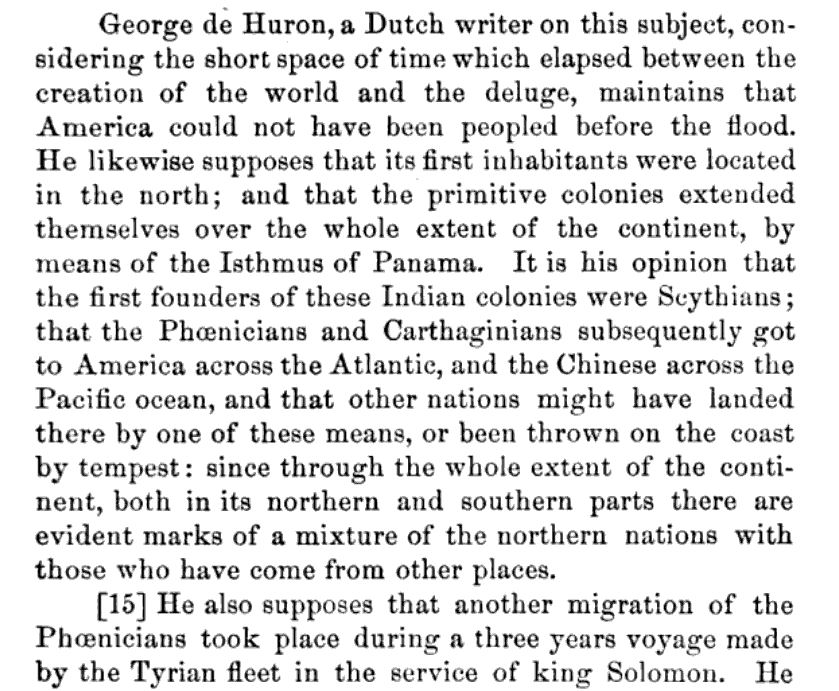
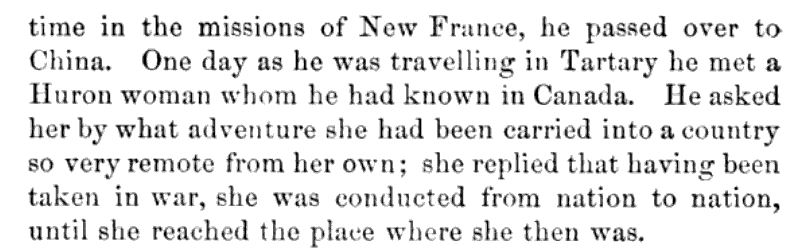
Huron (Great Lakes area) slave taken in war and seen in Tartary.

a.JPG
z.JPG
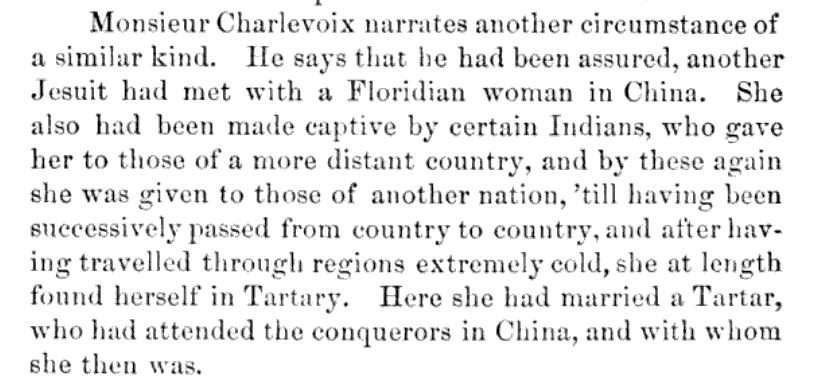
Florida woman captured and wed to a Tartar.

aaa.JPG
 
Tips
Tips
Please respect our Posting Rules.
Back
Top