Note: This post was recovered from the Sh.org archive.
Username: N.D. Magoo
Date: 2020-04-08 17:32:35
Reaction Score: 1
Excerpt from: https://en.wikipedia.org/wiki/Votan
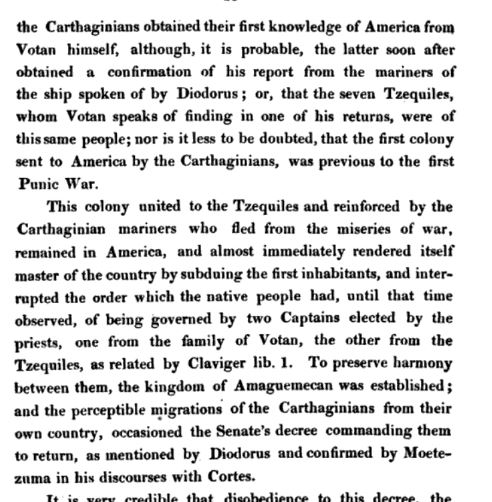
This includes the association of Votan with
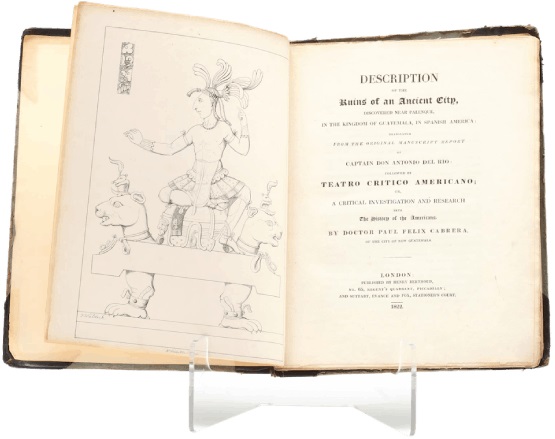
Palenque by Ramon de Ordoñez y Aguilar, a priest who had lived near the site and wrote one of the earliest descriptions of the ruins in 1773. Ordoñez apparently incorporated some of the information that had been collected earlier by Bishop Núñez de la Vega into a document called the
Probanza de Votan. "This strange work contained some fragments from Ximénez and a confused account of Votan, culture hero of the
Tzeltal people, who, according to Ordoñez, had built Palenque. Fantastic details described Votan's four trips back to the Middle East."
[4] The
Tzeltal are an ethnic group that occupies the region that includes Teopisca, Chiapas, about 113 km southeast of Palenque. In the late 17th century, two hundred Tzeltal families "of Votan's ancestry" are said to have been living in Comitlan.
[2]
Assertion of a relationship between Votan and Odin is found in the work of the distinguished geographer
Alexander von Humboldt, who wrote in
Vues des Cordillères (1810):
We have fixed the special attention of our readers upon this Votan, or Wodan, an American who appears in the same family with the Wods or Odins of the Goths and of the people of Celtic origins. Since, according to the learned researches of
Sir William Jones, Odin and Buddha are probably the same person, it is curious to see the names of
Bondvar,
Wodansdag, and
Votan designating in India, Scandinavia, and in Mexico the day of a brief period.
[5]
In
Histoire des nations civilisées du Mexique et de l'Amérique Centrale (1857),
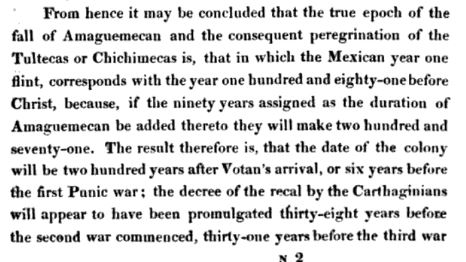
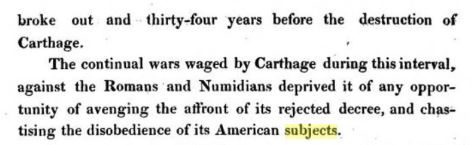
Charles Étienne Brasseur de Bourbourg claimed Votan was an ancient
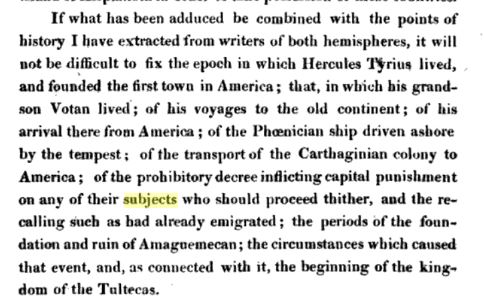
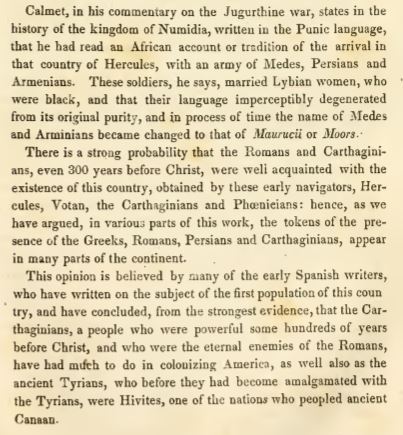
Phoenician legislateur who had migrated from the Middle East to the Maya area, defeated a race called the Quiname, built the city of
Palenque, and established an empire called
Xibalba that was postulated by Brasseur de Bourbourg to have once covered all of Mexico and part of the United States.
This is a great topic and a rabbit hole that I've just begun to look at, but what immediately jumps out to me are the parallels between the Votan story with the Bock Saga and its depiction of Odin as a mortal man whose followers spread civilization around the world. Note that chronological numbers in the Bock Saga are even crazier than the those of mainstream history. Much like the Old Testament, the further you go back in time, dates become exaggerated in a near exponential fashion. It's almost as if the authors were trying to encode something else to future readers who can interpret it.
From: http://www.nomind.me/08/bocksaga.html
The revival of original Hiden (perverted to "heathen) culture envisioned and undertaken at the the original site of Hel 10,011 years ago, did not ultimately succeed as planned. It was a shock, following 50,000,000 years of evolution, for various brown, yellow, red and black Vaner to 9,011 years ago begin meeting distinctly arctical blonde, white-skinned, blue- or green-eyed Vaner coming from the north, often leading strange domesticated arctical animals, which had also evolved under the ice and had never before been seen by tropicals. Some additional white Aser and later Vaner were breaking with the reconstructed system in Hel and, taking their supporters with them, going their separate ways, creating systems of leaders and followers (abandoning the guidance of a shared system wherein all are equal) and establishing very different roles and agenda concerning human harmonization with - or abandonment of - Nature's Law and the guidance of Oden, which became mispronounced and misunderstood variously as Odin, Woden, and other degenerations of the original, and even worshipped as some kind of "god".
On noteworthy occasions, a few of these, under faulty guidance, allowed themselves to become worshipped as "superior" or "divine" beings, "demi-gods" or "gods", concepts foreign to the Väinämöinen system but ones that, along with beliefs, humans will kill and die for to this day.





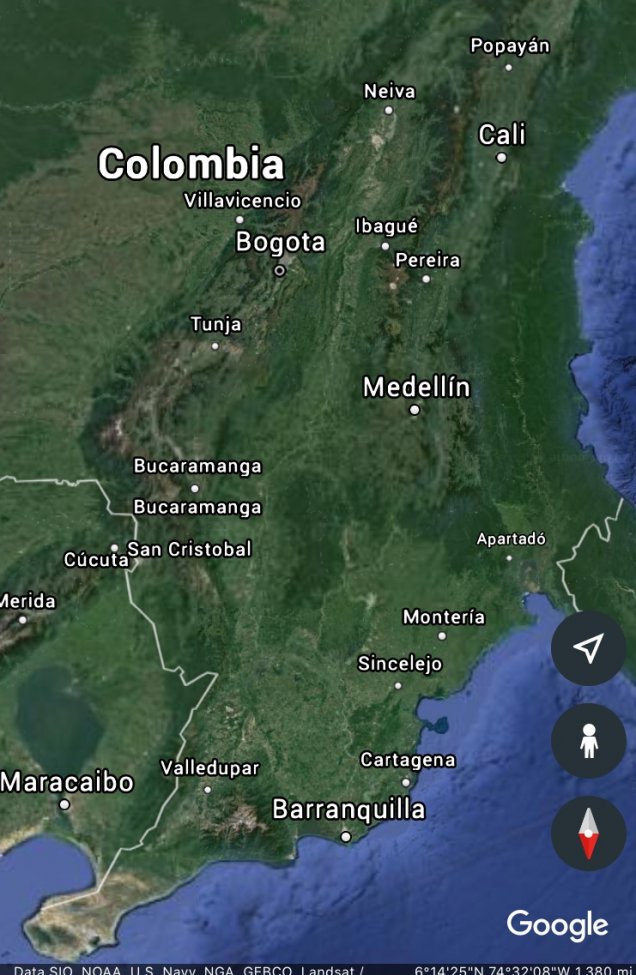
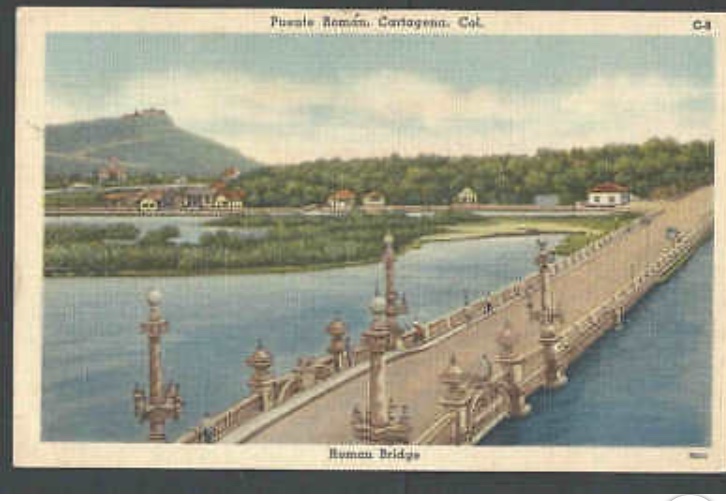
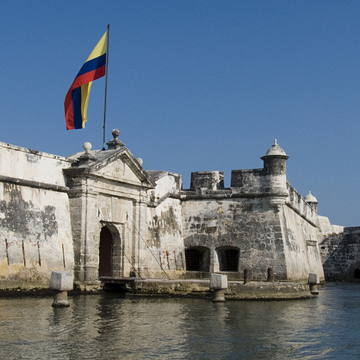
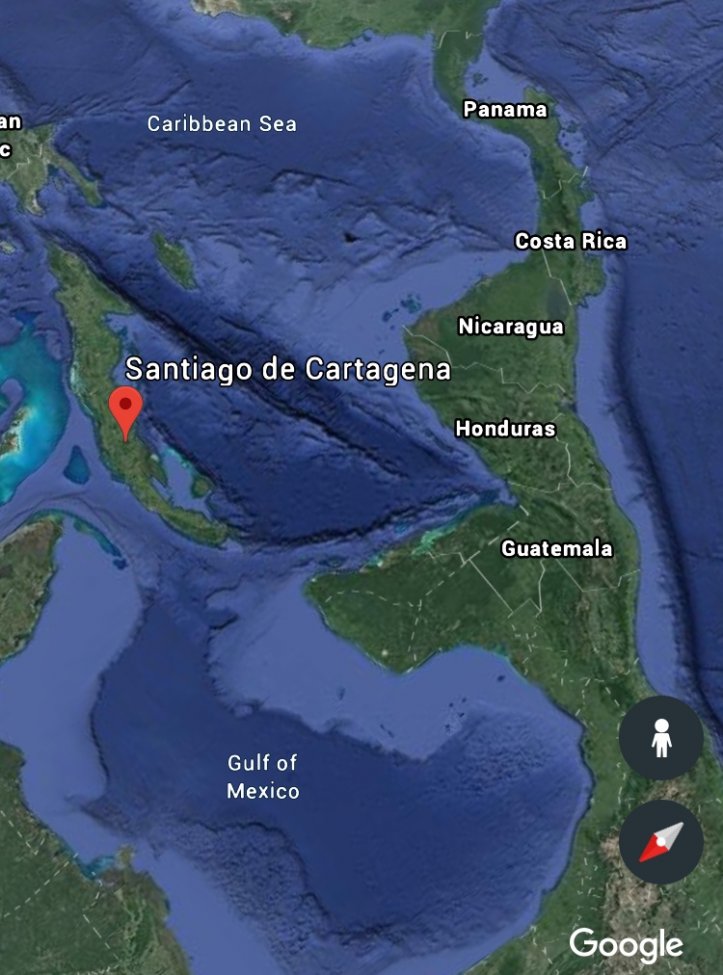
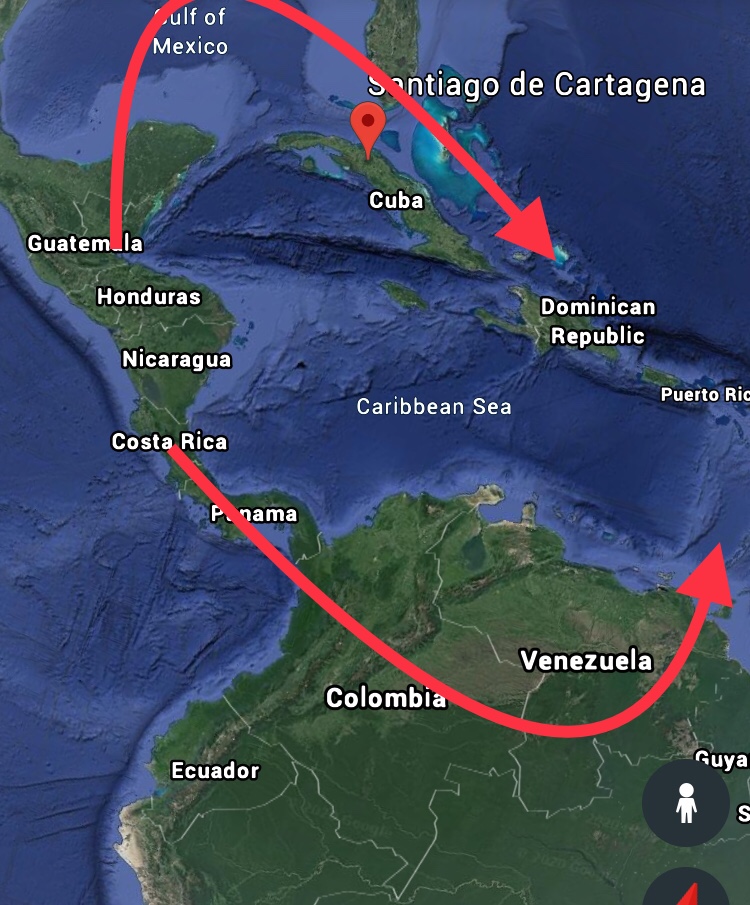
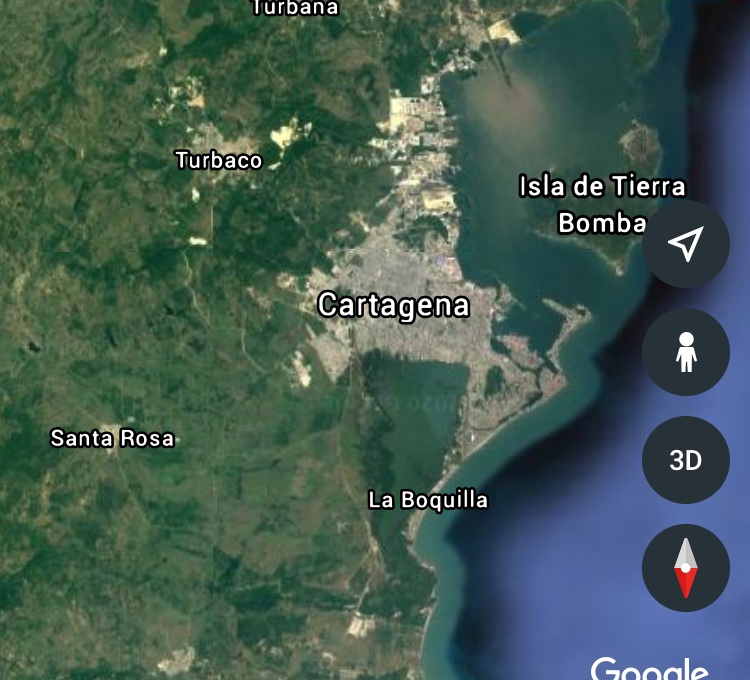 Cartagena also has some starfort aspects, right angles built intothe landmass. Here’s a postcard of a “Roman” bridge, as well.