Some disconnected thoughts I’ve had lately:
people have connected spelling (the word) to spells (enchantment).
We connect it to gaining knowledge (gnosis) which we know those enchanters deify.
Before, knowledge was passed down through memory by repeating stories, poems, etc. person to person. Researchers are amazed how accurate these tended to be. Seems only the elite/priests/mystery schools had writing, this special knowledge, for a long time. I do believe writing was much earlier than we are told, however.
Guilds (for tech knowledge such as masonry) came into being pretty early and secretized this knowledge, too.
I think memory is superior to reading in many ways.
Reading has helped to lead to memory loss. It’s much easier to change history, use propaganda/ mind control through ‘experts’ writing.
Also there are people (esp men and autistic) who seem to think more in images rather than words. Not sure what this means . See Temple Grandin’s book.
This thread is awesome! Thanks to Myths for starting it and all others who are contributing. I think there is a great deal of dot connecting here and it has my mind wandering. But that's a good thing! So many things I want to say, but need time to research first ( I am at work atm, LOL ). Here is a quick article I found which is somewhat related: MAPPING ISRAEL’S MIGRATIONS | The Ensign Message . I find etymology to be fascinating and I do believe there is hidden information in word origins.
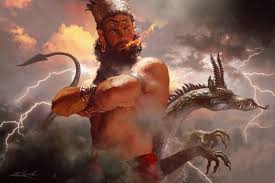
I’m currently reading up on Baal, this god shares many striking similarities to that of Marduk, from Mesopotamian mythology.
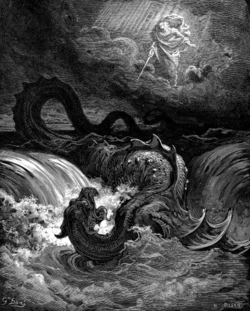
Baals epic can be found in the “Baal cycle tablets” recovered from Ugarit.. they both became elevated to the position King of the Gods during a great battle between the older Gods and those of their children. They both very have to fight a winged serpent, I can’t decide who/what this serpent represents. However, surprisingly baals resurrection story closely resembles that of Tammuz from Mesopotamian myths
In Ugaritic and Hebrew, Baal’s epithet as the storm god was 'He Who Rides on the Clouds.'
As a Semitic common noun baal (Hebrew baʿal) meant “master” or “lord,”
Baal was also king of the gods, and, to achieve that position, he was portrayed as seizing the divine kingship from Yamm, the sea god.
Marduk
Was known as the God of thunderstorms.
He was the son of Enki.. also known as Ea the God of wisdom, the Sumerian God of water.
The chief god of the city of Babylon and the national god of Babylonia; as such, he was eventually called Bel, or Lord.
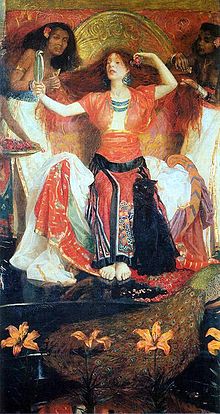
The Cult of Baal, can thank Jezebel, the daughter of the Priest-King Ethbaal, ruler of the coastal Phoenician cities of Tyre and Sidon, Lebanon. In the 9th century BCE, she introduced the Phoenician worship of Baal into Israel's capital city of Samaria... Opposed to the worship of Yahweh this gave her the name of an Anathema to the Israelites. Some historical interpreters see her as commendably faithful to her pagan religion, but the Kings writers portray her as a dangerous apostate
Jezebel's story, with its intrigue, sex, cruelty, and murder, is a rich stew of the historical events, allegorical interpretation, and metaphorical license that make many of the Old Testament's biographical dramas such fascinating reading.
When Jezebel married King Ahab who ruled c. 874–c. 853, she persuaded him to introduce the worship of the Tyrian god Baal-Melkart, a nature god. Being a woman of fierce energy, she tried to destroy all who opposed her; nearly all of the prophets of Yahweh were killed on her command.
These cruel and despotic acts provoked the righteous wrath of Elijah; according to I Kings 17, he accurately prophesied the onset of a severe drought and the most terrible death as divine retribution.
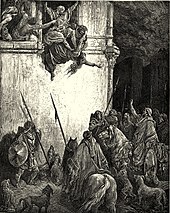
Strange enough Queen Jezebel pays a terrible price. Thrown from a high window by an unknown assailant, her unattended body is trampled by horses and devoured by dogs, fulfilling the prediction of Elijah.
Death of Jezebel by
Gustave Doré
I’m not convinced the cults began with Jezebel, she most certainly made the worship more popular amongst the new settlers who were flooding in (pun intended)
My question is who arrived first, who are the originals? Enki and his brood, Zeus and his brood, El and his or maybe even Osiris and his?
I’ve come across a tribe called Anakim who are said to be a race of giants, who it’s said the giant Goliath who was killed by David was a descendant..
Nice little book I came across while researching some of you may be interested in reading by the Phoenician author Sanchuniathon gives us a Greek point of view of the Canaan religion with his Book on 'Phoenician history.'
I read about a lot of about the symbols of Phoenicians in this post but we are leaving out the most important one - THE COLOR PURPLE.
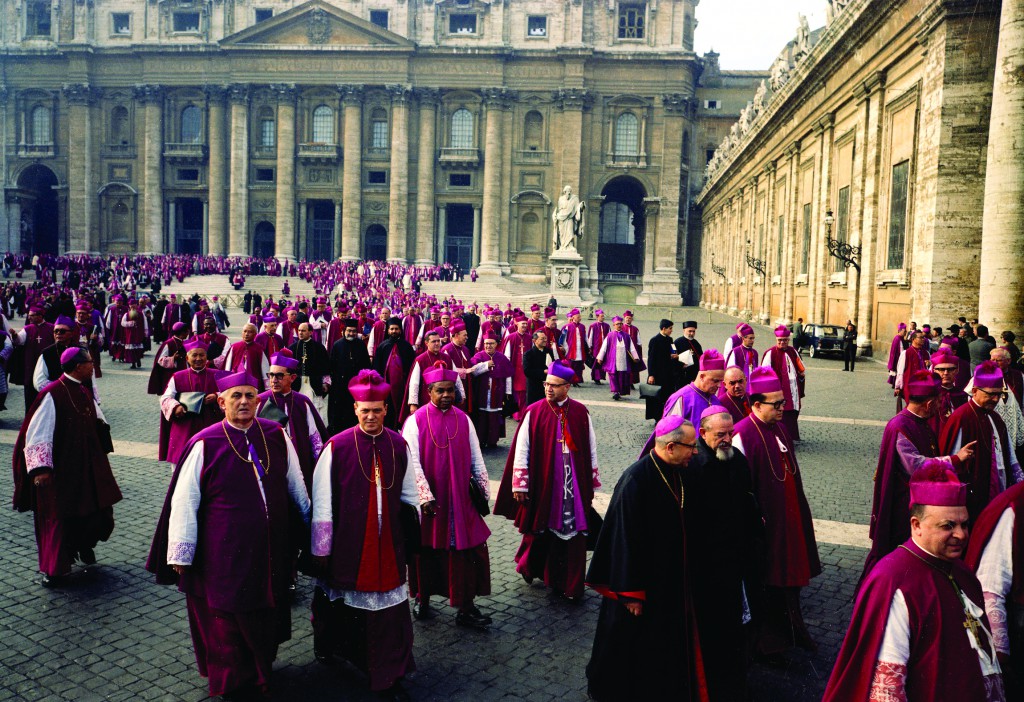
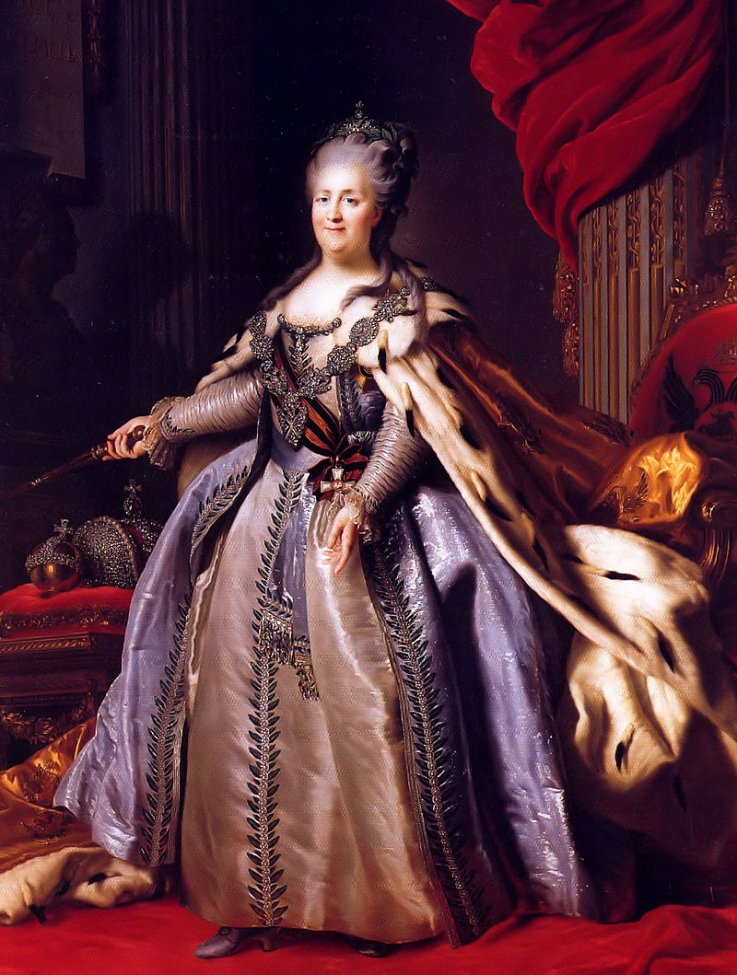
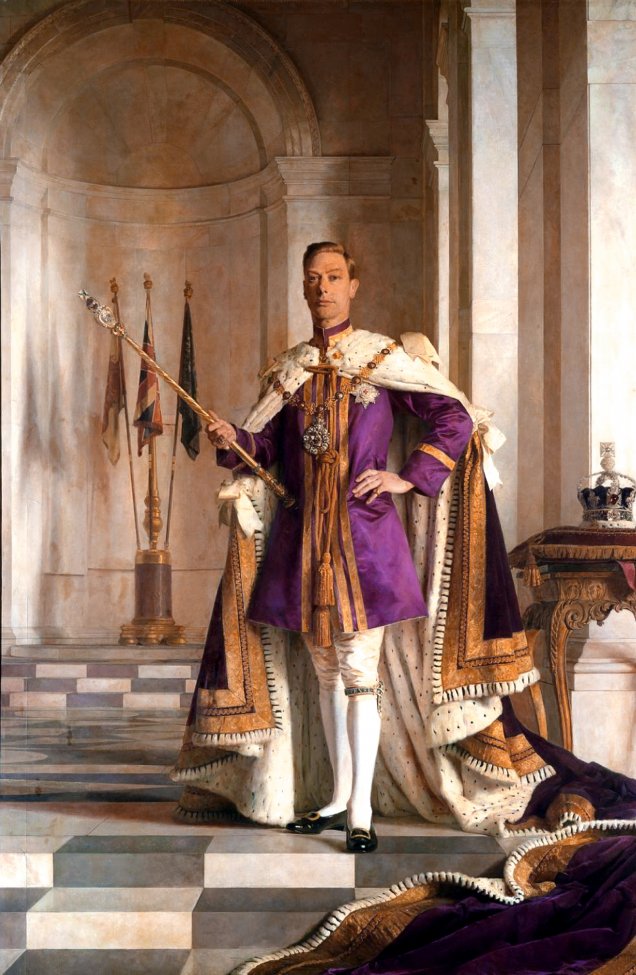
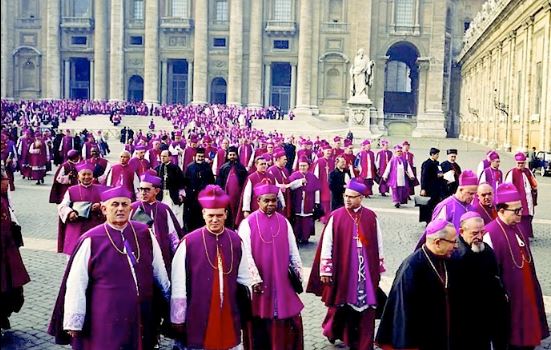
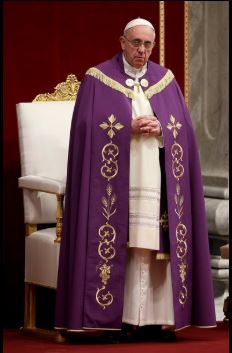
In my art history education, before you talked about art, you talked about color theory. The color purple is the most important hue in color theory and symbolism. Not only that, it is has always been and still is the color of royalty and the Catholic Church.
Catherine II of Russia
Camilla and Queen George VI Cardinals
And this guy:
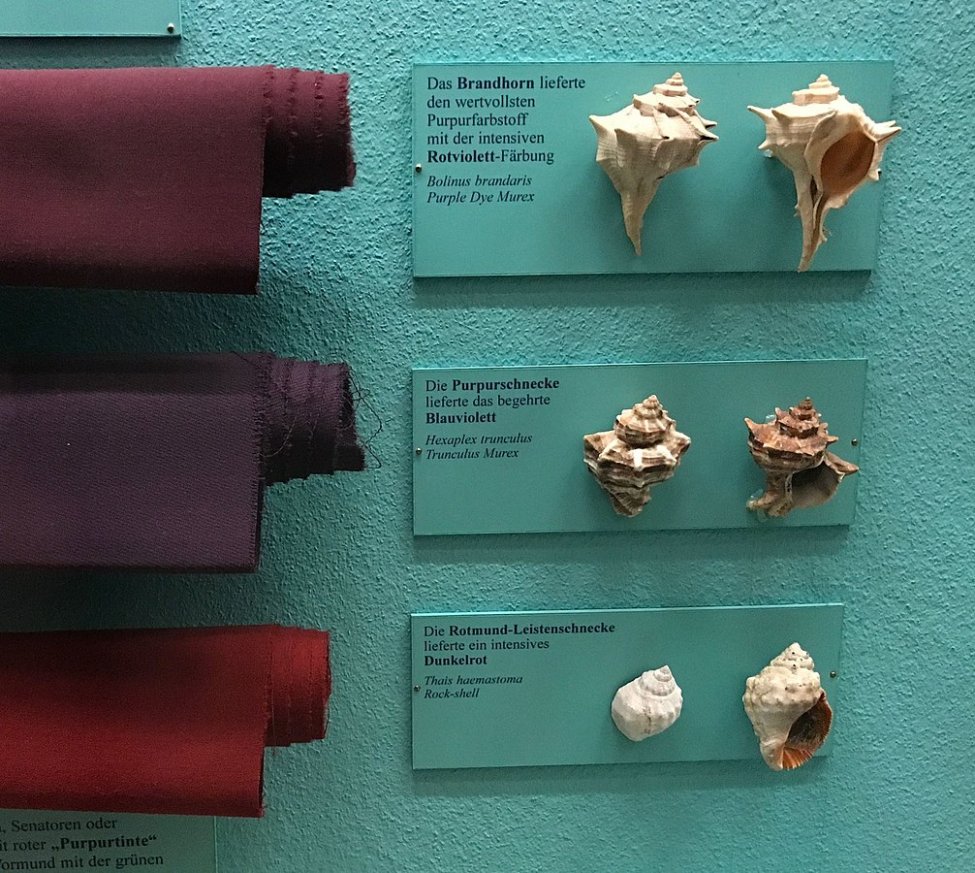
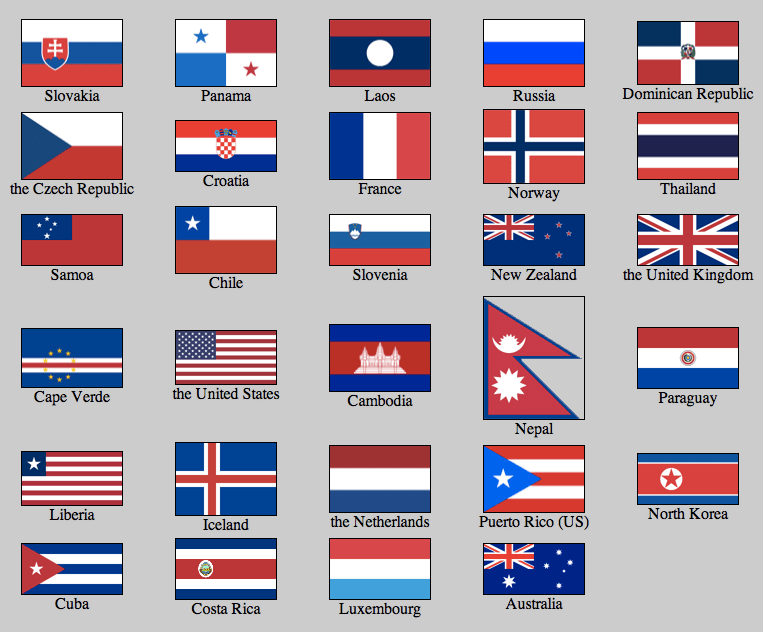
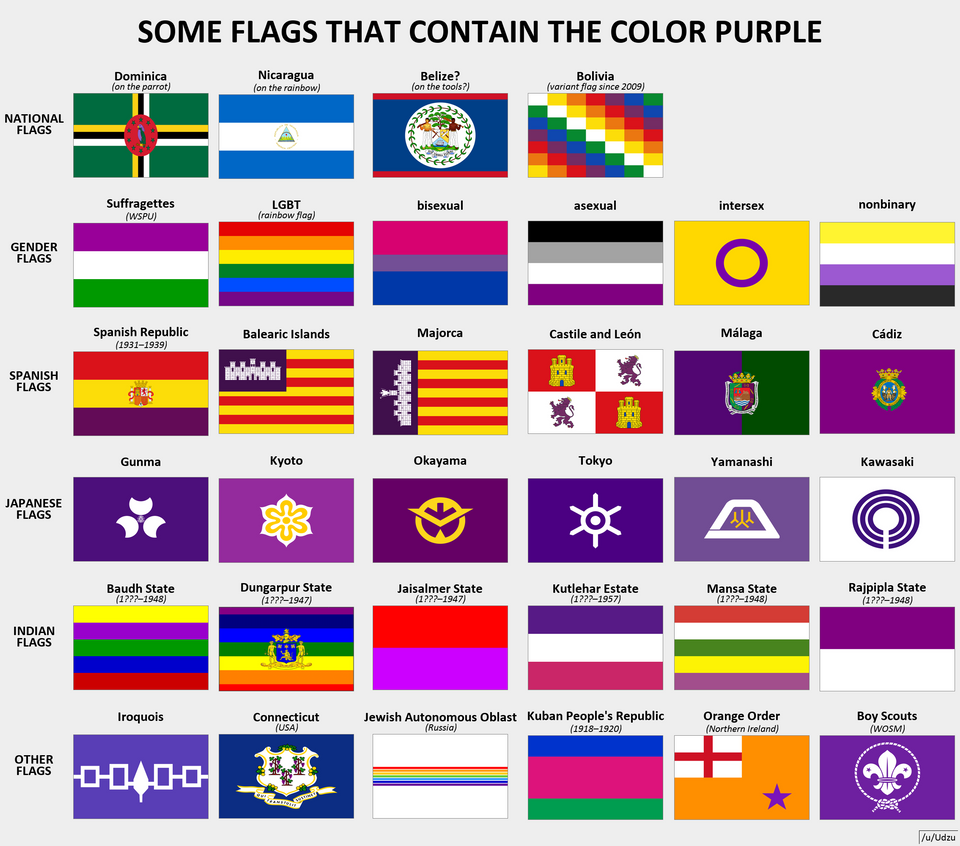
Supposedly, this was because of the scarcity of the dye that came from snails. It is also the reason there have not been more than a handful of flags throughout history that used purple. The current winners are:
Note that most of the flags are from areas we have been discussing in relation to the Phoenicians. Note the variant flag of Bolivia on the top row. It is called the Wiphala. This flag has been in the Andes for a long time and was documented by the first Spanish invaders. It's origins are from symbols and mural designs found in several civilizations of the Andes with thousands of years of history. In Modern times,
the seven colors of the actual Wiphala originate from the visible spectrum. The significance and meanings for each color are as follows:
So the violet/purple color stands for the authority of society even today...
Red= earth Blue=Heaven THEN Purple = Heaven and Earth. Is this what the Phoenicians rule over?
Purple is the most powerful wavelength in the visible color spectrum, which, I believe is the reason PTB choose it as their color. Purple is the most powerful visible wavelength of electromagnetic energy. It’s just a few steps away from x-rays and gamma rays. Perhaps this explains why purple is associated with supernatural energy and the cosmos than with the physical world as we know it.
Purple is the hardest color for the eye to discriminate. Try out the Lilac Chaser. It literally shows how different purple is from other colors. Change the color and try to get the same effect.
The color purple is also rare in nature which also makes desirable for elites. Taking all aspects of purple’s past and present into consideration, purple symbolizes magic, mystery, spirituality, the sub-conscious, creativity, dignity, royalty – and it evokes all of these meanings more so than any other color. The negative meanings of purple are decadence, conceit, and pomposity. Purple is also a color of mourning.
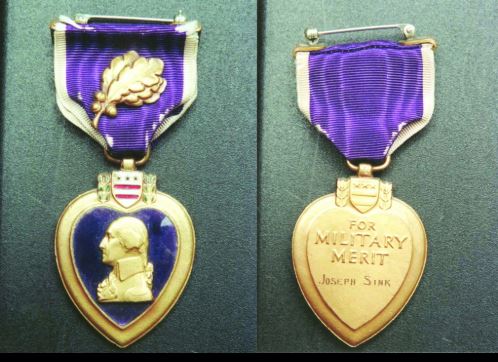
In the US, we give a purple heart to soldiers for bravery in the line of duty while injured or killed. Medals always make me think of masons, they love them. For comparison, a Masonic High Priest Arch Jewel I included here in the third image.
A few of the historical tidbits about the color and there are thousands.
Jesus Christ, in the hours leading up to his crucifixion, was dressed in purple (πορφύρα: porphura) by the Roman garrison to mock his claim to be 'King of the Jews'
Roman emperors Julius Caesar and Augustus both decreed that only the Emperor could wear purple. When Nero became Emperor, the wearing of purple and even the sale of purple was punishable by death!
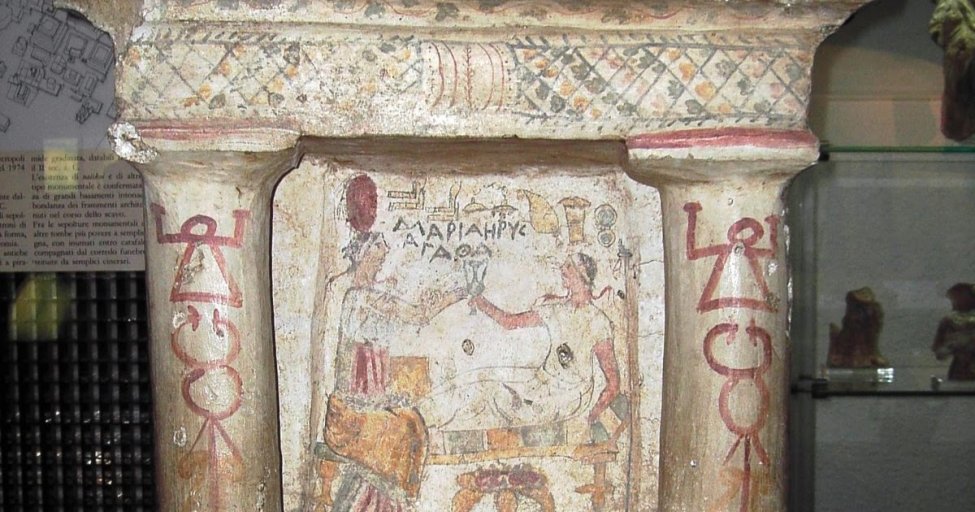
The Roman custom of wearing purple togas may have come from the Etruscans; an Etruscan tomb painting from the 4th century BC shows a nobleman wearing a deep purple and embroidered toga.
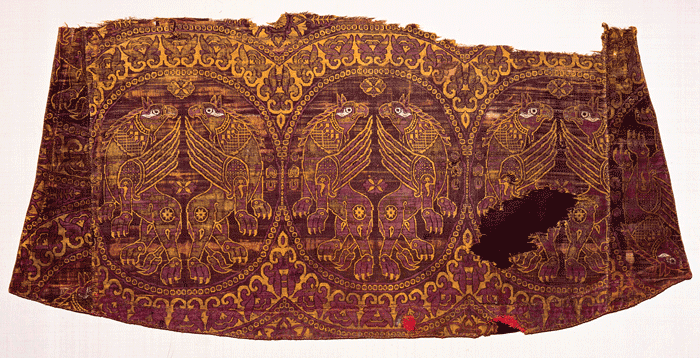
Through the early Christian era, the rulers of the Byzantine Empire continued the use of purple as the imperial color, for diplomatic gifts, and even for imperial documents and the pages of the Bible. Empresses gave birth in the Purple Chamber, and the emperors born there were known as "born to the purple," to separate them from emperors who won or seized the title through political intrigue or military force. Bishops of the Byzantine church wore white robes with stripes of purple, while government officials wore squares of purple fabric to show their rank. Here is one with griffins!
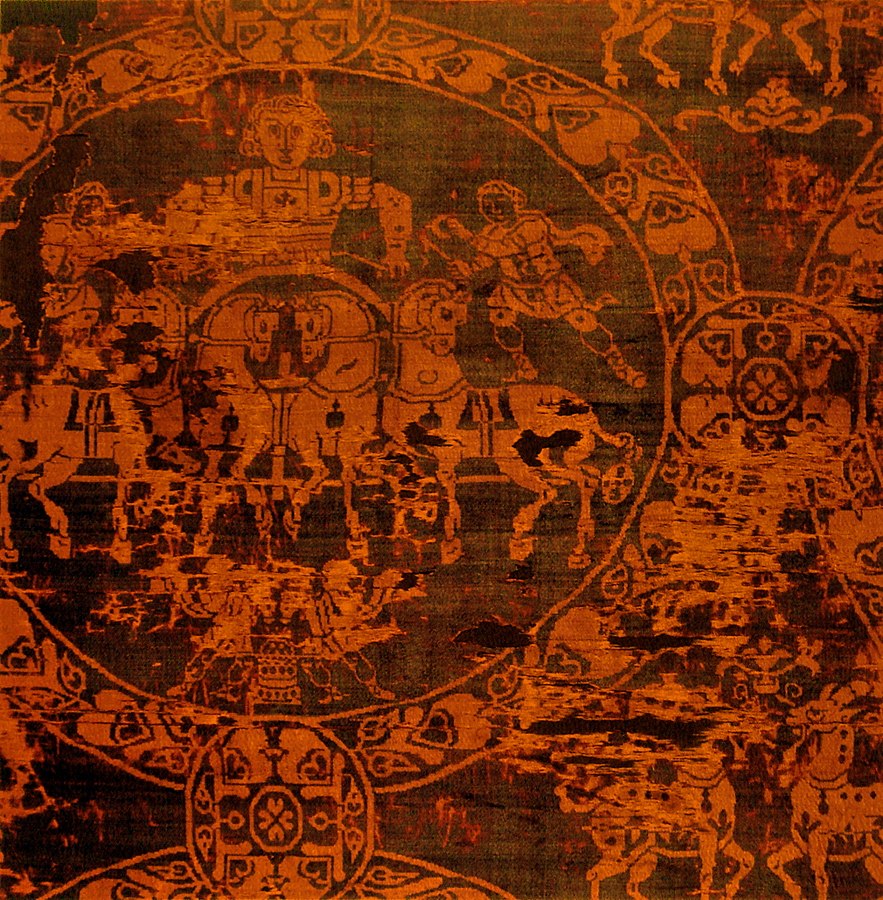
In western Europe, the Emperor Charlemagne was crowned in 800 wearing a mantle of Tyrian purple, and was buried in 814 in a shroud of the same color:
Then there is a lull because the secrets of the dyes are lost (Like Greek Fire) during the fall of Constantinople in 1453 and purple becomes even more rare until -- 1856!
We could almost predict that it would be rediscovered in the mid 1800's.
In 1856, an eighteen-year-old British chemistry student named William Henry Perkin was trying to make a synthetic quinine. His experiments produced instead the first synthetic aniline dye, a purple shade called mauveine, shortened simply to mauve. It took its name from the mallow flower, which is the same color.[46] The new color quickly became fashionable, particularly after Queen Victoria wore a silk gown dyed with mauveine to the Royal Exhibition of 1862.
And the fashion color of the year for 2018, ULTRA-VIOLET.
Hell, even the emojis on this site that use the color purple are religion and the zodiac.
The two last ones are the ID button and the Atom symbol. Weird grouping. And this horned one
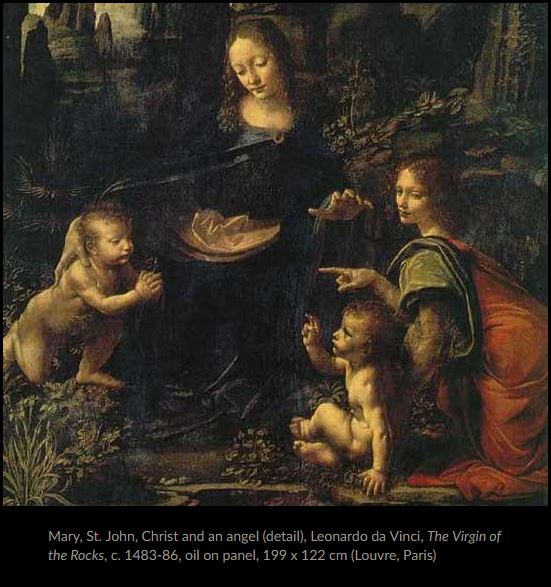
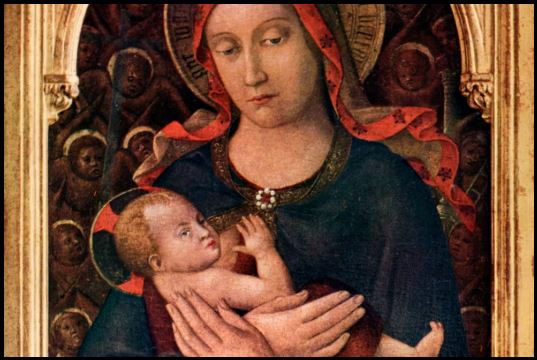
What about the dominance of red and blue on all the old religious paintings and symbols of power today? The actual color of Tyrian purple seems to have varied from a reddish to a bluish purple. We all know that red and blue make purple as well. The painters of the Renaissance (or the propogandists for the Vatican) did not have a purple paint. For purples and similar hues, Florentine, Venetian and Northern Renaissance artists used traditional pigments like Indigo, processed from the Indigofera plant, and Madder - a plant pigment made from Madder plants. The latter colourant had been brought back to Europe by returning Crusaders during the late 12th century. indigo =blue
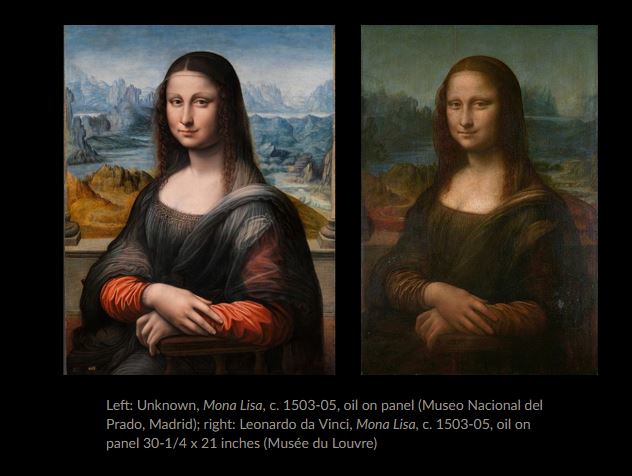
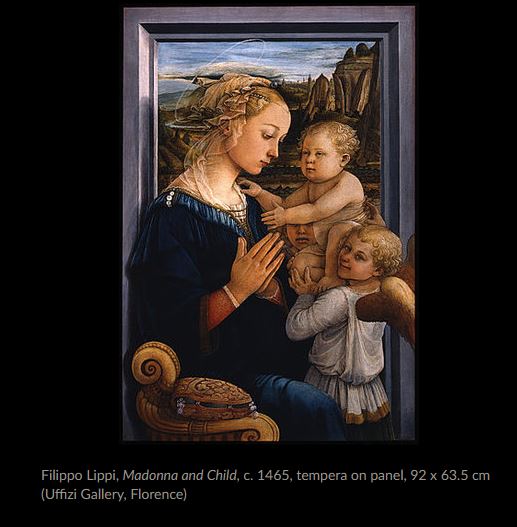
Here are a few famous examples of the blue and red on the folks most people would consider the highest of royalty:
But again, there are so many examples in the Renaissance. It is hard hard to find images where they aren't in these colors.
And then there are the red white and blue flags we are all so familiar with. Again, the dye was not readily available until the mid 1800s, so how do you portray purple on a flag if you don't have purple? . I think these flag color choices are related to the Phoenicians, just like the eagle keeps showing up, so do these colors. We talk about these ones all the time:
And with that, I am waving the White flag and calling it a night. I will leave you with my favorite member of royalty who wears purple and the only one I trust.
I don't know where it first starts ultimately but so far I've been moderately successful at tracing it all from Babylon onward. The path is Babylon > Canaan > Carthage > Iberia > England > South Africa (all realitively mainstream) but some think as well Asia and yes, America.
The Phoenicians didn't exist. They were the Canaanites. The Greeks just gave them that nickname because of the purple dye they had a monopoly on. After the Bronze Age collapse, they conveniently ruled the Mediterranean seas without much contest. They were the richest and best traders in the known world hands down. One of their major footholds became Carthage. When Persia eventually crushed their Canaan cities they remained in Carthage still exploring and trading.
I've been asked if these fine people actually discovered America back then, why keep it a secret? Of course they would! If you discover a distant land no one knows about, you can mine and develop it without worrying about the damn Romans wanting a piece. You would have virtually endless resources.
The Punic wars seemingly ended their days as an official state power. But the richest, smartest, most cunning people in the world won't just stop being awesome. One amazing fact is that their armies were mostly mercenary. I guess they figure if they just focus on getting richer, they can outsource the canon fodder to crazy thugs. Consider also that they had connections to EVERYWHERE in the known world which meant they could scout out and afford the best of the best. I can only imagine the spy network they may have had!
It just seems fitting to me that Spain, eventually, becomes the world's foremost navy right up until the English miraculously sinks their Armada. How convenient that the man who got credit for finding the New World was Columbus. Columbus > Columbia AKA Ishtar, Isis, Astarte, Tanit, etc.
So it struck me like a ton of bricks when reading this post that this old man has a cross necklace of gold signifying the Queen of Heaven.
(See image I posted earlier)
While most good catholics of Spain would think this was somehow a Christian cross, this conquistador may have had secret knowledge about what's really going on.
Why did Spain "discover" America if this is true? Perhaps they decided they had the best fleet in the world now, the recently shook off the Muslims, and it was time to reclaim their lost colonies that have been on their own for hundreds of years.
Now, it sounds funny to say Phoenicians we're secretly embedded in their aristocracy. I don't think it's so nuts. The Freemasons have had a strange and massive impact on the early USA, there's literally no way to deny it. The Statue of Liberty is essentially Tanit for fucks sakes. Believe them or not, but they claim to be a continuous fraternity that goes way back. They claim to have built Solomon's Temple. Funny! Cuz you know who did? The Phoenicians! So my thought is they went underground and decided to keep their Money & Power cult alive in mystery cults, and instead of having a literal home base, instead they would infiltrate and essentially pull the strings of every nation.
The cult of Tanit is very much alive with the Elite. I'm sure you have seen this picture by now, of Anderson Cooper's mothers "art"
To be honest, I haven't fully fleshed out the possibilities of "Phoenicians in America" so I admit most of this is conjecture. My dad used to talk all the time about how they found Phoenician writing in America, which shouldn't make any sense. Yet, here it is (or is it!?)
By the way, isn't it interesting that Columbus brought along Luis de Torres to be his official translator?
He was proficient in the following languages:
Hebrew
Aramaic
Arabic
Portuguese
The official reasoning is that Columbus was off to India and he would need someone able to communicate with the Jewish traders already there. But if I'm on to something here, then Columbus KNEW he wasn't off to India. If that's the case, then why would he need someone who knew Hebrew? Note that Hebrew is essentially one step from Phoenician (in fact, almost all alphabets are Phoenician in origin).
I really feel strongly that we're not told the truth about these amazingly ambitious people, even to this day. And I don't know why. I get this shivery feeling like "someone" is protecting the truth about them, because perhaps their legacy is still very much active in the world.
From Wikipedia we learn:
Honestly, I haven't tug into the relationship to the idea of the "ten lost tribes" and how the Phoenicians might factor into that. Maybe the mainstream account is legit and Columbus genuinely thought that these tribes went to India. Or maybe he KNEW BETTER and KNEW at least some of them were "lost" in America.
I read about a lot of about the symbols of Phoenicians in this post but we are leaving out the most important one - THE COLOR PURPLE.
In my art history education, before you talked about art, you talked about color theory. The color purple is the most important hue in color theory and symbolism. Not only that, it is has always been and still is the color of royalty and the Catholic Church.
Supposedly, this was because of the scarcity of the dye that came from snails. It is also the reason there have not been more than a handful of flags throughout history that used purple. The current winners are: View attachment 19775
Note that most of the flags are from areas we have been discussing in relation to the Phoenicians. Note the variant flag of Bolivia on the top row. It is called the Wiphala. This flag has been in the Andes for a long time and was documented by the first Spanish invaders. It's origins are from symbols and mural designs found in several civilizations of the Andes with thousands of years of history. In Modern times,
the seven colors of the actual Wiphala originate from the visible spectrum. The significance and meanings for each color are as follows:
So the violet/purple color stands for the authority of society even today...
Red= earth Blue=Heaven THEN Purple = Heaven and Earth. Is this what the Phoenicians rule over?
Purple is the most powerful wavelength in the visible color spectrum, which, I believe is the reason PTB choose it as their color. Purple is the most powerful visible wavelength of electromagnetic energy. It’s just a few steps away from x-rays and gamma rays. Perhaps this explains why purple is associated with supernatural energy and the cosmos than with the physical world as we know it.
Purple is the hardest color for the eye to discriminate. Try out the Lilac Chaser. It literally shows how different purple is from other colors. Change the color and try to get the same effect.
The color purple is also rare in nature which also makes desirable for elites. Taking all aspects of purple’s past and present into consideration, purple symbolizes magic, mystery, spirituality, the sub-conscious, creativity, dignity, royalty – and it evokes all of these meanings more so than any other color. The negative meanings of purple are decadence, conceit, and pomposity. Purple is also a color of mourning.
In the US, we give a purple heart to soldiers for bravery in the line of duty while injured or killed. Medals always make me think of masons, they love them. For comparison, a Masonic High Priest Arch Jewel I included here in the third image. View attachment 19779View attachment 19780
A few of the historical tidbits about the color and there are thousands.
Jesus Christ, in the hours leading up to his crucifixion, was dressed in purple (πορφύρα: porphura) by the Roman garrison to mock his claim to be 'King of the Jews'
Roman emperors Julius Caesar and Augustus both decreed that only the Emperor could wear purple. When Nero became Emperor, the wearing of purple and even the sale of purple was punishable by death!
The Roman custom of wearing purple togas may have come from the Etruscans; an Etruscan tomb painting from the 4th century BC shows a nobleman wearing a deep purple and embroidered toga.
Through the early Christian era, the rulers of the Byzantine Empire continued the use of purple as the imperial color, for diplomatic gifts, and even for imperial documents and the pages of the Bible. Empresses gave birth in the Purple Chamber, and the emperors born there were known as "born to the purple," to separate them from emperors who won or seized the title through political intrigue or military force. Bishops of the Byzantine church wore white robes with stripes of purple, while government officials wore squares of purple fabric to show their rank. Here is one with griffins!
In western Europe, the Emperor Charlemagne was crowned in 800 wearing a mantle of Tyrian purple, and was buried in 814 in a shroud of the same color: View attachment 19762
Then there is a lull because the secrets of the dyes are lost (Like Greek Fire) during the fall of Constantinople in 1453 and purple becomes even more rare until -- 1856!
We could almost predict that it would be rediscovered in the mid 1800's.
In 1856, an eighteen-year-old British chemistry student named William Henry Perkin was trying to make a synthetic quinine. His experiments produced instead the first synthetic aniline dye, a purple shade called mauveine, shortened simply to mauve. It took its name from the mallow flower, which is the same color.[46] The new color quickly became fashionable, particularly after Queen Victoria wore a silk gown dyed with mauveine to the Royal Exhibition of 1862.
And the fashion color of the year for 2018, ULTRA-VIOLET.
Hell, even the emojis on this site that use the color purple are religion and the zodiac. View attachment 19767
The two last ones are the ID button and the Atom symbol. Weird grouping. And this horned one
What about the dominance of red and blue on all the old religious paintings and symbols of power today? The actual color of Tyrian purple seems to have varied from a reddish to a bluish purple. We all know that red and blue make purple as well. The painters of the Renaissance (or the propogandists for the Vatican) did not have a purple paint. For purples and similar hues, Florentine, Venetian and Northern Renaissance artists used traditional pigments like Indigo, processed from the Indigofera plant, and Madder - a plant pigment made from Madder plants. The latter colourant had been brought back to Europe by returning Crusaders during the late 12th century. indigo =blue
But again, there are so many examples in the Renaissance. It is hard hard to find images where they aren't in these colors.
And then there are the red white and blue flags we are all so familiar with. Again, the dye was not readily available until the mid 1800s, so how do you portray purple on a flag if you don't have purple? . I think these flag color choices are related to the Phoenicians, just like the eagle keeps showing up, so do these colors. We talk about these ones all the time: View attachment 19781
And with that, I am waving the White flag and calling it a night. I will leave you with my favorite member of royalty who wears purple and the only one I trust. View attachment 19773
The phoenician letters are similar to german/nordic runes (in fact a world wide writing) - Anere (Anak) or "celestial".
Phoenix/Phenice/Venice, they control the metals, finantials, they know about hidden knowledge, they can survive each destructive cycle, as the phoenix bird does.
the phoenicians, being survivors of the flood would have known woad in their flooded homeland. woad is jewish blue and comes from a yellow flower in a very stinky and magical process. as stinky as rotting murex guts.
Came across this Was the city of Venice created in the 17th Century? (self.CulturalLayer)
submitted an hour ago * by user17843 Venice is known for it's hundreds of beautiful canals. Unfortunately the city has been deteriorating as long as people have documented the state of the city, so it's surprising to see historians claim a supposed history of more than 1000 years.
I found an old map from the late 16th, early 17th Century, which does not show Venetia.
Instead, it shows the supposedly old, antique, city of "Altinum", which, according to Wikipedia, Altinum:
is the name of an ancient coastal town of the Veneti 15 km SE of the modern Treviso, northern Italy, on the edge of the lagoons. Located on the eastern coast of that nation, at the mouth of the river Silis, it was first destroyed by Attila in 452 and gradually abandoned by its inhabitants, who sought refuge in the islands of the lagoon, such as Torcello and Burano, in the area where later Venice would be built.
abandoned by its citizens and then sank into the lagoon.
According to archaeologists, Venice's ancestor was surrounded by rivers and canals, including one large canal that ran through the center of the city and connected it with the lagoon.
A digital reconstruction of the area shows that the city stood two to three meters above what was then the sea level. The structure of Altinum was complex and perfectly suited to the particular demands of the swampy environment. Researchers say that it looks like the Romans knew how best to build on this harsh, swampy landscape -- long before they began the construction of Venice in the middle of a lagoon. (source)
The official story is that Altinum was destroyed in the 7th Century AD
But as waves of barbarians invaded, Altinum was a ripe target and, finally, in the 7th century AD, a Lombard invasion pushed the city's remaining residents onto the surrounding islands of the Venice lagoon. (source)
Is it possible that the modern Venetia is not only a product of that catastrophe leading to the sinking of Altinum, but basically a re-incarnation of Altinum? Is it possible that Altinum didn't sink in late antiquity, but only 350 years ago?
Alternative szenario: Here is evidence of the invented 1000-years that Fomenko speaks about, and when the city of Altinum sank somewhere between 1600 and 1700 (in the 17th Century, not the 7th), people were able to save parts of the city, now submerged underwater.
Voila, Venice was (re-)born.
The mentioned 17th Century map clearly shows Venice to not exist, and Altinum to exist. By the way, it also shows Pompeii alive and kicking.
What archeologists are digging out at the historical site of Altinum isn't the entirety of Altinum - it's a small part of a way larger city, most of it now submerged under water or rebuilt into modern Venice.
Before Altinum/Venice god flooded in the 17th Century, maybe with the same event that destroyed Pompeii and Herculaneum, it was a big city full of water canals, but built on top of the land. The canals did not fill every street, they were strategically built to transport stuff out of the city: (The orange part is the canal)
This was how the modern area of Venice was built as well, but all streets got flooded with water, so they re-designed the city to work without streets.
You can see the original big "true canal" run through the inner city: , which originally was basically water-free.
The name of this canal is "Canal Grande", and it follows the natural flow of the original river (called Brenta) that predates the canal. Which means, the canal is not artificial. I suggest: The city was built around this river, originally.
In the 20th century some people thought Venice was some kind of magical city, resting entirely on wooden constructs, like this painting suggests: But when, in 1996, the theatre „La Fenice“ burned down completely, people were for the first time able to look at the underlying structure.
Turns out, the buldings rest entirely on stone walls. Only the reinassance style facades rest on wooden stakes, suggesting a rebuilding effort where the facades had been renovated in line with the new reality that the houses were now basically surrounded by water.
Interestingly the front facades are not completely connected to the houses, but are a bit loose, which means that the city design is earthquake resistant. The front sides are built on top of water-proof limestone (Istrian Stone) to not let the water slip through the facades. This suggest the facades were built later, as a way to protect the original houses from the new water level.
All in all I think Venice as we know it was recreated from Altinum around 350 years ago, with an enourmous building effort to create waterproof and stable house-facades, protecting parts of the original city.
Interestingly, historians do not know how and by whom Venice was created, the origins are entirely in the dark. I suggest that Venetians simply made the best out of it when their city of Altinum was destroyed in the cataclysm of the 17th Century that also destroyed Pompeii and Herculaneum, and many other parts of the world. Parts of the city of Altinum survived, but were now surrounded by a lagune of water, so in an effort to save a significant part of the city, front facades were built. What they could not save, they demolished.
When the Vatican church created the 1000-year history hoax, the history of Altinum was put back 1000 years into the past, with historians saying it was abandoned in the 7th Century. Instead I suggest it was in fact only abandoned in the 17th Century, and it wasn't run over by attackers, but it was simply submerged in a giant catastrophe. The partially submerged parts that survived became modern Venice.
Came across this Was the city of Venice created in the 17th Century? (self.CulturalLayer)
submitted an hour ago * by user17843 Venice is known for it's hundreds of beautiful canals. Unfortunately the city has been deteriorating as long as people have documented the state of the city, so it's surprising to see historians claim a supposed history of more than 1000 years.
I found an old map from the late 16th, early 17th Century, which does not show Venetia.
Instead, it shows the supposedly old, antique, city of "Altinum", which, according to Wikipedia, Altinum:
Altinum was
The official story is that Altinum was destroyed in the 7th Century AD
Is it possible that the modern Venetia is not only a product of that catastrophe leading to the sinking of Altinum, but basically a re-incarnation of Altinum? Is it possible that Altinum didn't sink in late antiquity, but only 350 years ago?
Alternative szenario: Here is evidence of the invented 1000-years that Fomenko speaks about, and when the city of Altinum sank somewhere between 1600 and 1700 (in the 17th Century, not the 7th), people were able to save parts of the city, now submerged underwater.
Voila, Venice was (re-)born.
The mentioned 17th Century map clearly shows Venice to not exist, and Altinum to exist. By the way, it also shows Pompeii alive and kicking.
What archeologists are digging out at the historical site of Altinum isn't the entirety of Altinum - it's a small part of a way larger city, most of it now submerged under water or rebuilt into modern Venice.
Before Altinum/Venice god flooded in the 17th Century, maybe with the same event that destroyed Pompeii and Herculaneum, it was a big city full of water canals, but built on top of the land. The canals did not fill every street, they were strategically built to transport stuff out of the city: (The orange part is the canal)
This was how the modern area of Venice was built as well, but all streets got flooded with water, so they re-designed the city to work without streets.
You can see the original big "true canal" run through the inner city: , which originally was basically water-free.
The name of this canal is "Canal Grande", and it follows the natural flow of the original river (called Brenta) that predates the canal. Which means, the canal is not artificial. I suggest: The city was built around this river, originally.
In the 20th century some people thought Venice was some kind of magical city, resting entirely on wooden constructs, like this painting suggests: But when, in 1996, the theatre „La Fenice“ burned down completely, people were for the first time able to look at the underlying structure.
Turns out, the buldings rest entirely on stone walls. Only the reinassance style facades rest on wooden stakes, suggesting a rebuilding effort where the facades had been renovated in line with the new reality that the houses were now basically surrounded by water.
Interestingly the front facades are not completely connected to the houses, but are a bit loose, which means that the city design is earthquake resistant. The front sides are built on top of water-proof limestone (Istrian Stone) to not let the water slip through the facades. This suggest the facades were built later, as a way to protect the original houses from the new water level.
All in all I think Venice as we know it was recreated from Altinum around 350 years ago, with an enourmous building effort to create waterproof and stable house-facades, protecting parts of the original city.
Interestingly, historians do not know how and by whom Venice was created, the origins are entirely in the dark. I suggest that Venetians simply made the best out of it when their city of Altinum was destroyed in the cataclysm of the 17th Century that also destroyed Pompeii and Herculaneum, and many other parts of the world. Parts of the city of Altinum survived, but were now surrounded by a lagune of water, so in an effort to save a significant part of the city, front facades were built. What they could not save, they demolished.
When the Vatican church created the 1000-year history hoax, the history of Altinum was put back 1000 years into the past, with historians saying it was abandoned in the 7th Century. Instead I suggest it was in fact only abandoned in the 17th Century, and it wasn't run over by attackers, but it was simply submerged in a giant catastrophe. The partially submerged parts that survived became modern Venice.
This is an incredibly high quality quote. If you're not secretly Fomenko you should email him this theory. Heck, I highly suggest you make this it's own post because it's very interesting!! Totally coincides with the i700 vs 1700 dating confusion issue. I'll say more I think but honestly I think you should repost and we can talk there. Or maybe Korban can just move it if you like. Just.. Awesome!
Came across this Was the city of Venice created in the 17th Century? (self.CulturalLayer)
submitted an hour ago * by user17843 Venice is known for it's hundreds of beautiful canals. Unfortunately the city has been deteriorating as long as people have documented the state of the city, so it's surprising to see historians claim a supposed history of more than 1000 years.
I found an old map from the late 16th, early 17th Century, which does not show Venetia.
Instead, it shows the supposedly old, antique, city of "Altinum", which, according to Wikipedia, Altinum:
Altinum was
The official story is that Altinum was destroyed in the 7th Century AD
Is it possible that the modern Venetia is not only a product of that catastrophe leading to the sinking of Altinum, but basically a re-incarnation of Altinum? Is it possible that Altinum didn't sink in late antiquity, but only 350 years ago?
Alternative szenario: Here is evidence of the invented 1000-years that Fomenko speaks about, and when the city of Altinum sank somewhere between 1600 and 1700 (in the 17th Century, not the 7th), people were able to save parts of the city, now submerged underwater.
Voila, Venice was (re-)born.
The mentioned 17th Century map clearly shows Venice to not exist, and Altinum to exist. By the way, it also shows Pompeii alive and kicking.
What archeologists are digging out at the historical site of Altinum isn't the entirety of Altinum - it's a small part of a way larger city, most of it now submerged under water or rebuilt into modern Venice.
Before Altinum/Venice god flooded in the 17th Century, maybe with the same event that destroyed Pompeii and Herculaneum, it was a big city full of water canals, but built on top of the land. The canals did not fill every street, they were strategically built to transport stuff out of the city: (The orange part is the canal)
This was how the modern area of Venice was built as well, but all streets got flooded with water, so they re-designed the city to work without streets.
You can see the original big "true canal" run through the inner city: , which originally was basically water-free.
The name of this canal is "Canal Grande", and it follows the natural flow of the original river (called Brenta) that predates the canal. Which means, the canal is not artificial. I suggest: The city was built around this river, originally.
In the 20th century some people thought Venice was some kind of magical city, resting entirely on wooden constructs, like this painting suggests: But when, in 1996, the theatre „La Fenice“ burned down completely, people were for the first time able to look at the underlying structure.
Turns out, the buldings rest entirely on stone walls. Only the reinassance style facades rest on wooden stakes, suggesting a rebuilding effort where the facades had been renovated in line with the new reality that the houses were now basically surrounded by water.
Interestingly the front facades are not completely connected to the houses, but are a bit loose, which means that the city design is earthquake resistant. The front sides are built on top of water-proof limestone (Istrian Stone) to not let the water slip through the facades. This suggest the facades were built later, as a way to protect the original houses from the new water level.
All in all I think Venice as we know it was recreated from Altinum around 350 years ago, with an enourmous building effort to create waterproof and stable house-facades, protecting parts of the original city.
Interestingly, historians do not know how and by whom Venice was created, the origins are entirely in the dark. I suggest that Venetians simply made the best out of it when their city of Altinum was destroyed in the cataclysm of the 17th Century that also destroyed Pompeii and Herculaneum, and many other parts of the world. Parts of the city of Altinum survived, but were now surrounded by a lagune of water, so in an effort to save a significant part of the city, front facades were built. What they could not save, they demolished.
When the Vatican church created the 1000-year history hoax, the history of Altinum was put back 1000 years into the past, with historians saying it was abandoned in the 7th Century. Instead I suggest it was in fact only abandoned in the 17th Century, and it wasn't run over by attackers, but it was simply submerged in a giant catastrophe. The partially submerged parts that survived became modern Venice.
There is an issue in that the map being cited says "Ancient Italy", which would serve to indicate a more non-malicious explanation as to why Pompeii is shown and Venice is not. Now, granted if they were referring to Rome, I'm not sure why the map wasn't just titled "Ancient Rome". Also, there's a huge part down the bottom labelled "Magna Graecia" (?), which I'm assuming is "Great Greece" or something...?
There is an issue in that the map being cited says "Ancient Italy", which would serve to indicate a more non-malicious explanation as to why Pompeii is shown and Venice is not. Now, granted if they were referring to Rome, I'm not sure why the map wasn't just titled "Ancient Rome". Also, there's a huge part down the bottom labelled "Magna Graecia" (?), which I'm assuming is "Great Greece" or something...?
Honestly I don't put much faith into the dates we see on those maps, but even according to the available data "antiqua" can mean anything.
Anyway, I find it interesting that the publisher of this map (House of Elzevir - Wikipedia) was apparently one of the biggest publishers of Europe in that time (between 1590 and 1712) but basically disappeared without a trace in 1712, and suddenly they reappear in 1880 in the form of modern publisher Elsevier - Wikipedia
The House of Elzevir also published Scaligers work, according to Fomenko an entire work of fiction, so they were deeply involved in faking antiquity.
As the publisher of ground-breaking scientific authors such as Galileo and Descartes, the Elzevier family enjoyed an excellent reputation for over a century. Though the company goes bankrupt and ceases to exist, they are remembered as some of the greatest publishers who had ever lived.
One has to ask why even the entire Elzevier family disappears with their bancrupty as well. One of the most prominent dynasties of the Netherlands just vanishes into irrelevancy?
The phoenician letters are similar to german/nordic runes (in fact a world wide writing) - Anere (Anak) or "celestial".
Phoenix/Phenice/Venice, they control the metals, finantials, they know about hidden knowledge, they can survive each destructive cycle, as the phoenix bird does.
Could this relate to the term Annunaki? We have all heard the DNA tempering / creation myths about the Annuniki and humans. They supposedly were our “Gods” & controlled everything. Just wondered if anyone else picked up on this possible connection? I apologize if this was already brought up, my phone is difficult to navigate these threads with.
Could this relate to the term Annunaki? We have all heard the DNA tempering / creation myths about the Annuniki and humans. They supposedly were our “Gods” & controlled everything. Just wondered if anyone else picked up on this possible connection? I apologize if this was already brought up, my phone is difficult to navigate these threads with.
from what i have read, it says Enki needed a workforce to build his earthworks. it says he tried out many types of peoples. it indicates he created them but from the genetics that they are discovering it could have been just as likely he enslaved whole populations and transported them to his construction sites.
"In those days, in the days when heaven and earth were created; in those nights, in the nights when heaven and earth were created; in those years, in the years when the fates were determined; when the Anuna gods were born; when the goddesses were taken in marriage; when the goddesses were distributed in heaven and earth; when the goddesses …… became pregnant and gave birth; when the gods were obliged (?) …… their food …… dining halls; the senior gods oversaw the work, while the minor gods were bearing the toil. The gods were digging the canals and piling up the silt in Ḫarali. The gods, crushing the clay, began complaining about this life. "
from what i have read, it says Enki needed a workforce to build his earthworks. it says he tried out many types of peoples. it indicates he created them but from the genetics that they are discovering it could have been just as likely he enslaved whole populations and transported them to his construction sites.
"In those days, in the days when heaven and earth were created; in those nights, in the nights when heaven and earth were created; in those years, in the years when the fates were determined; when the Anuna gods were born; when the goddesses were taken in marriage; when the goddesses were distributed in heaven and earth; when the goddesses …… became pregnant and gave birth; when the gods were obliged (?) …… their food …… dining halls; the senior gods oversaw the work, while the minor gods were bearing the toil. The gods were digging the canals and piling up the silt in Ḫarali. The gods, crushing the clay, began complaining about this life. "
Is it just me or does that creation myth resoundingly remind anyone of the creation of Rome? Rape of the Sabine? Taking the goddesses as wives? I tens to think most creation myths are poetic versions of history massively distorted.


 . See Temple Grandin’s book.
 maybe you wanna go to the website
  Thanks for “Jaynes”(i will go down there)




 So the violet/purple color stands for the authority of society even today...