SH Archive 1885: Hercules Crane and Roker Pier Construction

SH.org OP Username
KorbenDallas
SH.org OP Date
2019-08-27 23:48:03
SH.org Reaction Score
3
SH.org Reply Count
7

KD Archive

Not actually KorbenDallas
Active Member
Joined
Sep 22, 2020
Messages
4,691
Reaction score
1,500
For those who want to read about this Rocker Pier there is plenty of info:
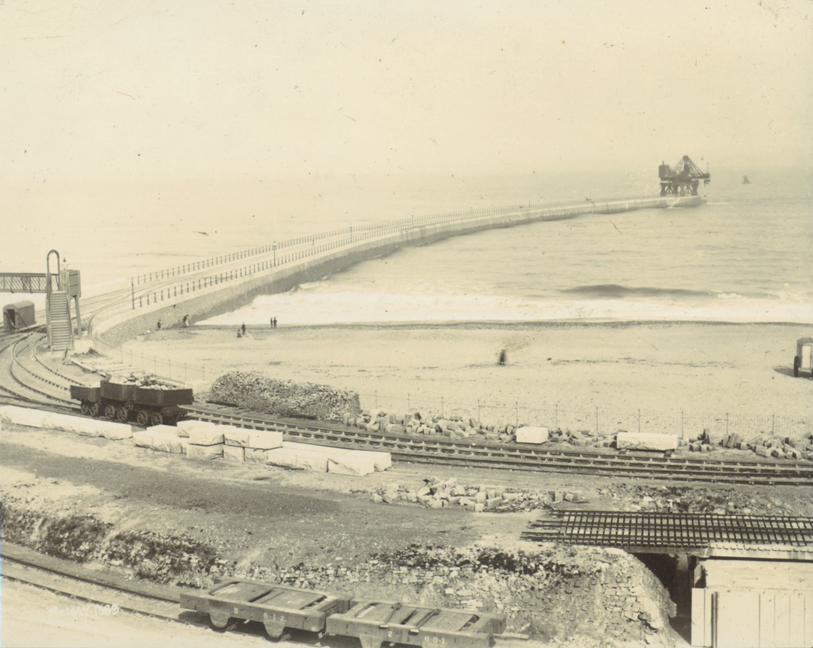
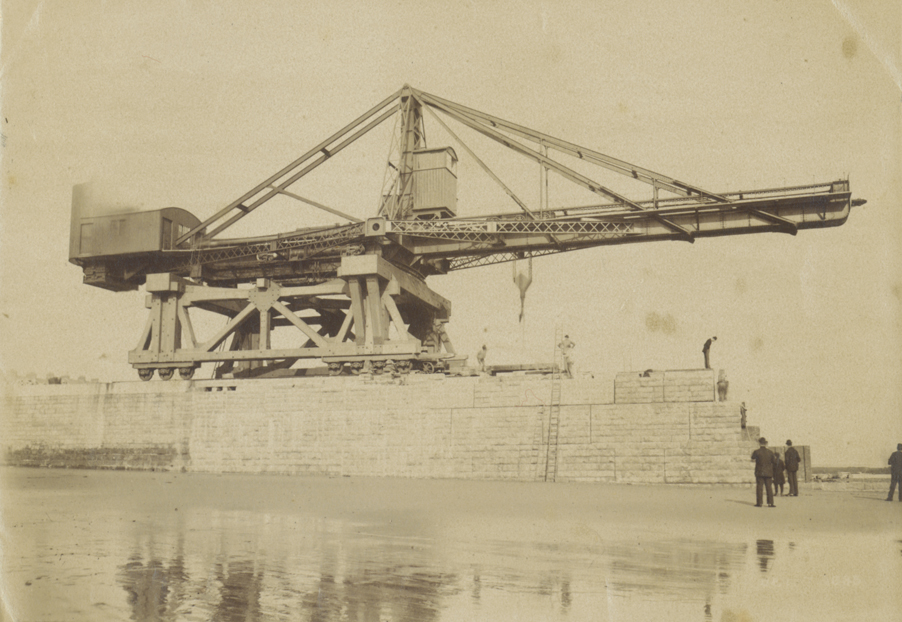
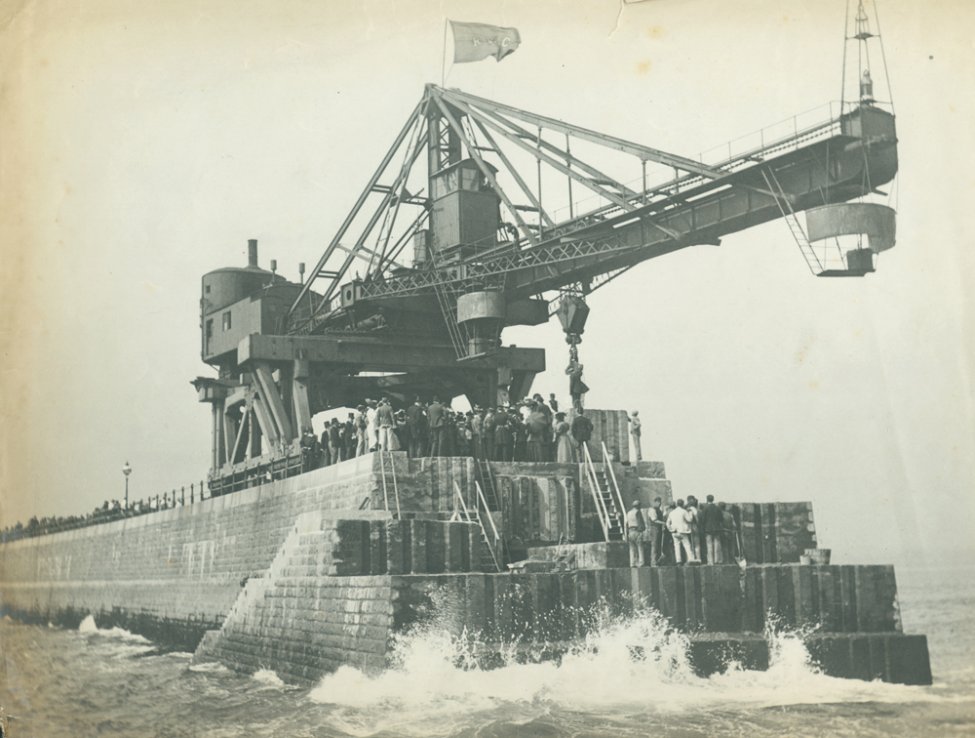
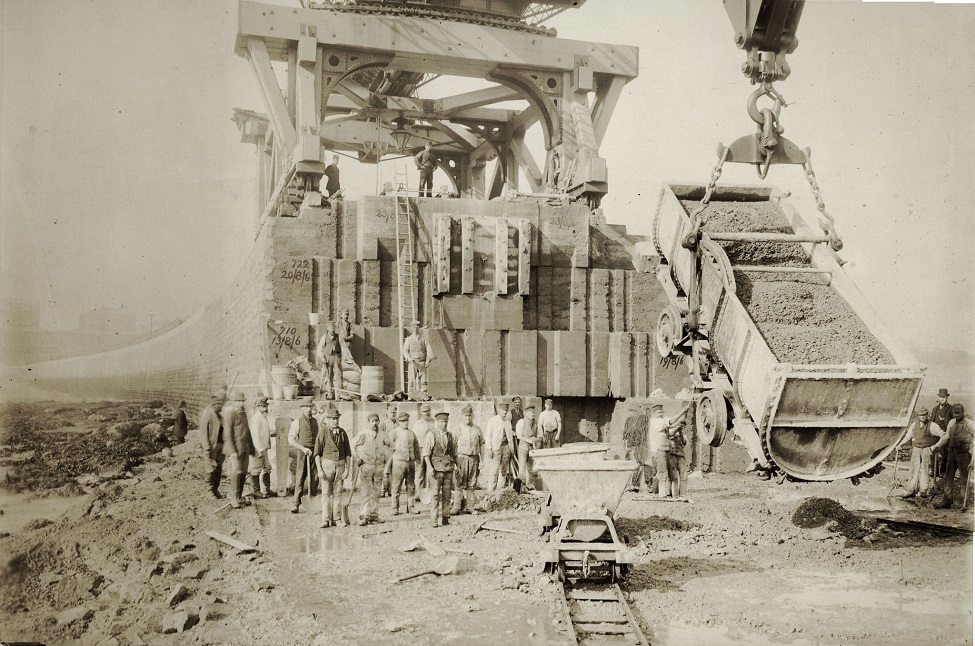
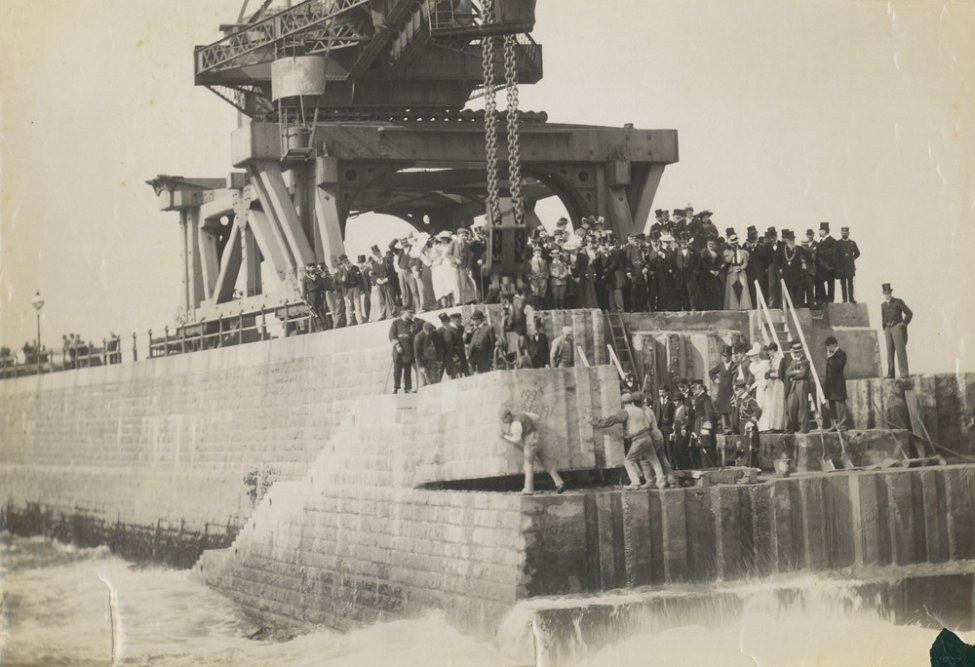
  • The foundation stone for the New North Pier (Roker Pier) was laid on 14 September 1885. Applauded at the time as a triumph of engineering, the 2,000 ft (610 m) pier is built of granite-faced concrete blocks, which were manoeuvred into place by a gas-powered crane nicknamed 'Goliath'.
  • Roker - Wikipedia
  • Hercules crane - Wikipedia
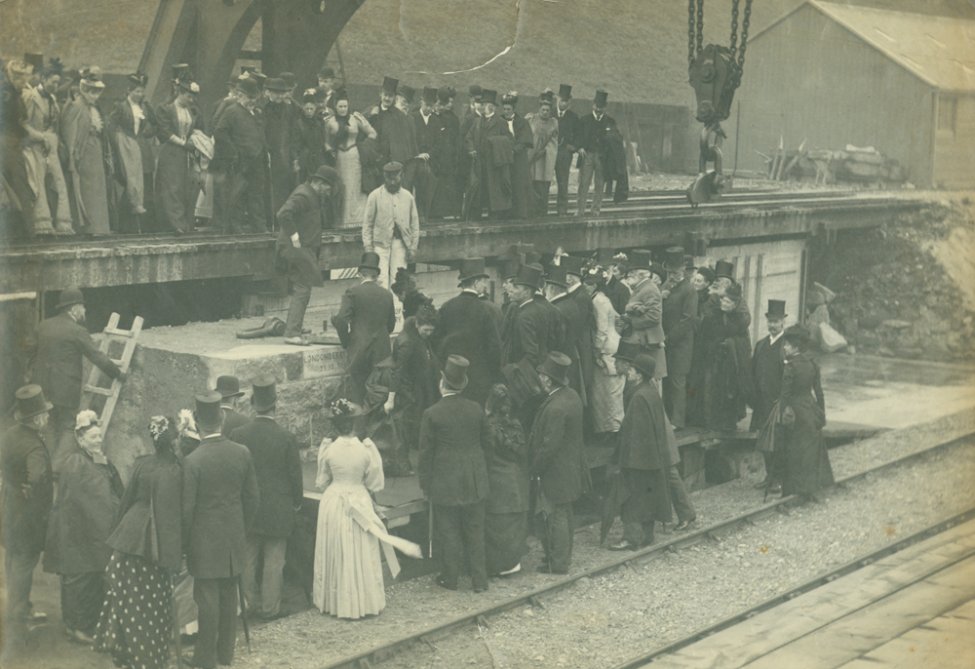
This set of images relates to Roker Pier, Sunderland and is taken from a scrapbook kept by Henry Hay Wake, chief engineer to the River Wear Commission.
  • Henry Wake designed Roker Pier and also oversaw its construction from beginning to end. The Pier' s foundation stone was laid in September 1885 and it was formally opened on 23 September 1903. The Pier is 2,800 feet long and was built of Aberdeen granite and concrete cement at a total cost of £290,000.
  • Source
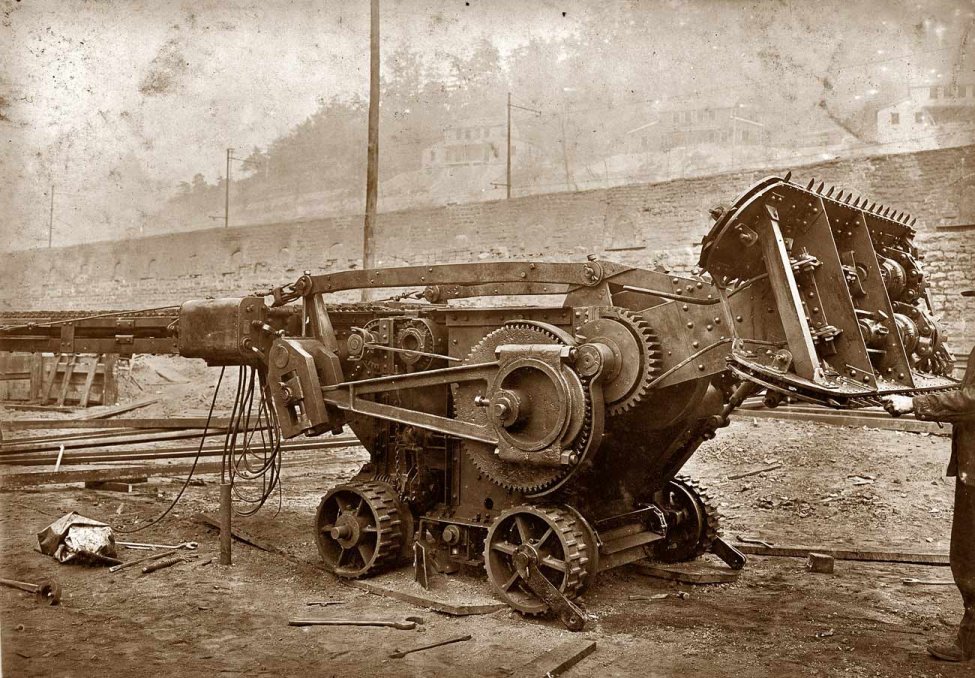
KD: Below is an example of equipment we should be able to see in just about any construction photograph pertaining to the period. Think about those Expos! In this case we are talking about 1885-1890. No wonder they could build stuff with tech like this. But what do they show us? Horse carriages and shovels? This is where we can wonder what the true date of production of something like that was:
1885_crane_3.jpg
1885_crane_2.jpg

What's on the flag here?
1885_crane.jpg
1885_crane_4.jpg
1895_crane_5.jpg
1895_crane_6.jpg
Note: This OP was recovered from the Sh.org archive.
Note: Archived Sh.org replies to this OP are included in this thread.
 
Note: This post was recovered from the Sh.org archive.
Username: jd755
Date: 2019-08-28 06:47:52
Reaction Score: 3
You have a 'c' in the title where it shouldn't be. Its Roker not Rocker.
Moving away from the wikiwakiallmadeup god;

The flag is the River Wear Commission's flag. The Construction of Roker Pier and Lighthouse

An excellent album here;
Roker Pier


There are steam shovels, cranes, pile drivers, railways in use at the exposition construction sites. I've posted pictures of them on here.
 
Note: This post was recovered from the Sh.org archive.
Username: KorbenDallas
Date: 2019-08-28 19:10:12
Reaction Score: 1
Appreciate the correction.

As far as what they show us, I see it like this. We are able to dig out certain things because it was impossible to conceal absolutely everything. Therefore, when we find a photograph with something, it does not necessarily mean that the narrative supports it. Here are two examples:
What heavy equipment did they use to rebuild Seattle after the fire of 1889, or Chicago, after the fire of 1871?

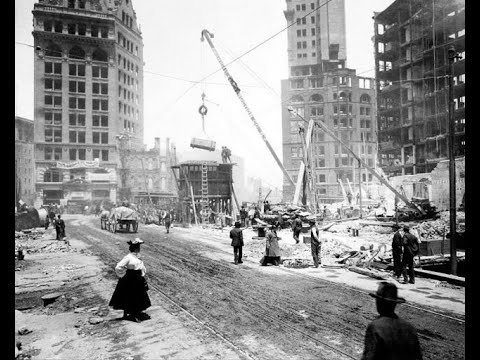
Or even San Francisco after the event of 1906? What do we see there. A couple of cranes which are inferior to what we can see in the 1890s, and were in use since like may be 1780s?

1906_cranes.jpg
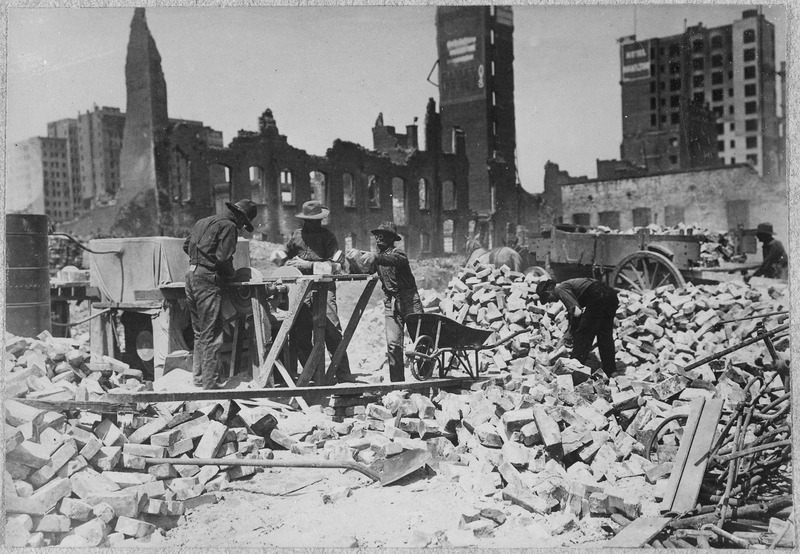
Here is the most common reconstruction scene we see.
Rebuilding_1906.jpg

We have uncovered a whole bunch of pretty cool heavy equipment which should have been available in 1906. Heck, most of it should have been available in 1889, and a good chunk in 1871.

For the speed with which these cities were allegedly rebuilt, these "rebuilding" / "building" photographs should be peppered with heavy machinery. This machinery has to in absolutely every rebuilding photograph, for to meet the narrative compliant rebuilding speeds not only they would have had to work around the clock, but they would have to use the allegedly available technology. Instead we see photographs which could be 1870s, or 1900s or whatever.

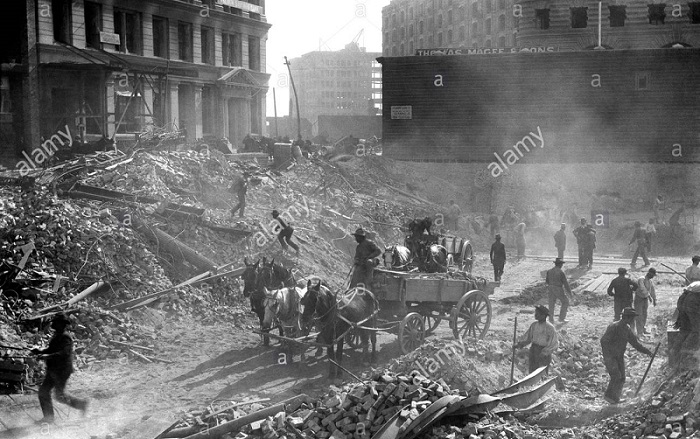
It would have taken them centuries to clean up SF after the 1906 fiery earthquake using the below technique. The entire city was demolished.

aftermath-of-san-francisco-1906-earthquake-cleanup-team-working-around.jpg


KD: All I'm saying is that we know the more advanced equipment existed. Yet, somehow, this equipment was miraculously able to avoid 99 out of 100 construction photographs. I consider it very suspicious and unrealistic.

 
Note: This post was recovered from the Sh.org archive.
Username: jd755
Date: 2019-08-28 19:31:21
Reaction Score: 1
I share your suspicions, might not seem like it on occasions but there it is. The Roker crane had to last for the time they predicted the build to take, survive the seas and winds of the area and act as a 'test' weight for the pier. By this I mean it is by far the heaviest thing to move along it and if didn't shift either the foundations or the above water concrete blocks then its likely little else would and the foundation were unlikely to be undercut by the actions of the sea.

However such a massive machine is not required to erect wooden, brick or even stone faced buildings hence the lighter machines made of wood seen at the fairs. The Roker crane would I presume, haven't looked, be a single use only machine. True its single use lasted all but two decades but I know from repairing handrails on traveling tower cranes exposed to salt air steel, no matter how well coated and protected is extremely prone to rapid erosion. The thing still had to be put together at the start and broken up at the end whereas the wooden cranes which to me are simply the predecessor of modern steel tower cranes that go up with the skyscrapers can be dismantled and reused on the next job in the same way the steel ones of today.

Something is off with this dumbing down of tech. The mechanism is I feel the patent system which despite what we are told in reality transfers control of the thing patented from its inventor to the patent registering authority which can then easily 'shelve' the things that 'need' to be shelved. The reason(s) why is a mystery, for now.
 
Tips
Tips
Please respect our Posting Rules.
Back
Top