Archive
Old SH Archive
- Joined
- Sep 8, 2020
- Messages
- 17,737
- Reaction score
- 3,168
I remembered this place while looking at world maps trying to gain an understanding on the devolution of the label Tartaria. How in the 16th-17th century we see the label Grand Tartaria sometimes Tataria which later seems to split into 3 or four different regions Russian Tartaria - Chinese Tartaria - independent Tartaria until 1840ish when the label disappears all together the last areas being those surrounding the Aral Sea which is just a stones throw away from the Crimean peninsula. (Aral Sea situation is one of the reasons why I'm such an optimist just look at the amazing restoration work taking place)
I will attempt to paraphrase a Russian blogger zodchi1 who visited the palace and thoroughly documented the strangeness.
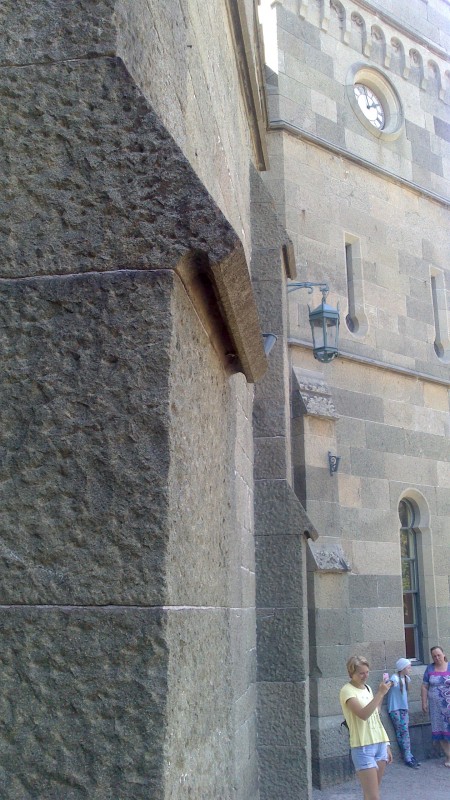
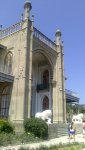
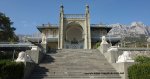
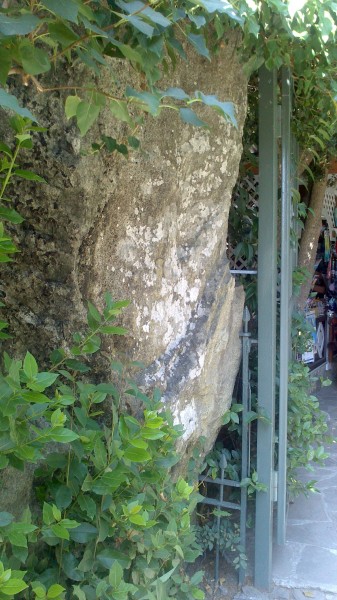
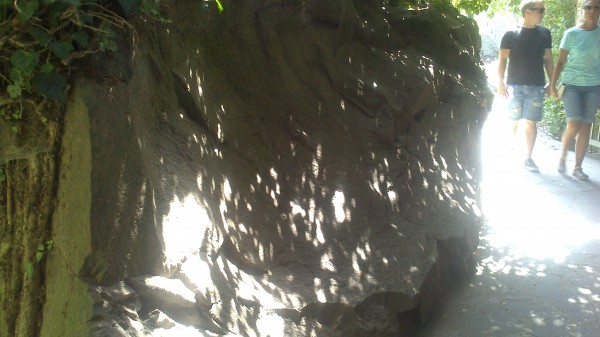
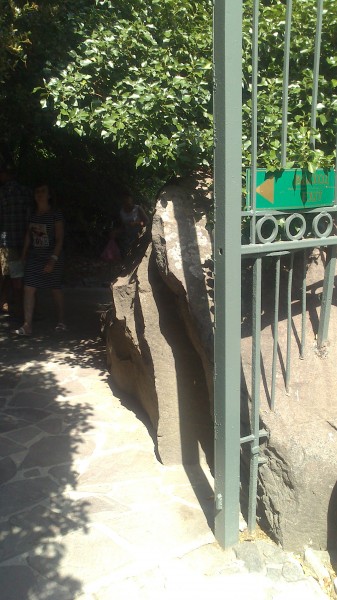
To start we see the front gates which fuse with the natural dolerite landscape. Huge dolerite boulders can be observed.
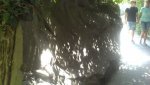
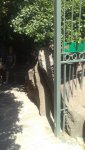
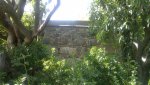
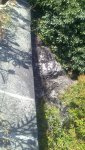
The researcher notes that there are clear signs of restoration
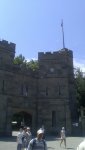
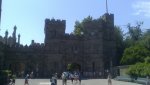
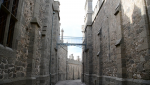
The author wants us to pay special attention to the window openings.
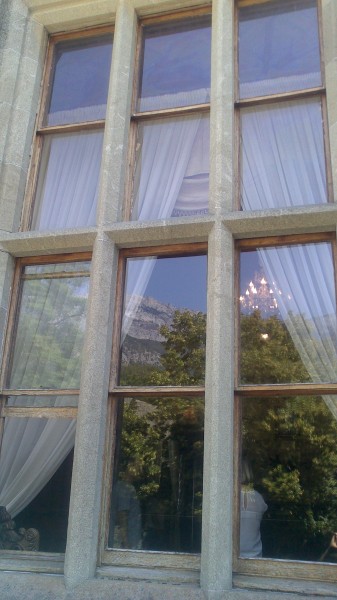
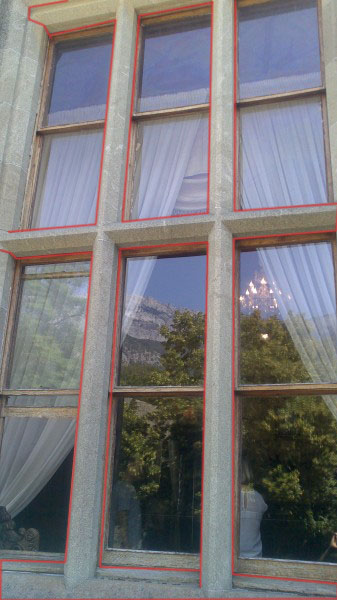
Were looking at whole window frames hued from a single block of stone.
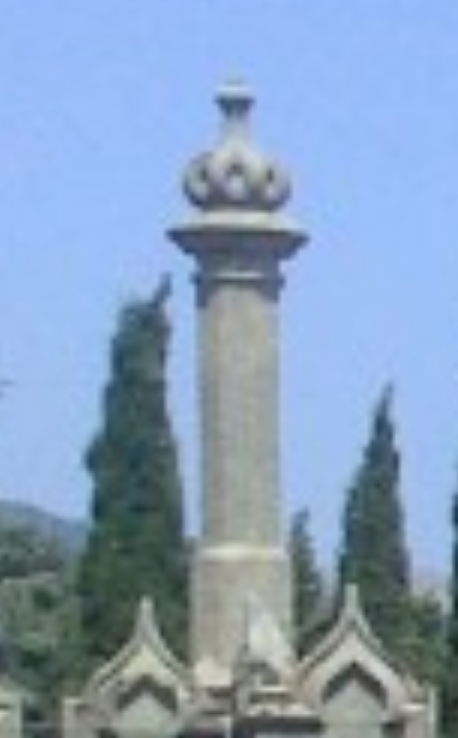
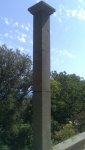
Also pay attention to these small turrets they are hollowed out.
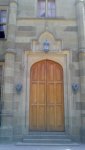
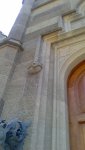
The author takes note of the bas relief carvings on the door frame
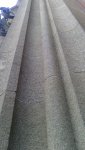
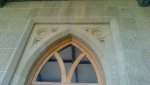
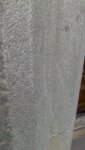
One is left to wonder what sort of milling cutters are needed for this work. The author speculated about the casting of stone but ultimately says that what he sees on the ground is more equivalent to mechanical processing. We notice the mechanical processing marks.

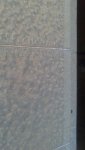
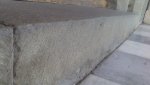
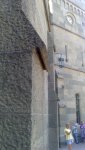
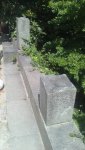
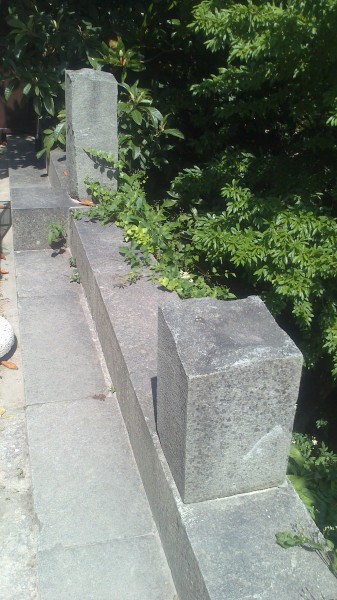
The author notes that the processing on the stone fence lower and away from the palace is different, or has it been eroded by water?
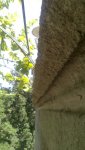
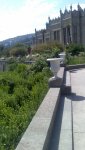
Author notes that some part of the palace are missing or broken and we do not see armature in the rubble indicating its natural origin. Also we see quarts veins which would only be seen in natural stone.
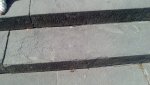
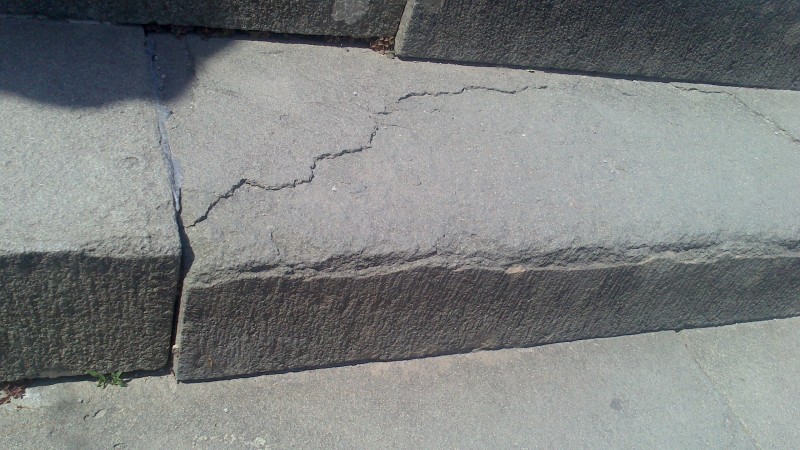
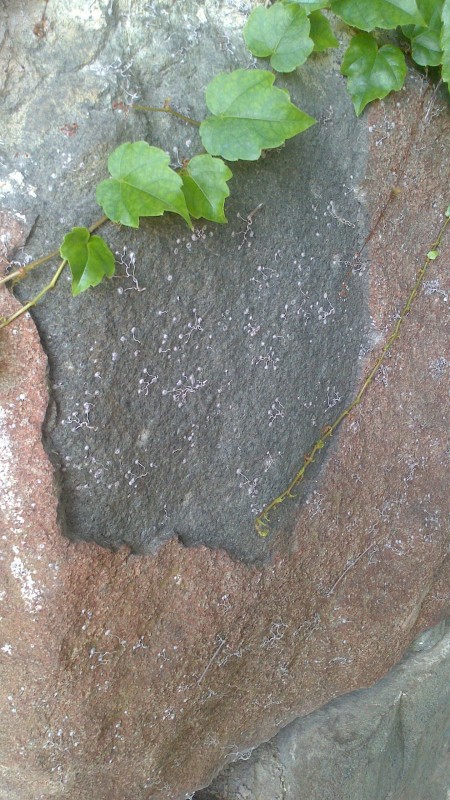
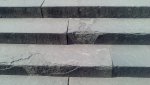
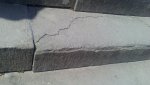
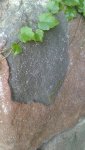
The author thinks that the weathering on the stairs looks like they were exposed to water at some point. also some kind of red discoloring the author thinks is algae
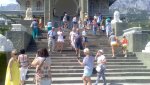
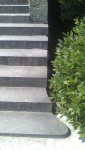
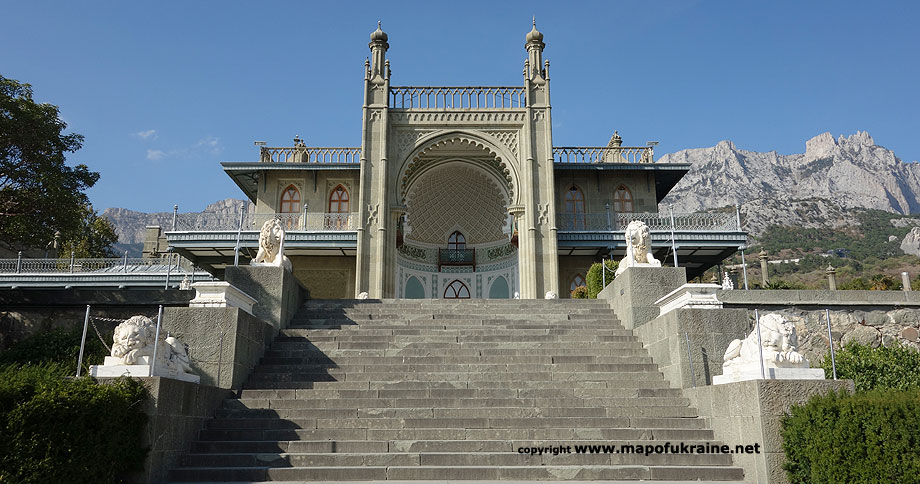
The author notes the peculiar effort that went into shaping the bottom of the staircase. And at the bottom of the staircase... pagan statues.
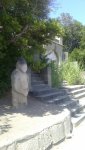
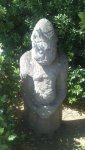
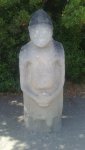
The first point that needs to be made is this whole gosh darn thing is supposedly chiseled from diabase stone which has a hardness that rivals Granite. And in keeping with that classic soviet humor the museum presents us with the tool that created all this.
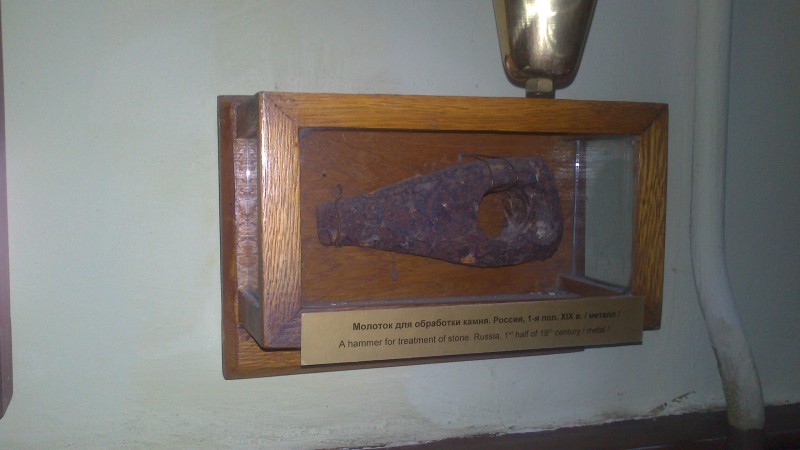 By the way, the hardness of iron is 300-600 MPa (from the grade of steel), and the hardness of diabase is 630 MPa.
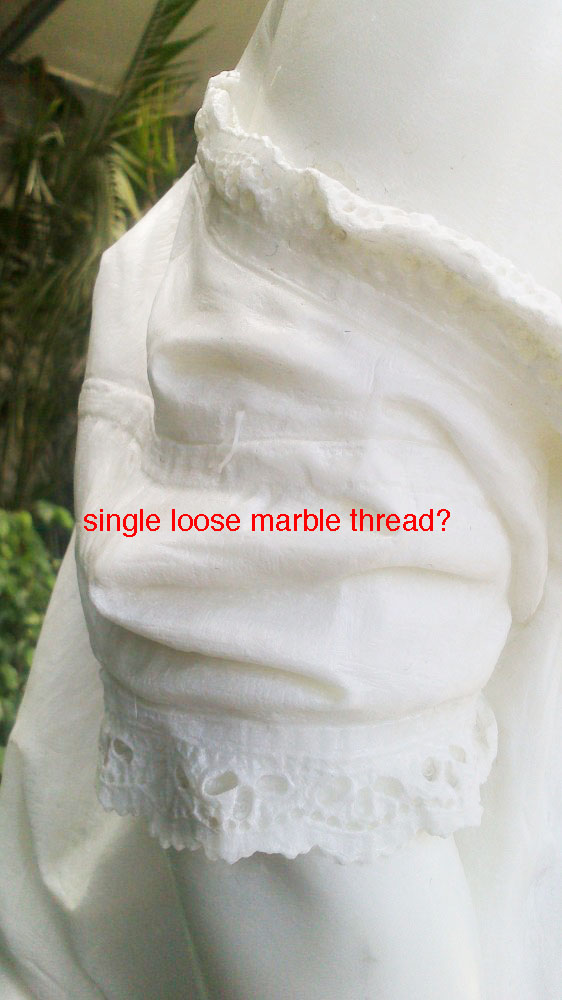
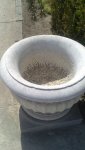
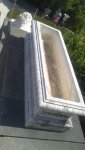
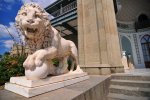
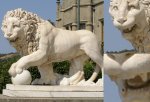
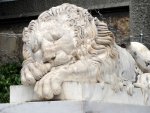
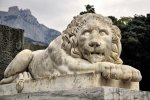
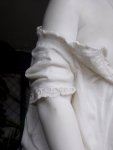
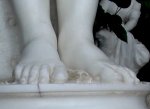
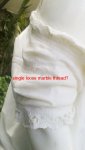
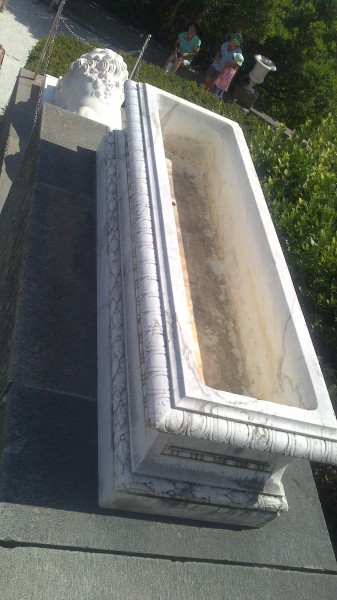
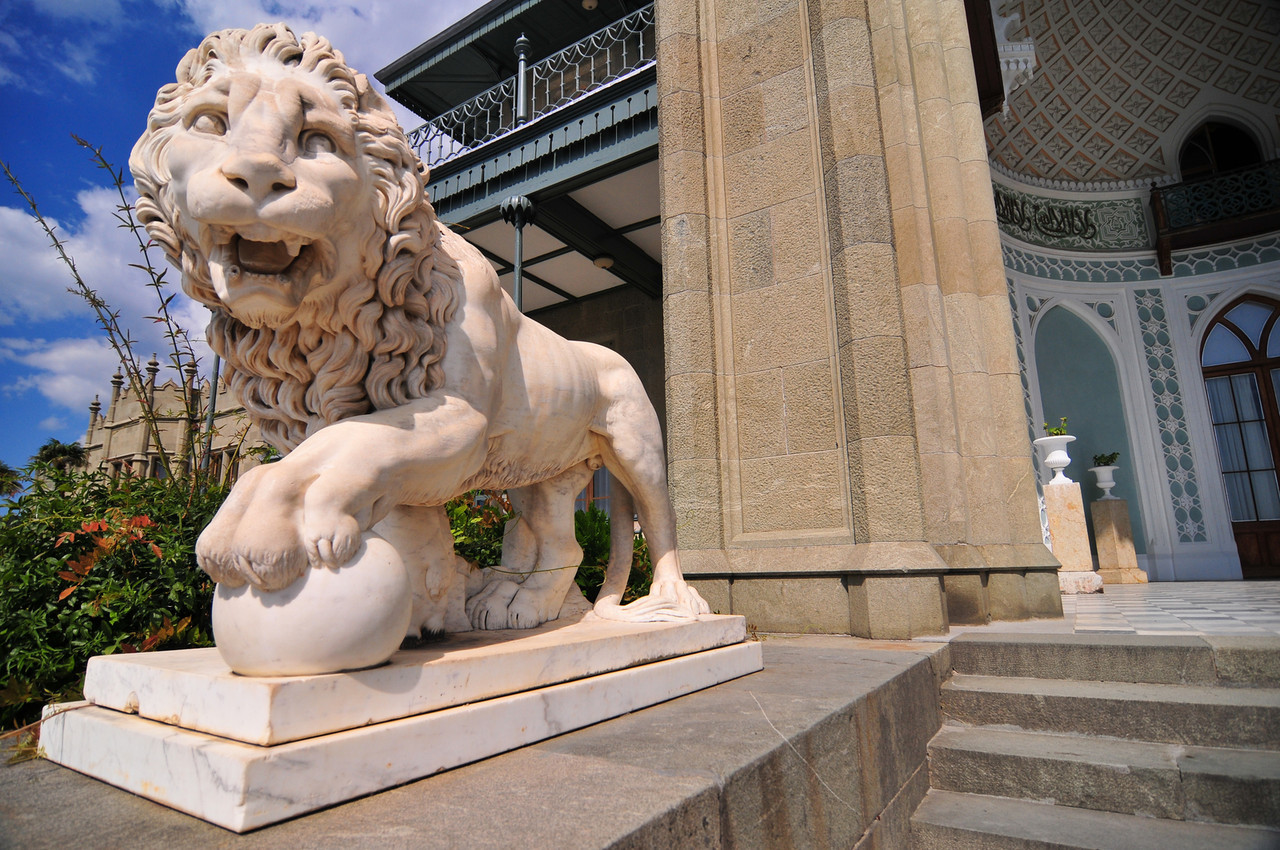
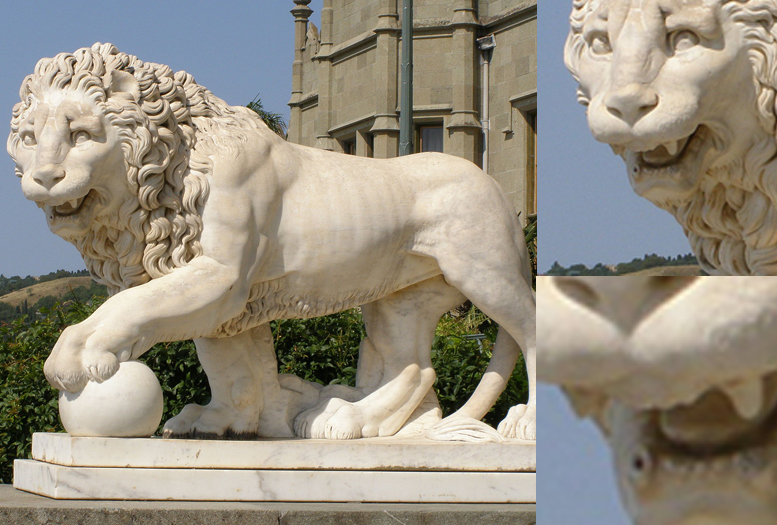
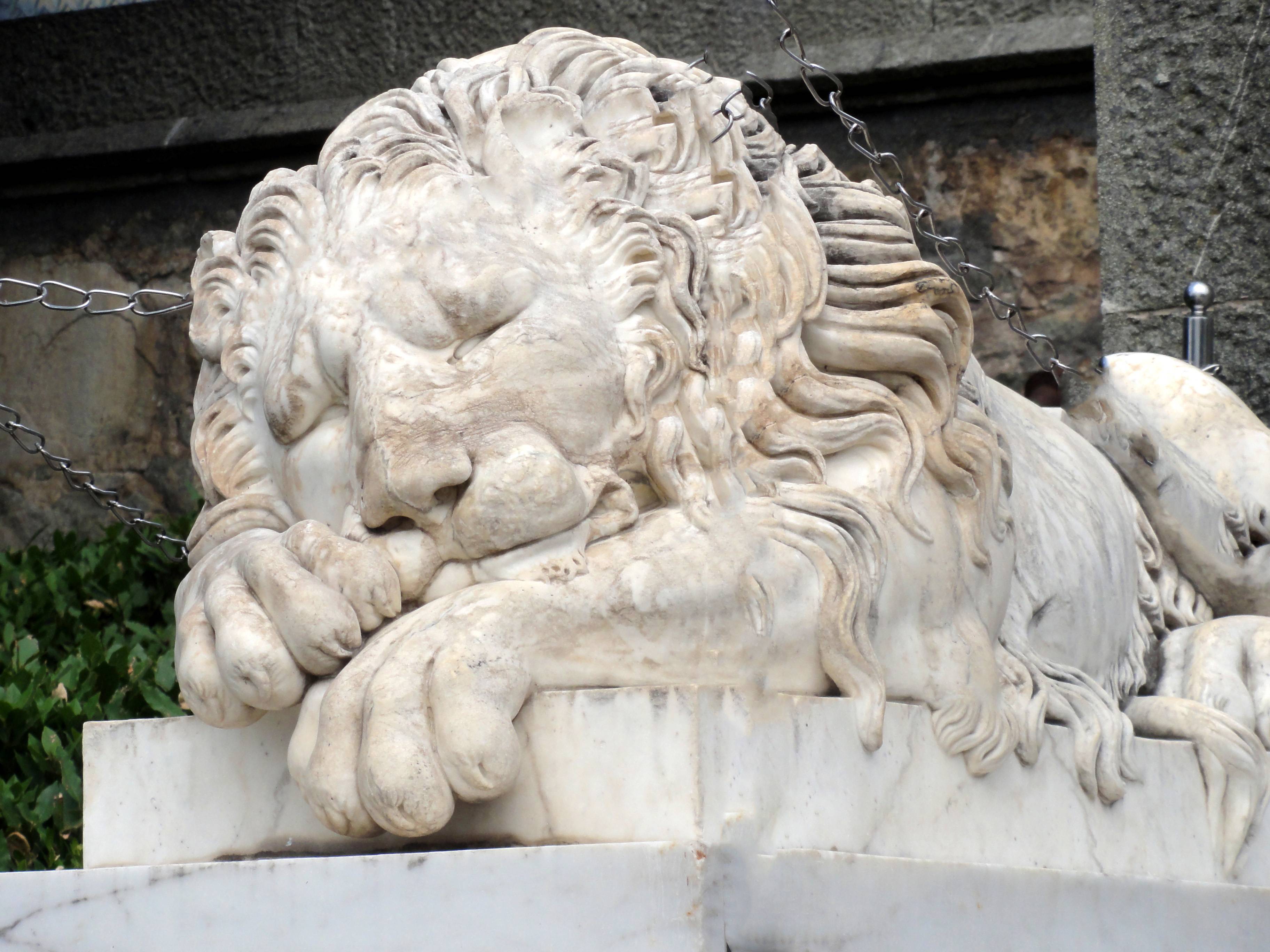
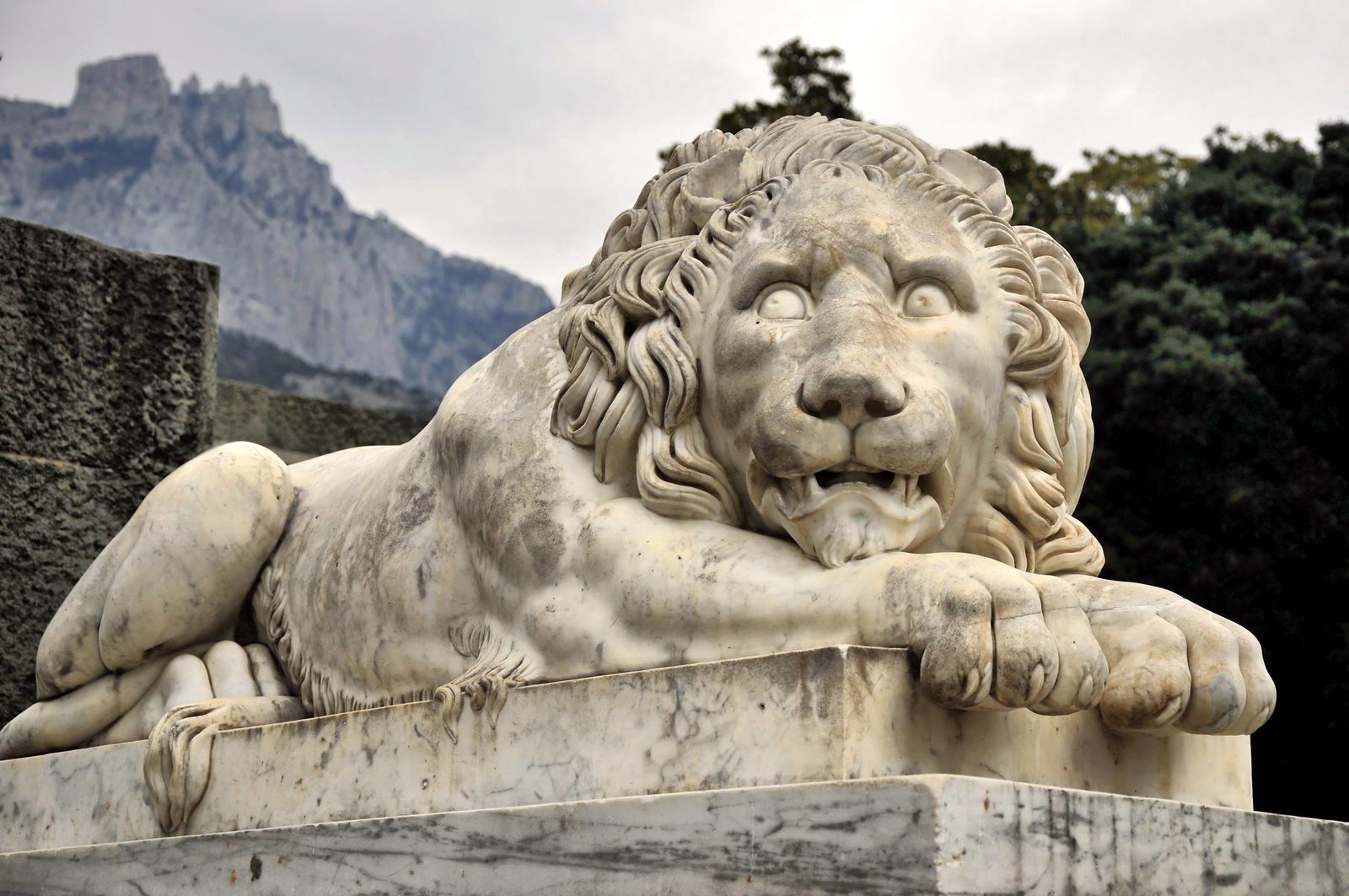
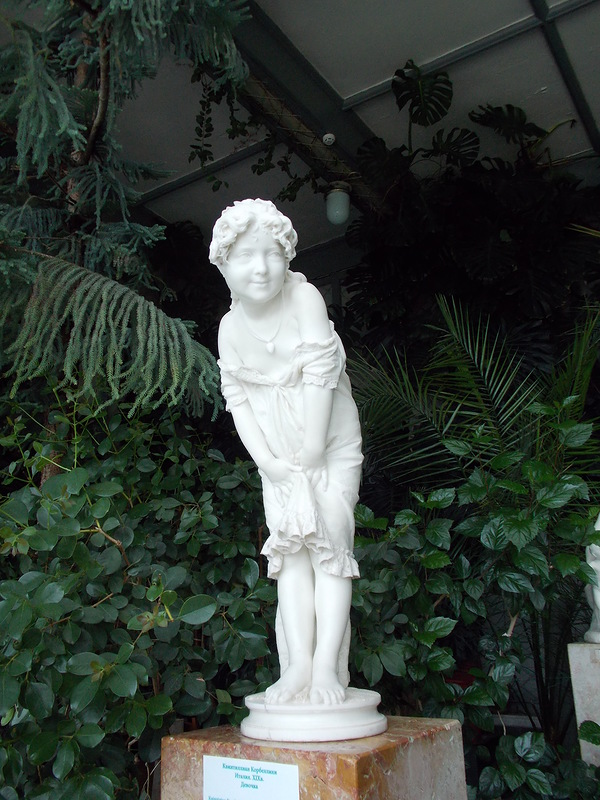
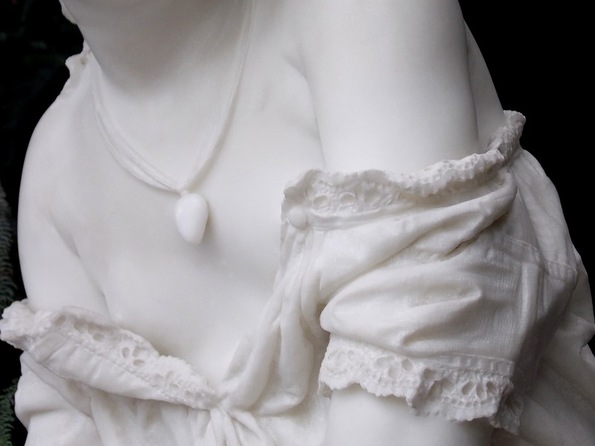
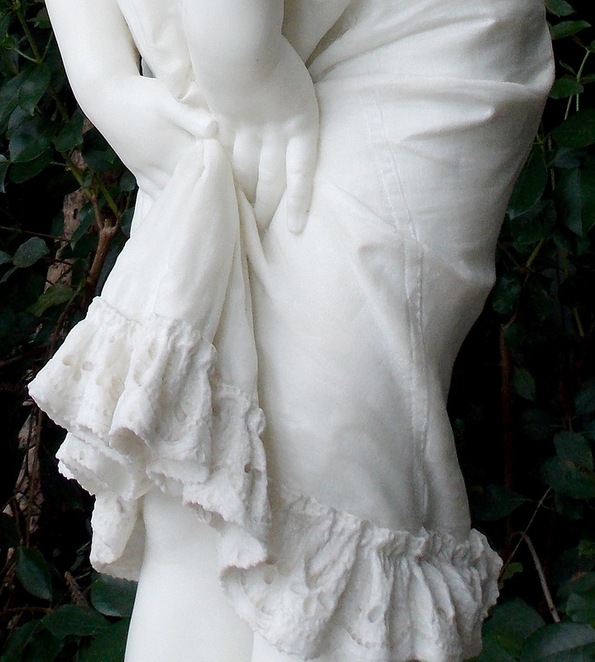
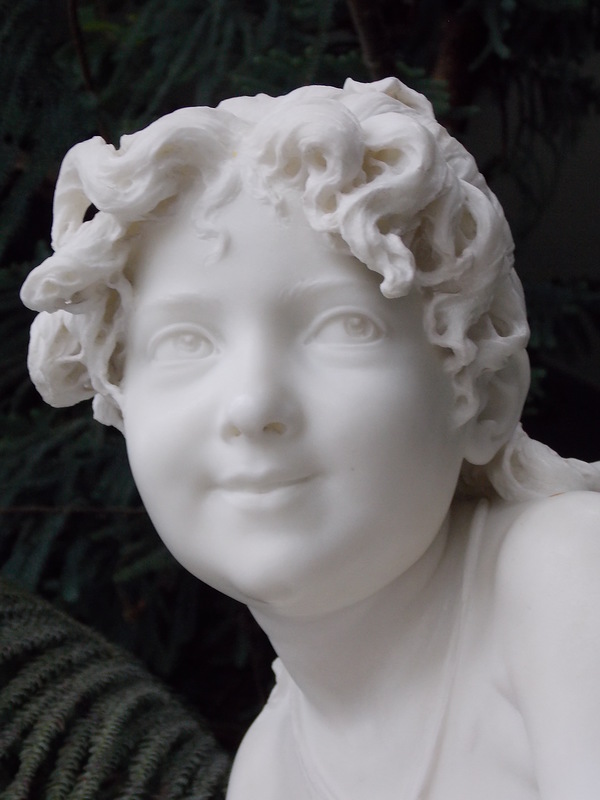
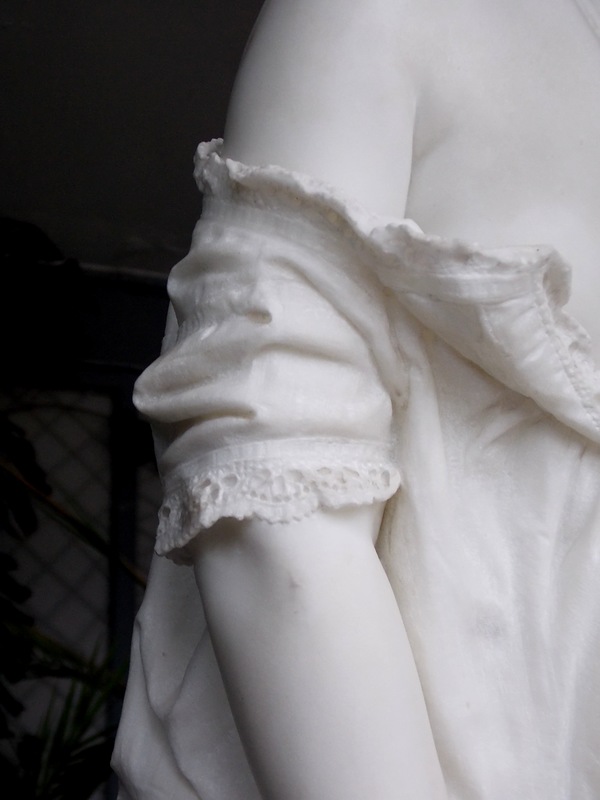
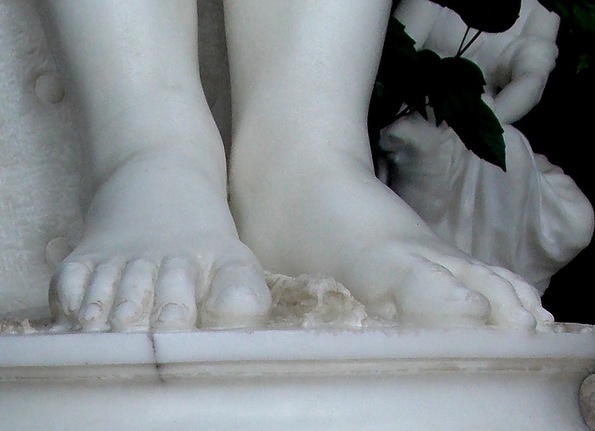
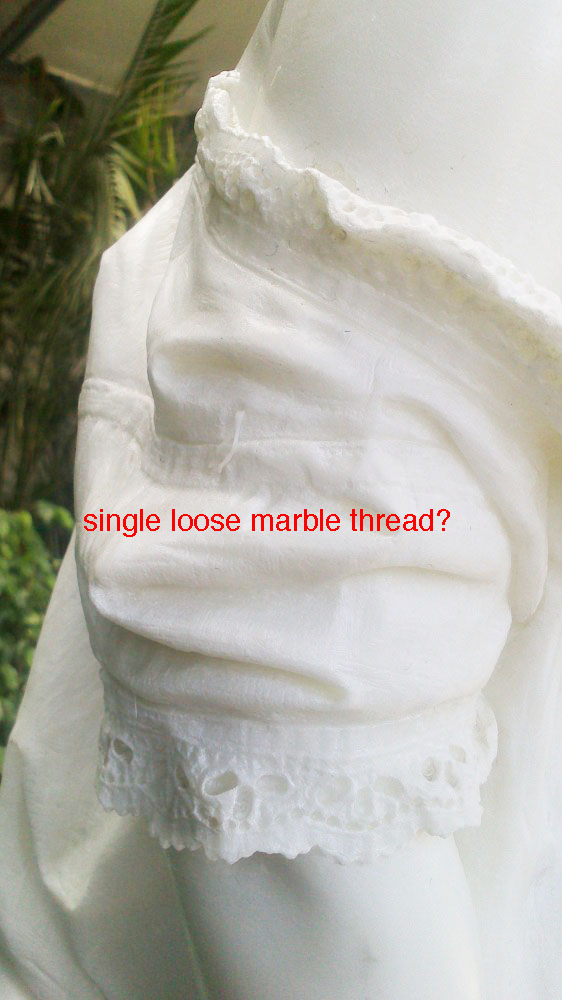
The next feature of this building we will look at is the marble sculpture garden and the marble Medici lions which were marveled by Winston Churchill.
Even if the evidence indicates that the diabase stone was processed with advanced machinery was this how the marble was also done? I have my doubts.
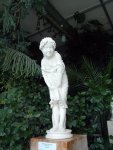
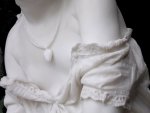
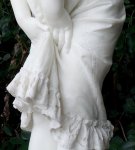
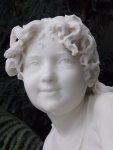
The strangeness certainly doesn't stop with the out side. Of course we must have a look at the inside.
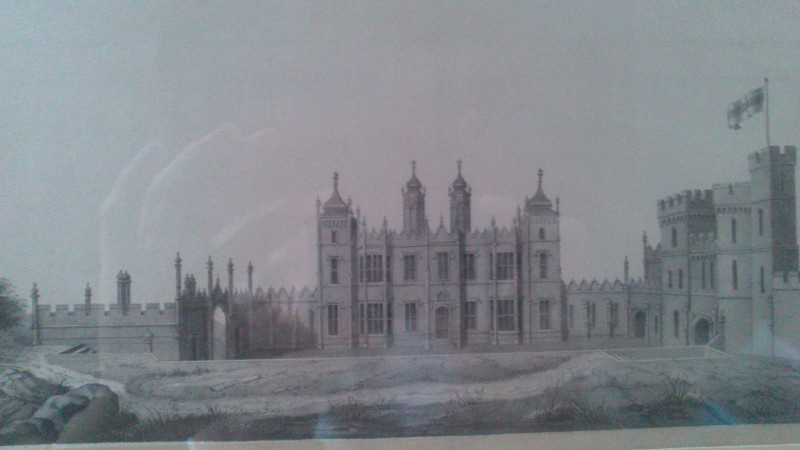
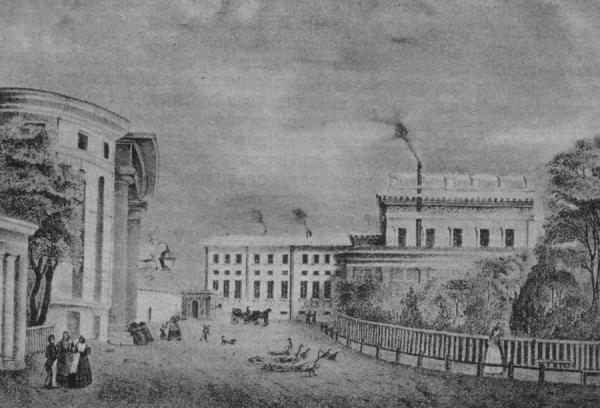
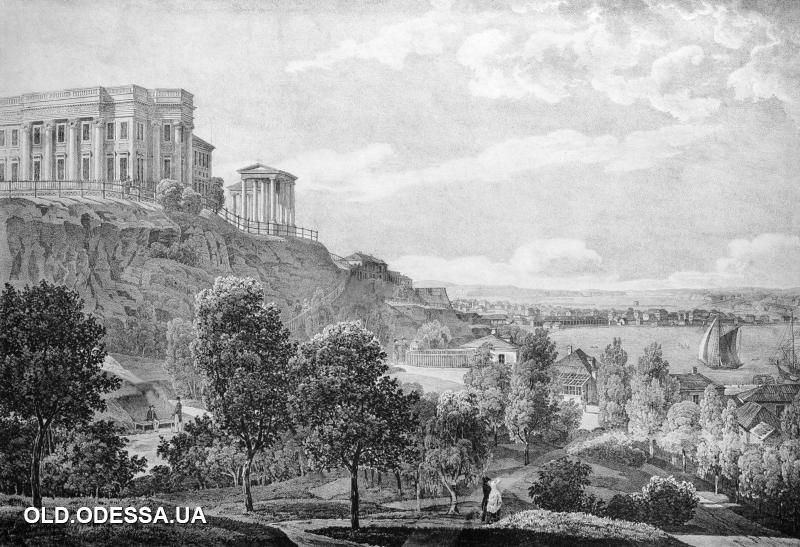
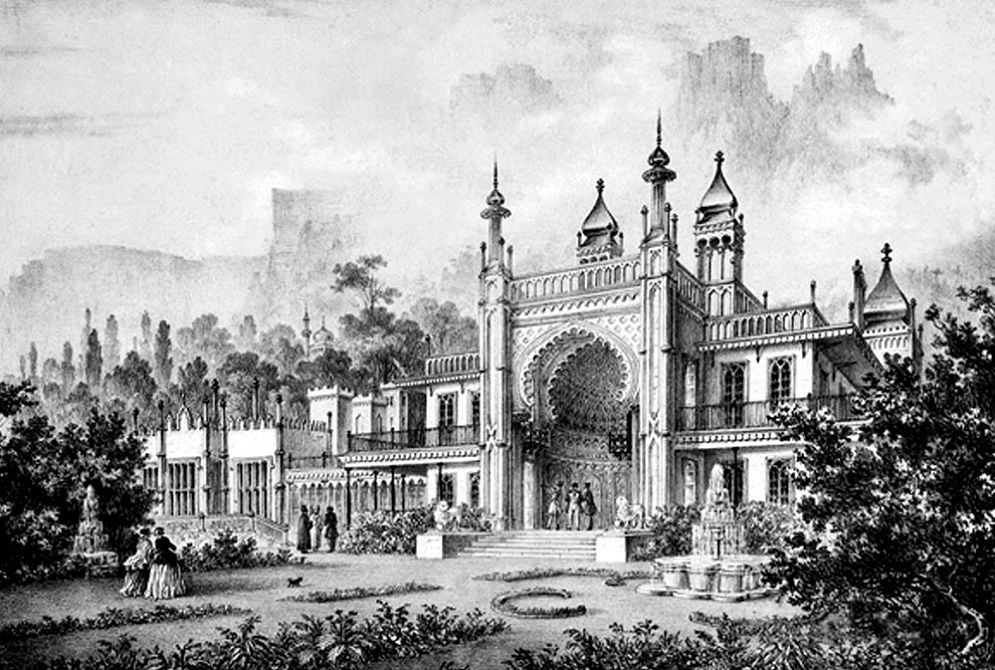
We have old lithographs of both the front and back each indicate lack of vegetation
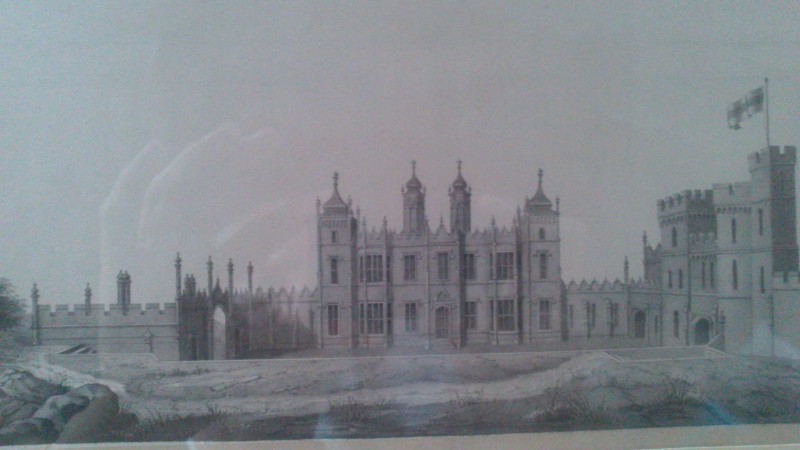
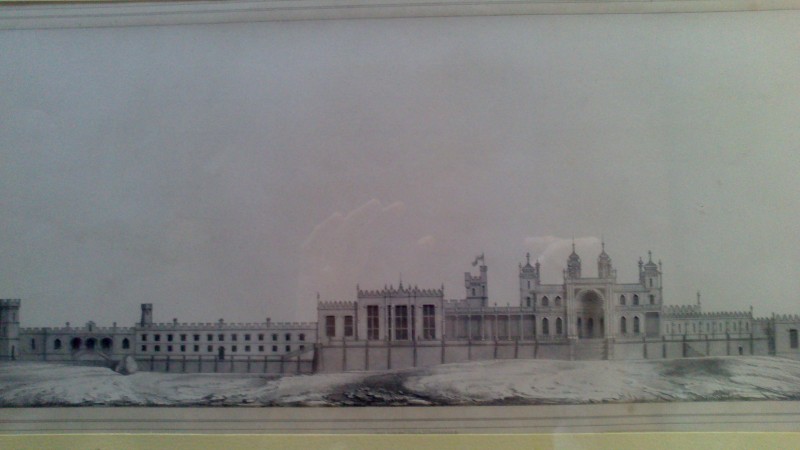
The stairs seem to head straight into the sand. And the pagan idols are under that sand somewhere.
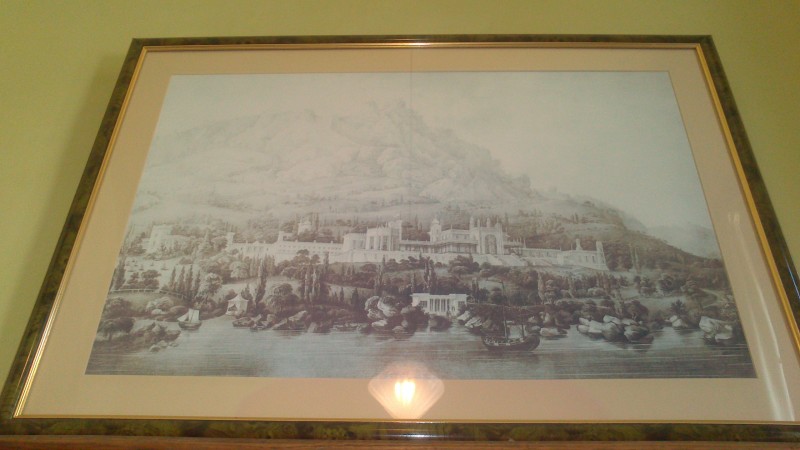
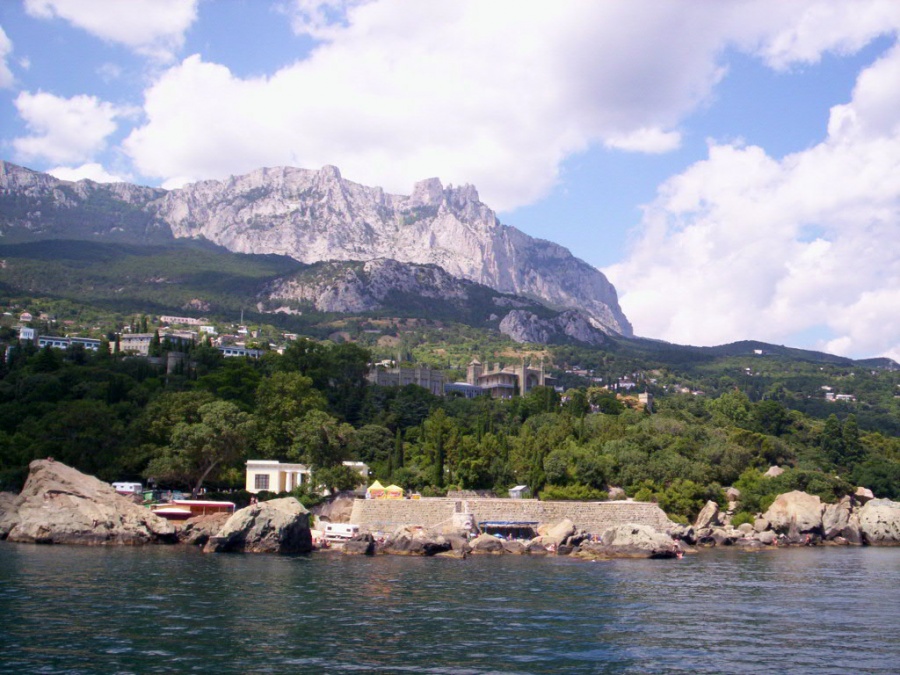
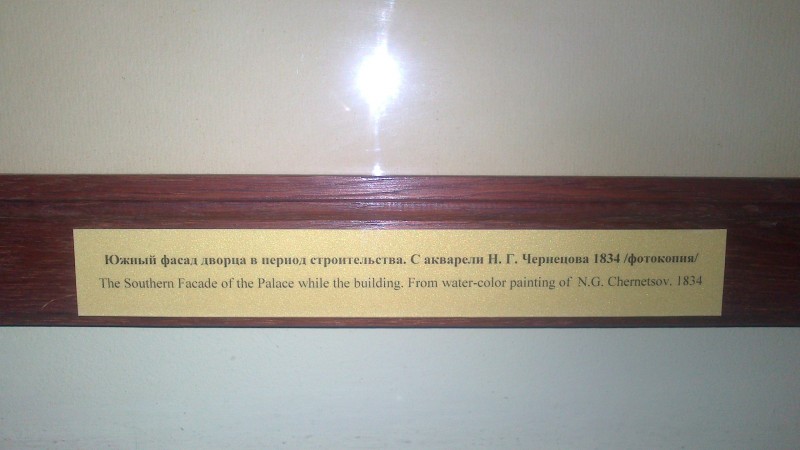
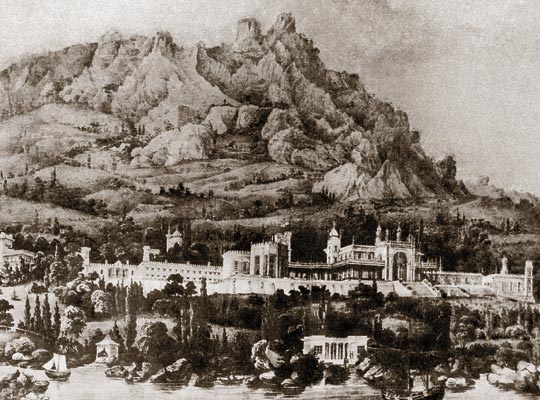
Here's a painting showing more vegetation, from this water color dated to 1834 we can say that the current water level is much lower than in the past.
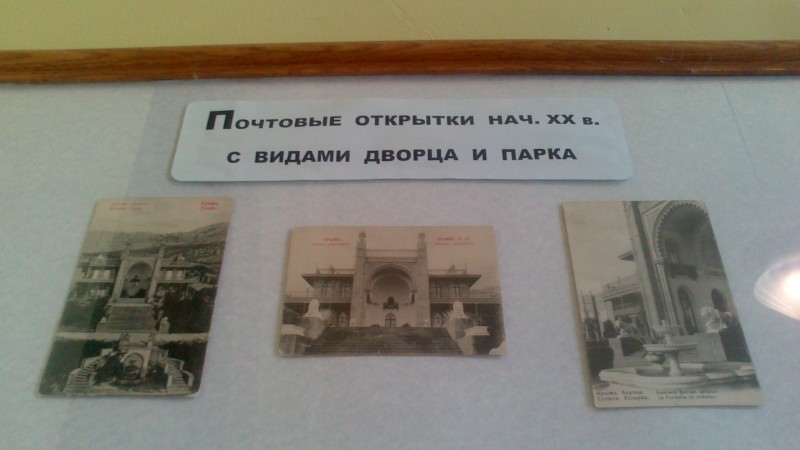
This display with images from the early to mid 20th century shows the lower stairs and pagan idols which were seen buried in the lithograph.
Inside we have a number of fire places to contemplate. The author doesn't recognize this color granite and thinks this is a modern replica maybe made from geo-polymer.
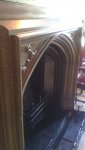
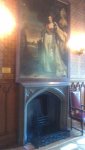
The author points to the grey granite fireplace as being possibly original.
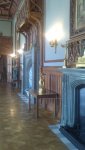
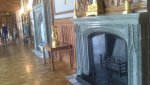
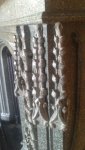
The author says that upon close inspection it is clear that this stone is old not just its texture but also its intricacy far out matches the first red granite fireplace.
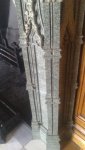
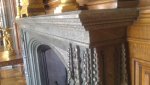
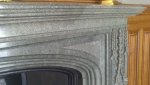
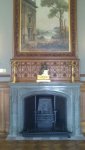
And this is another fireplace. Central, the largest.
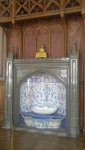
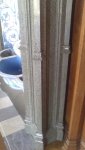
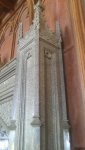
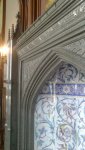
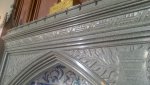
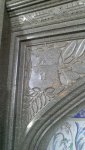
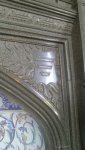
The author talks a bit about the symbology and the crest but it goes over my understanding so read the original for that.
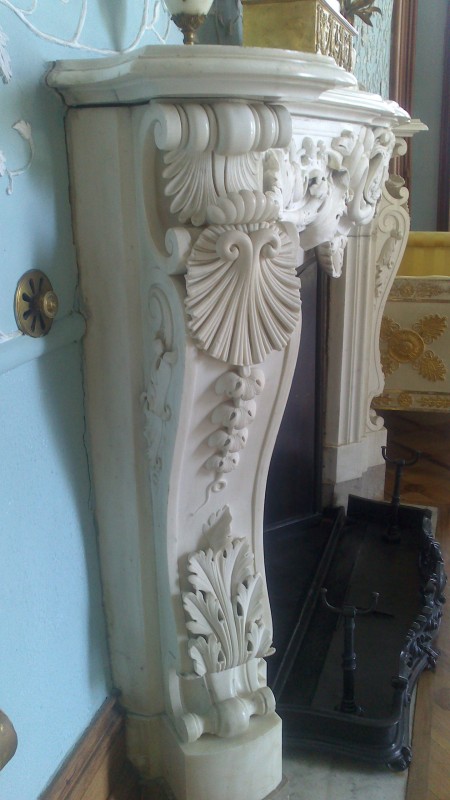
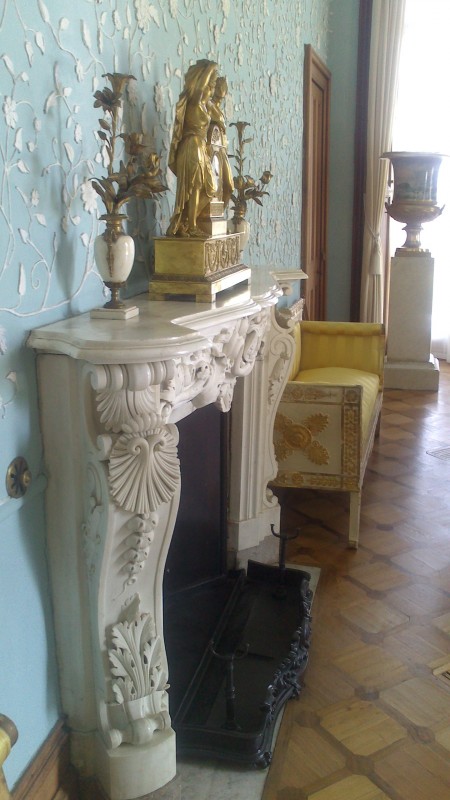
There is also a marble fireplace
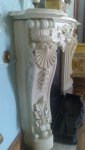
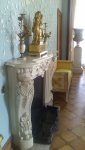
Source:
part 1
part 2
Apollyonic notes: So basically we have a weird building, a mix of euro castle style to moorish style. But we also have this rubble construction and a certain erosion that points towards cataclysm. We have a confiscation of water of sorts from the time of the watercolor probably early 1900 and today. All in a region which last held the title of Tartaria.
I will attempt to paraphrase a Russian blogger zodchi1 who visited the palace and thoroughly documented the strangeness.
To start we see the front gates which fuse with the natural dolerite landscape. Huge dolerite boulders can be observed.
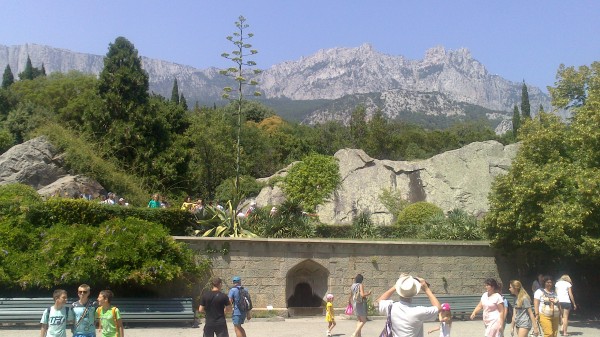
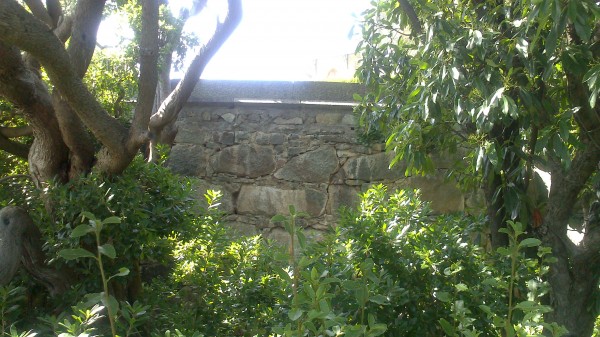
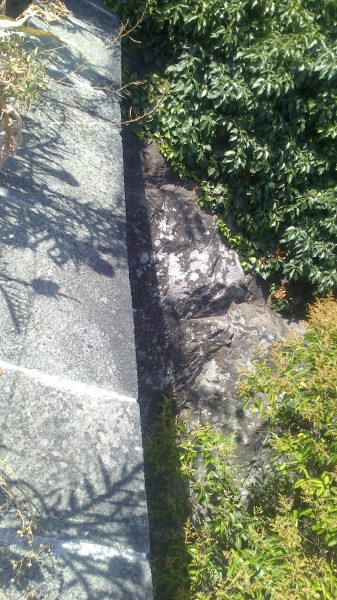
The researcher notes that there are clear signs of restoration
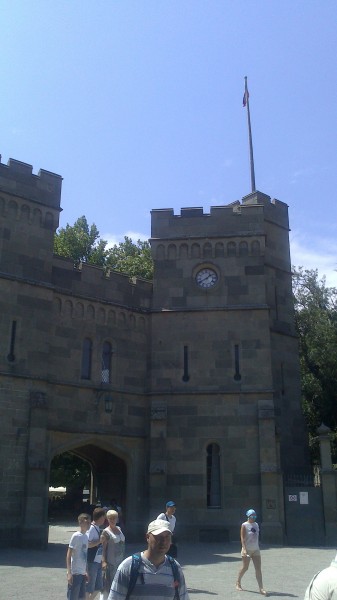
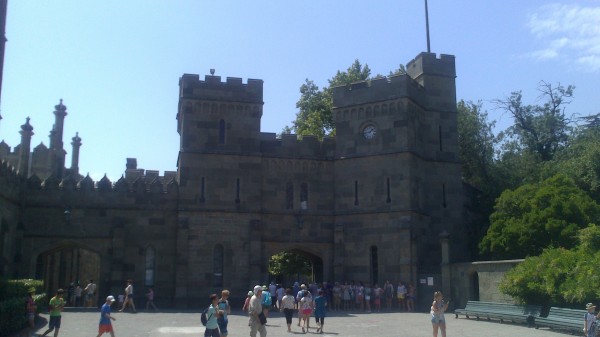
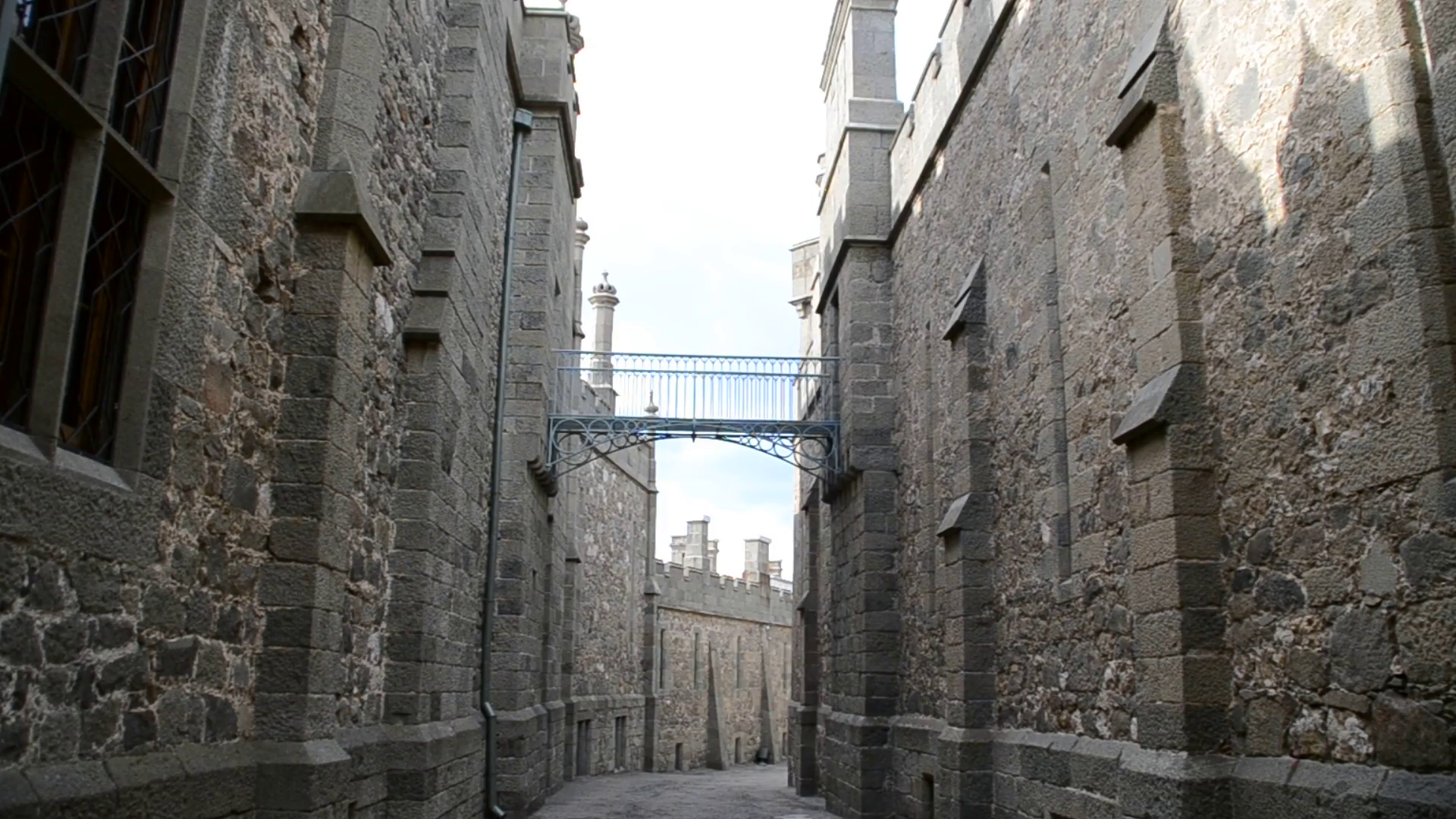
The author wants us to pay special attention to the window openings.
Were looking at whole window frames hued from a single block of stone.
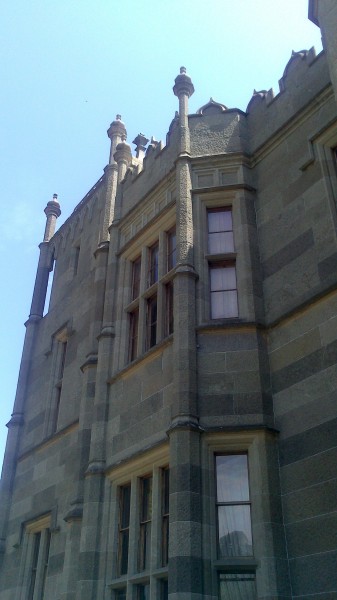
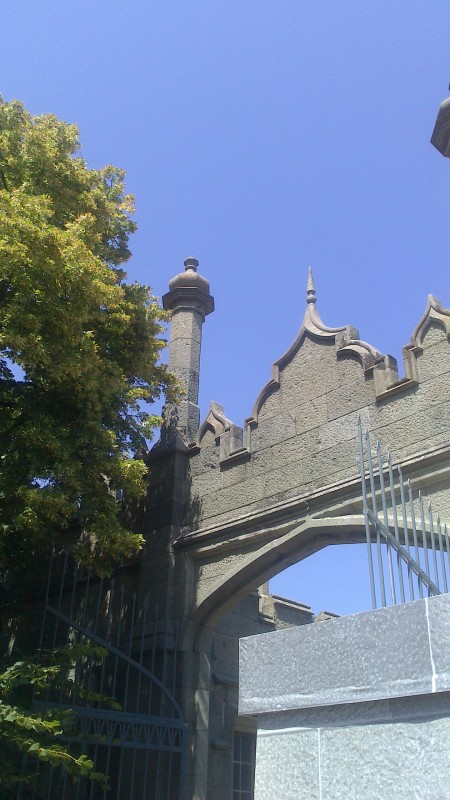
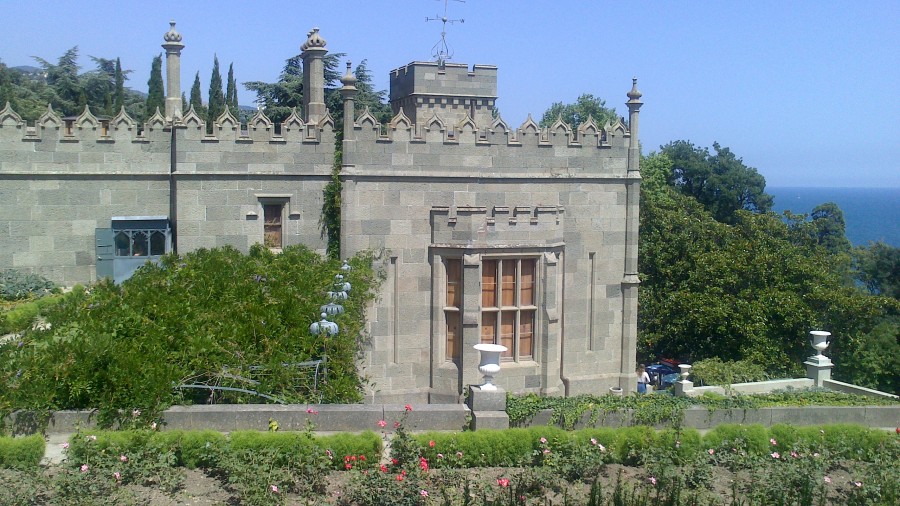
Also pay attention to these small turrets they are hollowed out.
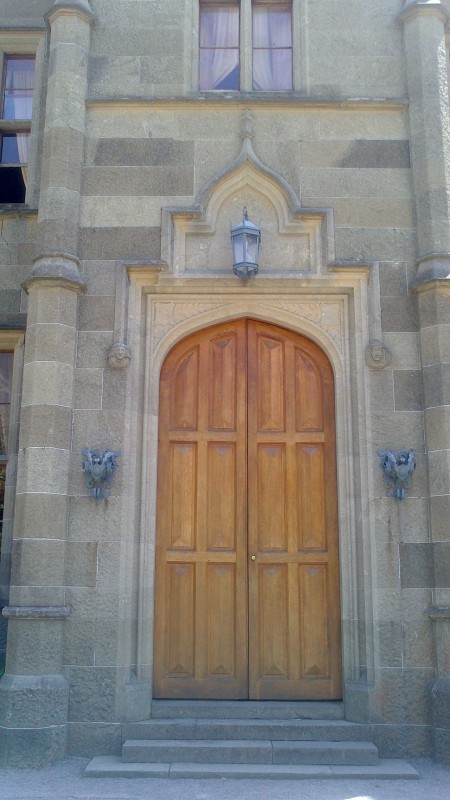
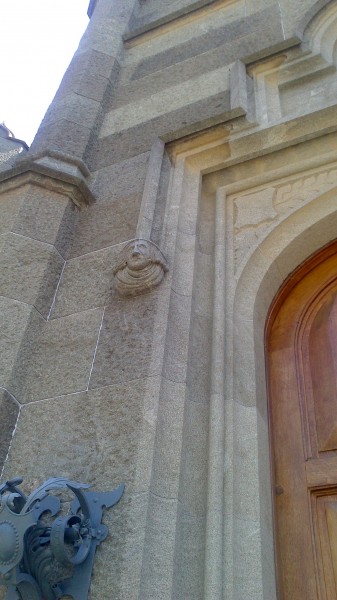
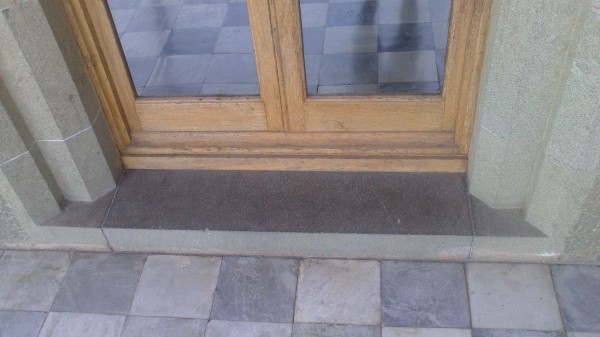
The author takes note of the bas relief carvings on the door frame
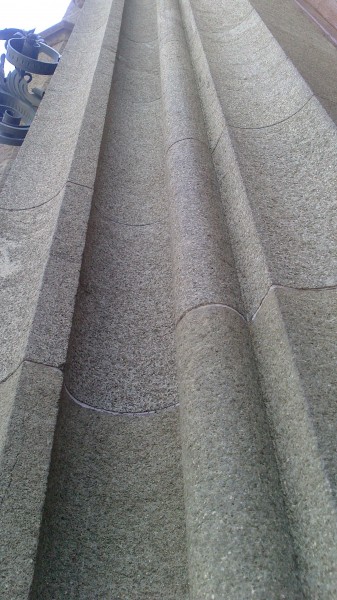
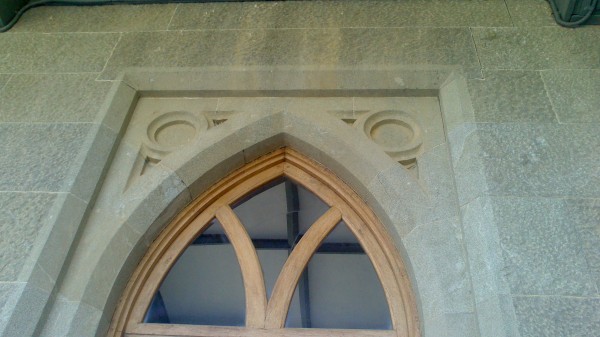
One is left to wonder what sort of milling cutters are needed for this work. The author speculated about the casting of stone but ultimately says that what he sees on the ground is more equivalent to mechanical processing. We notice the mechanical processing marks.
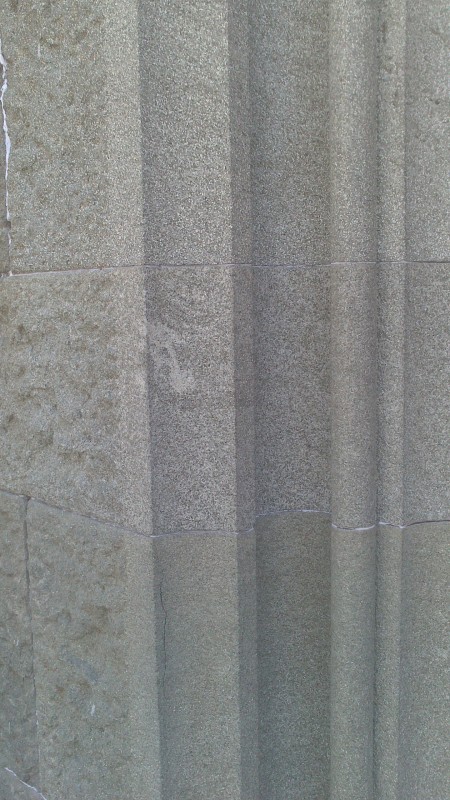
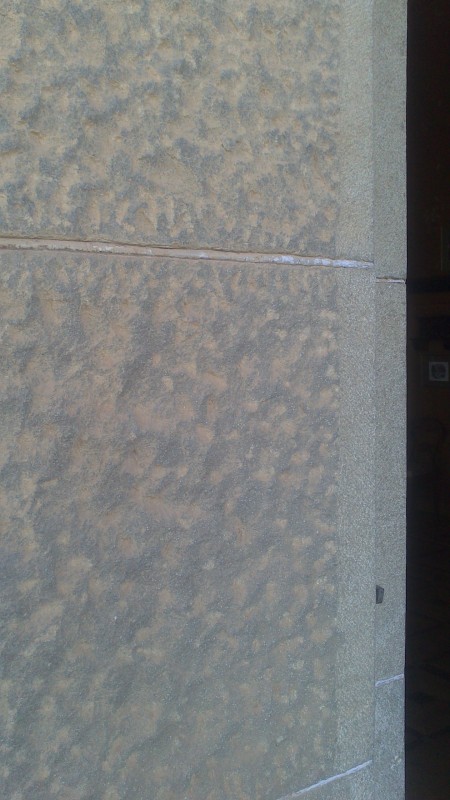
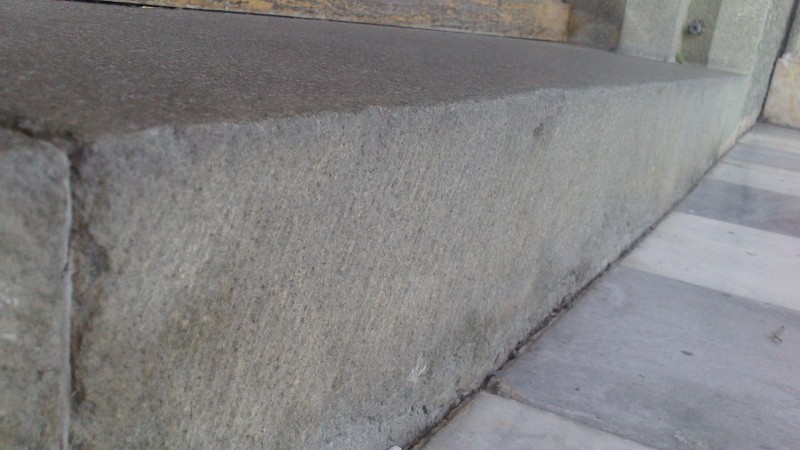
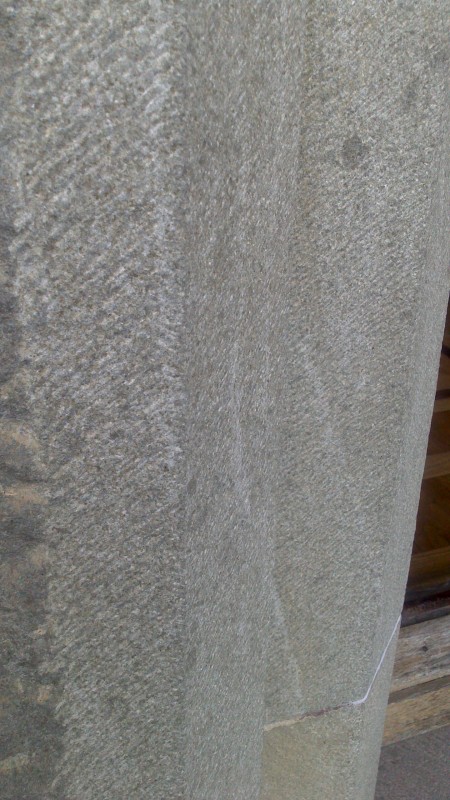
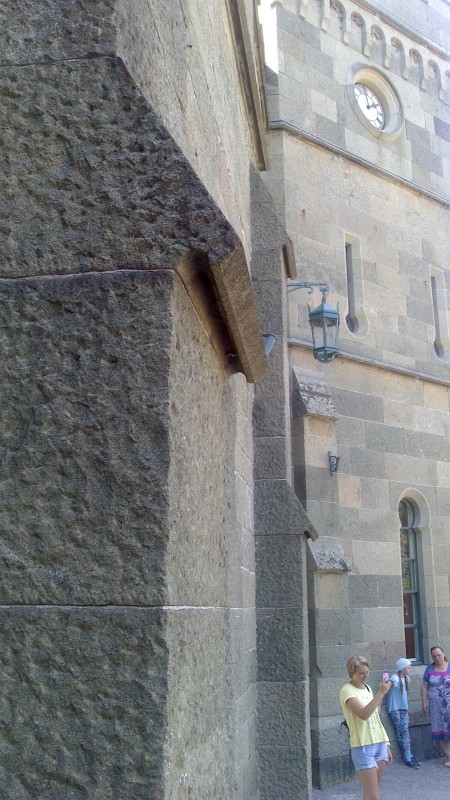
The author notes that the processing on the stone fence lower and away from the palace is different, or has it been eroded by water?
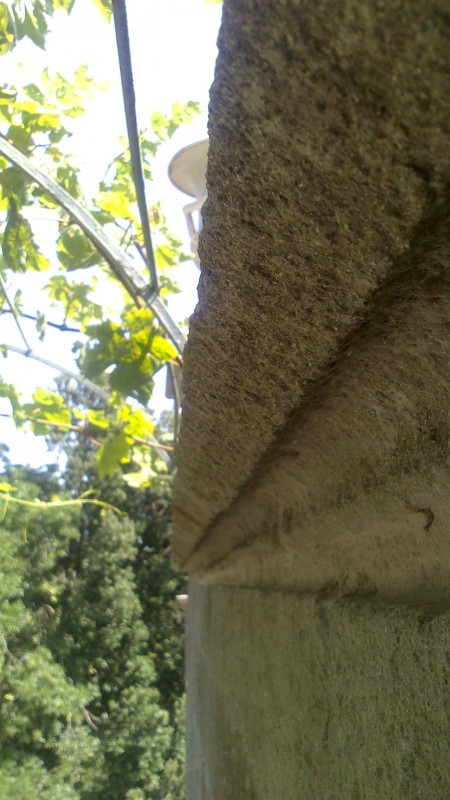
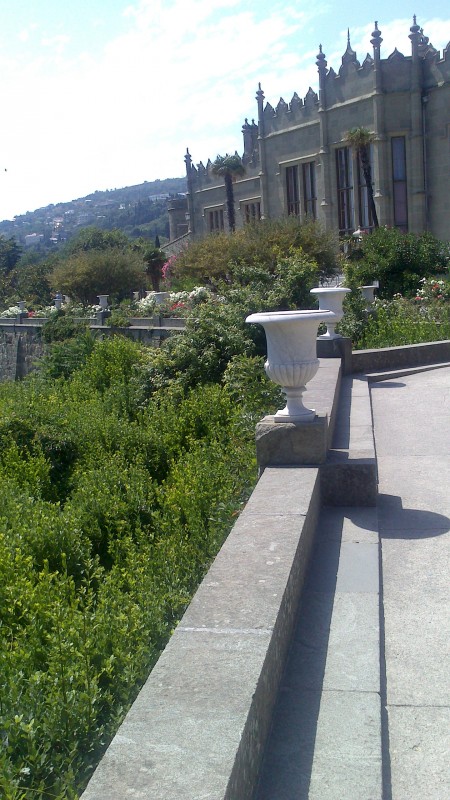
Author notes that some part of the palace are missing or broken and we do not see armature in the rubble indicating its natural origin. Also we see quarts veins which would only be seen in natural stone.
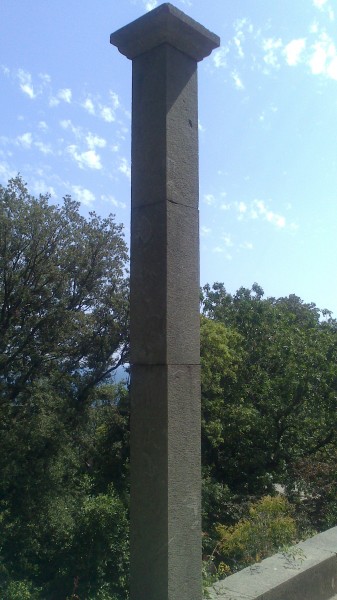
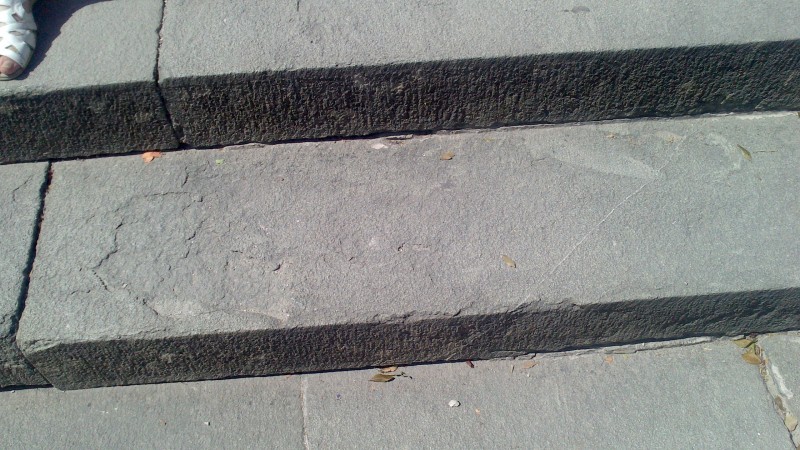
The author thinks that the weathering on the stairs looks like they were exposed to water at some point. also some kind of red discoloring the author thinks is algae
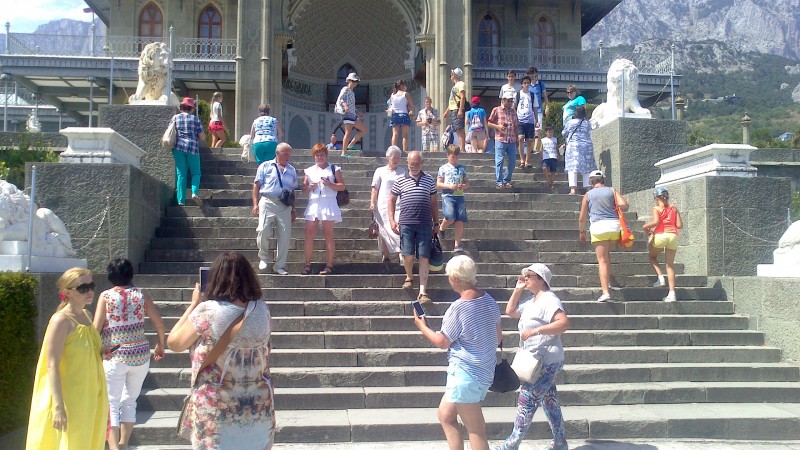
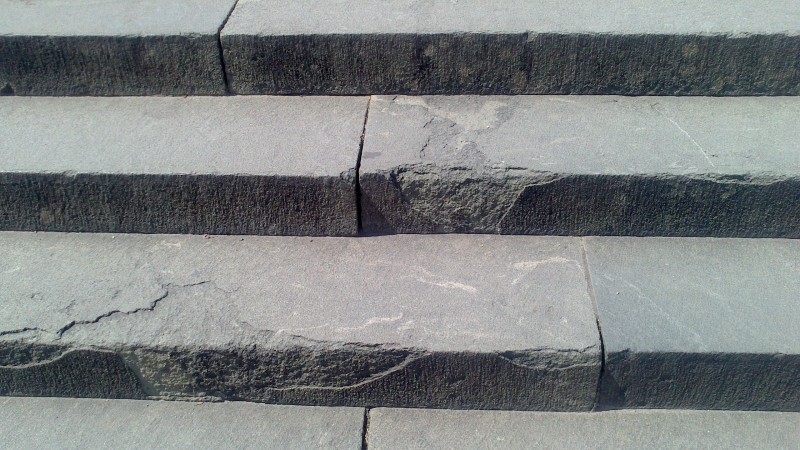
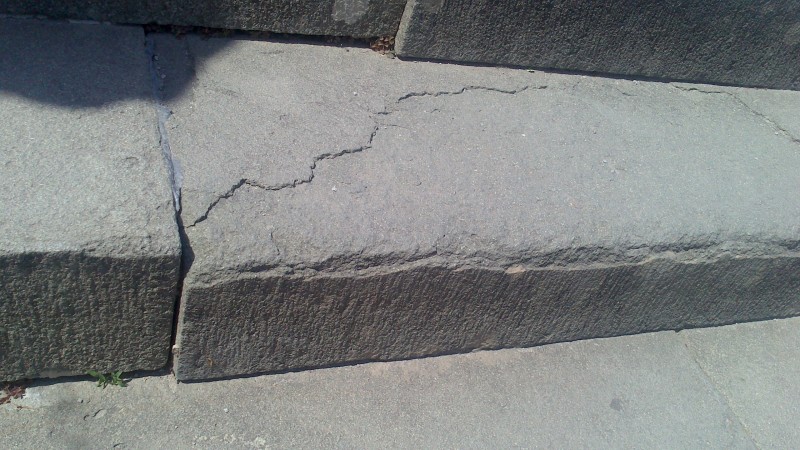
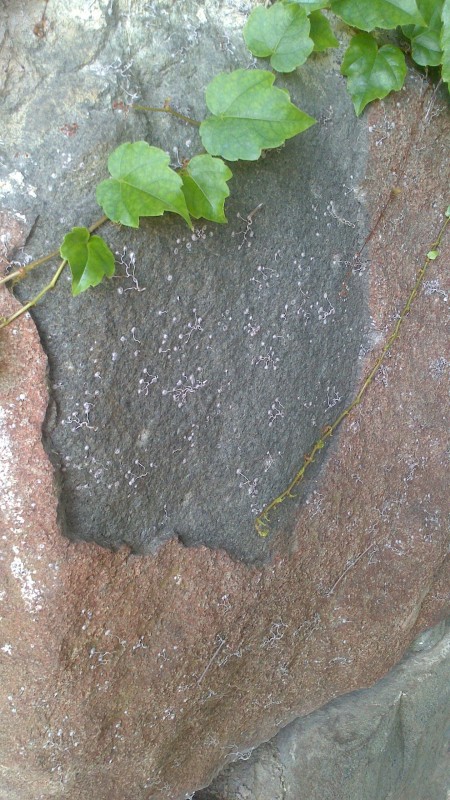
The author notes the peculiar effort that went into shaping the bottom of the staircase. And at the bottom of the staircase... pagan statues.
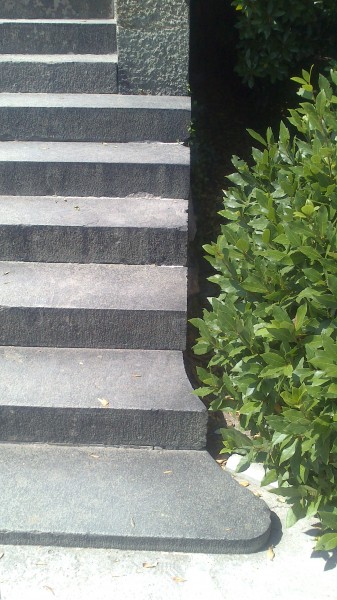
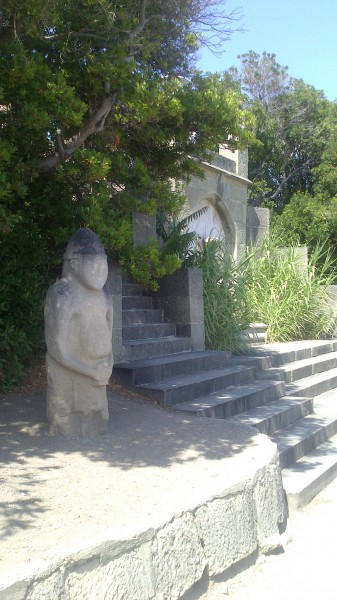
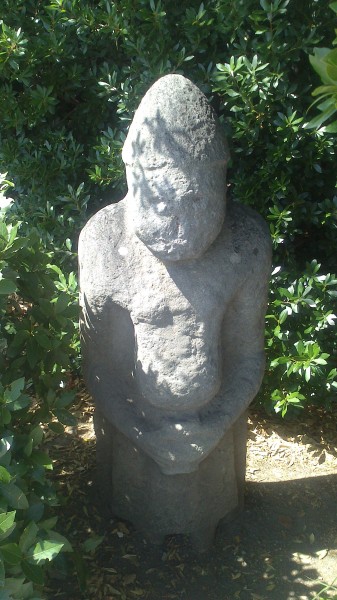
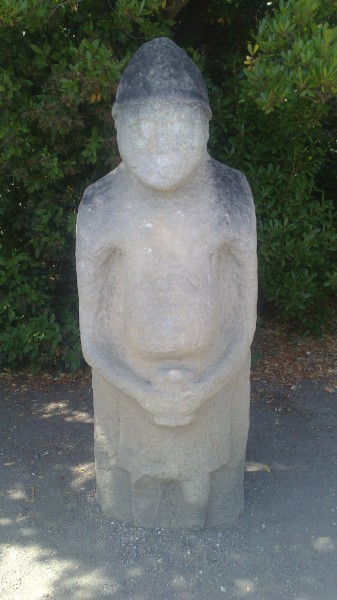
The first point that needs to be made is this whole gosh darn thing is supposedly chiseled from diabase stone which has a hardness that rivals Granite. And in keeping with that classic soviet humor the museum presents us with the tool that created all this.
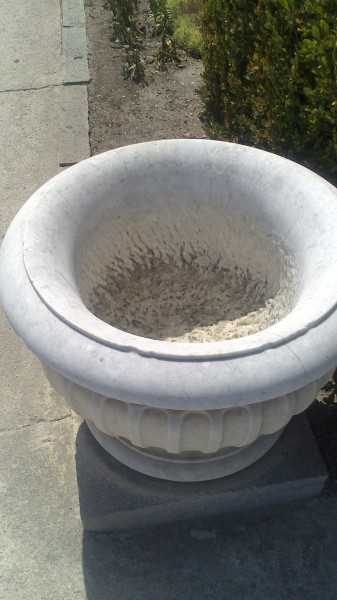
The next feature of this building we will look at is the marble sculpture garden and the marble Medici lions which were marveled by Winston Churchill.
Even if the evidence indicates that the diabase stone was processed with advanced machinery was this how the marble was also done? I have my doubts.
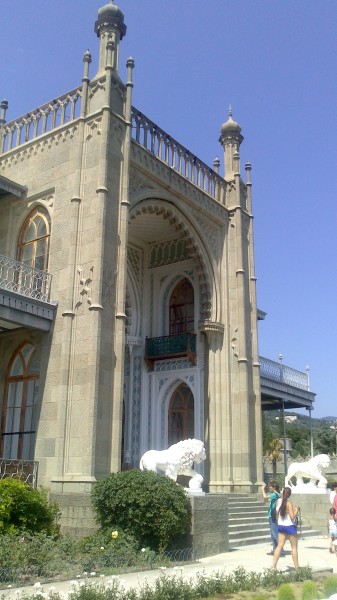
The strangeness certainly doesn't stop with the out side. Of course we must have a look at the inside.
We have old lithographs of both the front and back each indicate lack of vegetation
The stairs seem to head straight into the sand. And the pagan idols are under that sand somewhere.
Here's a painting showing more vegetation, from this water color dated to 1834 we can say that the current water level is much lower than in the past.
This display with images from the early to mid 20th century shows the lower stairs and pagan idols which were seen buried in the lithograph.
Inside we have a number of fire places to contemplate. The author doesn't recognize this color granite and thinks this is a modern replica maybe made from geo-polymer.
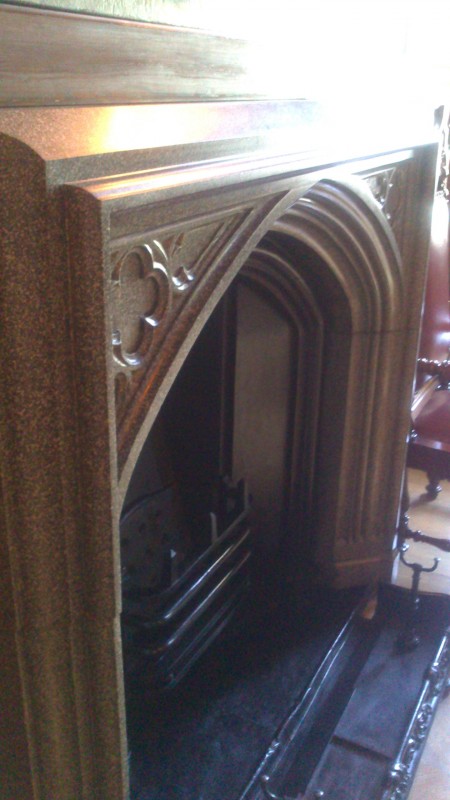
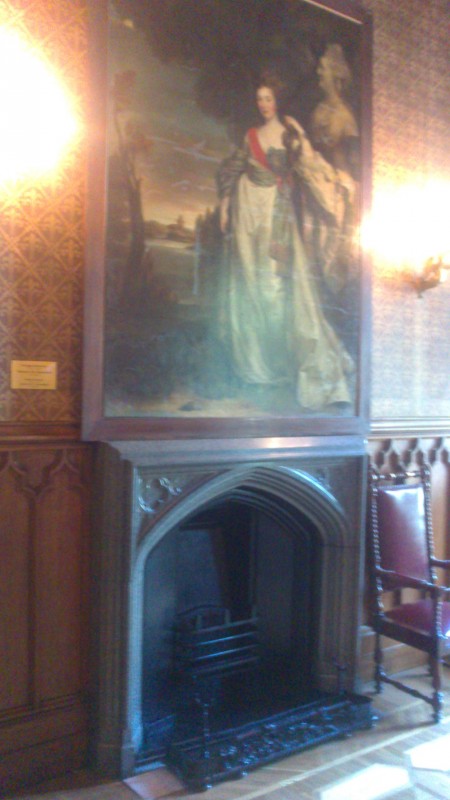
The author points to the grey granite fireplace as being possibly original.
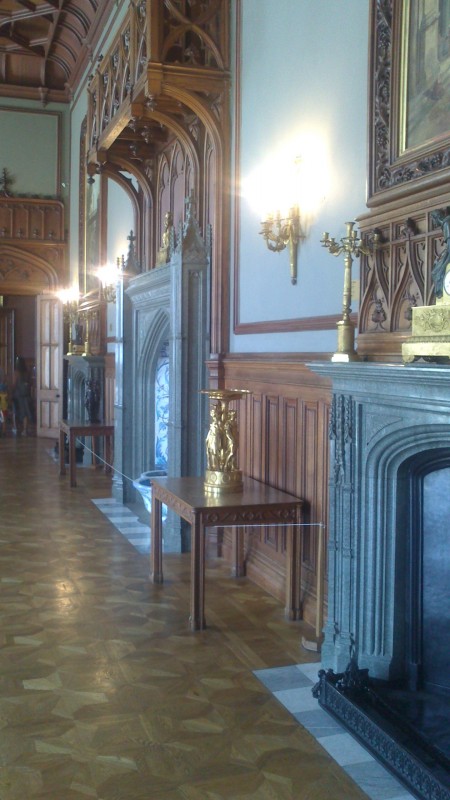
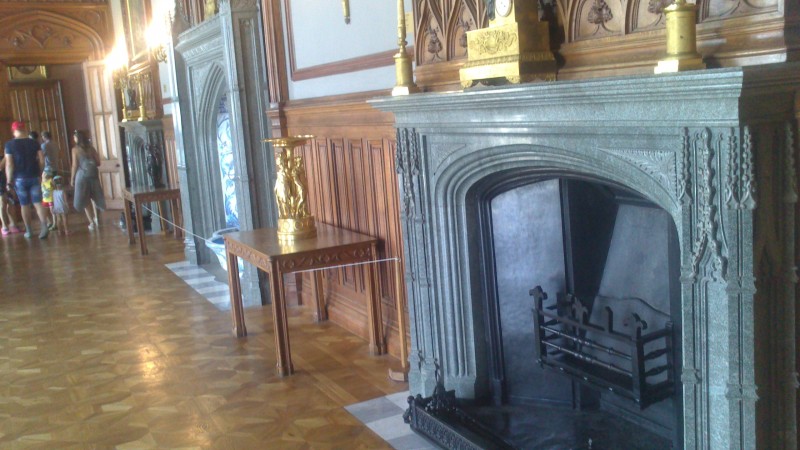
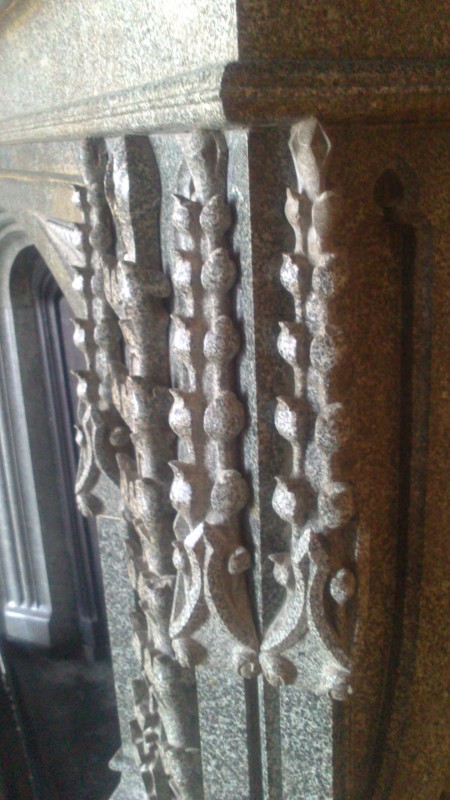
The author says that upon close inspection it is clear that this stone is old not just its texture but also its intricacy far out matches the first red granite fireplace.
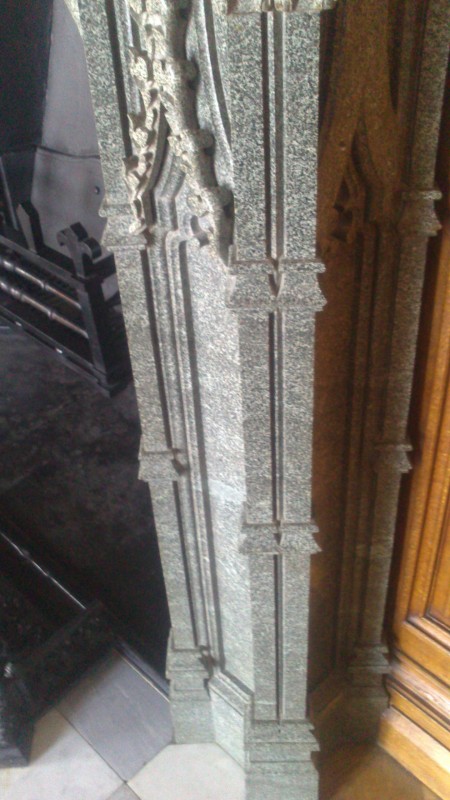
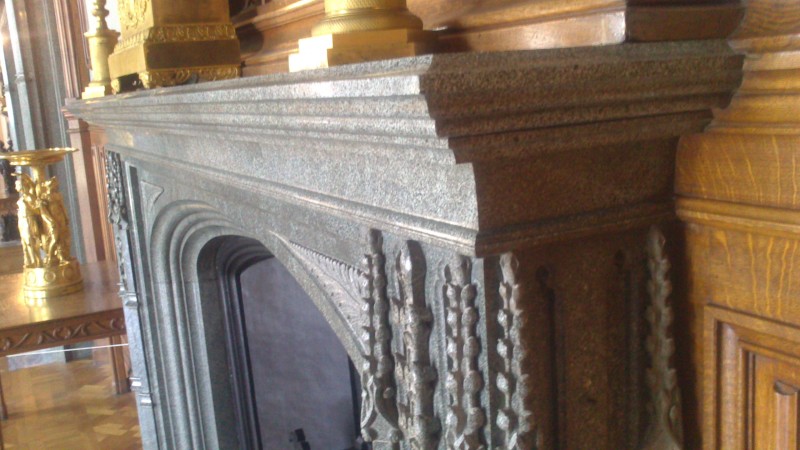
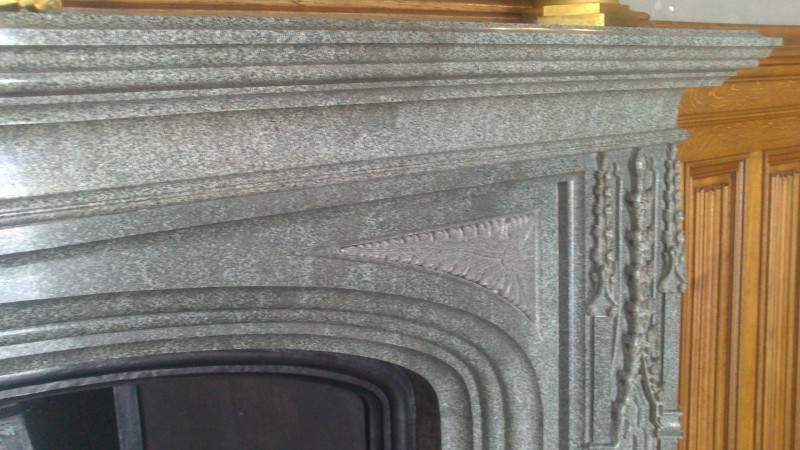
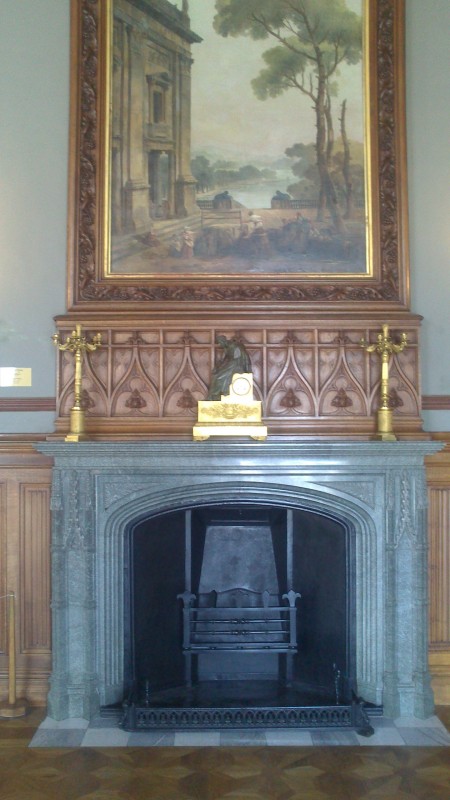
And this is another fireplace. Central, the largest.
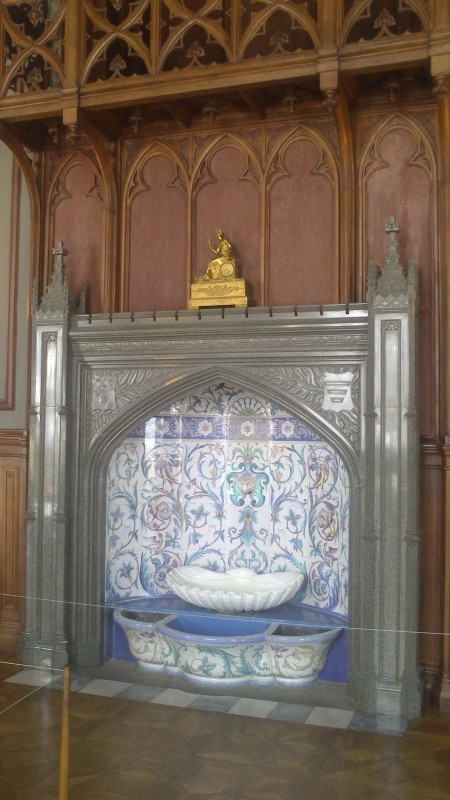
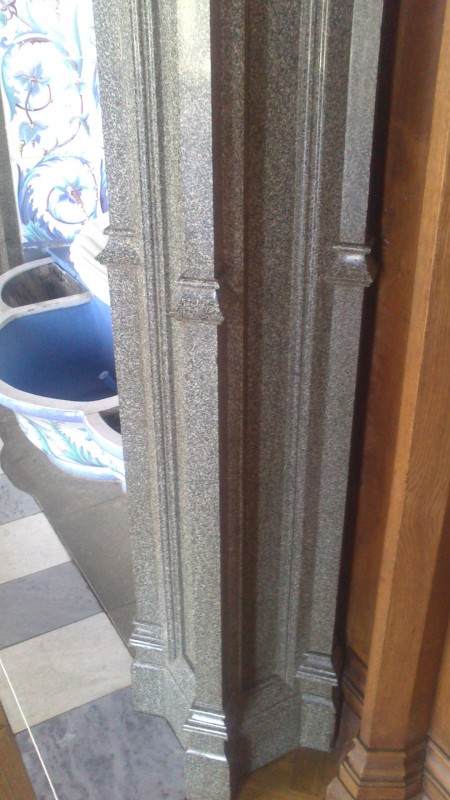
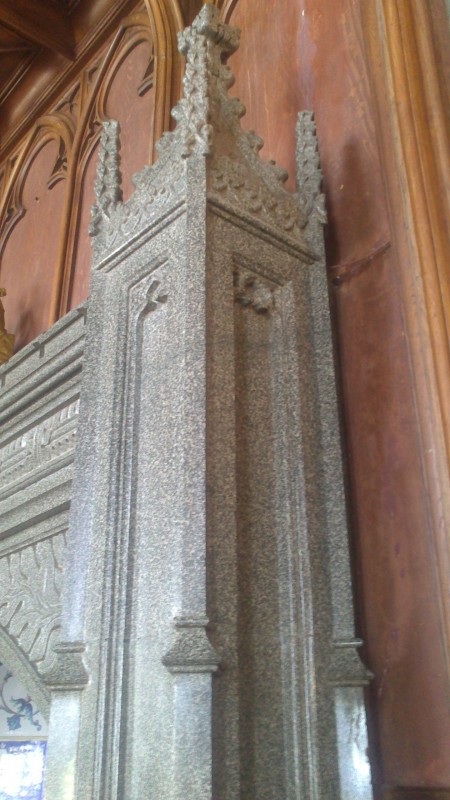
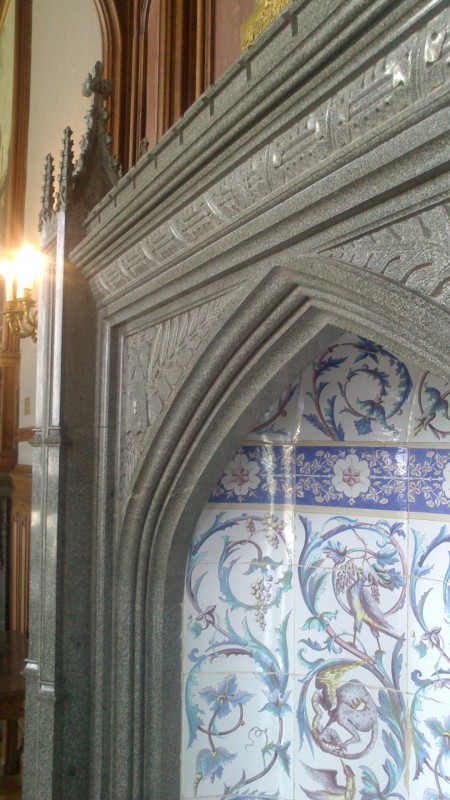
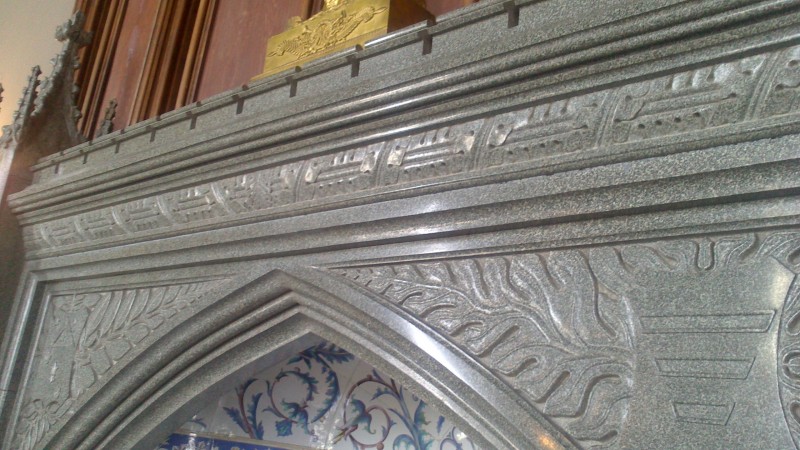
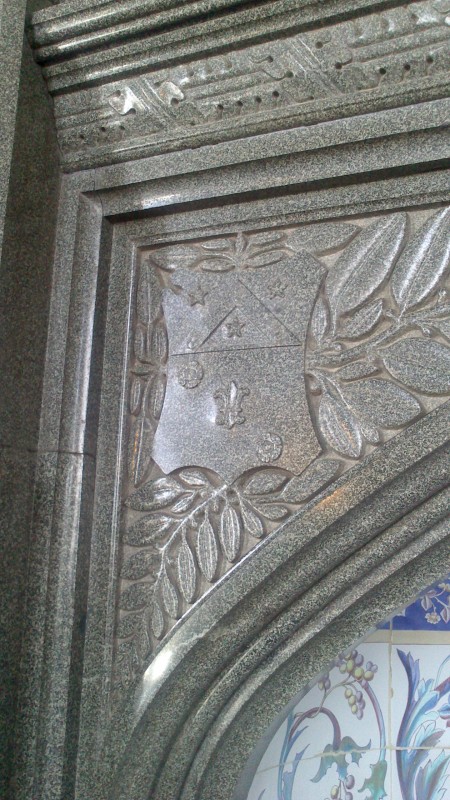
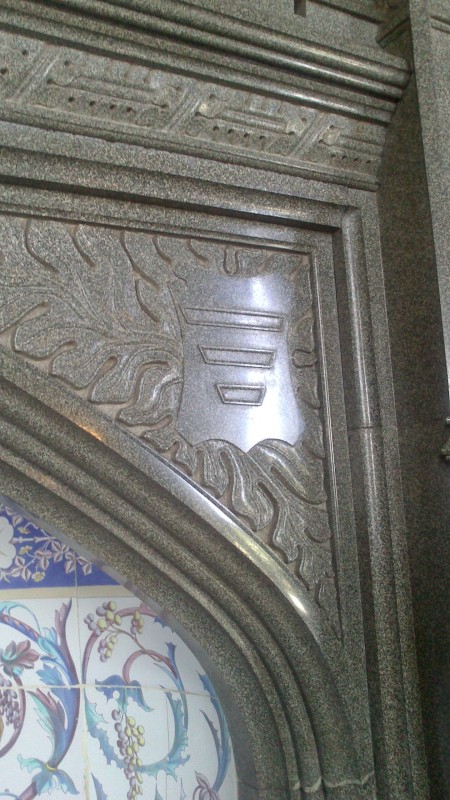
The author talks a bit about the symbology and the crest but it goes over my understanding so read the original for that.
There is also a marble fireplace
Source:
part 1
part 2
Apollyonic notes: So basically we have a weird building, a mix of euro castle style to moorish style. But we also have this rubble construction and a certain erosion that points towards cataclysm. We have a confiscation of water of sorts from the time of the watercolor probably early 1900 and today. All in a region which last held the title of Tartaria.
Note: This OP was recovered from the Wayback Archive.
Note: Archived Sh.org replies to this OP are included in this thread.