In Japan, bronze mirrors (
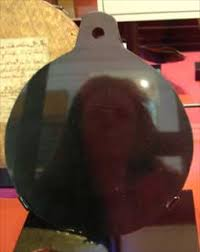
imported from China c.300AD) were associated with Amaterasu, sun goddess and imperial ancestor—who, at the dawn of time, ordered her grandson to descend from heaven to rule over Japan and gave him a sacred mirror providing him and his successors perpetual access to the divine sun.
Throughout medieval Japan, mirrors were considered
sacred objects—used not only in rarefied imperial ritual and display but also to ward off evil spirits and, when placed in Shinto shrines,
to speak with the gods.
source

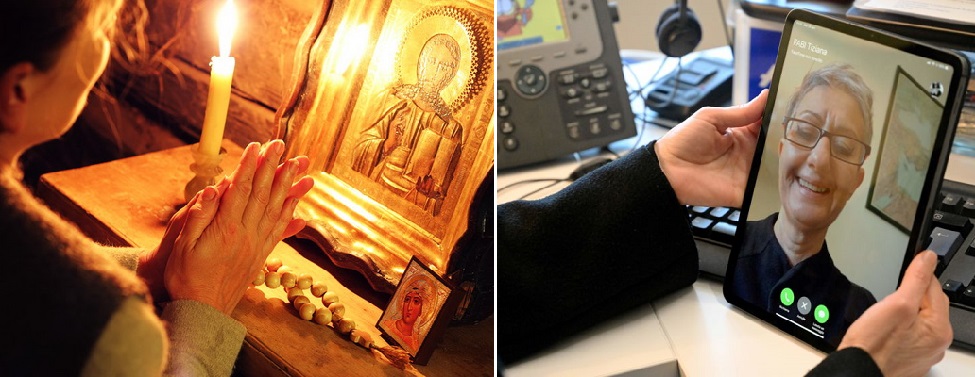
: Video Chat/face time?
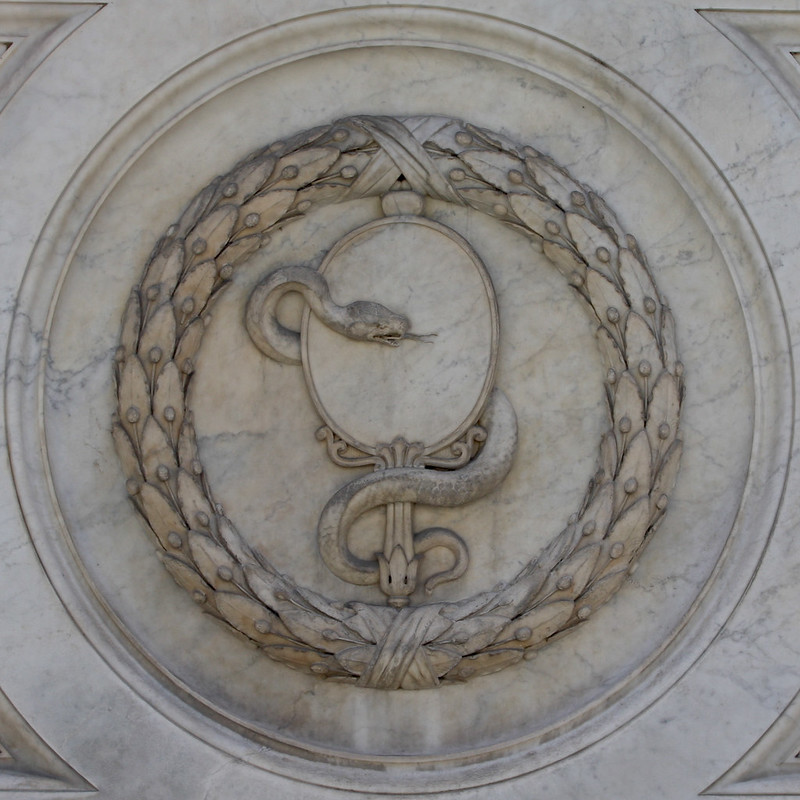
There is also the association of mirrors with snakes and the goddess Prudentia. Here it is from a building in Paris along with another occult symbol, the all seeing eye and of course THE WREATH.
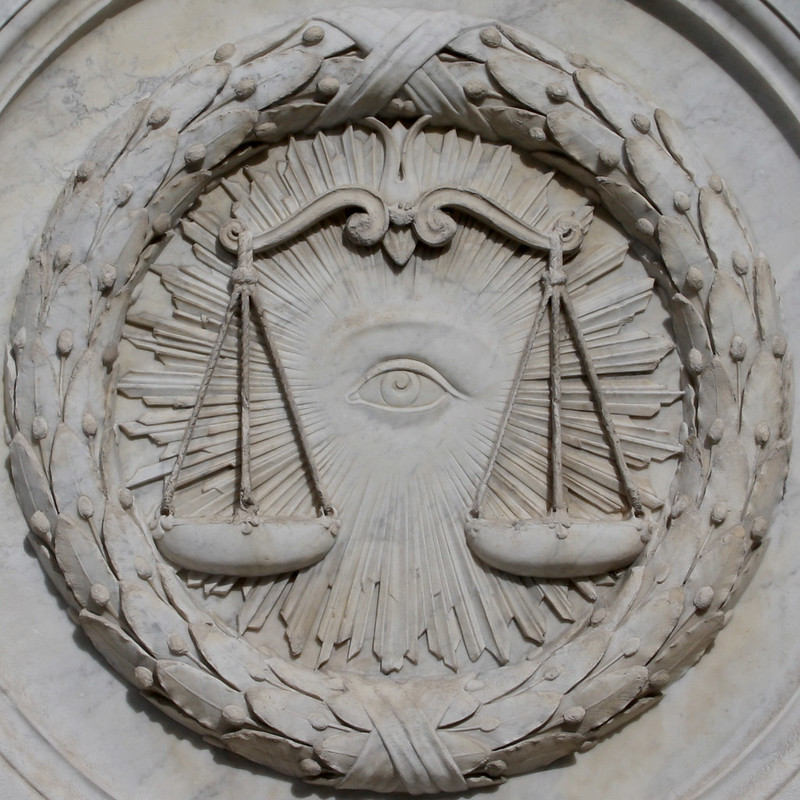
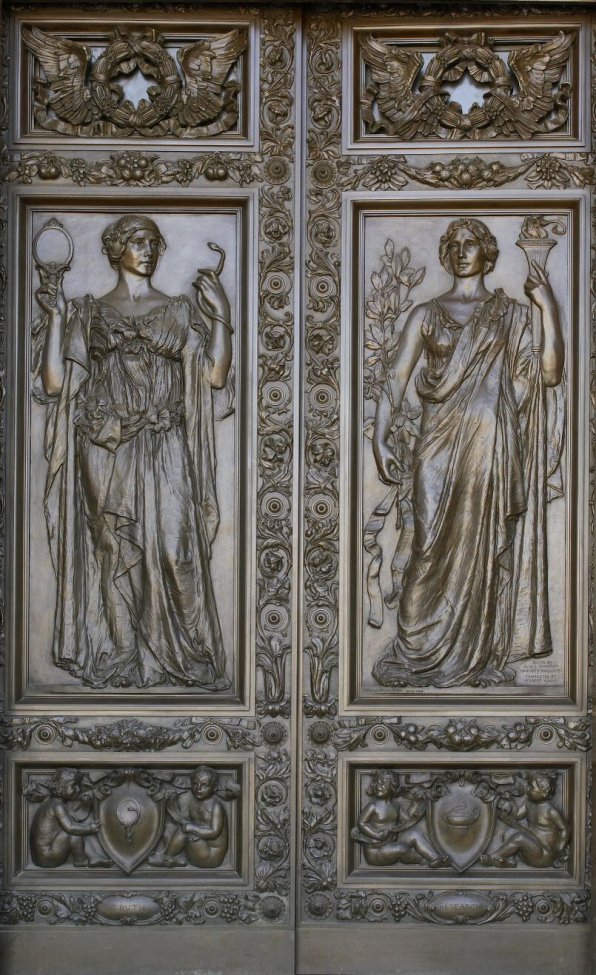
And on the doors of the Jefferson Building at the LOC. Again surrounded by wreaths and garlands. Are these mirrors portable devices and the snake represents a charging cord?
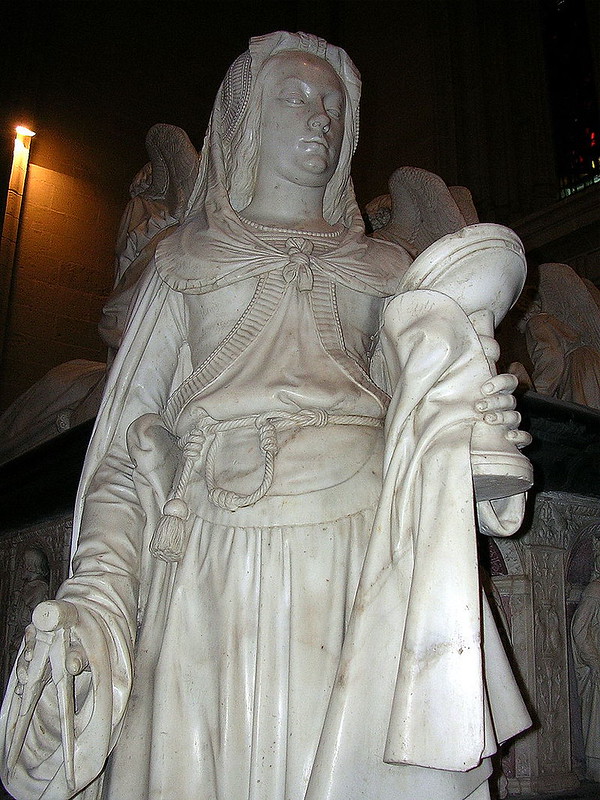
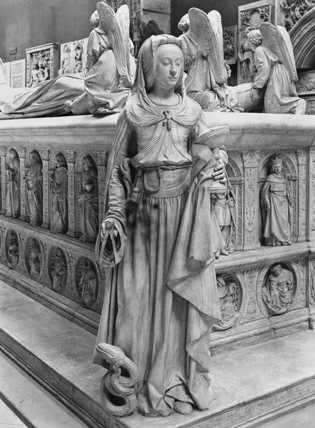
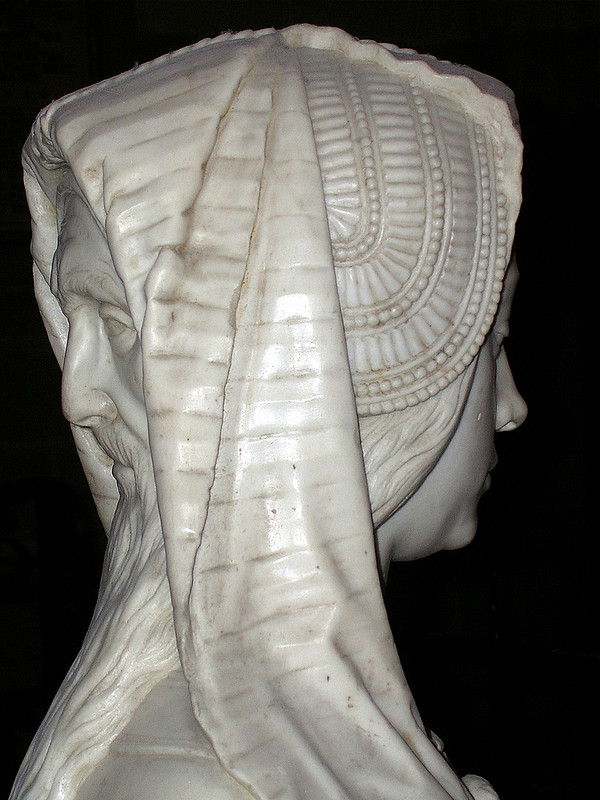
And this piece from a tomb, here the snake is underfoot and she is holding a compass in one hand, and using the old crozier cloth grab to hold her mirror. Another magic artifact?
Prudence at Her Toilette
With all the occult symbols associated with mirror, I have to agree with KD that indeed some of these mirrors are magic.
This blog,
Art and Mirror, talks a lot about mirrors throughout history, including this
one that has some interesting thoughts on the convex mirrors in Northern Renaissance art, especially Giovanni Arnolfini and his Wife. The blogger compares the mirror at times to a computer, a camera, and a dreamcatcher.
Plissken