
Just a note here. This post includes the official history as established by TPTB.
For my family this site is a great example of hidden and convoluted history which defies conventional explanation.
There are historical records of massive earthquakes and geological distubances in Portugal.
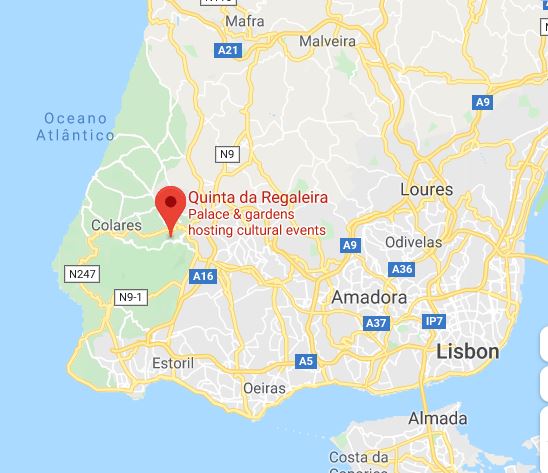
Site Location: 38.7911418354, -9.39095010286
The photos for this post may be manipulated and used for further investigation. The powers that be site has high resolution photos, so high I deigned to not include them in the post. KB since this is my first post, if you prefer me to include the high resolution I will.
I have some ideas regarding this site, but "ideas" need to be properly investigated and sourced.
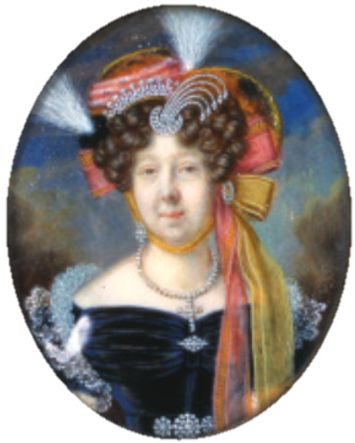
Also, Viscountess of Regaleira, looks like a character from Disney cartoon film I have seen from my childhood, or Walt used this portrait as a model for a character.
Lets start perhaps with first impressions and perhaps forum members may lend insight into the veracity of the official narrative.
Specific parts for example:


Quinta da Regaleira is a quinta located near the historic center of Sintra, Portugal. It is classified as a World Heritage Site by UNESCO within the "Cultural Landscape of Sintra". Along with the other palaces in the area such as the Quinta do Relógio, Pena, Monserrate and Seteais palaces, it is considered one of the principal tourist attractions of Sintra. The property consists of a Romantic palace and chapel, and a luxurious park that features lakes, grottoes, wells, benches, fountains, and a vast array of exquisite constructions. The palace is also known as "The Palace of Monteiro the Millionaire", which is based on the nickname of its best known former owner, António Augusto Carvalho Monteiro. The palace was designed by the italian architect Luigi Manini.
The land that is now Quinta da Regaleira had many owners over the years. It belonged to the Viscountess of Regaleira, a family of wealthy merchants from Porto, when it was sold in 1892 to Carvalho Monteiro for 25,000 réis. Monteiro was eager to build a bewildering place where he could collect symbols that reflected his interests and ideologies.
With the assistance of the Italian architect Luigi Manini, he recreated the 4-hectare estate. In addition to other new features, he added enigmatic buildings that allegedly held symbols related to alchemy, Masonry, the Knights Templar, and the Rosicrucians. The architecture Manini designed evoked Roman, Gothic, Renaissance, and Manueline styles. The construction of the current estate commenced in 1904 and much of it was completed by 1910.
* note by Irish Balt: How reasonable is this?
The estate was later sold in 1942 to Waldemar d'Orey, who used it as private residence for his extensive family. He ordered repairs and restoration work for the property. In 1987, the estate was sold, once again, to the Japanese Aoki Corporation and ceased to serve as a residence. The corporation kept the estate closed to the public for ten years, until it was acquired by the Sintra Town Council in 1997. Extensive restoration efforts were promptly initiated throughout the estate. It finally opened to the public in June 1998 and began hosting cultural events. In August of that same year, the Portuguese Ministry of Culture classified the estate as "public interest property".
The Regaleira Palace (Portuguese: Palácio da Regaleira) bears the same name as the entire estate. The structure's façade is characterized by exuberantly Gothic pinnacles, gargoyles, capitals, and an impressive octagonal tower.
The palace contains five floors (a ground floor, three upper floors, and a basement). The ground floor consists of a series of hallways that all connect the living room, dining room, billiards room, balcony, some smaller rooms, and several stairways. In turn, the first upper floor contains bedrooms and a dressing room. The second upper floor contains Carvalho Monteiro's office, and the bedrooms of female servants. The third upper floor contains the ironing room and a smaller room with access to a terrace. Finally, the basement contains the male servants' bedrooms, the kitchen (which featured an elevator for lifting food to the ground floor), and storage rooms.
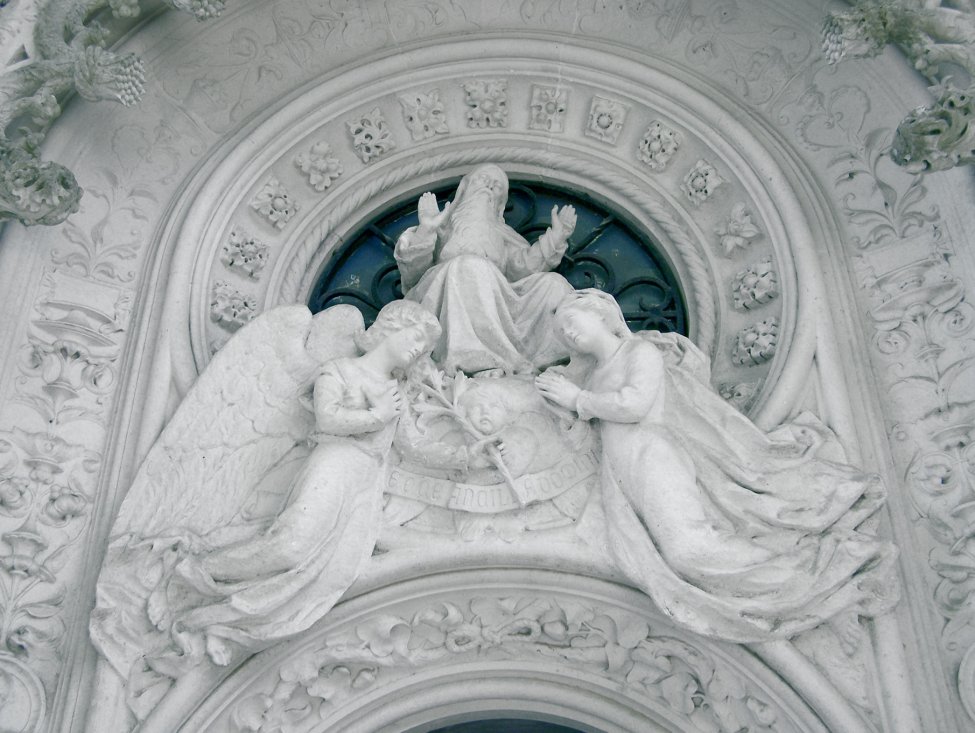
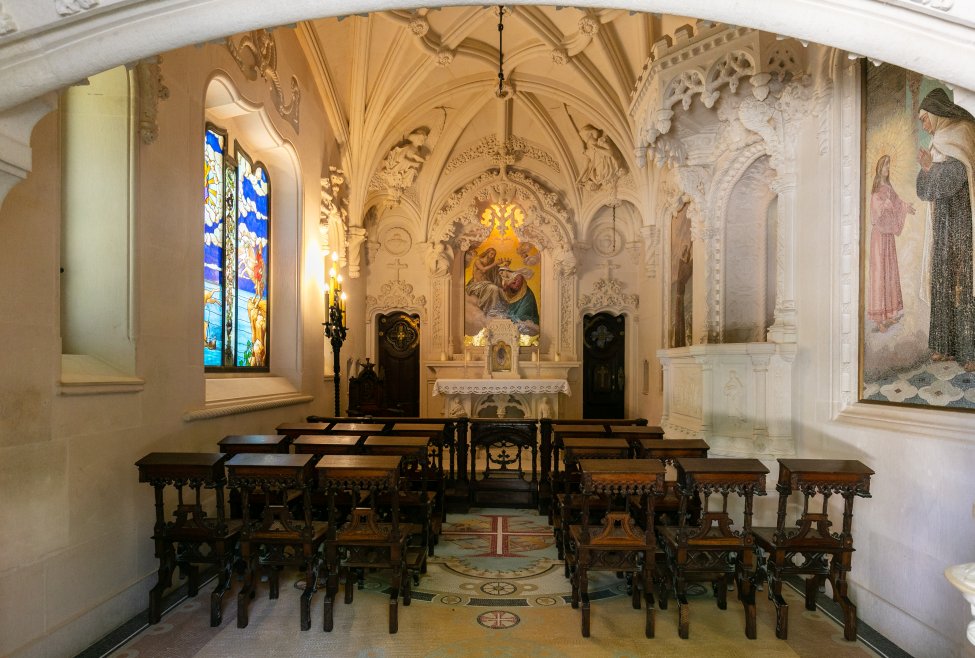
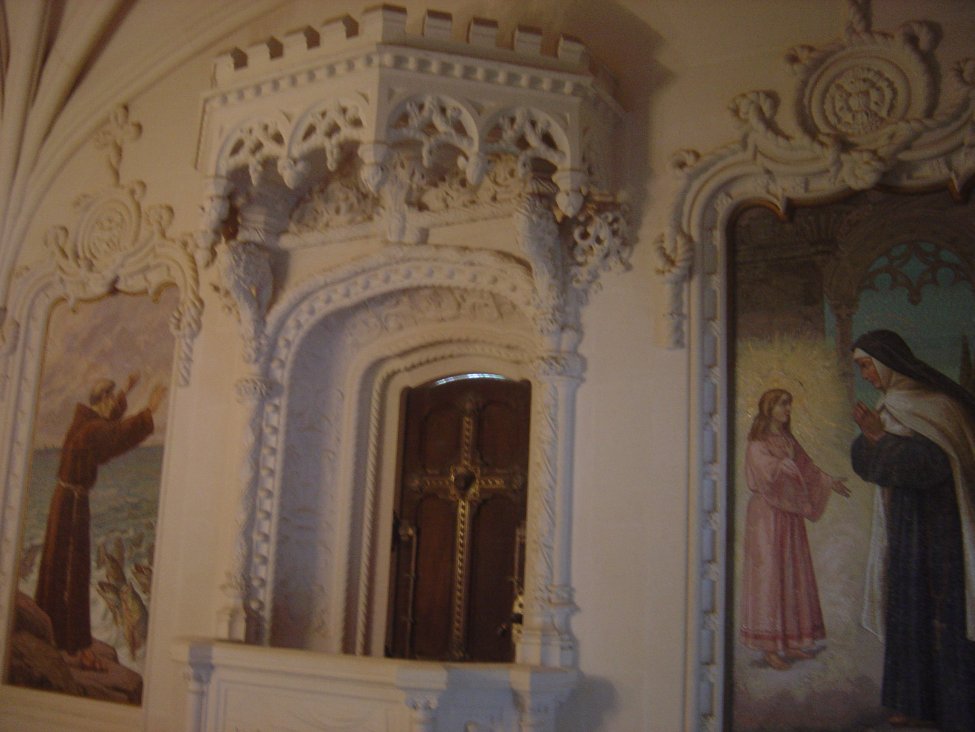
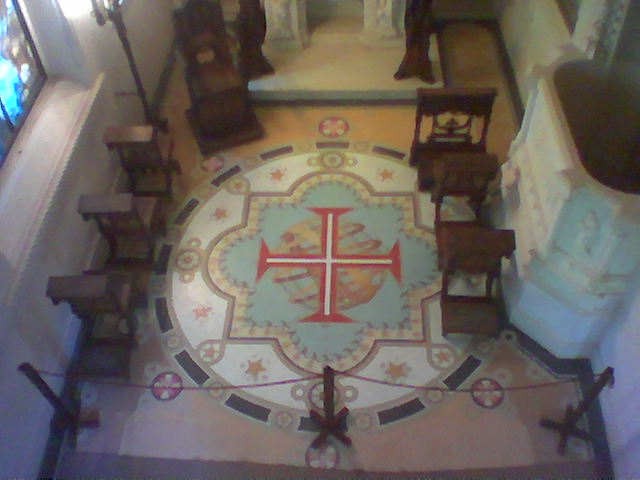
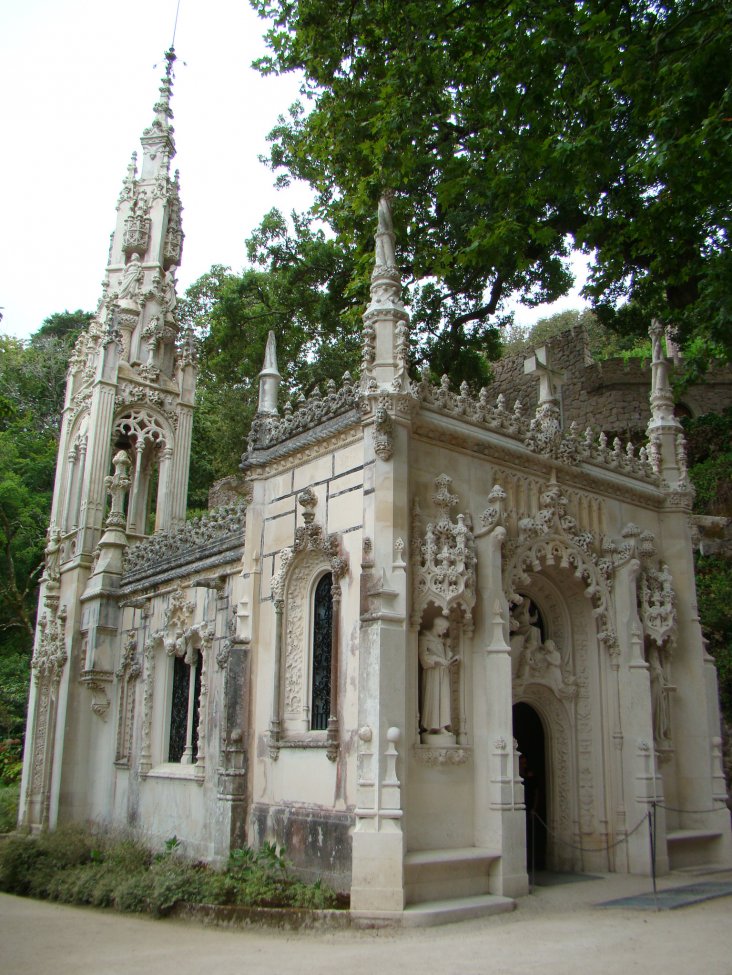
The Regaleira Chapel is a Roman Catholic Chapel, and stands in front of the palace's main façade. Its architecture is akin to the palace's. The interior of the chapel is richly decorated with frescoes, stained glass windows and lavish stuccoes. The frescoes contain representations of Teresa of Ávila and Saint Anthony, as well as other religious depictions. Meanwhile, the floor itself offers depictions of the armillary sphere of the Portuguese discoveries and the Order of Christ Cross, surrounded by pentagrams. Despite its relatively small size, the chapel has several floors.
Much of the four hectares of land in the surrounding estate consists of a densely treed park lined with myriad roads and footpaths. The woods are neatly arranged in the lower parts of the estate, but are left wild and disorganized in the upper parts, reflecting Carvalho Monteiro's belief in primitivism. Decorative, symbolic, and lively structures can be found throughout the park.
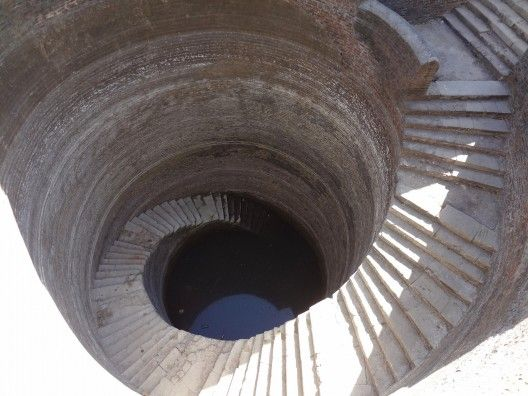
The park also contains an extensive and enigmatic system of tunnels, which have multiple entry points that include: grottoes, the chapel, Waterfall Lake, and "Leda's Cave," which lies beneath the Regaleira Tower. The "Initiation Well" (see next section) connects to other tunnels via a series of underground walkways.
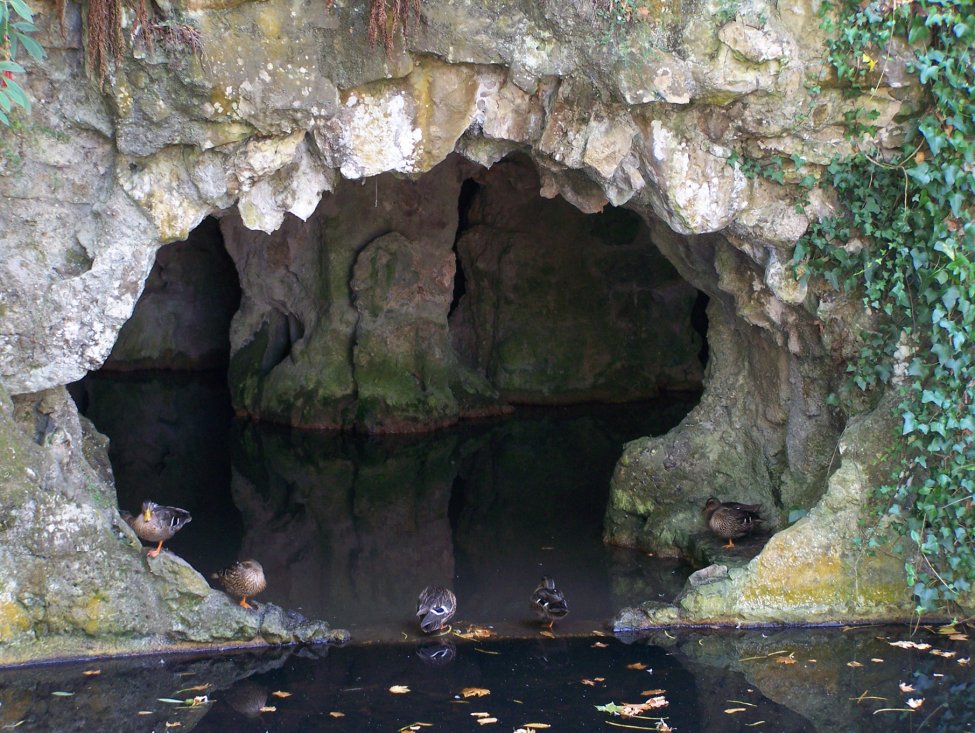
Bodies of water can be found in several places in the park. Two artificial lakes and several fountains were added by Monteiro. One of the most interesting and extravagant among them is the Aquarium, built as if it were naturally embedded in a large boulder. It was once considered the most important naturalist property in Regaleira. However, the Aquarium is no longer used and is poorly maintained.
So, one may begin with the idea that the official narrative is suspect. Then the real exploration begins.
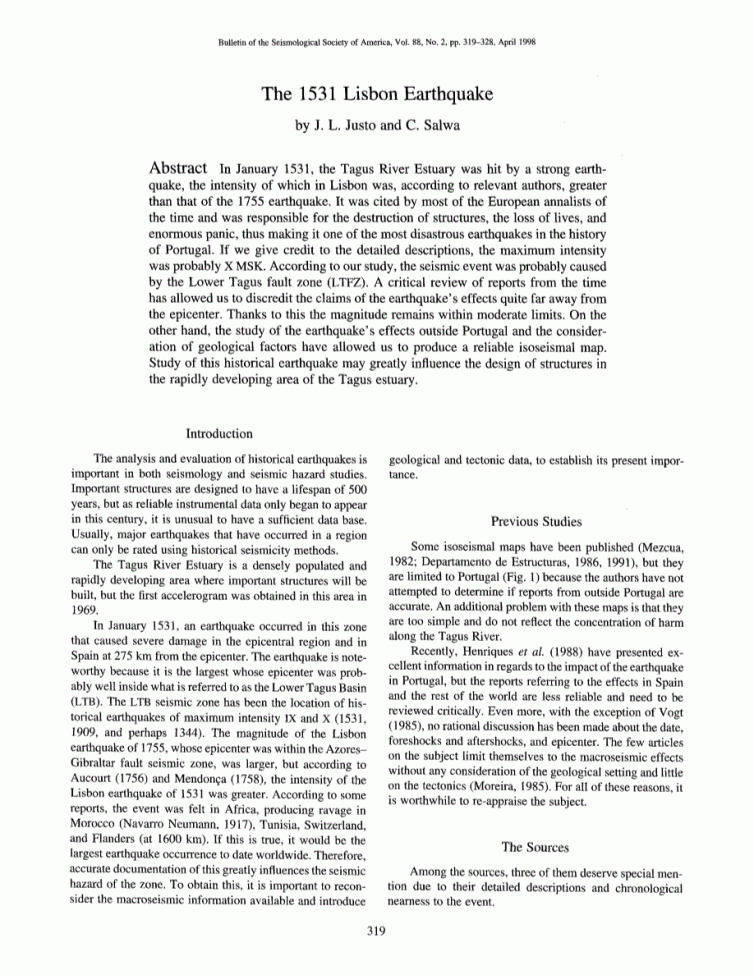
We understand according to official history that: Lisbon earthquake – 1531 Very violent, with a tsunami, 30.000 mortal victims.
So if there was a booming civilization and the survivors, evacuated the area for a time, would it not make sense that upon their return they would revisit estates of theirs or those they had known, make claim to them and resurrect in some form their former glory.
It is VERY difficult to find anyone willing to really questions this narrative and the site brings in loads of tourists, so really who would want to upset this money maker and disagree with a profitable business model.
So officially, Antonio Augusto Carvlho Monteiro, was a known Freemason and with the help of Italian Achitect Luigi Manini, set about designing and constructing the four hectare estate with it enigmatic buildings, parks and tunnels which are laden with symbols related to alchemy, masonry, the Knights Templar and the Rosicrucians.
António Augusto Carvalho Monteiro (1848 – 1920), also known as Monteiro dos Milhões (Monteiro the Millionaire), was an entomologist born to Portuguese parents in Rio de Janeiro. He inherited a huge family fortune, which he enlarged in Brazil by selling coffee and precious stones, which soon made it possible for him to leave for Portugal.
Now why would this super wealthy man whose parents were from Portugal build such an extravagant place? This is what I posit, or my theory as it were. I believe that the catastrophes in Portugal were so great that this family left to their holdings in Brazil (possibly to hide from persecution from Catholics), where they expanded their wealth in trade. When things had settled down, the son of the family returned to claim or buy lands that were once theirs. I believe that this family was Jewish. I furthermore posit that these grounds held some kind of sacred meaning for this family or possibly to those within their family's mystery school.
In this place in Portugal there might have been a group in practice using the site as a place of ritual.
Here is some background:
After the establishment of the Zoharic corpus, no major changes took place in Jewish esoterism until the middle of the 16th century, when a religious centre of extreme importance for Judaism, mainly inspired by teachers coming from families expelled from Spain, was established in Safed (in Upper Galilee, Palestine; present-day Ẕefat, Israel). Kabbalistic literary output had been abundant in Spain until the expulsion in 1492 and in Italy and the Middle Eastduring the following two generations, but it was primarily a matter of systematizing or even popularizing the Zohar or of extending the speculation already developed in the 13th century. There were also some attempts at reconciling philosophy and Kabbala.
Here is some insight:
The expulsion from Spain and the forced conversions to Christianity in both Spain and Portugal were profound tragedies. These events accentuated the existing pessimism caused by the dispersal of the Jews among the nations and intensified messianic expectation. This expectation most likely contributed to the beginnings of the printed transmission of Kabbala; the first two printed editions of the Zohar date from 1558. All these factors, joined with certain internal developments of speculative Kabbala in the 15th century, prepared the ground for the new theosophy inaugurated by the teaching of Isaac ben Solomon Luria (1534–72), who was born in Jerusalem, educated in Egypt, and died in Safed. Although his teaching is traditionally associated with Safed, he spent only the last three years of his life there. Luria wrote very little; his doctrine was transmitted, amplified, and probably somewhat distorted through the works of his disciples, especially Ḥayyim Vital (1543–1620), who wrote ʿEtz ḥayyim(“Tree of Life”), the standard presentation of Lurianic Kabbala.
The final phase of persecution in Spain was the Edict of Expulsion (Alhambra Decree) in 1492, the same year as Columbus sailed to America. Jews were given the choice of converting, hanging, or leaving. They could take personal possessions, but not gold, silver or minted money. Estimates of those affected vary from 80,000 to hundreds of thousands. Many sailed east to Italy and the Ottoman Empire. Some went to ancient Jewish communities in North Africa. Many sought refuge in neighbouring Portugal, a case of "out of the frying pan, and into the fire", as in 1497 all Jewish children in Portugal were abducted by the State and baptised. Jews were denied the right to emigrate. When the plague came to Lisbon, there were the customary massacres of Jews.
In 1516, swollen with Jewish refugees, Venice created the first Ghetto, named after an old industrial quarter of the city.
The effect of the Spanish Expulsion was a huge influx of Spanish Jews into the towns of the Ottoman Empire. They brought with them their books and traditions and energy. Safed, a hill town in Galilee, had a wool industry, and soon had a large and thriving community. At its peak the town contained an extraordinary number eminent Talmudists and Kabbalists, including Solomon Alkabetz, Joseph Karo, Moses Cordovero, Isaac Luria, Hayyim Vital and many others.
It is often the case that before something new can happen, the past needs to brought into a sharp focus. This was the case with Moses Cordovero (1522-1570). He created what was probably the finest summation of Kabbalah until his time in the monumental Pardes Rimonim (Garden of Pomegranates). He founded an academy for the study of Kabbalah that included two outstandingly influential pupils, Isaac Luria (1534-1572) and Hayyim Vital(1543-1620).
It was Isaac Luria who transformed Kabbalah with a darkly gnostic vision. Gone was any vestige of Neoplatonism, with its dependent chains of being harmoniously and providentially supported by the One. Luria's divine creation was marked by catastrophe. Inspired by a verse in the Zohar that claimed that God had created many universes and destroyed them, Luria set human existence amidst the wreckage of failed creation. Like a mad chemist blowing up the laboratory, the divine powers did not find a stable configuration, and shattered. Things slipped out of place. Remants of the divine - sparks of divinity - were carried into the abyss of darkness. The physical world of Luria's vision is a place of essential and intrinsic impurity, a mixture of the divine sparks and the dead husks (klipot). Mosaic injuctions relating to the pure and impure gained a deep metaphysical significance. However, although the universe is fractured, it can be restored by mystical unifications, and divine sparks can be liberated from the realms of impurity (see Tikkun Olam).
Although Luria's insights appear to come from the Zohar, his readings are darker and more dynamic, closer to the gnostic myths of late antiquity. It is tempting to believe that his descriptions of a broken cosmos appealed to so many Jews because of their everyday social experience of being exiled in a broken universe filled with exclusion and malevolence.
Luria gave all his teachings orally, and it was Hayyim Vital who created the written records of these new insights. Vital attempted to control the dissemination of Luria's teachings, but they spread rapidly throughout Europe, and still predominate to this day.
Messianism was intrinsic to Luria's worldview of catastrophe and repair. A consequence of the political and social hostility towards Jews in Europe was the belief that a Messiah would come and liberate the Jewish people from their precarious existence at the mercy of hostile powers. There were various claimants for the title of messiah, but the most important was Sabbetai Zevi (1626-1676).
Zevi was a charismatic and almost certainly bipolar. He was subject to extreme swings of mood and behaviour, oscillating from severe ascetism and piety to shocking acts that violated Jewish law, and resulted in his expulsion from several communities. Nathan of Gaza, a young Kabbalist much influenced by the Zohar and the ideas of Isaac Luria, had visionary experiences that disposed him to believe that Zevi was the messiah. A messianic fervour swept through Jewish communities all over Europe. People sold their possessions and set sail for the Holy Land.
In 1666 Zevi and followers set out for Istanbul, and Zevi was promptly imprisoned by the Turkish government. Zevi was pressured to adopt Islam, and he and about three hundred Jewish families converted. This discredited the Sabbatian movement amongst most Jews, but the movement did not fade away. His ardent followers went underground. Sabbateanism rumbled on for centuries and many important Rabbis were suspected of being crypto-Sabbatians. Various injunctions against the study of Kabbalah date from the backlash against socially-disruptive messianic madness.
To sumarize the above and tie it back in:
So from the 15th century forward to today there was an offshoot of Judaism that was far from conventional and according to many masters, all mystery schools begin and end with the Babylonian Talmud, the Zohar and the Kaballah, for without these there is no mystery school. So in this thesis I am (on some inference) attempting to link this site to both a catastrophe, an unknown prominence among the wealthy in Portugal, possibly the family of Montiero AND the secret and often confounding world of Jewish "mysticism".
How is that for a start?
For my family this site is a great example of hidden and convoluted history which defies conventional explanation.
There are historical records of massive earthquakes and geological distubances in Portugal.
Site Location: 38.7911418354, -9.39095010286
The photos for this post may be manipulated and used for further investigation. The powers that be site has high resolution photos, so high I deigned to not include them in the post. KB since this is my first post, if you prefer me to include the high resolution I will.
I have some ideas regarding this site, but "ideas" need to be properly investigated and sourced.
Also, Viscountess of Regaleira, looks like a character from Disney cartoon film I have seen from my childhood, or Walt used this portrait as a model for a character.
Lets start perhaps with first impressions and perhaps forum members may lend insight into the veracity of the official narrative.
Specific parts for example:
- site chronology
- people associated with the site
- history of the region (official and debated history)
- logistical problems with site construction in the 1900s
- Specific areas of the site itself which display incongruity geologically or chronologically with other areas
- Forum members own insight into parts of this site.
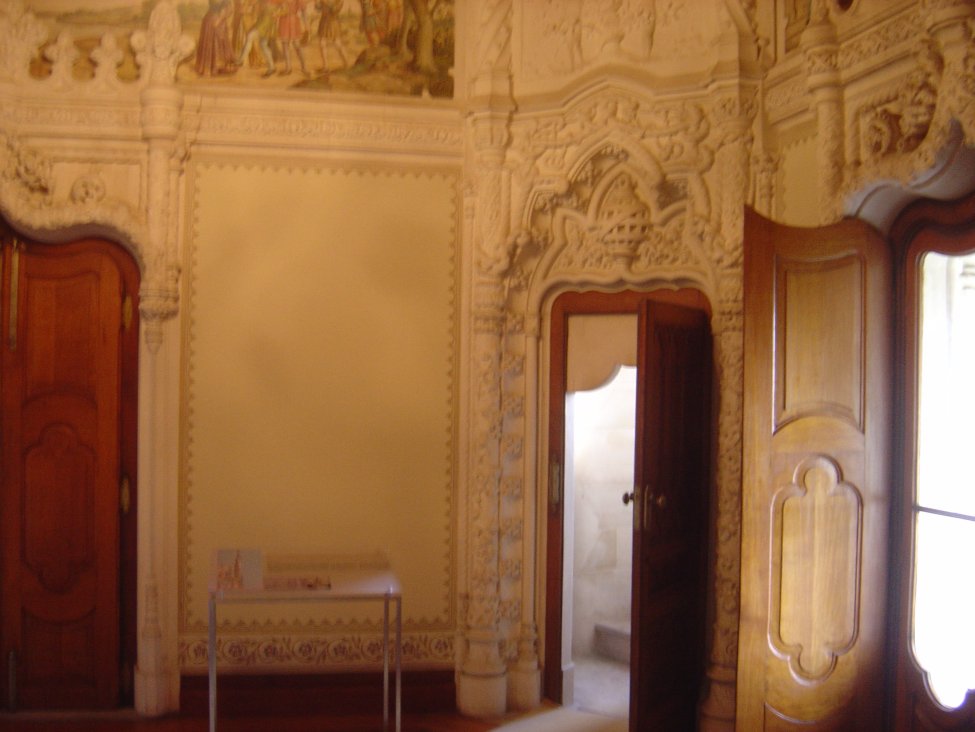
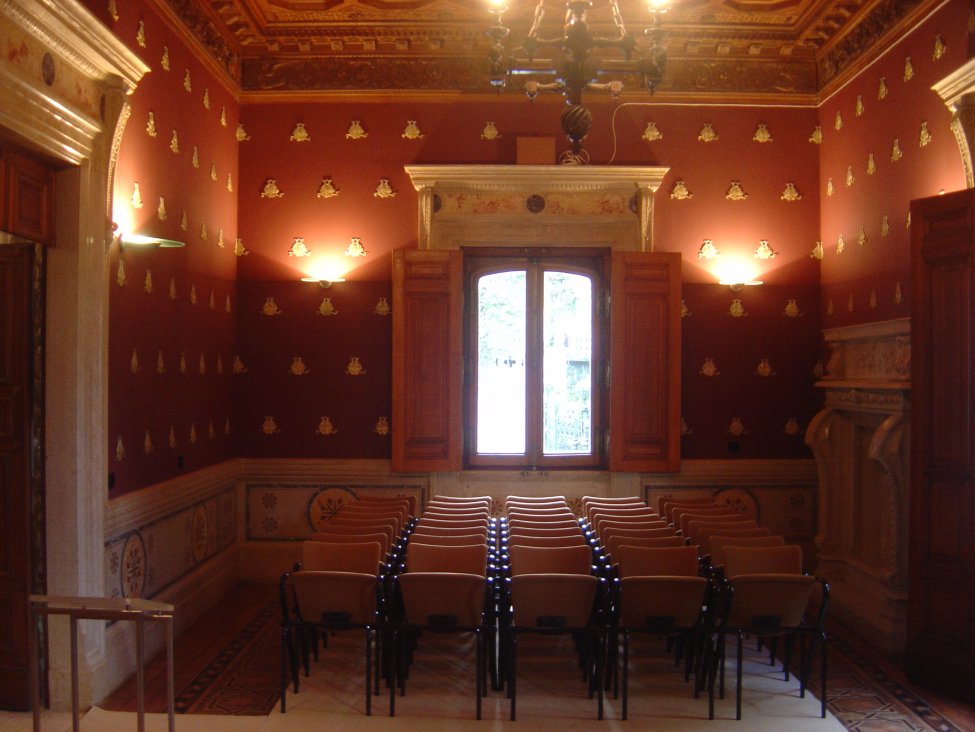
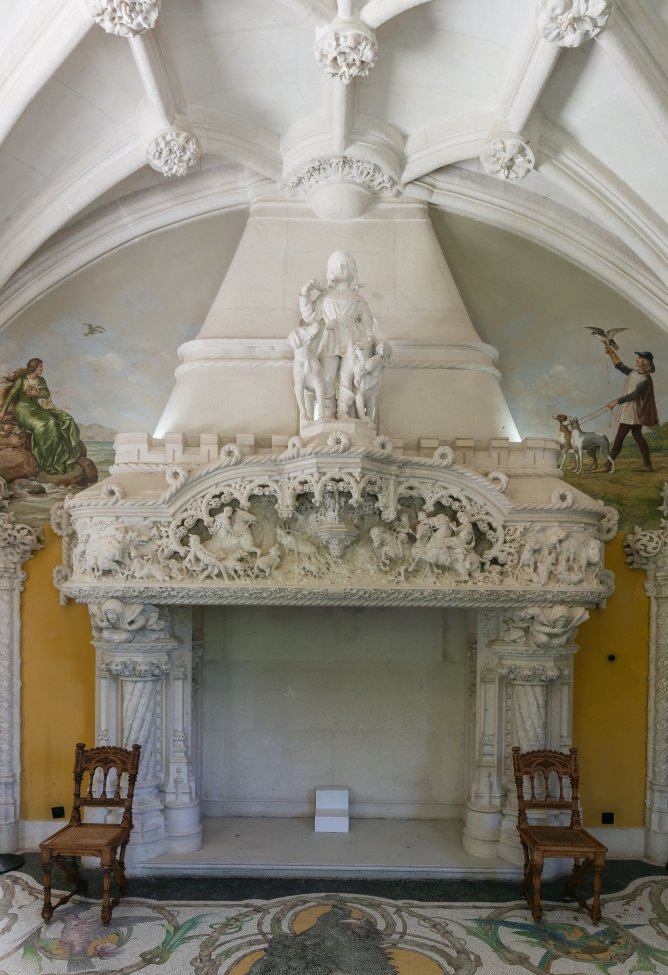
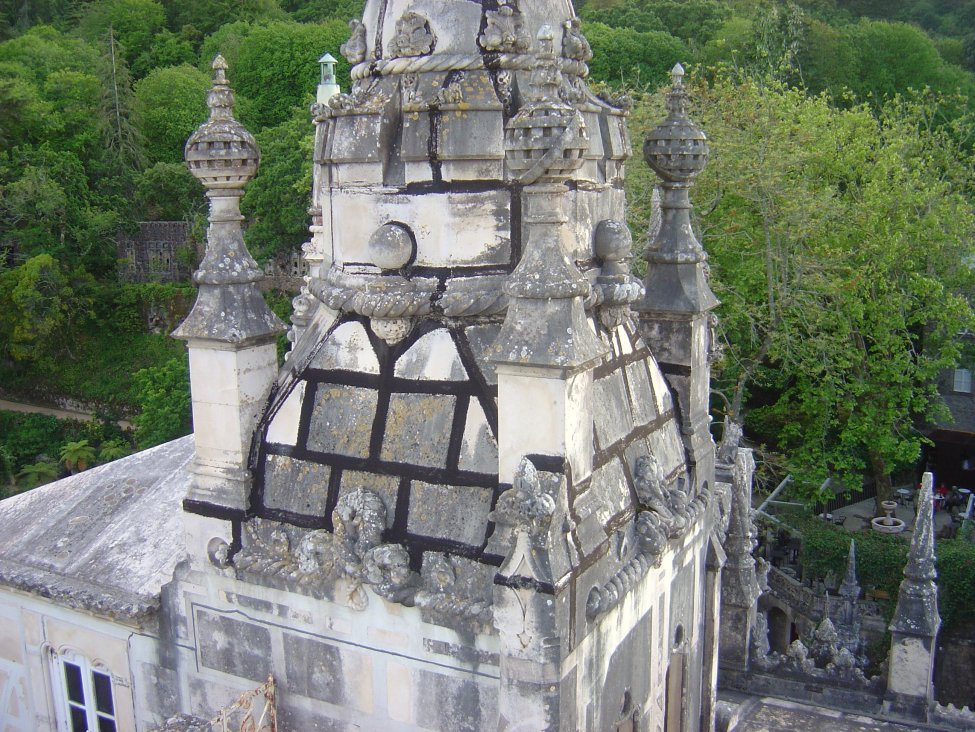
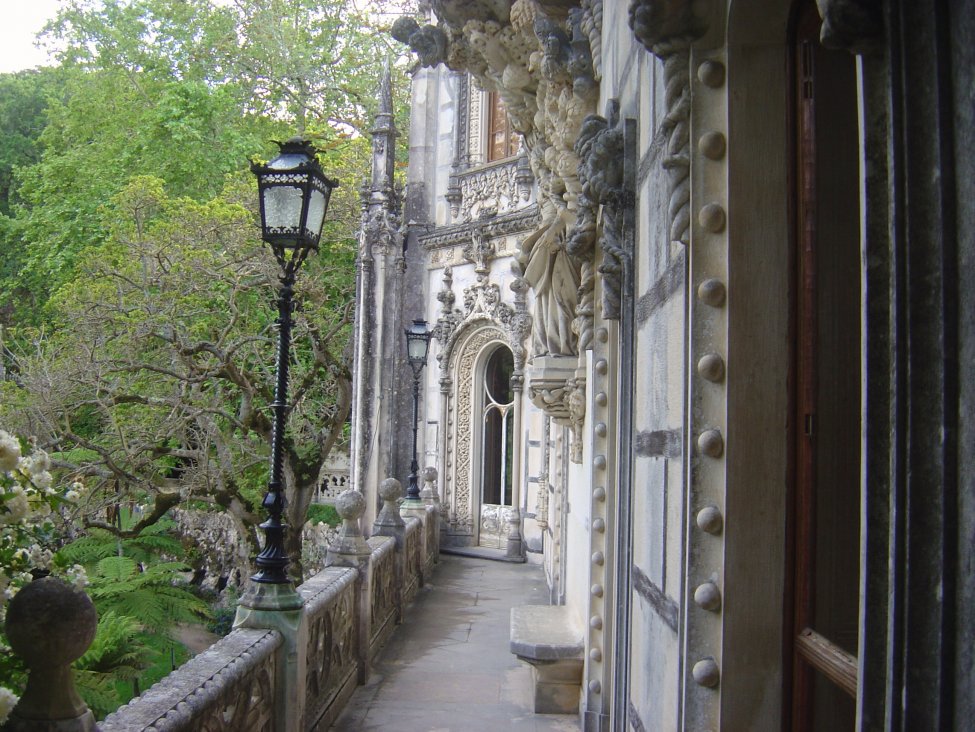
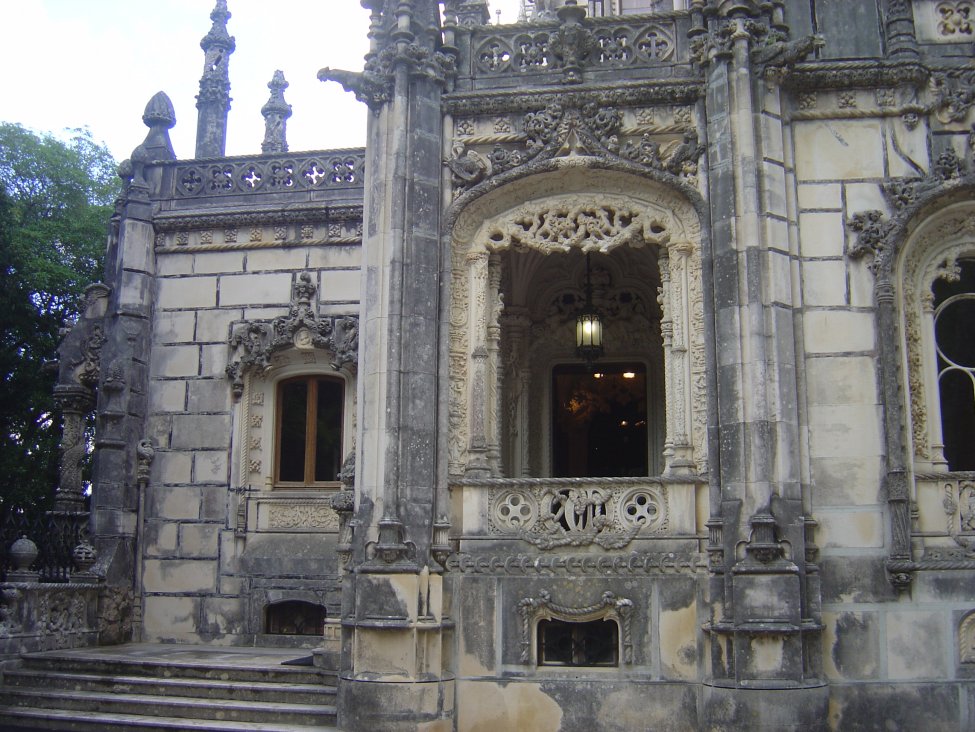
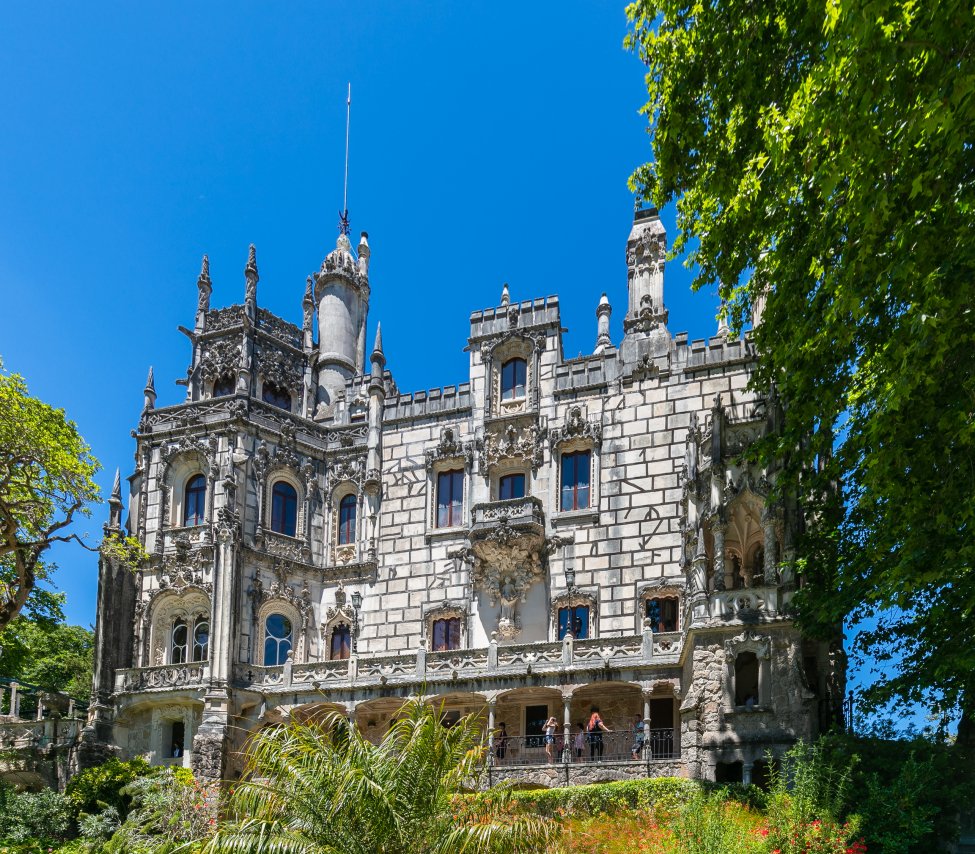
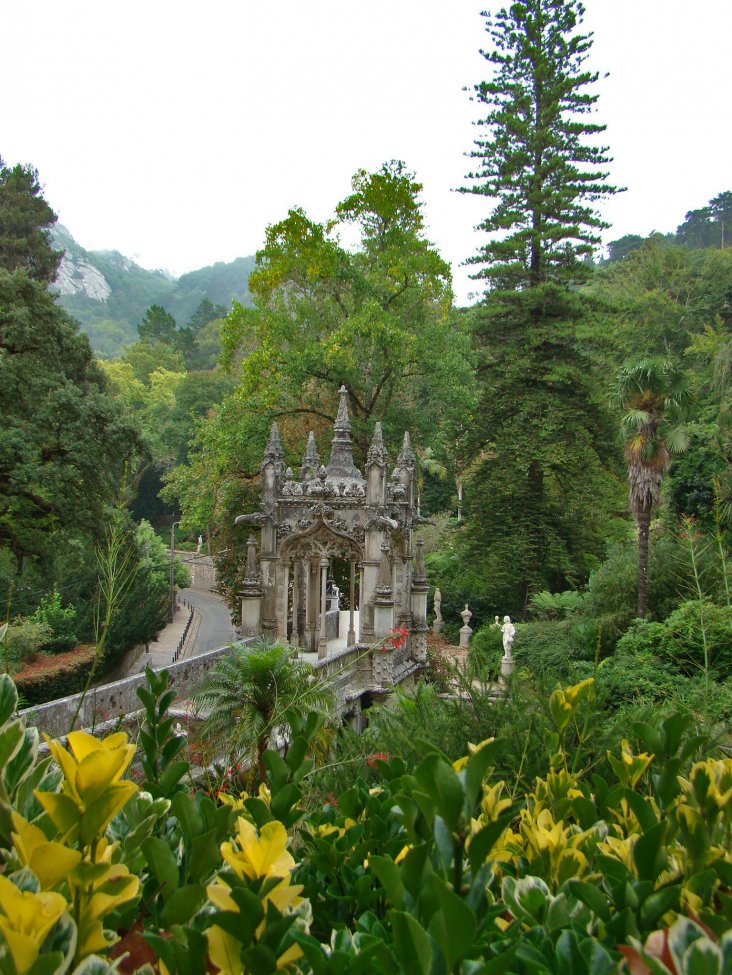
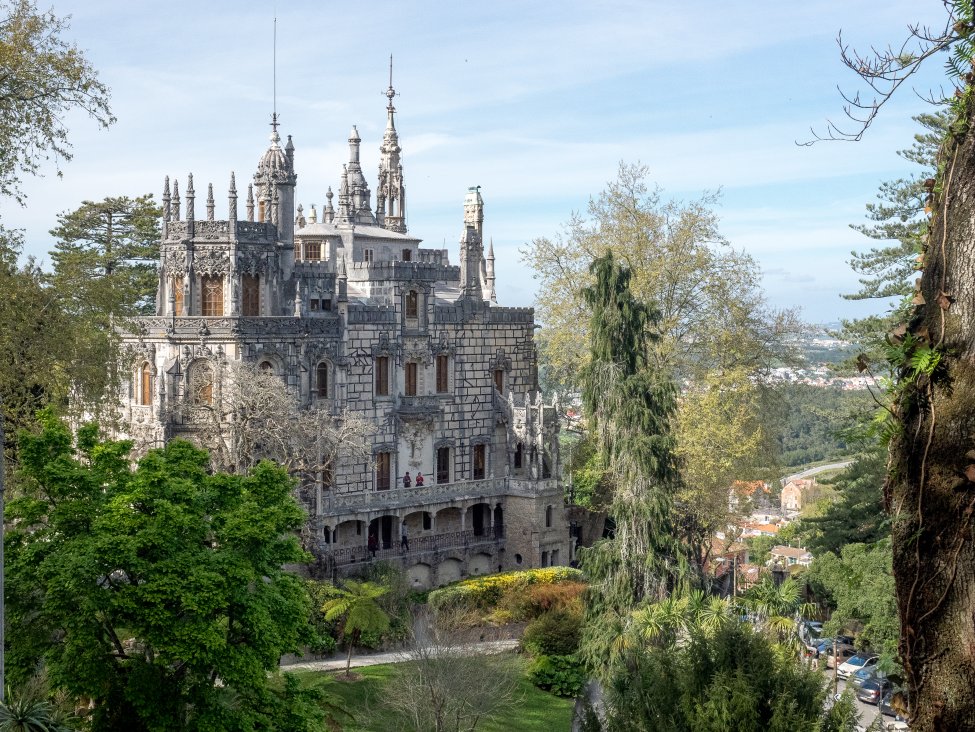
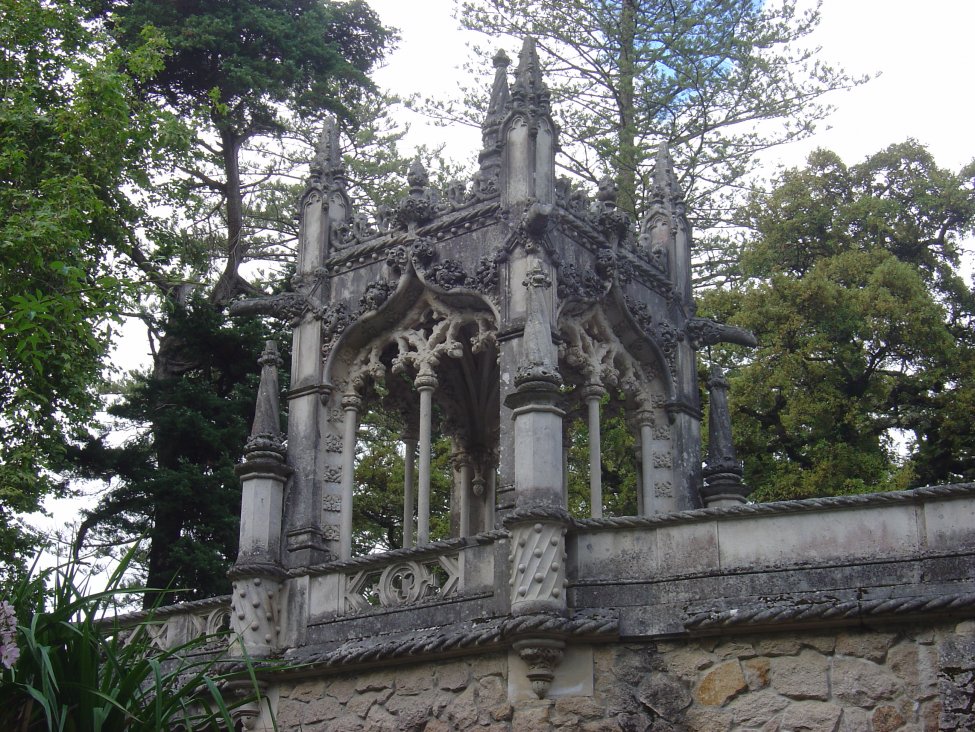
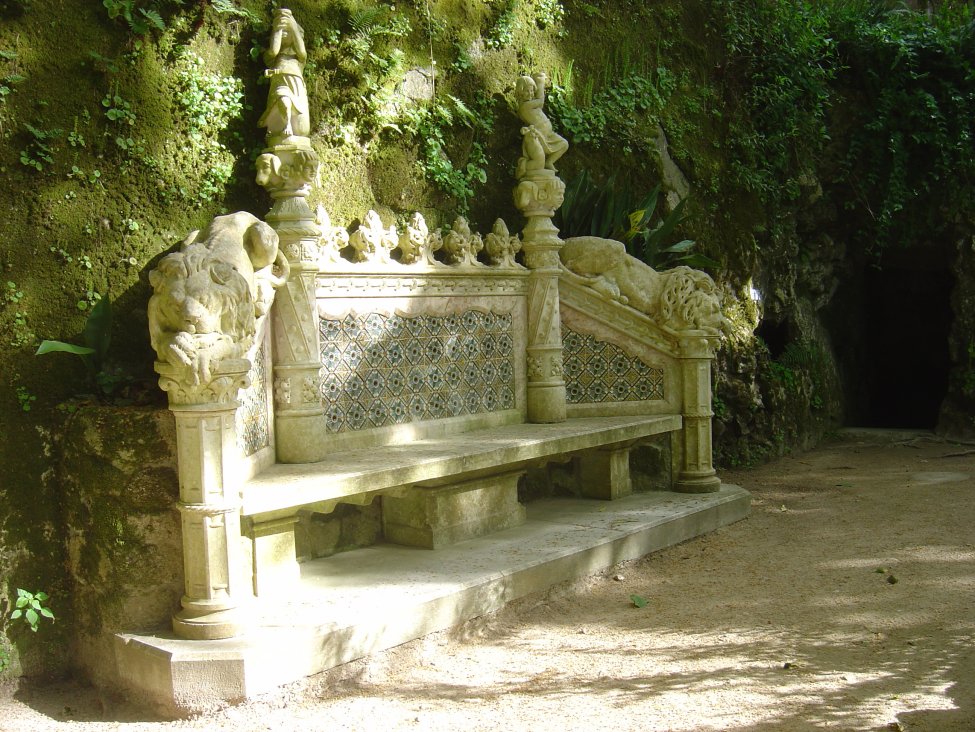
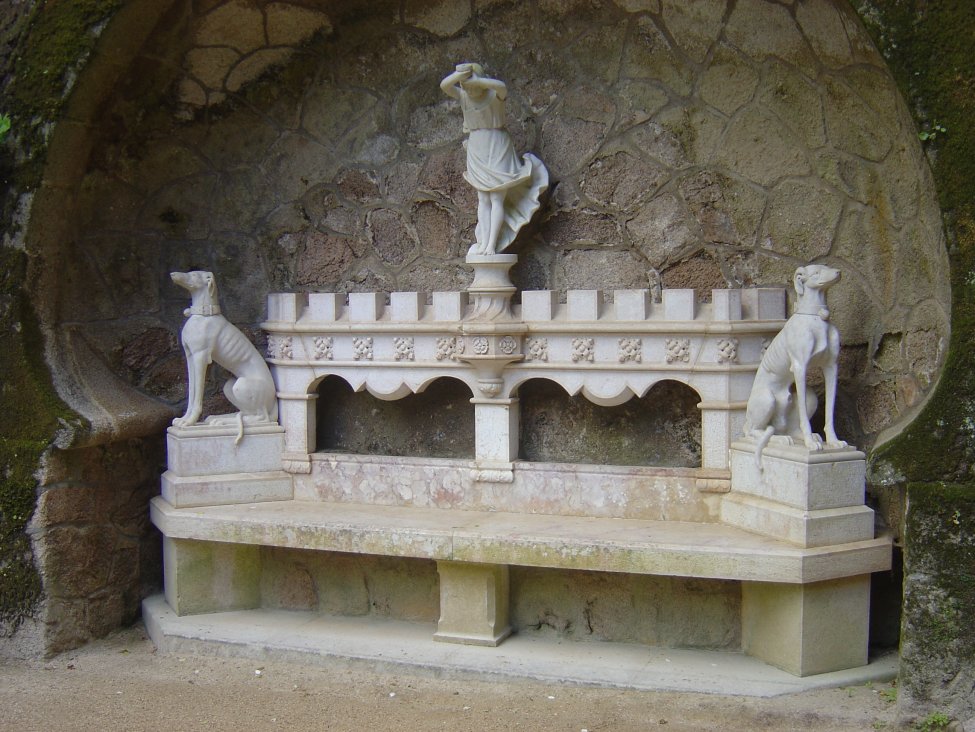
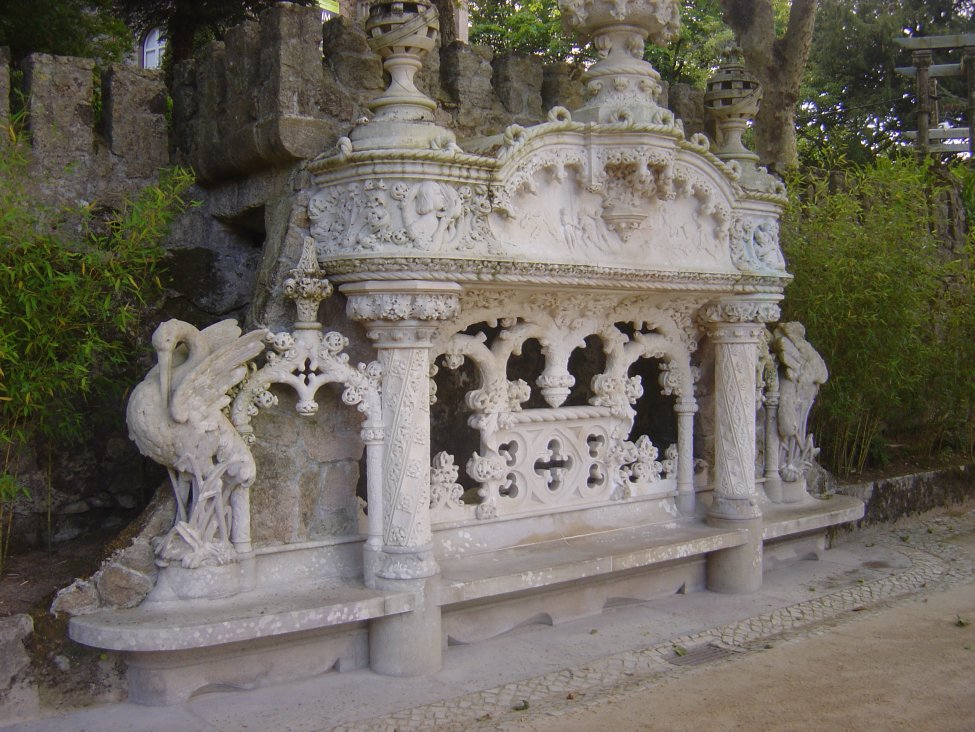
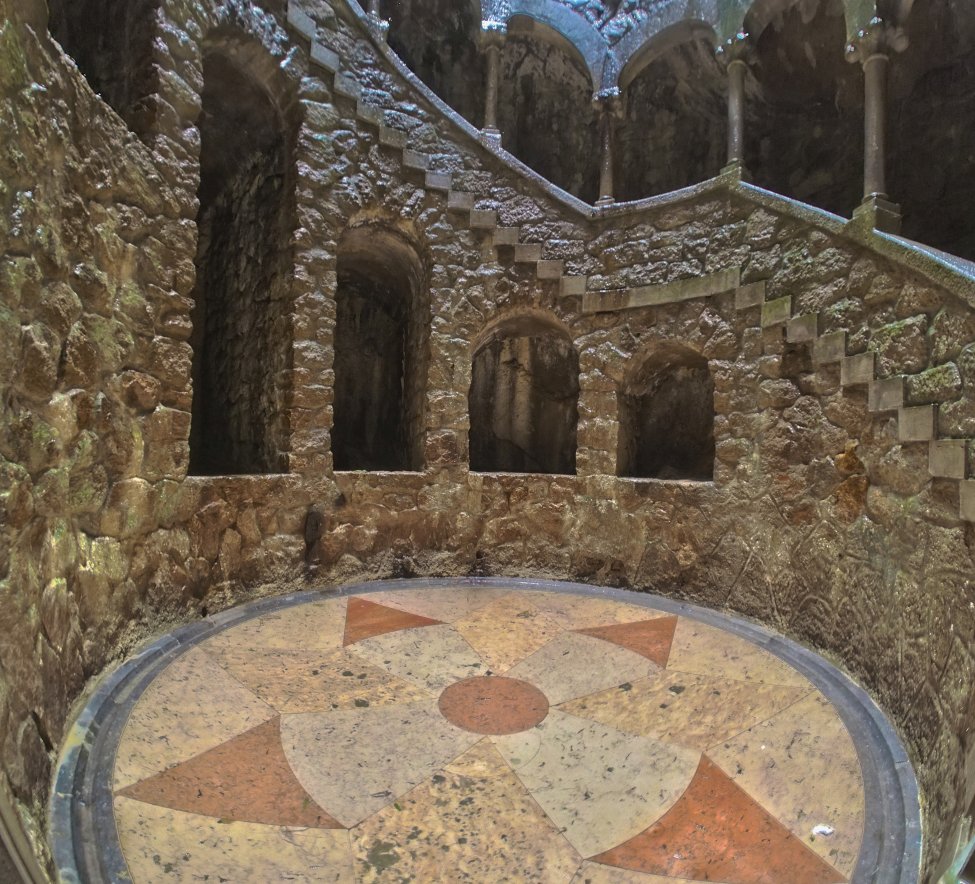
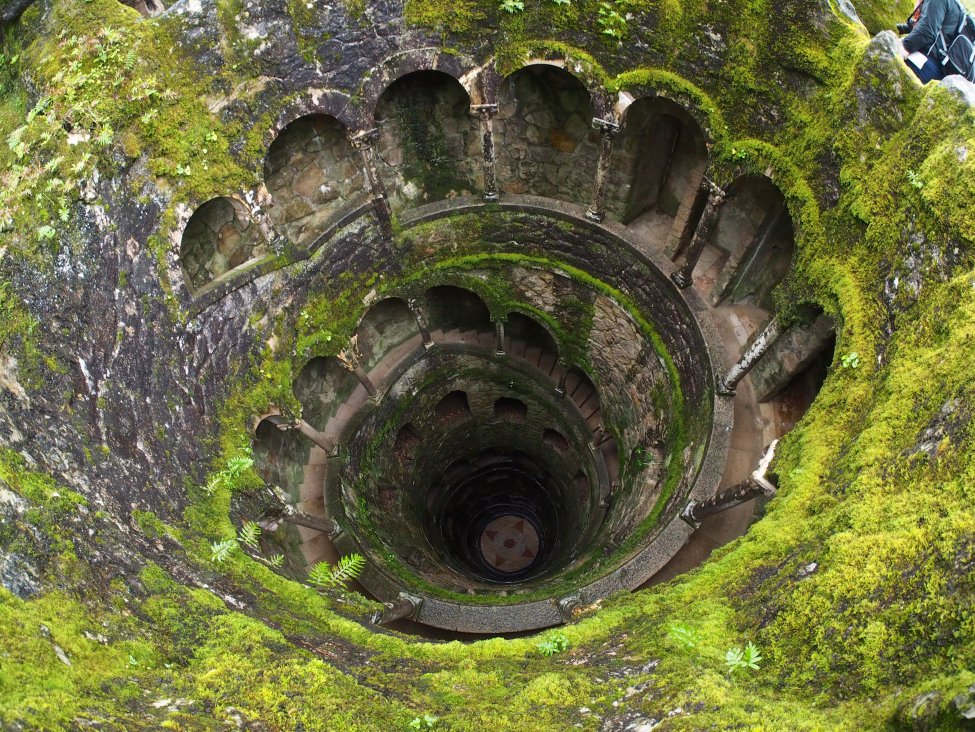
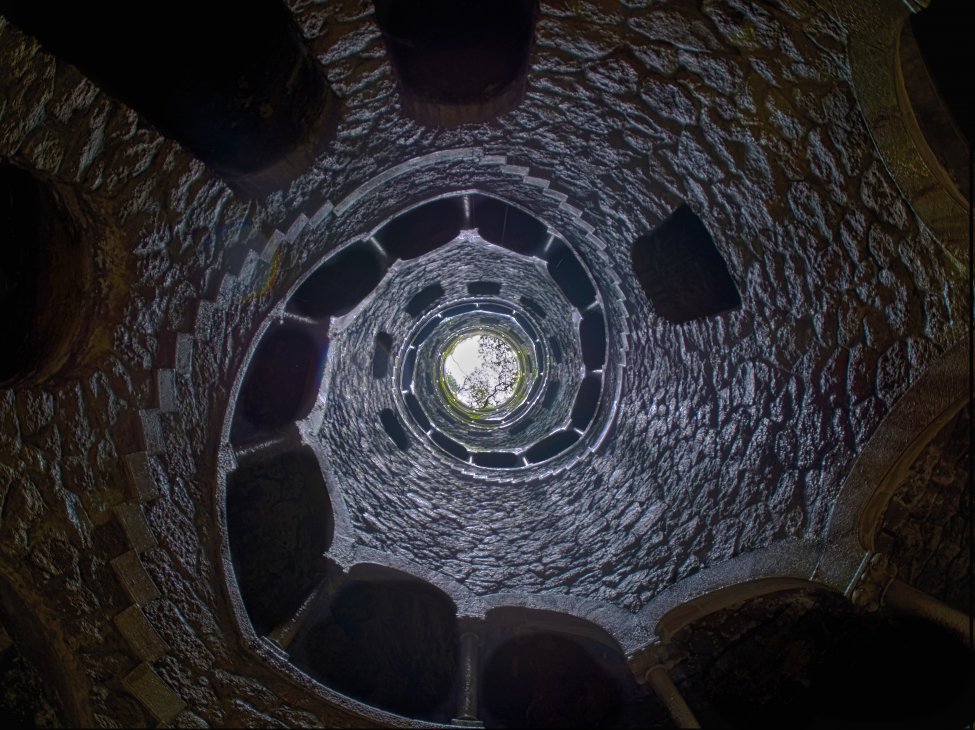
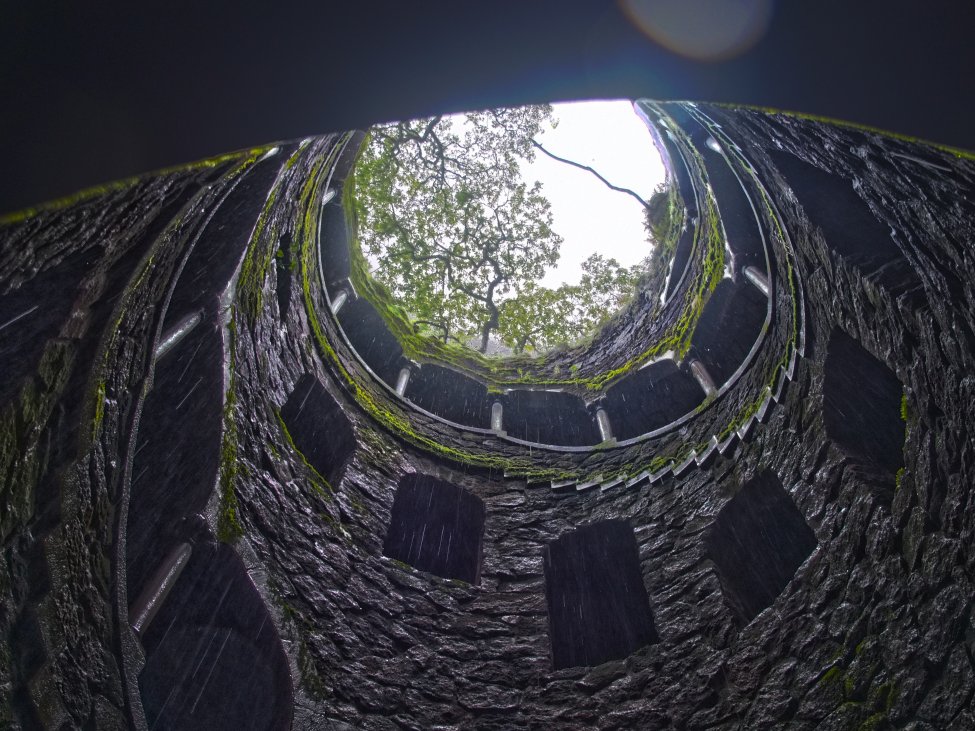
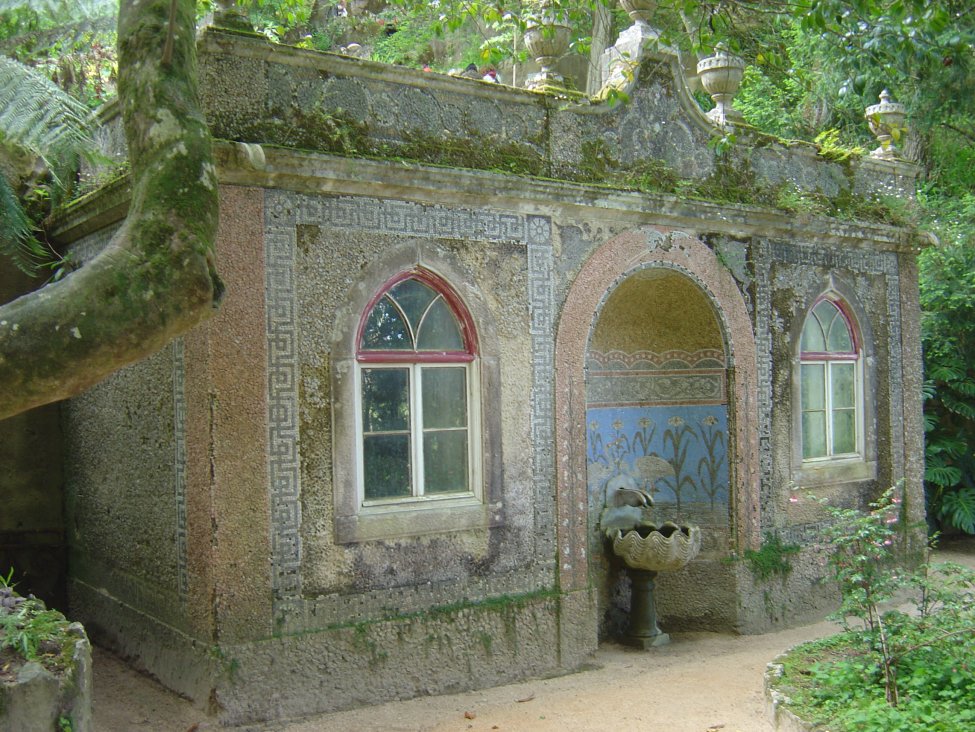
Quinta da Regaleira is a quinta located near the historic center of Sintra, Portugal. It is classified as a World Heritage Site by UNESCO within the "Cultural Landscape of Sintra". Along with the other palaces in the area such as the Quinta do Relógio, Pena, Monserrate and Seteais palaces, it is considered one of the principal tourist attractions of Sintra. The property consists of a Romantic palace and chapel, and a luxurious park that features lakes, grottoes, wells, benches, fountains, and a vast array of exquisite constructions. The palace is also known as "The Palace of Monteiro the Millionaire", which is based on the nickname of its best known former owner, António Augusto Carvalho Monteiro. The palace was designed by the italian architect Luigi Manini.
The land that is now Quinta da Regaleira had many owners over the years. It belonged to the Viscountess of Regaleira, a family of wealthy merchants from Porto, when it was sold in 1892 to Carvalho Monteiro for 25,000 réis. Monteiro was eager to build a bewildering place where he could collect symbols that reflected his interests and ideologies.
With the assistance of the Italian architect Luigi Manini, he recreated the 4-hectare estate. In addition to other new features, he added enigmatic buildings that allegedly held symbols related to alchemy, Masonry, the Knights Templar, and the Rosicrucians. The architecture Manini designed evoked Roman, Gothic, Renaissance, and Manueline styles. The construction of the current estate commenced in 1904 and much of it was completed by 1910.
* note by Irish Balt: How reasonable is this?
The estate was later sold in 1942 to Waldemar d'Orey, who used it as private residence for his extensive family. He ordered repairs and restoration work for the property. In 1987, the estate was sold, once again, to the Japanese Aoki Corporation and ceased to serve as a residence. The corporation kept the estate closed to the public for ten years, until it was acquired by the Sintra Town Council in 1997. Extensive restoration efforts were promptly initiated throughout the estate. It finally opened to the public in June 1998 and began hosting cultural events. In August of that same year, the Portuguese Ministry of Culture classified the estate as "public interest property".
The Regaleira Palace (Portuguese: Palácio da Regaleira) bears the same name as the entire estate. The structure's façade is characterized by exuberantly Gothic pinnacles, gargoyles, capitals, and an impressive octagonal tower.
The palace contains five floors (a ground floor, three upper floors, and a basement). The ground floor consists of a series of hallways that all connect the living room, dining room, billiards room, balcony, some smaller rooms, and several stairways. In turn, the first upper floor contains bedrooms and a dressing room. The second upper floor contains Carvalho Monteiro's office, and the bedrooms of female servants. The third upper floor contains the ironing room and a smaller room with access to a terrace. Finally, the basement contains the male servants' bedrooms, the kitchen (which featured an elevator for lifting food to the ground floor), and storage rooms.
The Regaleira Chapel is a Roman Catholic Chapel, and stands in front of the palace's main façade. Its architecture is akin to the palace's. The interior of the chapel is richly decorated with frescoes, stained glass windows and lavish stuccoes. The frescoes contain representations of Teresa of Ávila and Saint Anthony, as well as other religious depictions. Meanwhile, the floor itself offers depictions of the armillary sphere of the Portuguese discoveries and the Order of Christ Cross, surrounded by pentagrams. Despite its relatively small size, the chapel has several floors.
Much of the four hectares of land in the surrounding estate consists of a densely treed park lined with myriad roads and footpaths. The woods are neatly arranged in the lower parts of the estate, but are left wild and disorganized in the upper parts, reflecting Carvalho Monteiro's belief in primitivism. Decorative, symbolic, and lively structures can be found throughout the park.
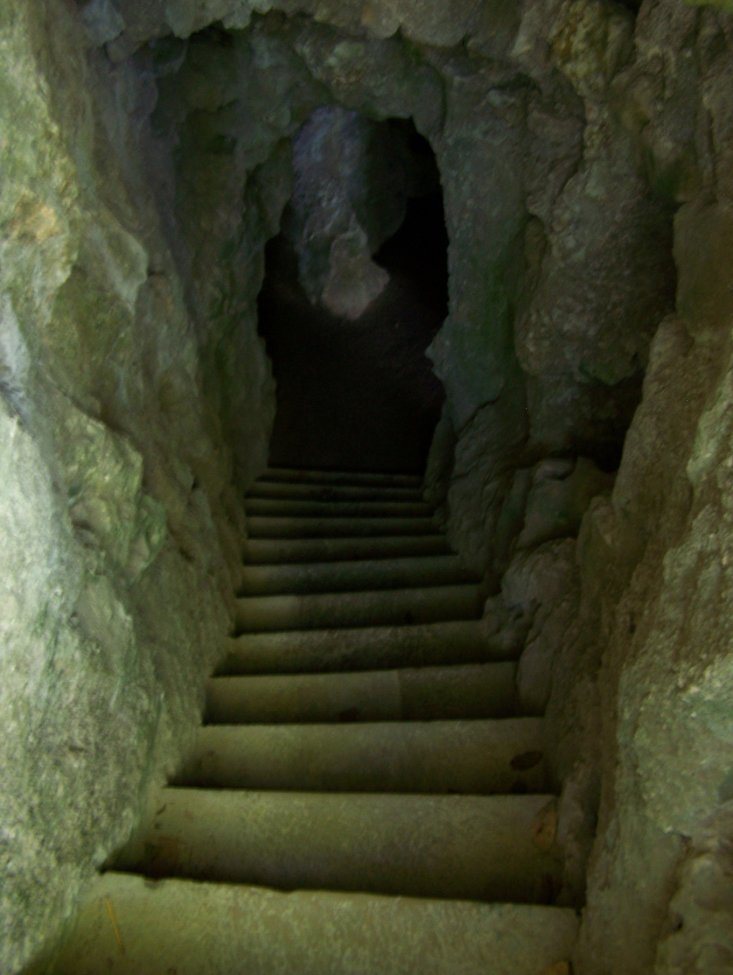
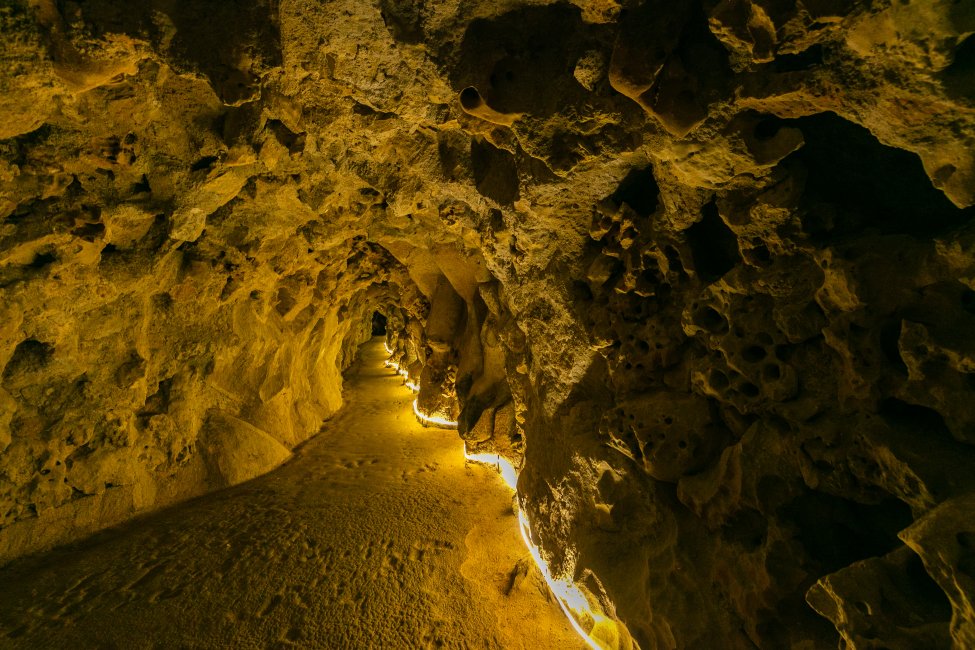
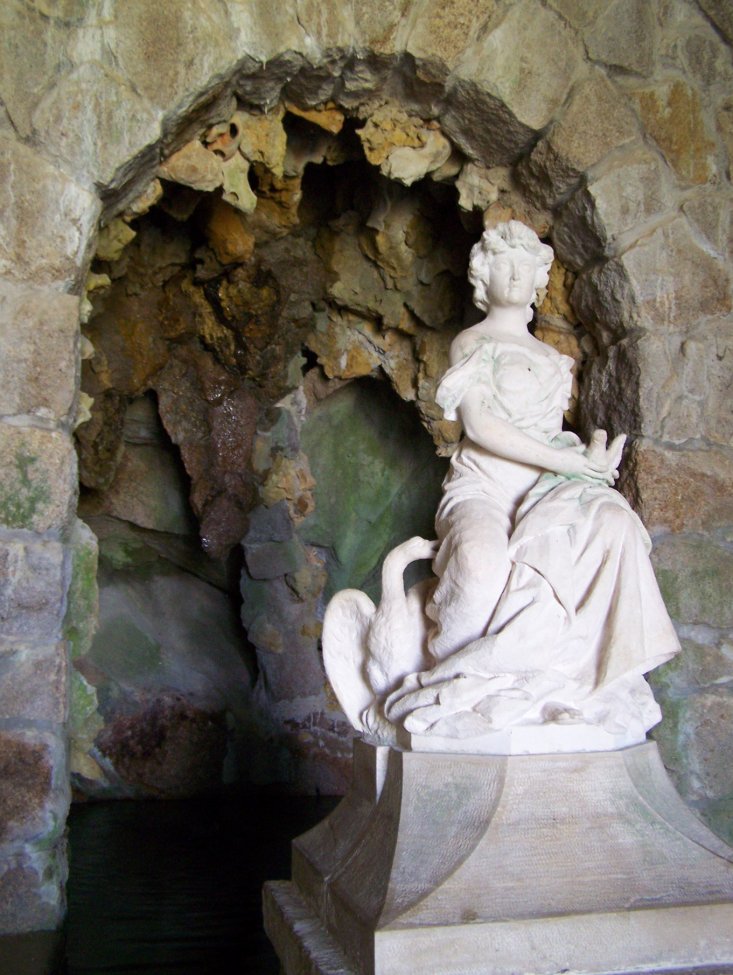
The park also contains an extensive and enigmatic system of tunnels, which have multiple entry points that include: grottoes, the chapel, Waterfall Lake, and "Leda's Cave," which lies beneath the Regaleira Tower. The "Initiation Well" (see next section) connects to other tunnels via a series of underground walkways.
Initiation Wells
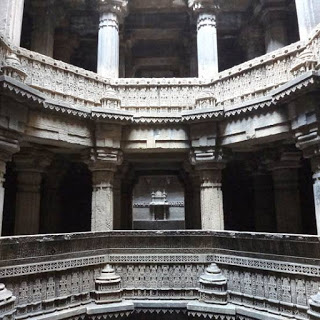
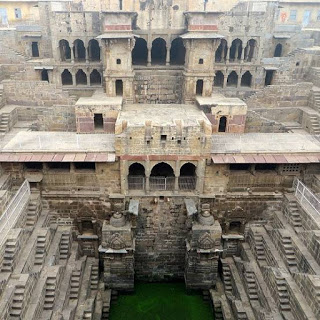
The Initiation Wells (also called initiatic wells or inverted towers) are two wells on the property that better resemble underground towers lined with stairs. These wells never served as water sources. Instead, they were used for ceremonial purposes that included Tarotinitiation rites. The tunnels described above connect these wells to one another, in addition to various caves and other monuments located around the park. Of the two wells, the larger one contains a 27-meter spiral staircase with several small landings. The spacing of these landings, combined with the number of steps in the stairs, are linked to Tarot mysticism. The smaller well contains straight stairs that connect a series of ring-shaped floors to one another.[2] This well is also called the 'Unfinished Well'.Bodies of water can be found in several places in the park. Two artificial lakes and several fountains were added by Monteiro. One of the most interesting and extravagant among them is the Aquarium, built as if it were naturally embedded in a large boulder. It was once considered the most important naturalist property in Regaleira. However, the Aquarium is no longer used and is poorly maintained.
So, one may begin with the idea that the official narrative is suspect. Then the real exploration begins.
We understand according to official history that: Lisbon earthquake – 1531 Very violent, with a tsunami, 30.000 mortal victims.
So if there was a booming civilization and the survivors, evacuated the area for a time, would it not make sense that upon their return they would revisit estates of theirs or those they had known, make claim to them and resurrect in some form their former glory.
It is VERY difficult to find anyone willing to really questions this narrative and the site brings in loads of tourists, so really who would want to upset this money maker and disagree with a profitable business model.
So officially, Antonio Augusto Carvlho Monteiro, was a known Freemason and with the help of Italian Achitect Luigi Manini, set about designing and constructing the four hectare estate with it enigmatic buildings, parks and tunnels which are laden with symbols related to alchemy, masonry, the Knights Templar and the Rosicrucians.
António Augusto Carvalho Monteiro (1848 – 1920), also known as Monteiro dos Milhões (Monteiro the Millionaire), was an entomologist born to Portuguese parents in Rio de Janeiro. He inherited a huge family fortune, which he enlarged in Brazil by selling coffee and precious stones, which soon made it possible for him to leave for Portugal.
Now why would this super wealthy man whose parents were from Portugal build such an extravagant place? This is what I posit, or my theory as it were. I believe that the catastrophes in Portugal were so great that this family left to their holdings in Brazil (possibly to hide from persecution from Catholics), where they expanded their wealth in trade. When things had settled down, the son of the family returned to claim or buy lands that were once theirs. I believe that this family was Jewish. I furthermore posit that these grounds held some kind of sacred meaning for this family or possibly to those within their family's mystery school.
In this place in Portugal there might have been a group in practice using the site as a place of ritual.
Here is some background:
After the establishment of the Zoharic corpus, no major changes took place in Jewish esoterism until the middle of the 16th century, when a religious centre of extreme importance for Judaism, mainly inspired by teachers coming from families expelled from Spain, was established in Safed (in Upper Galilee, Palestine; present-day Ẕefat, Israel). Kabbalistic literary output had been abundant in Spain until the expulsion in 1492 and in Italy and the Middle Eastduring the following two generations, but it was primarily a matter of systematizing or even popularizing the Zohar or of extending the speculation already developed in the 13th century. There were also some attempts at reconciling philosophy and Kabbala.
Here is some insight:
The expulsion from Spain and the forced conversions to Christianity in both Spain and Portugal were profound tragedies. These events accentuated the existing pessimism caused by the dispersal of the Jews among the nations and intensified messianic expectation. This expectation most likely contributed to the beginnings of the printed transmission of Kabbala; the first two printed editions of the Zohar date from 1558. All these factors, joined with certain internal developments of speculative Kabbala in the 15th century, prepared the ground for the new theosophy inaugurated by the teaching of Isaac ben Solomon Luria (1534–72), who was born in Jerusalem, educated in Egypt, and died in Safed. Although his teaching is traditionally associated with Safed, he spent only the last three years of his life there. Luria wrote very little; his doctrine was transmitted, amplified, and probably somewhat distorted through the works of his disciples, especially Ḥayyim Vital (1543–1620), who wrote ʿEtz ḥayyim(“Tree of Life”), the standard presentation of Lurianic Kabbala.
The final phase of persecution in Spain was the Edict of Expulsion (Alhambra Decree) in 1492, the same year as Columbus sailed to America. Jews were given the choice of converting, hanging, or leaving. They could take personal possessions, but not gold, silver or minted money. Estimates of those affected vary from 80,000 to hundreds of thousands. Many sailed east to Italy and the Ottoman Empire. Some went to ancient Jewish communities in North Africa. Many sought refuge in neighbouring Portugal, a case of "out of the frying pan, and into the fire", as in 1497 all Jewish children in Portugal were abducted by the State and baptised. Jews were denied the right to emigrate. When the plague came to Lisbon, there were the customary massacres of Jews.
In 1516, swollen with Jewish refugees, Venice created the first Ghetto, named after an old industrial quarter of the city.
The effect of the Spanish Expulsion was a huge influx of Spanish Jews into the towns of the Ottoman Empire. They brought with them their books and traditions and energy. Safed, a hill town in Galilee, had a wool industry, and soon had a large and thriving community. At its peak the town contained an extraordinary number eminent Talmudists and Kabbalists, including Solomon Alkabetz, Joseph Karo, Moses Cordovero, Isaac Luria, Hayyim Vital and many others.
It is often the case that before something new can happen, the past needs to brought into a sharp focus. This was the case with Moses Cordovero (1522-1570). He created what was probably the finest summation of Kabbalah until his time in the monumental Pardes Rimonim (Garden of Pomegranates). He founded an academy for the study of Kabbalah that included two outstandingly influential pupils, Isaac Luria (1534-1572) and Hayyim Vital(1543-1620).
It was Isaac Luria who transformed Kabbalah with a darkly gnostic vision. Gone was any vestige of Neoplatonism, with its dependent chains of being harmoniously and providentially supported by the One. Luria's divine creation was marked by catastrophe. Inspired by a verse in the Zohar that claimed that God had created many universes and destroyed them, Luria set human existence amidst the wreckage of failed creation. Like a mad chemist blowing up the laboratory, the divine powers did not find a stable configuration, and shattered. Things slipped out of place. Remants of the divine - sparks of divinity - were carried into the abyss of darkness. The physical world of Luria's vision is a place of essential and intrinsic impurity, a mixture of the divine sparks and the dead husks (klipot). Mosaic injuctions relating to the pure and impure gained a deep metaphysical significance. However, although the universe is fractured, it can be restored by mystical unifications, and divine sparks can be liberated from the realms of impurity (see Tikkun Olam).
Although Luria's insights appear to come from the Zohar, his readings are darker and more dynamic, closer to the gnostic myths of late antiquity. It is tempting to believe that his descriptions of a broken cosmos appealed to so many Jews because of their everyday social experience of being exiled in a broken universe filled with exclusion and malevolence.
Luria gave all his teachings orally, and it was Hayyim Vital who created the written records of these new insights. Vital attempted to control the dissemination of Luria's teachings, but they spread rapidly throughout Europe, and still predominate to this day.
Messianism was intrinsic to Luria's worldview of catastrophe and repair. A consequence of the political and social hostility towards Jews in Europe was the belief that a Messiah would come and liberate the Jewish people from their precarious existence at the mercy of hostile powers. There were various claimants for the title of messiah, but the most important was Sabbetai Zevi (1626-1676).
Zevi was a charismatic and almost certainly bipolar. He was subject to extreme swings of mood and behaviour, oscillating from severe ascetism and piety to shocking acts that violated Jewish law, and resulted in his expulsion from several communities. Nathan of Gaza, a young Kabbalist much influenced by the Zohar and the ideas of Isaac Luria, had visionary experiences that disposed him to believe that Zevi was the messiah. A messianic fervour swept through Jewish communities all over Europe. People sold their possessions and set sail for the Holy Land.
In 1666 Zevi and followers set out for Istanbul, and Zevi was promptly imprisoned by the Turkish government. Zevi was pressured to adopt Islam, and he and about three hundred Jewish families converted. This discredited the Sabbatian movement amongst most Jews, but the movement did not fade away. His ardent followers went underground. Sabbateanism rumbled on for centuries and many important Rabbis were suspected of being crypto-Sabbatians. Various injunctions against the study of Kabbalah date from the backlash against socially-disruptive messianic madness.
To sumarize the above and tie it back in:
So from the 15th century forward to today there was an offshoot of Judaism that was far from conventional and according to many masters, all mystery schools begin and end with the Babylonian Talmud, the Zohar and the Kaballah, for without these there is no mystery school. So in this thesis I am (on some inference) attempting to link this site to both a catastrophe, an unknown prominence among the wealthy in Portugal, possibly the family of Montiero AND the secret and often confounding world of Jewish "mysticism".
How is that for a start?
Note: This OP was recovered from the Sh.org archive.
Note: Archived Sh.org replies to this OP are included in this thread.




 .
.


