

- Joined
- Sep 1, 2020
- Messages
- 147
- Reaction score
- 73
Hopefully I am not duplicating someone else's efforts and posting something unique to SH. Feel free to correct or interject either publicly or privately, especially if there is something that I can do better. Thank you and I hope you find this as interesting as I did.
LET'S TALK ABOUT BELLS
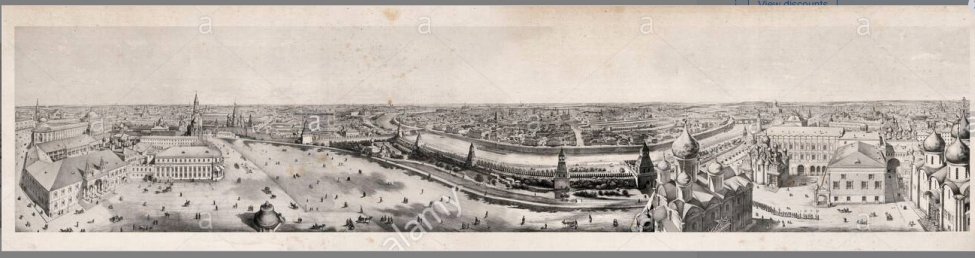
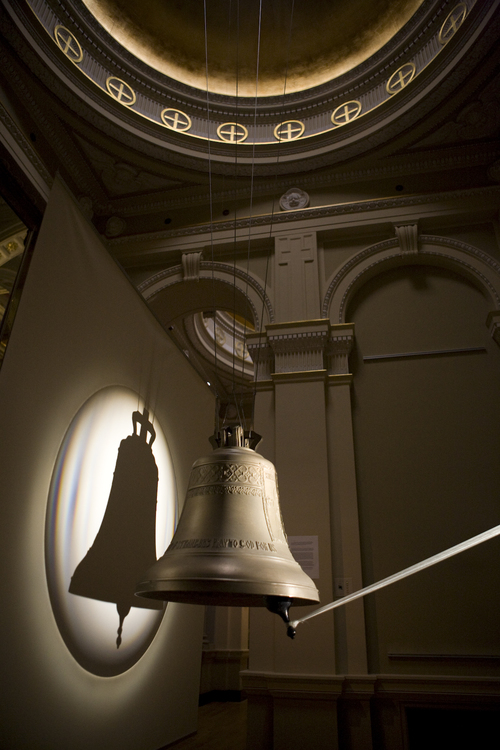
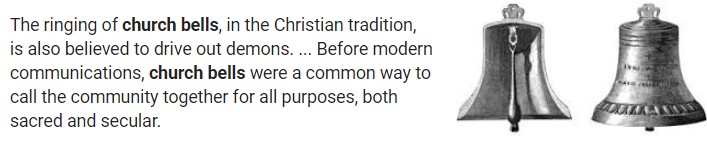

Specifically, we are going to talk about THE TSAR BELL, THE ROYAL BELL, Tsar Kolokol III, Царь–колокол\
(In Summary: I am exploring if the Tsar Bell was just a vanity project or if it was something more. Also, was it ever rung?
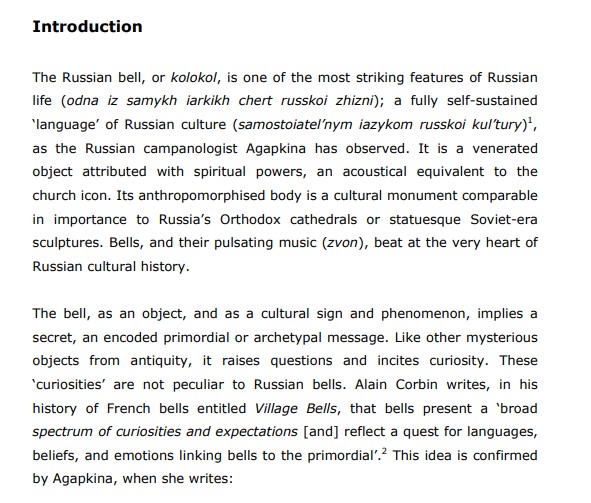
Let's begin by saying that Russians take their bells very very seriously. It is a sacred art, going back to the 10th century, with secrets that are passed down from generation to generation. Here is a little intro, along with the very famous Ivan the Great Bell Tower and Kolokol III, the main subject of our discussion.
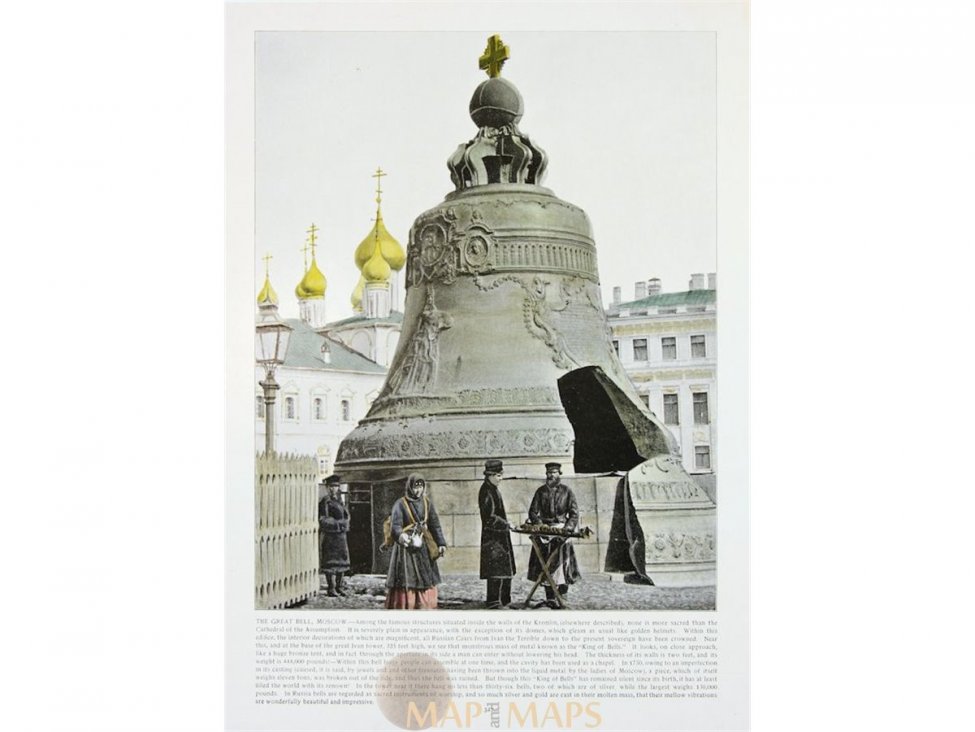
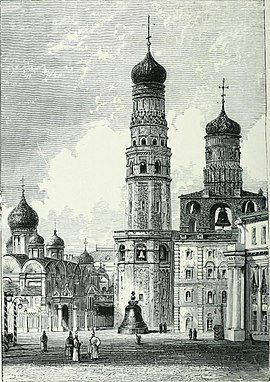
Voltaire joked that the Kremlin's two greatest items were a bell which was never rung and a cannon that was never fired.

Some Facts:
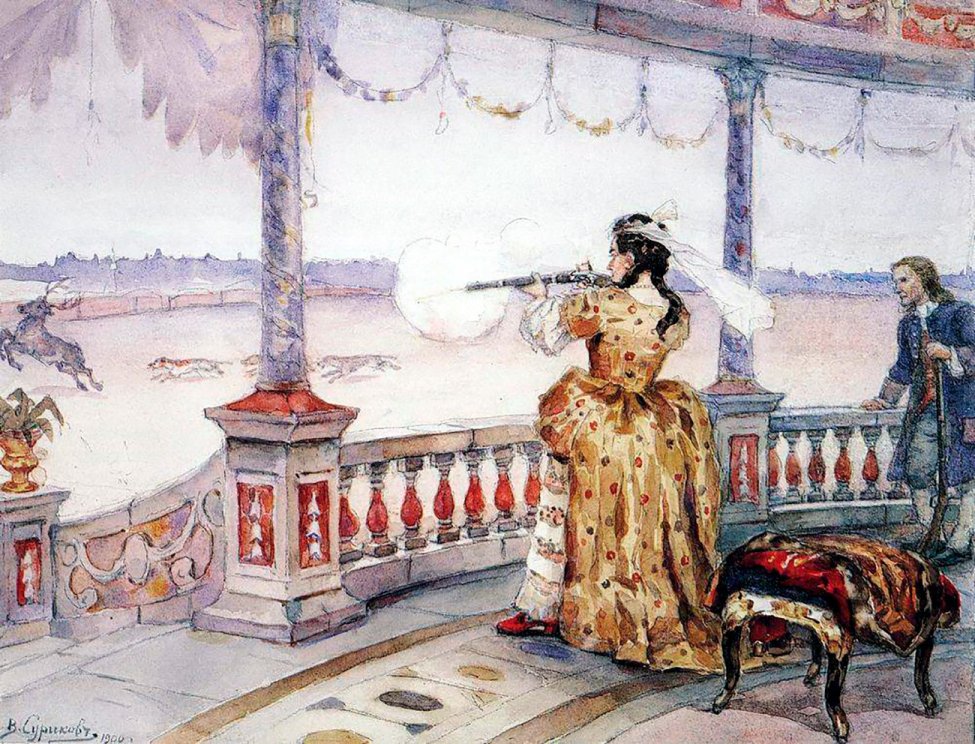
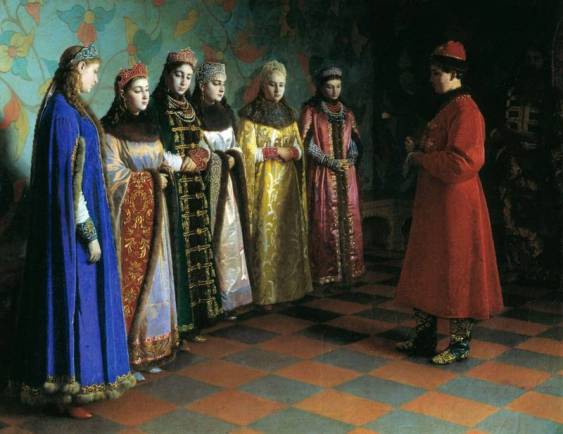
The Royal Bell was the 3rd in a series and the largest "living" bell at the time of its construction. It was commissioned by Empress Anne at the direction of Tsar Alexi, who was the Tsar of Russia when it was begun. Empress Anne would take power shortly after Alexei's heart attack (and subsequent death) and aggressively pursue the completion, seeing it as a symbol of almighty Russia. Here are paintings of Alexei and Anne, favorably rendered so as to show the strength and benevolence of Russia's Rulers. In reality, Empress Anne's reign would be considered a dark time.
SOME PHOTOS DEPICTING BELL FOUNDRIES AND THE CREATION OF BELLS -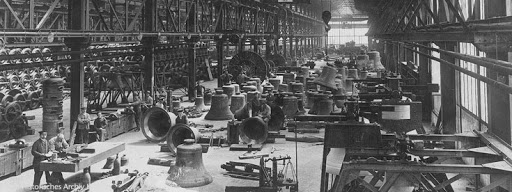
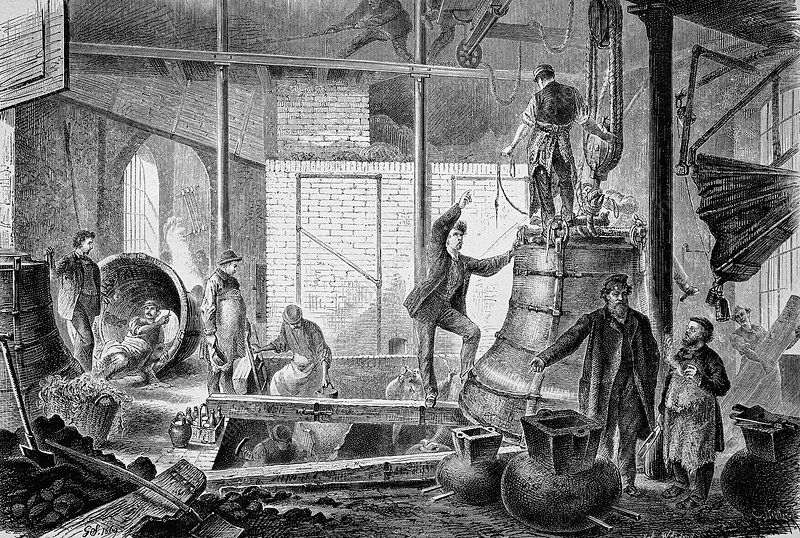
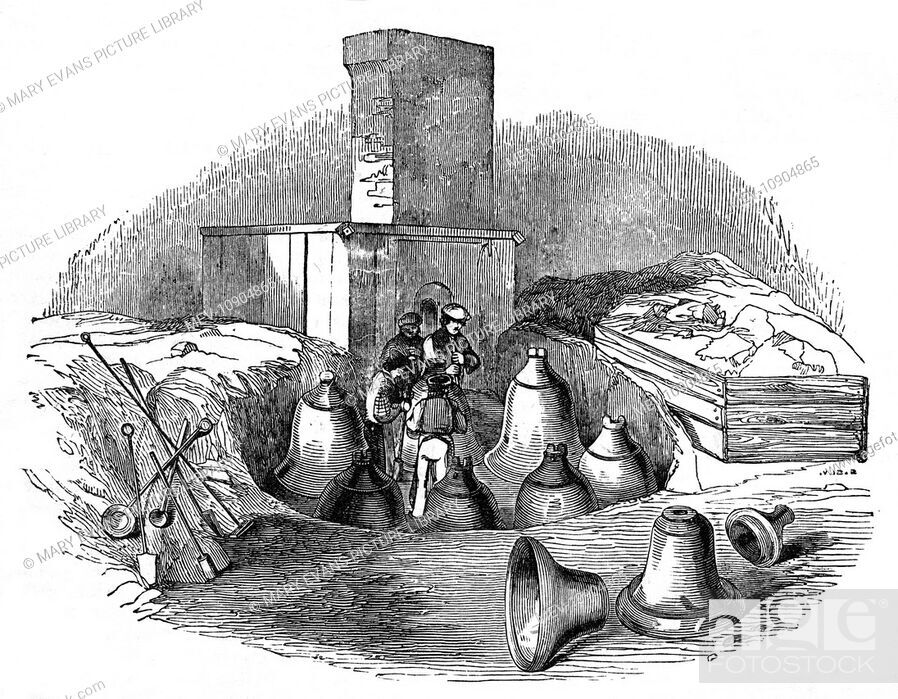
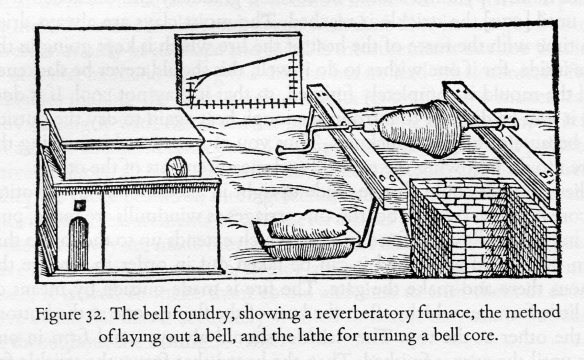
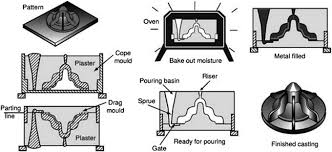
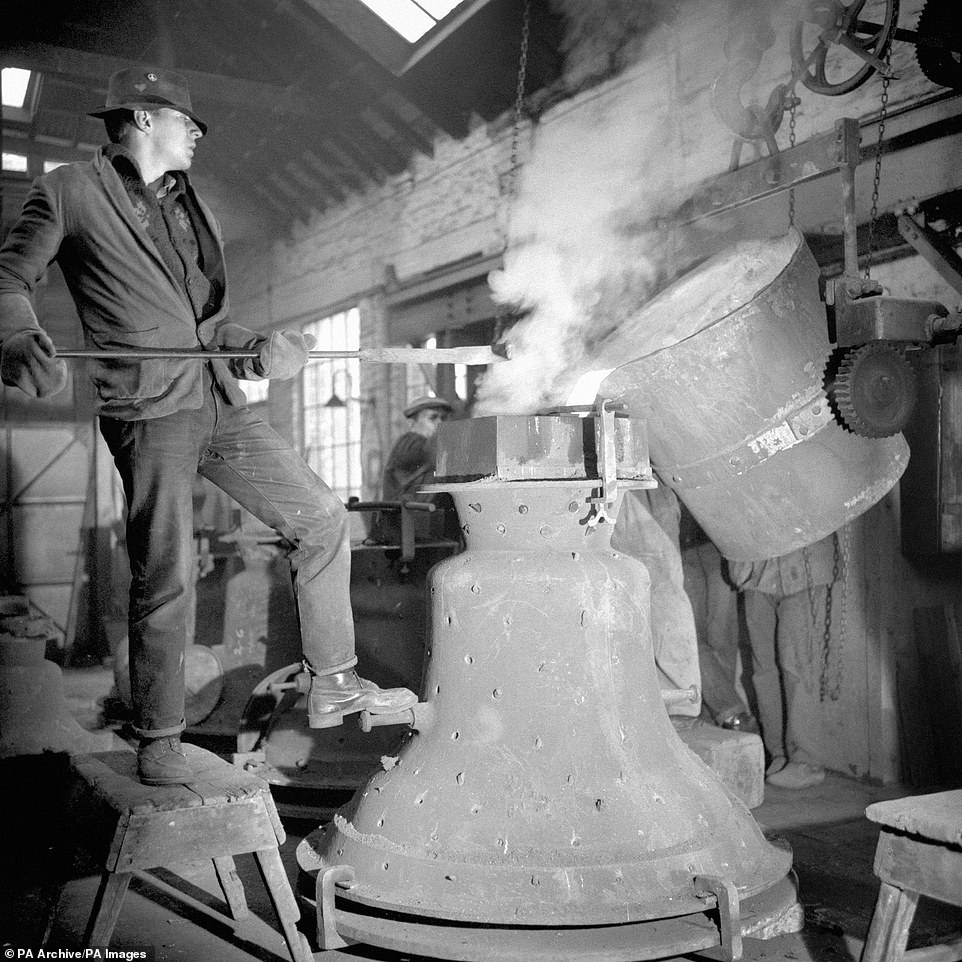
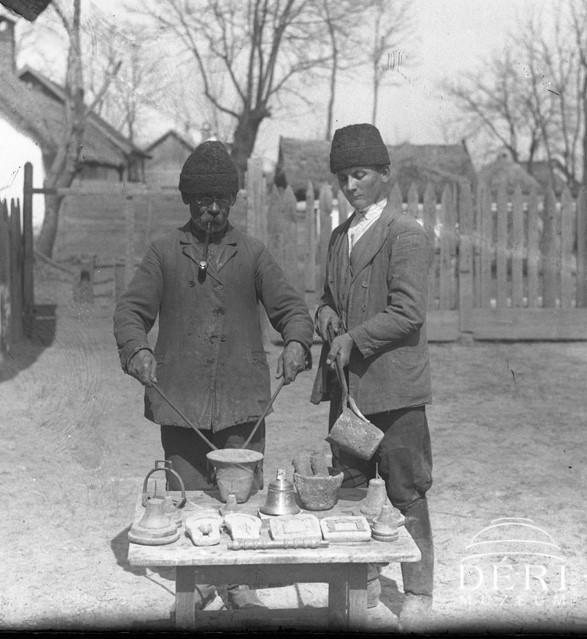
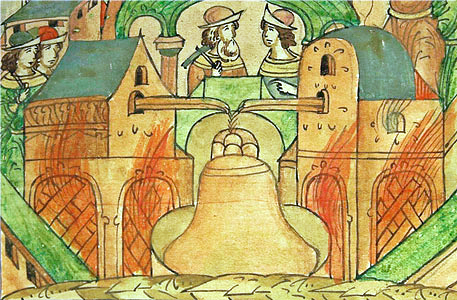
n these photos we see two ways of making bells: mold and pour method for smaller bells,
and pit building for larger bells. The Tsar Bell would require a 33 foot deep pit.
General Description of this Russian Bell:
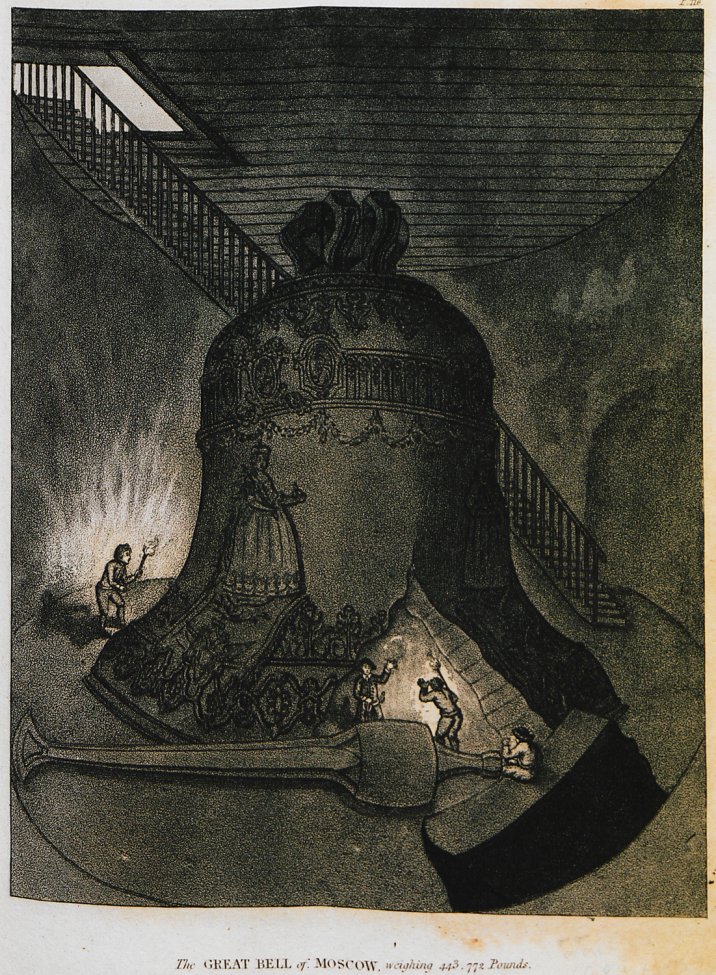
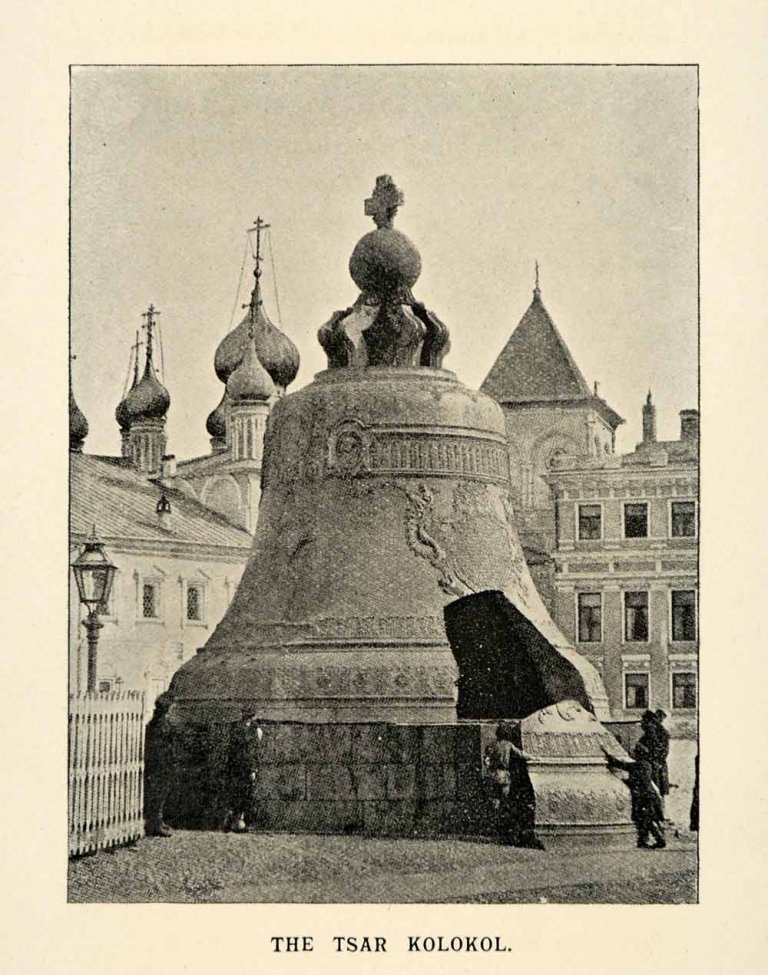
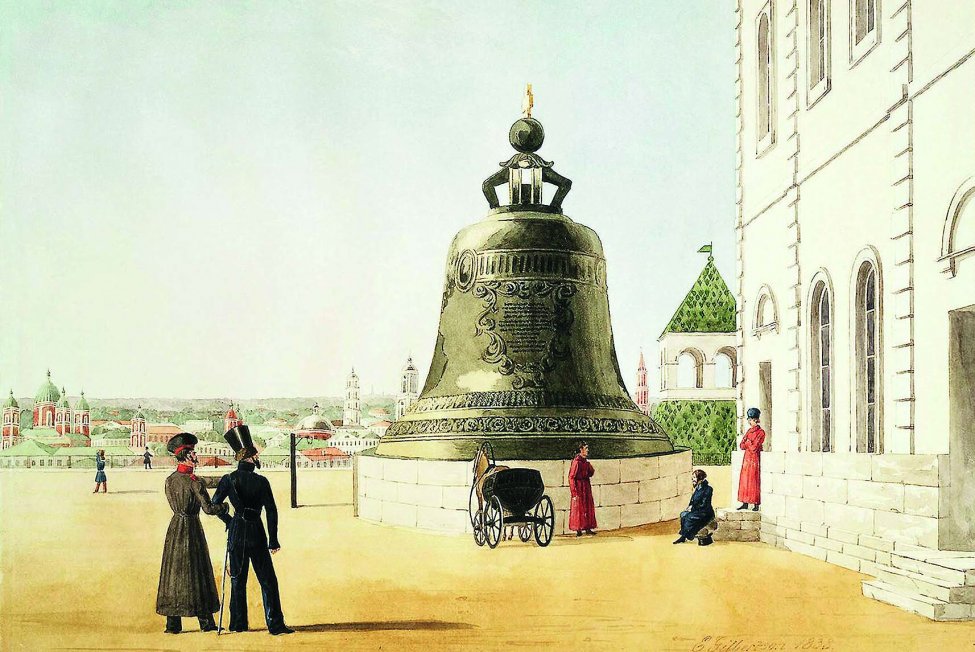
The Royal Bell or Tsar Bell, was the largest bell in the world at the time of its construction. It was commissioned in 1733. The previous two bells were commissioned and constructed in 1600 and 1655, respectively. All three bells were rendered inoperable due to fire. The first one, Kolokol I, was approx 20 tons. The second was approx 130 tons. Kolokol II was destroyed in 1701. Both I and II were incorporated into Kolokol III, which weighs about 200 tons, is 20 feet high and 22 feet around at the widest point. It's two feet thick. It lost a fragment during the fire, this fragment weighs 25,400 lbs and is on display with the main body between the Great Bell Tower and the Kremlin Wall. The bell is heavily decorated and includes nearly life sized images of Empress Anna and Tsar Alexey.
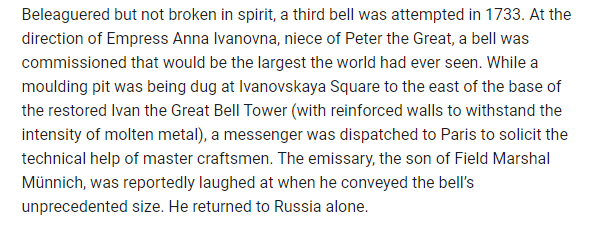
The winning bid went to Bellmaker Ivan Motorin and his son, Mikhail, who carried on the work when his father passed away. Once completed engravers were summoned to put the finishing touches on the still warm bell while it was in its' wooden gantry:
The decree of July 26, 1730 read:
(Close-ups of some of the engravings from current time):
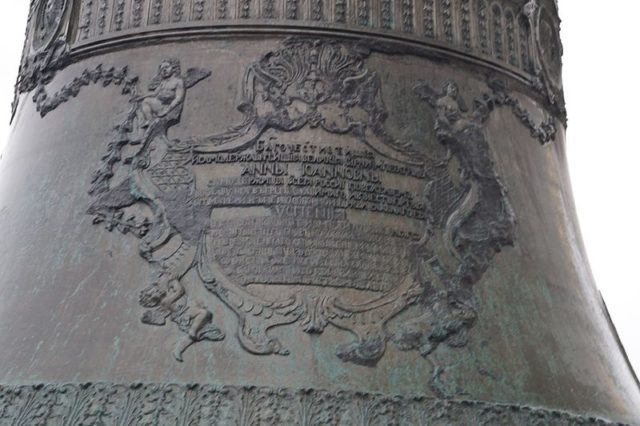
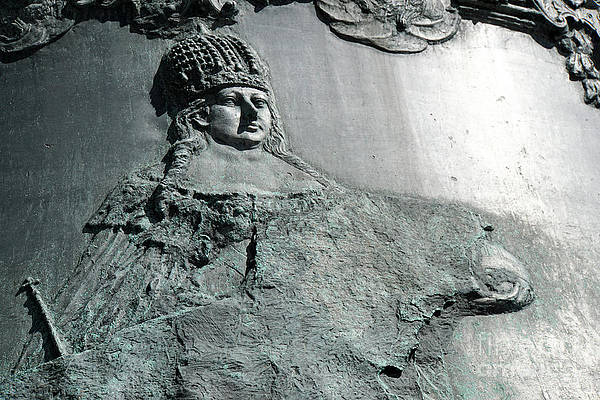
The Bell in its' Wooden Gantry:
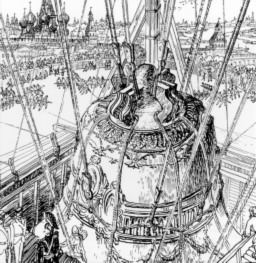
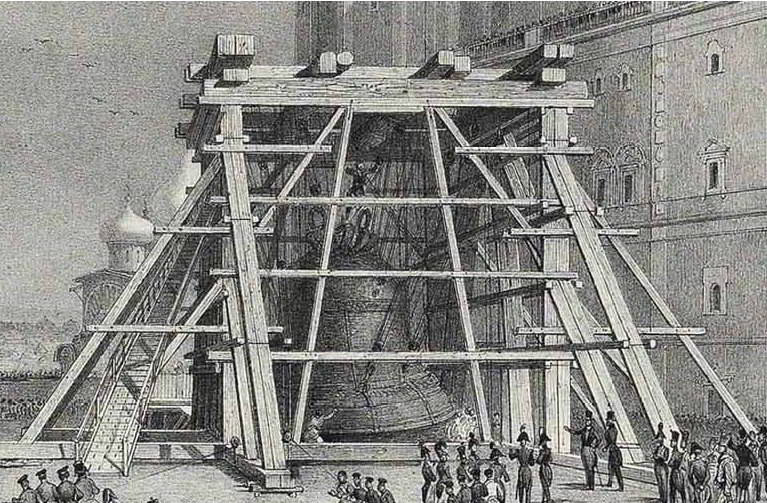
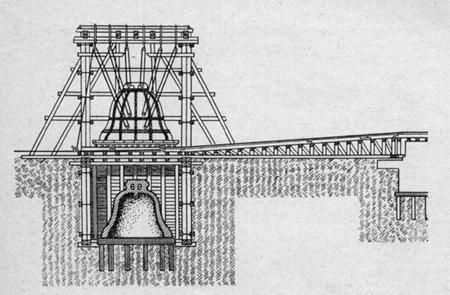
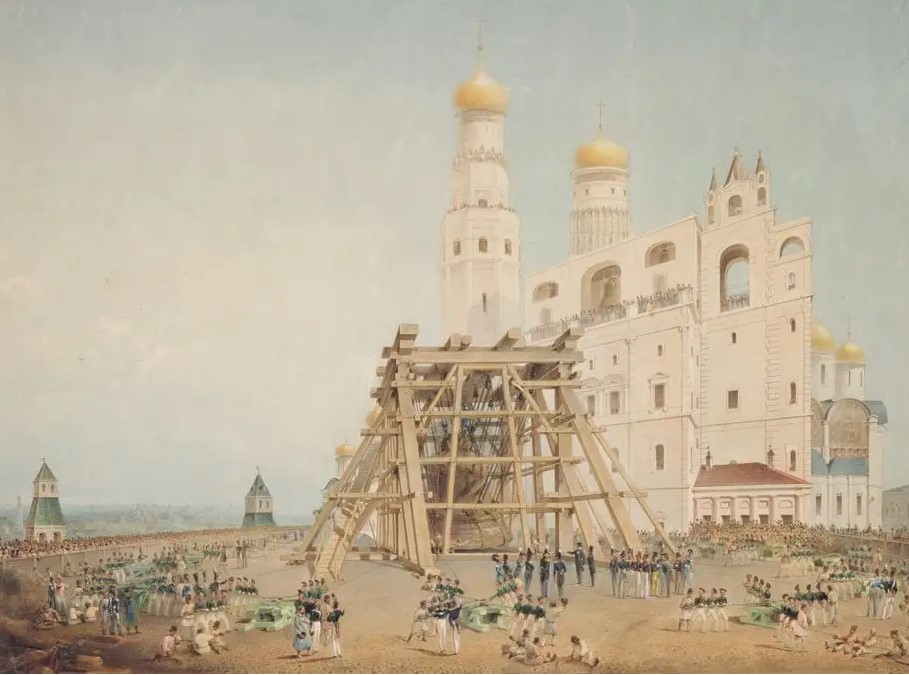
"Before the final ornamentation was complete, a fire swept through the Kremlin in May 1737 and reached the temporary wooden structure built around the bell. Fearing the worst, guards heaved cold water onto the conflagration. The dramatic difference in temperatures caused 11 cracks to ripple through the casting and an 11-ton section fragmented from the rest. The wooden supports gave way and the damaged bell sunk back into the casting pit. It remained there for almost a century, with several futile attempts to lift it.
Even Napoleon considered marching the bell back to Paris as a trophy from his conquest of Moscow in 1812, but was baffled by its sheer scale. At 20.1 feet tall, 22 feet in diameter, and a thickness of up to 2 feet, the bell is estimated to weigh between 202 and 220 tons."
Some say the bell was cursed because Empress Anne was continuing the tradition of transitioning from the Muscovy ways to European Ways, discarding tradition and old beliefs in favor of overspending on gaudy expressions of wealth and power.
In 1836 it was finally raised by this guy:
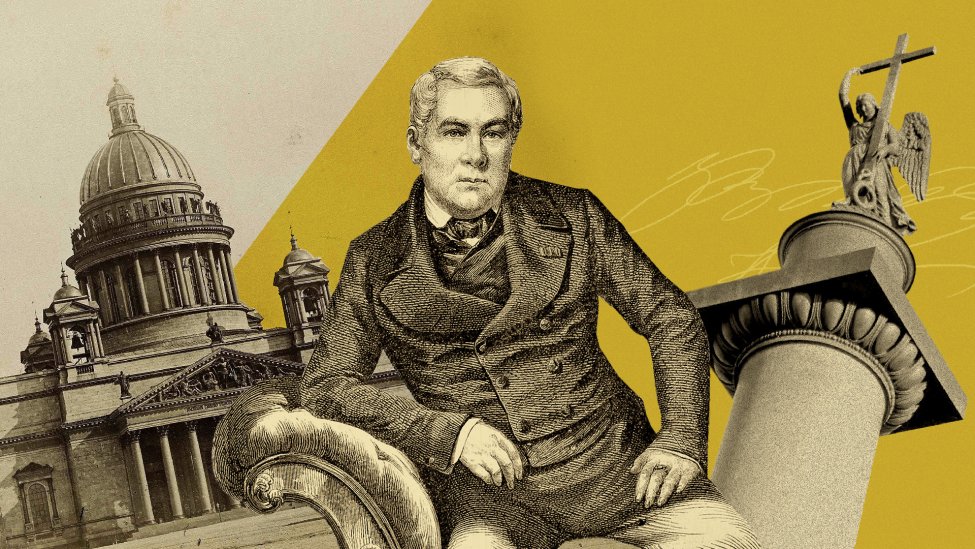
Auguste de Montferrand - who was also involved with Alexander's Column (see KD thread of same name)
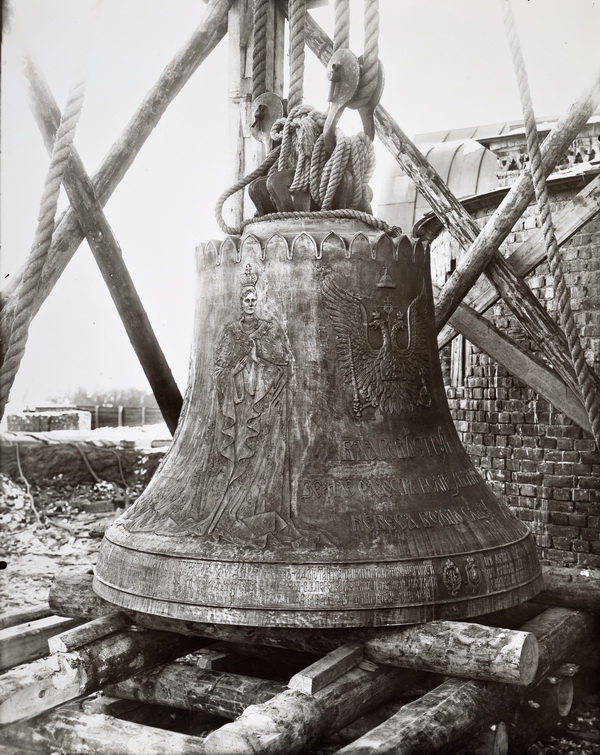
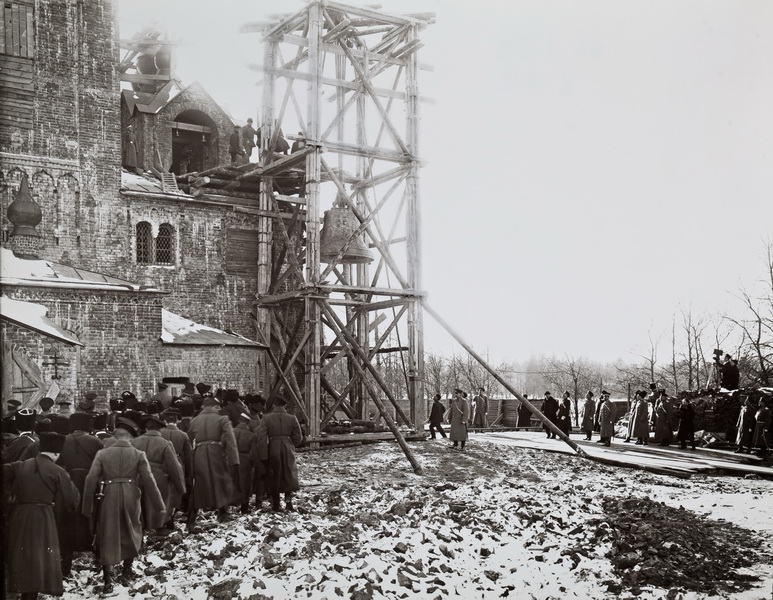
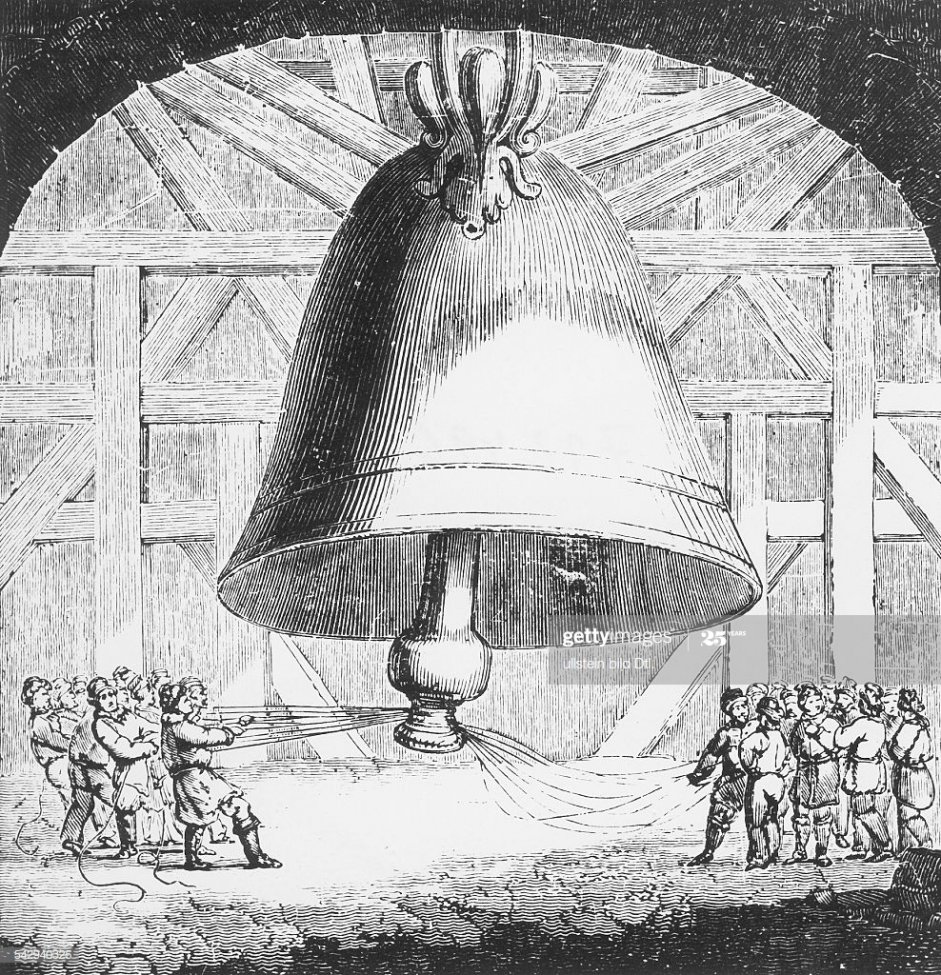
Here we have pictures of the raising in 1836:
Placed in final position, where it remains to this day:
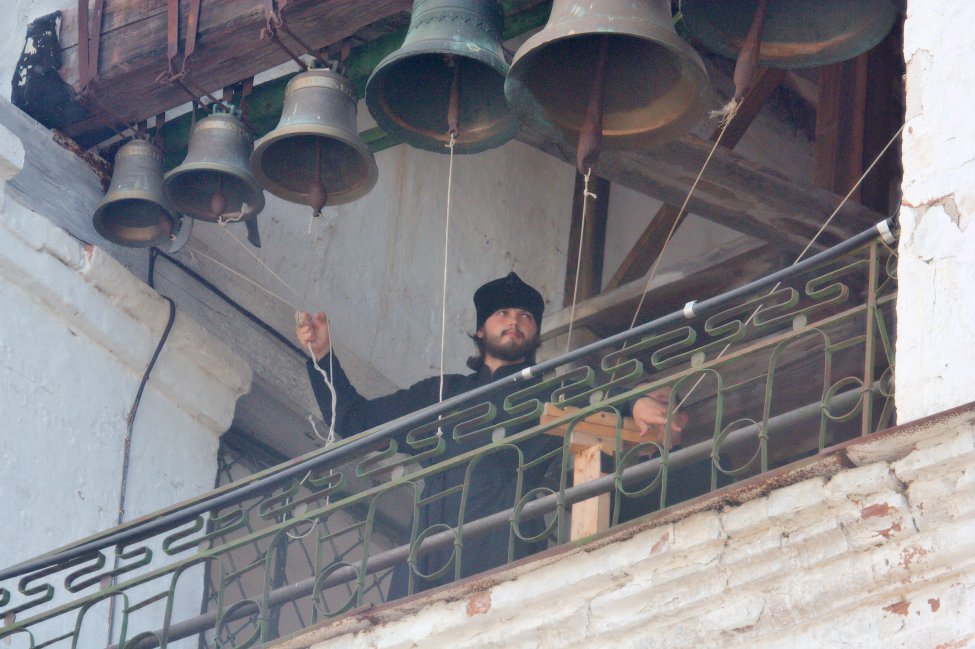
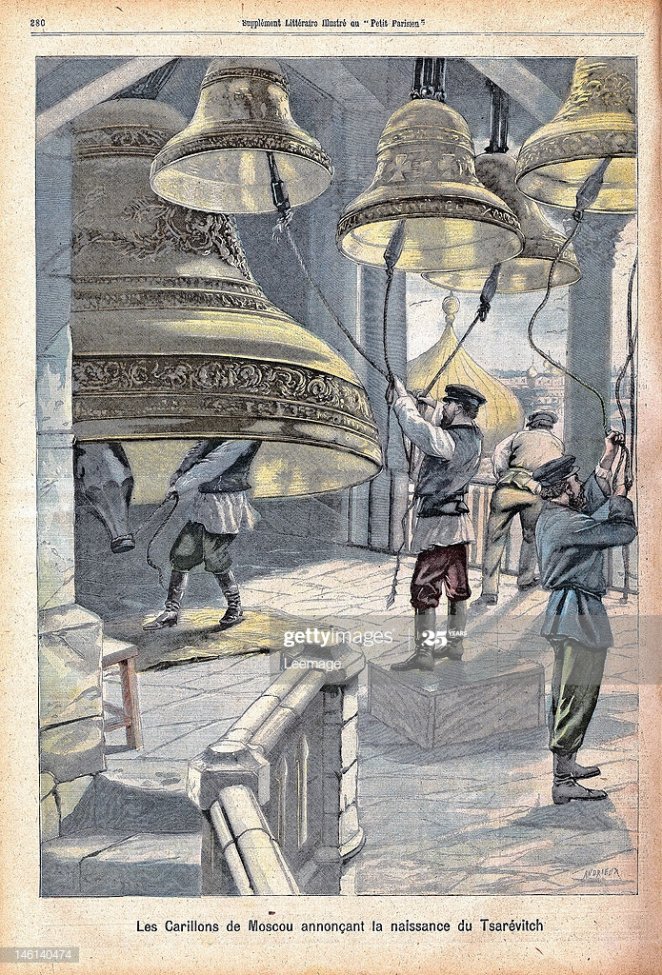
The ringing of the bells is a skill that requires both heavy schooling and, possibly, a lot of manpower:
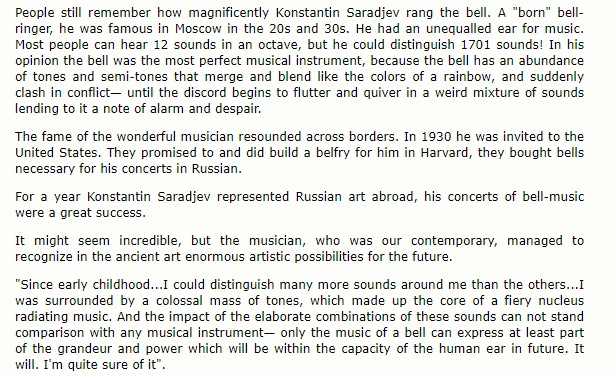
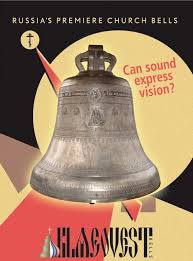
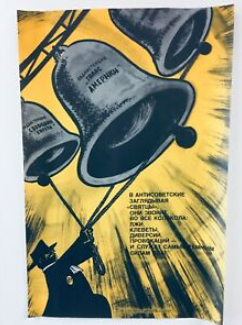
The Ringing of Bells seems to be an almost mystical (or mathmatical?) event, an artistic expression that is scientific and somehow supernatural in nature:
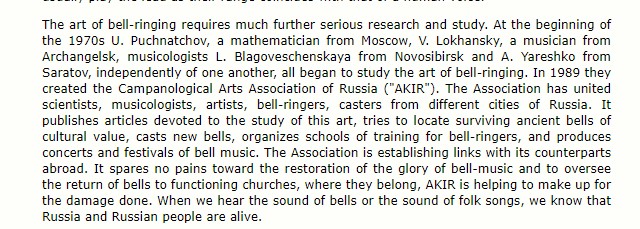
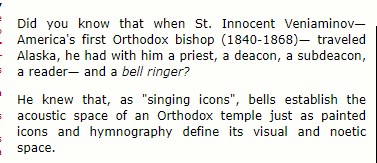
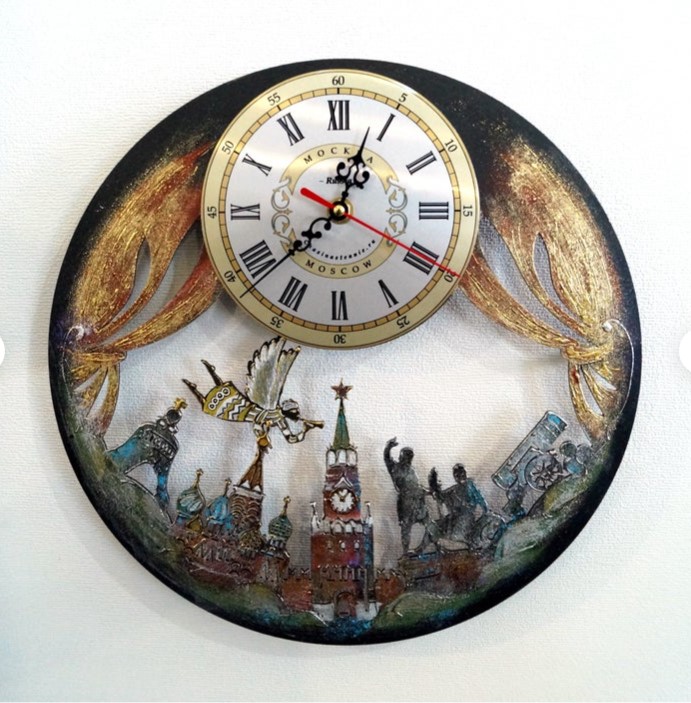
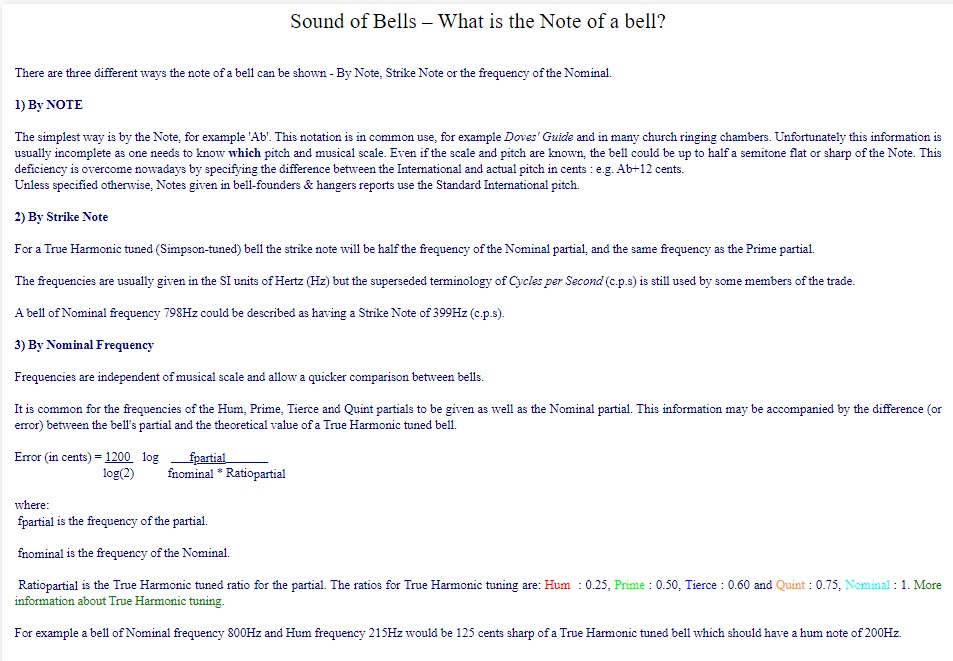
At around this point in my research the noggin' started to pulsate and so I ceased my searching. Let me get to the point of all of this other than just being an interesting part of Russian History:
WHY GO THROUGH ALL THAT TROUBLE TO MAKE A GIANT BELL
WHY GO THROUGH ALL THAT TROUBLE TO RAISE A GIANT BROKEN BELL
WHY ARE THERE SO MANY FIRES ON THESE IMPORTANT PROJECTS . . . IT'S LIKE THEY ARE CURSED
If you made it this far - thank you for reading!
Here is a great podcast, along with a recreation of what the bell would have sounded like:
Podcast: How Moscow’s Tsar Bell found its voice — at Berkeley
If I haven't completely written a dud post and there is interest, I will explore some other famous bells that have not yet been talked about, like the Nauvoo Temple Bell. While the Temple has been explored in a previous thread, there is enough to the history of the bell to merit its own thread.
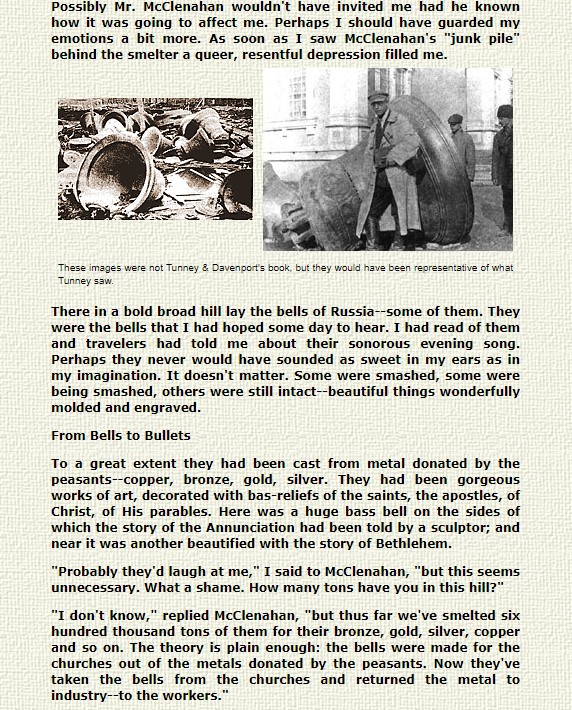
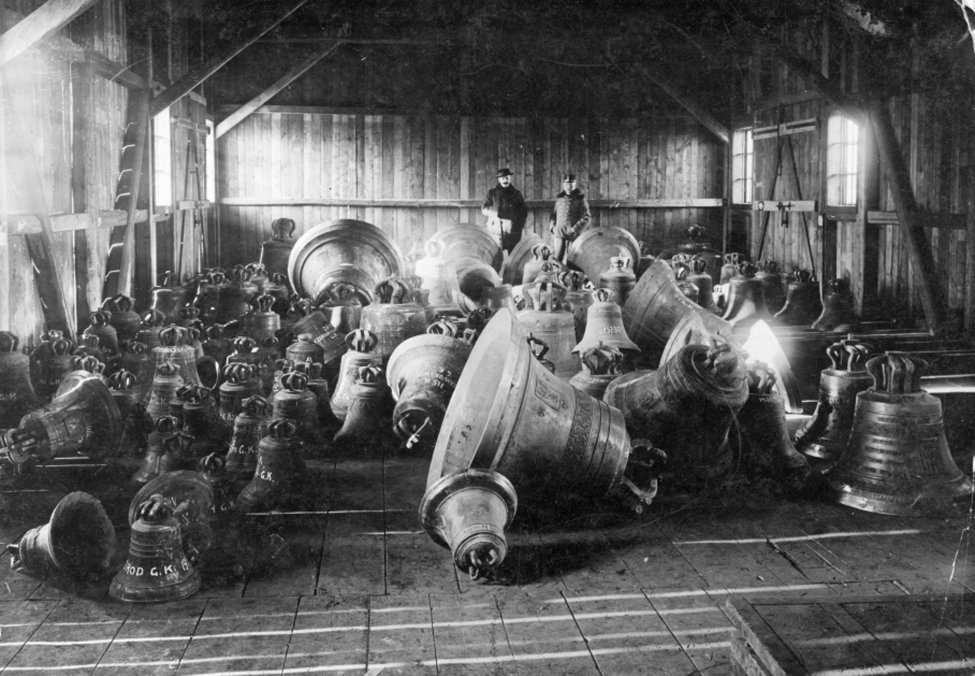
On a sad note, many bells in the world were melted down during the great wars to create ammunition.
(on a practical note, do I just bullet-list all the sources? is there a better way to reference? i am inexperienced in this and would appreciate the input!)
LET'S TALK ABOUT BELLS
Specifically, we are going to talk about THE TSAR BELL, THE ROYAL BELL, Tsar Kolokol III, Царь–колокол\
(In Summary: I am exploring if the Tsar Bell was just a vanity project or if it was something more. Also, was it ever rung?
Let's begin by saying that Russians take their bells very very seriously. It is a sacred art, going back to the 10th century, with secrets that are passed down from generation to generation. Here is a little intro, along with the very famous Ivan the Great Bell Tower and Kolokol III, the main subject of our discussion.
Voltaire joked that the Kremlin's two greatest items were a bell which was never rung and a cannon that was never fired.
Some Facts:
The Royal Bell was the 3rd in a series and the largest "living" bell at the time of its construction. It was commissioned by Empress Anne at the direction of Tsar Alexi, who was the Tsar of Russia when it was begun. Empress Anne would take power shortly after Alexei's heart attack (and subsequent death) and aggressively pursue the completion, seeing it as a symbol of almighty Russia. Here are paintings of Alexei and Anne, favorably rendered so as to show the strength and benevolence of Russia's Rulers. In reality, Empress Anne's reign would be considered a dark time.
SOME PHOTOS DEPICTING BELL FOUNDRIES AND THE CREATION OF BELLS -
n these photos we see two ways of making bells: mold and pour method for smaller bells,
and pit building for larger bells. The Tsar Bell would require a 33 foot deep pit.
General Description of this Russian Bell:
The Royal Bell or Tsar Bell, was the largest bell in the world at the time of its construction. It was commissioned in 1733. The previous two bells were commissioned and constructed in 1600 and 1655, respectively. All three bells were rendered inoperable due to fire. The first one, Kolokol I, was approx 20 tons. The second was approx 130 tons. Kolokol II was destroyed in 1701. Both I and II were incorporated into Kolokol III, which weighs about 200 tons, is 20 feet high and 22 feet around at the widest point. It's two feet thick. It lost a fragment during the fire, this fragment weighs 25,400 lbs and is on display with the main body between the Great Bell Tower and the Kremlin Wall. The bell is heavily decorated and includes nearly life sized images of Empress Anna and Tsar Alexey.
The winning bid went to Bellmaker Ivan Motorin and his son, Mikhail, who carried on the work when his father passed away. Once completed engravers were summoned to put the finishing touches on the still warm bell while it was in its' wooden gantry:
The decree of July 26, 1730 read:

| Earlier last years, by Decree, the blessed memory of the grandfather of our Great Sovereign Tsar and Grand Duke Alexei Mikhailovich was built for the Assumption Cathedral, a large bell, in which eight thousand poods weight and the same bell were damaged by fire, for the sake of us, jealous of the will of our ancestors, we indicated that bell to overflow again with a replenishment so that it had ten thousand poods in the finish, and for casting that bell, take copper from the Berg College and from the Mint Office, where a decent one would appear, and take tin from the Artillery, and buy all sorts of supplies and workers Nima currently a price; what about the whole departure and the raising of that Bell is due to the monetary treasury, which is now available to the person for the expenses of the Preobrazhensky Order; and that mission should be in the Artillery, and ordered, so that it happens with all diligent labors soon and supplies were bought in advance. |
(Close-ups of some of the engravings from current time):
The Bell in its' Wooden Gantry:
"Before the final ornamentation was complete, a fire swept through the Kremlin in May 1737 and reached the temporary wooden structure built around the bell. Fearing the worst, guards heaved cold water onto the conflagration. The dramatic difference in temperatures caused 11 cracks to ripple through the casting and an 11-ton section fragmented from the rest. The wooden supports gave way and the damaged bell sunk back into the casting pit. It remained there for almost a century, with several futile attempts to lift it.
Even Napoleon considered marching the bell back to Paris as a trophy from his conquest of Moscow in 1812, but was baffled by its sheer scale. At 20.1 feet tall, 22 feet in diameter, and a thickness of up to 2 feet, the bell is estimated to weigh between 202 and 220 tons."
Some say the bell was cursed because Empress Anne was continuing the tradition of transitioning from the Muscovy ways to European Ways, discarding tradition and old beliefs in favor of overspending on gaudy expressions of wealth and power.
In 1836 it was finally raised by this guy:
Auguste de Montferrand - who was also involved with Alexander's Column (see KD thread of same name)
Here we have pictures of the raising in 1836:
Placed in final position, where it remains to this day:
The ringing of the bells is a skill that requires both heavy schooling and, possibly, a lot of manpower:
The Ringing of Bells seems to be an almost mystical (or mathmatical?) event, an artistic expression that is scientific and somehow supernatural in nature:
At around this point in my research the noggin' started to pulsate and so I ceased my searching. Let me get to the point of all of this other than just being an interesting part of Russian History:
WHY GO THROUGH ALL THAT TROUBLE TO MAKE A GIANT BELL
WHY GO THROUGH ALL THAT TROUBLE TO RAISE A GIANT BROKEN BELL
WHY ARE THERE SO MANY FIRES ON THESE IMPORTANT PROJECTS . . . IT'S LIKE THEY ARE CURSED
If you made it this far - thank you for reading!
Here is a great podcast, along with a recreation of what the bell would have sounded like:
Podcast: How Moscow’s Tsar Bell found its voice — at Berkeley
If I haven't completely written a dud post and there is interest, I will explore some other famous bells that have not yet been talked about, like the Nauvoo Temple Bell. While the Temple has been explored in a previous thread, there is enough to the history of the bell to merit its own thread.
On a sad note, many bells in the world were melted down during the great wars to create ammunition.
(on a practical note, do I just bullet-list all the sources? is there a better way to reference? i am inexperienced in this and would appreciate the input!)
Note: This OP was recovered from the Sh.org archive.
Note: Archived Sh.org replies to this OP are included in this thread.





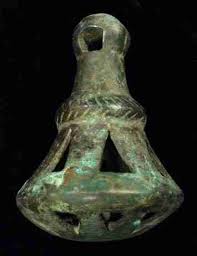 When I was poking around, I came across these "Scythian Bells"

