Note: This post was recovered from the Sh.org archive.
Username: trismegistus
Date: 2019-07-10 15:51:21
Reaction Score: 5
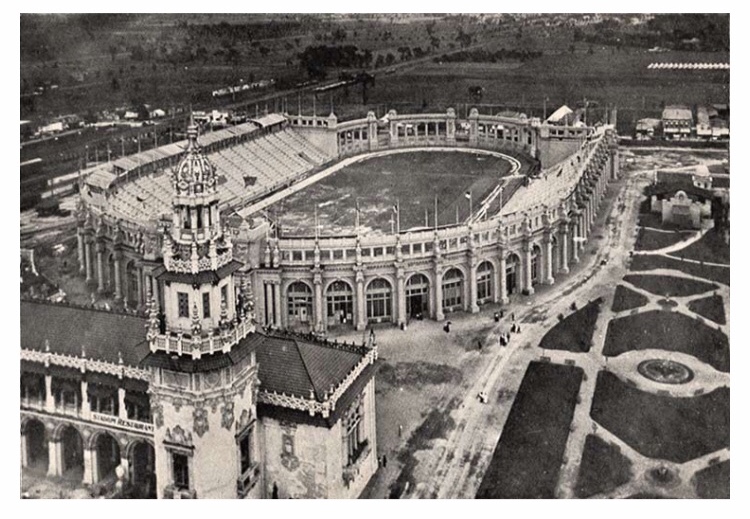
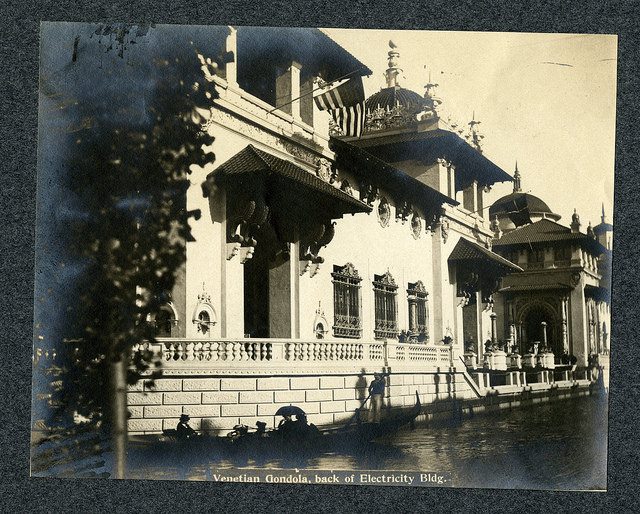
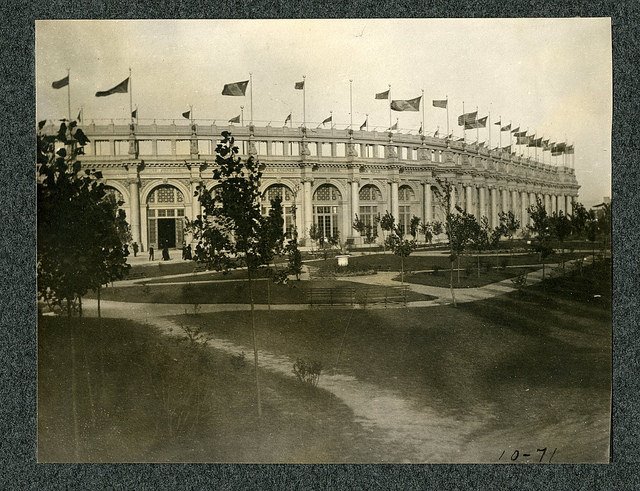
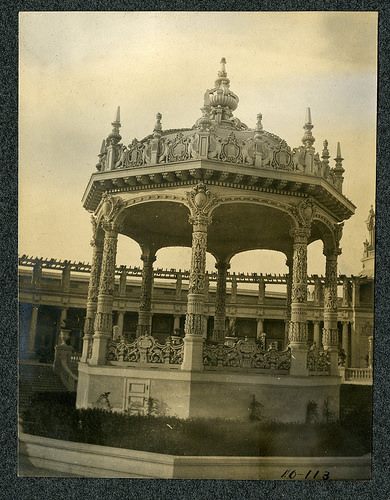
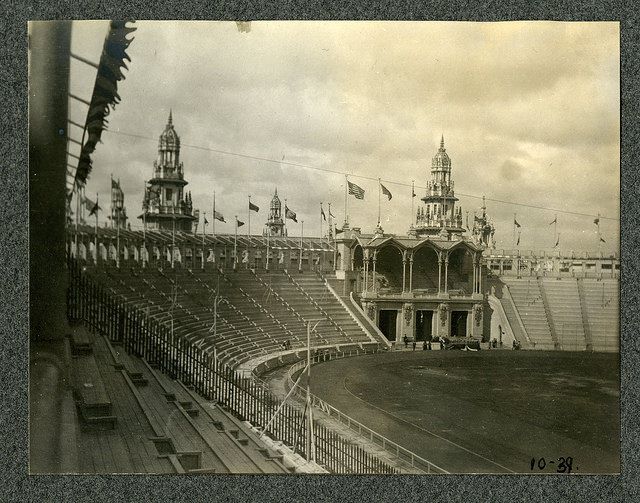
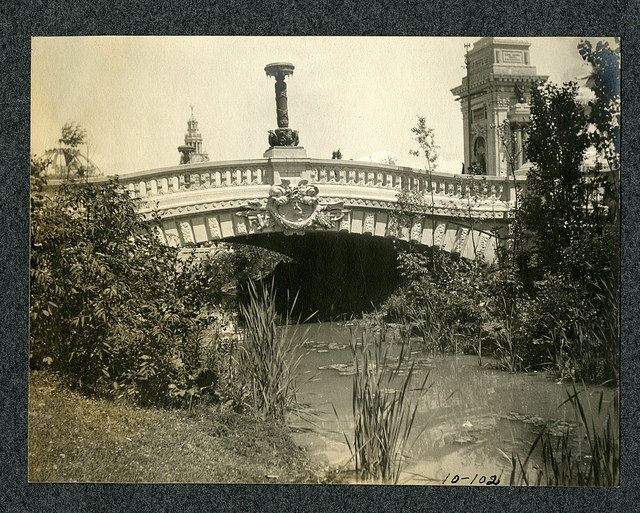
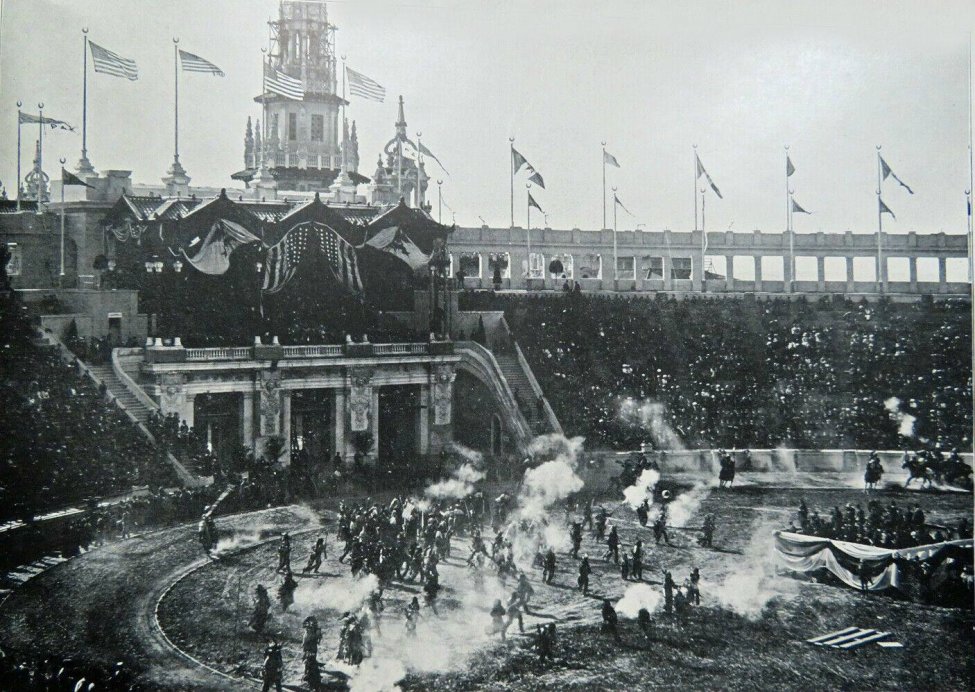
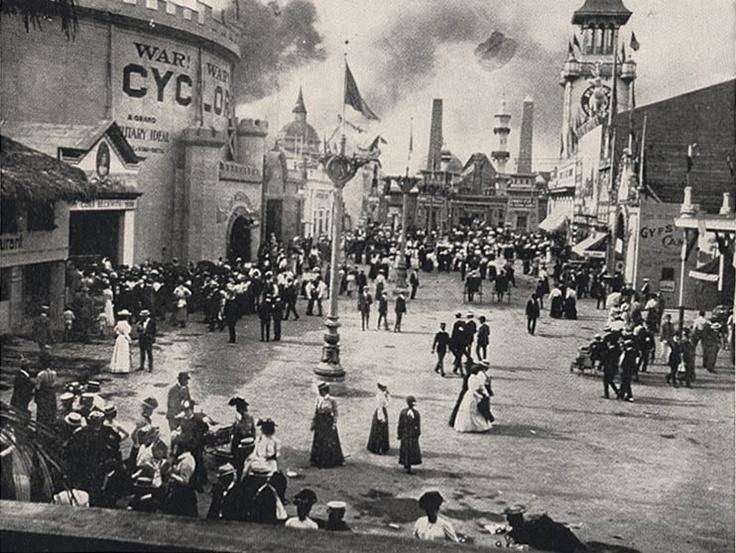
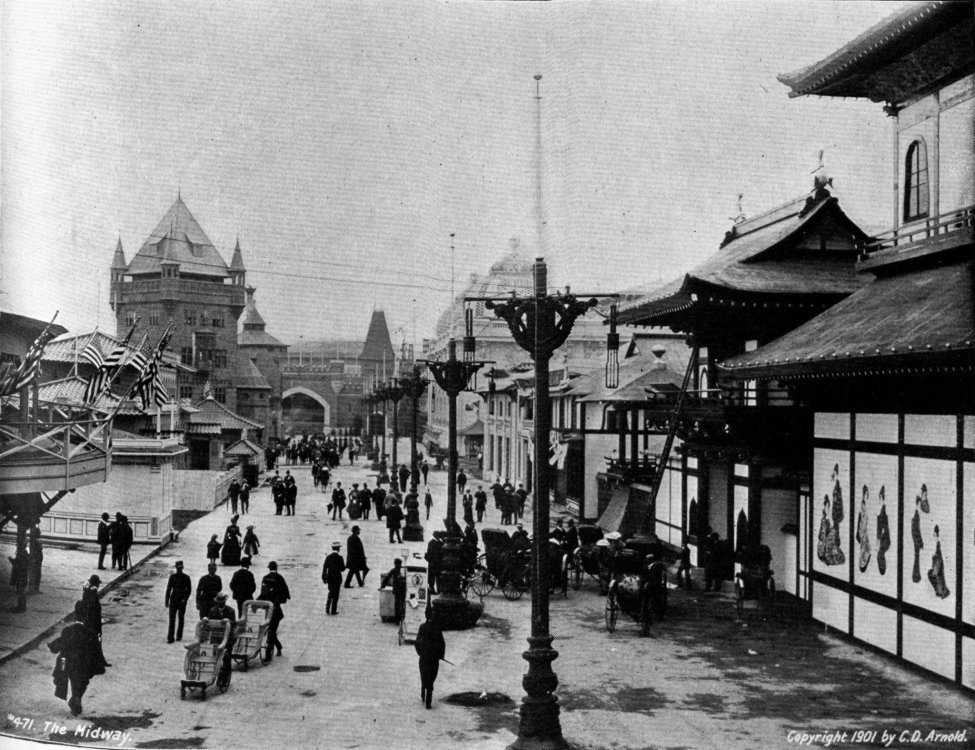
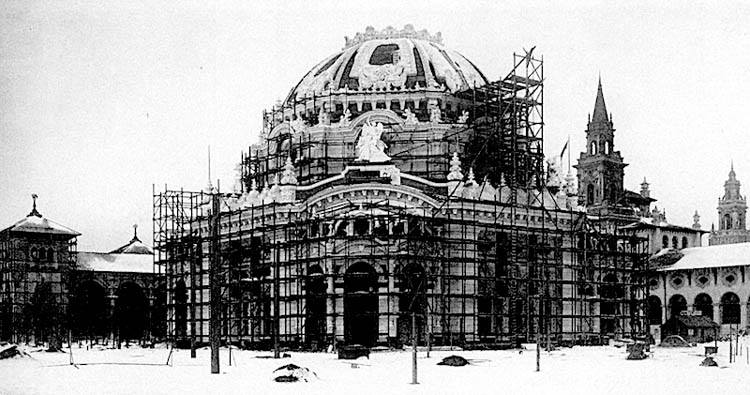
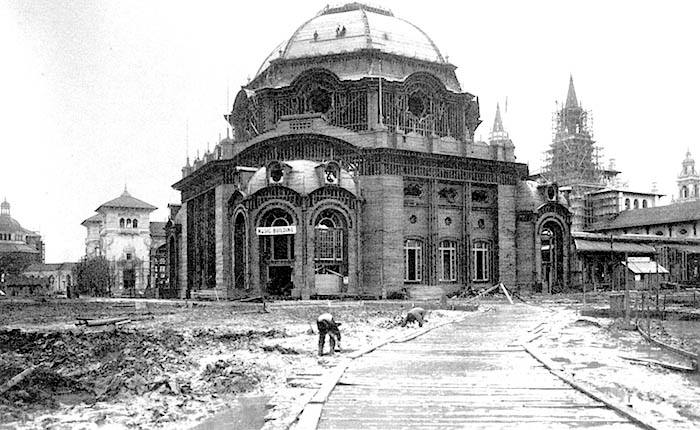
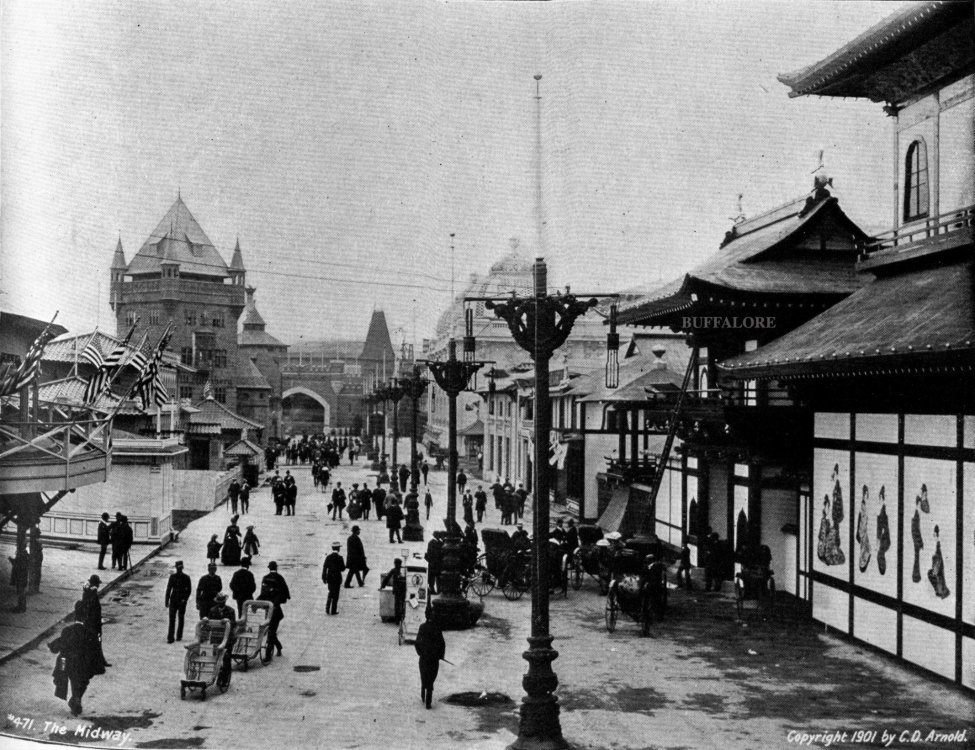
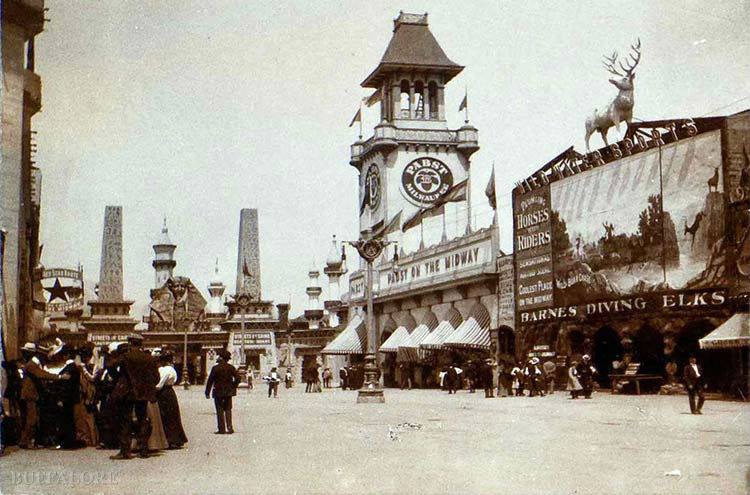
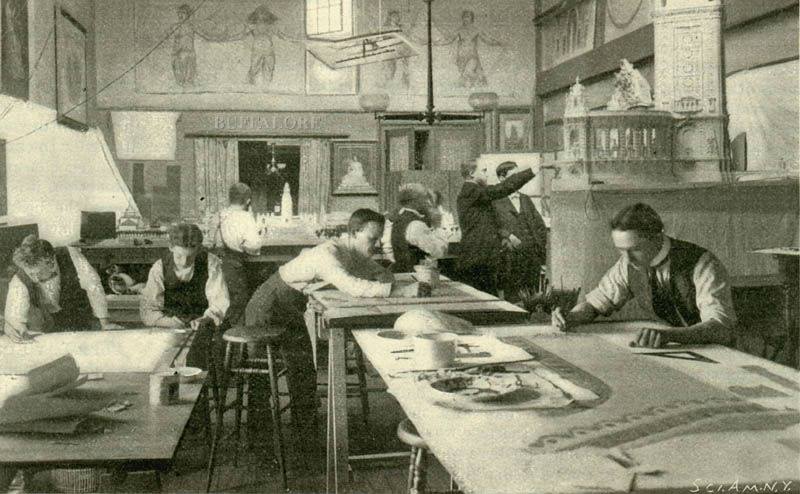
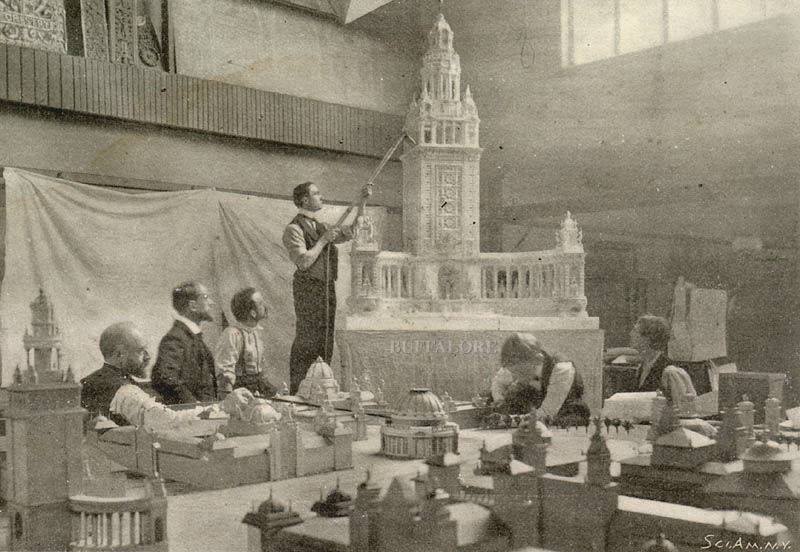
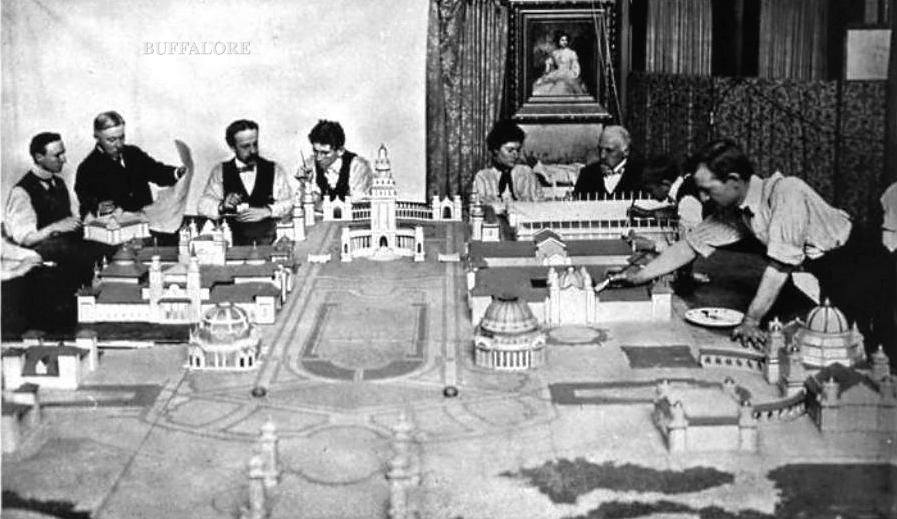
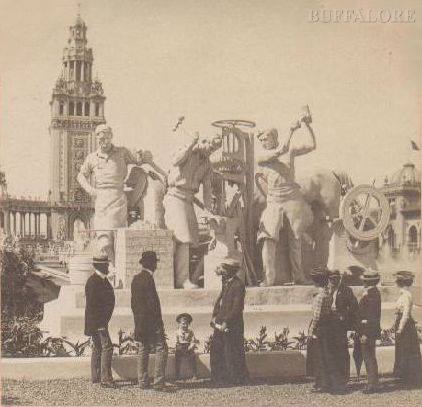
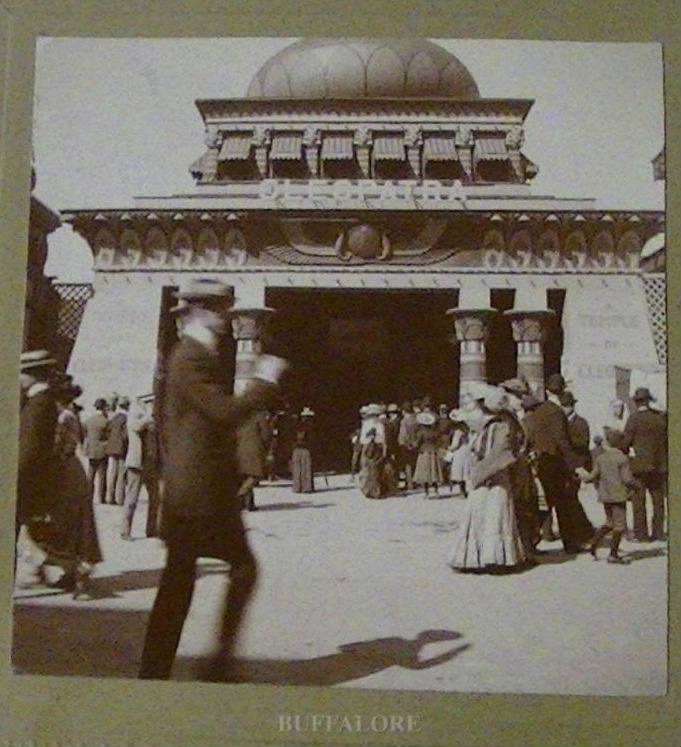
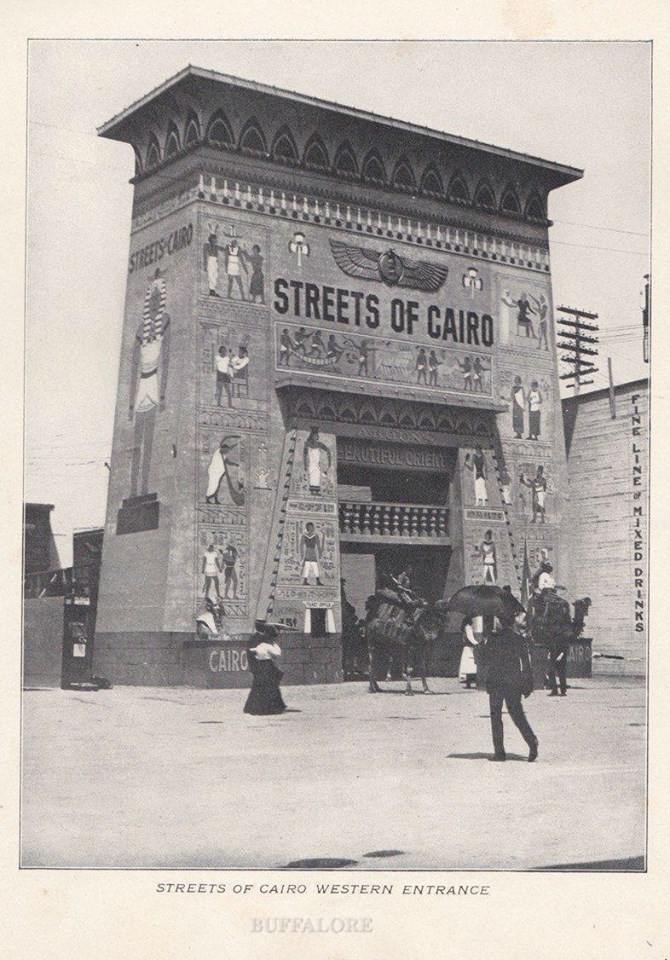
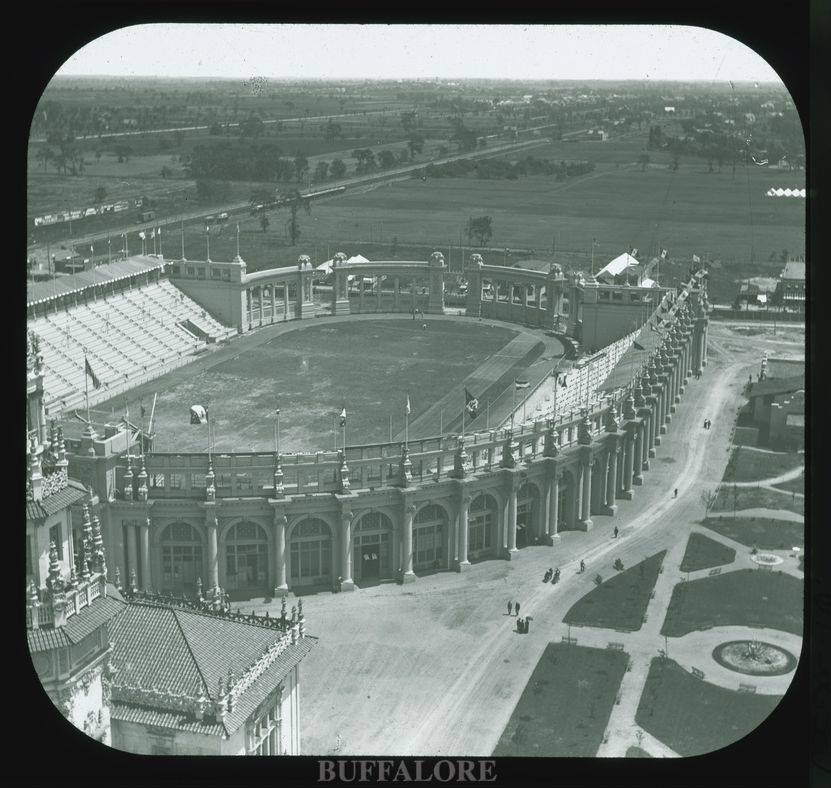
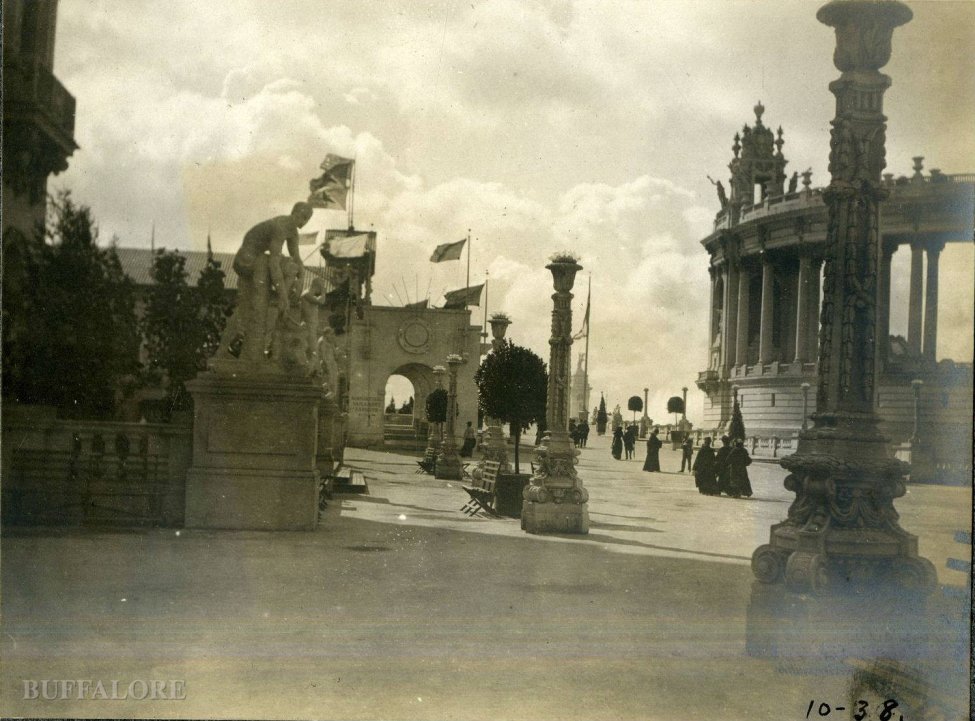
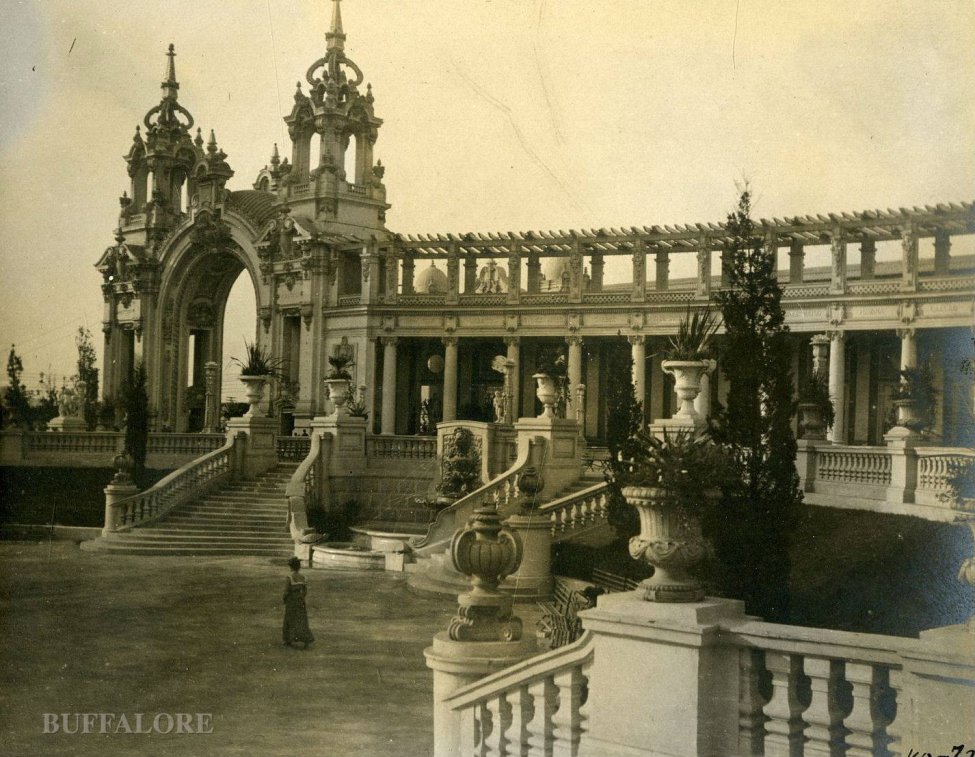
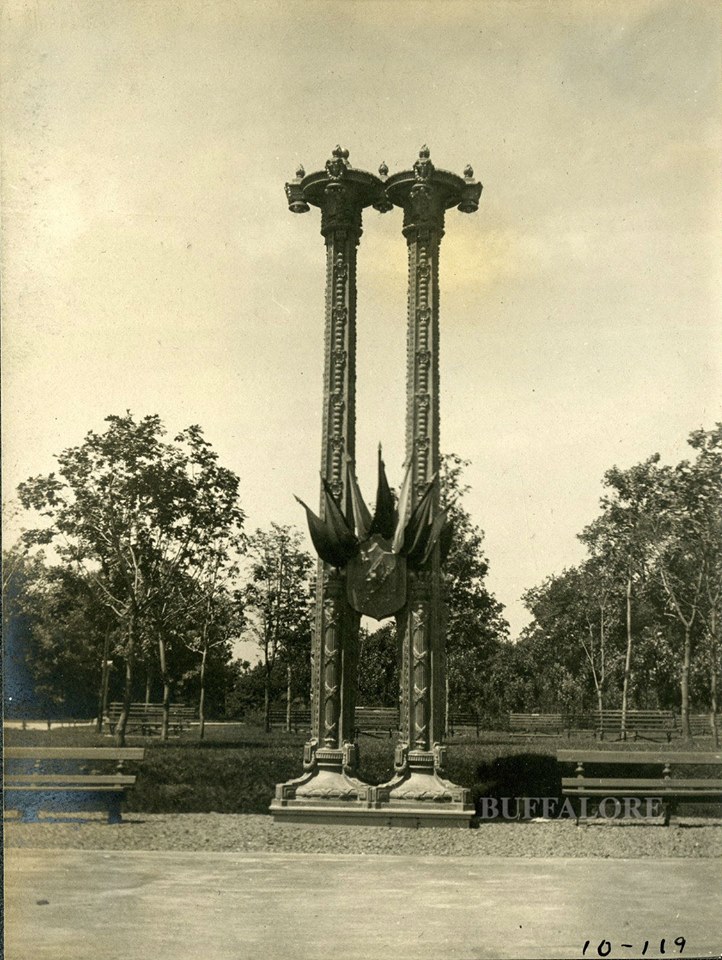
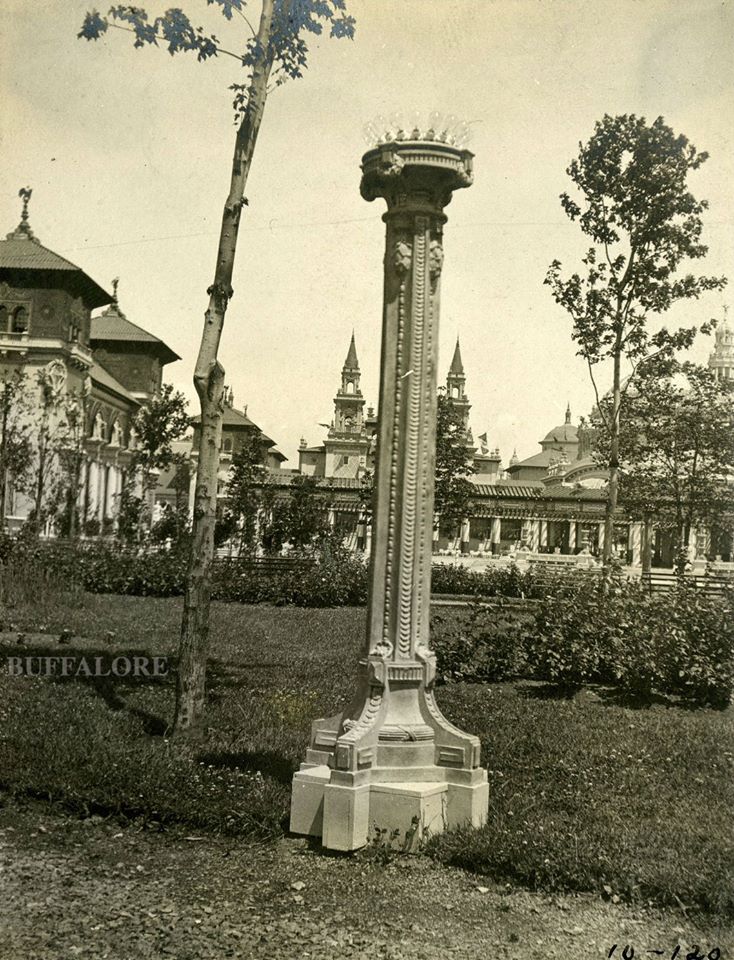
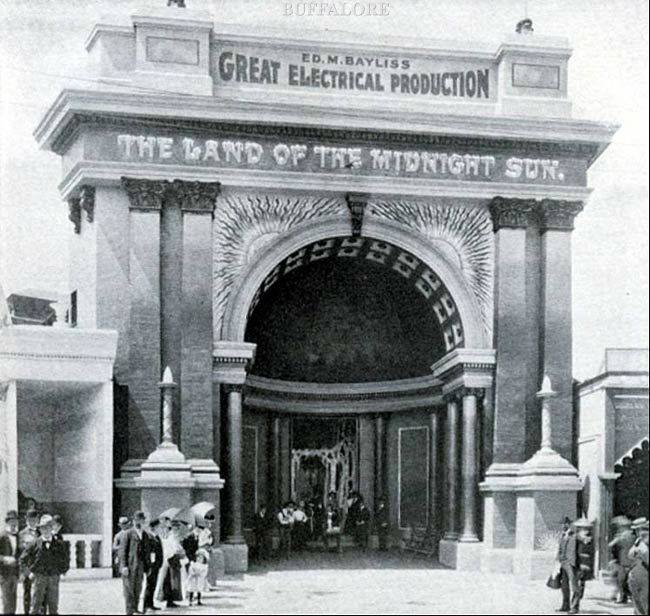
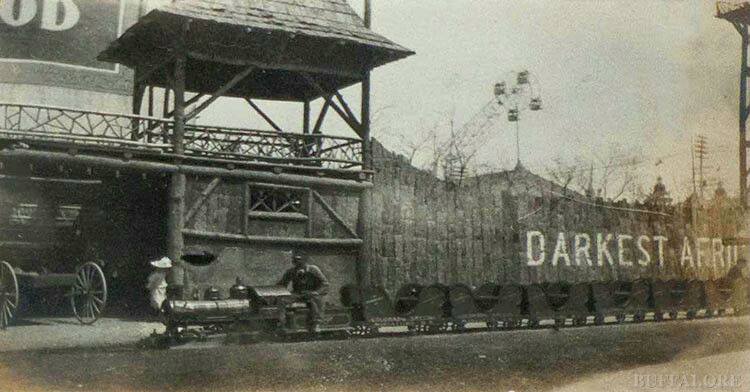
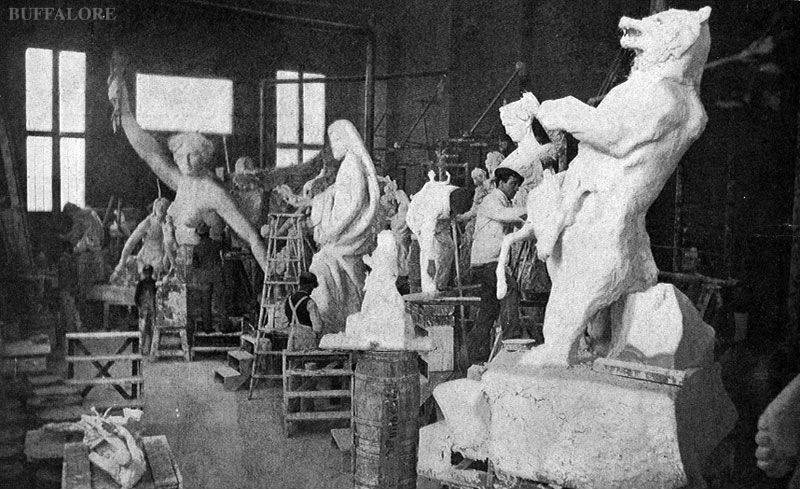
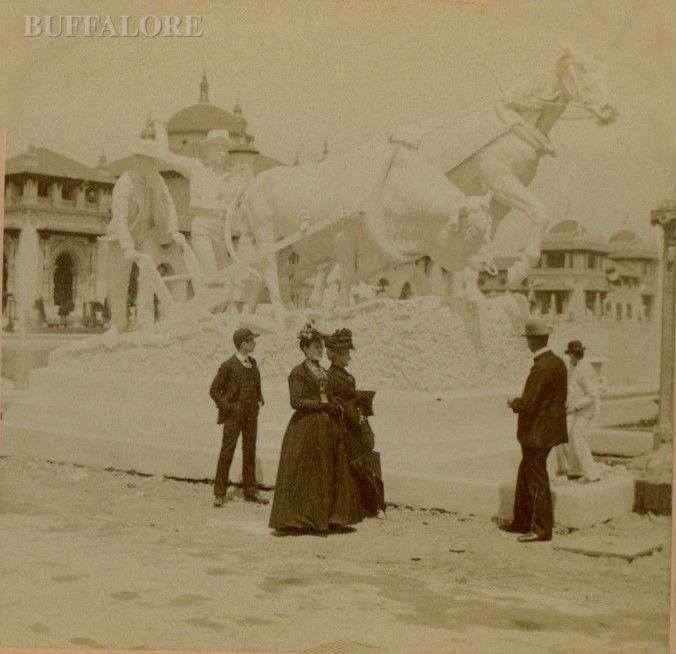
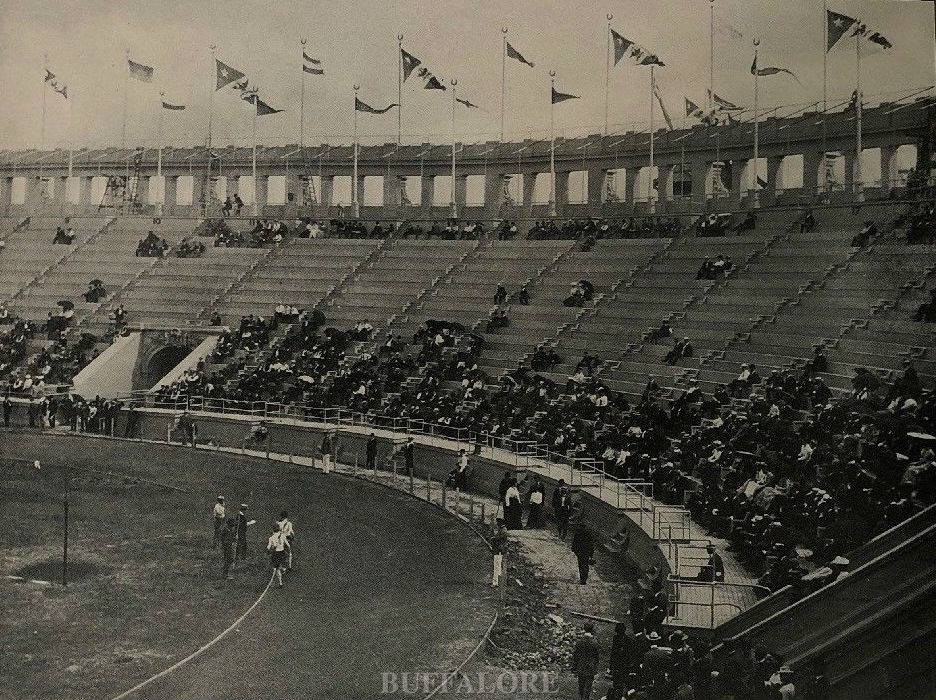
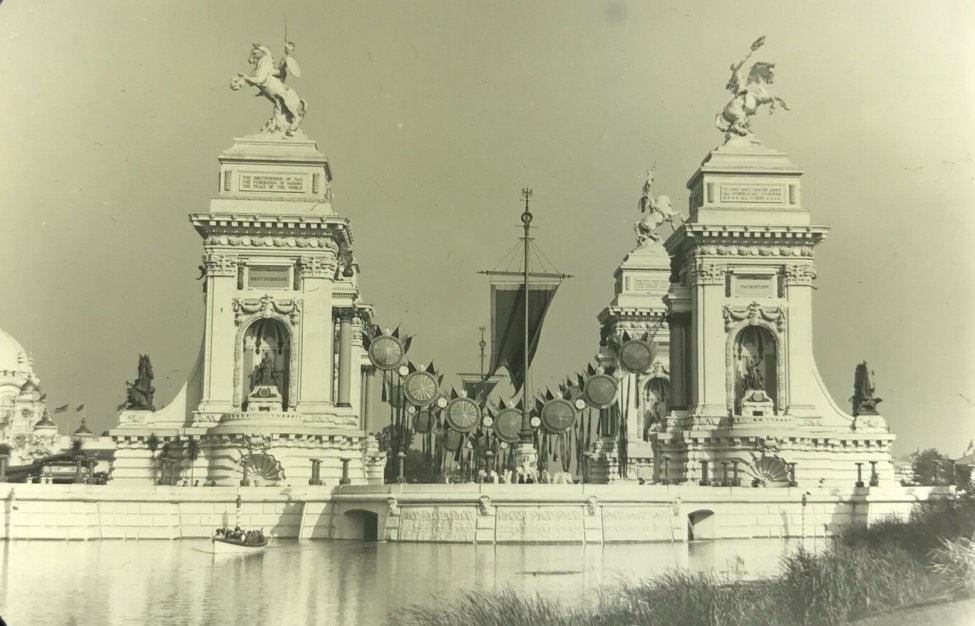
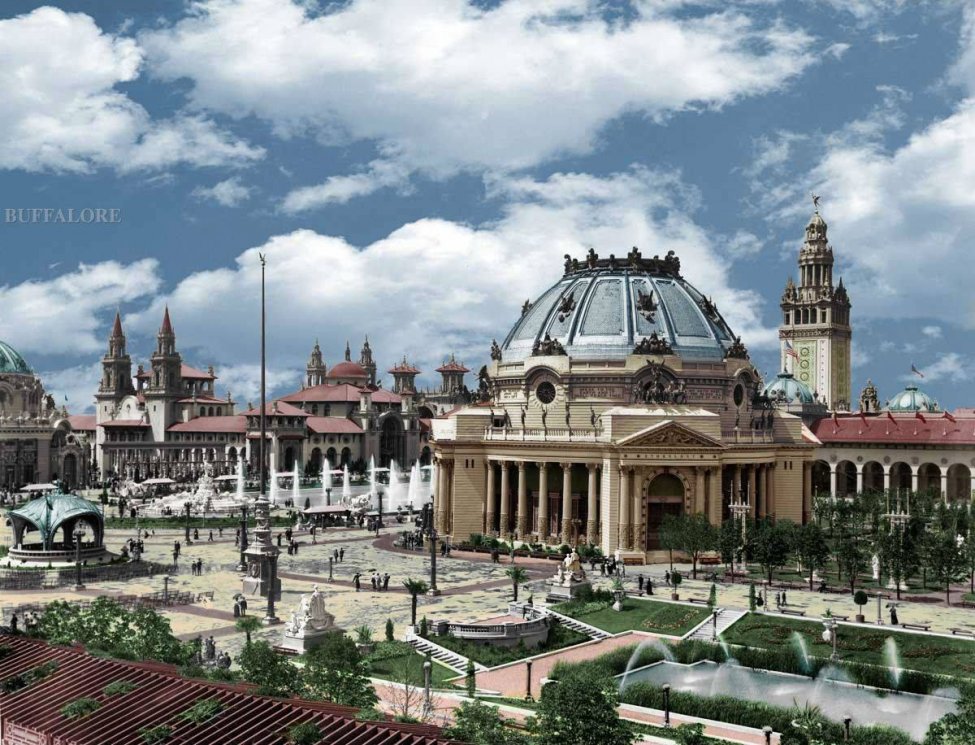
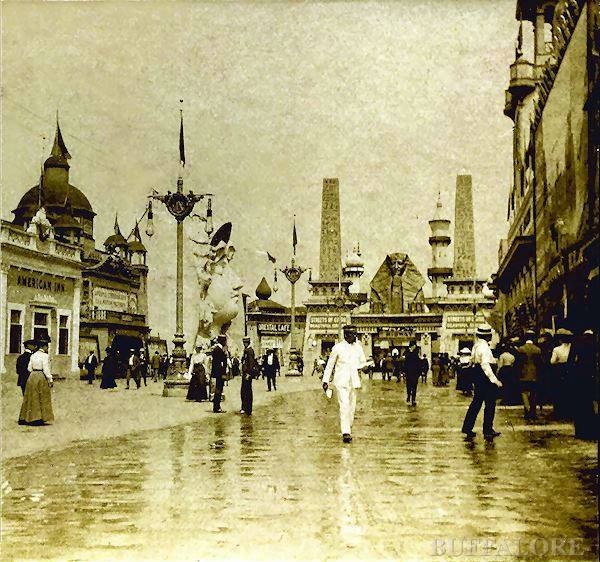
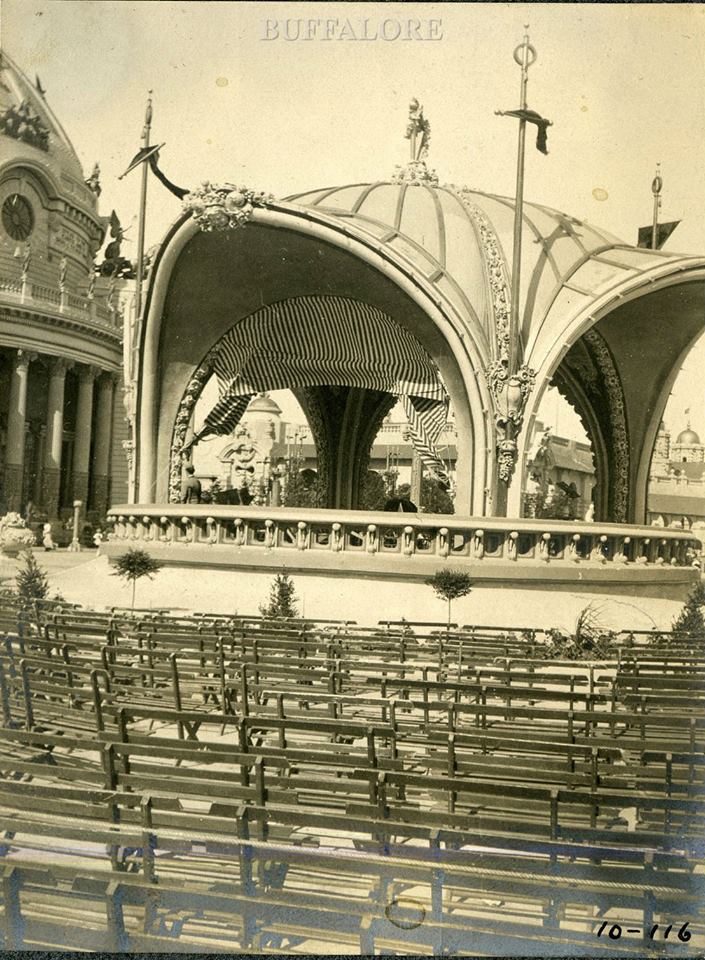
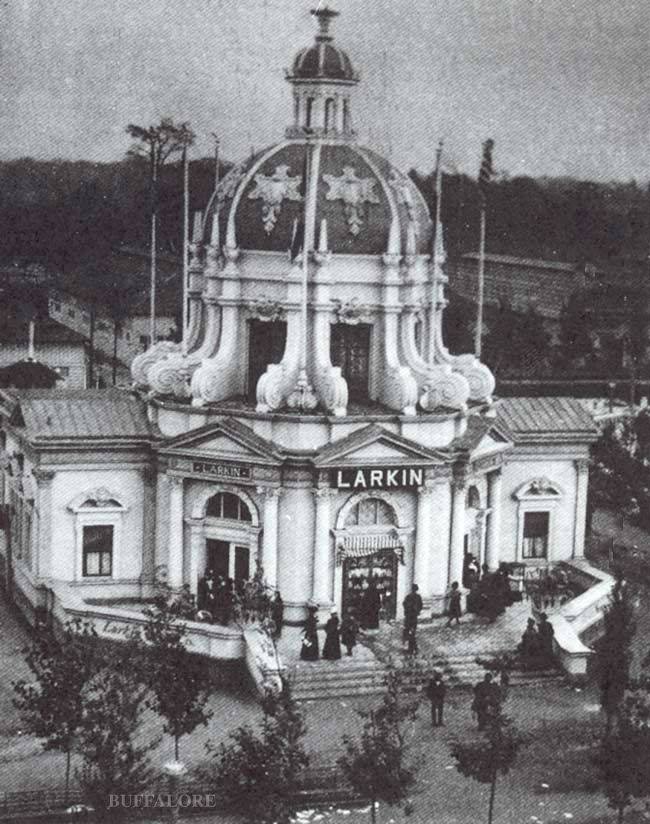
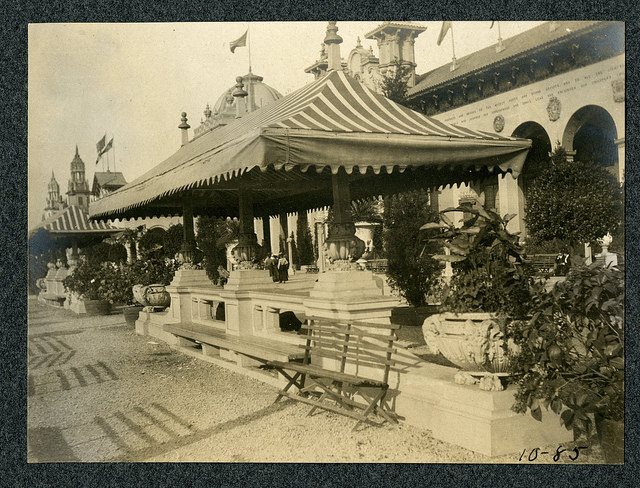
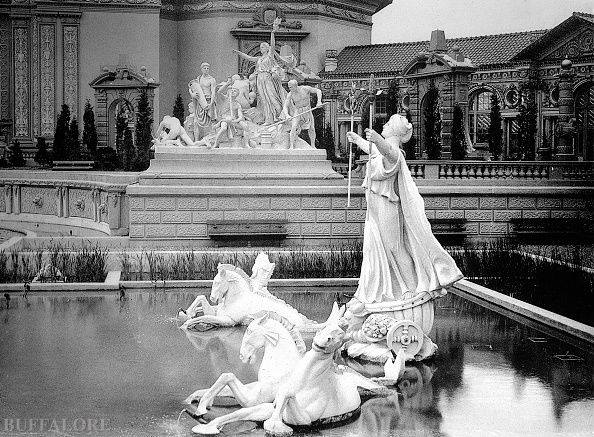
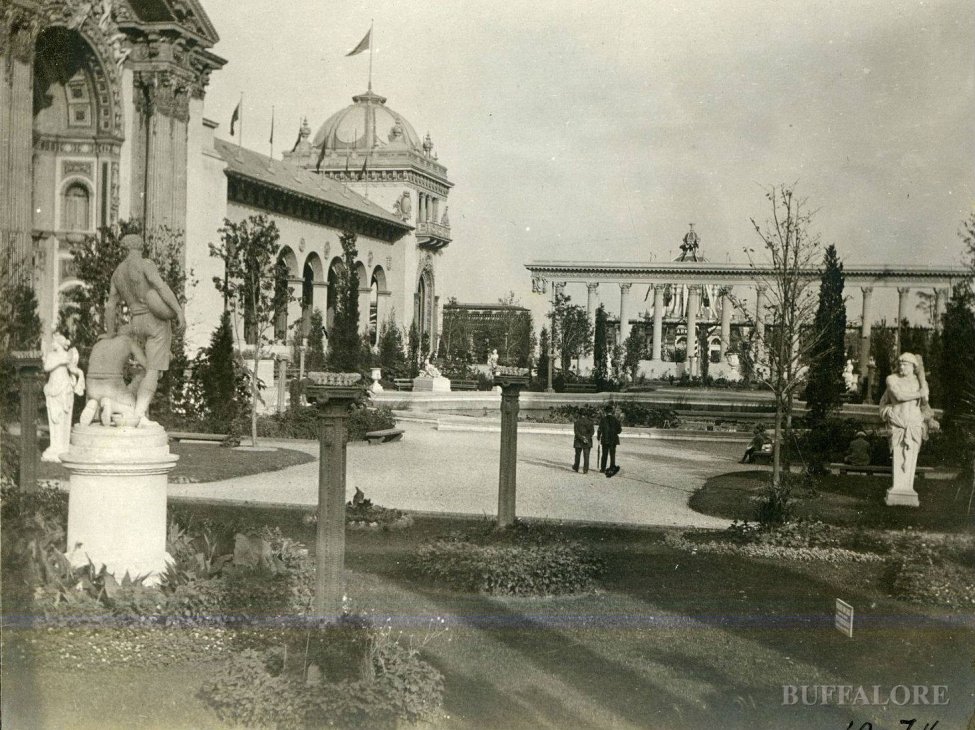
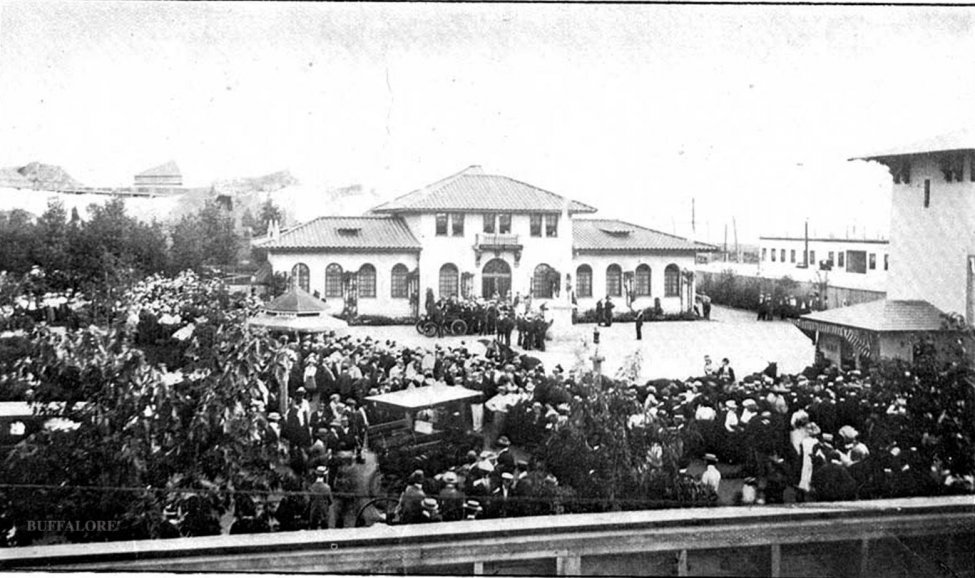
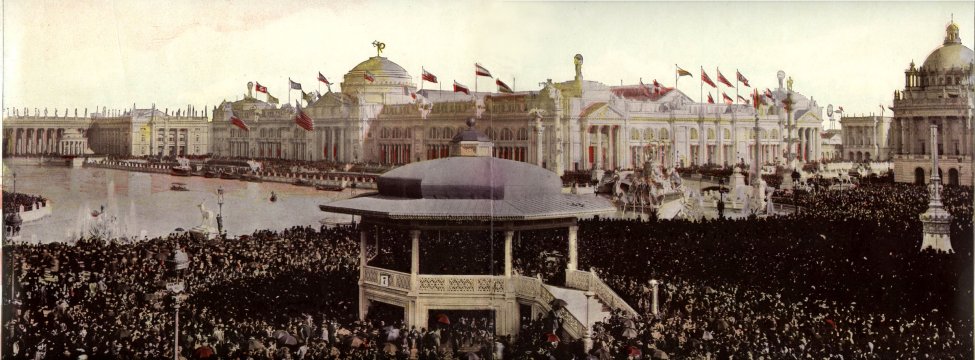
I agree, no possible way do any of these expos make sense with the official story. Aren't we told how people in the past were frugal and repaired/reused items, and considered wastefulness a sin? Yet, city after city, supposedly invested what would be today's equivalent of multi-millions of dollars (maybe billions) building these unbelievably fantastical expos, just to tear them down 6 months later? Who in their right mind would do such a thing? Even in our "wasteful" society of today, nobody would do such a thing. There is no reason to believe that people a mere 100 - 150 years ago would have thought this was a good use of resources.
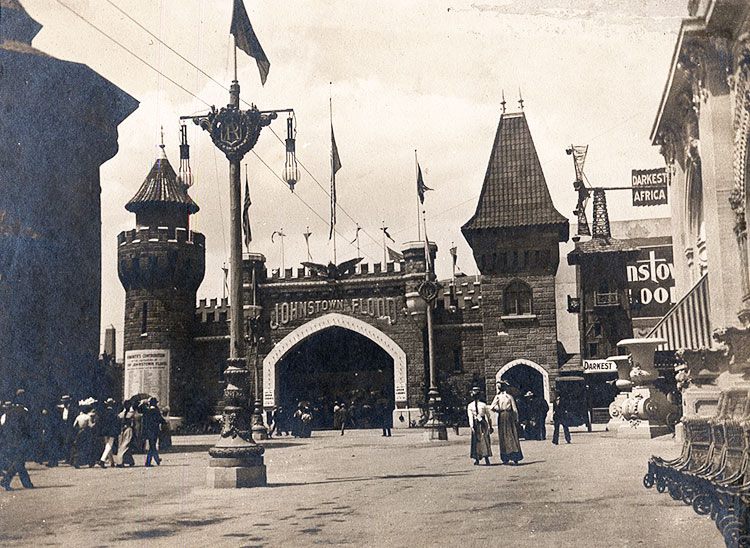
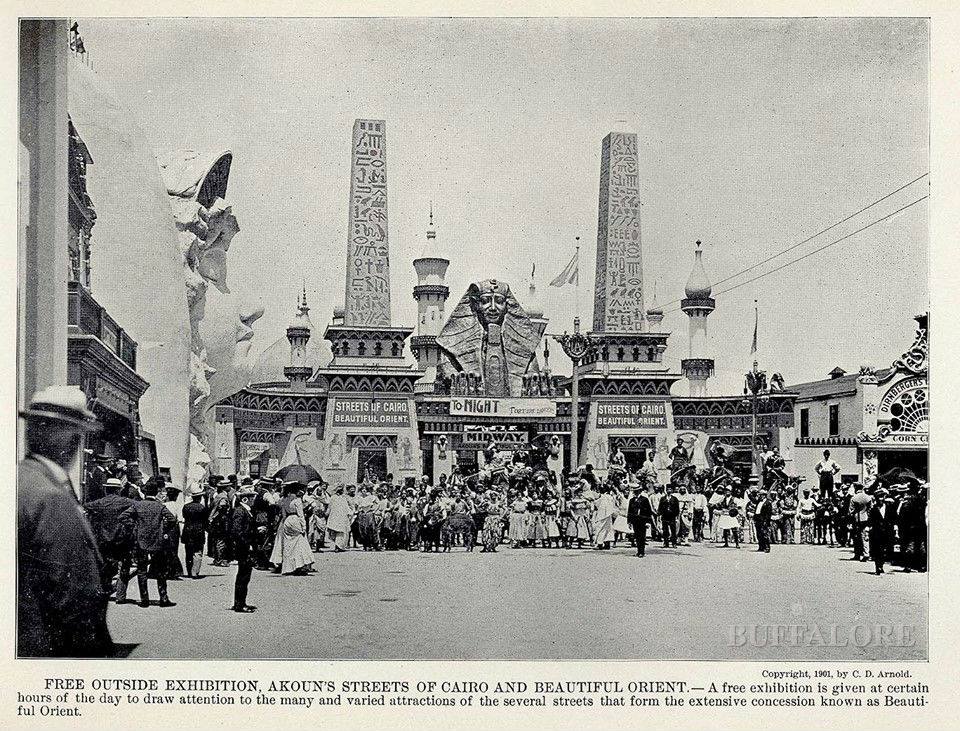
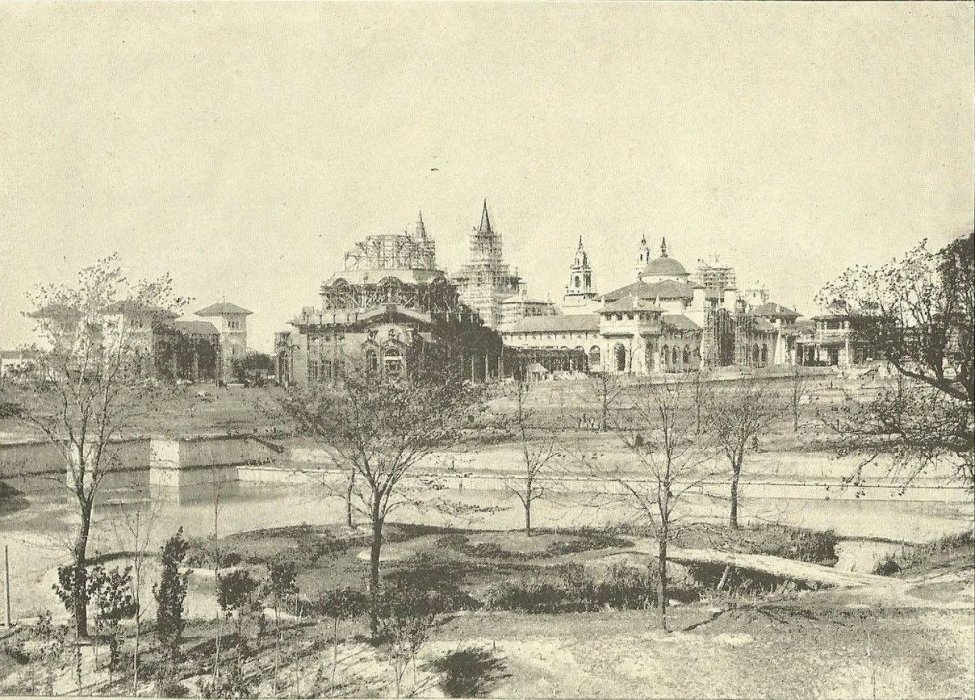
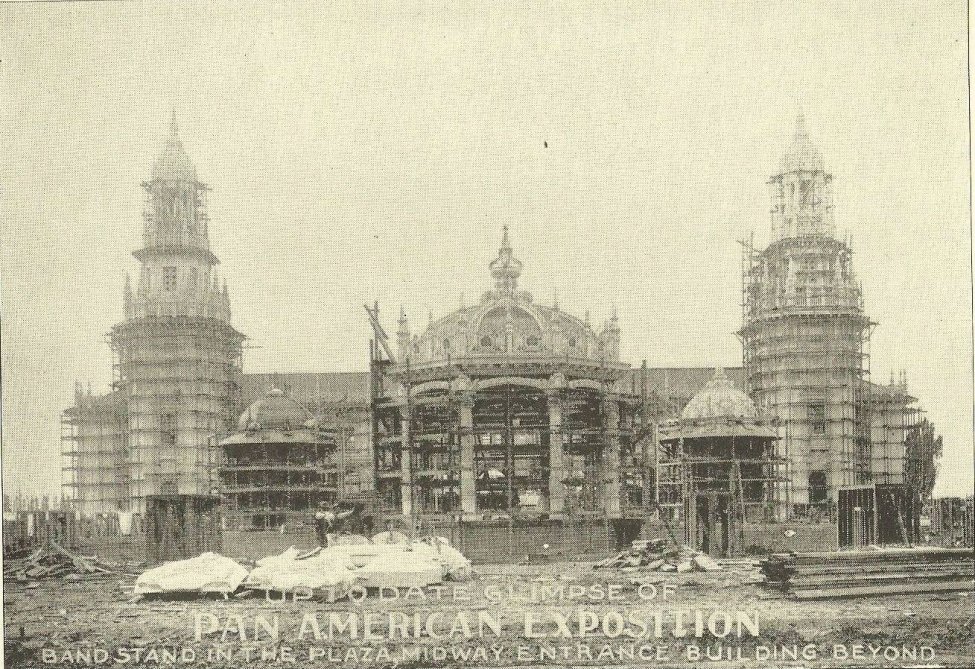
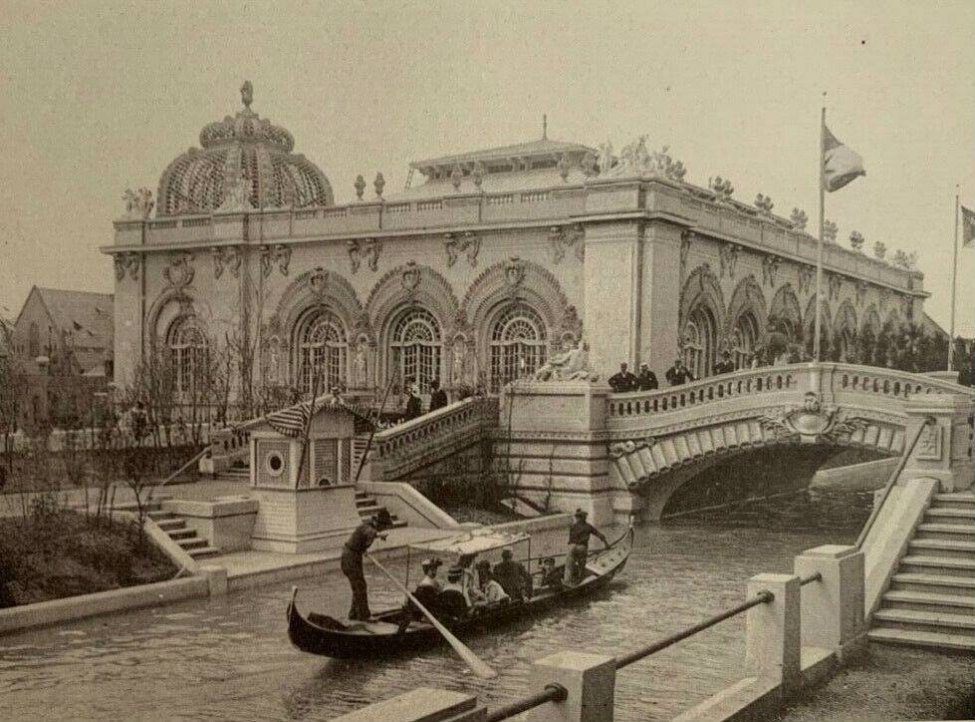
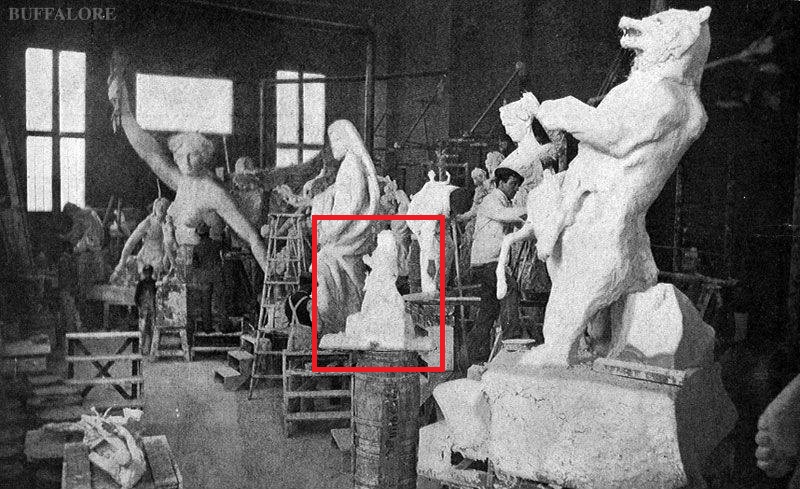
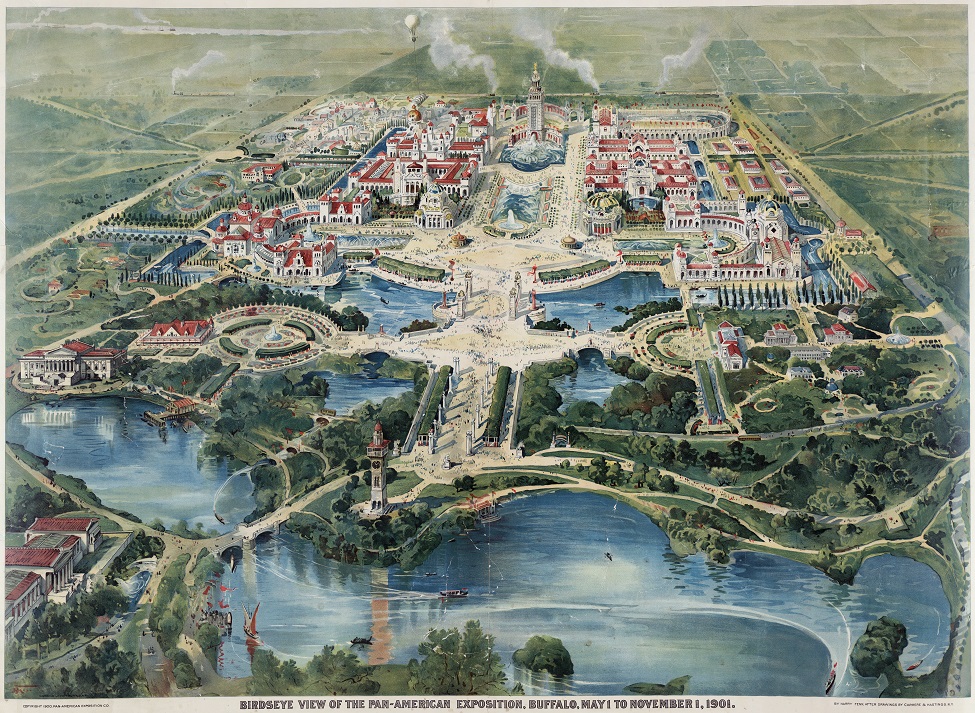
I understand that there are valid questions to be asked about the expos, but in the case of the Buffalo expo I am with
@anotherlayer here. It is not out of the question that our civilization built these.
Buffalo was
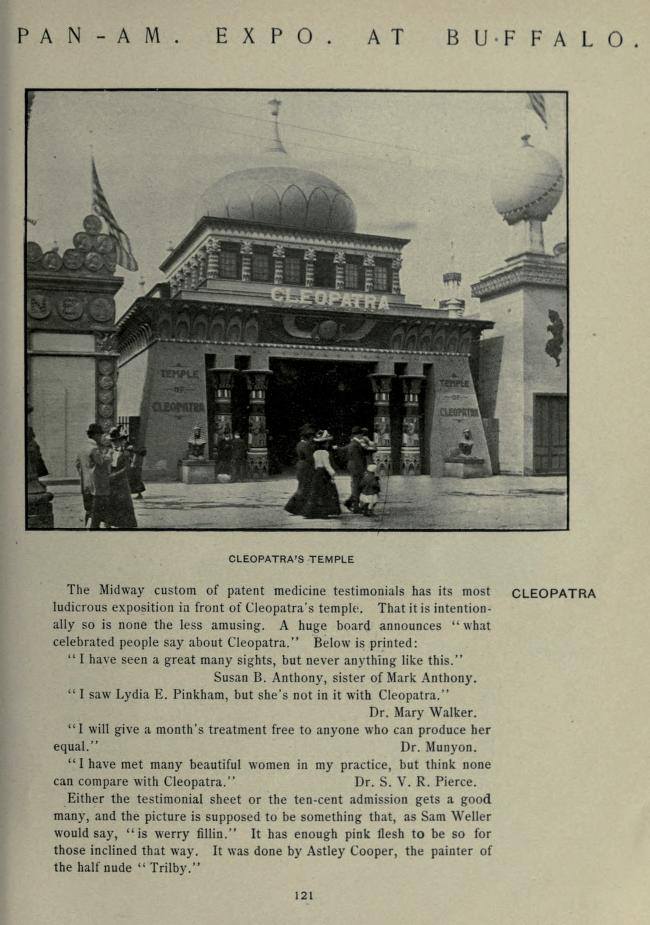
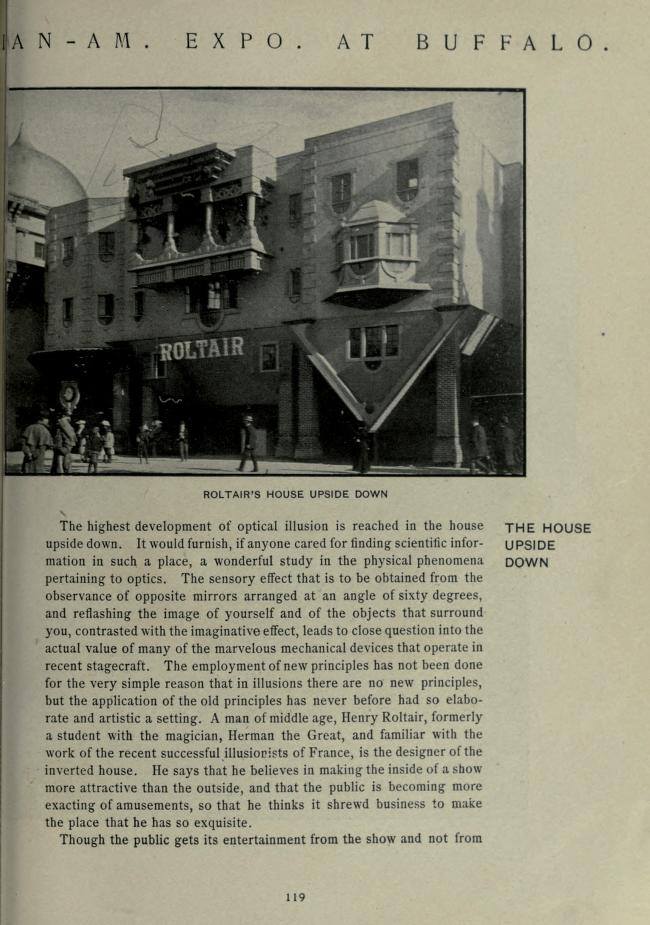
the wealthiest city in America in the early 1900s - - the highest concentration of millionaires in America made their home there. As far as economic output you can get a basic idea paging through
this historical report on the production of the city at the time. For example: because of Buffalo's port and the Erie Canal it was one of the heaviest trafficked ports in the country at the time. For a time it was the hub for lumber in America - - which explains where they got a lot of the material for the expo.
Meanwhile, Buffalo's commercial orientation, rooted in the city's traditional function as a clearinghouse for the raw products of the Midwest, remains strong and diversified.
- On one September day in 1910 thirty-one ships arrive in the harbor carrying lumber, livestock, pig iron, corn, flour, barley, rye, and over one million tons of grain.
- The next day thirty-three boats docked
In 1910 Buffalo is still the greatest
grain port in the world, and shows every sign of so remaining. Because of its superb shipping and storage facilities - the dozen or so gigantic steel elevators that line the lakefront handle two million bushels of grain daily - Buffalo is second only to Minneapolis as a milling center.
Yes, technically this information is referencing a time slightly after the expo, but the point remains. It would not have been impossible for Buffalo to get lumber, metal, money, manpower and food to build the expo.
I understand that it seems difficult to believe this stuff happened 120 years ago but I feel that sometimes we are throwing the baby out with the bathwater.
People growing food, breeding food animals, cooking food, and delivering it the builders. People in charge of sanitation. Doctors (because there were surely many injuries & broken bones building things of this magnitude, equipment suppliers, repairmen for equipment, people taking care of the many horses needed to deliver equipment and facilitate these buildings. Housekeepers, laundrywomen, seamstresses to repair torn clothing and make new clothes, etc. And all the support people needed to supply equipment and supplies to all the support people for the builders.
Why is it so difficult to believe that these relatively mundane things weren't available back then? Are you saying that these people were smart enough to have
pneumatic subways,
steam cars capable of 120+mph, and
compressed air vehicles but somehow lacked the human capital and intelligence to have doctors, seamstresses and janitors? I want to be clear
@AgentOrange5 I am not explicitly calling you out, as my thoughts extend out to the many who have convinced themselves that expositions are
absolutely out of the realm of possibility for Americans at this period of time.
I still have a lot of questions about the expos - - namely related to the spookiness of the
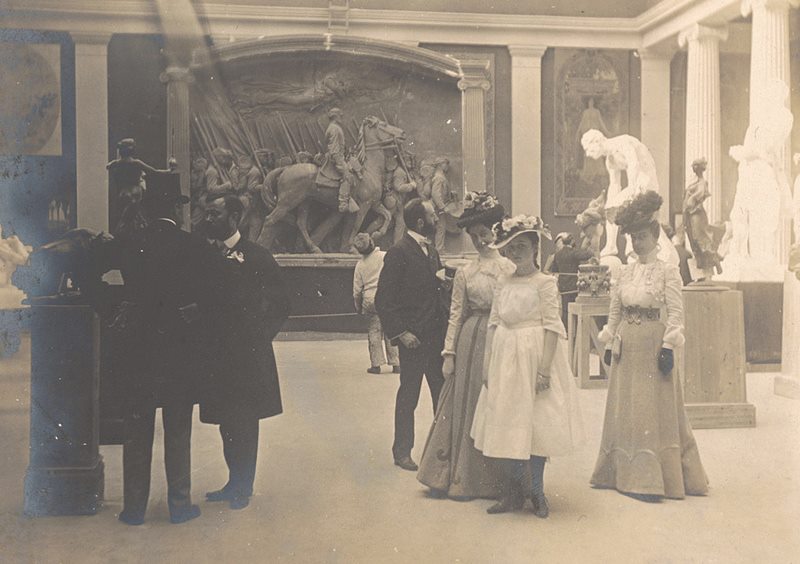
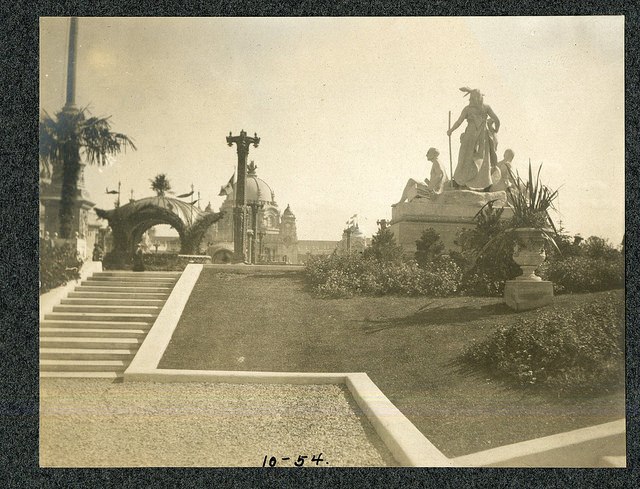
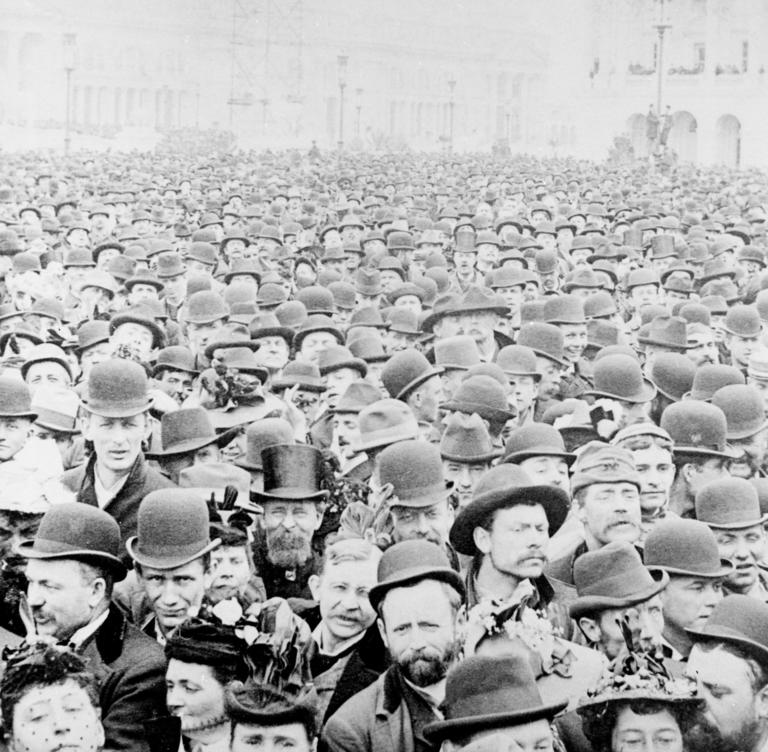
Beaux Arts architects who designed them, and the amount of visitors that allegedly came through do seem hard to believe. However the ability for a city like Buffalo to afford this lavish display of wealth and technology is not something I question - - if it happened anywhere in America it would have happened in the richest city at the time. Moreover on a personal level I have photographic evidence of a relative (who I haven't met but I know others in my family knew her) who lived in the city around the time interacting with technology identical to what we see in photos from that period (electric or compressed air trolleys), wearing period clothing that matches the time frame of the early 1900s. It isn't concrete evidence of anything to anyone else, but it is enough for me to validate the time frame we are discussing.
I think the most difficult thing about these expos to get past is the fact that we are relying almost exclusively on the internet to provide proof of historical fact. While a fantastic tool that gives us access to things previously completely inaccessible to previous generations, there are still some limitations. Namely, the internet isn't going to grow legs and walk down into the basements of local governments, city halls, and private collections to page through millions of documents and photos from dusty boxes just so we can finally see proof. The internet will never revive the further millions of documents and photos that have been destroyed due to lack of storage space, lack of funds, and general ignorance and lackadaisical view on historical preservation from decades of tired bureaucrats. This lack of evidence does not automatically imply that our Glorious Tartarian Overlords built and buried these structures for our dumbasses to dig up years later and sell a few tickets to go see. There are definitely cracks in the mainstream historical representation of these expos but the discussion requires a bit more nuance.
Post Script:
I want to be clear that I am not applying the above logic to all other expos. I am referring explicitly to the Buffalo expo when I make the above statements. However, it does not change the reality that we must hesitate to jump to conclusions about these expos just because the information isn't on the internet. There's very little on this site that falls outside of speculation, conjecture, and hypothesis - - yet everyone here has done an amazing job of verifying what we can (I'm amazed anyone can find what could be objective historical fact anywhere on the web). We need to continue asking big questions of the past, but forcing a conclusion that fits a narrative is exactly the problem mainstream historians and archeologists got themselves into.