Note: This post was recovered from the Sh.org archive.Username: alyxyDate: 2019-04-11 23:59:04Reaction Score: 7
I've read that hunter-gatherers had more stable populations because it wasn't possible to pop out the babies, nor desirable. You had to have enough people walking and mobile...plus it was a lot of work to raise a kid, as always, more so when being on the move (ask anyone if they want to travel the world while caring for a newborn), and women nursed as long as they could (another way of decreasing the birth rate as it has an effect on fertility), so babies were spaced at least 4 years apart for most mothers. (I've also read that women synchronized their birthing with the seasons to make best use of cold weather rest periods to devote to newborn care. I only read that one place but if true, it's pretty neat. The story implied was of a family or small tribal group inhabiting a cave in the winter months, devoting their time to dreams, art, music and stories, and everyone helping to take care of the very young kids that women had in sync. Everybody was around to help as much as possible, and did so, aside from any needed trips for hunting, etc.)
As far as I know, menopause hasn't changed rapidly through the ages, but it used to be quite normal for women not to reach sexual maturity (getting first menses) until at least 16 or 17. That's from sources about a hundred years ago; that was considered normal (as opposed to 8-12 these days, probably related to enviro-toxins, but I'm not positive about that). It seems likely that women didn't have children before their late teens for most of the hunter-gathering days, and they may have waited longer. Even today, the known risks of having children before the body's fully developed, is pretty heartbreaking and doesn't happen as much when women have more of a say over their own bodies (i.e. no child marriages). I doubt that a society that was even partly matriarchal, (strong grandmothers who held cultural memories about birthing practices), or that celebrated womanhood, would encourage girls to hurry up and have babies as soon as possible. Menses weren't considered disgusting or shameful without patriarchy; even today, plenty of traditional societies consider period blood sacred rather than filthy or unclean.
So were women getting pregnant as soon as possible and as often as possible, in these traditional societies? No.
Hunter gatherer populations tend to grow more slowly, and live more in tune with the land and what it can provide, from what we know. Things I've read (and wondered about) make me question whether grain-heavy agriculture isn't some sort of infestation. The only things that grow and grow and grow without being checked by their environment, and indeed changing / destroying their environment, are infections and cancers. Other things find balance with the environment. Our bodies have many microbes in them, but only the infections try to keep growing and growing and fill everywhere! (That's pretty simplistic, I know, but what can I say? That's how I see it...)
Apparently native peoples in North America often practiced agriculture, but in combination with hunting and gathering. They modified their environment extensively, such as deciding which trees to grow (lots of nut trees!) and keeping a certain amount of ground open (through burning mostly) to increase the ability of deer herds to grow, and then hunting them as needed for meat. They also planted fields of (non-monocrop) corn, but they didn't settle down and live next to the corn and eat that only; they traveled and hunted and gathered in different places at different times of the year, and then returned and harvested corn, squash, and beans when they were ready. After a certain amount of time using that field, they'd abandon it (to recover naturally) and slash and burn a new field, grow there for a bit, and move on. But the point is that they did things in a way that let fields grow back to forest before re-using the land, and that didn't require all of the land for one main crop. Tree crops are also much more sustainable and in many cases more nutritious. (Plenty of people have trouble digesting grain and I suspect they always have. We weren't really meant to eat one main sort of food, from what I can tell. But most people don't seem to have tree nut allergies, meat allergies, or fruits-and-veggie allergies very often, even today, with so much poison in the world and the exponential increase of allergies. A lot of people seem to have issues with grain or dairy, though. Not saying I don't love grain and dairy. I do! Just that these agriculture-only product do seem to cause people more problems than most, although some of that I blame on modern alterations.)
In short, balanced diet, balanced lifestyle, balanced population growth, and a natural, varied life seem to have kept the North American native peoples healthier and taller and stronger, before European diseases showed up (at least if we can believe what we've read about all of that). Because they didn't have the land divided into neat, individual squares and live there permanently, Europeans thought they weren't managing the land, and thus had no ownership to it. (The super convenient idea that the savages don't deserve the land started pretty early.)
Whereas people who live by agriculture, in one place, deplete the land and multiply rapidly. Grain storage leads to the ability of unscrupulous leaders to hoard and control, and grain seems to have some effect on fertility levels, whether there's something biological about it (more carbs = more babies???) or the need for more laborers and the sedentary lifestyle making popping out more kids both desirable and possible. Then the "infection" of agriculture spreads, as people make armies, chop down forests, and displace hunter gatherers and their less land-intensive management practices. Once land is converted to grain and grain into bread, the process repeats itself. Rarely is it allowed to go the other way it seems, with fields turning back into forests, without something changing about population growth or epidemics (or politics or wars).
So agriculture takes up more and more room. Requires more people for armies and field work. Requires more babies from women who should probably start having them as soon as possible...
Agriculture isn't a huge advance; by many standards, hunter gatherers probably had better, happier, and healthier lives and didn't have to work from dawn till dusk just to eat. They had more egalitarian social structures; they had strongly independent spiritual lives; they raised children in ways that seem to have involved lots of independence, learning by doing, and very little corporal punishment (or need for it). They had arts and culture. Education was passed down orally for the most part, and people had amazing memories. (Orally-educated tribes still do today.)
Famines were also less common, because if one food source failed, you'd move on to the next one, or substitute something else, or even go without food for a while and probably do just fine. (Apparently, Europeans in America died quickly without food during hungry times, but Native people were used to sometimes having fasting periods without any undue health problems arising from them. Many people find that controlled fasting is actually healthy for their bodies, and it may be something we were once naturally adapted to.)
People still had children, but they spaced them out. They still had armed conflicts, and people died during childbirth, hunting, accidents, etc. But there weren't mass starvation, massive diseases wiping out populations living in close proximity and with contaminated water supplies, before the grain agriculturalists arrived. So populations didn't boom and they didn't bust in the same ways as big cities with people packed in and relying on grain and governments did.
But, when the agriculturalists really take off, they really take off, exponential growth leading to lots of people who need new land. Who get controlled by corrupt leaders (spiritual or secular or both) and can be cannon fodder for more wars for control of land, resources, and people...
OTOH, agriculture that combines forest management seems to be at least somewhat sustainable, through history and in fact to the present day. If you grow food calories that are stable in the ground (rather than having to be harvested all at once and stored and protected thru the rest of the year), that's more sustainable and less risky. If you manage forested land for tree crops and medicine crops and firewood, that makes it more sustainable, too. Add in hunting for protein, and travel for better nutrition (things not available in your area, like sea foods), and you've got a better overall life.
Basically the most risky and least fun way to live is intensive grain farming: so much work to be done, so much risk, and the possibility of a lot of hunger if even one thing goes wrong. Add in the fact that, as a women, life was probably going to be nothing but hard work (skeletal deformations from spending all day grinding grain was apparently very common in early grain agriculture societies), and popping out children, with a strong possibility of dying during the process at some point, and you have a backbreaking, very hierarchical, often very sexist and sedentary society. (Sedentary as in not getting to travel, or having a very varied diet--no long trips following herd animals, or trips to the seashore for healthy fish and clams--no taking several years off from having children so your body could recover naturally, etc.)
Of course, a lot of this comes from very mainstream sources, as well as inferences on my part, put together over the last few years. I think it makes sense, if the sources are true, if we can count on what we read. I'm not as such of that as I used to be, tbh. But from understanding these variables to a certain degree, trusting that what we do know about early native practices is at least somewhat true, then it makes sense to me that the world population didn't rise nearly as fast when hunter gathering was a more common lifestyle. There was plenty to eat and a good life for a lot of people, and no need or desire to breed super fast, to "multiply and fill the earth and subdue it." They were enjoying the ride, not trying to fill all the seats as quickly as possible. They considered the rest of the world (animals, plants, ancestors) all part of the family. No need to fill up the world with people, just be part of that world.
It also makes sense that most of the world is now sedentary and grain dependent. Because that infection sure took hold--and allowed power structures that could be and still are pretty abusive. People at the top seem motivated to keep growing "theirs" as much as possible--whether land, knowledge, profit, grain, etc, no matter the cost to the "peons" below who aren't considered fully human most of the time anyway. It makes perfect sense to me that this genie is hard to put back in the bottle, with powerful people so motivated to stay in power.
But I also think it makes perfect sense to me that population didn't always grow in such a "biblical" way. When they more or less reached a comfortable capacity, they probably more or less stayed there--until grain agriculture infected the area.
Of course, I don't know how many cycles of hunting and gathering, then empire and agriculture, war and pestilence and disaster have happened through history. But I do think strong evidence can be shown that people living more traditional lifestyles (e.g. not completely grain dependent and sedentary lives), are happier, healthier, more equal, healthier mentally, gentler to their children, more respectful of nature and animals, and more balanced with their environments and in themselves and with each other. In hard times, they adapt. In abundant times, they adapt. But they always keep going, unless forcibly stopped. They don't lose touch with nature, family, themselves, or spiritual practices and ancestral histories.
That's probably why they've been so demonized and destroyed through the years.
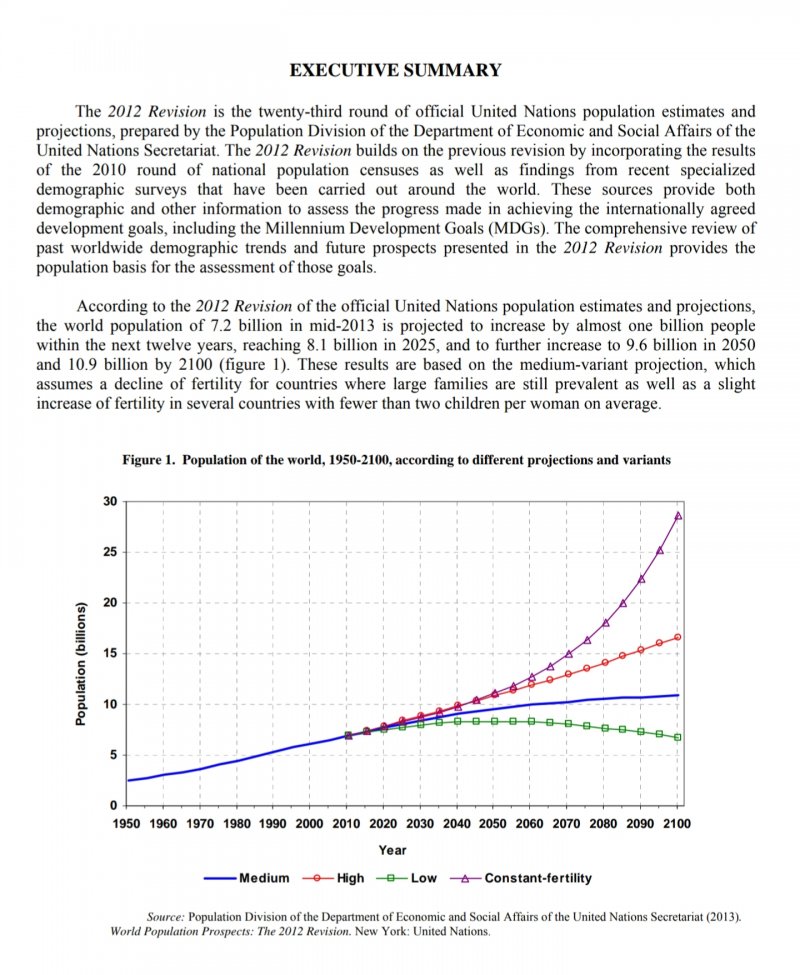
Anyway, my long, long post is basically to say: massive population growth isn't necessarily natural or the norm, when humans are allowed to live a more natural and happier lifestyle. So when did grain agriculture first really start to infest and gain control, and thus population booms?
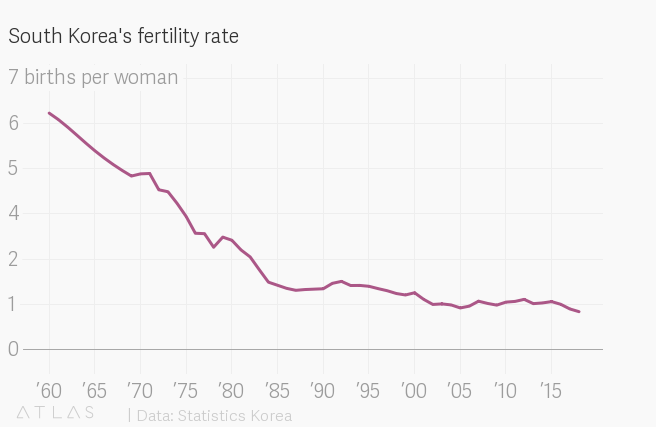
Do the numbers add up better if we assume a more natural lifestyle for most of our history? And is the reason population growth is slowing because more and more people (through technology and other choices) are choosing to live less grain-and-growth related lives? I'm not saying we're going back to hunting and gathering, or even all of the principles they held dear, but women are having fewer babies at a later age, and more spaced out these days, too. People also seem to LOVE travel any chance they get, and everyone's trying some new diet or other, a way to vary and change what they eat, some new gentler child rearing method, etc. My point is, maybe when we get the choice, this is what we revert to: more travel, more varied diets, and fewer kids. And it's not unnatural, it's completely natural.
Anyway. Those are some thoughts. Interested to hear more thoughts. I might be able to find sources for some of this info, if needed. But right now, I'm probably better off not spending more time on this! I think this might have gotten a little bit long!!

Suffice it to say, I've had quite a few thoughts on the subject!