Aboa became Saint Petersburg?

KD Archive

Not actually KorbenDallas
Active Member
Joined
Sep 22, 2020
Messages
4,691
Reaction score
1,500
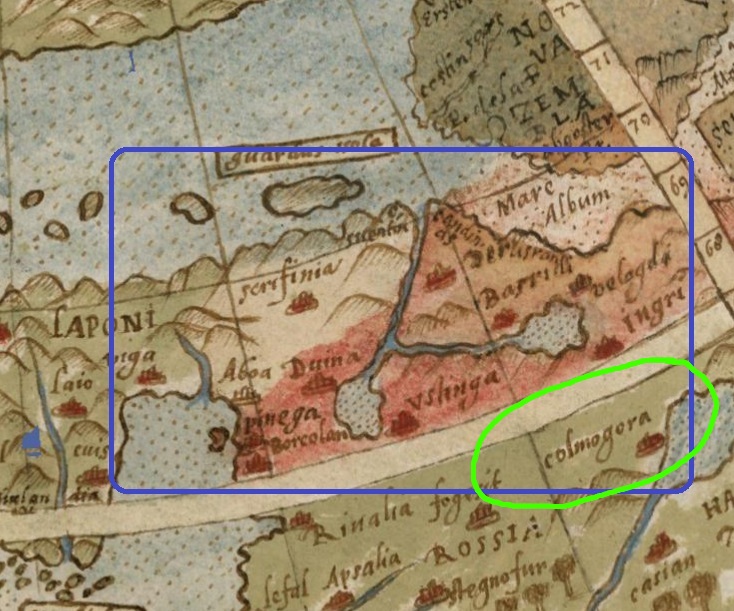
I am one of those who questions the traditional history of the Russian city of Saint Petersburg. I also think that older maps carry more conditional credibility than we think. One of the maps I find particularly interesting is the 1587 map allegedly produced by a certain Urbano Monte.
Detailed description of this map is provided by the David Ramsey Map Collection. In my opinion:
  • At the time when this map was produced (copied), our Earth already looked different.
  • This map is a "so-so" copy of a professional map we do not have access to.
  • This map shows many no longer existing antediluvian cities, towns, terrain features and animals.
    • I find it possible that some of the areas we are not allowed to see today. We simply do not know they exist.
  • This map also shows many cities and towns we still have around today. Most of them were renamed and received an updated history.
  • I do not see any reasons to believe that contents of this 10 square foot map were faked in order to mislead us. Masses do not care enough to justify its production.
  • I view this map as something ancients could have included in their elementary school text books.
Saint Petersburg
Per the narrative, the city of Saint Petersburg was named after Peter the Great. The PTB says he founded it: after winning access to the Baltic Sea through his victories in the Great Northern War, Czar Peter I founds the city of St. Petersburg as the new Russian capital.
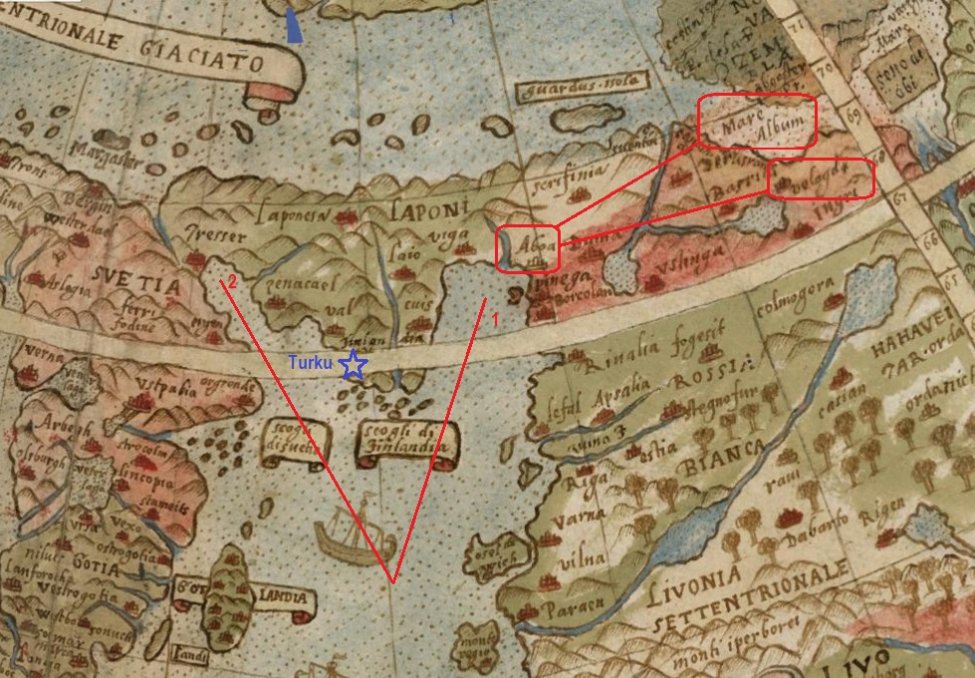
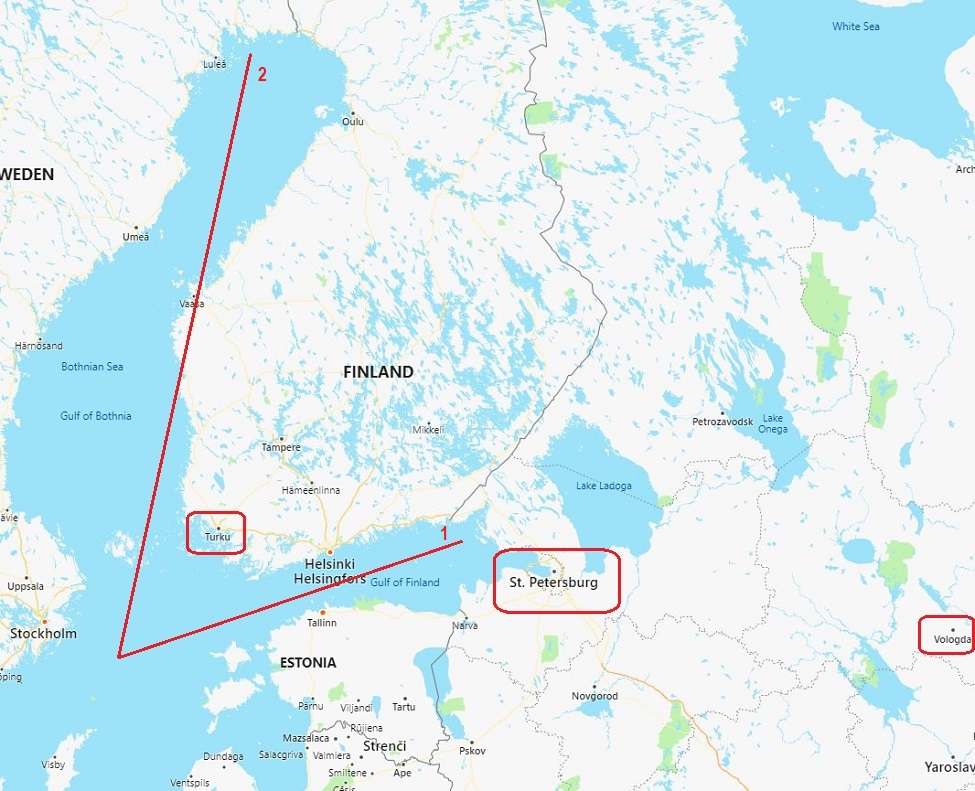
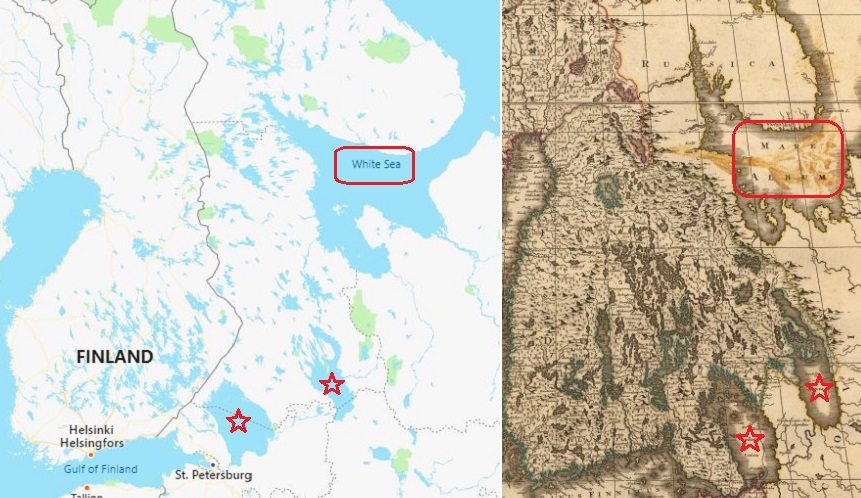
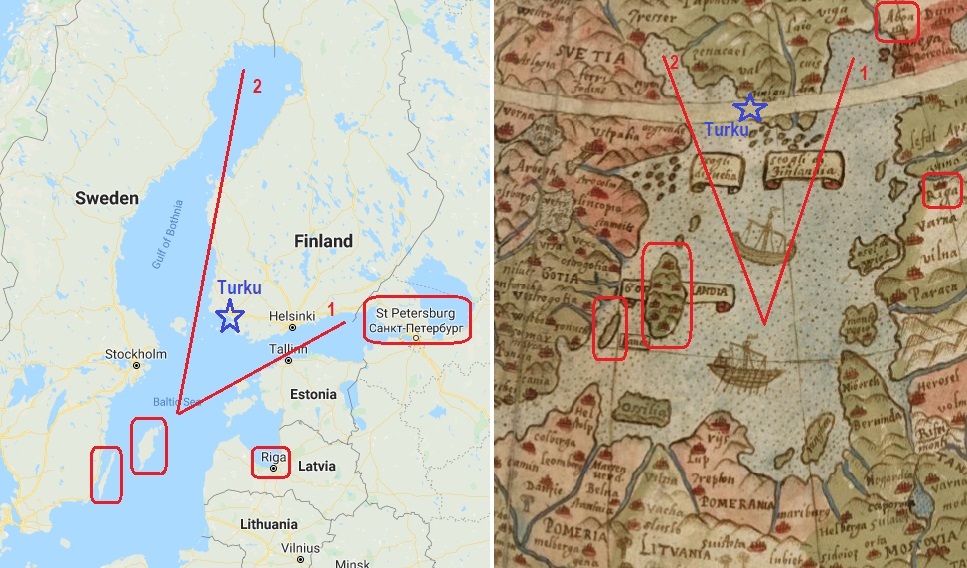
  • The below lines and circled cities will make sense as we progress...
    • 1 - Gulf of Finland
    • 2 - Gulf of Bothnia / Bothnian Sea
Map 1
map-new.jpg
The White Sea is of great interest due to me using it as a reference point. Apparently the White Sea used to be called the Album Sea. It was not that long ago either. I have seen it on multiple maps, but the below example is dated with 1710. Wikipedia conveniently omitted the previous name of the White Sea in its dedicated article.
  • Why did they change it in first place? What was wrong with keeping the Album Sea name?
Map 2
white-sea-album.jpg

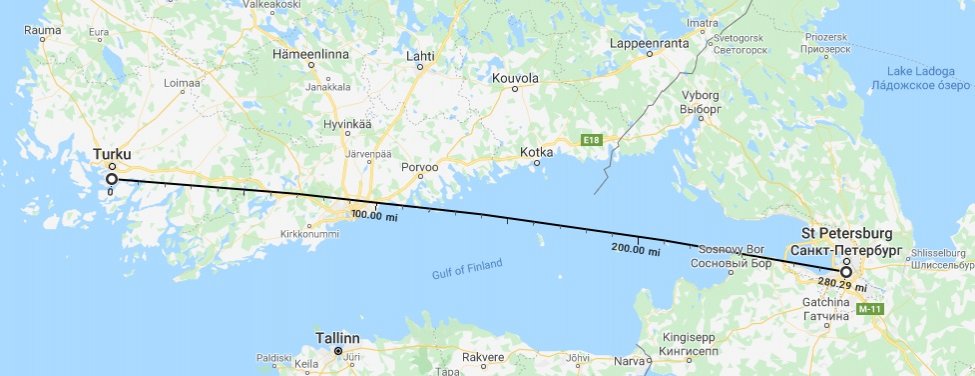
The city of Turku
Turku (Swedish: Åbo) is a city on the southwest coast of Finland at the mouth of the Aura River, in the region of Finland Proper. The region was originally called Suomi (Finland), which later became the name for the whole country.
  • As the oldest town in the country Turku was the most important city in Finland, a status it retained for hundreds of years throughout the centuries under the rule of the Kingdom of Sweden.
  • It was only after the last great fire in 1827 that most governmental institutions were moved to Helsinki along with the Academy of Turku (Turun Akatemia) founded in 1640, which then became the University of Helsinki.
  • It is unknown when Turku gained city rights. The Pope first mentioned the town Aboa in his Bulla in 1229 and the year is now used as the foundation year of the city.
Map 3
turku-map.jpg
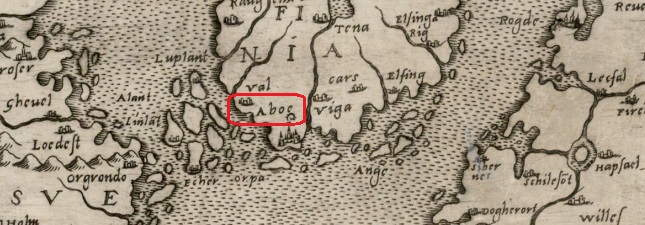
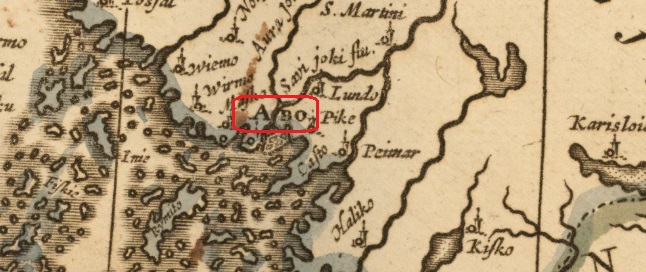
KD: Essentially, we are being told that the city of Turku used to be called Abo, as well as Aboa (per the papal bull of 1229).
  • There are many older maps, and some texts supporting this claim.​
1562
1562 map.jpg
Source

1690
1690 map.jpg
Source

Yet, I do think that there is a slight chance that Aboa is not Turku, and that sources of the map attributed to Urbano Monte predate our recorded history.

Map 4
zoom-out-1.jpg
For additional referencing we could use Mare Album (the White Sea), and the city of Vologda. Compare the below Map 5 to Map 1 above.

Map 5
1587-map-1.jpg

Map 6
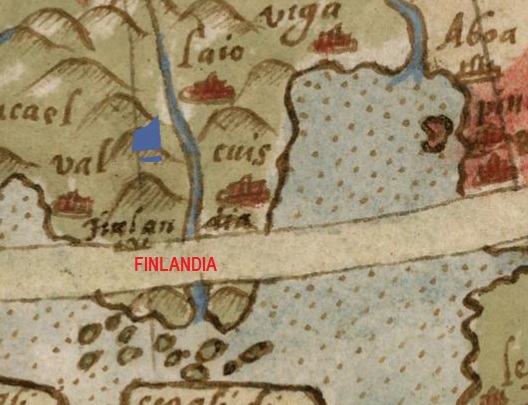
finlandia.jpg
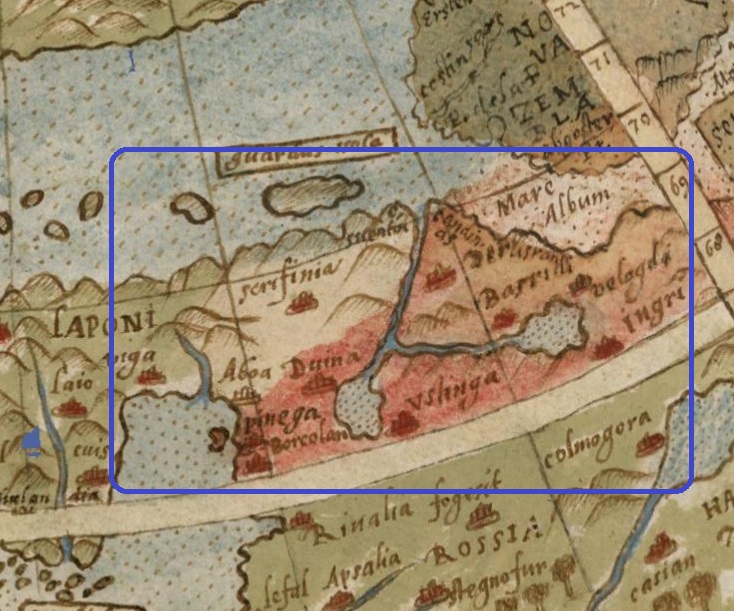
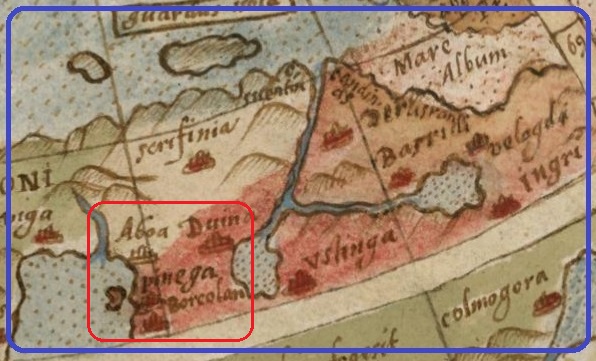
May be our Russian forum members could assist with referencing other cities/towns from the squared area. Places like Duina, Pinega, Barcolan, etc. could shed some light on what this Aboa was.

Map 7
area-map.jpg
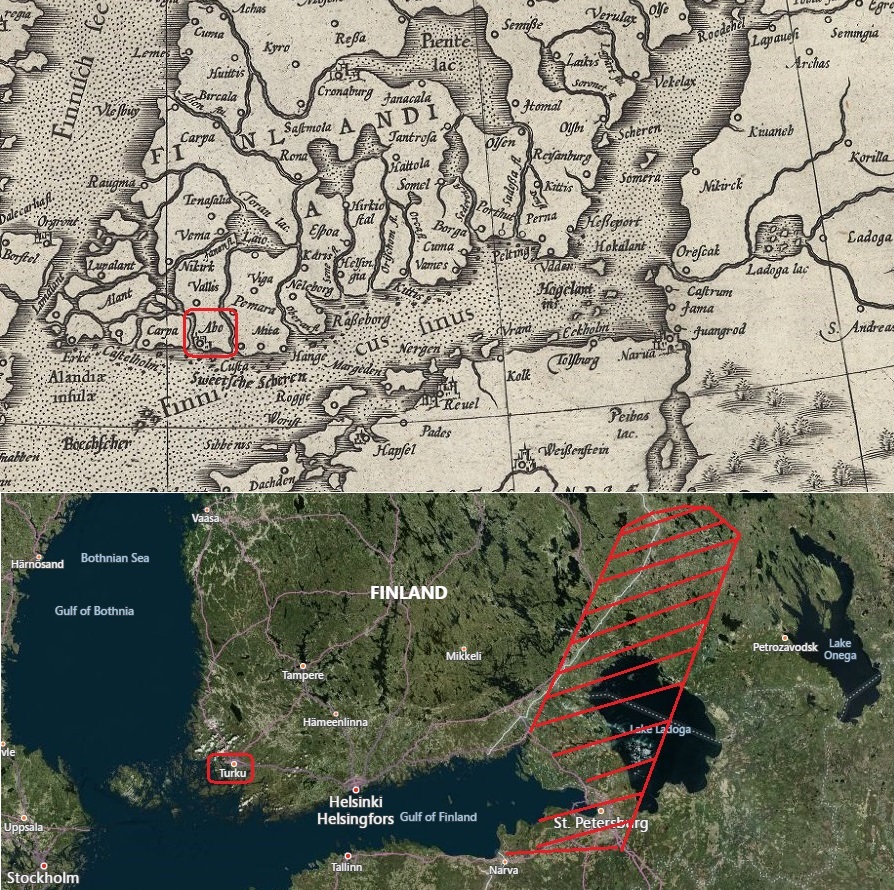
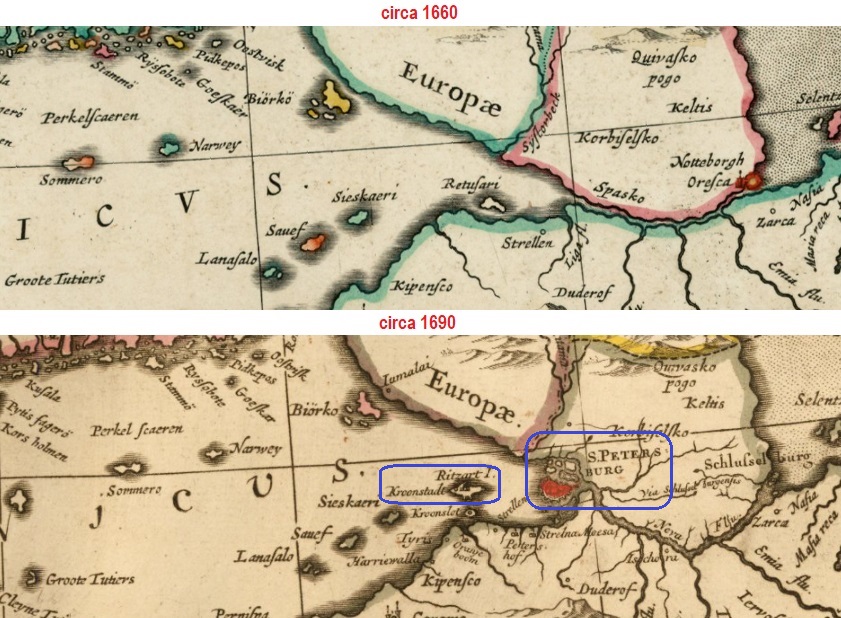
Both of the below maps are attributed to Anders Bure, who died in 1646. As you can see:
  • Notteborgh Oresca became Schlusselburg
  • I am not going to comment on S. Petersburg on the below 1690 dated map. May be it's a dating mistake, I don't know. At the same time I have hard time believing that their circa 1690s infrastructure could produce the star-city of S. Petersburg. Where did it come from?
Map 8
1660-90 map.jpg
Sources: 1660 + 1690
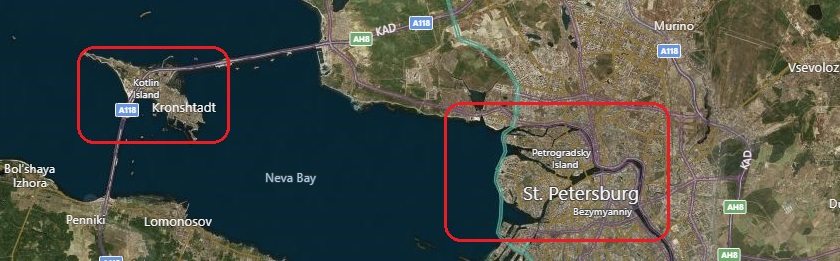
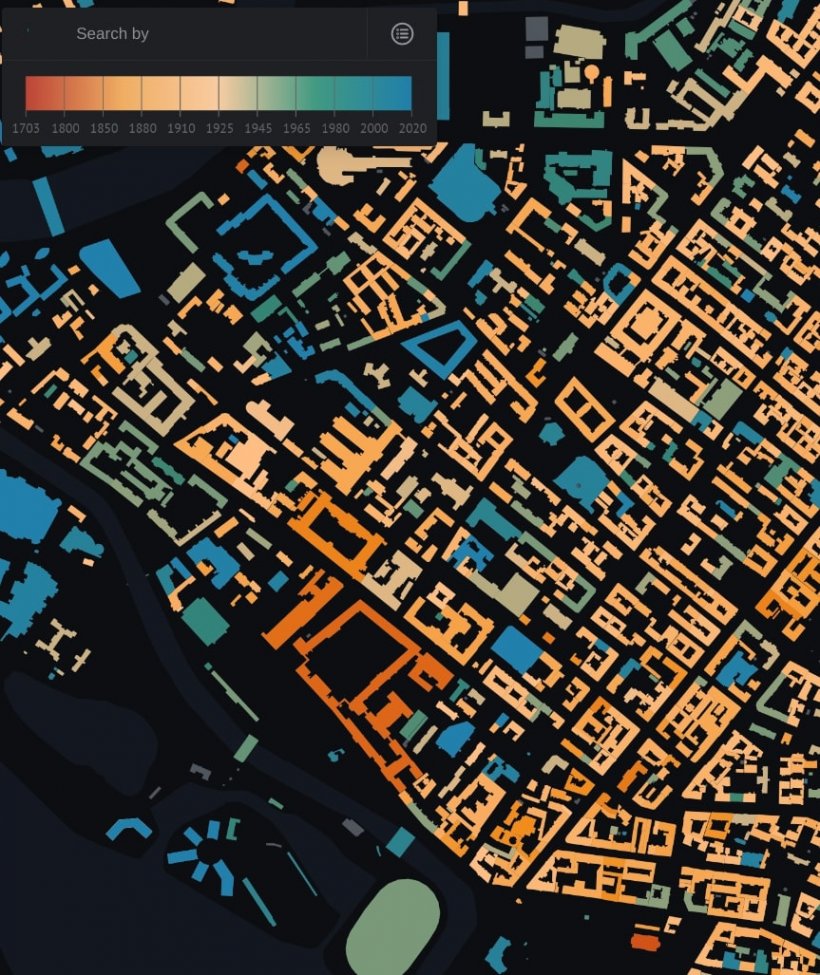
Today's disposition suggests that flood waters kept on receding, and exposed the city of Saint Petersburg. Could S. Petersburg be one and the same with the pre-flood city of Aboa?

Map 9
2020-map.jpg
I think the below 1607 map (whenever that was) shows the area (post-cataclysm, presumably) when water levels were still high. As waters receded, a few antediluvian cities got exposed. I did a rough extrapolation of the submerged areas on our contemporary map. I'm probably off by a lot, but the general idea remains the same.

Map 10
1607-map.jpg

1229 Papal Bull
According to wikipedia: the Pope first mentioned the town Aboa in his Bulla in 1229 and the year is now used as the foundation year of the city. I am not sure the Pope (in 1229) would even know about some town of Aboa somewhere in the future country of Finland, unless it was a big and important city. Apparently he did know about Aboa, and chose to include this town in his public decree.
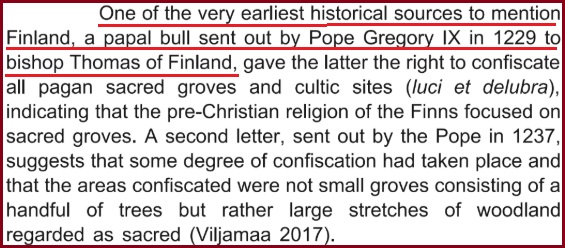
I tried to find this specific bull talking about the town/city of Aboa aka (they say) Turku, but to no success. Here are some of the related links, but there is nothing specific in there:
bull-1229.jpg
I would love to see the actual text of the 1229 bull in question. What does it say about the town of Aboa, and what specific words place Aboa where today's city of Turku is?
How many Aboas?
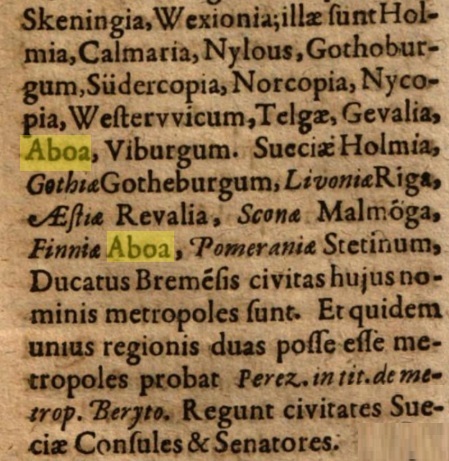
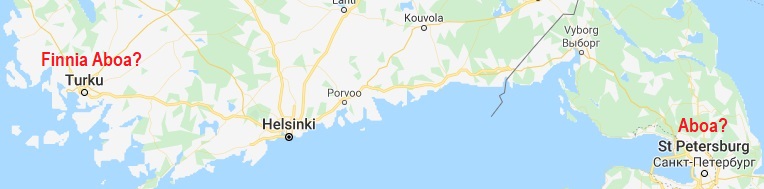
Could it be that there were more than just one Aboa? For example Aboa and Finnish Aboa? I am not sure what this text in Latin says, but it appears to be a list of cities or towns in the area. There appears to be two Aboas.
  • Aboa next to Viburgum
  • Finnia Aboa
aboa-11.jpg
Source

Map 11
vyborg.jpg

Daniel Juslenius
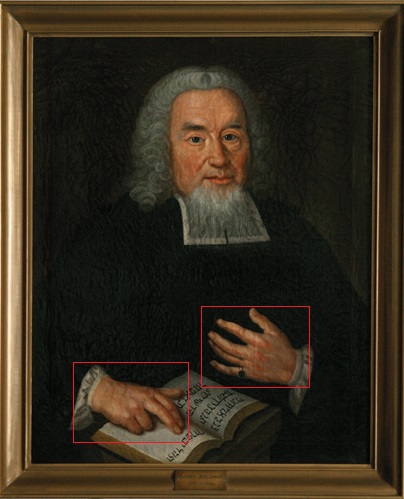
Daniel Juslenius (1676-1752) was a Finnish writer and bishop. He was a professor of Hebrew, Greek and theology at the Royal Academy of Turku.
juslen1.jpg
Source
Juslenius is considered Finland's first Fennoman and a firm advocate of Finnishness. In his works, he presented completely overblown images of the past of the Finnish people.
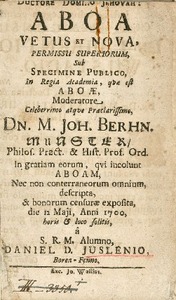
  • He wrote, for example, Aboa vetus et Nova, in which he claimed that the civilisations of Rome and Ancient Greece originated in Finland.
  • KD: Which Aboa would that be, Turku or Saint Petersburg?
Aboa_vetus_et_nova_permissu_superiorum_sub_specimine_publico.pdf.jpg

Etymology: Petersburg
What if the name of this city has nothing to do with Peter the Great? I could see myself saying something like this, "Check out that city of stone in the middle of the bay." Depending on the language it could probably end up being called Peterburg.


KD: I just wanted to give this Aboa-city some exposure. I am not saying that I'm right, and Aboa did become Saint Petersburg. At the same time this is a hypothesis of mine, and could warrant further investigation. It would be interesting to see whether we have any additional information linking Aboa to Saint Petersburg.

Additionally, could it be that Peter the Great's Saint Petersburg incorporated more than one ancient city?
  • Aboa
  • Pinega
  • Borcolan
Map 12
area-map-1.jpg

P.S. And one more thing about the 1587 map by Urbano Monte: I think it could reflect this world as it was some time prior to the Age of Discovery. IMHO there was no secret of what was where, but something happened and things changed. The event (Great Flood, Catastrophe, Cataclysm, etc) prompted the Age of Discovery to kick in. I would call it the Age of Re-discovery, but that's just my opinion. This map shows human hybrids, and the below thread could show what influenced my opinion on the age of the map in question:
Note: This OP was recovered from the Sh.org archive.
Note: Archived Sh.org replies to this OP are included in this thread.
 
Note: This post was recovered from the Sh.org archive.
Username: Timeshifter
Date: 2020-07-12 10:06:02
Reaction Score: 0
Not sure how relevant this may be KD, I came across this just now whilst researching something entirely unconnected (the year 1812)

I wonder if the year 1812 is relevant to any of this?

anyway, from wiki

As the oldest town in the country Turku was the most important city in Finland, a status it retained for hundreds of years throughout the centuries under the rule of the Kingdom of Sweden. After the Finnish war, Finland became an autonomous grand duchy of the Russian Empire (1809) under the direct rule of the Czar and the capital of the autonomous Grand Duchy of Finland was moved to Helsinki (1812).

Wiki
 
Note: This post was recovered from the Sh.org archive.
Username: Cemen
Date: 2020-07-12 16:02:07
Reaction Score: 3
The only city that I (hopefully) could recognize.

area-map.jpg

This is probably the city of Kholmogory in the Arkhangelsk region.
The first mention of Kholmogor proper (originally Kolmogory, Kolmogorsky town) is contained in the letter of the Grand Moscow Prince Ivan Kalita to the Dvinsky settler “to Kolmogory” - 1335.

Duina- this is most likely the changed word of Dvina.

Two rivers flow there - the Northern Dvina and Pinega. But the map shows settlements with such names that they called the river or settlement before the question is complex.
Now in this area there are several settlements using the words Dvina and Pinega in the name, but they are unlikely to be related to the map.
 
Note: This post was recovered from the Sh.org archive.
Username: KorbenDallas
Date: 2020-07-12 19:39:57
Reaction Score: 0
Spent a few minutes trying to locate the above-mentioned papal bull of 1229. I'm probably choosing my key words poorly.

Duina definitely looks like a city, though today it's a river. Kholmogory is way to the north-east from where a similar name is on the map.

Borcolan and Serisinia, or Serifinia: some interestingly named locations these are... what language could that be?
 
Note: This post was recovered from the Sh.org archive.
Username: Cemen
Date: 2020-07-12 19:50:56
Reaction Score: 0
To my ears it’s like Latin or Greek.
 
Note: This post was recovered from the Sh.org archive.
Username: cestbon
Date: 2020-07-12 20:10:41
Reaction Score: 5
Great thread. Looking into it opened up a vast array of rabbit holes to go down, and I chose one and went there.

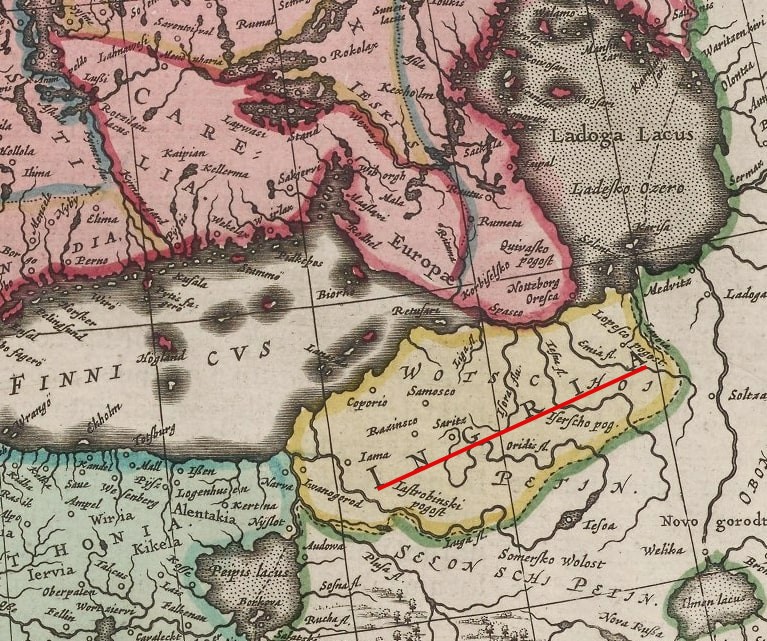
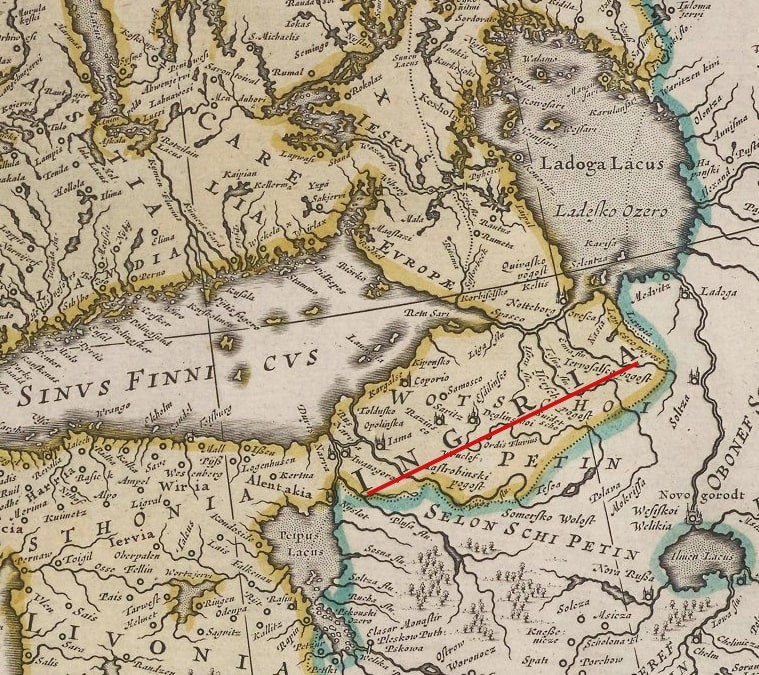
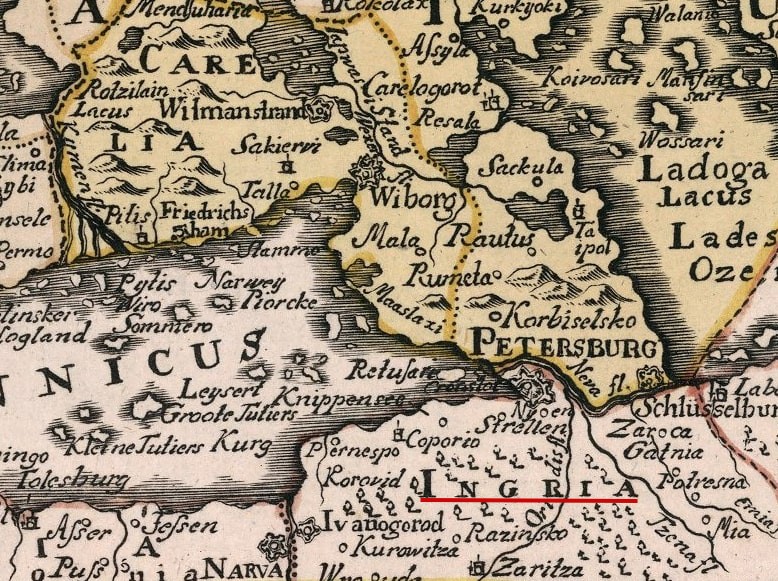
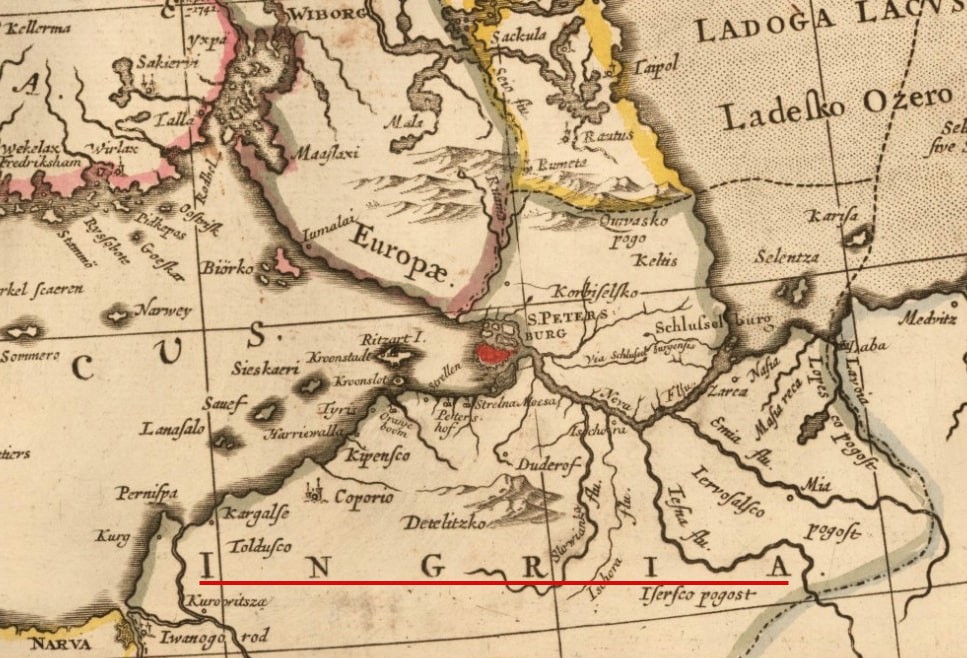
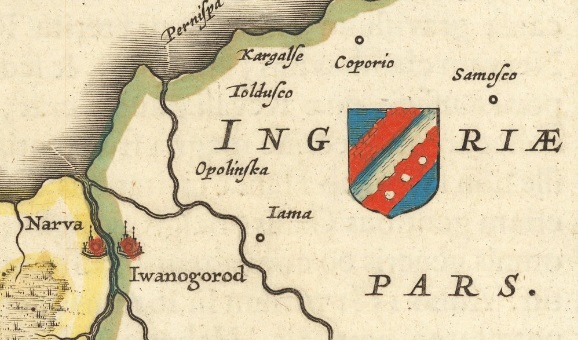
Diving into the ancient maps of the area, there are a lot of references to Ingria, and on some maps, a country called Ingria borders and even encompasses the area that became St. Petersburg, as seen below:


What struck me was the number of apparent country border changes in a short amount of time. That's...a lot of variance. In the myth (ref. the other thread), Peter the Great and an eagle showed up in an empty swamp and, having vanquished their foes utterly, proceeded to peaceably build a city in record time. Reality is always much more complex, and stories like that are meant to obscure. The evidence might instead indicate that this location was important and valuable, and thus warred over repeatedly.

And then I looked up Ingria.

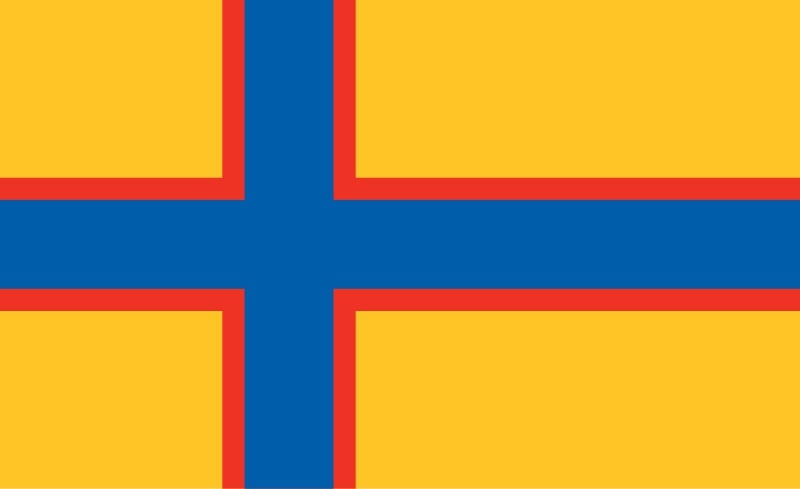
This is Ingria's flag.
ingria flag.jpg

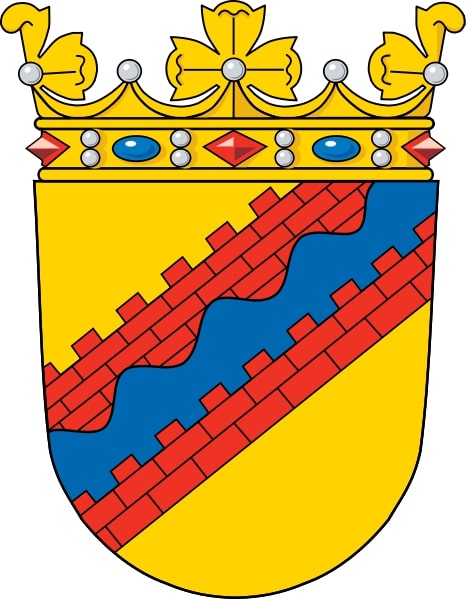
This is Ingria's coat of arms.
ingria coat of arms.jpg

This is from the article.
  • "Ingria as a whole never formed a separate state; the Ingrians, understood as the inhabitants of Ingria regardless of ethnicity, can hardly be said to have been a nation, although the Soviet Union recognized their "nationality"; as an ethnic group, the Ingrians proper, Izhorians, are close to extinction together with their language. This notwithstanding, many people still recognize their Ingrian heritage."
Does that sound familiar to anyone?

We have:
  1. A clear history with articulated borders going back over 400 years.
  2. A national flag.
  3. A coat of arms.
  4. A distinct national identity with a surviving people who recognize their heritage.
    • and finally,
  5. Contemptuous academic treatment of the country and its people that ignores all of the foregoing facts.
"Historic Ingria covers approximately the same area as the Gatchinsky, Kingiseppsky, Kirovsky, Lomonosovsky, Tosnensky, Volosovsky and Vsevolozhsky districts of modern Leningrad Oblast as well as the city of Saint Petersburg."

Dunno about you, but my spidey senses tingle when a snooty academic is attempting to get me to ignore something. Ingria was a pretty big deal, and it - and the history of Aboa/St. Petersburg along with it - have been hidden from us.
 
Note: This post was recovered from the Sh.org archive.
Username: KorbenDallas
Date: 2020-07-12 20:29:22
Reaction Score: 5
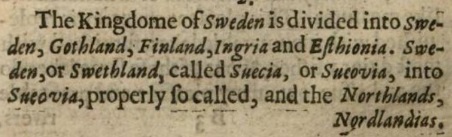
Well, here is an excerpt from this 1632 book. There is nothing tremendously special to it, but as a piece of info added to the collection it will do.

sweden_kingdom.jpg
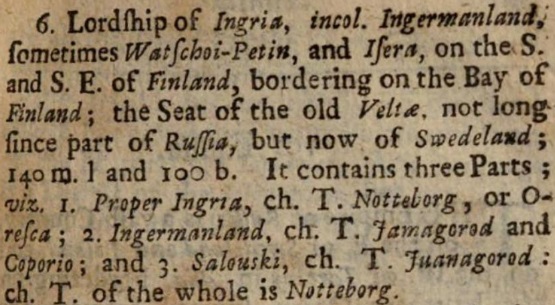
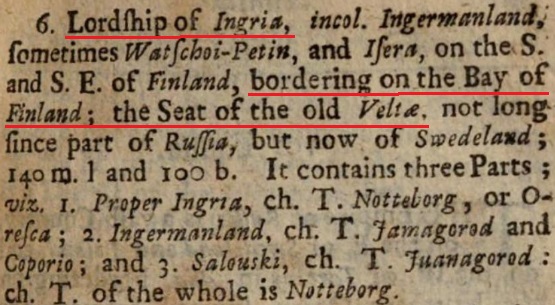
This 1696 book suggests the following.
  • Seat of the old Veltae?
    • The first mention of a tribe named Veltae is founding Ptolemy's Geography where, writing in the second century, Ptolemy states in Book III, chapter V: " Back from the Ocean, near the Venedicus bay, the Veltae dwell, above whom are the Ossi; then more toward the north the Carbones and toward the east are the Careotae and the Sali; below whom are the Gelones, the Hippopodes and the Melanchlaeni; below these are the Agathyrsi; then the Aorsi and the Pagyritae; then the Savari and the Borusci to the Ripaeos mountains; then the Acibi and the Nasci; below whom are the Vibiones and the Idrae; and below the Vibiones bordering on the Alauni are the Sturni, and between the Alauni and the Amaxobii are the Cariones and the Sargati; near the bend of the Tanis river are the Ophlones and then the Tanaitae; below whom are the Osili extending as far as Rhoxolanis; between the Amaxobii and the Rhoxolani are the Rheucanali and the Exobygitae; and between the Peucini and the Basternae are the Carpiani, above whom are the Gevini, then the Bodini; between the Basternae and the Rhoxolani are the Chuni, and below the mountains named from these are the Amadoci and the Navari. "
    • The Bavarian Geographer's anonymous medieval document compiled in Regensburg in 830 contains a list of the tribes in Central Europe east of the Elbe.
    • Among other tribes it also lists the Uuilci (Veleti), featuring 95 civitates.
    • On the Veneti in Ptolemy’s Geography | In Nomine Jassa
    • Veleti - Wikipedia
  • Veltae... Veleti, Veneti, Venedi?
1697-ingria.jpg
On this c. 1640 Livonia vulgo Lyefland map, we have a differently colored Ingrian coat of arms.

ingria-flag.jpg

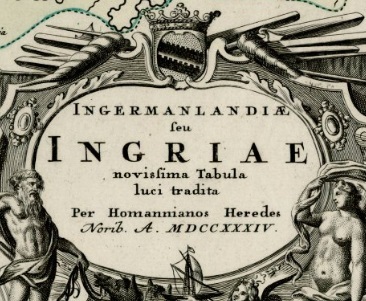
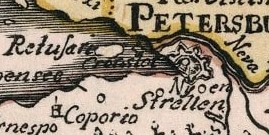
On the below 1734 map titled - Ingermanlandiae seu Ingriae novissima Tabula luci tradita MDCCXXXIV [Includes inset view of St. Petersberg] - we can see that Saint Petersburg was located in some Koporien Provincia of (I assume) Ingria, for this map is of Ingria, and not of Russia.
Ingria-map.jpg
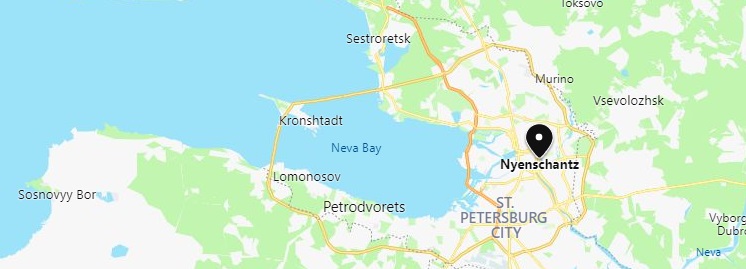
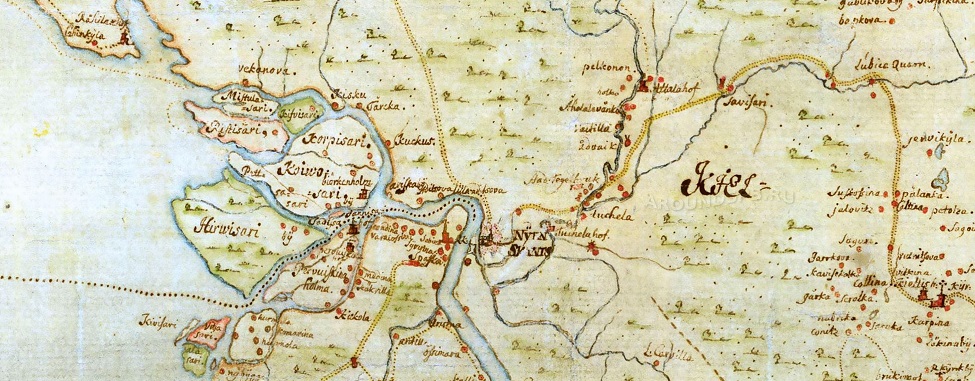
Shouldn't the existence of this Nyen/Nyoen contradict the official story of Peter the Great building Saint Petersburg in some swamp?
  • Nyenschantz was a Swedish fortress at the confluence of the Neva River and Okhta River, the site of present-day Saint Petersburg, Russia. Nyenschantz was built in 1611 to establish Swedish rule in Ingria, which had been annexed from the Tsardom of Russia during the Time of Troubles.
  • The town of Nyen, which formed around Nyenschantz, became a wealthy trading center and a capital of Swedish Ingria during the 17th century.
  • In 1702, Nyenschantz and Nyen were conquered by Russia during the Great Northern War, and the new Russian capital of Saint Petersburg was established by Peter the Great in their place the following year.
Ingria 03.jpg
It's currently located like dead smack in the middle of Saint Petersburg.

Nyenschantz1.jpg
And whatever this 1678 stuff is.

 
Note: This post was recovered from the Sh.org archive.
Username: fabiorem
Date: 2020-07-12 21:32:46
Reaction Score: 1
Mare Album means White Sea in latin.
As for having two Aboas, it mades sense, as many cities have duplicated names.
I believe that St Petersburg was the original Novgorod, from which sprang the two modern Novgorods in Russia.
Could have been the same with Turku, when it was called Aboa.
The name Aboa could also be a reference to white, like a white city, with white walls.
 
Note: This post was recovered from the Sh.org archive.
Username: SuperTrouper
Date: 2020-07-12 22:09:15
Reaction Score: 1
Just a note - I would be rather cautious about making any sort of conclusions based on this 1587 map. It's more of an artist's impression as opposed to a map. I've examined some areas I am very familiar with and in most cases map labels are for historical regions as opposed to actual cities. There are occasional city labels but it's mainly for regions. Moreover, the map is in Italian and names of locations/cities is what they are referred to in Italy, i.e. London is Londra.
 
Note: This post was recovered from the Sh.org archive.
Username: KorbenDallas
Date: 2020-07-12 23:08:36
Reaction Score: 1
Down the rabbit hole suggested by this 1697 book we go.

1697-ingria.jpg
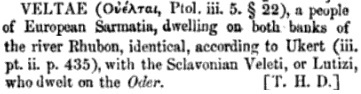
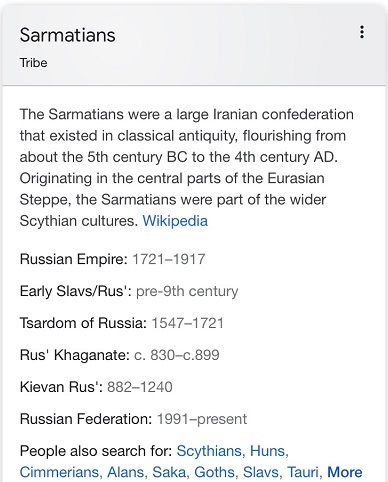
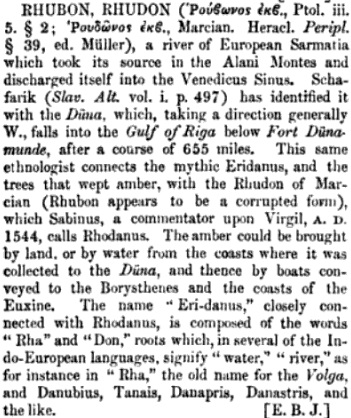
Do we really end up with Sarmatians and Scythians populating the Saint Petersburg area per this 1870 source?

veltae-11.jpg

Sarmatians-web.jpg

River Rhubon...
Wondering if "the seat of the old Veltae" could have anything to do with what we now call the city of Saint Petersburg.
 
Note: This post was recovered from the Sh.org archive.
Username: igneous
Date: 2020-07-13 00:48:48
Reaction Score: 1
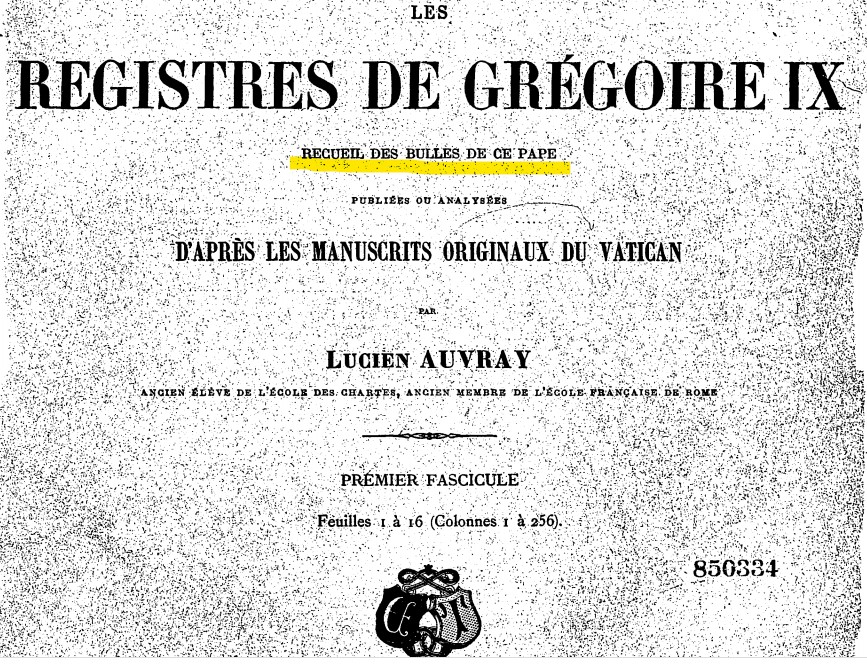
I think (?) I found it but it's in Latin and I'm not really getting anywhere with it by doing searches for city names, terms, etc.

Annotation 2020-07-12 204554.jpg
Big pdf of the Papal Bulls of Gregory IX Tome I Covers 1229 - comes in at 600+ pages

Edit: I'm looking at this a little closer and I think it might only be the Recap & Discussion not original actual bull but again, not sure due to the latin. I will keep looking!
 
Note: This post was recovered from the Sh.org archive.
Username: fabiorem
Date: 2020-07-13 04:43:08
Reaction Score: 3
I feel there is something fishy about St Petersburg. You go down there in google maps, take a look in the streets, and realize its much older than they say it is. Novgorod (which Fomenko related to the Habsburgs, as both names mean "new fortress") was a merchant power in the middle ages. You can only imagine it would require access to the sea.
And then there is the story that a italian had planned it, and he was associated with the building of the cannals in Venice. But Venice is Fenicia, the people who keep changing names throughout story, and St Petersburg was the seat of tsar Alexander, who was the boyfriend of Napoleon.
So, was St Petersburg, or Aboa, the original nemesis of the Roman Empire? And usurped its name in the Romanov dinasty? Maybe it was Venice which was built based in Aboa, and not the way we are told. And maybe they were part of the empire, as the sarmatians once served it. The sarmatians introduced the stirrup in Europe, and the legends of king Arthur are related to them. We usually find them coupled together with the scythians, in "official" history books.
There is that theory which says the trojan war actually happened in the baltic, not in the mediterranean. Many wars are transpositions of real events, copied into a mythic past. The difference is that today they are regarded as real history, and not myth, thanks to the religion of "science".
Could we relate Aboa and Album to the albigenses? But the algibenses were from Aquitaine, werent they? Aquitaine which was said to dominate the latin better than the romans, and from where came the franks which, according to Fomenko, had built the athenian acropolis and other greek structures. Their name comes from a french city called Albi. Also Britain was called Albion, so there are many references to "whiteness", which could point to a old empire in the West. The toga used by the romans was white.
 
Note: This post was recovered from the Sh.org archive.
Username: Cemen
Date: 2020-07-13 07:19:15
Reaction Score: 1
Here I do not agree, I do not know why Fomenko decided that Novgorod is the "New Fortress".
In Russian, Novgorod is literally New City. There are no other interpretations of the name.
 
Note: This post was recovered from the Sh.org archive.
Username: WeeWarrior
Date: 2020-08-20 04:35:01
Reaction Score: 1
Here's another juicy bit to add to the stew!

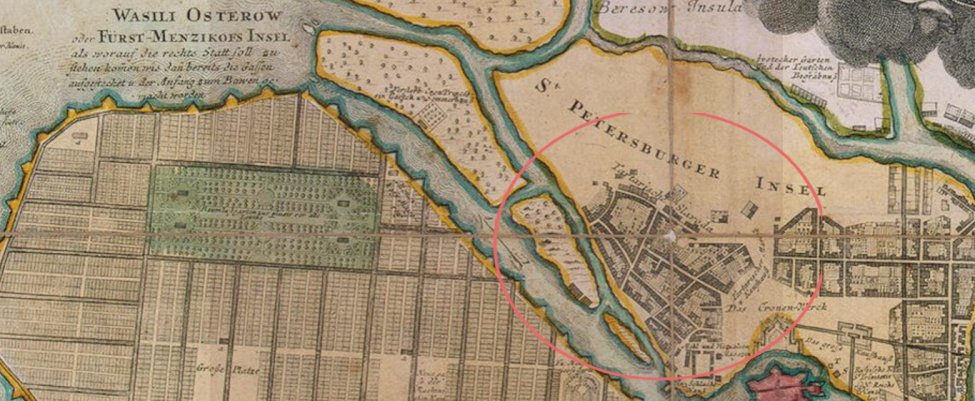
Check out this neighborhood I found on this Map of Saint Petersburg in 1720 with all it's star fort bits around the edges still in place.

It is the upper right corner on St. Petersburger Insel called Tartarische Slaxada (I guess, perhaps a German speaker could do better).

St Petersburg Tartaria.jpg
Perhaps someone familiar with St. Petersburg could determine what happened to this area?
 
Note: This post was recovered from the Sh.org archive.
Username: difference
Date: 2020-08-20 12:14:15
Reaction Score: 2
Screenshot from 2020-08-20 14-59-01.jpg
There are a few quite old buildings mostly used by Mozhaysky Military-Space Academy, many industrial buildings (including from Soviet period), some apartment blocks.

Examples of old buildings:
* (one)
* (two)
* (three)
* (four)
 
Places like Duina, Pinega, Barcolan, etc. could shed some light on what this Aboa was.
Lev Semenovich Bagrov years of life (1881-1957). In his work "Maps of the Neva and adjacent territories in the Swedish archives" "L. Bagrov and H. Kohlin. 1953" writes about the city of Aboa, which is indicated on the maps. Quote: "By this time Russian data had reached Europe. Herberstein visited Moscow in 1517 and 1526 and brought back some Russian materials. The Russian mission arrived in Rome in 1525. One of its members, Dimitri Gerasimov, told Paolo Giovio a lot. After that, the latter published a description Russia and the map that has come down to us in the form of a copy made by Battista Agnese.Finally, Ivan Lyatsky, the former governor of Pskov, who fled from Moscow, lived in Lithuania since 1534 and handed over the materials for the maps to A. Wied, S. Munster and, apparently earlier, also to Herberstein. The map of Gerasimov is not rich in information. This gives the Neva - Neue fl., flowing from a large lake, on the banks of which Novogrodia Maxima is located. This river flows through a small unnamed lake. To the north of the mouth of the Neva lies Vyborg , to the south - Narva. Maps based on Lyatsky's materials are very similar in form. Herberstein probably has more place names that he received in Moscow or later from Lyatsky when he lived in Lithuania. The identification of these names, with the exception of the Polna river, does not cause any dispute or misunderstanding. It can be mentioned that in the Russian chronicles Kexholm was called the Korelsky town. However, it is possible that on some foreign maps this refers to a village located near Uusikirka, present-day Krasnoe Selo or Kiirolla (Kyrölä in Finnish). On maps from the 16th century, this corresponds to Corela south of Ecclesia Nova. Novgorodians called Narva Rugodiv when they took it in 1294. As for Polna, here we have a mistake made by Lyatsky. Of course, he knew the Pskov legend (he was governor in Pskov) or the Novgorod statement from the Novgorod chronicles that "in the summer of 6826 (= 1318) the Novgorodians went to war across the sea to the Polna River and waged a great war and captured the city of Luder of the Sumy prince and Piskupl." The city of Lüder is usually understood as Abo, that is, Abo Castle, the residence of the then governor of Finland (= Principality of Sumy), Lüder von Kieren, while Piskupl means Kuusto Castle, where Bishop Abo lived. This would mean that the Polna river is the Aura river. This interpretation, obviously, is fully consistent with modern ideas. The Revel rådskansliet (municipal office) accordingly translated it in the Novgorod script as the city of Aebo. Lyatsky misinterpreted the location of the campaign. This is understandable, since even later interpretation of the routes of the campaigns carried out during that period caused controversy. Lyatsky apparently thought that the Novgorodians fought in 1318 near Vyborg, and he identified the Polna River with the Vuoksa, with its system of lakes and streams, or with the Kosen-Yoki River, which flows into the sea south of Vyborg near the village of Johannes. Biscopson, by the way, is there. Herberstein states that the Polna river separated the lands of the Moscow ruler from the Chai land, called in the annals the Gama land - the Em land, that is, Finland. The border was considered officially established by the Orekhov Agreement of 1323. According to this agreement, Novgorod ceded 3 communes to Sweden: Sevilakshya (Savolaks), Yaski (Jaski) and Ogreba (Eyuräpää). The border ran along the Sestra, through swamps to the river Saya (= Zay-Zaj), Sun Stone (= Solsten-Päiväkivi), Black Gap (= Rodhahael-Rødhahell), Lembo Lake (Lamb träsk) and so on. Therefore, the Polna River should be identified with the Sestra River, and the border went to the Vuoksa River to the east of Lake Eyrapäya. On the other hand, if the border passed through Rodkhael, the mouth of the Polna River should be moved north somewhere south of Vyborg, since Rodkhael - Chermnaya Shchel is also the name of the settlement at the mouth of the Vyborg Bay - Roderin on old maps. All this completely frees Herberstein or Lyatsky, depending on the circumstances, from introducing confusion into the maps of their time. This is a very small fragment of the analysis of ancient maps. The article contains many changed names of settlements. And linking them to the area. The Pro Aboa version is erroneously mapped due to incorrect information provided to the author of the map. Those interested in maps of St. Petersburg and its environs will find it useful to read in full.

Окрестности Петербурга - "Карты Невы и прилегающих территорий в шведских архивах". Часть 1. Л.Багров и Х.Кёхлин. 1953 1часть

Окрестности Петербурга - "Карты Невы и прилегающих территорий в шведских архивах". Часть 2. Л.Багров и Х.Кёхлин. 1953 2часть

In my opinion, Aboa on the map is either a mistake, or a small settlement with the same name. The Swedish name of the city Åbo ([ˈoːbu]) consists of two words: å[sv] ("river") and bo ("to live") and is translated as living along the river. Any settlement could be called that. As an example, "Abo, a former village in the Khasansky district, on the banks of the Borodinsky stream, the right tributary of the Malyutinka. 15 km from Zanadvorovka. Founded in 1876 by Finnish colonists from the Nakhodka trading post. Named after the native city of Abo (Turk)." The place where Petersburg is now located, ancient trade routes passed through this place. On water. If you needed to get to the east of the country. Pinega (Pinega) is both a river and a settlement, in the same place Dvina (Duina). It is possible that these points are shown on the map as a kind of note. Or there were settlements with the same name as an outpost, a gate, an entrance to these rivers. Hard to say. guesses, versions. For example, "...the toponym Pinega was assigned to rivers that were sections of water (water-portage) routes and served to shorten the road." So Pinega can be called any place between two rivers where there is a passage. So is colmogora on the ancient map, now near Pinega, Dvina, Kholmogory. This is the southeast of Arkhangelsk, the White Sea. These are areas. Not a specific locality. Fits in the errors of the map. Only Aboa does not fit. Map 5 has an interesting detail. A trifle, but still. Aboa's city icon is not shaded in red like other cities. I looked at the map in high resolution and more extensive areas, I have not seen such negligence anymore.

I apologize for not knowing English. perhaps the meaning of the written is distorted.
 
In Fra Mauro’s map of 1450, the city of Aboa —identified with present-day Turku in Finland— appears mentioned, yet its placement seems shifted toward an area we would today associate more with the region of Saint Petersburg. Is this simply a case of medieval cartographic imprecision? Or does it reflect a different geographical conception of the eastern Baltic in the fifteenth century?
4.png


Fra Mauro was not a naïve cartographer. His map compiles Arab, Venetian, classical, and medieval sources. So if Aboa appears in a position that seems strange to us today, are we looking at an error… or at an older geographical tradition that does not align with our modern borders?


Within the same cartography there are references to Gothia, even a Gothia near Crimea. The map also mentions the Mar Germanicus, echoing the ancient Roman Mare Germanicum. And in the Baltic appears Gotland, whose name literally means “land of the Goths.”


Is it merely a toponymic coincidence that Gotland, Gothia, and southward routes appear connected within the same geographic framework? Or is the map preserving a medieval memory of ancient migrations from the north toward the Black Sea and later into Italy?
3.png


Fra Mauro also includes an explanatory text stating that:


In the northern regions there once lived the Goths and other powerful peoples, and from those lands various nations departed who later descended toward the south.

And regarding the Lombards:


From these northern parts also came the Lombards, who later occupied Italy.

He does not present this as myth, but as accepted historical tradition of his time. He is drawing on narratives inherited from authors such as Jordanes, who spoke of Scandza as the origin of the Goths, and Paul the Deacon, who attributed a northern origin to the Lombards before their settlement in Italy.


But here an interesting question arises:


To what extent is Fra Mauro simply copying earlier chronicles… and to what extent does his map reflect a living geography in which these names still held political or ethnic meaning in the fifteenth century?


If Gothias exist both in Scandinavia and near Crimea,
if Gotland preserves the Gothic name,
if the Lombards “come from the north” according to tradition,


are we looking at a coherent memory of real historical movements… or at a medieval literary construction that eventually crystallized into cartography?


Y más aún:
¿Cuán fija estaba la geografía mental del norte de Europa en el siglo XV?
¿Podrían los desplazamientos aparentes —como el de Aboa— indicar que los mapas no eran simples fotografías del territorio, sino síntesis de tradiciones estratificadas?
Verify Access
 
Tips
Tips
Please respect our Posting Rules.
Back
Top