Chernobyl and Fukashima mutations. "Radioactive cesium from Chernobyl can still be detected in some food products today. And in parts of central, eastern and northern Europe many animals, plants and mushrooms still contain so much radioactivity that they are unsafe for human consumption." Sure there are some people moving in and eating what they grow there but it doesn't mean they're going to live for very long afterwards.Note: This post was recovered from the Sh.org archive.
Username: whitewave
Date: 2019-06-18 14:33:24
Reaction Score: 2
" And over 200 small and large accidents have occurred at nuclear facilities" which sounds like a poor safety record to me with dire and long-term consequences. Radiation exposure has caused genetic damage and increased mutation rates in many organisms in the Chernobyl region. So far, we have found little convincing evidence that many organisms there are evolving to become more resistant to radiation." (same article-really, the whole article is worth reading). The radiation hasn't killed everything and some species are thriving (probably due to lack of competition for food sources) but, overall, the flora and fauna have suffered mutagenic damage.
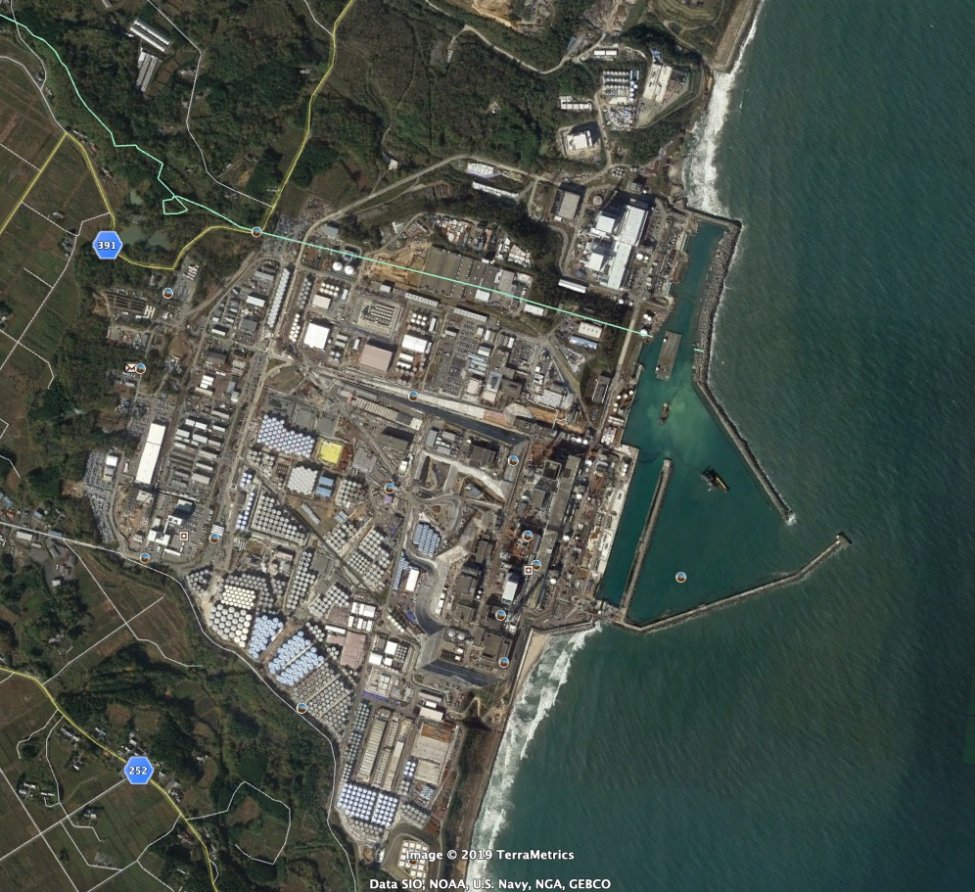
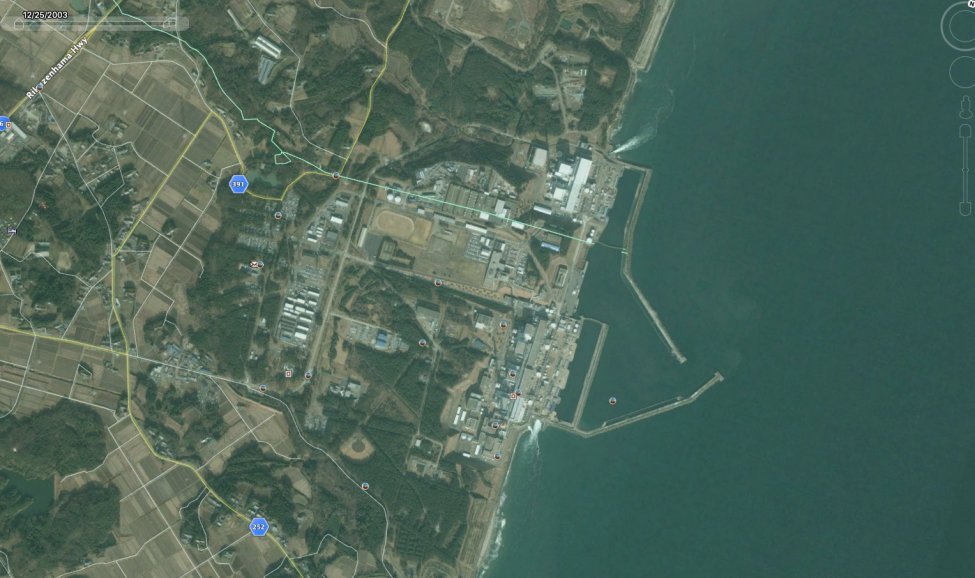
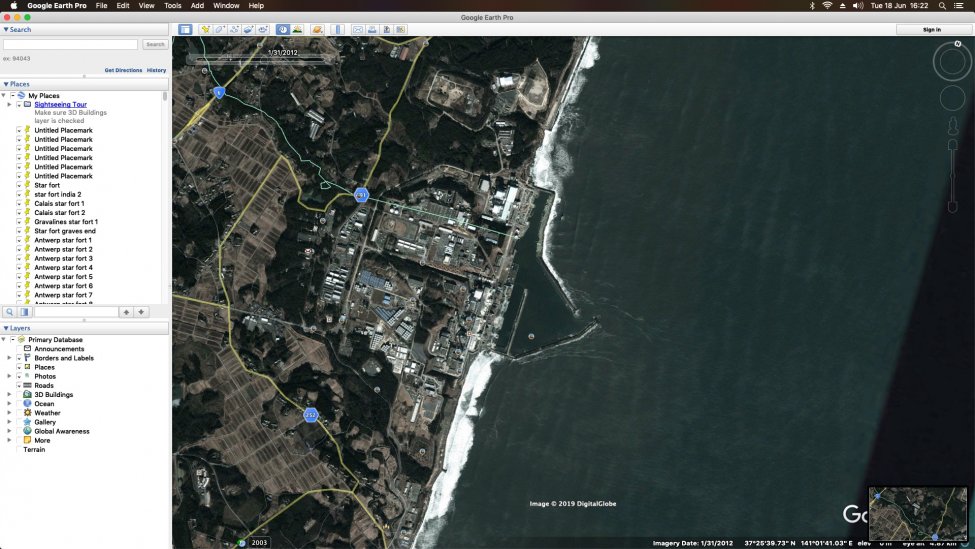
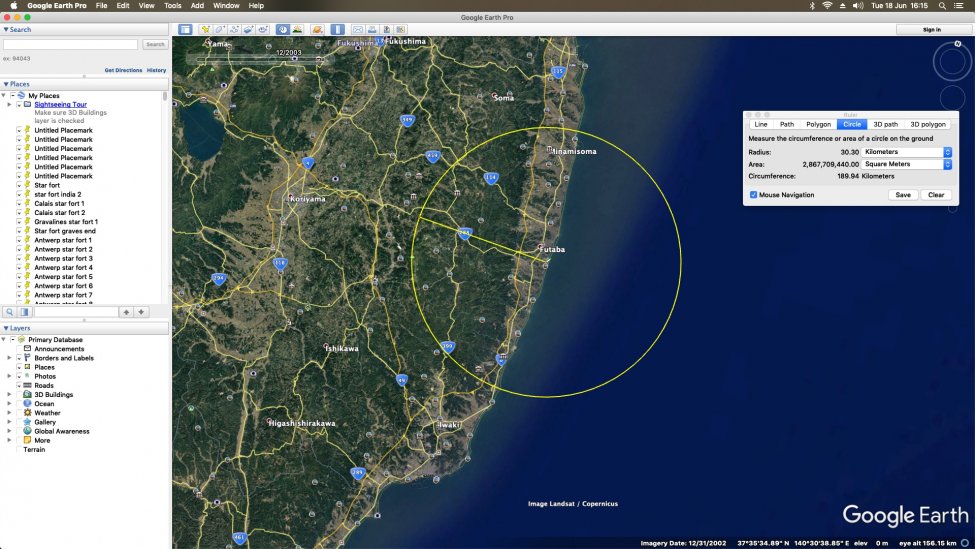
The accident at the Fukushima-1 nuclear power plant in Japan, which occurred on March 11, 2011, caused mutations in animals, plants and insects. One of the first mutants was a rabbit without ears, born on a farm near nuclear power plant. Fukushima mutated animals, reached their highest rates in the first 5 years after disaster. It was during this period that animals were born with two heads, muzzles, paws. The pictures on this site are too big to load here but, yes, there have been many cases of radiation mutations after Fukashima.And what are the effects of the Pacific being poisoned? Has there been a single case of someone finding radiation in fish or something? As far as I can tell the practical effects of this poisoning have been nothing.
pics of mutant fish. Fukashima fish carrying 258 times the safe level of radiation.