I thought I should share some highly mystifying specimen from my personal collection of fieldwalking finds:
I've been collecting rocks, fossils and all kinds of artifacts that I found fieldwalking or by other means practically my whole life. Oddly enough, over the past few years I keep unearthing more and more what seems to be not only molten, but also vitrified bricks and small bits of molten/vitrified soil, looking a bit like slag at first glance, right in my immediate home town area.
Unless there's an easy, conventional explanation for these finds, this could be possibly be material evidence for a rather recent conflagration event in my area (northwestern Austria, near the Danube river). Just have a look, before I say anything more:
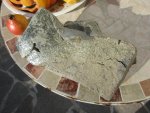
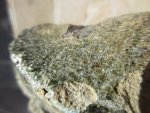
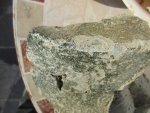
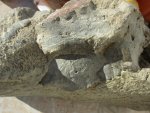
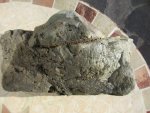
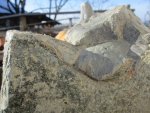
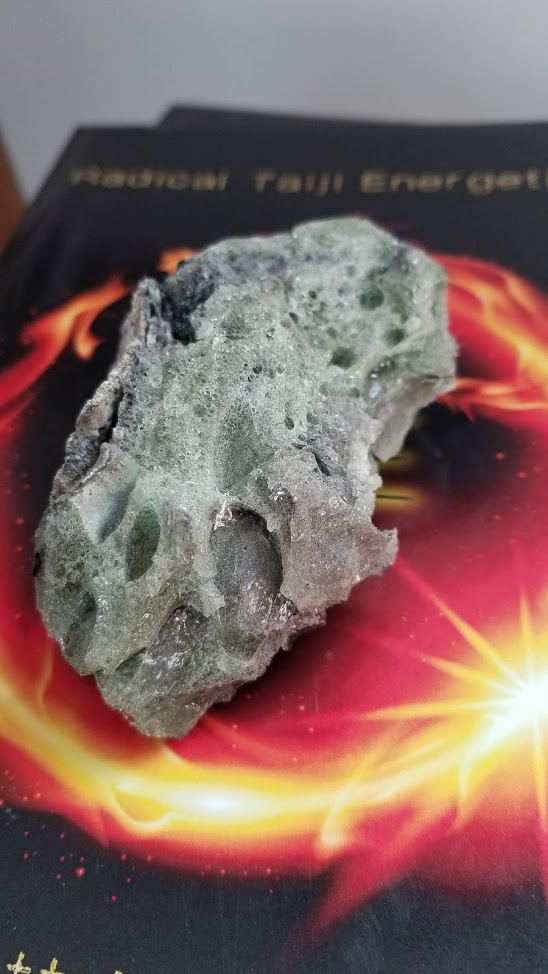
This is the most impressive specimen I have, showing not only some intense vitrification (note the shiny, green, glazed looking surfaces) but also being warped and fused together with part of the originally on top of it. Residue of mortar leads me to believe this brick got melted, warped and fused when it had already been in place in a building. I doubt we are looking at a brick botched up in the burning process at the factory. It was found on the surface of a plowed field just outside of my main town center, along former, important Holy Roman Empire Road established around the 1620s.
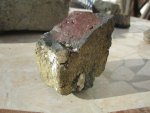
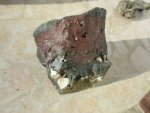
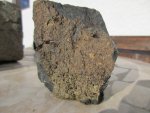
The second one is much smaller, and broken in half. The vitrification and melting is much less intense, however it is seems to be baked very hard, has a glistening surface where it is broken and shows odd discoloring on the inside. I have seen regular bricks of this kind: They are rather primitive clay bricks made by the poor countryfolk out of simple loam they dug out of hillsides. Very inferior material - there's bits and pieces of gravel in it as you can see. Regular clay bricks like that are black or dark grey throughout, not nearly as hard and heavy and feel completely differently to the touch. The material seems to have been substantially altered. Note the glassy bubbles that are covering it (3rd from left).
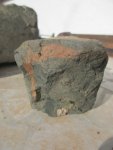
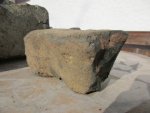
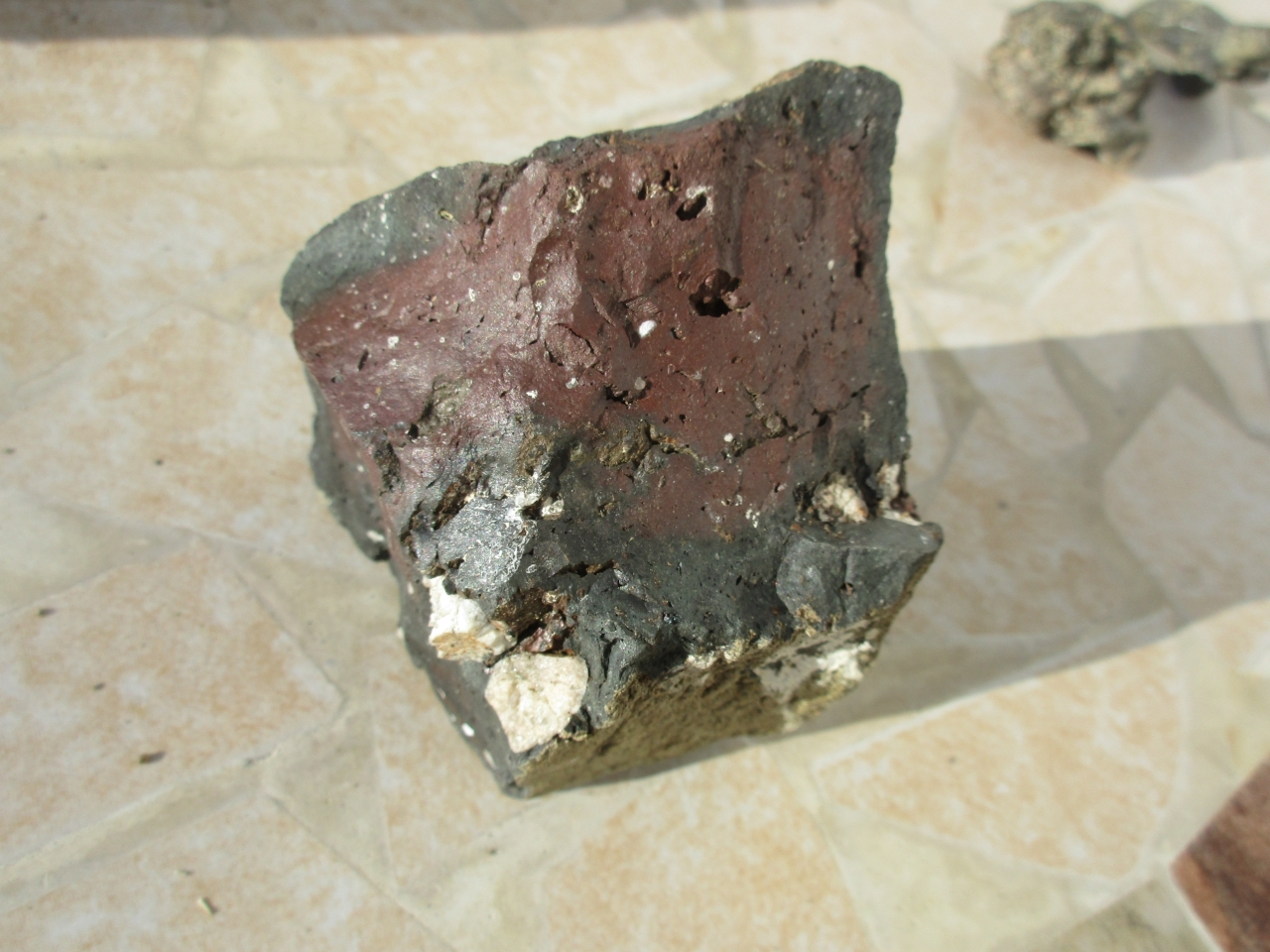
This last brick sample I wanna show here seems to have been least affected by intense heat. You can see residue of mortar and what is slight traces of vitrification (hard to make out on a photograph). Note here also a curious red discoloration in the cross-section.
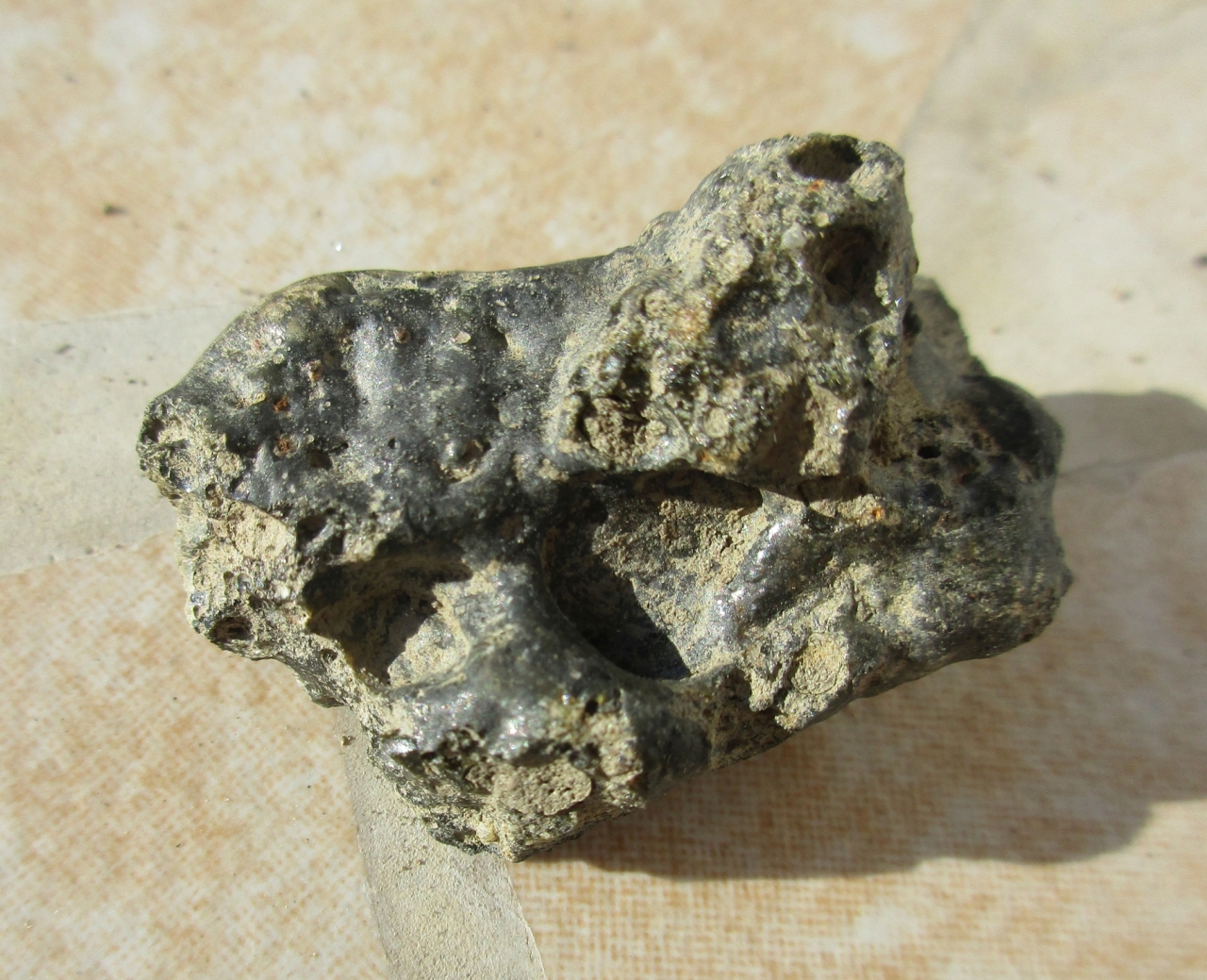
Besides molten bricks, I found what seems to be small lumps of vitrified and molten soil:
Specimen A:
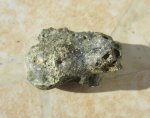
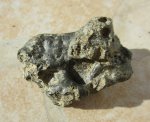
Specimen B:
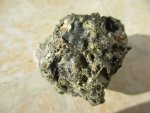
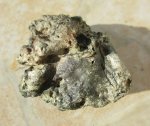
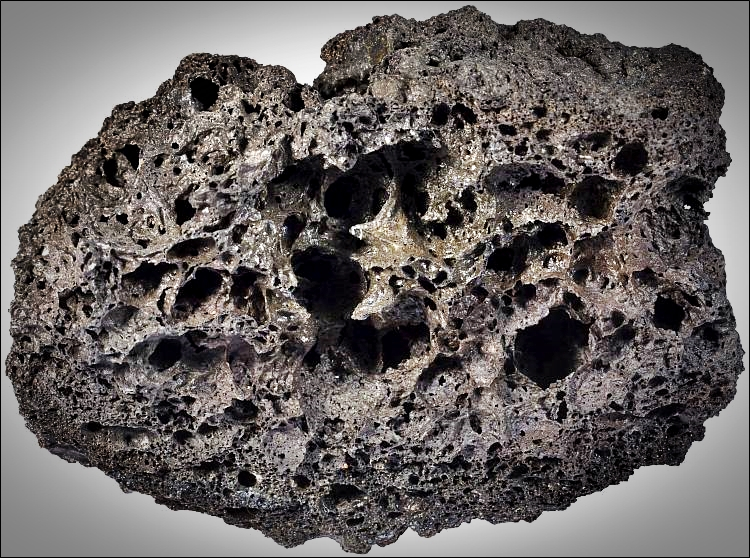
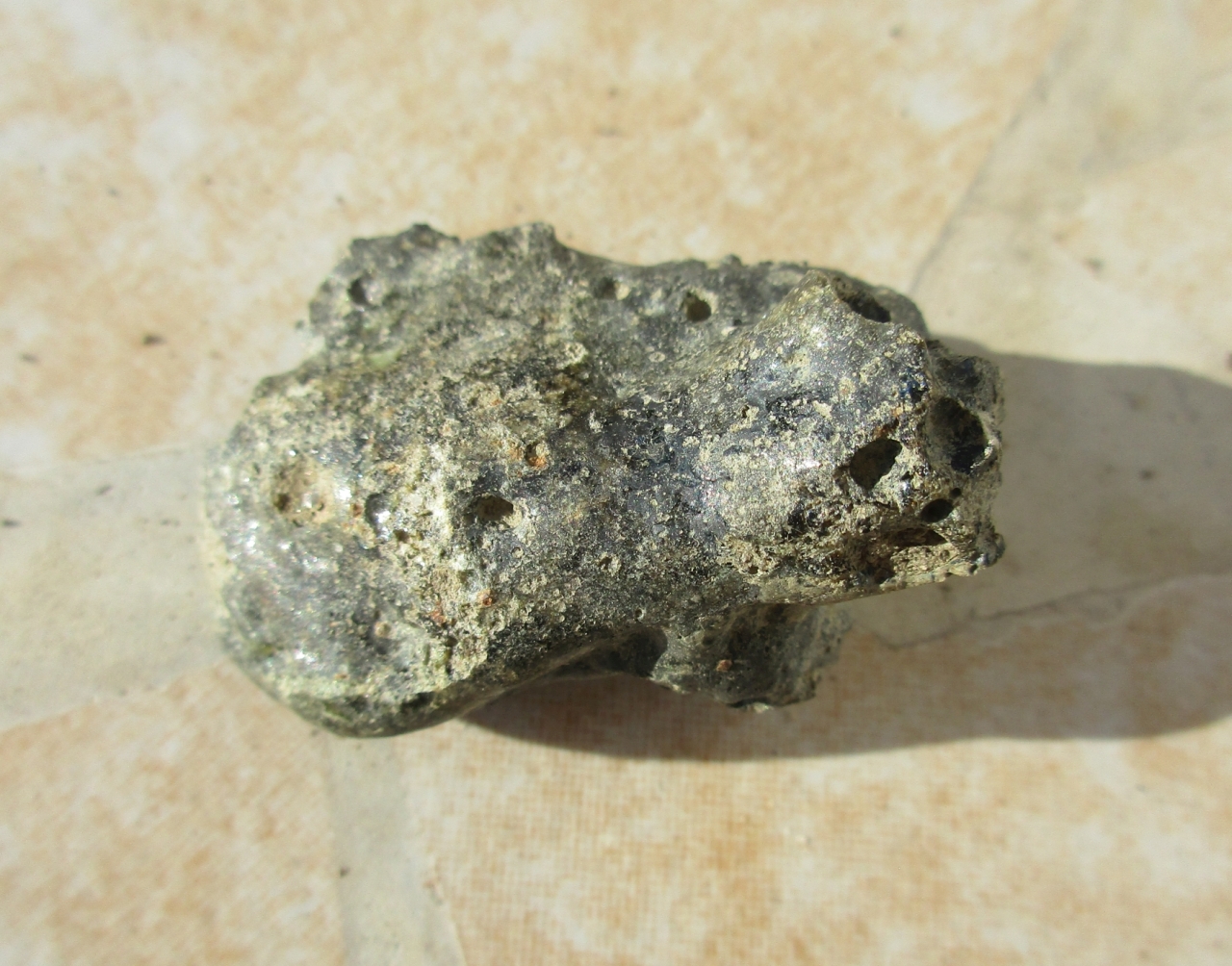
At first glance these look like slag or something that got melted in some furnace or oven (people commonly threw the ashes from their stoves on the fields in the past). Upon closer inspection however, these oddities turn out to be small chunks (4-5 cm) of our typical quartzy, silicate rich soil melted and turned to glass. I verified it's non metallic, using the metal detector, but that is pretty obvious when you handle and inspect them with some practical exprience and knowledge with minerals and metals (like I have from my life long field walking and metal detecting ;-) )
The only conventional explanation about these vitrified lumps I could come up with is that they could be Fulgurite, vitrified rock clumps made by lightning stikes (see Wiki). It is possible, but I am not entirely sure, especially taking the vitrified bricks found in the same general area into consideration.
Alright, distinguished ladies and gentlemen, now it's your turn: I am no geologist, no material researcher or scientist of any sort, so I would like to ask if anyone has knowledge of vitrification processes and at which temperatures loam bricks and loamy, sandy soil might vitrify? According so sources googled up, "rock" vitrifies at around 1100° Celsius. That is all a bit general, so maybe somebody can enlighten me/us on the topic? What are your general thoughts on this? Could those pieces really be witnesses of explosive event? Or is the explanation far more mundane? Please all, share your thoughts!!
Oh, lest I forget...
Last note concerning possible timeline questions: Based on what I know about old brickwork from my area, the bricks look rather modern. As in not ancient. I would personally estimate them to be no older than roughly 200 years. Don't pin me down on this though, just my best guess based on experience and a trained eye, haha! When it comes to the two broken in half loam bricks, up until maybe hundred years ago or so it was common practice for farmers to make these themselves at home. The last brick factory around here, which was the next town over, closed I think shortly after WW2.
I've been collecting rocks, fossils and all kinds of artifacts that I found fieldwalking or by other means practically my whole life. Oddly enough, over the past few years I keep unearthing more and more what seems to be not only molten, but also vitrified bricks and small bits of molten/vitrified soil, looking a bit like slag at first glance, right in my immediate home town area.
Unless there's an easy, conventional explanation for these finds, this could be possibly be material evidence for a rather recent conflagration event in my area (northwestern Austria, near the Danube river). Just have a look, before I say anything more:
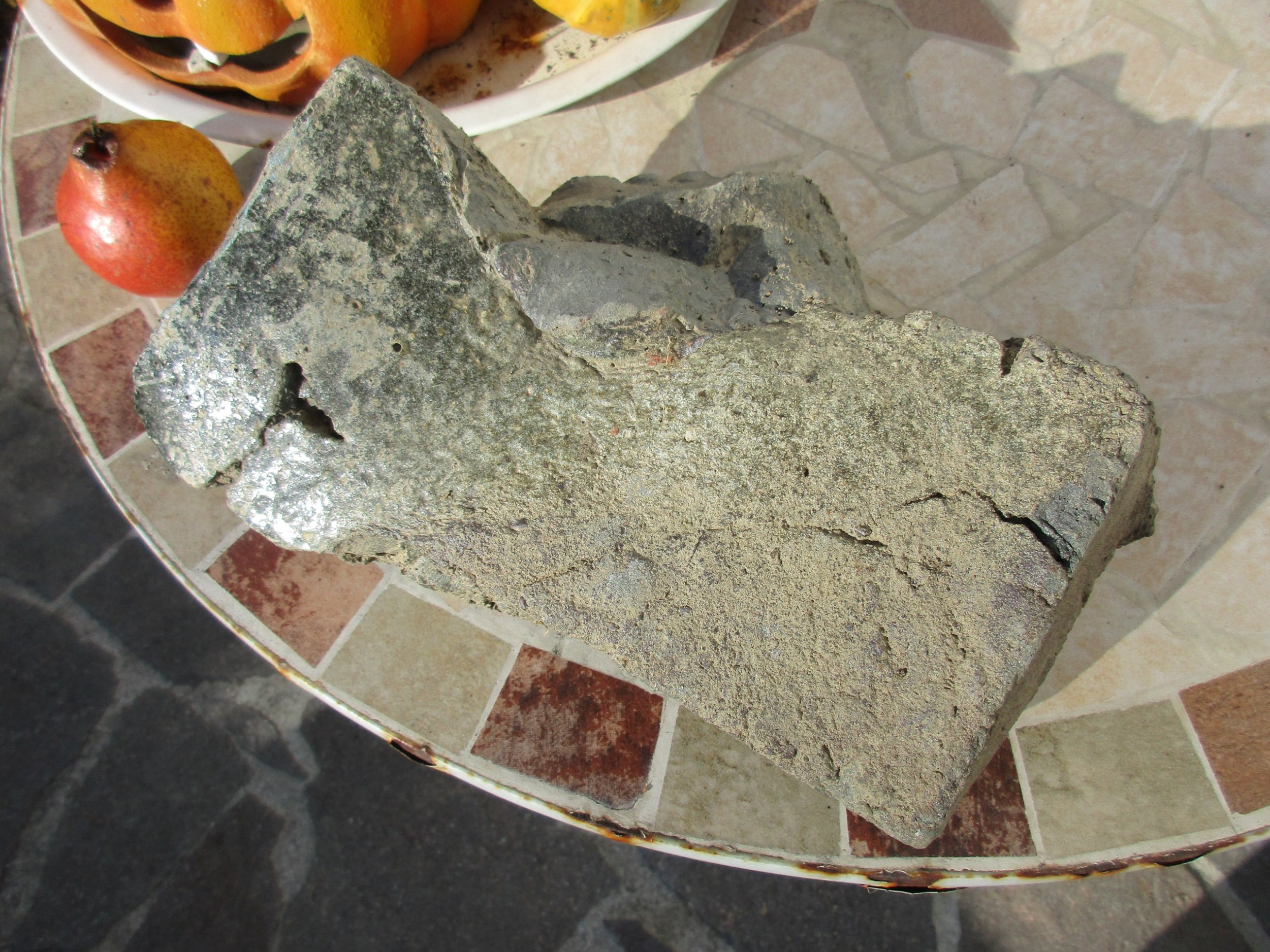
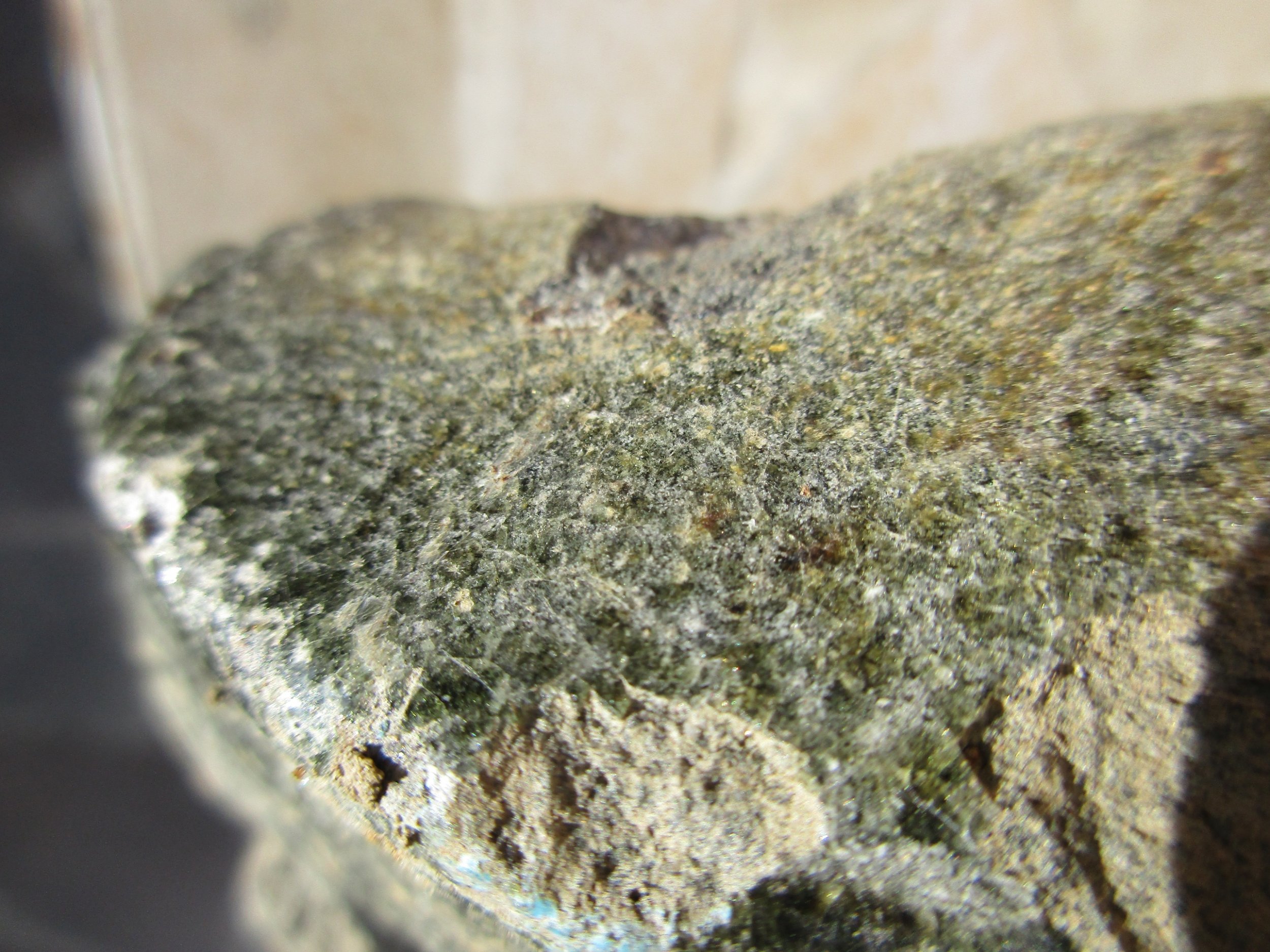
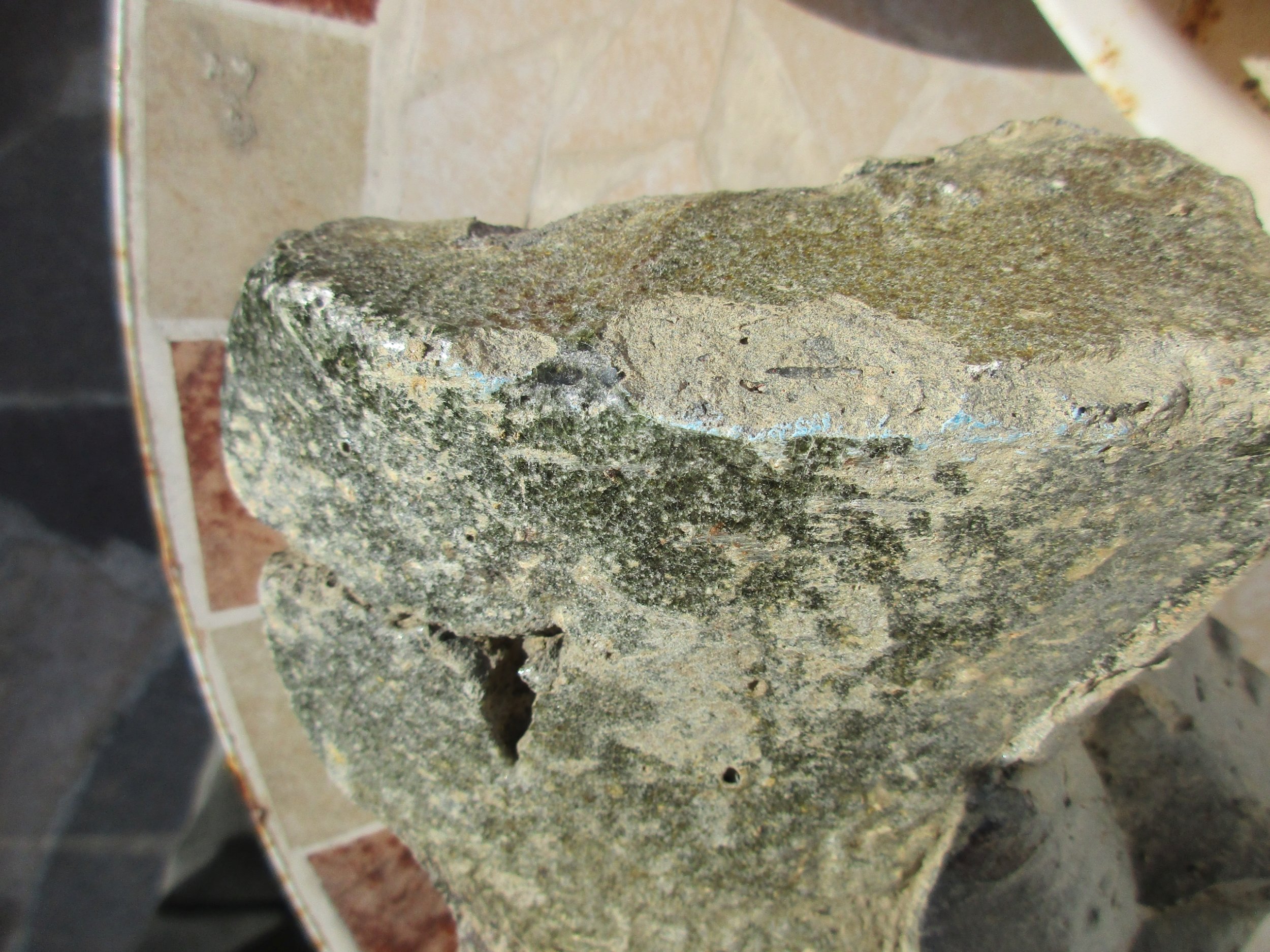
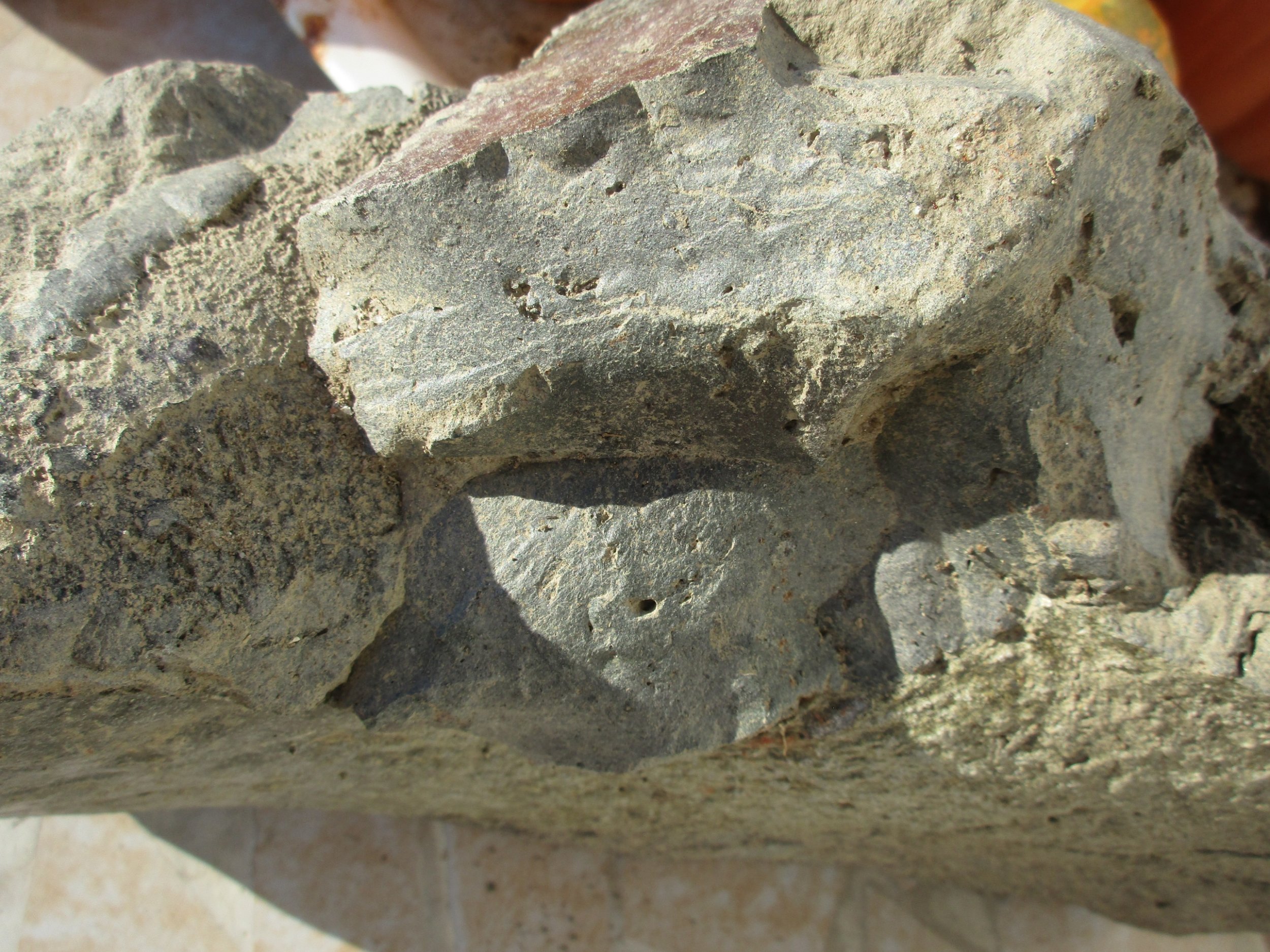
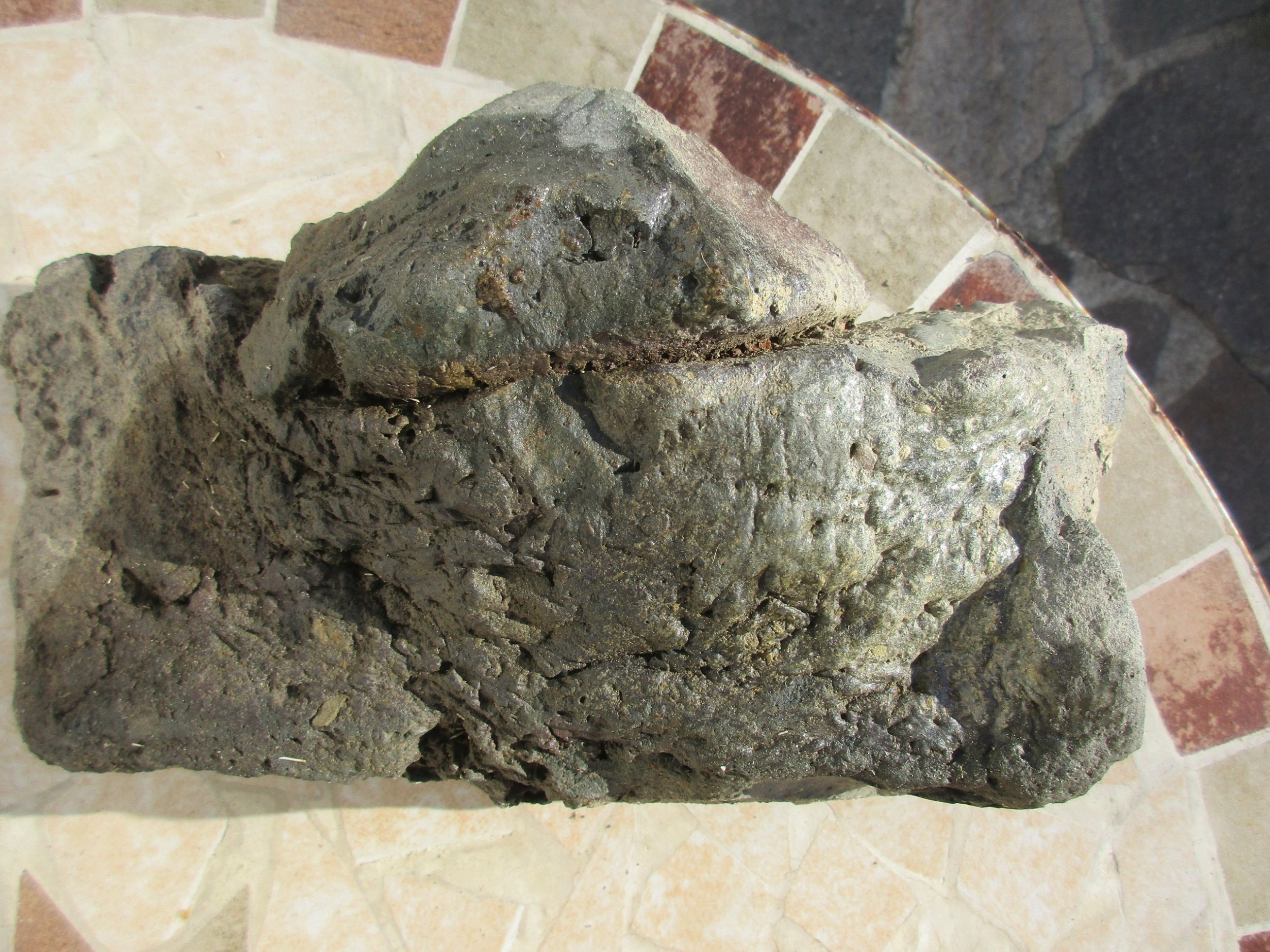
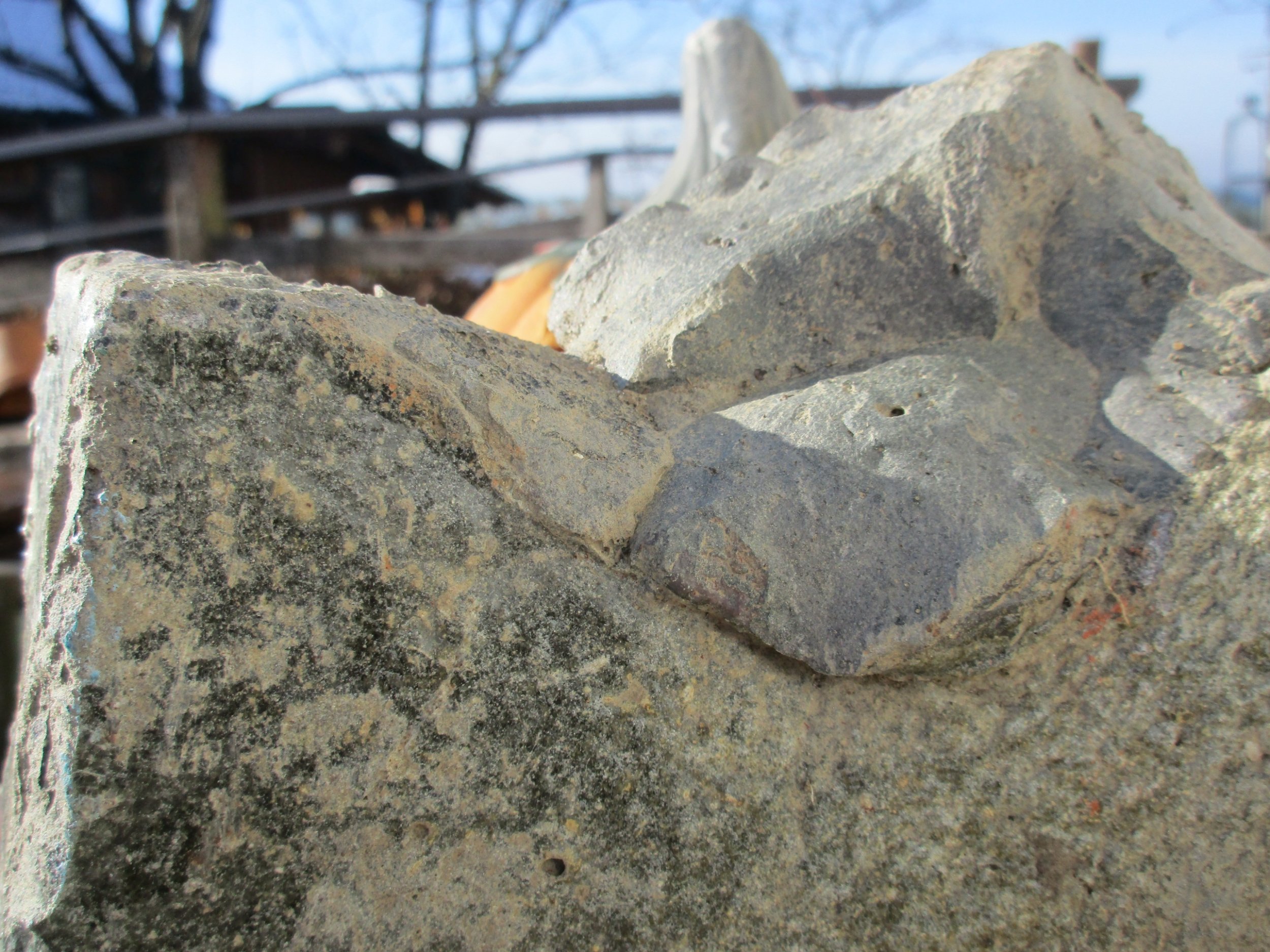
This is the most impressive specimen I have, showing not only some intense vitrification (note the shiny, green, glazed looking surfaces) but also being warped and fused together with part of the originally on top of it. Residue of mortar leads me to believe this brick got melted, warped and fused when it had already been in place in a building. I doubt we are looking at a brick botched up in the burning process at the factory. It was found on the surface of a plowed field just outside of my main town center, along former, important Holy Roman Empire Road established around the 1620s.


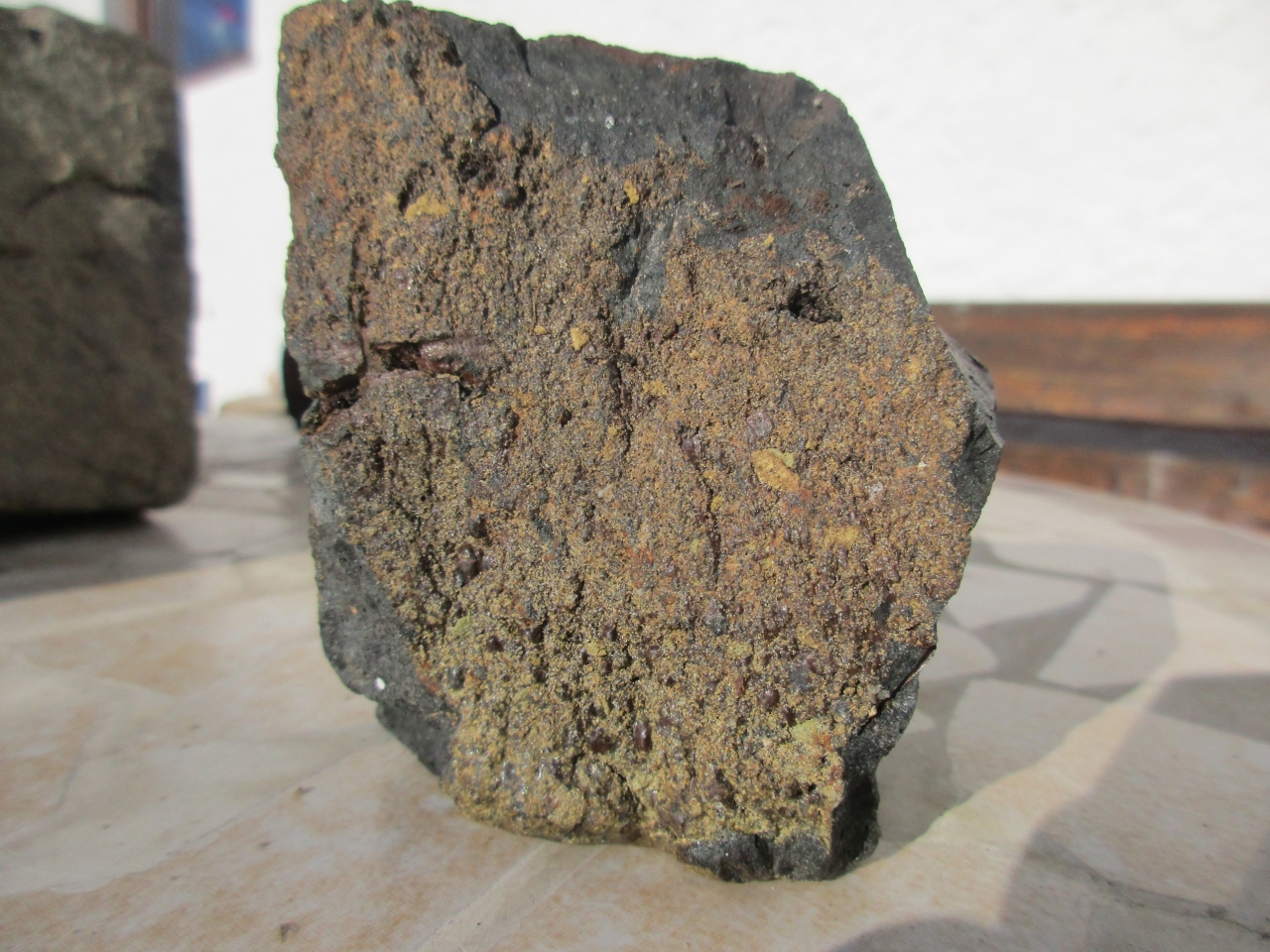
The second one is much smaller, and broken in half. The vitrification and melting is much less intense, however it is seems to be baked very hard, has a glistening surface where it is broken and shows odd discoloring on the inside. I have seen regular bricks of this kind: They are rather primitive clay bricks made by the poor countryfolk out of simple loam they dug out of hillsides. Very inferior material - there's bits and pieces of gravel in it as you can see. Regular clay bricks like that are black or dark grey throughout, not nearly as hard and heavy and feel completely differently to the touch. The material seems to have been substantially altered. Note the glassy bubbles that are covering it (3rd from left).

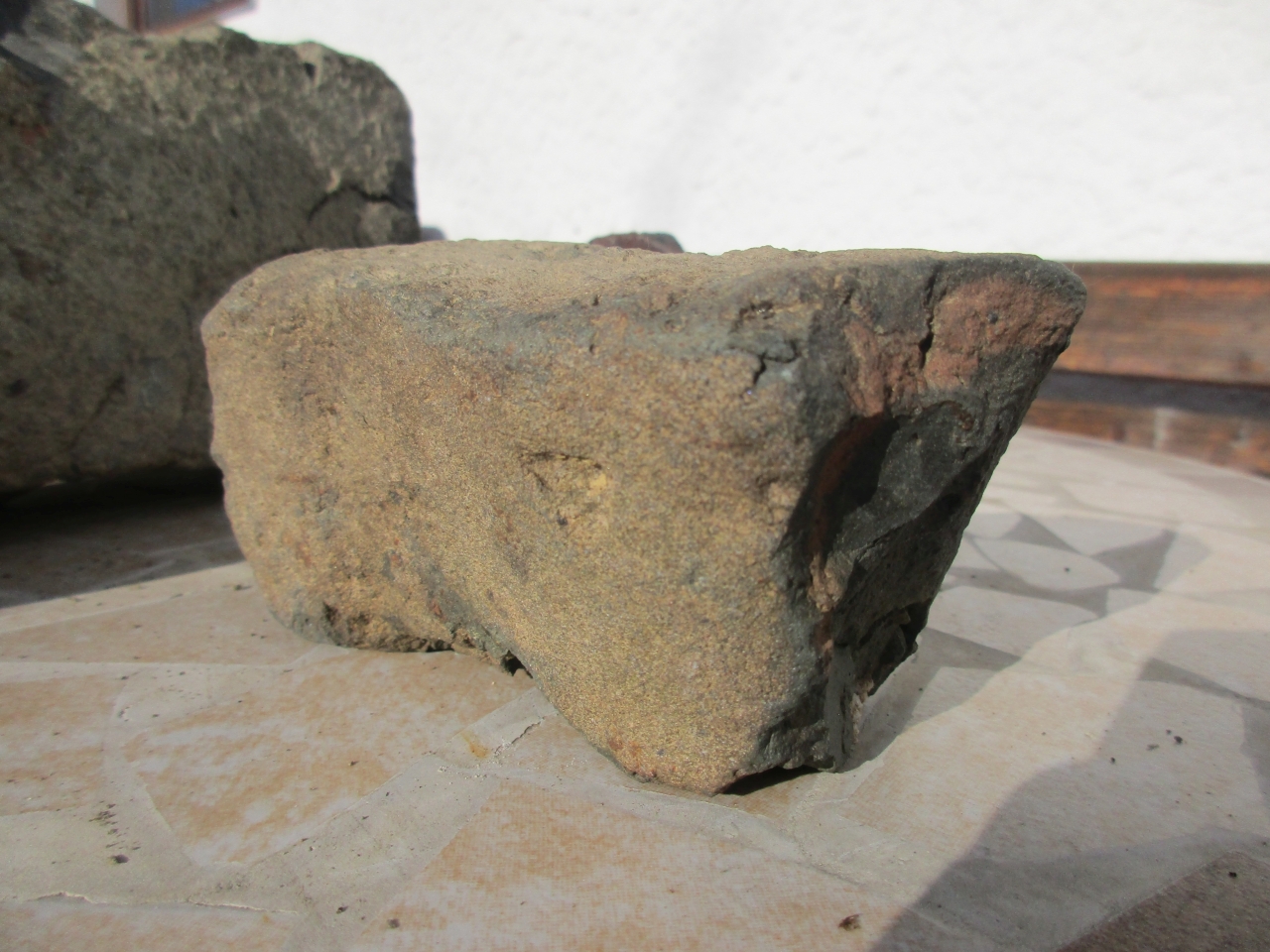
This last brick sample I wanna show here seems to have been least affected by intense heat. You can see residue of mortar and what is slight traces of vitrification (hard to make out on a photograph). Note here also a curious red discoloration in the cross-section.
Besides molten bricks, I found what seems to be small lumps of vitrified and molten soil:
Specimen A:
Specimen B:
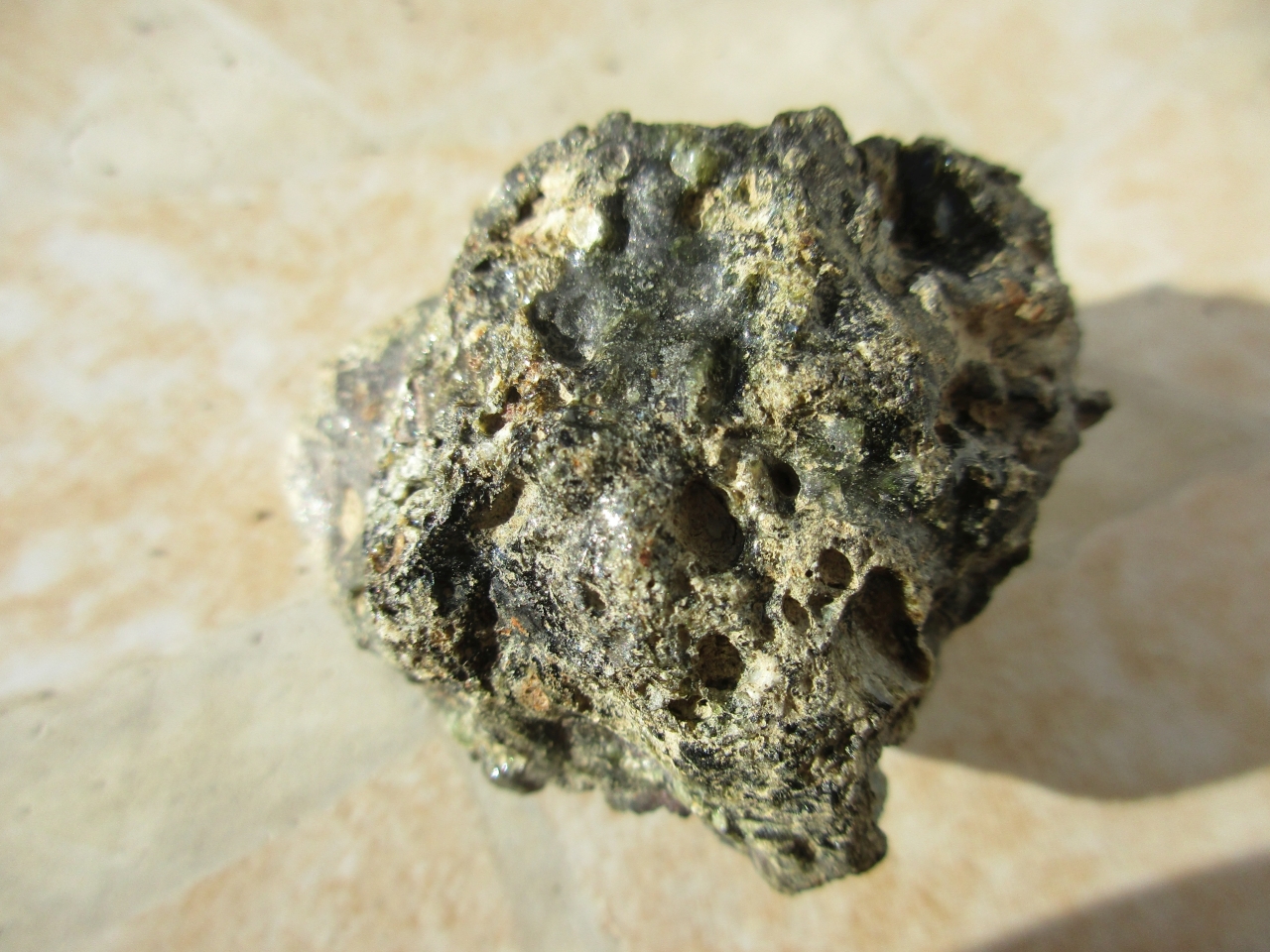
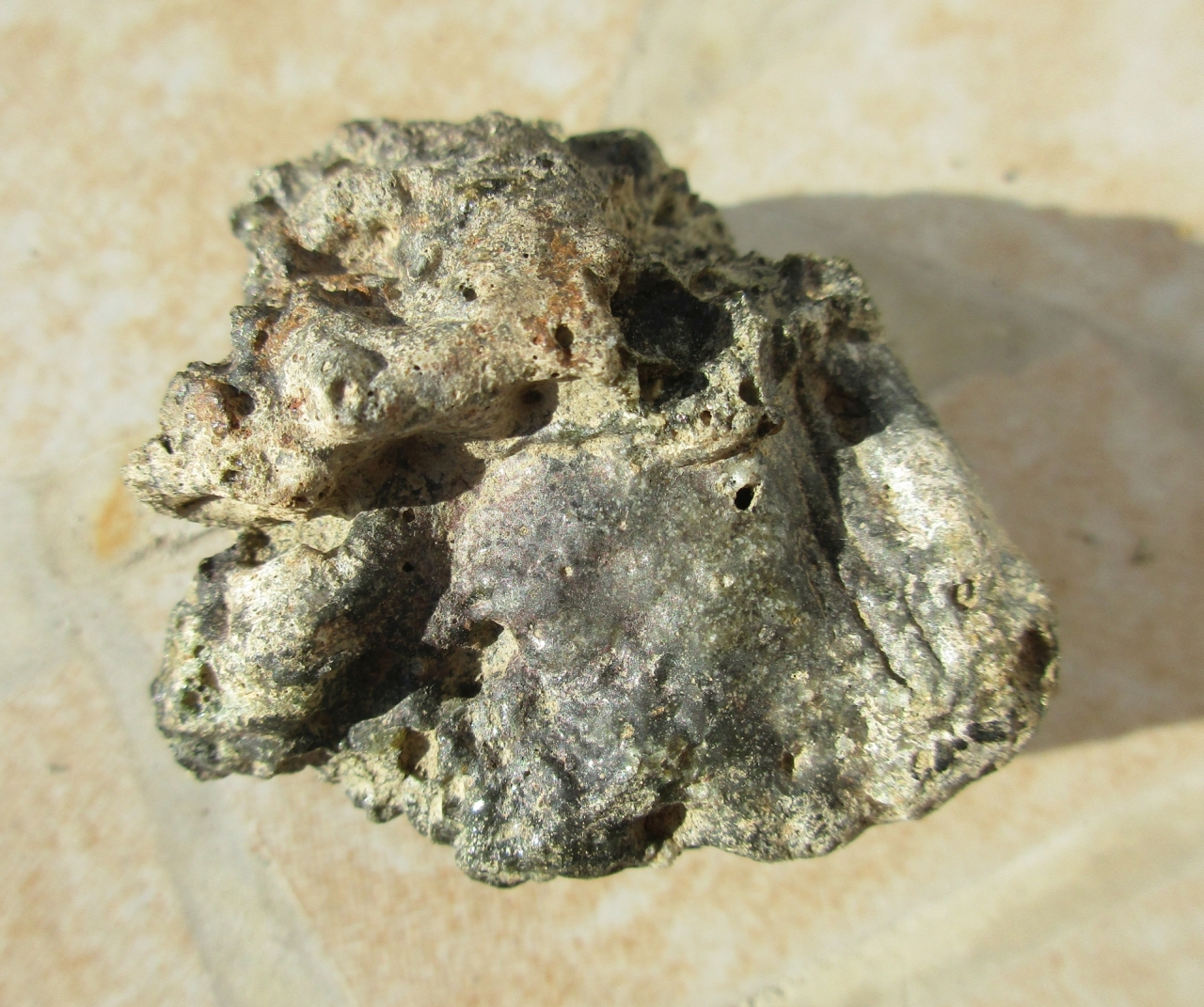
At first glance these look like slag or something that got melted in some furnace or oven (people commonly threw the ashes from their stoves on the fields in the past). Upon closer inspection however, these oddities turn out to be small chunks (4-5 cm) of our typical quartzy, silicate rich soil melted and turned to glass. I verified it's non metallic, using the metal detector, but that is pretty obvious when you handle and inspect them with some practical exprience and knowledge with minerals and metals (like I have from my life long field walking and metal detecting ;-) )
The only conventional explanation about these vitrified lumps I could come up with is that they could be Fulgurite, vitrified rock clumps made by lightning stikes (see Wiki). It is possible, but I am not entirely sure, especially taking the vitrified bricks found in the same general area into consideration.
Alright, distinguished ladies and gentlemen, now it's your turn: I am no geologist, no material researcher or scientist of any sort, so I would like to ask if anyone has knowledge of vitrification processes and at which temperatures loam bricks and loamy, sandy soil might vitrify? According so sources googled up, "rock" vitrifies at around 1100° Celsius. That is all a bit general, so maybe somebody can enlighten me/us on the topic? What are your general thoughts on this? Could those pieces really be witnesses of explosive event? Or is the explanation far more mundane? Please all, share your thoughts!!
Oh, lest I forget...
Last note concerning possible timeline questions: Based on what I know about old brickwork from my area, the bricks look rather modern. As in not ancient. I would personally estimate them to be no older than roughly 200 years. Don't pin me down on this though, just my best guess based on experience and a trained eye, haha!
When it comes to the two broken in half loam bricks, up until maybe hundred years ago or so it was common practice for farmers to make these themselves at home. The last brick factory around here, which was the next town over, closed I think shortly after WW2.
Note: This OP was recovered from the KeeperOfTheKnowledge archive.
Note: Archived Sh.org replies to this OP are included in this thread.