St George's Hall, Liverpool.

SH.org OP Username
Timeshifter
SH.org OP Date
2019-11-01 12:35:37
SH.org Reaction Score
101
SH.org Reply Count
101
Note: This post was recovered from the Sh.org archive.
Username: jd755
Date: 2019-11-02 16:34:25
Reaction Score: 1
Not as hard as getting sight of information relating to the survey work of 2001 and the actual restoration work done between 2002-2007.
 
Note: This post was recovered from the Sh.org archive.
Username: aero618
Date: 2019-11-02 16:41:02
Reaction Score: 6
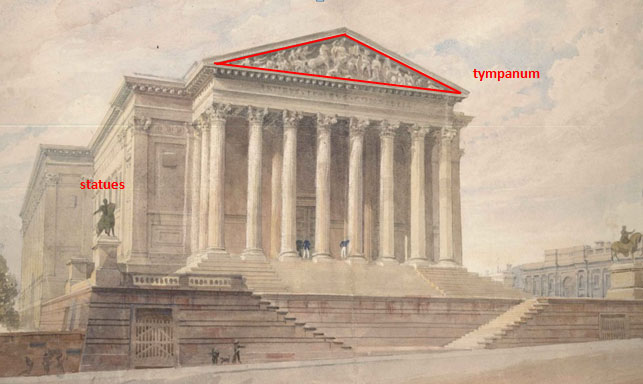
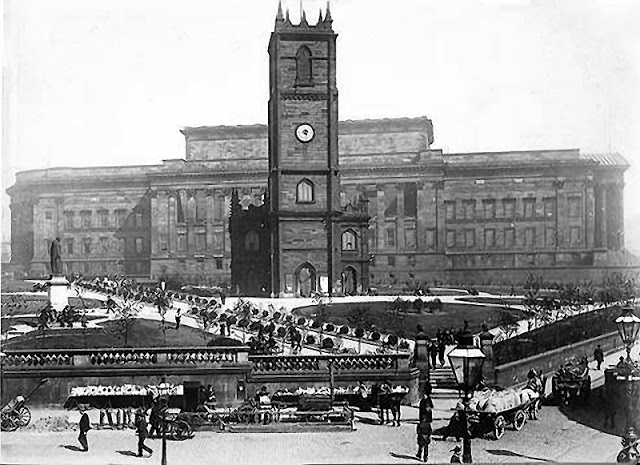
@KorbenDallas, interesting to compare your picture to the now existing posted by @Timeshifter ~ most to note the removal of statues on the corners of the concourse and more so the removal of the tympanum ornarmentation which is usually represents the temple/building dedication

St.Georges old.jpg
 
Note: This post was recovered from the Sh.org archive.
Username: jd755
Date: 2019-11-02 16:56:28
Reaction Score: 0
Huzah. Startpage and I discovered the internal polished columns are made of red granite. From here; St George’s Hall, Liverpool
The 169ft-long Great Hall. The mosaic floor is composed of over 30,000 Minton tiles and the tunnel vaulted ceiling is supported by polished red granite pillars
We also found these.
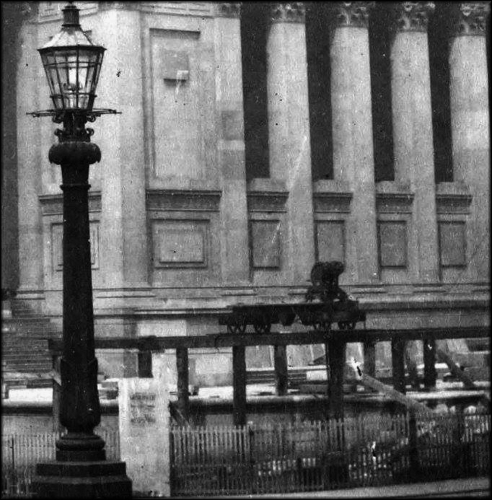
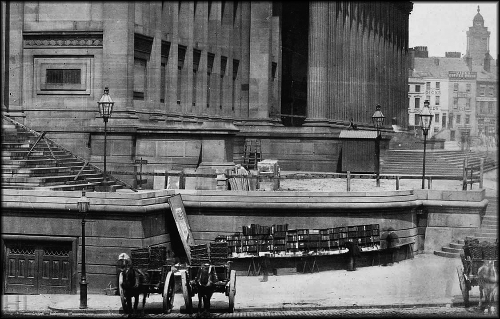
From here; 1851 photos of St George's Hall under construction. Some of the earliest photographs of Liverpool

fzcPll1.pngUHPSnJ6.png
 
Note: This post was recovered from the Sh.org archive.
Username: KorbenDallas
Date: 2019-11-02 17:03:57
Reaction Score: 5
I like how they call it construction. Awesome tech too.

Additionally, if this is indeed 1851, they had no issues photographing people in motion. You can even see a whip stick in one of the dudes controlling a horse buggy.

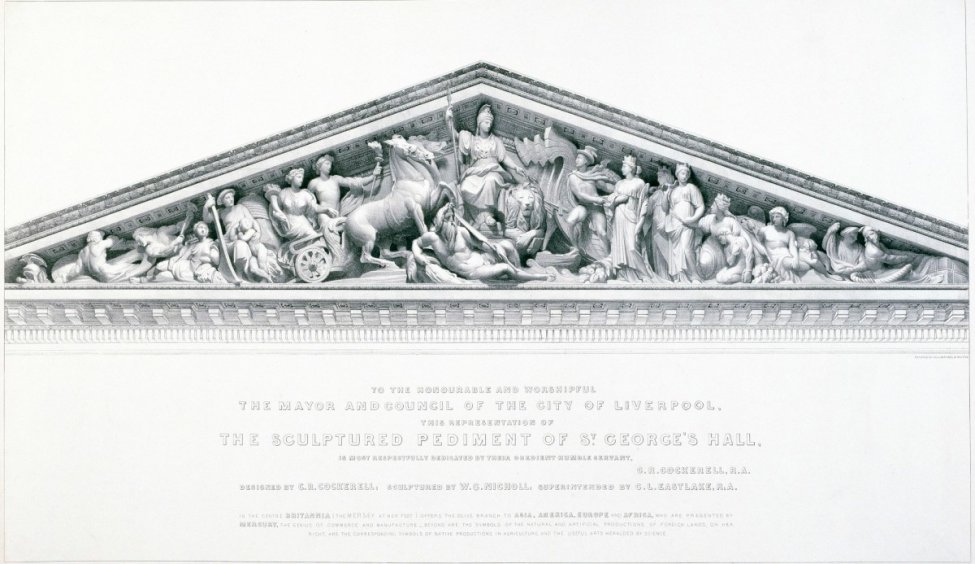
This is the pediment, by the way.

211FD07E-9F63-4420-ACCD-E6EDC0F4AFAA.jpeg
And they had to build all that under the main structure.

ACFE3D60-374B-49C2-AE47-9CC526082DF7.jpeg
In recent times St George’s Hall staff have invited people to explore behind the scenes on the Footman Tour – which includes a recently-discovered tunnel as well as the ‘nooks and crannies’ which aren’t usually open to the public.

1095C4A8-5001-4114-A62E-EB05E570FCE8.jpeg
The ECHO has previously reported how a ‘lost tunnel’ was discovered. It was thought to have been bricked up in 1838, the year the Hall’s foundation stone was laid to commemorate the coronation of Queen Victoria. The feeling was that it may lead to more tunnels in the area – even connecting St George’s Hall to the famous Everton Lock Up, also known as Prince Rupert’s Tower.
 
Note: This post was recovered from the Sh.org archive.
Username: Timeshifter
Date: 2019-11-02 17:35:05
Reaction Score: 5
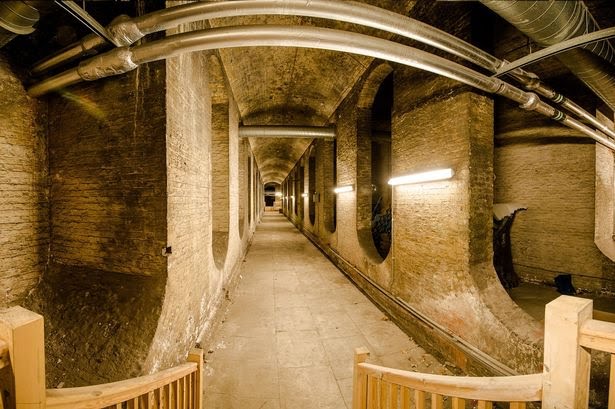
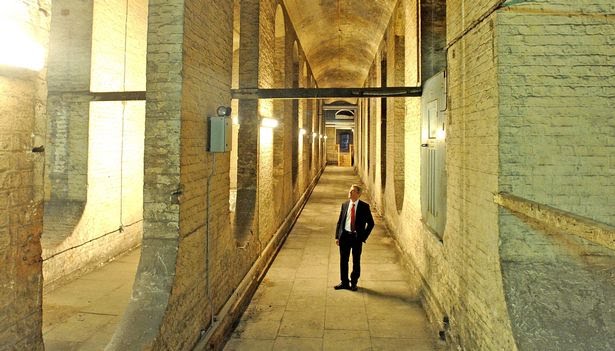
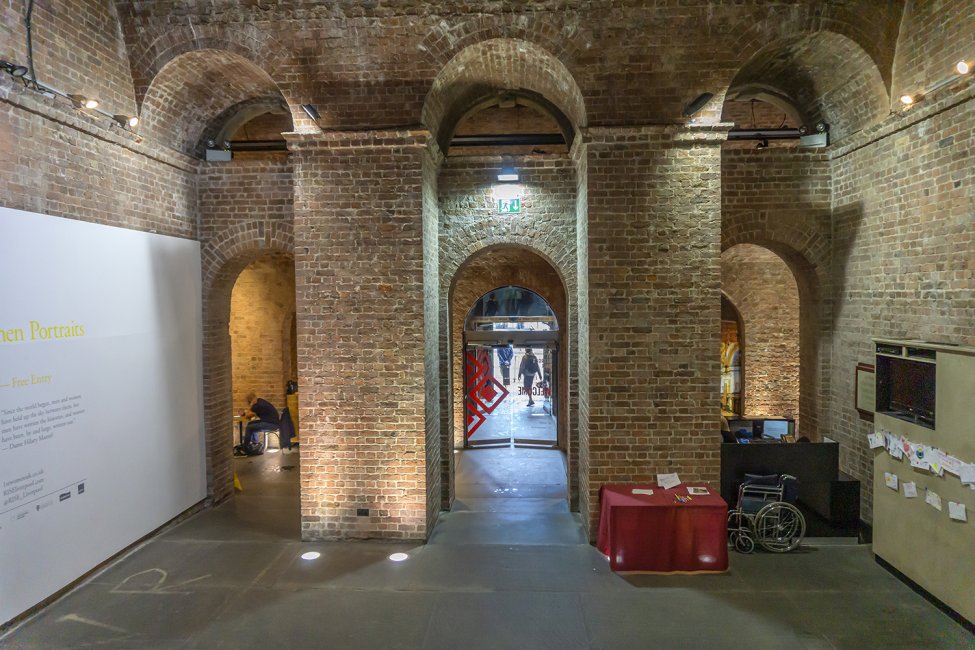
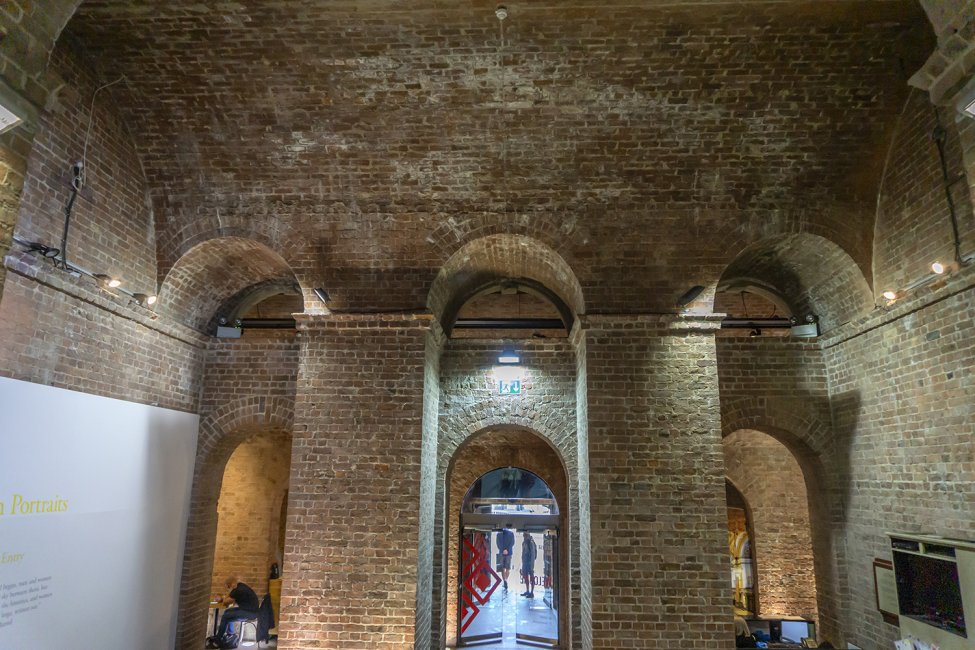
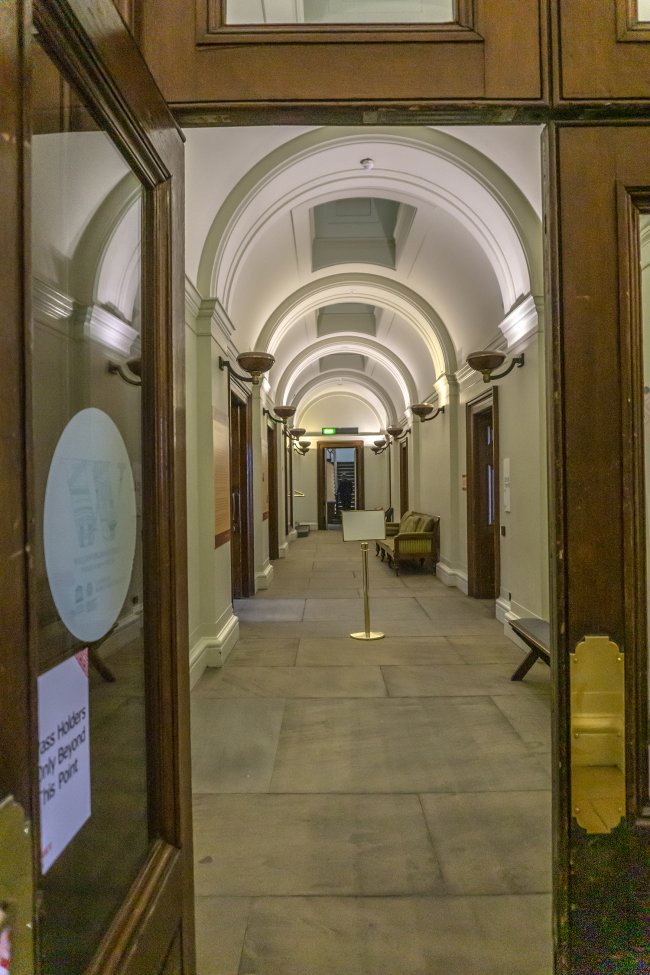
That caged door leads to those Victorian tunnels in the op, which lead into more cavernous halls and to lime street station which is just accross the road on the right of this image.

Here's a few more images I took.

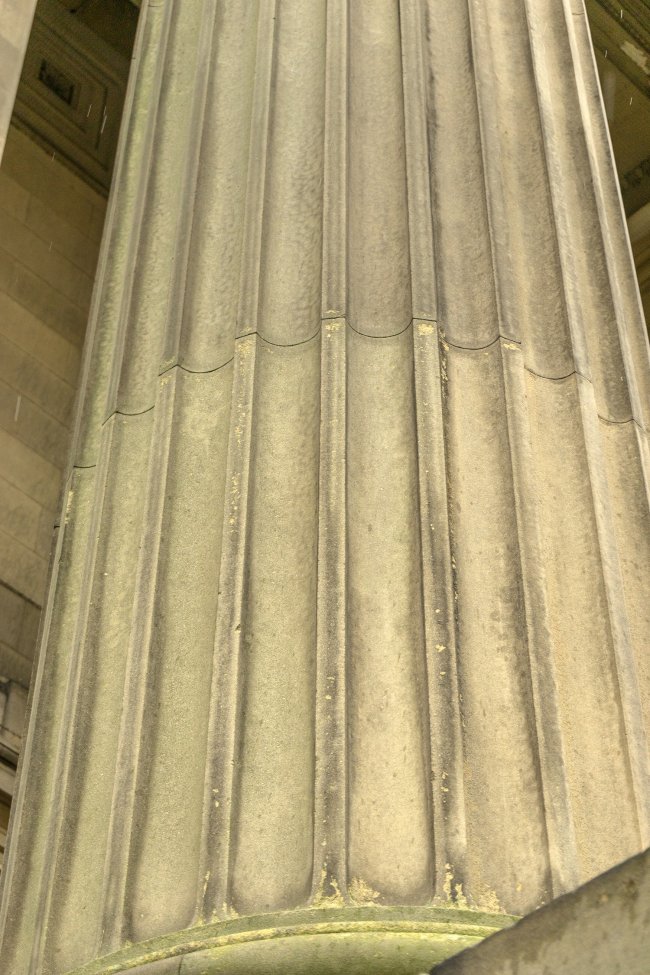
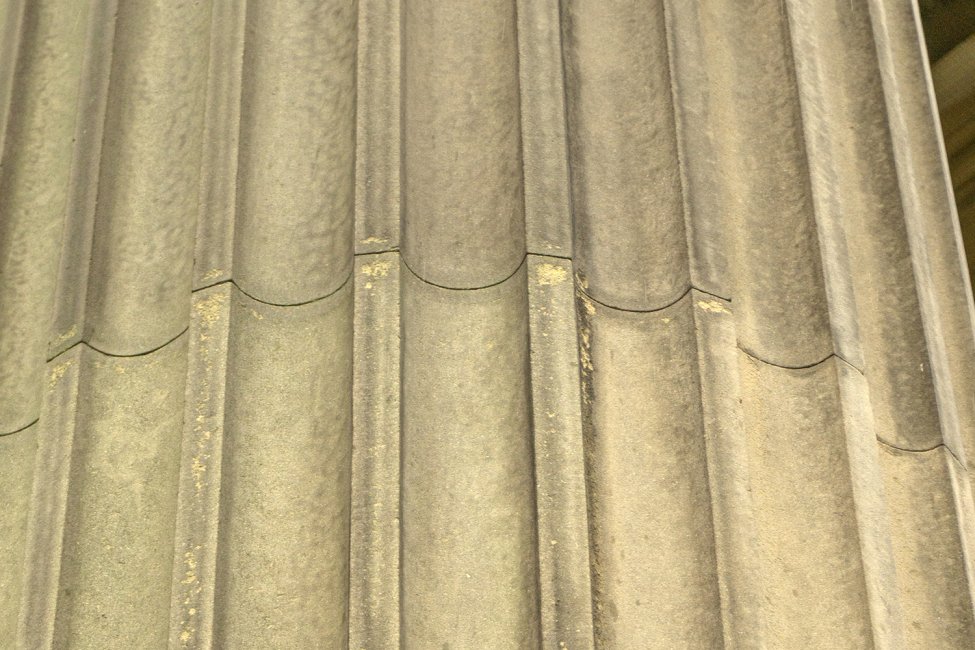
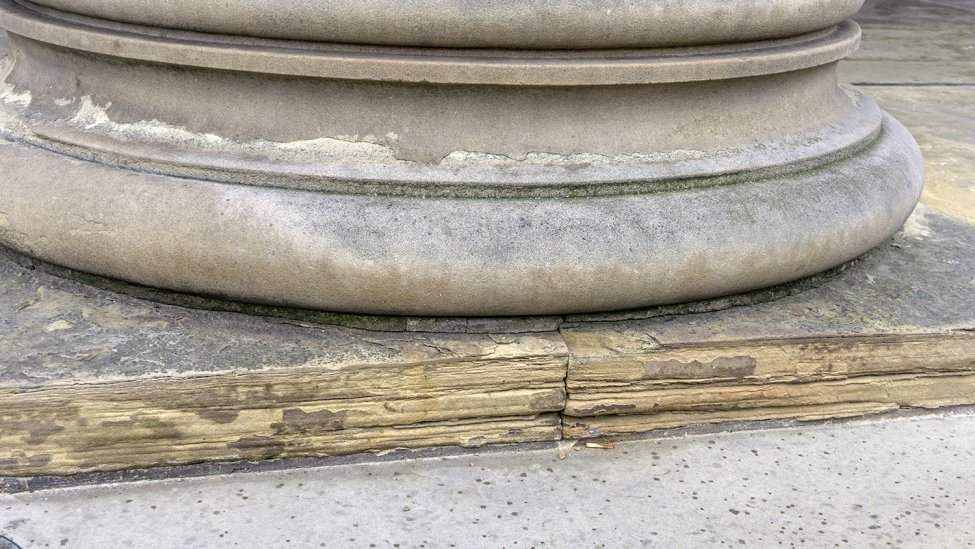
I had not noticed prior to this visit, that the columns are actually built in sections

_DSC0823.jpg
_DSC0823 2.jpg
_DSC0825 c.jpg

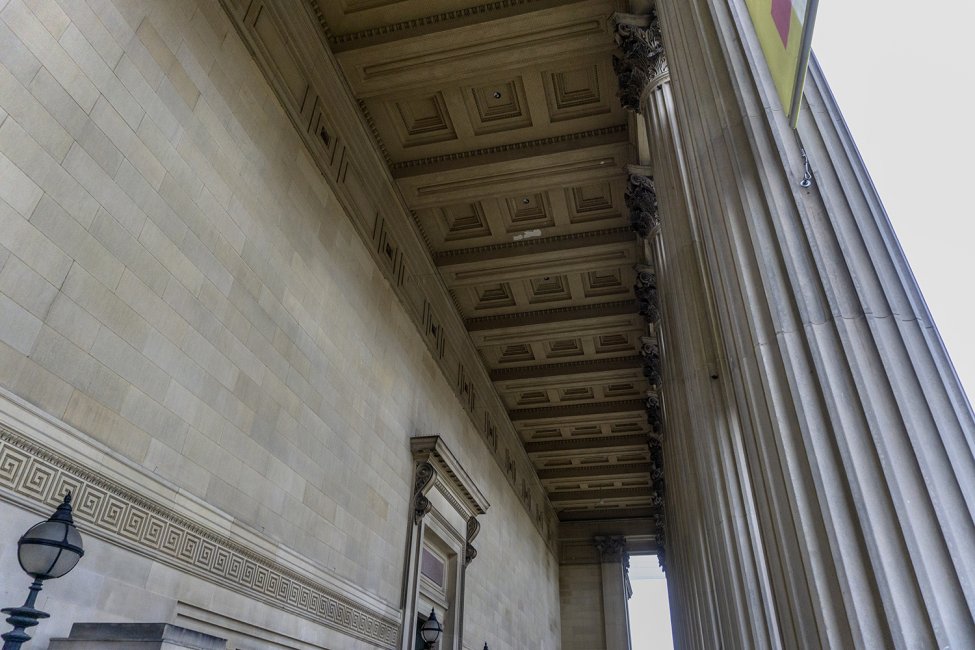
The underside of the front entrance

_DSC0828.jpg

And below is what that side caged entrance leads to...

_DSC0882.jpg
_DSC0881.jpg

And a tunnel leading of it towards the Milton Floor, via a few flights of stairs.
_DSC0877.jpg
 
Note: This post was recovered from the Sh.org archive.
Username: Huaqero
Date: 2019-11-02 19:28:41
Reaction Score: 5
Could a building like this be the source of 'Elgin Marbles/Statues, stolen from the Parthenon in Greece'...?
Well, another scenario could be that they were leftovers of a destroyed 'St. George Hall' style building somewhere in Britain, kept in the basements of the British Museum and resurfaced under a made up story of 'theft' from a balkan village with a big temple ruin on top (remind you that no official Ottoman paper for their transportation exists)

Very interesting find and well written research...
 
Note: This post was recovered from the Sh.org archive.
Username: jd755
Date: 2019-11-02 20:02:50
Reaction Score: 1
I'm confused, what a shock! Is St George's plateau on Brownlow hill?

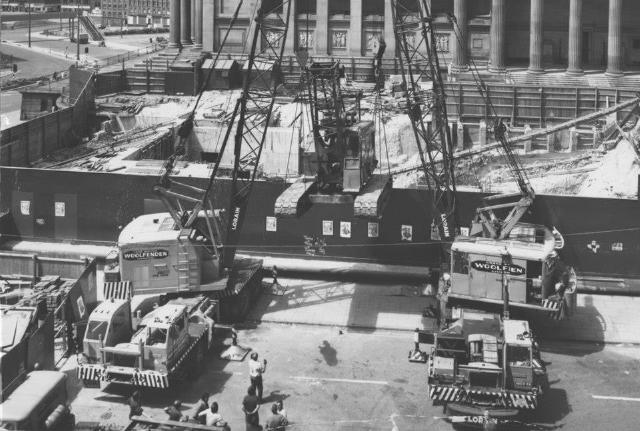
From here; Demolitions, Building, Renovations etc.
Heavy Plant being moved at St George's plateau during the construction of the Underground Loop Line for Merseyrail.

merseyrail.jpg

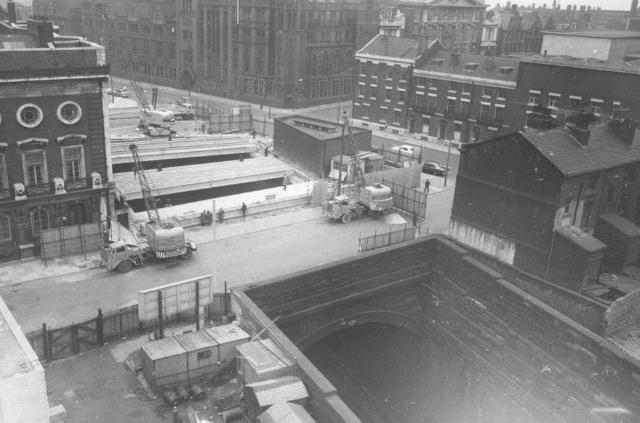
This is the same Browlow Hill whose railway cuttings have featured elsewhere on this forum?
Covering the open Liverpool to Manchester Railway Bridge cutting on Brownlow Hill.

hill.jpg
 
Note: This post was recovered from the Sh.org archive.
Username: KorbenDallas
Date: 2019-11-03 00:40:45
Reaction Score: 1
I have no idea what the significance of this is. Care to explain?
 
Note: This post was recovered from the Sh.org archive.
Username: Timeshifter
Date: 2019-11-03 05:50:25
Reaction Score: 1
No, Brownlow Hill is about 0.6 of a mile away. Although the 1st pic is outside of St Georges hall, with some existing undergound building clearly evident.
 
Note: This post was recovered from the Sh.org archive.
Username: jd755
Date: 2019-11-03 09:56:07
Reaction Score: 1
A plateau is a flat topped hill, as I was taught at skule. a hill is a promontory in the landscape. Reading through these linked page and photo descriptions it feels like the plateau and the hill are interchangeable locations.

What is meant by plateau in the case of this hall is the raised bit the thing sits on and its immediate surround, as far as I can now figure out. Perhaps it really was or even is a flat topped hill once all the masonry and bricks are removed. A lidar image might show this but my computer ain't up to looking through the lidar map.

Those brick built tunnels and vaulted ceilings mustpredate the layng of the foundattion stone in 1838, an event about which there appears to be absolutely bugger all in the digital world. The 'blocked off' I find very hard to read without smiling.
This thing is grade ! liisted. The listing surveyors will know every last detail about the place as itsmost ecent renovation begn in 2002 so the survey must have been done prior. If you can find o e of these listings surveys or revews of the renovation online do have a read. I looked for one for this building but other than a review behind a paywall nothing came up.

Again confused Merseyrail is an above ground rail network that occasionally dips underground as hen crossing under the Mersey or going through covered in cuttings like the one in the Brownlow hill photo. Is there a rail tunnel or covered in cutting running across the plateau?

Seems the infirmary went out of use in 1824, probably, not sure about the other building on the site such as the sailors hospital. The halls groundworks must have begun a few years prior to 1838. How these dates tally with the decision to build the hall and the competition I'm not sure.
 
Note: This post was recovered from the Sh.org archive.
Username: Plissken
Date: 2019-11-04 05:13:19
Reaction Score: 10
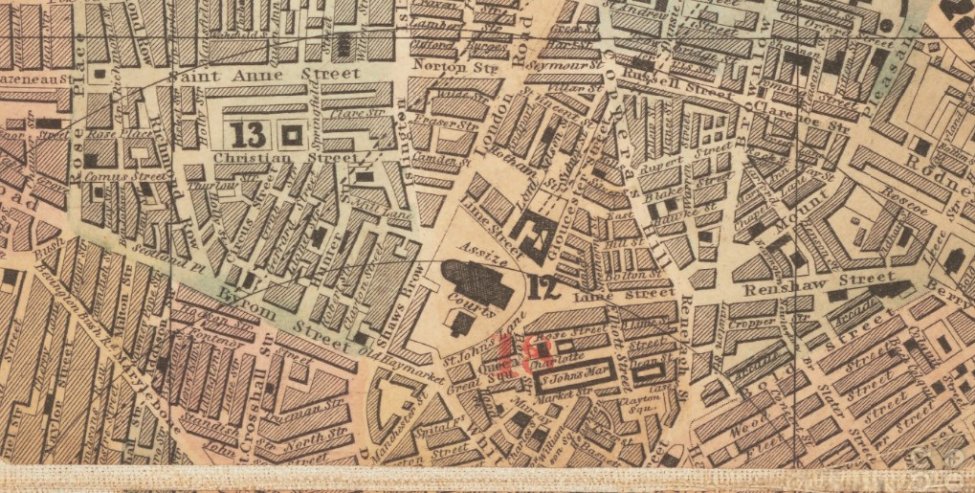
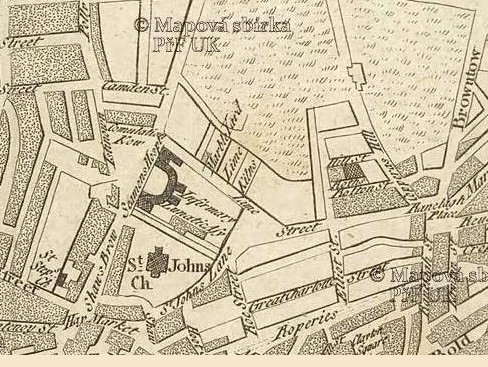
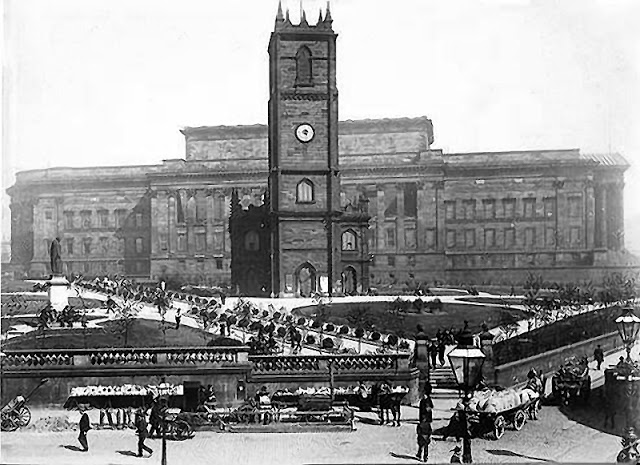
Assize court from 1841 map. Building has the right shape for St George's. I see St. John's Church is still showing instead of the park.


Look how St. John's Church is aligned with St. George's (1775-1897). That young architect knew his surveying. Does the blurring and shading on the St George seem weird or is it just a foreground/background issue?


I knew I had seen floors like that before. In the US Capitol building as seen here.

Minton floor US Capitol.jpg

The Minton tiles are a thin encaustic tile so they do wear out after about 100 years. The AOC finally replaced them in 1924with marble in the high traffic areas on the the first and second floor -- 68 years after the were installed in 1856. Pretty good wear for a ceramic encaustic tile. The majority of floors were okay including the corridors. Other areas of these floors did not need repairs until the 70s. They have ways to reproduce and replace these tiles, which they figured out at that time. So they can repair these floors. For the last 50 years. Why hide them anymore? AOC tile story

That makes me think that the unveiling of these could be one of two things. 1) They were making some repairs to the wood floors and discovered these underneath at some point -- so now they unveil them occasionally to keep up the cover story. 2) They are shown on occasion as part of some messed up sun/starburst/glory worship. It would be interesting to see if they really have shown these periodically and when it started. I mean look at the water damage on the underlayment. You think that water and the wood would have damaged the floor more than people walking on them.

floor wood.jpg

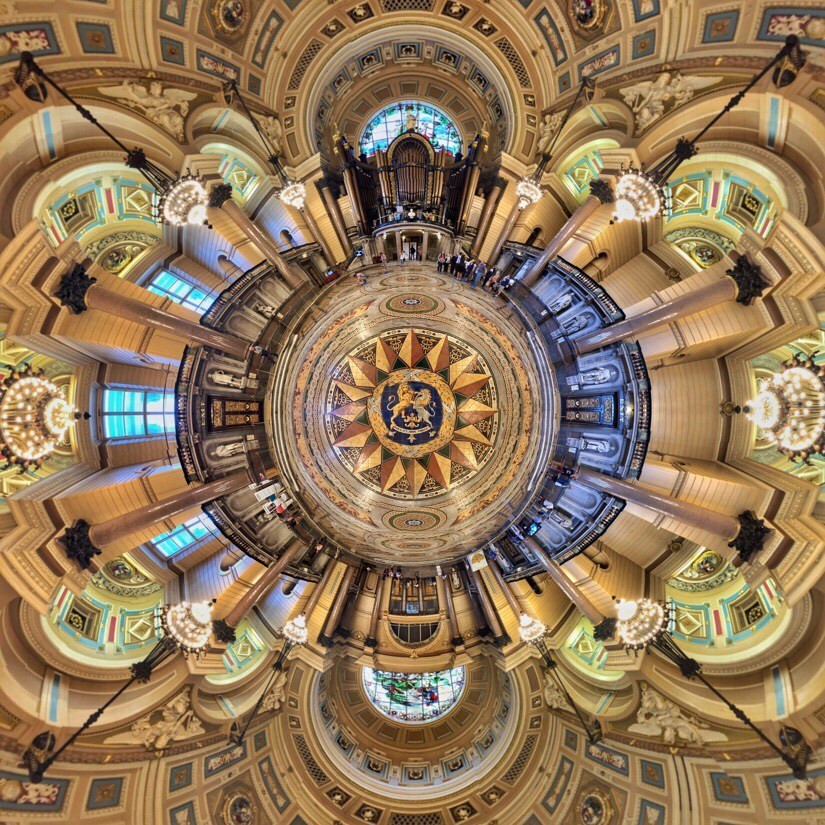
Speaking of worshiping the sun,exploding in all its glory. Supernova! Here are some 360 shots of these buildings. It's almost liked they designed it to be viewed in 360. You'll see what I mean when you embiggen the first thumbnail below. jomo360
I knew this place would have an organ. Seems to becoming a theme in these suspect buildings. Organ... interesting word.

jomo 360 2.jpg
jomo 360.jpeg

Yep. Pre-Napoleon pyramids.
detail.jpg

I mean look at this place.
int.jpg

? ? ?

I see there is another Palace of Worship across the street. Which has it's own suspect backstory.


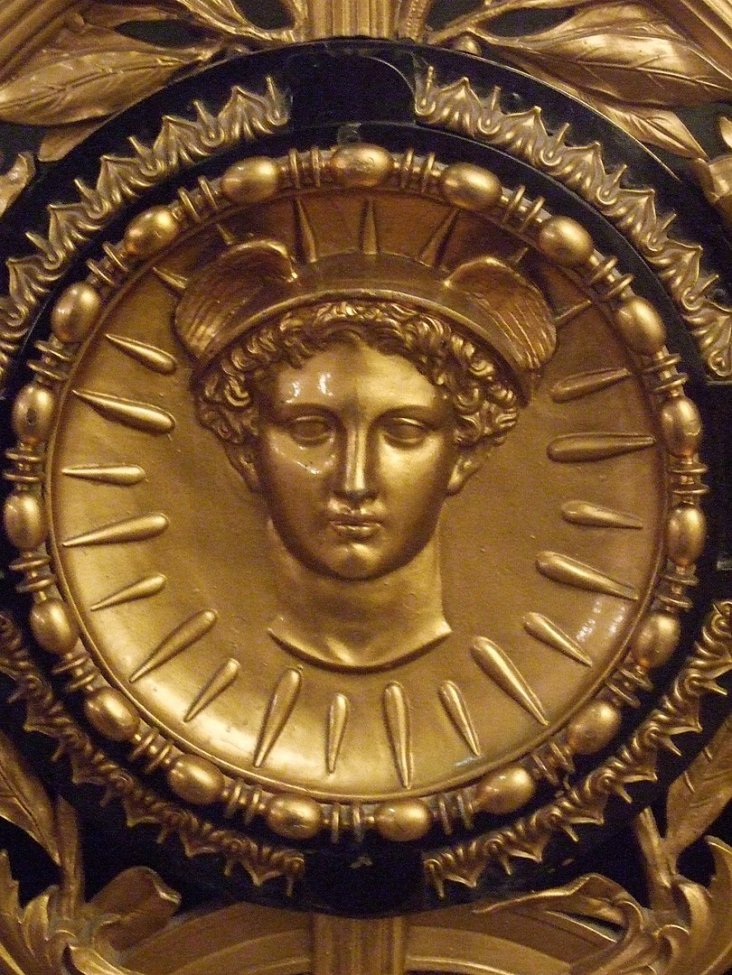
This whole area makes no sense. The St. George makes no sense. Even though they removed the gods in the pediment. They missed some gods. I noticed a lot of sea themed gods so maybe this city was dedicated to Poseidon/Neptune like Athens was Athena's town. Here is one of our old friends from a detail on the beautiful doors of St. George.

Mercury.jpg

All this for a dance hall/tax office?

???

Liverpool Picturebook has thousands of old photos of Liverpool. I barely made it through one page in an hour and he has a lot of pages.... Check these out from his collection (off topic sorry but way cool):

Mersey tunnel entrance prior to the opening ceremony, 1934.jpg
Opening of Queensway.jpg

Nice find @Timeshifter. I have been engrossed in Liverpool all day.

Plissken ?
 
Note: This post was recovered from the Sh.org archive.
Username: Timeshifter
Date: 2019-11-04 05:38:17
Reaction Score: 1
Good spots. The image resolution in the background image Hall, is different (worse) to the foreground image, imo! 2 differing images spliced together.

St John Church and St Georges Hall.jpg

(y)
 
Note: This post was recovered from the Sh.org archive.
Username: Timeshifter
Date: 2019-11-04 08:18:43
Reaction Score: 1
May be able to get a colleague to grab a copy from Sheffield ?

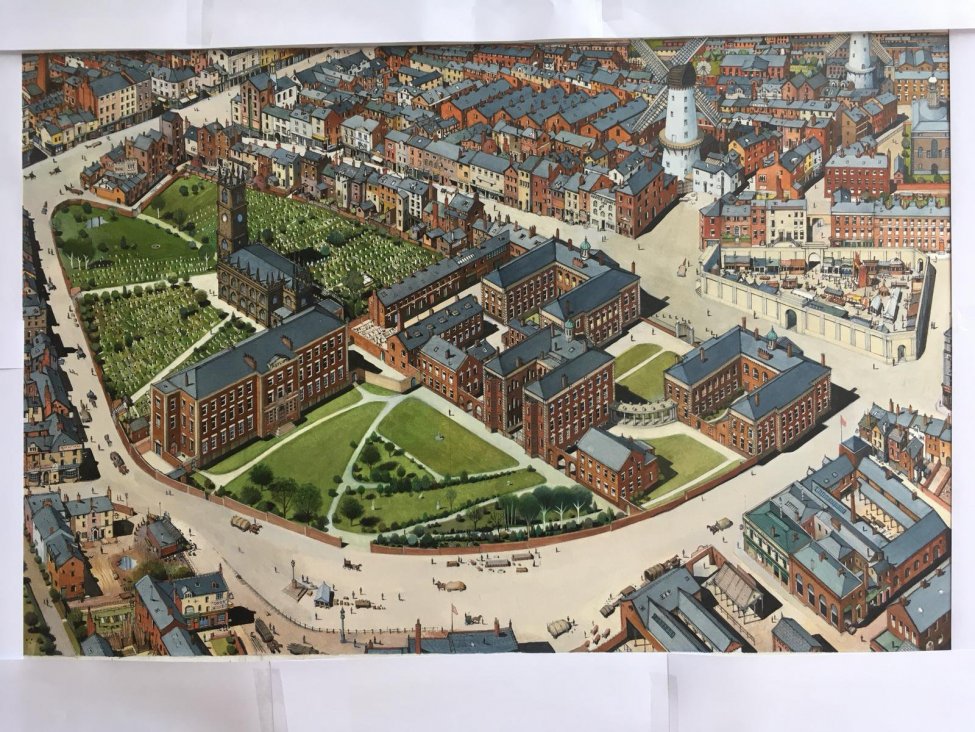
I came across these image on Twitter, an artists painting way after the events, depicting 1823...

D259F0XXcAAIrbj.jpg

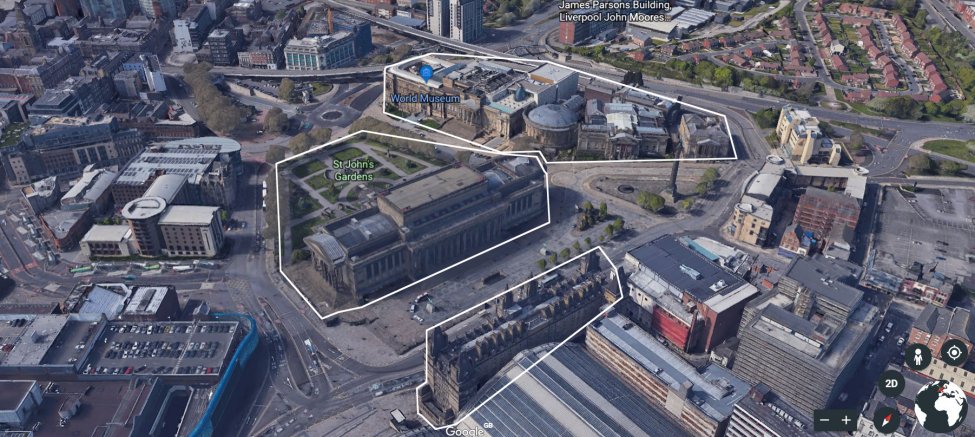
Below is screen shot of how it appears today on Google Earth, I have highlighted the buildings in white that appeared within 40 years of St George Hall being commissioned. This is a radical change imo.

st georges.JPG

and I give I made comparing the two...

st-georges.gif
Something is very wrong with this who part of town.
 
Note: This post was recovered from the Sh.org archive.
Username: jd755
Date: 2019-11-04 16:25:00
Reaction Score: 1
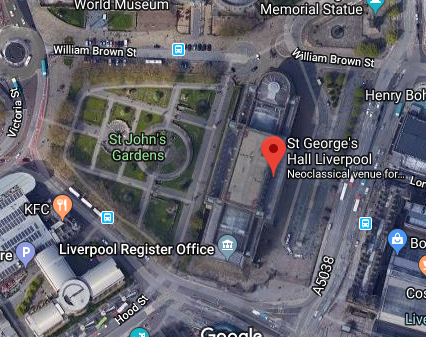
Here's a google map aerial shot. Seem the road layout has radically altered. from the one in that painting.

gm.png

Am I on the right St George's square in 1768?

Screenshot_2019-11-04 1768 John Eyes' Plan of Liverpool • Historic Liverpool.jpg
 
Note: This post was recovered from the Sh.org archive.
Username: Beedubya
Date: 2019-11-05 14:25:37
Reaction Score: 0
I am going to say no. Derby Square is where the Queen Victoria monument now sits it's nearer to the waterfront than St George's Hall which is more central.

Derby Square, Liverpool - Camlins
 
Note: This post was recovered from the Sh.org archive.
Username: jd755
Date: 2019-11-05 18:49:47
Reaction Score: 0
Aha found it.
Oh the map link; 1768: John Eyes' Plan of Liverpool • Historic Liverpool

Screenshot_2019-11-05 1768 John Eyes' Plan of Liverpool • Historic Liverpool.jpg

forgot to add stunning webpage find by the way/ so much information there it's incredible.
 
Note: This post was recovered from the Sh.org archive.
Username: Timeshifter
Date: 2019-11-05 19:36:30
Reaction Score: 1
Thanks for that. However all this is, is more embellished info on what we already know.

Theres nothing about the actual construction or evidence of any construction in there :unsure:
 
Note: This post was recovered from the Sh.org archive.
Username: jd755
Date: 2019-11-05 20:18:18
Reaction Score: 0
there is all sorts in there.

THE EXTERIOR
The position occupied by this building is one of the most commanding in Liverpool. It is built upon a platform, erected on the edge of a sharp declivity towards the port, which is to the westward. As is well known the heath which formerly constituted the site of Lime Street, of Victoria Place, and of this edifice, was the vantage ground from which the town was besieged in the civil war. Could the cavaliers and roundheads note the changes which have ensued since their departure, they would doubtless be much astonished as well as much gratified.

The point from which the best view of the exterior can be obtained is the top of Elliott St [in Lime St], from which the south portico, surmounting a lofty flight of steps, and the long facade, agreeably diversified by an intermixture of circular and square columns, the whole crowned by the lofty double attic, have a noble appearance, and present a combination of light and shade which is highly agreeable.

It is from this point that the stranger should make his first acquaintance with this great national work, for such it is, though it has been erected from the resources of a provincial corporation, from the purposes to which it is applied, and the manner in which they are provided for.

The south portico is pseudo-octostylar dipteral, that is the columns are disposed eight in the front rank and four in the second. The floor of the portico is at a considerable elevation above the ground at the south of the building, which gives it dignity. The colonnade is surmounted by a pediment, the tympanum of which is filled with allegorical sculpture, designed by Mr COCKERELL which may be thus interpreted :- In the centre is Britannia enthroned, in her left hand she offers the olive branch to the four quarters of the globe, with her right hand she protects her native industry, the arts and agriculture. On here right are Ceres and Apollo in a car. Domestic happiness is represented by a labourer, who holds a plough, and his wife with her distaff, his child stands at the man's knee. The manufacturers, especially metallurgy, are indicated by labourers at the anvil, who have been fabricating arms, an anchor etc. To the left of Britannia, Mercury, representing commerce, presents Europe, Asia and America, and lastly Africa, on her bended knee, and leading a young boy, acknowledges the liberty she owes to Britannia. Peace lends her benignant presence, and commercial industry, arduously employed on bales and goods of various kinds completes the group. The background is filled with barges, a hive, vases, and emblems of various kinds. The sculpture is executed in Caen stone, and the estimated cost was 3500 pounds. On the entablature beneath the pediment is the following inscription. "Artibus, Legibus, Consiliis, Locum, Municipes, Constituerunt. Anno Domini M,DCCCXLI ["The municipality have provided this place for counsel, art, and laws."]

The facade to Lime Street is the principal front of the edifice, and though the western side presents a more commanding position, and by some persons is considered the proper aspect for the principal front, it must be remembered that the railway station is the great approach into the town, and that it would be objectionable to turn the back of the building upon the numerous strangers who would thus gain a very undesirable first impression. The facade consists of a poly-stylar-pseudo-dipteral colonnade in the centre, that is, with the depth of two columniations, but with only a single rank of 16 columns, flanked be recesses, having an advanced screen of detached antis, or square columns in antis, the spaces between the columns are built up to about one-third of their height. The colonnade is the length of the great hall, the remainder of the front consists of the screens, each terminated by narrow projections, prepared for being slightly relieved by sculpture at some future time. Over the great hall is the double attic before spoken of, which is built to conceal the roof of the hall, but when it is relieved by the addition of statues on the centre of the lower attic, the effect of the whole edifice will be greatly improved. The lower attic is continued all round the building.
At the north end, that fronting Shaw's Brow there are eight columns in antis disposed in a semicircle, the inter-calumniations being built up the entire height, to form the north vestibule. The entrances, three in number, are on the level of the street, and are formed in a screen wall advanced beyond the main wall, the intermediate space being covered in to form loggie to the steps leading up to the vestibule.

The west front, that to St Johns churchyard, consists of a screen of 12 detached antis in the centre, the spaces between which are built up to form the walls of the library and sheriffs and vice-chancellors courts. The flanks are nearly astylar [or columnless], except pilasters at the angles of projections, and quite plain, with preparation for sculpture.

The exterior taken as a whole is, Grecian Anglicised, that is, the Grecian type is to some extent adapted to the exigencies of this climate, and the requirements of the present age. In the eastern and southern fronts the treatment is more severely classical than in the northern and western, windows are almost entirely excluded, the rooms on that side chiefly used as ante-rooms, being lighted from above, the only exceptions are two, four light windows in the east portico, but these are so treated that they entirely harmonise with the prevailing sentiment. I am aware that the isolated antis, or square columns are exceptional with rigid classicalists, but there use in this instant seems justified by their position in the line of the wall. And by the contrast they represent to the fluted circular columns of the porticos. In the other parts windows are freely introduced wherever they are requisite, so that there is an agreeable variety in the composition of the whole, no two views of the building being similar. Mr HUGGINS has made some excellent remarks upon the increased effect this edifice will gain by the liberal introduction of sculpture. The spaces on the screen wall between the antis are appropriate positions for single figures, while the wall space gives scope for bassi-relievi. For many years to come Liverpool may apply portions of her surplus income to commemorate her most worthy sons, or scenes from her own or Englands history


THE CONTRACTORS FOR THE WORK
It would be unjust towards those by whom this important building has been erected, if they should be entirely unnoticed. I believe the following is a correct list of the several contractors :-

The carcase, Mr John TOMKINSON

After the carcase was completed the brickwork and joiner's work was carried out by Messers FURNISS and KILPIN, the mason's work by Messers NUTTALL and HARGREAVES

Plumbing, Mr W. EDWARDSON

Plastering Mr Thomas JONES

Painting Messers TROUTBRECK and WANNOP

Interior ironwork, Messers WEBBER and Co

Exterior ironwork, COALBROOKDALE Company

The exterior carving, Mr KELSEY Snr, deceased.

All the polished granite has been supplied by Messers MACDONALD and LESLIE of Aberdeen

All the internal ornaments have been modelled by Mr C. S. KELSEY. Mr W. H. WORDLEY, resident architect, and Mr HUGHES, for many years clerk of the works.
 
Tips
Tips
Please respect our Posting Rules.
Back
Top