St George's Hall, Liverpool.

SH.org OP Username
Timeshifter
SH.org OP Date
2019-11-01 12:35:37
SH.org Reaction Score
101
SH.org Reply Count
101
Note: This post was recovered from the Sh.org archive.
Username: Timeshifter
Date: 2019-11-05 20:53:15
Reaction Score: 1
Yes, but that is all info we already have.

Iam seeking actual evidence of construction taking place. All of those descriptions could be given by walking into an already existing or completed building.

Bear in mind we are right in the golden age of photography here. No photos, etchings, descriptions of daily, weekly, monthly progress, problems, accidents, deaths....

We have masses of info on how it will be made, and how it looks completed, but nothing to fill the gap.
 
Note: This post was recovered from the Sh.org archive.
Username: jd755
Date: 2019-11-06 08:24:09
Reaction Score: 1
Well you have your starter for ten in the contractor list.
I'm not sure you will find what you seek though, or what form would be acceptable as evidence but that said I'll do the same and have a ratch around odd questions and the search engines.

The doors in the plinth,on the south side, are doors through which criminals were taken to the holding cells for the Assize which are in the sub-basement. It is a combined use building. They were transported in a horse drawn prison van hence their size.
Permit me a slight wander here if you will but I have an ancestor who was sentenced to transportation in this building who must have been taken inside by horse drawn prison van, convicted of arson ( he is said to have burnt his cobblers or a cobblers down in West Derby) and taken away to wait for his ship. The Hougenot was the last prison ship to sail to Australia and he was on it with a bunch of Fenians and other criminals. He only served four or five years of his 10 year sentence and on becoming free he built a fair few houses in Perth, even named a street after himself and came back to Liverpool a fairly well off individual.

The vaulting in the photographs above are the ventilation which is gone into in detail in that transcribed article. "Any of the four winds at the whim of Mr Reid" its designer, again according to the article..Brilliant. system backed as ever with steam engines for the days when the winds didn't blow and he great and the good were enjoying justice or edification,

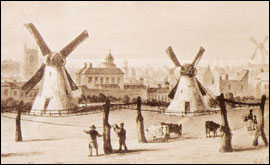
As you can see the buildings on the 1768 map are commensurate with the documentary evidence so it wasn't there in 1768 at least. Will have a run through the other maps on that site and see if there are any changes.
 
Note: This post was recovered from the Sh.org archive.
Username: Beedubya
Date: 2019-11-06 09:30:00
Reaction Score: 0
I do love to learn more about transportation. What year was your ancestor convicted? I know many were convicted in Lancaster but that might have been in earlier days.

I have spent a lot of time looking online and cannot find any photos or sketches of the construction.
 
Note: This post was recovered from the Sh.org archive.
Username: jd755
Date: 2019-11-06 12:31:16
Reaction Score: 3
Here's the link. Hougoumont Convict Ship 1867
or two Western Australian Convicts - Hougoumont 1868
Got the spelling of the ships name wrong, sorry. And wrong about the assizes. He was convicted at Chester!

By 1847 the hall was up..
Screenshot_2019-11-06 1847 Ackermann's Panoramic View of Liverpool • Historic Liverpool.jpg

On the map posted in the op the asylum/infirmary/hospital had been demolished, with a barracks shown on site and their functions were removed to Brownlow hill as is shown on the 1847 map.

This convict was tried in April 1854 at the Liverpool Assize which confirms that the Lancaster Assize southern division had been transferred to Liverpool prior as mentioned in the transcript of the newspaper article.
Convict Records: Richard Bibby

This one is at Lancaster Special Assize which took place in Liverpool prior to the building if the St George's hall, in an existing building according to the transcript.
The date of departure is 6th January 1847 Convict Records: James Clarkson
 
Note: This post was recovered from the Sh.org archive.
Username: Timeshifter
Date: 2019-11-06 13:43:08
Reaction Score: 0
Nice work JD, general consensus is that it was completed in 1854, so this precedes the mainstream story by 7 years. Unless the building was actually up, but not kitted out and completed until 1854. Exact start and complete dates are extremely vague.

Still cannot locate anything resembling construction however.
 
Note: This post was recovered from the Sh.org archive.
Username: jd755
Date: 2019-11-06 17:52:56
Reaction Score: 2
More stuff courtesy of startpage and duckduckgo with the search string Building of the St George's hall.
From here; St George’s Hall, Liverpool
The Law Courts and holding cells were opened in 1851, but the rest of the building was a few years away from completion. A crown court for criminal cases was at the south end of the building and a civil court for civil and family cases was at the north end.

The key feature of the room is the spectacular sunken floor with its dazzling patterns of 30,000 Victorian Minton tiles. Produced at the Minton Hollins tile factory in Stoke-on-Trent, they are made by pressing different coloured clay into deep moulds to create the desired pattern for each tile. The floor was meant to be protected and not always be on view. In 1883 a removable sprung wooden dance floor was placed over the tiles. Today this tradition continues, with the floor only on show at certain times of year.

The barrel vaulted ceiling of the Great Hall is still thought to be the largest of its kind in Europe. Supported by huge red granite columns, it would have been prohibitively heavy, had it not been made with hollow bricks – an innovative idea at the time.


From here; St Georges Hall Liverpool - e-architect

On the east side of the hall, between it and the railway station, is St George’s Plateau and on the west side are St John’s Gardens.


From here; St George's Hall | Purcell
The company tasked with drawing up the restoration plans.

Extensive conservation of the stonework was required including repair and cleaning. Work involved close liaison with English Heritage and the local conservation team.

From here; The Sculptured Pediment of St George's Hall, Liverpool | Works of Art | RA Collection | Royal Academy of Arts

Cockerell's design for the monumental sculpture in the south pediment of St George's Hall, Liverpool originated in his 'Sketch of an idea for the Frontispiece of a Public Building in England' exhibited at the Royal Academy in 1843

From here; The South Front of St George’s Hall, Liverpool | Architectural History | Cambridge Core

Cannot get to the article (paywalled) but the list of references is enough.

And from here the missing front page from the transcript site; St George's Hall

About this time the Town Council gave notice of an Improvement Bill, in which they sought for powers to apply the site of the "Old Infirmary" in Lime St, for the purpose of erecting public buildings, of which it was understood the new public hall would be one.

The coronation of Queen Victoria, being appointed for 28th June, 1838, it was considered desirable that the laying of the foundation stone of the proposed St George's Hall should form part of the local celebrations for that auspicious event, consequently, although no design of the proposed building had been prepared, arrangement were made with the town council for having the ceremony performed in the Old Infirmary Yard, in Lime St, the site of the building which is now about to be opened, but the council reserved to themselves the right to place the hall on any part of the ground, that might thereafter be most suitable for it, in conjunction with the buildings, which they might erect thereon.

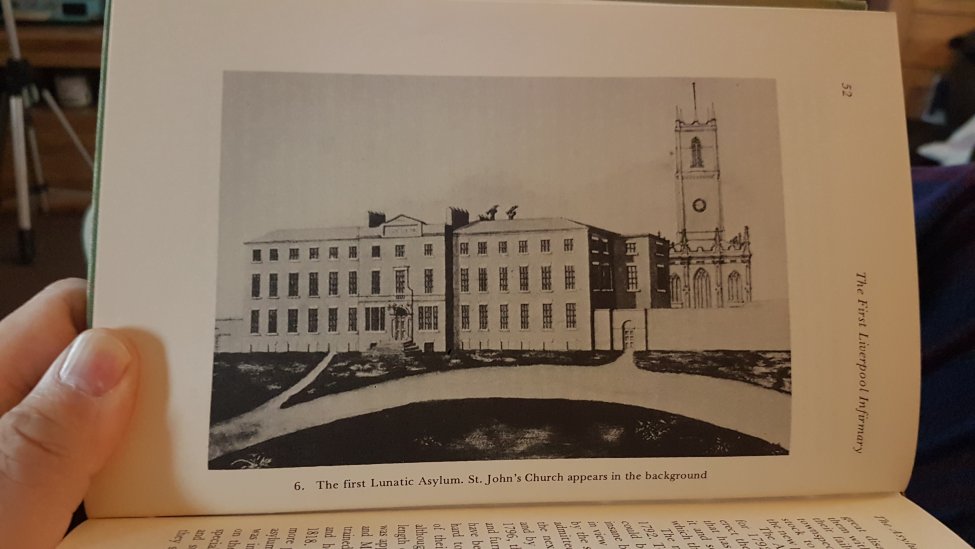
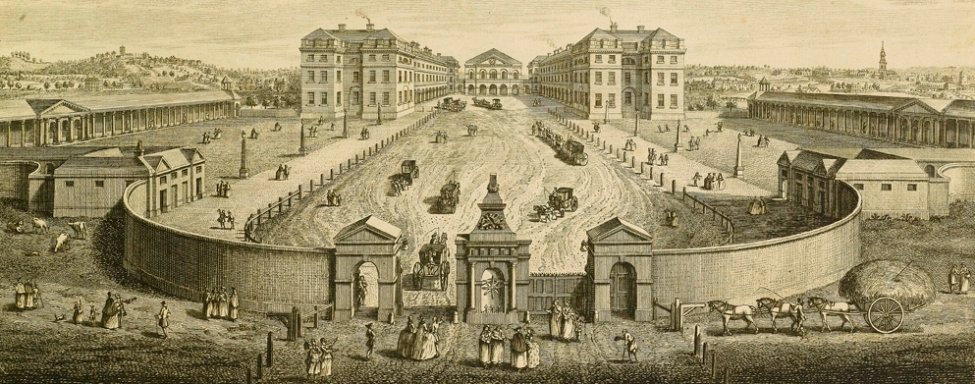
Thirty years since the Seaman's Hospital, the infirmary, and the Lunatic Asylum where here placed, the latter being in close proximity to St John's churchyard, and near the southern corner of the ground plot, the Infirmary and Seaman's hospital standing to the north and east of the Asylum.

I believe the Infirmary was taken down immediately after the completion of the new buildings in Brownlow St, and soon afterwards the inmates of the Asylum were removed to their new quarters in Ashton St. After the destruction of the Infirmary its site was used as standing grounds for travelling booths of various kinds, including menageries, a frequent source of interest to truant schoolboys and other loiterers by the way.

The old Lunatic Asylum was occupied by a Cholera hospital during the first visitation of that disease in 1832 and subsequently as barracks, during which time the injurious effects from its proximity to the churchyard were spoken of by an officer, who stated that at times the effluvia was exceedingly offensive, and that he and his men suffered from dysentery. A gentleman who resided near the churchyard said that he was convinced that his own health and the health of his children suffered from it and that he had removed to avoid further injury.

These remarks were made prior to 1843, since which time the evil must have been greatly aggravated, as there had been daily interments during the intervening years, and I would suggest to the northern bar whether their influence would not have been exerted more beneficially for themselves as well as for the general public, if they had endeavoured to have their interments prohibited, instead of raising a factious opposition to the temporary re-occupation of the old Sessions House.

A procession of trades formed part of the celebration of coronation day. It assembled in Dale St and after, perambulating several of the principal streets of the town terminating its walk at the site of the foundation stone and the north east corner of the ground. In the absence of the chairman and deputy-chairman of the St George's Hall committee, Mr Charles LAWRENCE, presented to the mayor, William RATHBONE Esq, a handsome silver trowel, which that gentleman handed to Mr John DRINKWATER, right worshipful grandmaster of the masons, and requested him to perform the ceremony, which took place with the customary observances.

It will be in the recollection of the meeting that this company was formed at a public meeting of the subscribers held after 1013 shares had been taken, amounting at 25 pounds per share, to 25,325 pounds. The company elected in the manner prescribed at that meeting in February 1837, an application to the council of the borough for a grant of part of the site of the Old Infirmary, on which to erect St George's Hall, an in June 1838, the council having first obtained an Act of Parliament for the purpose, made an appropriation of that site, on proper trusts being declared, defining the purpose to which the building should be applied. The mercantile embarrassment of 1837 unfortunately put a stop to all further progress in the undertaking, but after the improvement which took place in the summer of 1838, the committee made a fresh appeal to the public, which was attended with success and the number of shares subscribed for reached 1043.


The council having determined on the erection of law courts on another portion of the Old Infirmary ground, and not having fixed the exact site for them, your committee asked the determination of the council on that point and having at length ascertained that the site originally appropriated to St George's Hall would not be interfered with, your committee have within a few days past, had an interview with Mr ELMES, and have fully arranged the general plan of the hall. There is to be accommodation in the main hall for 3,000 persons, and there is also to be a concert room capable of accommodating 1,000 persons, applicable to other purposes such as lectures and meetings.

As the cost of the building will be 35,000 pounds, including 5,000 pounds for an organ and furniture, the number of shares required to make up that sum will be 1400, of these the call was paid upon 800 only, and from the latter number 130 shares must be deducted, owing to death, removal from Liverpool and misfortune in business of the subscribers, and it is gratifying to find this class is so small.


Based on the available evidence and as astonishing as it seems to us alive today this building appears to have been erected within the timeframe stated, to me always to me and once again I m open mouthed at what the people of 'yore' were capable of. I doubt, but will continue searching, that construction evidence in the form of drawings or early photographs will appear, but you never know!
 
Note: This post was recovered from the Sh.org archive.
Username: Timeshifter
Date: 2019-11-06 17:59:28
Reaction Score: 1
At present, I can only hypothosise that either

A. This building was already there, and has had a well developed back/ forward story put in place, with mountains and mountains of evidence, which conveniently evades any evidence of construction, right in the golden age of photography, or

B. This was built by the good folk of the mid 1800s, but whatever skills/ equipment/ devices they utilised we are not allowed to see, hence the disapearance of construction evidence.

Just my thoughts.

Iam not sure which hypothosis intreagues me the most :)

Edit. 1 further theory I have (I ascribe to the simulated reality theory) the reset involved a coming together of realities, and we ended up with buildings and tech no one could use or explain. Hence the ridiculous historical narratives.
 
Note: This post was recovered from the Sh.org archive.
Username: jd755
Date: 2019-11-06 18:04:13
Reaction Score: 1
January 1851 date of first departure of a convict tried at Liverpool Lancaster Assizes Convict Records: James Abraham Ball

Where was it on Ayres 1768 map?

Seems the court came into use in October 1850 or possibly earlier still. Will check through tomorrow. Convict Records: Mary Ann Jones
 
Note: This post was recovered from the Sh.org archive.
Username: Beedubya
Date: 2019-11-06 19:13:29
Reaction Score: 1
I know very little about Tartaria but am in a few FB groups where they show magnificent buildings unlike the concrete and glass boxes of today. One theory was that the building "know how" records are hidden from modern man for some reason, another was records were destroyed in some great library fire in Alexandria. When you look at buildings going up nowadays with huge cranes and all manner of technical wizardry it does make you scratch your head in wonderment as to how these huge buildings were erected by man alone with basic equipment ?
 
Note: This post was recovered from the Sh.org archive.
Username: jd755
Date: 2019-11-07 11:43:49
Reaction Score: 1
Some more info with sources.
From here; Link

Picton in his Memorials of Liverpool mentions that William and Enoch established a brewery on an extensive scale. Their Cheapside brewery was probably built by William; the Harveys building business seems to have been one of the biggest in Liverpool, and William’s lime kilns gave Lime Street its name (formerly Lim -kiln Lane) according to Picton

From here; BBC - Liverpool Local History - Steve Binn's Lime Street History

Lime Street was set out in 1790, named after William Harvey’s lime kilns. In 1804 the doctors at the local infirmary complained about the smell, so they were moved.

From here; South Liverpool: Toxteth including the Dingle, St. Michaels and Otterspool

[][Irish immigrant Robert Cain (1826-1907) arrived in Liverpool in 1844. In 1850 he bought a small pub on Limekiln Lane and began brewing his own beer. He bought the original brewery on the Stanhope Street site in 1858. This had been built on the bank of a small stream that had disappeared by the time Cain bought it. [/i]

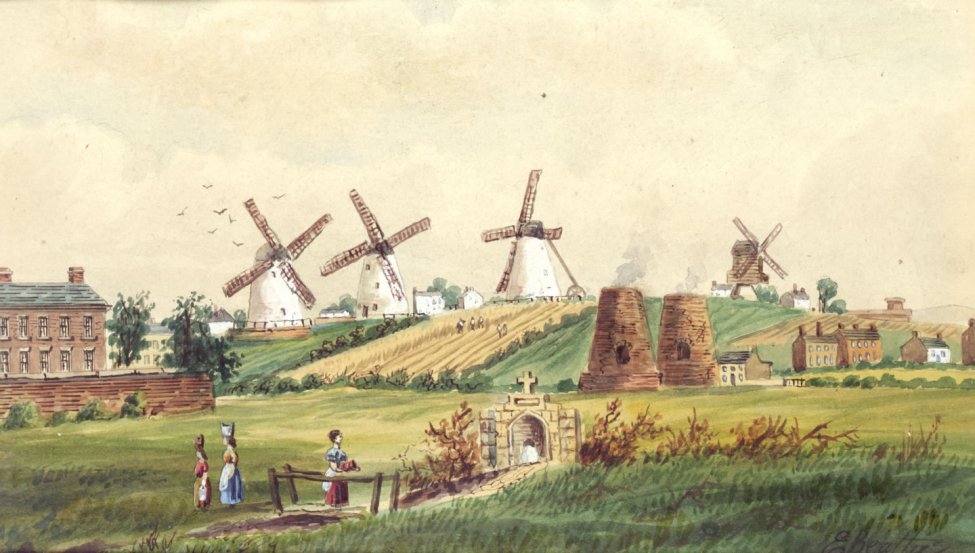
From here; Liverpool Windmills

Fall well Limekiln Lane 1771
FALL WELL LIMEKILN LANE 1771 FILE 3796 MGA004233.jpg

From here; The 1864 Southern Bazaar in Liverpool · Liverpool’s Abercromby Square and the Confederacy During the U.S. Civil War · Lowcountry Digital History Initiative

In 1854, St. George's Hall opened in Liverpool as a venue for festivals, meetings and concerts. The 1864 Southern Bazaar was held at this site to raise funds for Confederate prisoners of war.

From here; BBC - Liverpool Culture - St George's Hall - History of the Hall

lk.jpg

This pdf gives a superb overview of how dynamic and how industrious Liverpool was during the time o this buildings erection. Link

Nasmyth was born 19 August 1808 in Edinburgh, the youngest son of the artist Alexander Nasmyth (1758-1840). A brother was Patrick Nasmyth (1787-1831) the well-known artist. Alexander was interested in mechanical subjects and this fact may have decided James to become an engineer. In 1829 he became an assistant in London to Henry Maudslay (1771-1831), the inventor of the screw-cutting lathe and the slide rest mechanism on which it was based.'u He visited Liverpool for the opening of the Liverpool and Manchester Railway in 1830.

According to his Autobiography{ '2] Nasmyth was granted a holiday after working with Maudslay for a year. Reports of the locomotive trials held at Rainhill in October 1829 made him determined to visit Liverpool, see Stephenson's "Rocket" for himself, and be present at the opening of the Liverpool and Manchester Railway. He said he left London on Saturday 9 September 1830 (the 9th was actually Thursday) and arrived in Liverpool on Sunday evening. The next day, Monday, 13 September, he went to the terminus of the Liverpool and Manchester Railway where he inspected the "Rocket" and saw it driven by George Stephenson, whose son Robert acted as fireman. He was particularly impressed by the locomotive attaining a speed of thirty miles per hour.

The first object of his visit accomplished, Nasmyth presented a letter of introduction from Maudslay to the latter's old friend, William Fawcett, head of Fawcett and Preston of the Phoenix Iron Foundry, York Street, Liverpool. At that time, Fawcett and Preston were making sugar mills, and the engines to drive them, for the West Indies. This foundry had a dis- tinguished career; being established in 1758 as a branch of the great Coalbrookdale Iron Works which was operated by the Darby family from the beginning of the eighteenth century.'3 ' The Liverpool branch was managed by George Perry (1719- 1771), a Somerset man who had trained as an engineer under Abraham Darby at Coalbrookdale. The Liverpool establish- ment was known as the Coalbrookdale Iron Foundry until about 1816 when the name was changed to Phoenix Iron Foundry. George Perry had interests outside engineering: he was responsible for the excellent map of Liverpool published in 1769 and the collection of material from which Enfield compiled his History of Liverpool.

Fawcett turned to marine engineering and as early as 1816 fitted his first engine to a Mersey river steamer; later he engined the wooden paddler Conde de Palmella, the first ocean-going steamer to leave this country and which went from Liverpool to Lisbon in four days.

Doubtless Nasmyth met other Liverpool people, but he does not record them; after visiting the docks and making a trip to Birkenhead, he returned to London on foot, by way of Manchester, taking a fortnight over the journey.

Early in 1834 he visited Liverpool again and presented a letter of introduction "to Mr. Roscoe, head of the Mersey Steel and Iron Company"'9 '. Edward Roscoe (1785-1834) was the second son of William Roscoe, the distinguished Liverpool citizen who associated with Clarkson, Rathbone and Wilberforce in the movement for the abolition of slavery. He had been in business as an iron merchant from about 1810, and in partnership in the same business with his uncle William Wain (see pedigree) from about 1820. The firm became Mather, Roscoe and Finch in 1829 and Mather, Roscoe, Thomlinson and Company in 1834. The manufacture of nails, which were required for building the wooden ships of the day and which were exported in enormous quantities to America for the construction of log cabins, was an important part of their business. They had works in Sefton Road, Toxteth Park, and offices in the East Side, Salthouse Dock. After Roscoe's death, the Mersey Iron Works continued its operations under the name of Mersey Steel and Iron Company.

Nasmyth was introduced to John Cragg (1767-1854), the proprietor of the Mersey Iron Foundry in Tithebarn Street, Liverpool, whom he described as "a most intelligent and enterprising ironfounder. He was an extensive manufacturer of the large sugar-boiling pans used in the West Indies"

The earliest known example in England of the use of iron as a structural material was in St. Anne's Church, Liverpool, built 1770-72, where cast iron columns support the galleries,'161 but the first iron-framed building was a mill built at Derby in 1792-93.

The combination of these structural and decorative trends was appropriately accomplished in Liverpool where, in the period 1813 to 1816, Thomas Rickman and John Cragg built three churches almost entirely of iron. Rickman (1776-1841), prior to becoming an architect, was an accountant, who had long studied Gothic churches and summed up his findings in a paper entitled, "Distinctive Principles of Grecian and Gothic Architecture"

Following this, he prepared designs for St. George's Church, Everton, and building was commenced in 1813. The whole of the interior was made by Cragg using iron, and the building was consecrated 30 October 1814. St. Michael's Toxteth Park (1813-1815) and St. Philip's, Hardman Street (1816) completed the trio, and launched Rickman on his successful career as an architect.


The rest of the pdf article features much more but n Liverpool connections.We truly have no idea of what was going on then as the official history has generated a world of soundbites and snippets because the system is constantly telling us work is hard and if we are not busy we are not working hard enough.
Naysmyth walked from Liverpool to London as you can see above is a feat few today would contemplate let alone attemp so took a fortnight to travel and yet look at what he achieved over his entire lifetime.

All of the above is more evidence to me, always to me, this structure did not come through time or was up prior to a 'reset' (strikes me the reset notion is a modern take on 'god's work') as the area it stands in was rural according to the documentary/pictorial evidence.
 
Note: This post was recovered from the Sh.org archive.
Username: Beedubya
Date: 2019-11-07 12:10:12
Reaction Score: 0
Convicts from Lancaster prison/Castle were sent to Millbank before being transported to Australia. I was told by the archivist/historian at Lancaster Castle that men walked there and women went in carts and any that died along the way, well it was one less to worry about.
 
Note: This post was recovered from the Sh.org archive.
Username: Timeshifter
Date: 2019-11-07 14:08:23
Reaction Score: 2
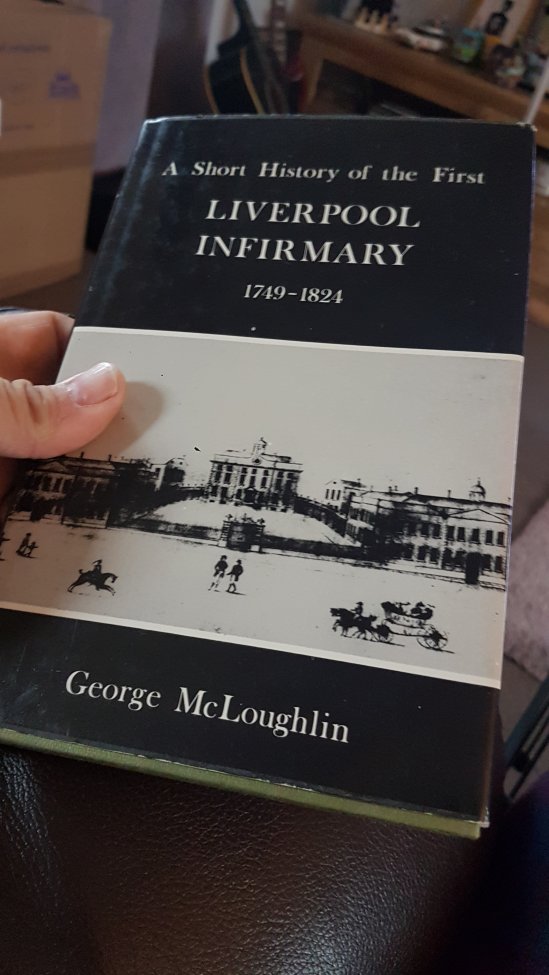
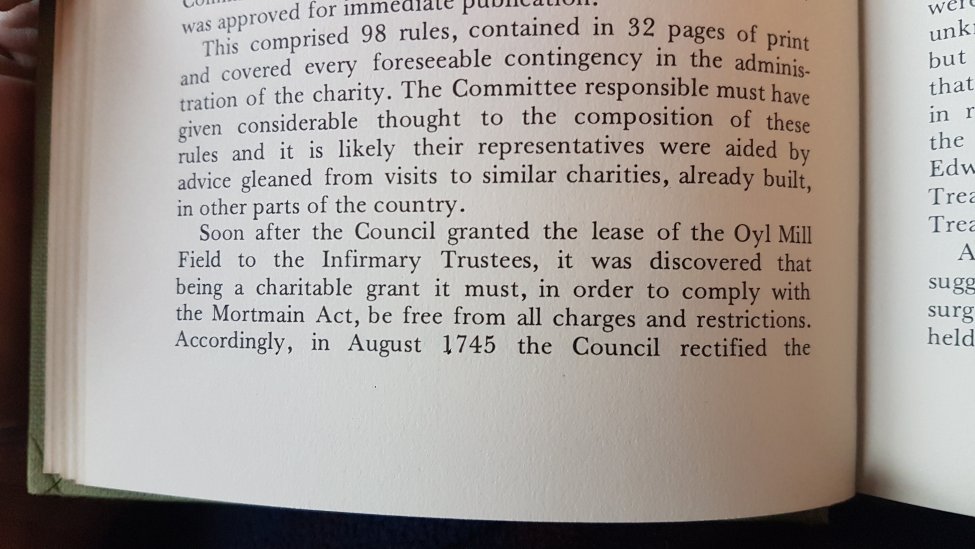
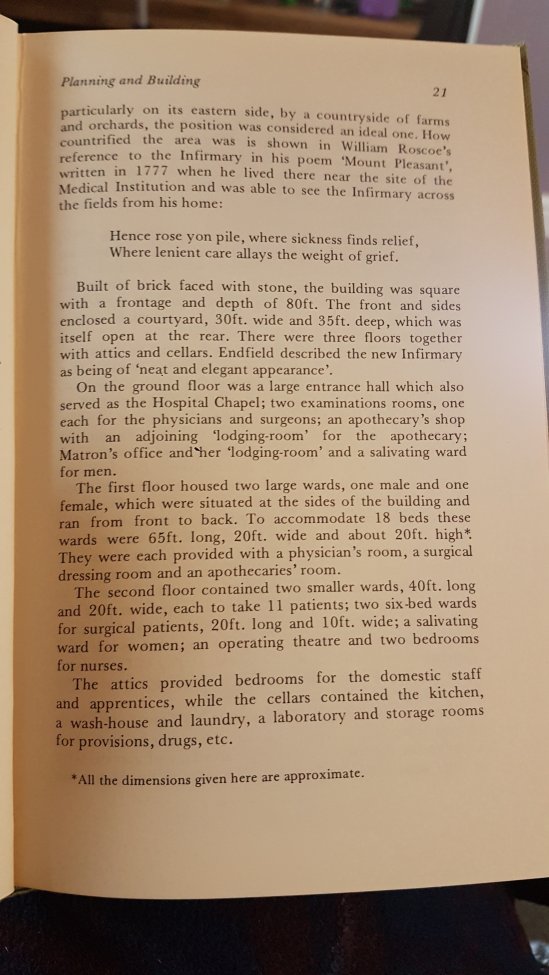
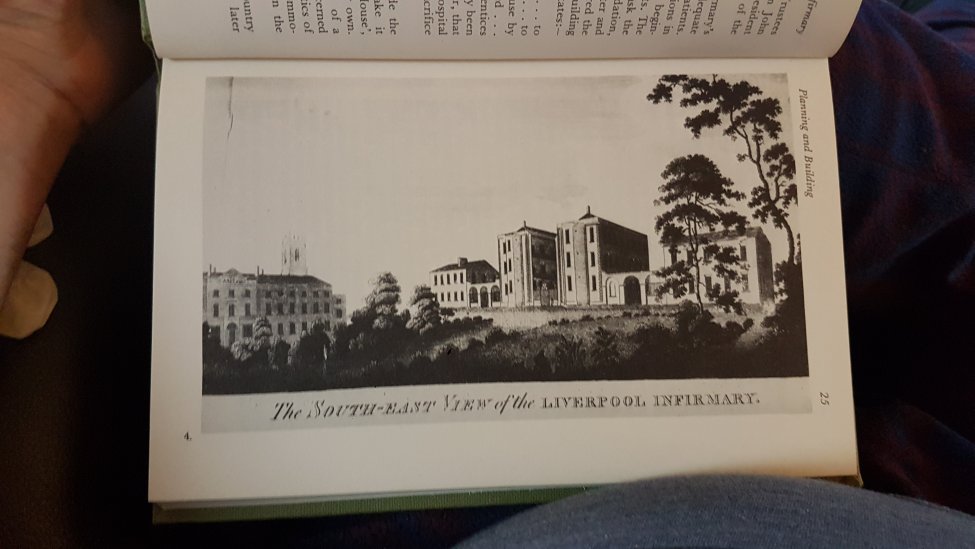
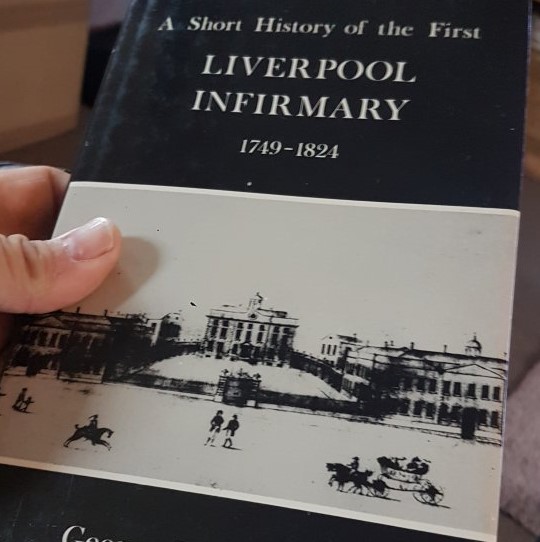
Just got a copy of 'A short history of Liverpool infirmary 1749-1824

20191107_140127.jpg

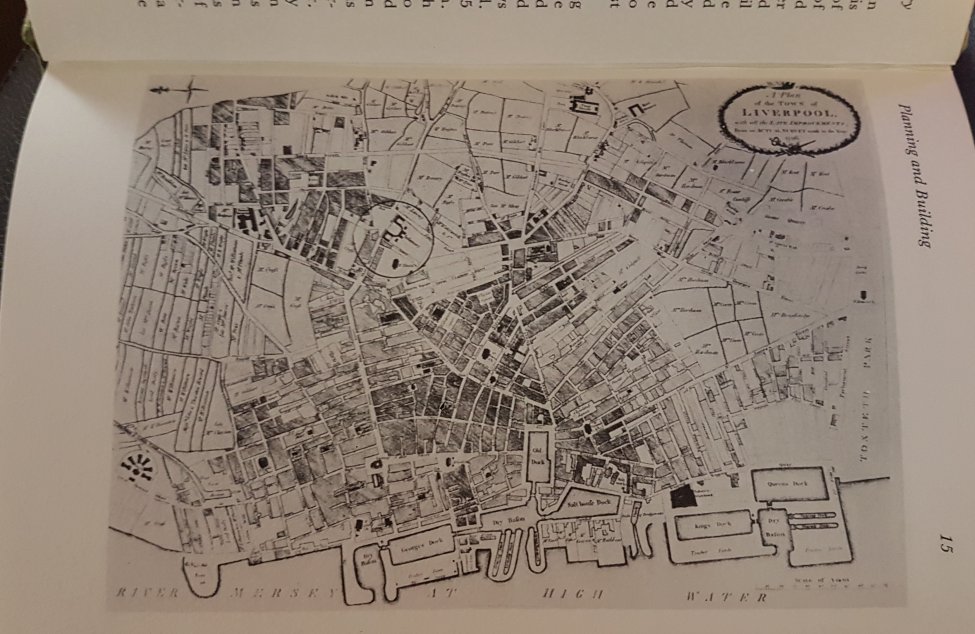
Town map included, nothing we havent already seen.

20191107_140721.jpg

Off to have read, will report back later.

Edit. Read book, it sucked.

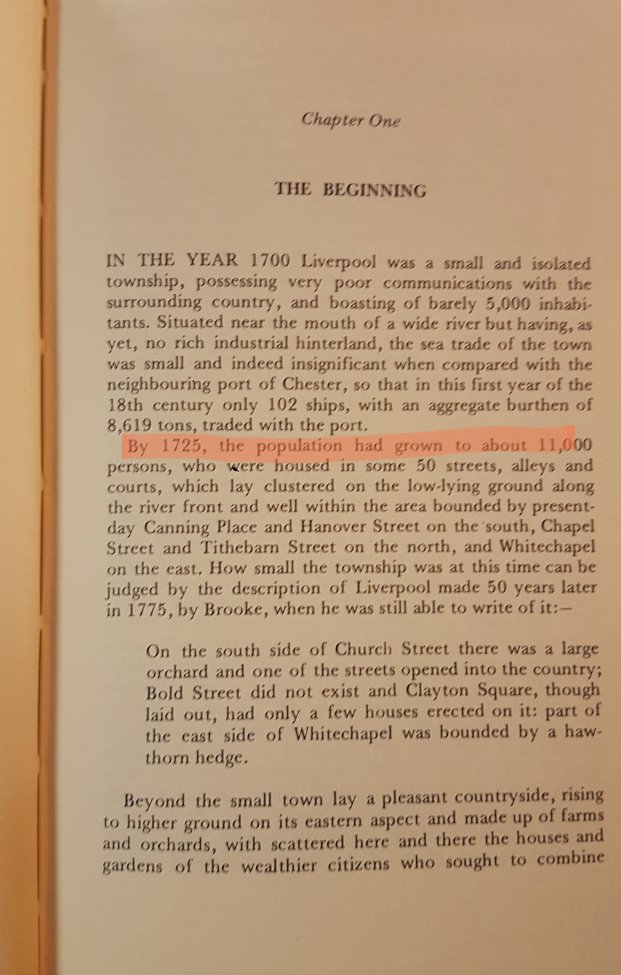
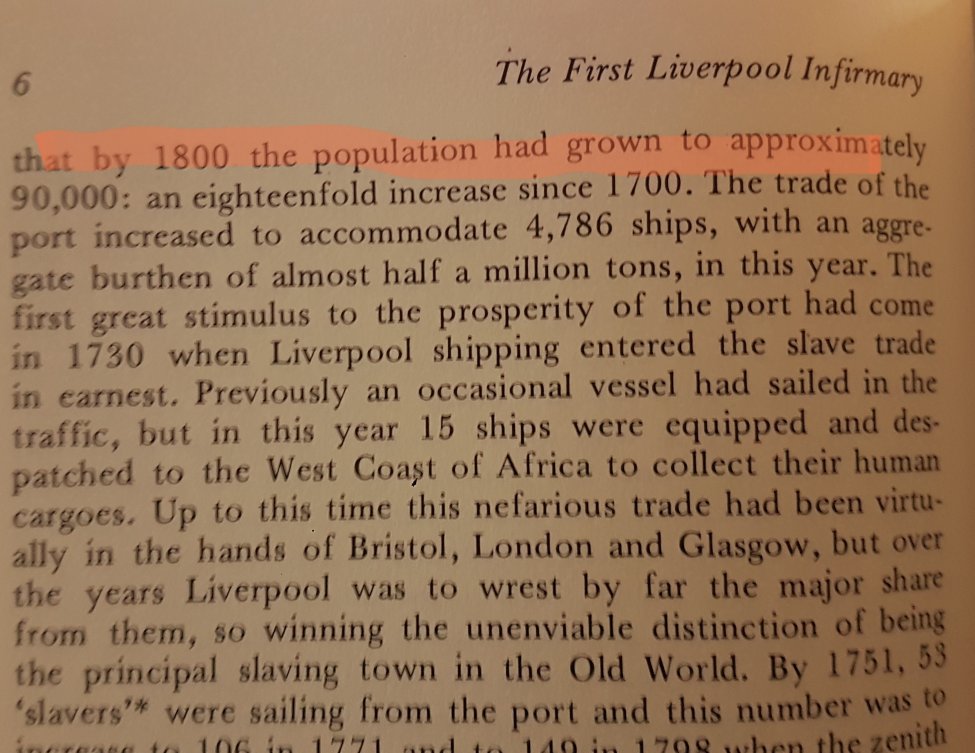
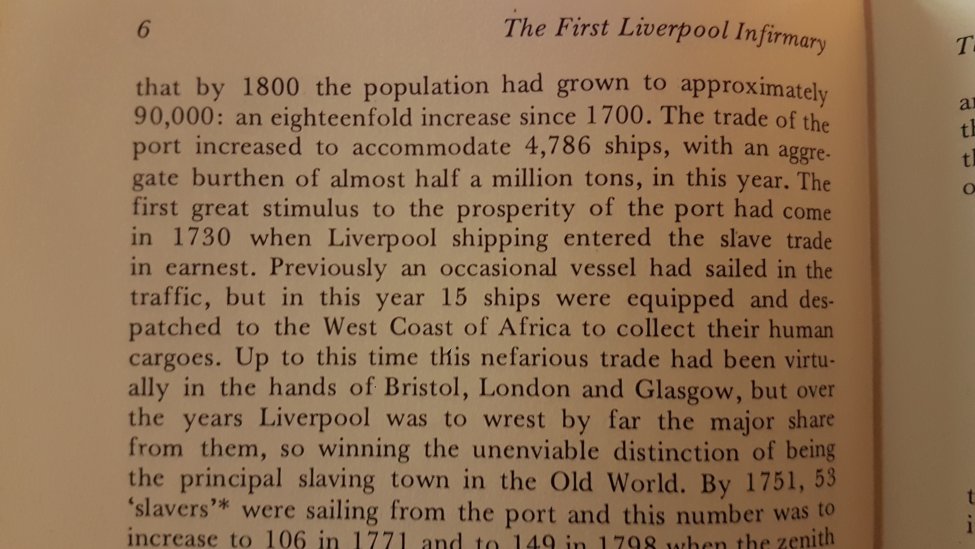
Did however discover that the population of Liverpool skyrocketed between 1725 and 1800 the population of Liverpool went from 11000 to 90000, ... where did all of those people come from?

In the mid 1700s Liverpool was not much more than a big village with horrific living conditions, poverty and sewerage problems. Then by 1800, 90000 people. The docks? Shipping?

And remember, the official reason for the hall was entertainment for the people.... the people demanded it...

20191107_173820.jpg
20191107_173942.jpg

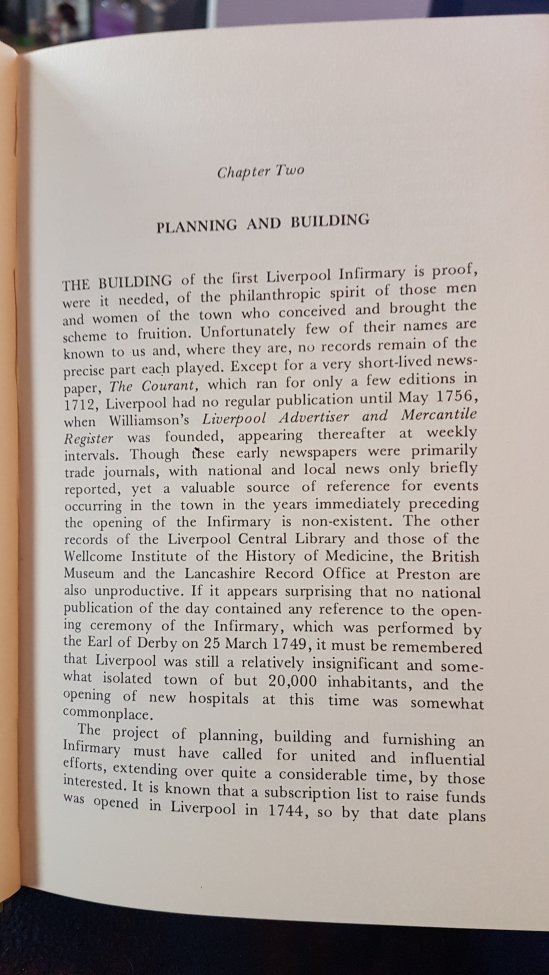
The book, in honesty reveals very little about the Hospital or asylum, and admits there are very little facts to proof anything. No newspaper articles on its construction, the builders, zip. Sounds familiar.

It does reveal the area was very sparce of buildings almost up to the arrival of St Georges.. ive attached x few pages of interest below.

20191107_141714.jpg
20191107_142353.jpg
20191107_142724.jpg
20191107_143610.jpg
20191107_145010.jpg
20191107_143919.jpg

St Georges Hall is mentioned twice on the book as being 'whst now stands on the ground of the hospital'
 
Note: This post was recovered from the Sh.org archive.
Username: Beedubya
Date: 2019-11-07 20:10:27
Reaction Score: 1
Ireland. That's why we call Liverpool the capital of Ireland ??.

OK today I emailed Liverpool Record Office who are situated in the library
 
Note: This post was recovered from the Sh.org archive.
Username: jd755
Date: 2019-11-08 07:51:33
Reaction Score: 0
Well done getting hold of that book and posting some pages. Straight off the bat how did the author discover there were 5,000 inhabitants in 1700 and make the leap to 11,000 people 25 years later in an era of no census, by aking a guess of course based on old records. NoHe then conradicts his description of the towns port and assumption that the port was the reason why the town was there. From memory wasn't this the era of canal building work brought in at the time of neededing to move the aw materils to the factories/mills/foundrys/kilns etc being buit where water was the primary means of heavy or bulky transport?
Would seem that the labour force for the canal building would be the reason for the increase in population as the builders brought families and often extended families with them and not all of them lived in the travelling camps that went along the canals as they were built. Getting an accurate number of people is a fruitless exercise with a transient and mobile population my guess is the people of te day didn't bother it's only done by people telling tales of yore, to sell a book or establish credibility within the article or even just back guessed so too peak from published census dates from the 1800's, prior to the census coming in and even that is untrustworthy as I know from my own digging into my family folk disappeared on the census or appeared at three or four addresses on the same census and all they were doing was moving from house to house on census night ahead or behind the enumerator.

At least he has the decency to say 'estimated' or his 90,000 figure!

The Earl of Derby opened the thing eh so making a guess of my own I'd lay odds the land it was built on if not most of the land in Liverpool at that time was owned by the Earl of Derby so if anywhere the opening of this infirmary or indeed the deeds to the right to use the land for the infirmary would be in the Earls of Derby private papers. Wonder if he asked too see them or even if they survive.

So the land was owned by the council prior to building not the Earl of Derby, according to the author, and it was only leased. Interesting.

Three floors with attics and cellars and made of bricks faced with stone. A familiar building practice over the years following in many places here and in America. Cellars and attics in full use unlike today where their remains, walls and floors, appear in the ground as evidence of mud flooding, on occasion.
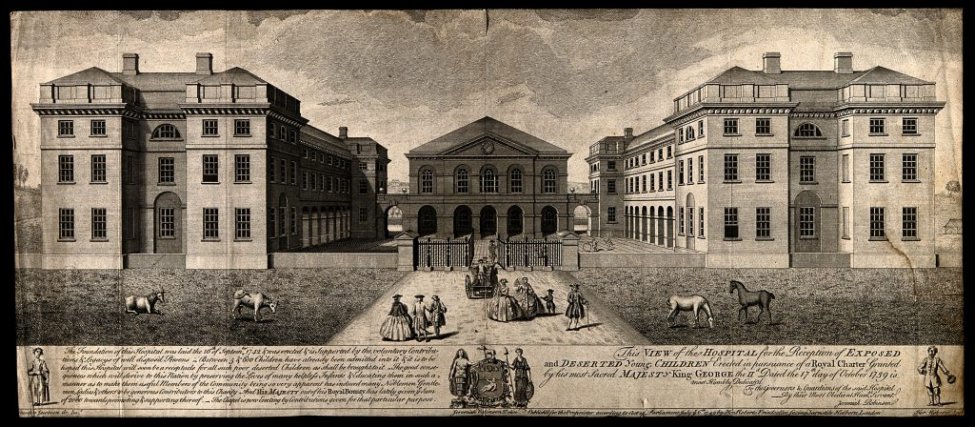
The drawings look very similar if not the same layout as those on the early 1768 map back up the thread.

I spent far too long last night trying to work out how a reset would render St George's being their when 'people who had been reset woke up' and couldn't figure it out. If you get a moment could you elaborate on how such a process could work in practice?
 
Tips
Tips
Please respect our Posting Rules.
Back
Top