

Archive
Old SH Archive
- Joined
- Sep 8, 2020
- Messages
- 17,737
- Reaction score
- 3,168
This is my favorite picture of "romans" in russiaNote: This post was recovered from the Sh.org archive.Username: The KrakenDate: 2018-05-08 19:52:43Reaction Score: 6
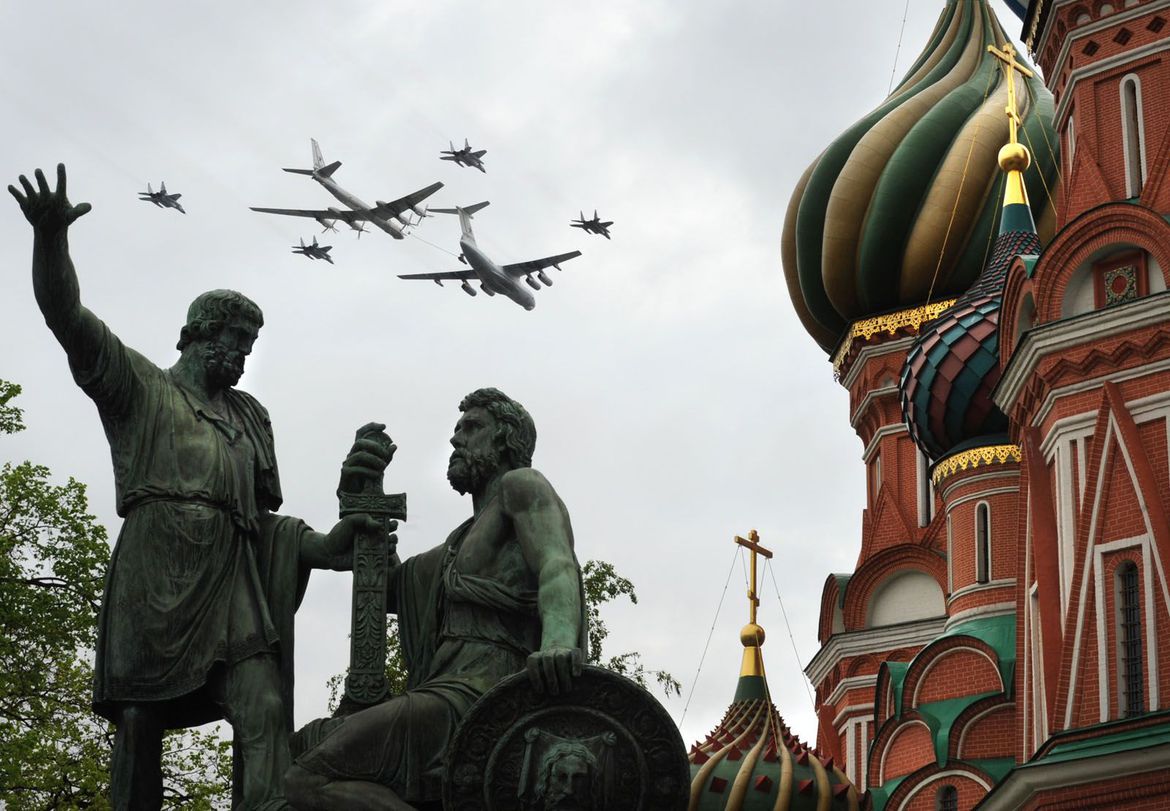
This is my favorite picture of "romans" in russiaNote: This post was recovered from the Sh.org archive.Username: The KrakenDate: 2018-05-08 19:52:43Reaction Score: 6
Note: This post was recovered from the Sh.org archive.
Username: humanoidlord
Date: 2018-05-08 21:17:54
Reaction Score: 1
agreeRome, as an Empire (in the way we were told about) could be questionable as well.
wow thats very bizzare, a guy that has nothing to do wiith england becomes the patron saint of england!That statue is truly bizarre. It is a "roman" guy on a horse, trampling on a snake/serpent/dragon. It's that St. GEORGE character. Patron saint of England who nobody knows anyrhing about or why he's the patron saint of England.
View attachment 2535View attachment 2536View attachment 2537
He allegedly grew up in the middle east. What is now turkey before the land was taken over.
I don't know who he is but he is bigly important. Hence the massive statue of him among all the other artifacts you find him on.

Here is a crest of Moscow, and crest of Russia for consideration.Note: This post was recovered from the Sh.org archive.Username: KorbenDallasDate: 2018-05-08 21:41:46Reaction Score: 11
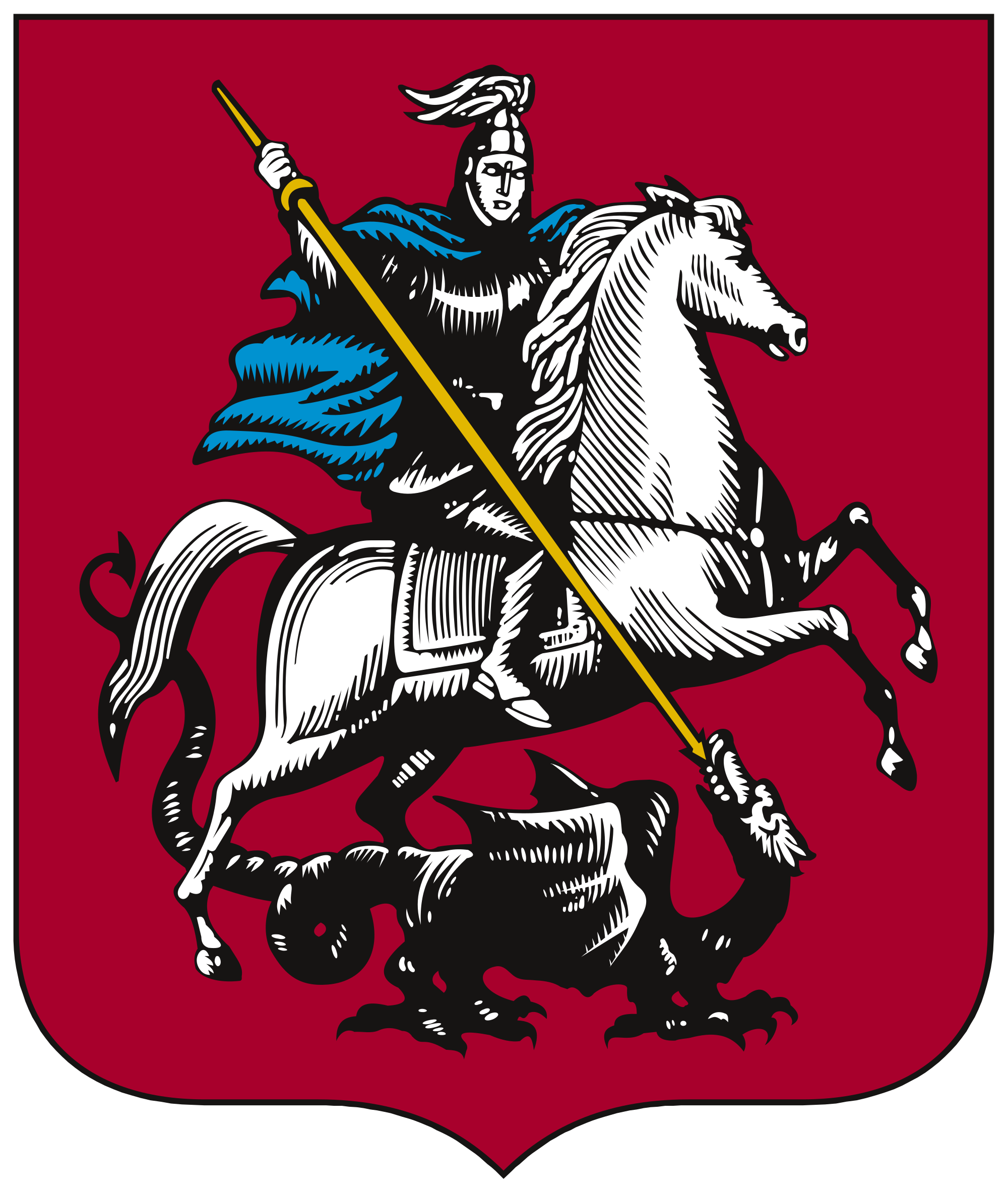
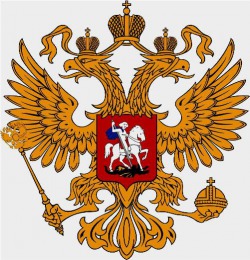
Note: This post was recovered from the Sh.org archive.
Username: humanoidlord
Date: 2018-05-08 22:37:13
Reaction Score: 1
looks like you are right, it simbolizes the defeat of tartariaThis is my favorite picture of "romans" in russia
looks very celtic
Here is a crest of Moscow, and crest of Russia for consideration.
The question is what the dragon symbolizes. To figure this one out, we would need to see what happened 7526 years ago. This is the true year according to the Russisn pre-Peter tge Great calendar. The count of was started at the point of the creation of the World, with an alternate meaning of the creation of Peace.
I personally think its the Peace one. Heard there was some super duper war long time ago, great enough to count down time from its completion.
I think this dragon could be the loosing party. Of course things get historically modified with time.
It could have been the Tartarian griffin modified to the looks of a dragon. After all somebody out there wiped Tartaria out from history to the point where none of us knew about it just a few years ago.
Not so sure. Russian Tsar would not abandon a 7200 year calendar for nothing.Note: This post was recovered from the Sh.org archive.Username: KorbenDallasDate: 2018-05-08 22:57:46Reaction Score: 2
Note: This post was recovered from the Sh.org archive.
Username: The Kraken
Date: 2018-05-08 23:15:10
Reaction Score: 5
A man defeating a serpent.Not so sure. Russian Tsar would not abandon a 7200 year calendar for nothing.

Note: This post was recovered from the Sh.org archive.
Username: asatiger1966
Date: 2018-07-10 05:24:18
Reaction Score: 1
All history as taught has been changed. The math was changed again in 1945. The people that built Saint Petersburg , in my opinion, had old technology possibly from Egypt.Rome, as an Empire (in the way we were told about) could be questionable as well.

The double headed eagle was half decapitated. Now it's all single headed eagles. Right wing, left wing, of the same eagle.Note: This post was recovered from the Sh.org archive.Username: anotherlayerDate: 2018-07-10 14:56:36Reaction Score: 3
Before russians invasion it was Ingria-Ingermanland. they built a Petersburg before russian invasionNote: This post was recovered from the Sh.org archive.
Username: Aply1985
Date: 2018-08-15 10:47:09
Reaction Score: 5
IN GERMAN LAND hmm.?Before russians invasion it was Ingria-Ingermanland. they built a Petersburg before russian invasion
Novgorodian Ingermanland (Ingria) and Its Fortified Centers in Medieval Times
I did some quick reading/research on the so called "Bronze Horseman" statue. The granite stone beneath it, is the so called "Thunderstone" pedestal, which is the largest and heaviest stone ever transported by man... There are some inconsistencies however in the story, the guy who apparently was the "mastermind' behind the technology for transporting the heaviest object by humankind : Marin Carburi ( quite the achievement I think...) does not even have an English or Russian language entry in Wikipedia... Only a French, Italian, German and Greece one... which I find odd... because like come one... this guy allegedly transported the heaviest object (the Thunderstone monolith weighing 1500 ton) in the 18th century using some ingenious method, by land and water, with the first use of ballbearings ever known to man? I never heard anything of him ever till I looked him up today.... they never mentioned him on any national-geographic, discovery or history channel tv show, while they have 100's of documentaries speculating about the transportation and construction methods of the monolith's of Stonehenge and the egyptian pyramids... come on... if you want to know how they moved these objects, wouldn't you check this guy's method out? He apparently wrote a whole book about it in 1777, but this was somehow "forgotten (see german wiki entry about Marin Carburi.... untill 2003?? I find it strange there is so little known about him... Russians also seem to question this story about the transportation method : Ревизия истории: проверяем "Гром-камень" – Ключи познания ( google translate it).. There seems to be only one drawing available of this massive undertaking done by YM Felten in 1770....Note: This post was recovered from the Sh.org archive.Username: AldebaranDate: 2018-09-09 21:56:29Reaction Score: 10
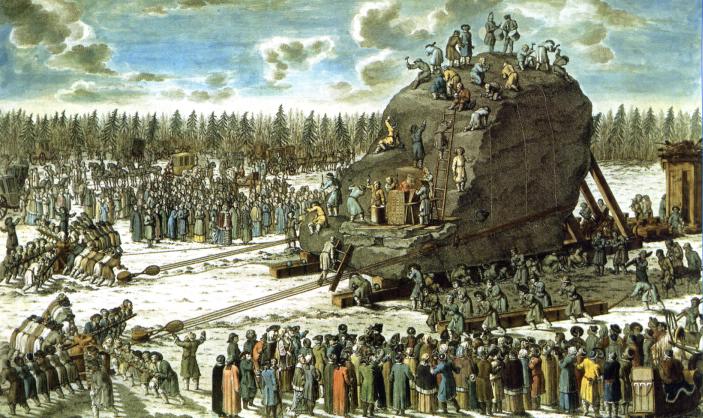
Shows time and time again how little we know of our history, even if you tried to stay on top of it all with 'legitimate' 'mainstream' historians views. The civil war thread also had me wondering, are we just going to see a phasing out of the old stuff (it got lost or destroyed) and all we will have left is a circlejerk of a wikipedia article with its own references (that reference probably long destroyed things). Seems it's easy for them to fabricate so much if they had the motivation.Note: This post was recovered from the Sh.org archive.Username: LordAverageDate: 2018-09-10 00:06:54Reaction Score: 6
Note: This post was recovered from the Sh.org archive.
Username: asatiger1966
Date: 2018-10-15 22:44:06
Reaction Score: 11
Talked to my Russian neighbors and got a some what different story, enjoy.This is like a variation of the same story, no matter where you look. Now it is the Russian City of Saint Petersburg. It actually has a pretty cool legend about how it was founded, and how it was built.
"On 16 May 1703, while looking over sparse marshlands near the mouth of the Baltic Sea that he had taken from the Swedes, Tsar Peter the Great cut two strips of turf from Hare’s Island on the Neva river, laid them in a cross and declared: “Let there be a city here.” As he spoke, an eagle appeared overhead in an auspicious omen.
Or at least that’s the myth of St Petersburg’s founding. In reality, Peter the Great wasn’t even there, and most likely neither was the eagle. It was a group of soldiers under the command of his friend, General Alexander Menshikov, who began building what would become the Peter and Paul Fortress on Hare’s Island in May 1703. The tsar only arrived the following month.
But although untrue, this myth perfectly encapsulates the origins of St Petersburg. Built on an inhospitable swamp at the cost of thousands of lives, it was brought into being through the iron will of Peter, who needed a warm-water port and a fortress against the Swedes. Moreover, it was to be his “window to Europe”: a new capital where Peter’s western-inspired reforms of the military, bureaucracy and national culture would take hold." - St Petersburg
* * *In May of 1703, there supposedly was nothing but swamp where the great City of Saint Petersburg was to stand. The official version states, "The city was built by conscripted peasants from all over Russia; a number of Swedish prisoners of war were also involved in some years under the supervision of Alexander Menshikov. Tens of thousands of serfs died building the city."
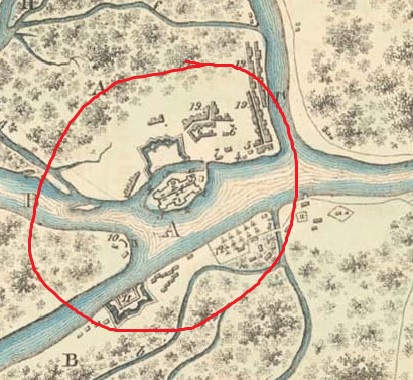
Here are the alleged 1698 maps of the Saint Petersburg area.
(swamp with nothing there)
View attachment 2305View attachment 2511
Saint Petersburg map: 1716, 1717 and 1720
In 1703 Peter the Great said, "Let there be a city here."
13 years later....
View attachment 2330View attachment 2521View attachment 2331
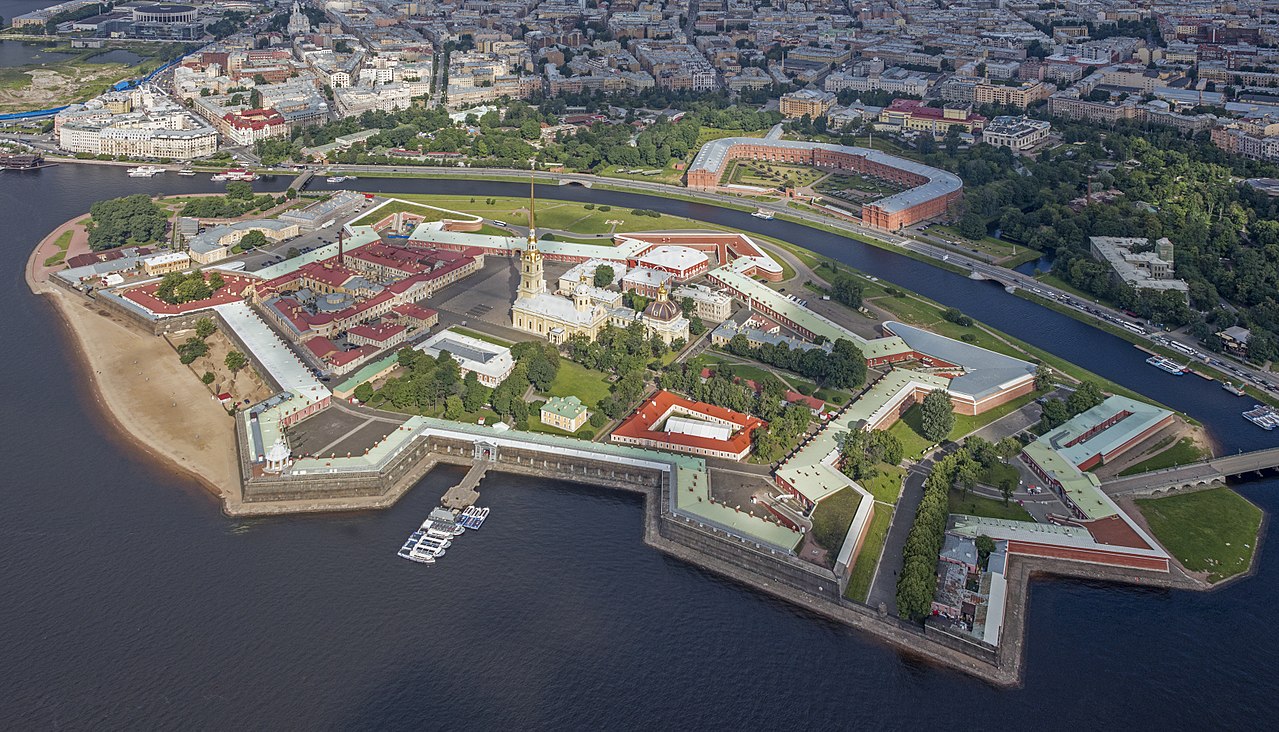
Peter and Paul Fortress
To put this 13 year achievement into perspective, I will show you this one complex called Peter and "Paul Fortress". On the map it looks like an insignificant star shaped thingy.
Actually, I think walls only will suffice.
Well, and some tunnels are not gona hurt the cause here.
View attachment 2337View attachment 2338View attachment 2339View attachment 2340View attachment 2341
Of course we have a bunch of buildings, and a cathedral left. Those you can see here: Peter and Paul Fortress.
KD Opinion: Given the 13 year time frame, I do not believe it was possible to construct a map full of brick and mortar buildings (yes, those were exactly that). Below I will try to present my opinion as to why.
Note: First of all, there is no bashing on the 18th century Russia below. I could draw the exact same parallel to just about any other country. It's just this time we are talking about Russian Saint Petersburg.
I think that art, equipment, and coins are good indicators of the human abilities within a specific time frame. The life gets reflected through the eyes of the artist. Tools and equipment give an idea of what they are capable off. And the quality of the coins, being that there was no television, internet, etc, are also meant to reflect on the governmental identity.
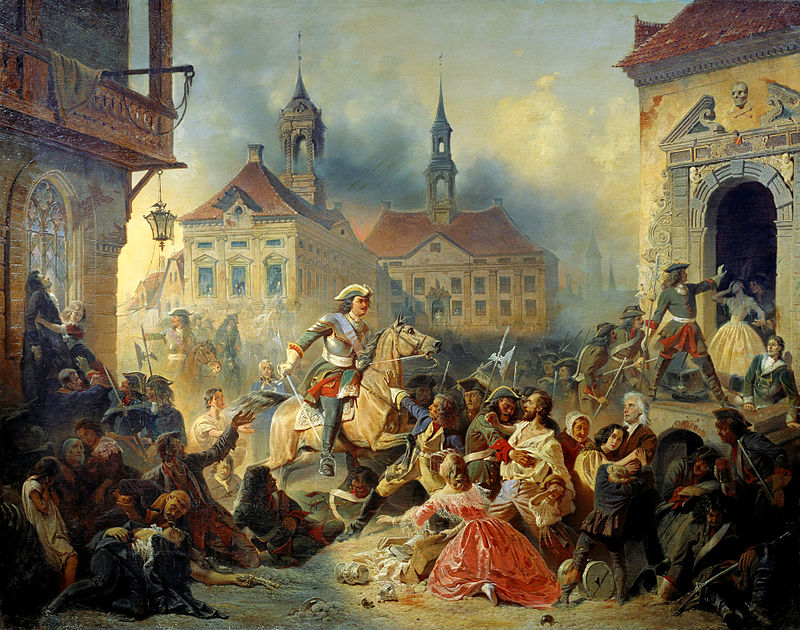
Now let us see what Russian art has to offer as an insight into what everything was like in the 18th century: people, equipment, road condition, etc. The images will pertain to the 18th, and occasionally early 19th centuries. I understand that 1703 is closer to the 17th century in spirit but some benefit of a doubt would not hurt here.
To make it perfectly clear, I have no idea how those people could have built some of the structures you can see in the below paintings.
View attachment 2314View attachment 2307View attachment 2309View attachment 2316
View attachment 2310View attachment 2311View attachment 2312View attachment 2313
View attachment 2308View attachment 2306View attachment 2315View attachment 2319
I think the art above says it all. Modes of transportation are normal for the time frame. Clothing looks normal. The only advanced thing in the paintings is the architecture. Science says they built all that, but did they really?
What could the construction process look like? Would we see any advanced techniques in there allowing the building process to be conducted at at great speed? I was not able to find too many images, but here is what we have.
Nothing really special we have, just something you would expect from the early 18th century. All attempts to find any paintings of the building construction for the 18th century Russia were unsuccessful.
But we can look into some of the claimed construction techniques used 100 years later, in 1820s. I've heard that Russian alternate history gurus took this construction process apart, and called BS on just about everything. If any Russian readers would like to fill us in, on what's going on there, please do so.
View attachment 2324View attachment 2325View attachment 2326View attachment 2327View attachment 2328View attachment 2329With the above 19th century technique it would probably take 200 years to build what was achieved between 1703 and 1716 in Saint Petersburg. I also do not think the technique matches the structures. Appears we did not make it too far from the claimed Ancient Egyptian technique.
Tools: Well, the woodworking tools do not really pertain to what they built. Yet, woodworking were the only tools I was able to find in google.
Coins: Here is where we run into two distinctive quality levels. This could possibly be attributed to the Tartarian heritage, but there is enough speculation for one thread. I will just say, that this is not time damage related issue. According to my Russian acquaintance, this is an ongoing topic of discussion in Russia. Apparently some of the coins (same time frame) do not match to the Kings (Tsars), have unexplanable units of currency, and greatly differ in quality.
Level 1.
View attachment 2354View attachment 2353View attachment 2352View attachment 2355View attachment 2356
Level 2.
View attachment 2344View attachment 2345View attachment 2346View attachment 2347I was unable to find any paintings, but here are some of the engravings covering 1714 - 1716.
View attachment 2348View attachment 2349View attachment 2350View attachment 2351
* * * * *
Engravings
View attachment 2361View attachment 2357View attachment 2358View attachment 2360View attachment 2359
To even get to the point where some sort of construction would be possible, they would have to get rid of the swamps, and marshlands. Then it would be the turn of building up infrastructure (roads, bridges, docks, brick factories, etc). In 1703...
A little summary: Was it possible for Russian people of the early 18th century to build all those structures we can see on the 1716 map. Sure was, but than there would have to be something in our history we are not being told about.
I personally think the City was already there. Older maps reveal the truth.
But that leaves us with two questions:
1. What is the price of our history? ... and the meaning for that matter.
2. Who and why was faking our documents similar to the below Saint Petersburg maps, created in the19th century by the same author?
View attachment 2512View attachment 2513View attachment 2514View attachment 2515
View attachment 2516View attachment 2517View attachment 2518View attachment 2519View attachment 2520
Bizarre things were happening in 1703
(look at this map)
View attachment 2522
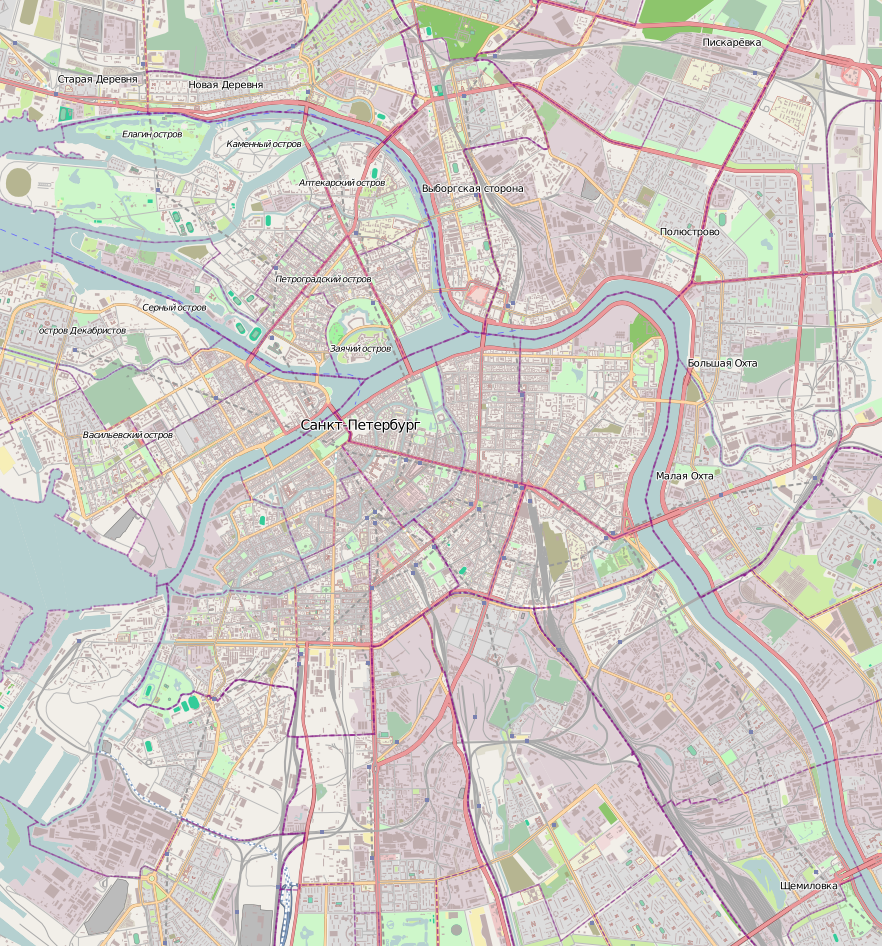
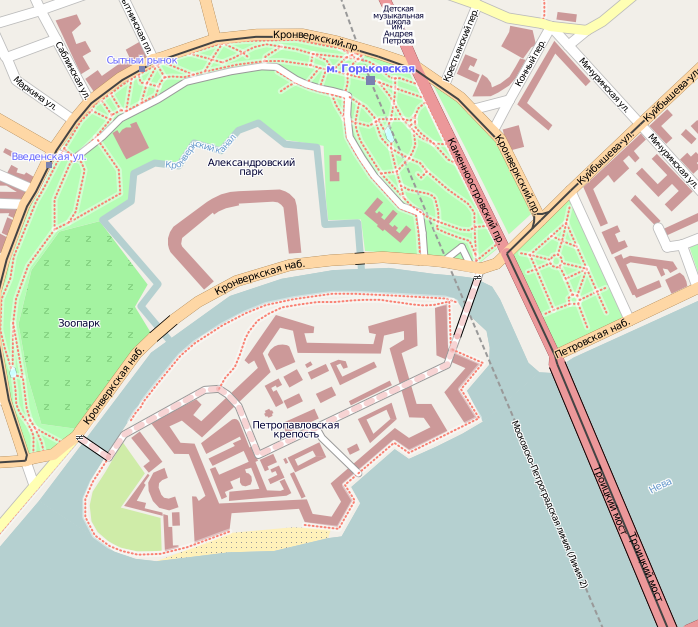
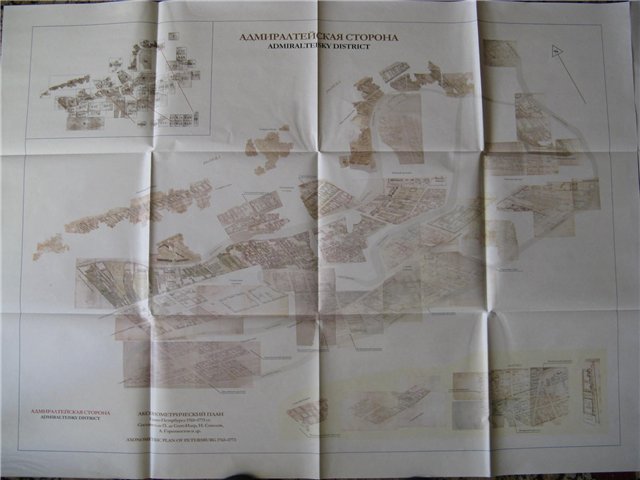
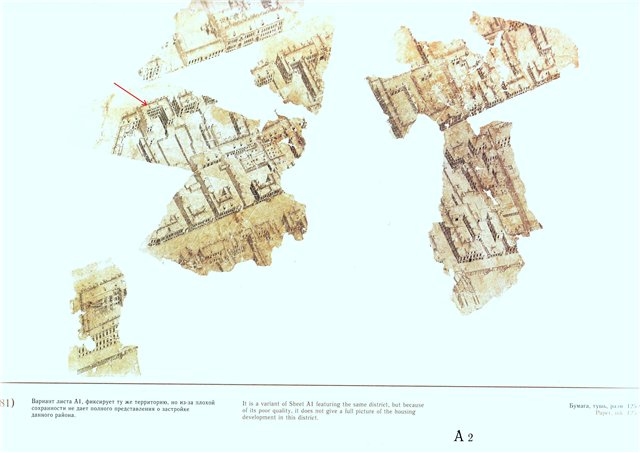
Axonometric plan of St. Petersburg 1765-1773 Аксонометрический план Санкт-Петербурга 1765-1773.Note: This post was recovered from the Sh.org archive.Username: TMan9Date: 2018-10-16 09:09:43Reaction Score: 5
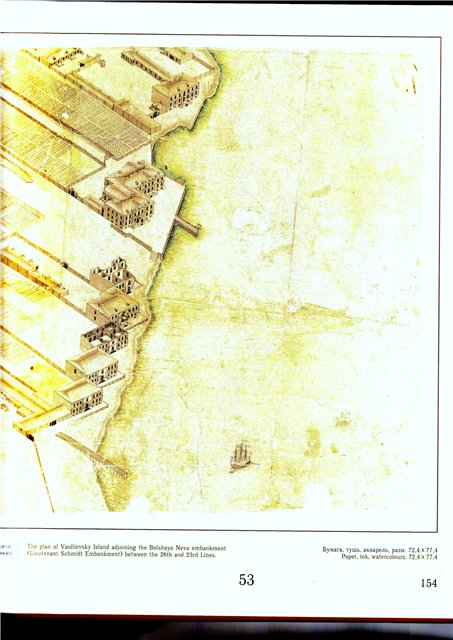
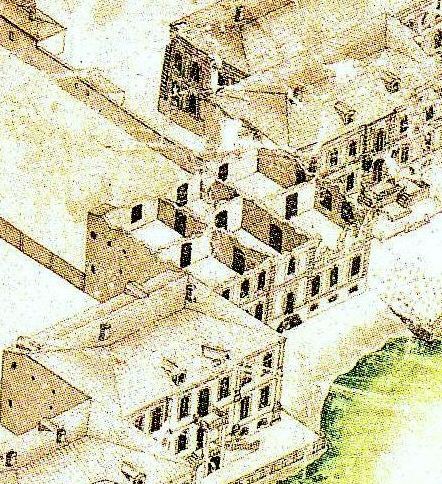
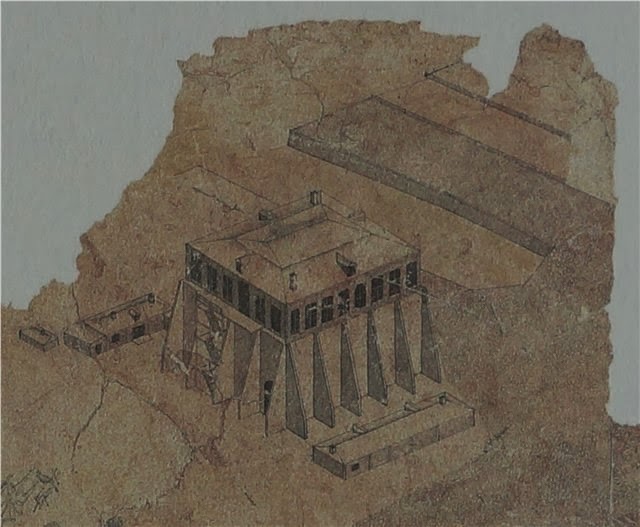
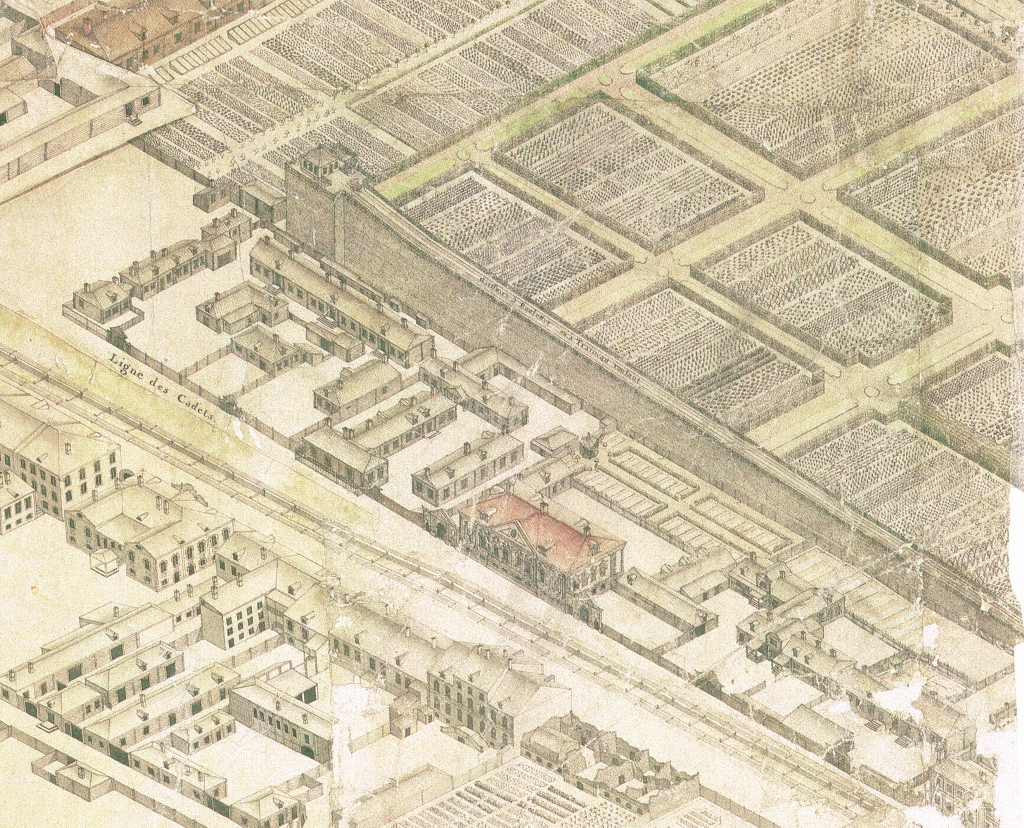
Fun maps again..Note: This post was recovered from the Sh.org archive.
Username: Flyinrod
Date: 2018-11-13 16:24:56
Reaction Score: 9
between the 1700 and 1705 maps ...wow they just built the star fort and 2 others coastal like fortress (in 2 years ??)2. Who and why was faking our documents similar to the below Saint Petersburg maps, created in the19th century by the same author?

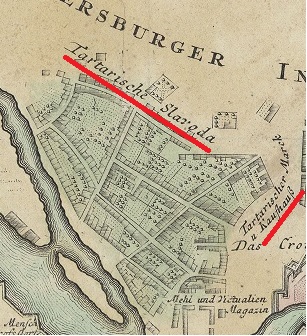
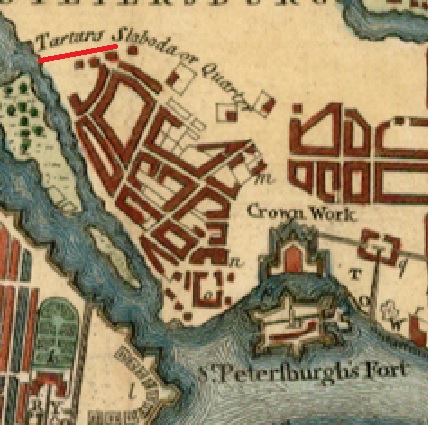
I think it means Tartarian Saburbs.Note: This post was recovered from the Sh.org archive.Username: KorbenDallasDate: 2018-11-13 16:39:45Reaction Score: 8

"The city was built by conscripted peasants from all over Russia; a number of Swedish prisoners of war were also involved in some years under the supervision of Alexander Menshikov. Tens of thousands of serfs died building the city."Note: This post was recovered from the Sh.org archive.Username: IlmarinenDate: 2018-11-14 01:35:37Reaction Score: 6
like they protected itNote: This post was recovered from the Sh.org archive.Username: wizz33Date: 2018-11-14 03:15:31Reaction Score: 0
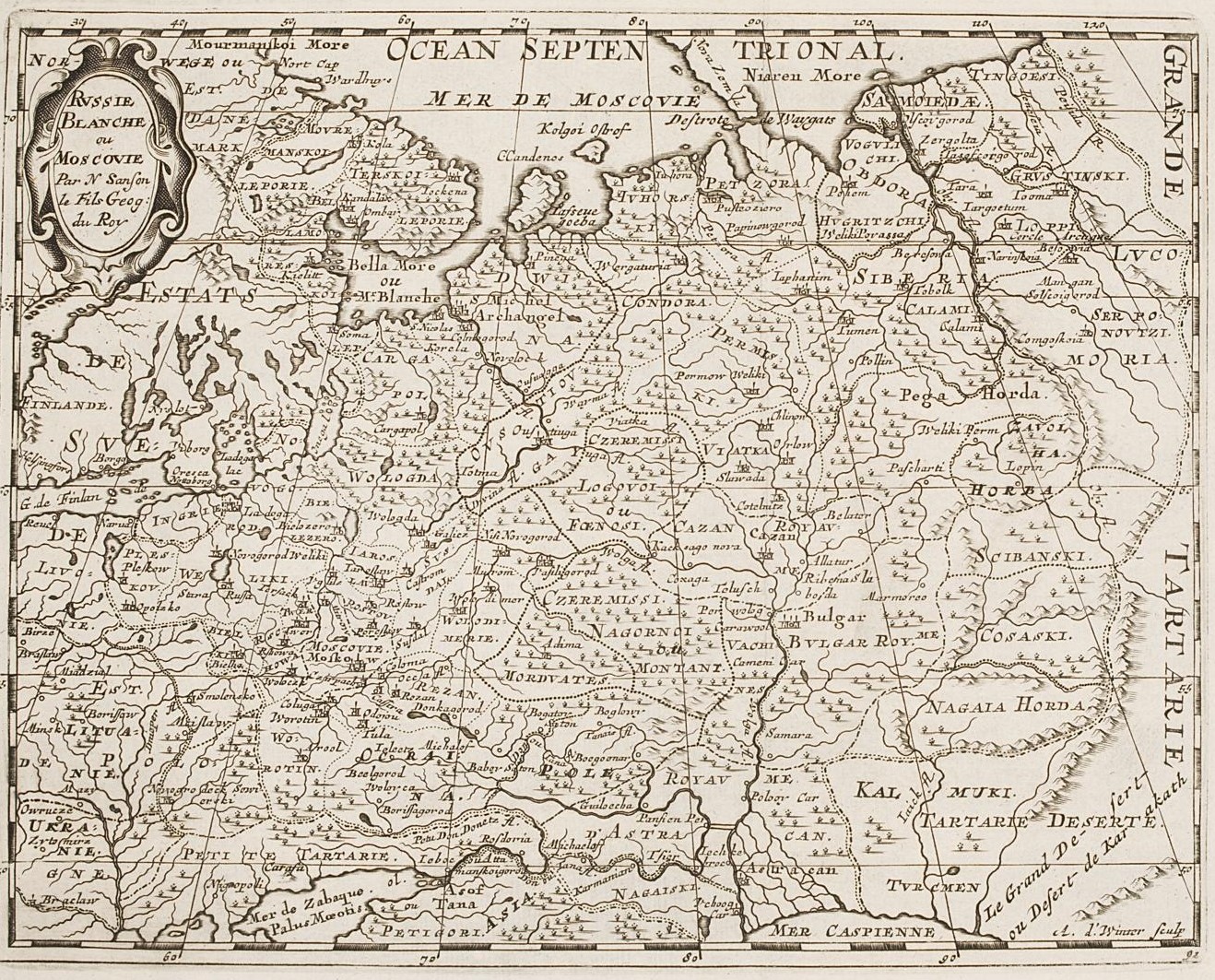
Document called: white russia or moscovie (from N Sanson 1626-1648) Paris 1680Note: This post was recovered from the Sh.org archive.
Username: Flyinrod
Date: 2018-11-14 12:18:36
Reaction Score: 2
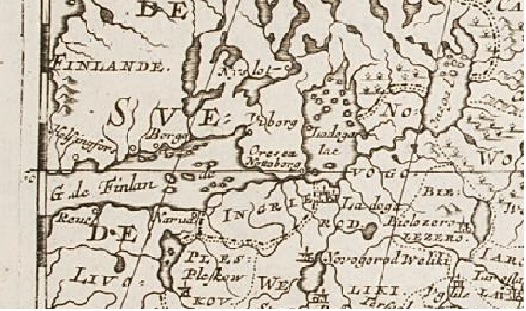
Did you heard about Nottoborg town ?Hmm.. I have never heard any Swedish talk about that but in Finland there is well know, common, saying among peoples that St. Petersburg was built on the top of Finnish peoples bones and with Finnish blood and tears.
Note: This post was recovered from the Sh.org archive.
Username: nothingnew
Date: 2018-11-14 12:55:04
Reaction Score: 5
Im Croatian but this seems to be either German or similar language (or ancient version). "Tartarische Slavoda" means Tartaric suburb. To the right it says "Tartarischer Marck" (now written Markt as market) "u. Kaufhaus" is a store or department store. At the bottom it seems to be "Mehl und Virtualien Magazin" which is a silo or storage for wheat and other produces.Fun maps again..
I don't understand what that means. Is it a reference to Tartaria? i couldn't translate it, sayin me slavoda is croatian ...Someone can read it ?
Thank you nothingnewNote: This post was recovered from the Sh.org archive.
Username: Flyinrod
Date: 2018-11-14 13:02:37
Reaction Score: 1
It's the last bizarre 1703 map of the first post by KorbenDo you have the whole map so I could take a look? Would be interesting to see what else they had there.


