SH Archive Tartarian Language and Alphabet

SH.org OP Username
KorbenDallas
SH.org OP Date
2019-02-11 21:01:03
SH.org Reaction Score
100
SH.org Reply Count
19
Note: This post was recovered from the Sh.org archive.
Username: Mabzynn
Date: 2019-03-20 15:41:11
Reaction Score: 9
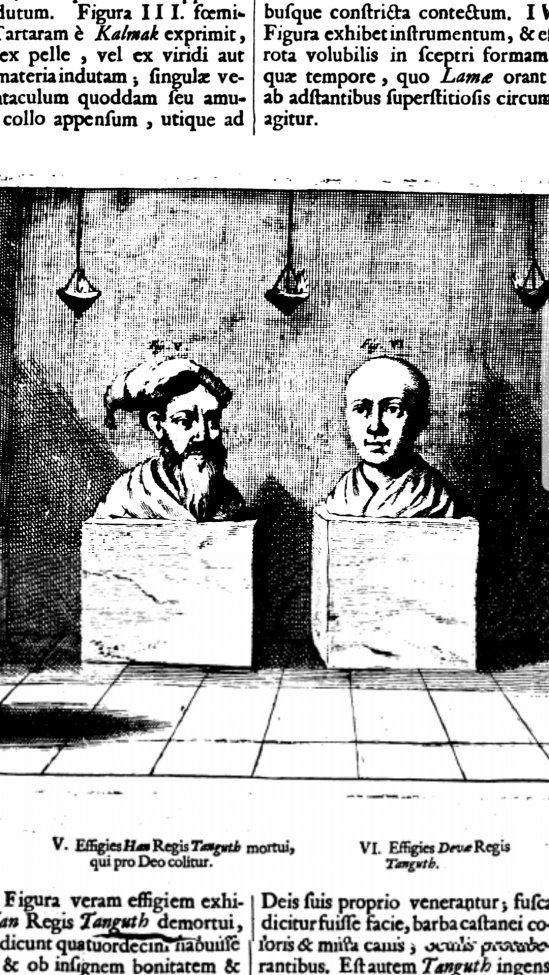
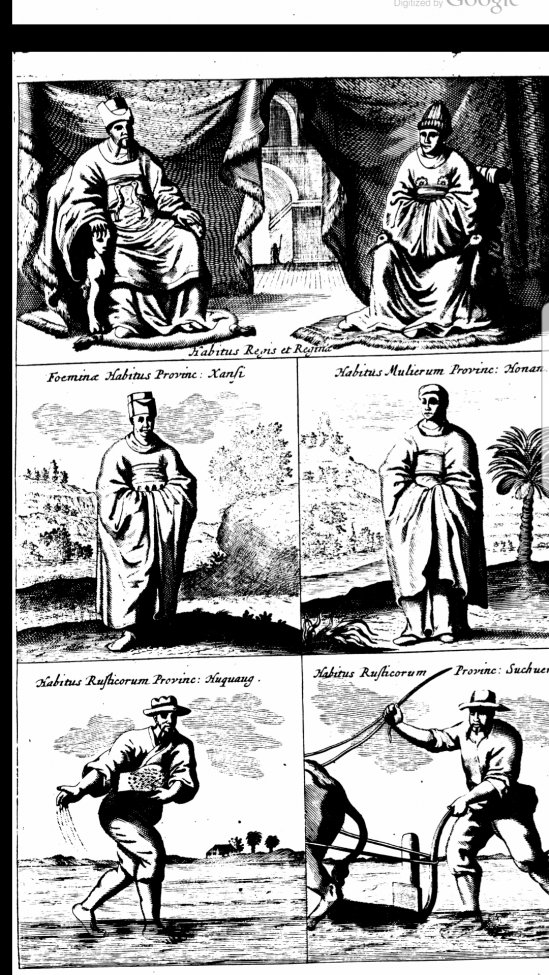
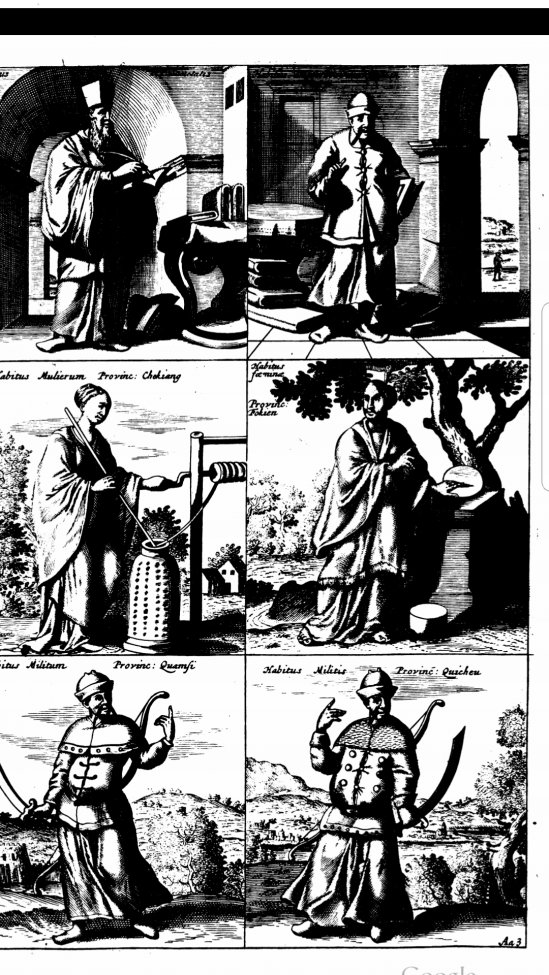
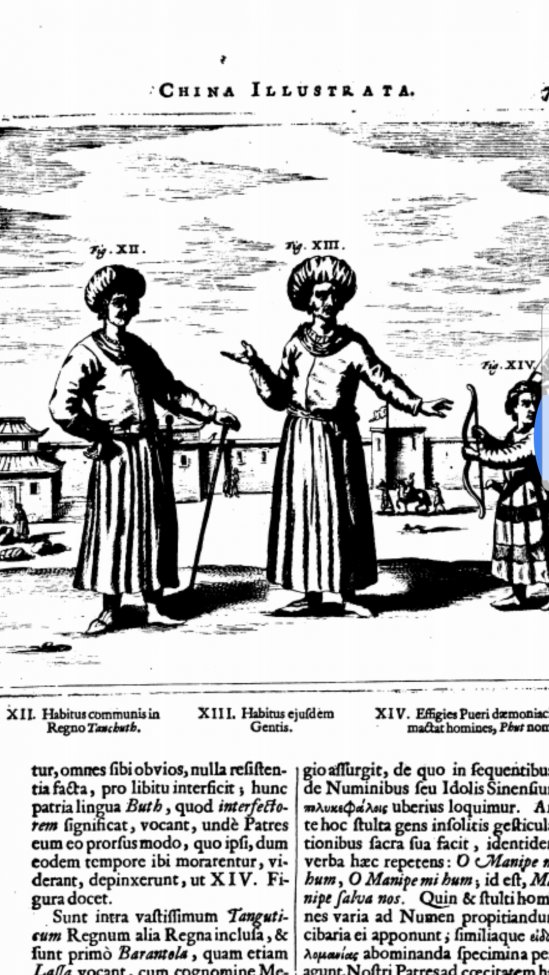
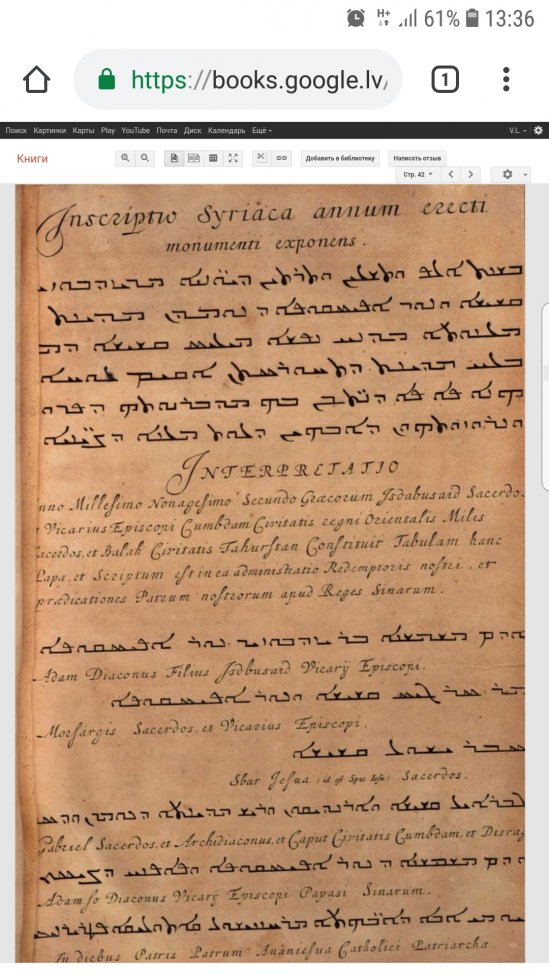
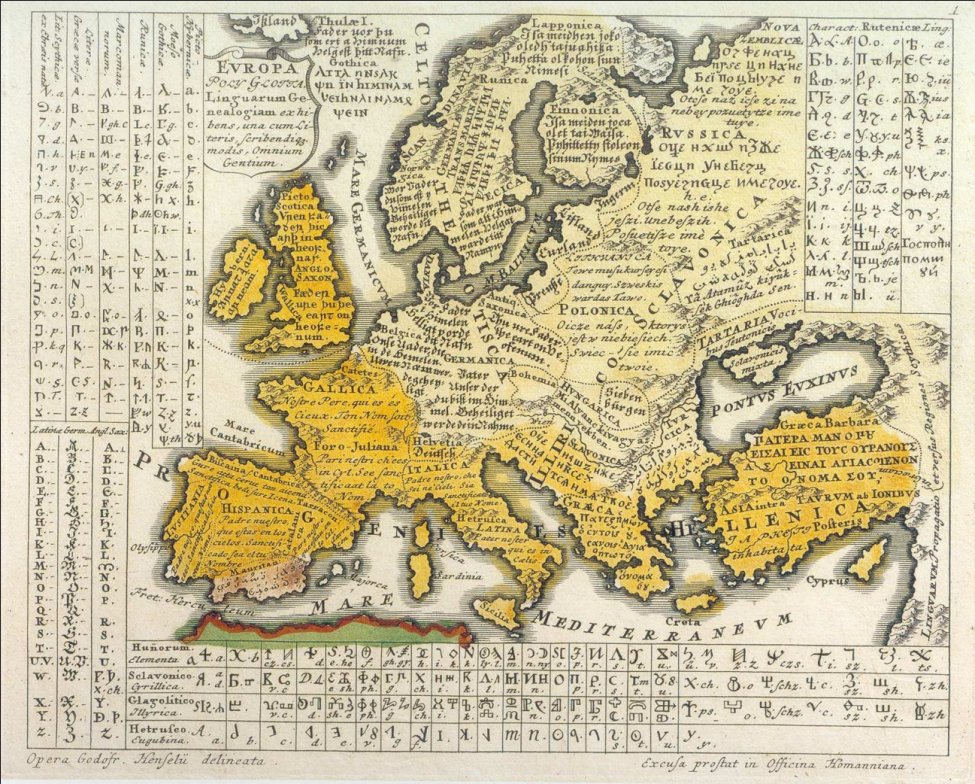
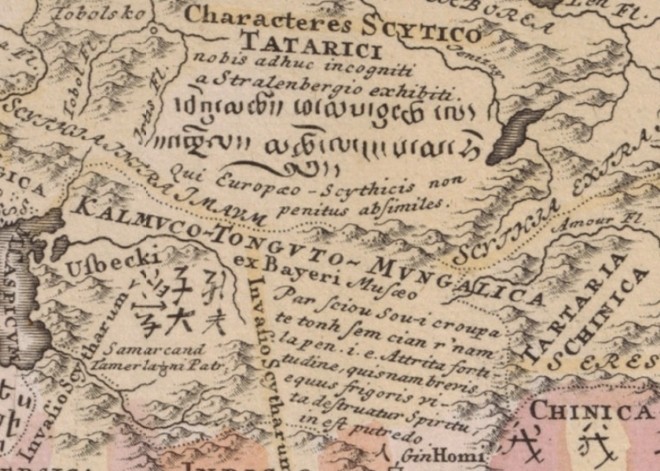
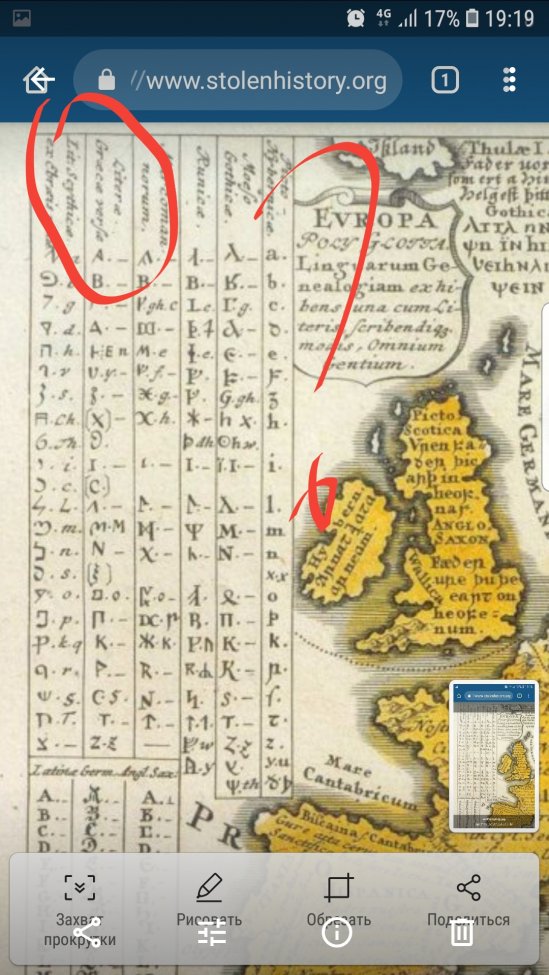
it was hard to get visible screenshots... here's the direct links to the pages

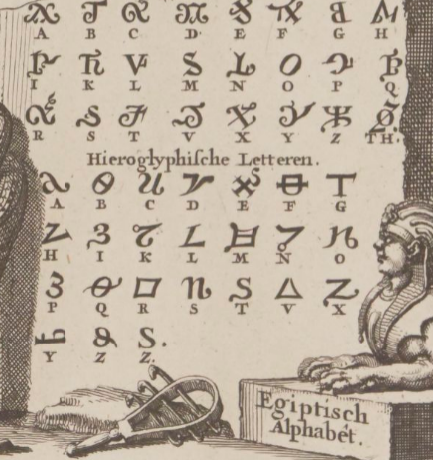
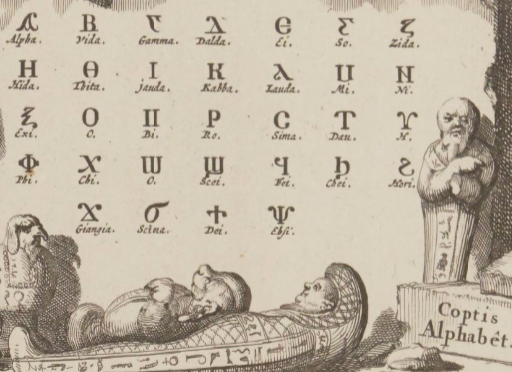
La galerie agréable du monde, où l'on voit en un grand nombre de cartes très exactes et de belles tailles douces les principaux empires, roïaumes, républiques, provinces, villes, bourgs et forteresses ...les îles, côtes rivières, ports de mer...les antiquitez, les abbayes, églises, académies...comme aussi les maisons de campagne, les habillemens et moeurs des peuples...dans les quatre parties de l'univers. Divisée en LXVI tomes, les estampes aiant été dessinées sur les lieux et gravées exactement par les célèbres Luyken, Mulder, Goerée, Baptist, Stopendaal et par d'autres maîtres renomez.... Tome troisième d'Arabie, Terre Sainte, Natolie & Assyrie / Pieter vander AA | Gallica

La galerie agréable du monde, où l'on voit en un grand nombre de cartes très exactes et de belles tailles douces les principaux empires, roïaumes, républiques, provinces, villes, bourgs et forteresses ...les îles, côtes rivières, ports de mer...les antiquitez, les abbayes, églises, académies...comme aussi les maisons de campagne, les habillemens et moeurs des peuples...dans les quatre parties de l'univers. Divisée en LXVI tomes, les estampes aiant été dessinées sur les lieux et gravées exactement par les célèbres Luyken, Mulder, Goerée, Baptist, Stopendaal et par d'autres maîtres renomez.... Tome troisième d'Arabie, Terre Sainte, Natolie & Assyrie / Pieter vander AA | Gallica

La galerie agréable du monde, où l'on voit en un grand nombre de cartes très exactes et de belles tailles douces les principaux empires, roïaumes, républiques, provinces, villes, bourgs et forteresses ...les îles, côtes rivières, ports de mer...les antiquitez, les abbayes, églises, académies...comme aussi les maisons de campagne, les habillemens et moeurs des peuples...dans les quatre parties de l'univers. Divisée en LXVI tomes, les estampes aiant été dessinées sur les lieux et gravées exactement par les célèbres Luyken, Mulder, Goerée, Baptist, Stopendaal et par d'autres maîtres renomez.... Tome troisième d'Arabie, Terre Sainte, Natolie & Assyrie / Pieter vander AA | Gallica

La galerie agréable du monde, où l'on voit en un grand nombre de cartes très exactes et de belles tailles douces les principaux empires, roïaumes, républiques, provinces, villes, bourgs et forteresses ...les îles, côtes rivières, ports de mer...les antiquitez, les abbayes, églises, académies...comme aussi les maisons de campagne, les habillemens et moeurs des peuples...dans les quatre parties de l'univers. Divisée en LXVI tomes, les estampes aiant été dessinées sur les lieux et gravées exactement par les célèbres Luyken, Mulder, Goerée, Baptist, Stopendaal et par d'autres maîtres renomez.... Tome troisième d'Arabie, Terre Sainte, Natolie & Assyrie / Pieter vander AA | Gallica

Here's the text that caught my eye besides multiple other anomalies within the alphabets and images.
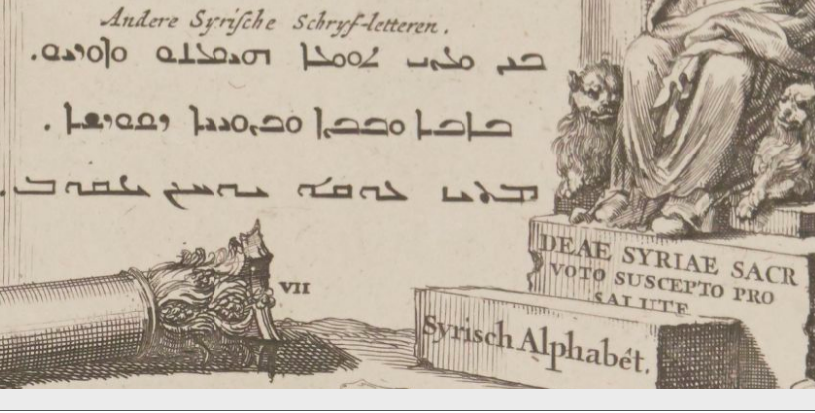
19163

Other questions:
19220
19221

If Champollion used his knowledge of Coptic and the Rosetta stone (found in 1799) to decipher the Hieroglyphics...

Then why is this Dutch artist giving a full account of the Egyptian alphabet and hieroglyphic version in a book in 1733.
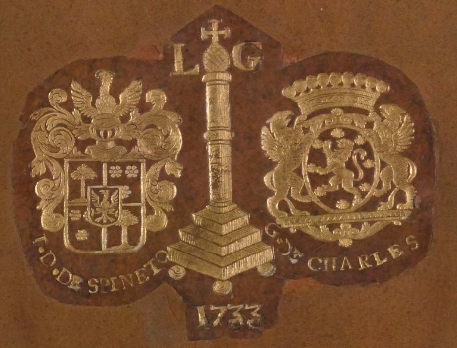
19222

Too many inconsistencies. All coming from an area run by a Prince-Bishop of the Holy Roman Empire, that turned into one of the largest free mason lodges, that had an early schism due to mercantile infiltration of the branch, that forced many members to leave and join the "la Parfaite Intelligence" lodge.

The man in charge of the area during this period: Georges-Louis de Berghes
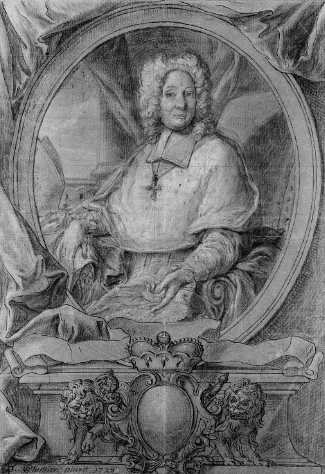
19223

Why is all of the heraldry that appears to have Phoenician artistic reliefs around the outside all scrubbed clean?

Understanding the areas where there's a struggle between Phoenicians/Jesuits/Masons is our best chance at decoding this mess. I need to start learning Dutch and High German.. I'm really starting to think our entire understanding of Ancient Egypt was created in 18th century.
 
Note: This post was recovered from the Sh.org archive.
Username: BStankman
Date: 2019-03-21 10:39:48
Reaction Score: 1
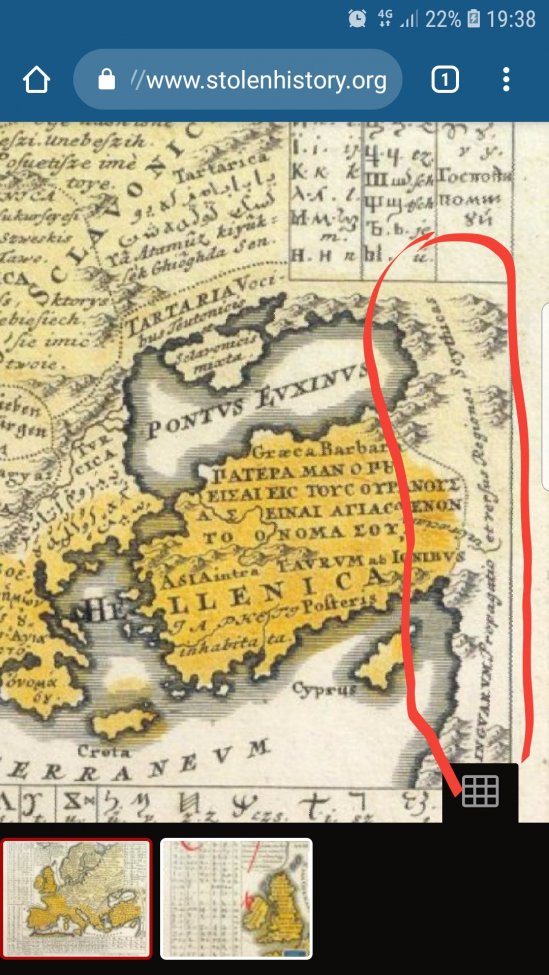
Yes, and the map on this page has been censored

La galerie agréable du monde, où l'on voit en un grand nombre de cartes très exactes et de belles tailles douces les principaux empires, roïaumes, républiques, provinces, villes, bourgs et forteresses ...les îles, côtes rivières, ports de mer...les antiquitez, les abbayes, églises, académies...comme aussi les maisons de campagne, les habillemens et moeurs des peuples...dans les quatre parties de l'univers. Divisée en LXVI tomes, les estampes aiant été dessinées sur les lieux et gravées exactement par les célèbres Luyken, Mulder, Goerée, Baptist, Stopendaal et par d'autres maîtres renomez.... Tome troisième d'Arabie, Terre Sainte, Natolie & Assyrie / Pieter vander AA | Gallica
 
Note: This post was recovered from the Sh.org archive.
Username: 0harris0
Date: 2019-03-21 11:05:17
Reaction Score: 1
spotted that, I thought it was a defective image glitch but I guess that would show us a contemporary map of Northern Turkey?! that's the black sea south coast :)
 
Note: This post was recovered from the Sh.org archive.
Username: Juzzer
Date: 2019-04-09 07:15:59
Reaction Score: 3
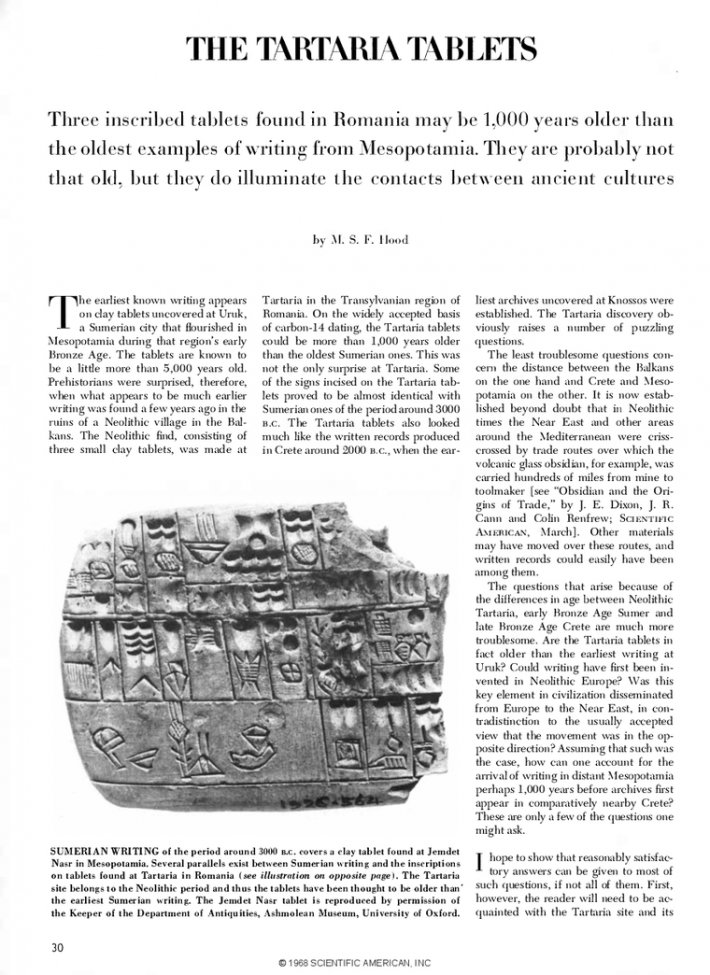
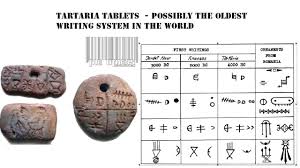
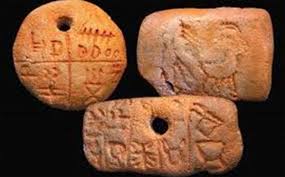
I came across this Tartarian tablet this morning, never seen this one before.. apparently 1000 years older than any Sumerian tablet found to date. Uncovered in the ruins of a neolithic village they’ve named Tartaria in the Balkans.

Find the article here
E3B75D4A-9C5A-4CF6-A888-28A2814C617E.jpeg

PDF download link to research paper, New archaeological data refering to Tartaria tablets.

Wiki tells us;
The Tărtăria tablets /tərtəria/ are three tablets, reportedly discovered in 1961 at a Neolithic site in the village of Tărtăria, in Romania. The dating of the tablets is difficult as they cannot be carbon-dated and the stratigraphy is uncertain. A few scientists suppose that they may date to around 5300 BC.

5D29EB38-6AF2-475A-9D65-469DFB09C2CD.jpegAAC0292C-C280-4815-B664-2F2E3FCDE457.jpeg

What the “Experts” claim;
The inscribed clay tablets found in a 'Neolithic' context at Tartaria in Romania in 1961 have already aroused a certain amount of interest here. The signs on the tablets are comparable with those of the script of the Late Predynastic (Uruk III Jemdet Nasr) period in Mesopotamia, as Dr Vlassa who excavated them has noted. It seems unlikely however that the tablets were drafted by a Sumerian hand or in the Sumerian language of early Mesopotamia. The shapes of the tablets and some of the signs are paralleled in the Minoan scripts of Crete, but the tablets do not seem to be Cretan. There are indications that a similar use of signs, if not actual writing, was practised in the rest of the Aegean and in Western Anatolia before the end of the 3rd millennium B.C. A knowledge of writing, or the use of signs derived from it, may have spread to these regions and to the Balkans from Mesopotamia through Syria. This was perhaps one aspect of a common inheritance of religious or magical beliefs and practices.

Jr: The smaller collection I have come across before but the bigger one which was also found in the same ruin is new to me..
 
Note: This post was recovered from the Sh.org archive.
Username: Aply1985
Date: 2019-05-09 10:59:54
Reaction Score: 6
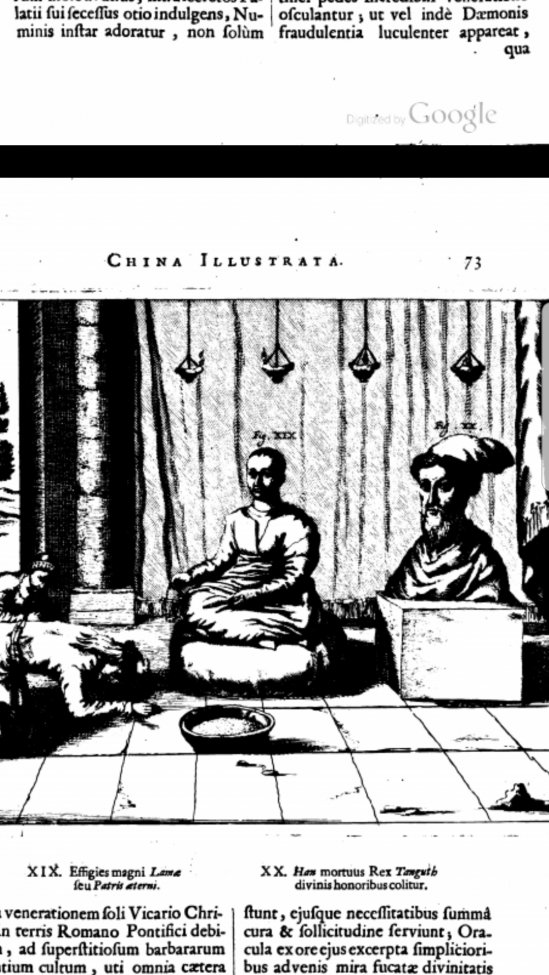
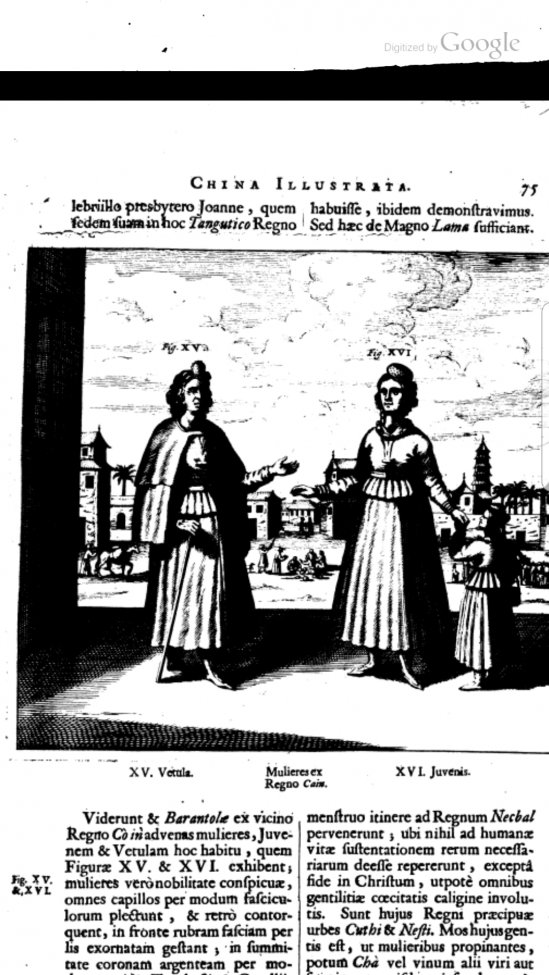
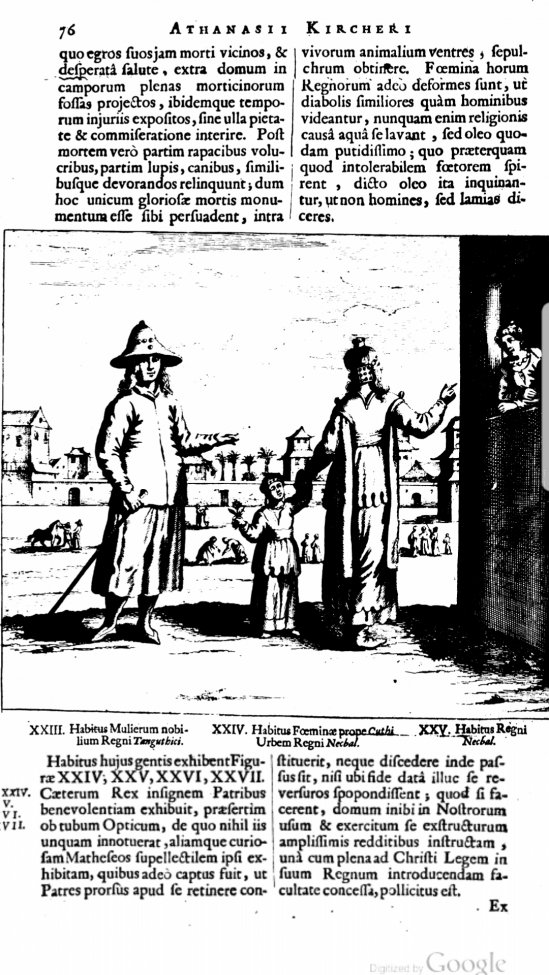
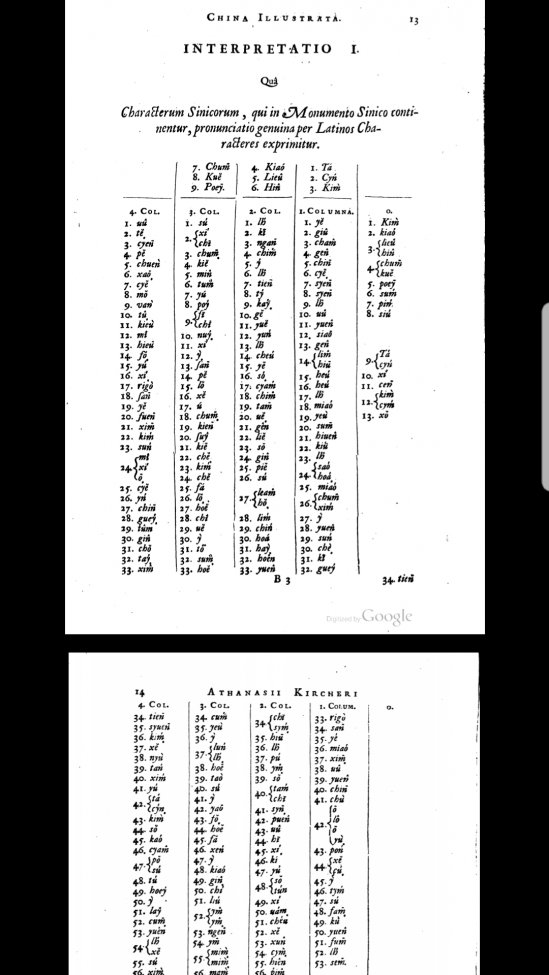
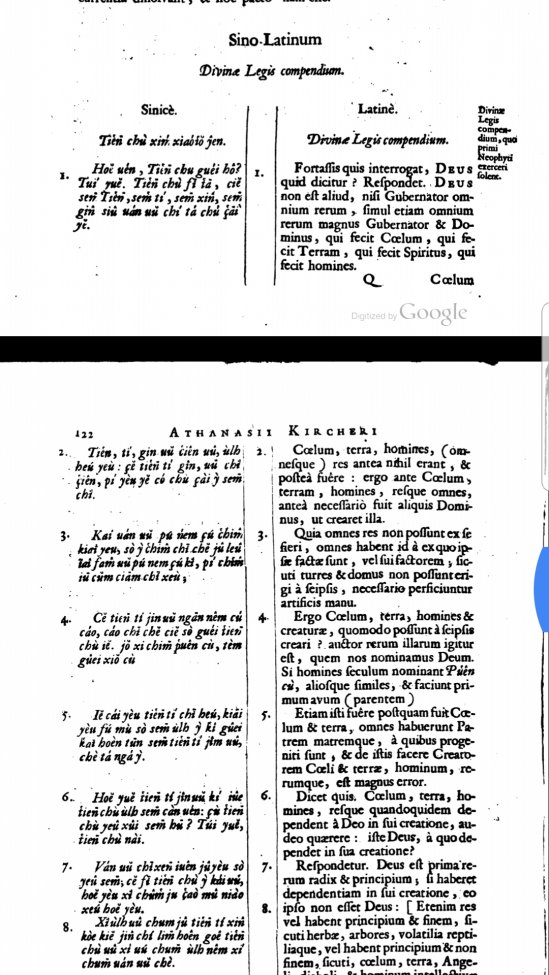
I think i found some Tartar language epxamples. I was reading a book about a Jesuit journey to China Anno MD.C. XVII and first my surprise was that i didn found any Chinese peaple in that book. Chinese with beard it is for me nonsense!

We know that Magnus Cham was leaving in CATHAJA-SERICA

I advice this book to all of you. A lot of surprises u will find.
Athanasii Kircheri ... China monumentis
 
Note: This post was recovered from the Sh.org archive.
Username: codis
Date: 2019-05-09 12:10:30
Reaction Score: 1
Black swan ?
If you would have looked only at soldiers during my service time (unvoluntarily, I must say...), you would have got the impression white Middle - Europeans have no beards either. Chinese movies (coincidentally often pseudo-historic stories of exactlythat time) feature Chines actors with quite exotic beards. Personally I've never been to China, and probably never will.

The thing that bothers me with foreign history accounts. This less-then-trustworthy-people with there hidden agenda were present not only in China, but South America and India as well - at least.
 
Note: This post was recovered from the Sh.org archive.
Username: Aply1985
Date: 2019-05-09 13:55:16
Reaction Score: 1
i trust this brother Athanasius Kircher and all Jesuit brothers who were living before 18 century, when Jesuits where baned from church, because they were cheating with history!
 
Note: This post was recovered from the Sh.org archive.
Username: codis
Date: 2019-05-10 05:16:46
Reaction Score: 0
Not sure if this is real, or satire ...
 
Note: This post was recovered from the Sh.org archive.
Username: Aply1985
Date: 2019-05-10 16:17:01
Reaction Score: 1
What you think? Any Lingvist here to check that table?

 
Note: This post was recovered from the Sh.org archive.
Username: Jim Duyer
Date: 2019-05-18 16:20:12
Reaction Score: 1
They show Iceland as Thule, which was a common tactic for the powers that be to hide the truth. Dr. John Dee, Mercator, Fra Mauro, or any of the alchemists of his day would happily inform one that Thule was located much further east and much closer to the north pole. I would be happy to take a shot at translation if you could furnish me with either clearer images or the source - my eyes are not what they used to be.
 
Note: This post was recovered from the Sh.org archive.
Username: Aply1985
Date: 2019-05-26 13:37:40
Reaction Score: 0
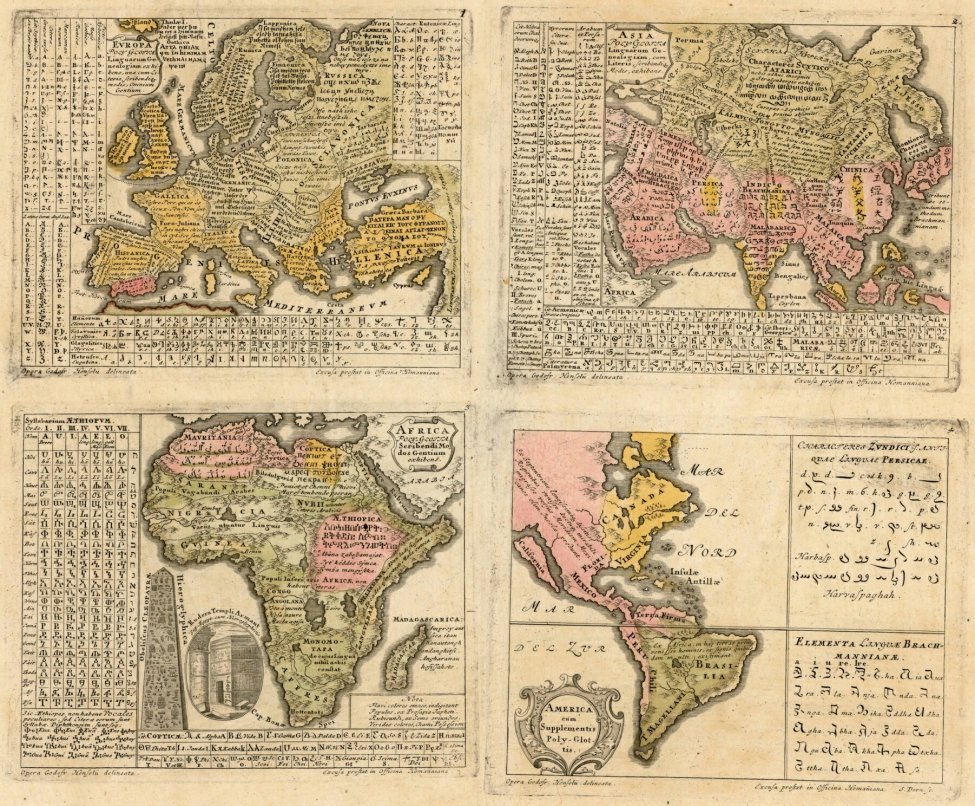
2 new photos by V.L.
 
Note: This post was recovered from the Sh.org archive.
Username: WorldWar1812
Date: 2019-05-26 13:54:14
Reaction Score: 1
Runik alpahabet, anak or anere (celestial). Pre-phoenician I guess. World Wide language.

Iberian people either.
World Wide.

Tartessos - Wikipedia


Iberian-Hebrews
Did you notice Iberian....
Iberians - Wikipedia
who took his name from main river Ebro (Iber), in northern spain, and Hebrew (ebrew) correlation?

Vall d'Hebron - Wikipedia
Glagolitic shape maybe related either. I have the suspicion lost link to that worldwide language has been properly hidden.
 
Note: This post was recovered from the Sh.org archive.
Username: Jim Duyer
Date: 2019-05-26 15:56:16
Reaction Score: 1
Many people furnished their ideas of Hieroglyphics translations. Most were garbage. Van Der Aa was a publisher who would publish pirated editions, plagerisms, works outside the scientific community, and anything else that people paid him to do - with no scruples. The Syriac that is in the example is rubbish, as is the Coptic Egyptian. They make no sense and would not aid in the translation of anything. The same thing happened with Mayan writings - many people, especially in France, offered what they called perfect translations. It was not until a 17 year old son of an archaeologist spent some time with them and came up with the correct translations, in the 20th century, that we were able to read anything valuable in their glyphs. The larger images that you furnished enabled me to check the source, and it is as I suspected - someone's "idea" of what the assignment of letters should be - and nothing more than that. Sorry to break it to you. I don't know much about Coptic, but I do have some knowledge of Egyptian Heiroglyphs. Syriac I know from the Phoenician and Amorite originals.
 
Note: This post was recovered from the Sh.org archive.
Username: Mabzynn
Date: 2019-05-26 16:29:42
Reaction Score: 1
I assumed it was all bullshit as well, not really a surprise anything coming from a Dutch author of this time period would go to the highest bidder.

Do you believe that our current interpretations of Ancient Egyptian Hieroglyphs is accurate? How old do you believe they are?
 
Note: This post was recovered from the Sh.org archive.
Username: Jim Duyer
Date: 2019-05-27 14:35:42
Reaction Score: 7
I was one of the "normal" citizens, who believed that our linguists, historians, scientists, etc. were basically honest and working toward our benefit. I no longer am that person. I created an online translator of English to Sumerian/Mayan/Egyptian and other languages about 15 years ago. It's used by a great many schools and colleges worldwide - over 50,000 uses per month. And has been for years. And why? Because our scholars don't have the time or don't get paid enough to do this simple courtesy for us citizens. But when I put them together, I quickly realized that many of the translations that we are offered, for a great many works, are phony. Either biased towards one or more religious belief, or towards keeping the powers that be in power, or just because they are too lazy to go back and correct their textbooks after new discoveries prove that their past work is shoddy. So I no longer rely on any of the mainstream garbage. I re-translated most of the Anglo-Saxon and Old Welsh works for the same reason - they provide translations that keep the Queen in office, and take away any pride from the people that represent their ancestors, which is currently about 35% of the English speaking world, including Britain, USA, Canada, Australia, etc.
To answer your question directly, however, NO, not very accurate. I have a friend who is an archaeologist. He did not specialize in languages, but when he retired he began to teach himself Egyptian Hieroglyphics. He re-translated the Turin Papyrus, and the results are absolutely amazing. It's very clearly the story of an aerial craft from another world that touched down and interacted with the local Egyptians in the period of about 2200 BC. So now we know why that one never got translated properly! They will never, ever, provide any translations that either empower the common man, instill pride in the working man, or elevate the status of women, or give us hope that we may learn something of the earliest visits from other planets. And certainly nothing that would bring down the well-structured stories from the Bible or Koran. There is a book by Budge, the original translator of most of the Egyptian works, It has pictures of all the hieroglyphs, its free online at archive.org (just search for Budge as author and Egyptian Hieroglyphs as subject). I recommend you get a copy and do your own research.
I do know Sumerian and Mayan, but my Egyptian frankly sucks. I just never took the time to learn it properly. But that book will give you more knowledge, and unbiased, since he wrote it very long ago. Good luck to you in your journey of discovery.
 
Note: This post was recovered from the Sh.org archive.
Username: Mabzynn
Date: 2019-05-27 14:47:49
Reaction Score: 1
I just found your website. Thank you for the heads up on that and for answering. I'll have to play around with this a bit. I had seen your comments in another thread about your experience with Sumerian so I was genuinely curious about your thoughts on the matter.
 
Note: This post was recovered from the Sh.org archive.
Username: Jim Duyer
Date: 2019-05-27 17:59:27
Reaction Score: 3
I don't usually advertise my site so thanks for finding it. By the way, please use this link:
Free Mayan and Sumerian Translators for translations, Books by Author James M. Duyer and much more. and not:
paleoaliens.com/event/index.html. The first one has the newest and most improved
versions of my translators, and outputs a full page 3-D or font image if you wish. I don't
give the top one out normally, because the schools use a lot of my bandwidth, and
the top site is heavy on the bandwidth to begin with. I have never had any advertising
or charges for my sites, so I like to keep my out of pocket costs down. Good luck to you in your quest.
 
Note: This post was recovered from the Sh.org archive.
Username: inquisitor
Date: 2019-06-13 19:28:39
Reaction Score: 2
This caught my eye. I'm not sure that Finno-Ugric would be a development out of Tartarian per se but from what I've briefly learned about Finno-Ugric and whatever Tartaria might be (I am leaning towards an rump state of another civilization), it is possible that the Tartaric language belonged to this linguistic family.

I have recently been studying Etruscan civilization and in particular its language. The language that the Etruscans spoke has been considered enigmatic for some time, and the linguistic family it belonged to has not been identified and thus it is assumed to be a language isolate. It is closely related to similar languages found in the Aegean and the Alps such as Lemnian and Rhaetian. Furthermore, it is likely to also be related to Venetic. The Linear A inscription and the pre-Hellenic Greeks may have spoken a dialect which would have belonged to this language family. A marginal number of scholars have found a possible relationship between Etruscan and the Finno-Ugric family; namely, through Hungarian or more accurately, Magyar. This would give indication that it would also be related to Finnic languages (of which Venetic would be a part of) and if so, also the Tartaric language. I would suspect that Tartaric (as well as Etruscan, Lemnian, Rhaetian, et al.) would belong to the Ugric branch of the linguistic tree.

If this is the case, the Etruscans would have undoubtedly represented a Mediterranean branch of the 'Tartaric' civilization along with their Pelasgian cousins who were centered in the Aegean. I would also venture to say that these two branches of 'Tartaric' civilization would have brought Homeric myths south to the Mediterranean if Felice Vinci's hypothesis that Homeric myths originally took place in the Baltic rather than Hisarlik in Anatolia. A supporter of this hypothesis, Stuart L. Harris, has papers on academia.edu that tie in Vinci's hypothesis with the idea that Homeric Greek (the Greek spoken by Homer's characters, not Homer's mother tongue) was a Finno-Ugric language (Pelasgian?), rather than the Indo-European language of the Hellenic Greeks.
 
Note: This post was recovered from the Sh.org archive.
Username: Curiousguy
Date: 2019-06-20 08:00:53
Reaction Score: 2
Speaking of Finno-Ugric, the Tartarian language and language isolates I can’t help but be interested in the fact maps show Korea was once part of Great Tatary, combined with the fact that the Korean language is said to be “mysterious” in origin (as well as the Korean people’s origin) by mainstream historians.


I was always attracted to Korean by that, do we really know nothing about this fascinating language and peoples? Or is the truth being hidden, maybe due to the connection between the histories of “Corea” (modern day Korea) and Tartary?

Several maps show Korea being part of Tartary as well as it gaining independence from Tartary (and then being absorbed by China).


http://www.korea.net/upload/content/editImage/East_Sea_and_Dokdo_Old_Maps_099.jpg


But it’s interesting to note that on the second map while there is a border between Tartary and Kingdom of Corea, they are connected by a yellow outline, now I think this is because the yellow signifies a “Sphere of Influence” typical of large empires and super-powers.

https://www.targetmap.com/ThumbnailsReports/37914_THUMB_IPAD.jpg

Pink being the Chinese Sphere, Yellow Tartar, and green Japanese. (Yikes Japan is surrounded and many of it’s islands are being taken.)

(Though it could also be a protectorate. Hard to say.)

Now again, it’s interesting that Korea’s origin is labeled as “mysterious” and “unknown” while also being part of Tartary. Though not all academics say this I must say.

Other academics believe Korean is part of the “Altaic” language family, a family that includes Finno-Urgric, and Hungarian, languages mentioned here as likely coming from or (Most likely) being related to Tartarian. As well as Turkish, Manchu and Mongolian and even the Japonic languages of Japanese and Ryukyuan.

Altaic peoples:

The History of Korean Language, The Overview

Korean Language

A Language/Culture Family that also includes peoples that tend to look similar and have similar cultures covering most of the area of Tartary (and including a group of turkic peoples literally called “Tartars”) that when taken together, as seeing the image below, replicates the borders of Tartary and old Russia almost exactly.

http://st.gde-fon.com/wallpapers_or...ol_kazakh_sakha_1600x1200_www.Gde-Fon.com.jpg


They call this land Siberia, some call it Muscovy, some call it Tartary, some (neo-tartar individuals I found on twitter) call it Turan, the sentiment is the same.

I think Tartary may have been a sort of union of a related ethnic group, kind of like how Germany was created by a union of the Germanic Alemanni peoples. And then went on to conquer others as a world power/Empire. Perhaps dominated by Tartars.

https://pbs.twimg.com/media/DZlHd_mU8AEmvA1.jpg
Turan Union, a neo-Tartarian group that seeks to reform the empire even better than before, though from Korea.

http://st-gdefon.gallery.world/wallpapers_original/485185_gallery.world.jpg
Altai Brothers, a similar group, "Since birth of the Proto-Altaic tribes in North-East Asia and forever..."


It’s interesting.

May the truth be revealed, Tartary won’t die, “No not today!”


(sorry into K-pop :p enjoy this song of inspiration.)

Personally I think the Tartarian Language was either a Lingua Franca made out of a single Altaic Language, or it was a "Universal Language" (kind of like Esperanto) of some sort of the Altaic Languages (pretty simple due to their "genetic" linguistic similarity, same with lingua franca) and any non-Altaic ones from conquests such as China. A good way to sustain a Multi-ethnic empire in my book.

And there is some evidence for the second one seeing the mixed nature of the word mentioned by UnusualBean. But the Manchu like language pointed out by others also gives weight to the Altaic Lingua Franca theory. Or everyone could be multi-lingual :p
 
Tips
Tips
Please respect our Posting Rules.
Back
Top